


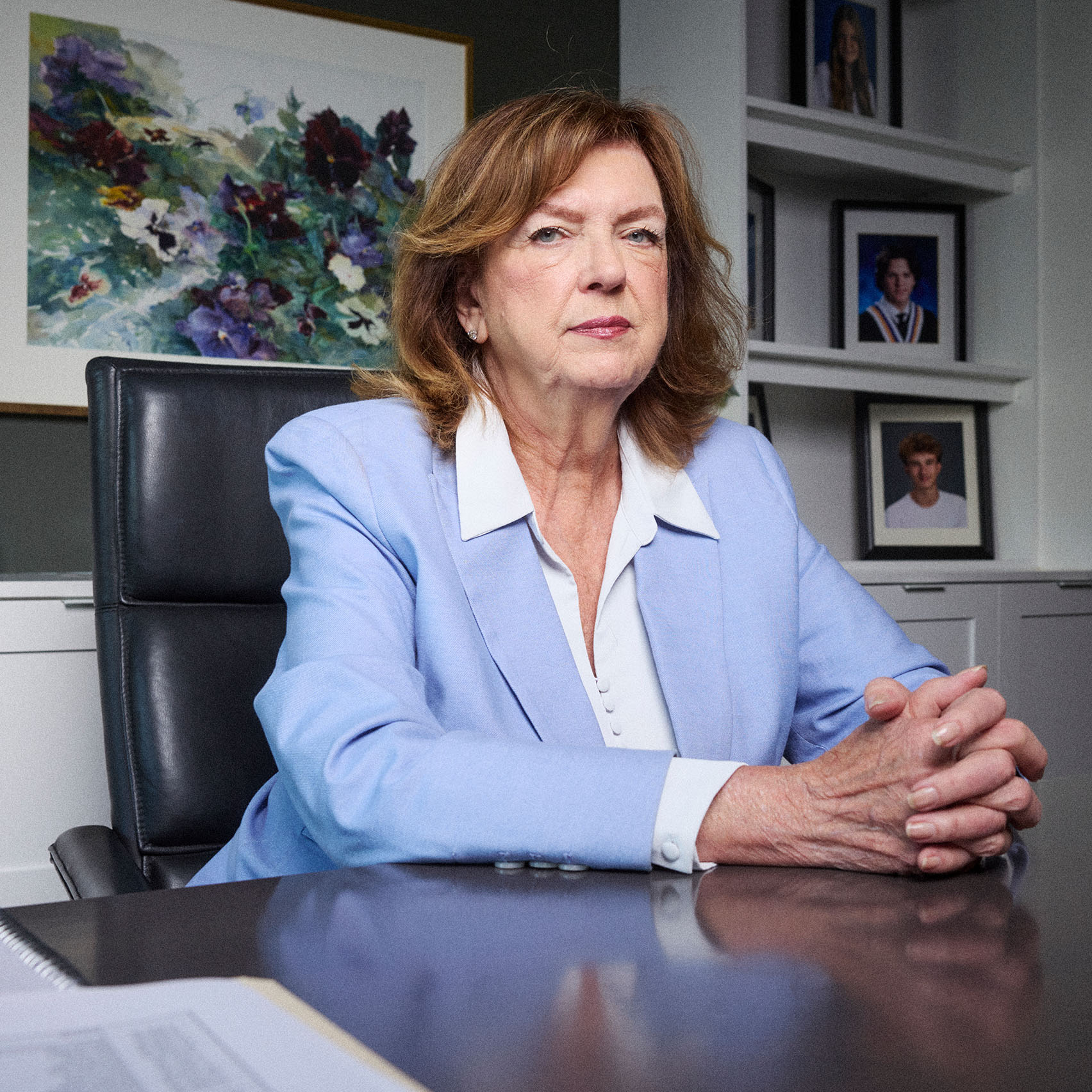
Carolyn Parrish’s first big stand as Mississauga’s brand-new mayor was a decision not to vote.It happened on a Friday morning in early November 2024, five months into her term, in a boardroom she no longer visits.
At the time, the Peel Police Service Board was proposing a 23.3 percent budget increase—the largest in the force’s history—and Parrish had spent the month raising concerns: what neighbourhoods the money would support, whether the increase was reasonable, whether the gap could be closed some other way.
Her main concern was who pays, and why it had to be the residents of a city where food banks use has climbed to one in 13 people.
It’s an issue Mississauga has been grappling with since its inception over 50 years ago, when the cost of Peel Regional Police was split strictly between Mississauga and Brampton under a formula created at a time when the two cities’ populations and tax bases looked nothing like they do now. Mississauga, now thick with corporate head offices, commercial towers, and industrial warehouses, covers roughly 62 percent of the shared police budget. Brampton, which has since outgrown Mississauga in population, covers the remaining 38 percent.
The town of Caledon, the third and smallest member of the Region of Peel, is policed separately by the Ontario Provincial Police, at a fraction of the per-property cost, which is exactly the point Parrish keeps making.
A longtime politician—serving the city federally and locally since 1985—Parrish is constantly armed with history and data, and an ability to package them diplomatically. At the police board meeting, she was gentle but firm with the leadership in the room, careful that her questions not be mistaken for criticism. She invoked her own father, a Toronto police officer for 37 years—showing deference to the job even as she argued the department’s demands had outpaced what residents could keep absorbing. The budget increase would be “a hard sell,” she warned, but conceded anyway as she was the only opposing voice on the board.
“I have no choice but to support this,” she said. “There’s no point in arguing; there’s no point in saying we can’t support this; it’s going through.”
When the time to vote came, Parrish said nothing. In the minutes of the meeting that were published later, Parrish is recorded as having abstained, which under provincial rules counts as a vote in favour.
“I would have voted against it,” she told me almost two years later, still visibly annoyed by how the moment had been recorded. She contends that there was no opportunity in the meeting to oppose verbally or by raising her hand. In the days and weeks following, she would try to persuade council and the public that she was opposed to the increase—a distinction that isn’t on the video, and hard to square with what is.
Introducing the Mississauga Candidate Tracker
The only place to find reported, fact-checked information about every single candidate running in the 2026 Mississauga municipal election. No AI, no campaign talking points, just good journalism.
Two weeks after that vote, she resigned from the board. “I cannot wear two hats,” she told the public in her resignation letter, meaning she couldn’t reconcile being mayor and a police board member.
To those who’ve watched her closely, this is the Carolyn Parrish playbook: charge into an unwinnable fight, be seen for making noise about it, and figure out the fine print later. Today, that fight starts with trying to “make things fair,” a phrase she has often repeated as mayor and is now turning into a campaign slogan for re-election.
In keeping this cause alive, many people say Parrish has adopted tunnel vision, but perhaps for justified reasons. Peel Region has become the province’s self-declared car theft capital, and crime is one of the top concerns for residents here as home invasions, robberies, and shootings are on the rise. It’s unsurprising that the issue of the police budget, and how to better invest in crime-fighting, has become a major issue in the election, with one opponent advertising his surprise endorsement by the police union on billboards.
Those who have worked with Parrish throughout her career are hesitant to speak on the record about their views of her for fear of rebuke. Even though it’s Canada’s seventh-largest city, Mississauga’s leadership circle is small and close-knit. Those who have spent time with Parrish or observed her closely say she’s good at relationship-building when it serves the moment; “depends on which way the wind is blowing,” says a former Mississauga politician. They describe her as a recluse, maybe even “non-existent,” because of her reluctance to show up to city events.
But everyone agrees that she is a “fighter,” in both the good and bad sense of the word. She fights for what she believes in, these sources say. But she will also fight the hardest when people oppose her. And often, sources say, she seems to fight just so she can show that she is fighting.
Parrish has publicly sparred with two of her predecessors, resorting to blunt insults against both. At the same time, she’s ushered in a new relationship between the City and the provincial government, finding herself splitting firewood with Premier Doug Ford in his backyard, who, she claims, has made personal assurances to fix the police budget issue. (The premier’s office did not respond to The Local’s request for comment before publication.)
Come October, she’ll be up against her fiercest opponent of 14 years: Bonnie Crombie, her predecessor, whose provincial ambitions created the vacancy Parrish filled and who is returning to local politics after a failed bid to unseat Ford as Ontario Liberal leader.
Already, the two women—veteran politicians who by most accounts can’t stand each other—are trading shots online and in interviews. The political theatre is undeniable. But Mississauga is at an inflection point, tipping from farmland to suburb to, maybe, something else entirely: a dynamic urban centre that no longer lives in Toronto’s shadow. Whether Parrish’s fight actually serves that future, or just makes for good spectacle, is the real question on the ballot.
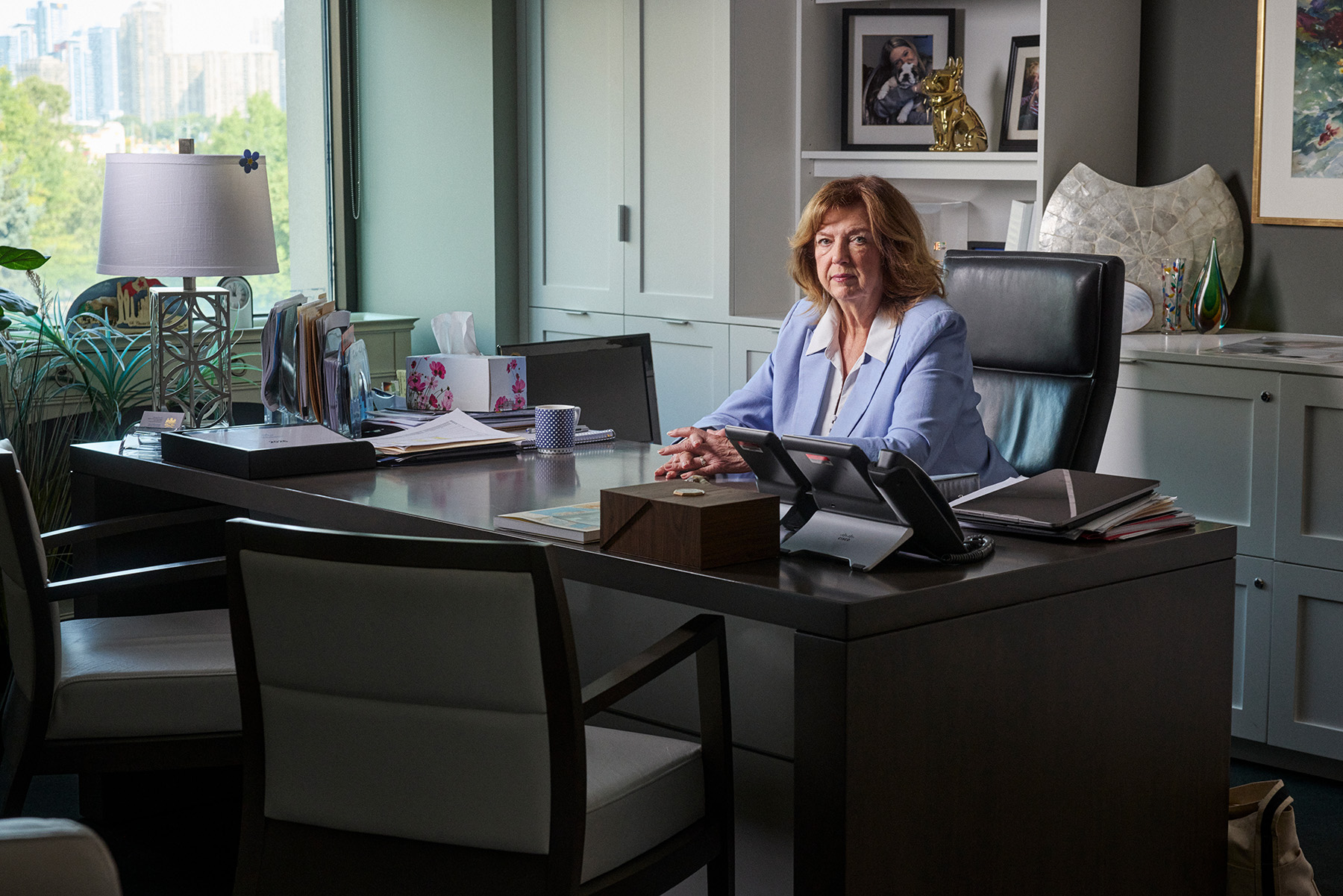
When I walked into Parrish’s office in late August, she was already poring over documents on her desk. Her office is remarkably indistinctive: there are photos of her kids, political knickknacks she’s collected over the years, and files, of course. Asked where she’d like to sit for the interview, she ignored the small lounge setup entirely. “I sit where I sit,” she said, arms firmly on the desk.
As Parrish sits in her office reading these reports, the city around her has changed drastically. Mississauga’s downtown core now hosts the tallest building in the country outside Toronto. Dozens more towers have been approved or are under construction around Square One as developers race to turn the old mall’s parking lots into a 37-tower district with light-rail transit running through it, as the city rushes to build 67,600 residential units by 2050.
But Parrish says there’s lots more to do. Downtown Mississauga doesn’t have a major hotel. And taxpayers are still paying too much. She tells residents that on the daily, personally responding to their concerns about their taxes and City service issues on X (formerly Twitter). The solutions to those problems, she says, are in the bottom lines of budget documents and council reports.
She starts reading when she wakes up around five in the morning, before the phone starts ringing. “It’s a much more complex job, a much more time-consuming job, and you really have to love it,” she says of being mayor—a line she delivers less like a complaint than a point of pride. She says she still doesn’t know what the job pays. (In 2025, she earned $156,171, plus $8,9181 in benefits, in addition to money she collected as a regional councillor in Peel.)
Parrish is quick to say she didn’t plan for this career. She grew up watching her mother follow the Liberal leadership convention that put Pierre Trudeau in charge of the party, which piqued her interest. But her foray into politics actually began as a high school teacher in Etobicoke, and later, almost by accident, as a concerned parent.
Her oldest daughter was in grade three when the school board previewed a sex-ed film, one she describes as an American import that opened with a flag and, at one memorable point, had a zookeeper fielding kids’ questions about how animals reproduced. “It was terrible. So poorly done,” she said. So Parrish called the school. Then she went looking for the person responsible, the superintendent, who agreed to pull the film. After that, she kept showing up to all the school board meetings where things like this were decided.
In 1985, she ran for school trustee in a newly split ward and won, almost by default. Two terms later, she decided city council had “much more meat on their plate,” lost a race for a council seat by a narrow margin, and then let herself be persuaded to take a shot at the federal Liberal nomination in Mississauga West instead. She recalls entering that race late, with four rivals and 12,000 members already signed up, and winning by 46 votes out of 15,000.
She spent the next 13 years as the member of Parliament for Mississauga-Erindale, serving under Jean Chrétien and, after 2003, Paul Martin. The Chrétien years, by her account, were good—a time when backbenchers like her had real room to say what they thought, even if it broke from the party line. The Martin years, she said, were different.
In 2004, Parrish found herself in the national news cycle for publicly opposing the Bush administration and the Iraq war. She called Americans “bastards,” and even stomped on a Bush action figure for a segment on the television comedy This Hour Has 22-Minutes. When she expressed no loyalty to Martin’s leadership, she was expelled from the Liberal caucus.
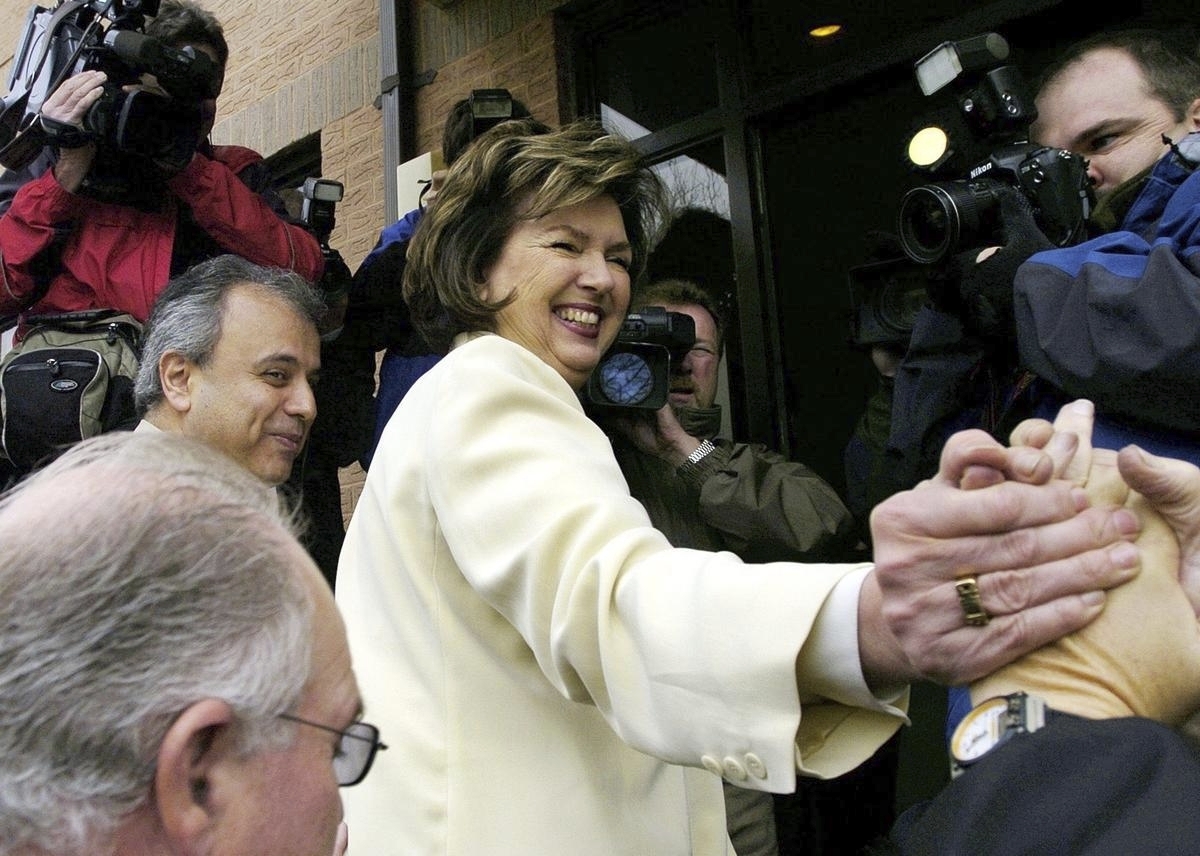
Months later, sitting as an independent, her vote helped save Martin’s minority government from a non-confidence motion. After that, she chose to go back to what she actually loves: local politics.
In 2006, now carrying a reputation for strong opinions and bluntness, Parrish went back to Mississauga and won her first council seat and held it for one term. In that time, she became known as one of the most persistent critics of then-mayor Hazel McCallion, the city’s longest-serving mayor. Parrish rallied an investigation into the mayor’s conflict of interest in her son’s failed downtown hotel deal, and once publicly branded McCallion “ungrateful, ungracious and downright rude.”
It was a pattern of behavior that would continue to define Parrish in the years to come, especially when she encountered Bonnie Crombie.
The two women have a rivalry that started 14 years ago, over a single council seat.
In September 2011, both Parrish and Crombie had freshly washed up on municipal shores after failed federal careers. Both decided to run for a seat representing northeastern Mississauga, which included Malton, one of the city’s poorest neighbourhoods.
Crombie won the race by a small margin. Parrish skipped her victory party and went on to describe her, on social media, in terms she’s never fully walked back—“her blondness” and a “woman under orders” of McCallion, who’d quietly backed Crombie in the race. Parrish later admitted the campaign itself “got really nasty in the last couple of weeks,” and didn’t pretend she wasn’t part of the reason why.
Three years later, in 2014, McCallion retired after 36 years as mayor, and Crombie won the seat outright, leaving Parrish to win the council seat they both fought over.
Whether the chill between them ever fully thawed over the next decade of sharing a council chamber is hard to say from the outside. When Crombie launched her bid for the Ontario Liberal leadership in mid-2023, Parrish was among the first and loudest voices arguing she should step down immediately rather than try to run the City and a provincial campaign at once.
When Crombie actually stepped down in January 2024, council gave her a full send-off—video tribute, speeches, even a poem—and Parrish, one of two councillors who immediately declared for the vacated mayoralty, sat through the whole thing.
The race that ensued drew over 20 candidates, the largest field in the city’s history. Parrish built her campaign around housing affordability, cost of living, transit, and—in her words—“vibrant, connected communities.” She promised a monthly panel to unstick stalled development applications, quarterly ward-level budget consultations, three new youth hubs modelled on Malton’s, and capped property-tax and regional-budget growth to the rate of inflation.
She led comfortably in early polling, then drew criticism from her rivals for skipping most of the campaign’s later debates. Some sources observed that she barely knocked on any doors; only her staff did. Still, somehow, she won with 31 percent of the vote, with just over a quarter of the city’s population at the polls. In her victory speech, she abandoned her prepared remarks. “I’m not going to read all this,” she told a packed, boisterous room at the Mississauga Convention Centre, before promising to represent everyone in the city “whether they voted for me or they didn’t.”
“Particularly, during budget time,” she said, looking up at the attentive but quiet crowd. “Nobody claps for budget?” she asked, persuading the room to applaud.
“As you all know, I can be quite charming,” she continued, now totally off-script, with a sly smile. “But I can also be quite forceful. We’re going to take charm and force and take over the world.”
A short while later, her former rival was the first to boast about her leadership. “You’re going to be a formidable mayor,” Crombie, then Ontario Liberal leader, told reporters. “Carolyn always follows her instincts, and her instincts have never led her wrong yet.”
Two years in, Parrish’s report card is mixed. The monthly panel became a Housing Task Force that helped push units toward permits from 2,557 in 2024 to an expected 11,600. The budget consultations happen, though annually rather than quarterly. One youth hub is running, a second is under construction, and the third is contingent on her winning in October.
And the inflation pledge holds only if you squint: the city’s own slice of the tax bill has come in under inflation two years running, but the combined bill—with the increased police budget—rose 5.2 percent in 2026.
The increase in Mississauga residents’ taxes explains why Parrish remains stubbornly committed to fixing the lopsided regional funding model the City shares with Brampton.
“I’m not opposed to increased budgets by the police,” she told me. “But when we pay 62 percent and they pay 38 percent, it hits our budget really hard.”
Against a police budget that’s roughly doubled in seven years, she argues, Mississauga taxpayers have absorbed close to $399 million in excess costs over five years—a figure she’s had printed onto a chart she hands to me and has carried into meetings, including, she says, one with Premier Ford, who she says agreed the split was unfair. The amount, she says, is equivalent to that needed by the province to build a new hospital in the city.
Her solution is to have Mississauga and Brampton move towards the model used by cities policed by the Ontario Provincial Police, one that is weighted toward population and crime volume rather than assessed property value. “It’s working in 400 municipalities,” she says. “Why not here?”
Zoom out, and the imbalance isn’t just about policing. By her own numbers, Mississauga contributes roughly 58 cents of every dollar spent regionally, against Brampton’s 37 and Caledon’s 4.5—with her own old ward, home to the airport and a dense industrial belt, alone generating 13.7 percent of the entire regional budget. Her proposed fix isn’t to break up Peel Region, which she argues would just triple the bureaucracy. Instead, she has a more surgical solution—pulling specific subsidized services like roads and waste back to the local level, a shift she says will save the City roughly $48 million once it’s fully phased in by 2028.
This approach hasn’t made her popular with the police service, and the dispute over what happened at that board meeting has made many skeptical about whether her crusade is for the people or for political performance. They say that Mississauga and Brampton have not had a new station in over two decades, despite the population increasing drastically. As a member of the board, Parrish would have the knowledge and power needed to strengthen community safety in a region that’s had historically high auto theft and home invasions while not killing pocketbooks, critics say. There could have been other solutions, but she had already made up her mind. Even Brampton Mayor Patrick Brown, by her own admission, isn’t a fan of her “two-year crusade.”
“Carolyn Parrish won’t listen to anyone, but Carolyn Parrish,” one member of the Peel police union said in confidence.
In response, Parrish says that raising awareness of the unfair split was worth this fight. “I’ve hammered it and hammered it and hammered it,” she says, “so that it’s not making excuses. It’s telling you why our taxes are so high.”
The solution, in her opinion, is for the province to help. And she believes she’s the right person to ask for it.
Join the thousands of readers who've signed up for our free newsletter and get award-winning local journalism delivered to your inbox.
"*" indicates required fields

The first time Parrish asked to meet Ford, his office asked her to come to Queen’s Park. She said no. She wanted to meet him where he was most comfortable.
Parrish grew up three blocks from the Etobicoke house Ford still lives in, and he takes constituent meetings there on Fridays. So Parrish drove over one Friday with some staff and council members, and the two other mayors in Peel Region, and sat down at his kitchen table to talk.
Ford wasn’t really listening. He was watching Parrish’s staffer fuss with his wood stove, which wouldn’t catch fire. The premier got up and took her staffer to the backyard to split more logs. Parrish watched as the premier used a really dull axe that looked like it was going the wrong direction every time he brought it down.
At the next event they were all at, the Peel group gifted the premier a new axe, all wrapped. He was thrilled. “He’s just a nice person when you get to meet him,” Parrish says. “He’s very caring, very gentle, a good old boy, it’s hard not to like him.”
It’s the kind of interaction that explains a governing style Parrish’s critics find hard to reconcile. Council has formally objected to several of Ford’s biggest moves—the breakup of Peel Region, including its shared water and wastewater systems, and the consolidation of conservation authorities, the agencies that protect Ontario’s watersheds—while Parrish keeps her own relationship with him separate. “How would it do my city any good if I fought with the premier?” she says. “There’d be no point.”
She echoes mayors across the province who are learning to work diplomatically with the province at a time of differing needs and great financial pressures. Cities are looking to solve homelessness and reduce property taxes and food bank usage, even while the province sets its eyes on economic growth writ-large.
In two years, Parrish has been able to develop a stronger relationship with the province than Crombie before her, whom the premier publicly disliked and still does. Soon after Crombie announced her intention to run again for the mayoral seat, Ford held a press conference at a housing construction site in Mississauga where he joked that he’d “send an army down to make sure I support Mayor Parrish.” Crombie was “an absolute disaster,” Ford said. “Bring it on, let’s go. We’re ready.”
Those standing next to Ford audibly laughed. Parrish, present, seemed to be taken by happy surprise by the premier’s support. In person, she shrugs it off. “I’m a big girl,” she said. “I can do this.”
At the time of publication, Parrish and Crombie are five points apart in one poll with Parrish holding a modest edge, though a third of Mississauga voters remain undecided. Parrish says she welcomes the rematch, since the two of them “don’t think alike.” But the resemblance between them is closer than either would probably like to admit: both seemingly focused more on self-gain than the actual job, quick to throw shots and slow to move the actual needle.
There are public signs of these similarities already. The two women have already begun trading blows on X (formerly Twitter). Crombie accused Parrish of “drifting” leadership for declining to vote on a council motion pausing new AI data centre development: “you vote when it suits you and refuse when the issue is tough…residents know the city is adrift because you’re asleep at the stern,” she wrote. Parrish, responding to a Crombie post asking for the support of the people of Malton, listed off a series of changes Parrish herself had made in Malton. “You did shinny hockey,” Parrish wrote disparagingly. “Shatteringly important.”
Parrish told The Globe and Mail she considers the relationship “testy,” before suggesting Crombie’s return to municipal politics is less a comeback than a consolation prize for a provincial run that didn’t pan out. “I don’t plan to retire,” she said. “So she’s going to get into a fight.”
Interestingly, she refused to talk about Crombie or any opponents with me, saying that it just becomes a “I said, they said” conversation that she doesn’t want to get into.
“I’m focused on this,” she said, pointing at the documents before her.
But the race around her is getting more complicated. In late September, the Peel Regional Police Association—the union representing nearly 4,000 officers and civilian staff—issued its first-ever mayoral endorsement, passing over both former mayors entirely in favour of third-place candidate Alvin Tedjo. They cited his plan to tackle crime and revisit the police funding formula. It’s a reminder that Parrish has yet to decisively win over the city’s institutions or people.
That was also glaringly clear when I asked Parrish what it actually means to be mayor of Mississauga—not mayor in the abstract, but this coveted job, in this unique, sprawling city, after half a term. It was the one question that seemed to catch her flat-footed. She talked about “an opportunity to have some vision,” and gestured at wanting a hotel downtown and a bigger concert hall. She said the job lets you “actually try things” and that when you’re done, “you’ve left something better behind.”
It was the only moment in the hour-plus conversation that sounded like it could have come from any mayor of any city, delivered with none of the specificity or bite she brought to a police budget or her opposition.
For someone who has spent a career being unmistakably, sometimes uncomfortably particular, it made me wonder whether Parrish actually has a vision for what Mississauga becomes next, or whether the fighting has simply become the point.
The Local’s election coverage in Peel region was made possible through generous support from United Way Greater Toronto. All stories were produced independently by The Local.
More from this issue
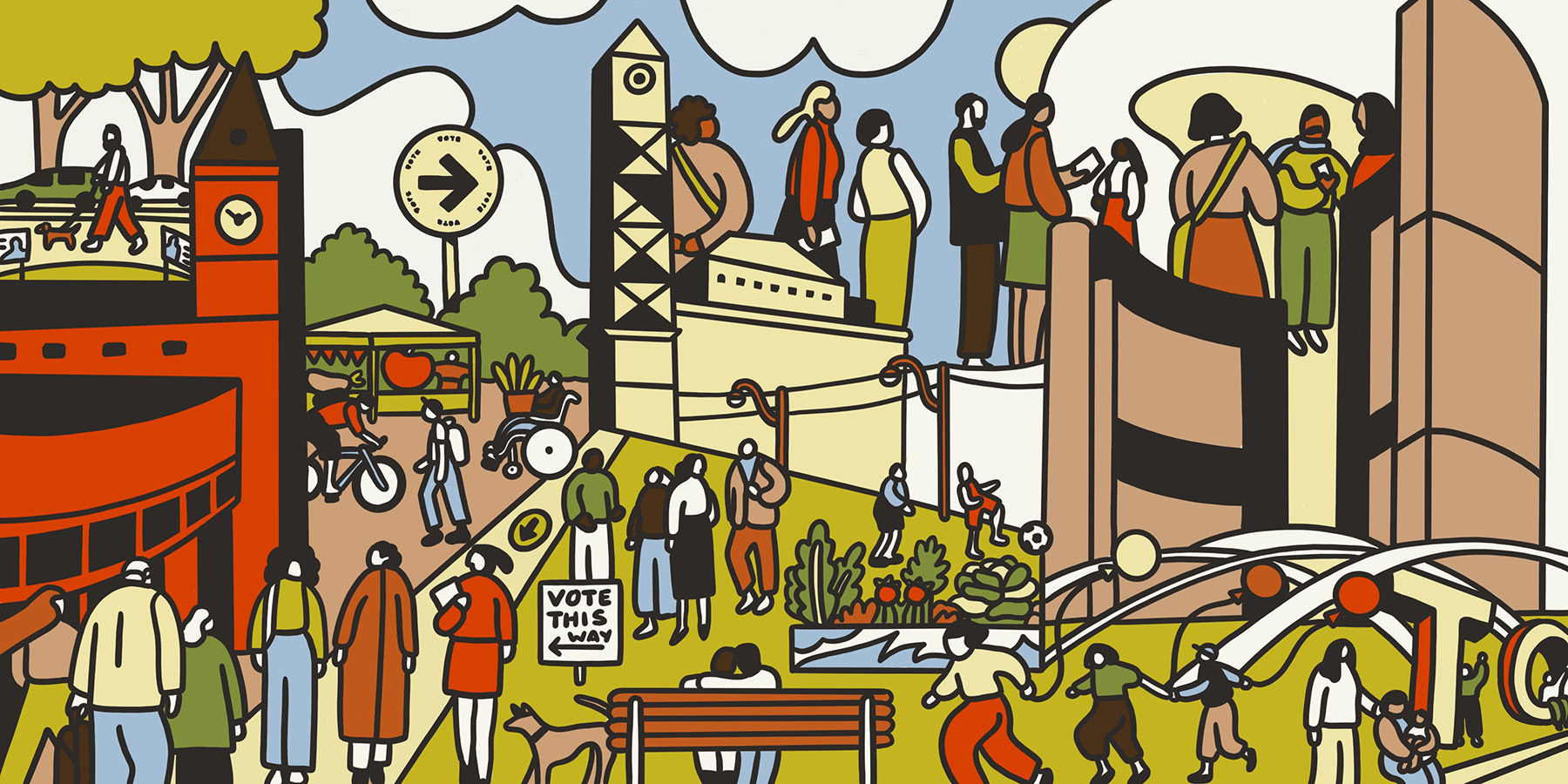
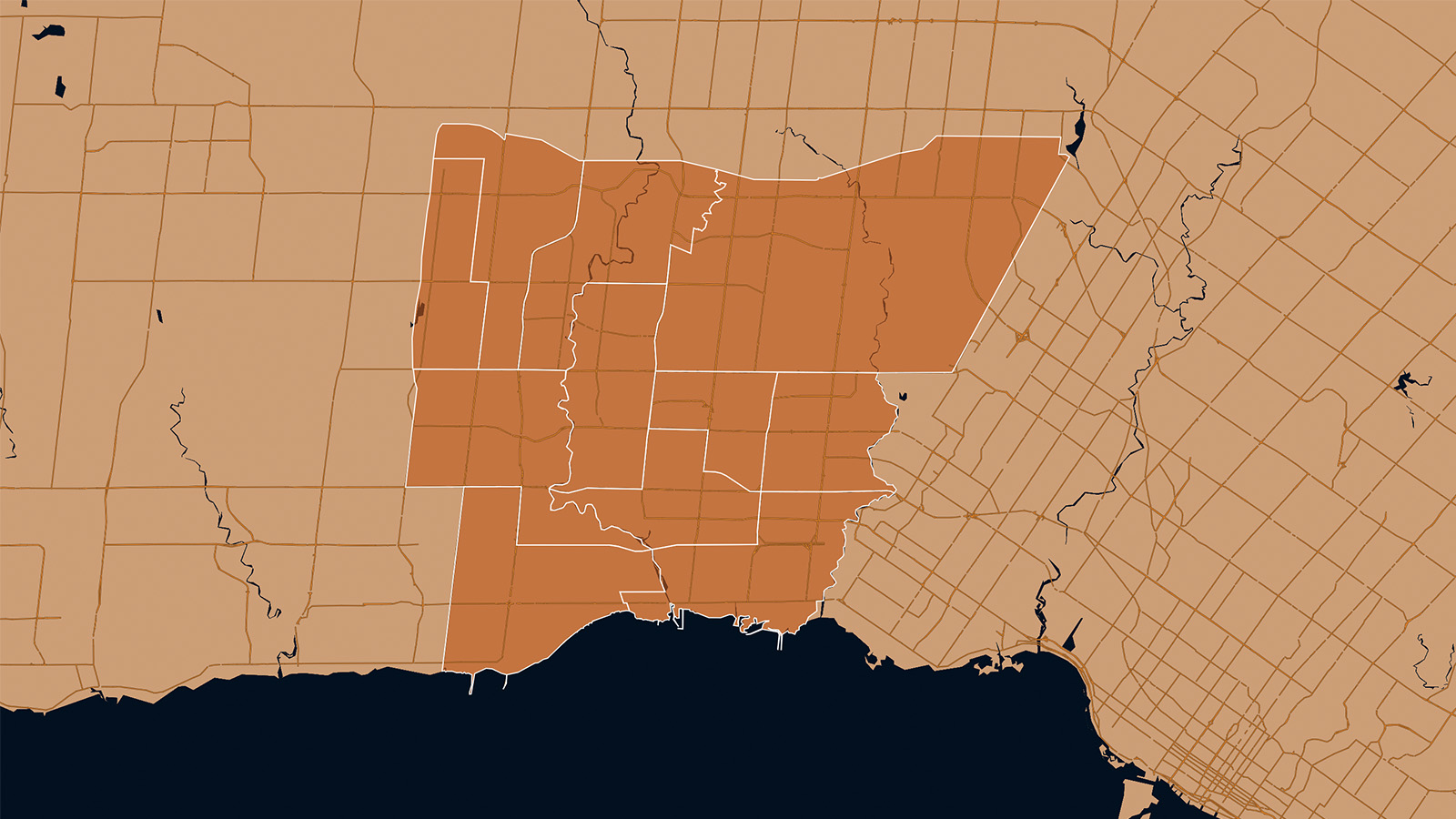
Candidate Tracker: Mississauga 2026
The only place to find reported, fact-checked biographies and platform summaries for every candidate running in the 2026 Mississauga municipal election. No AI, no campaign talking points, just a team of journalists double-checking candidate records and analyzing policies.
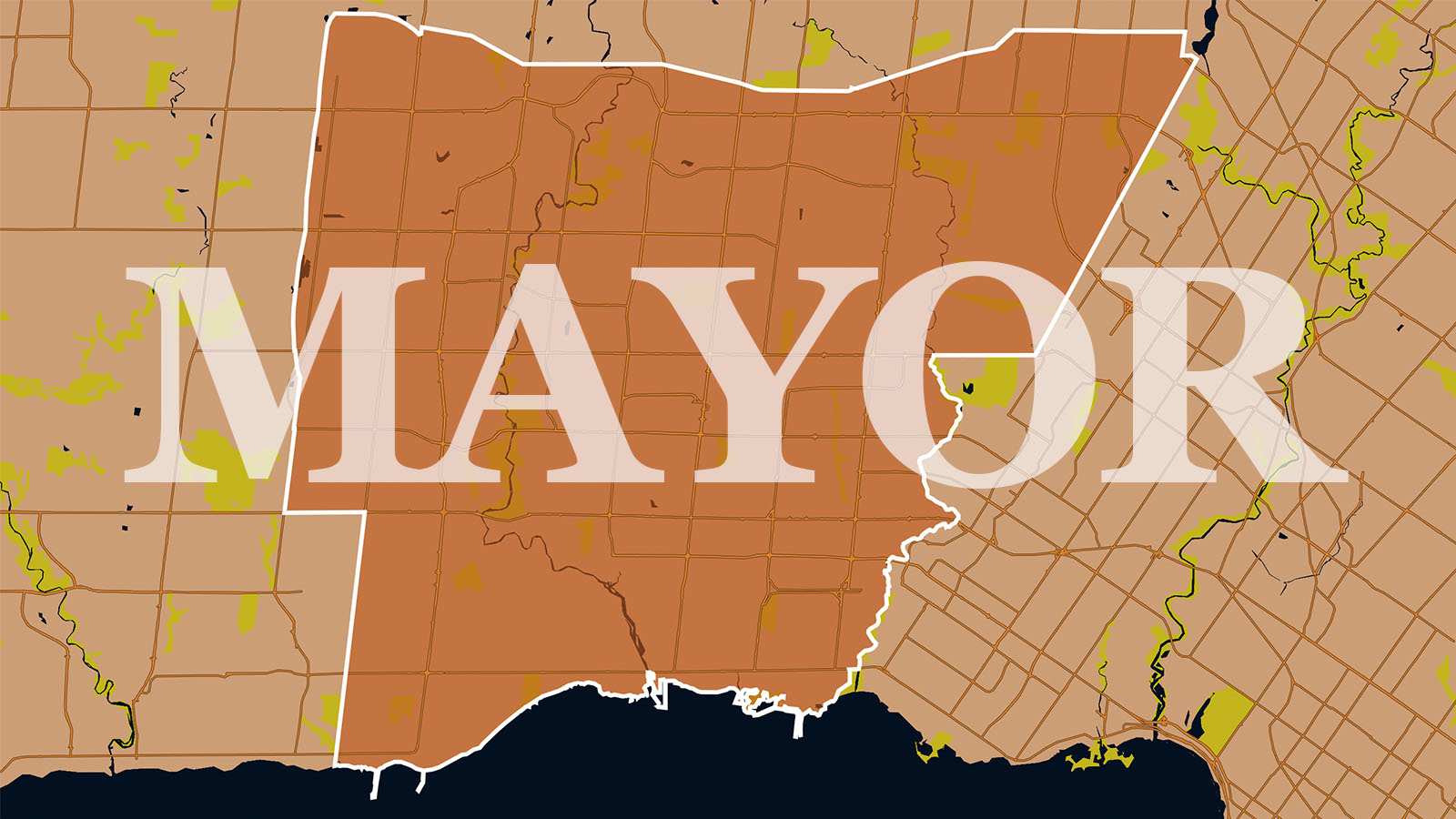
Mississauga Mayoral 2026 Candidates
Fact-checked biographies and platform summaries for all the candidates for mayor of Mississauga.
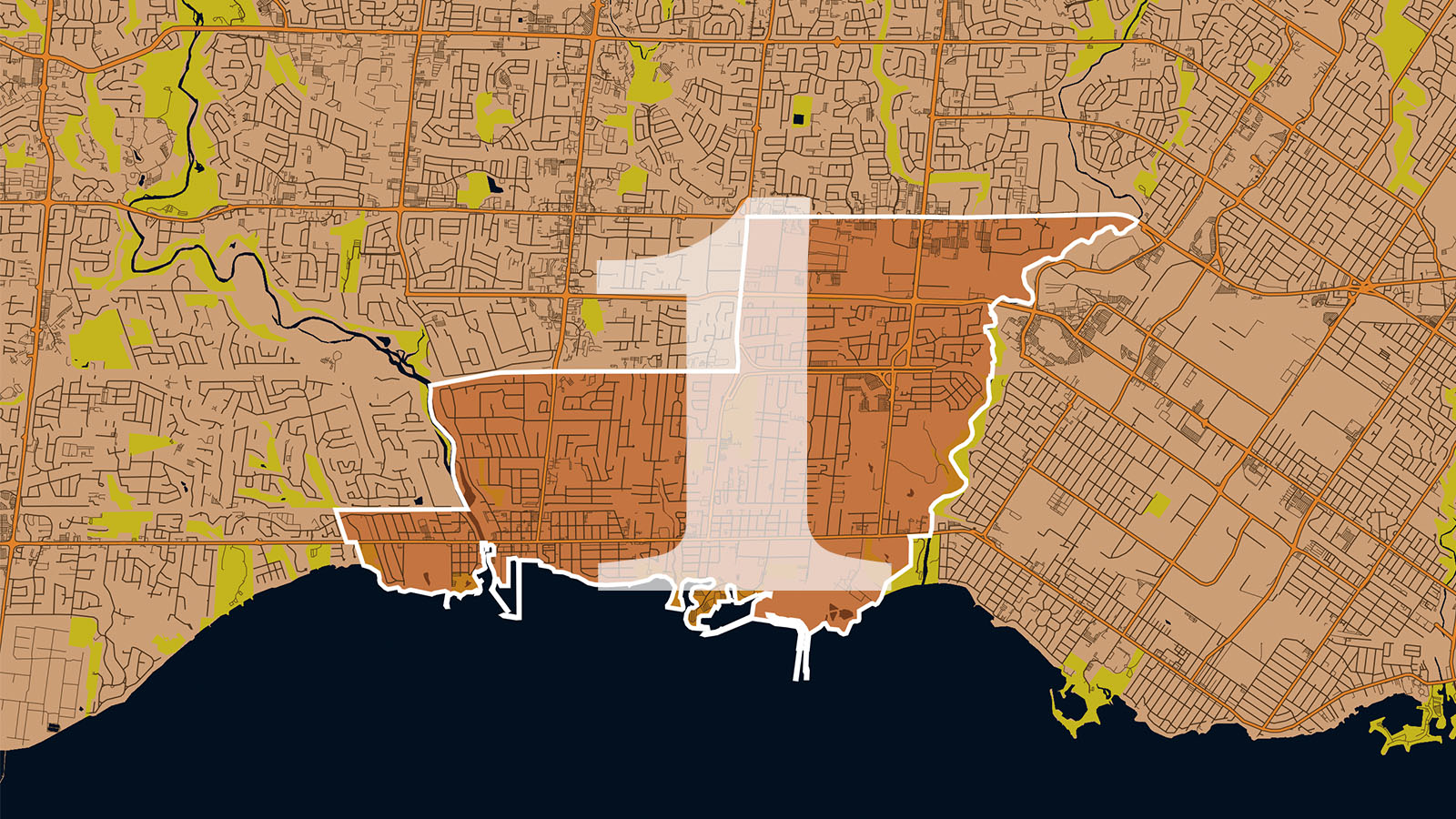
Mississauga Ward 1
Fact-checked biographies and platform summaries for every municipal election candidate in Mississauga Ward 1.
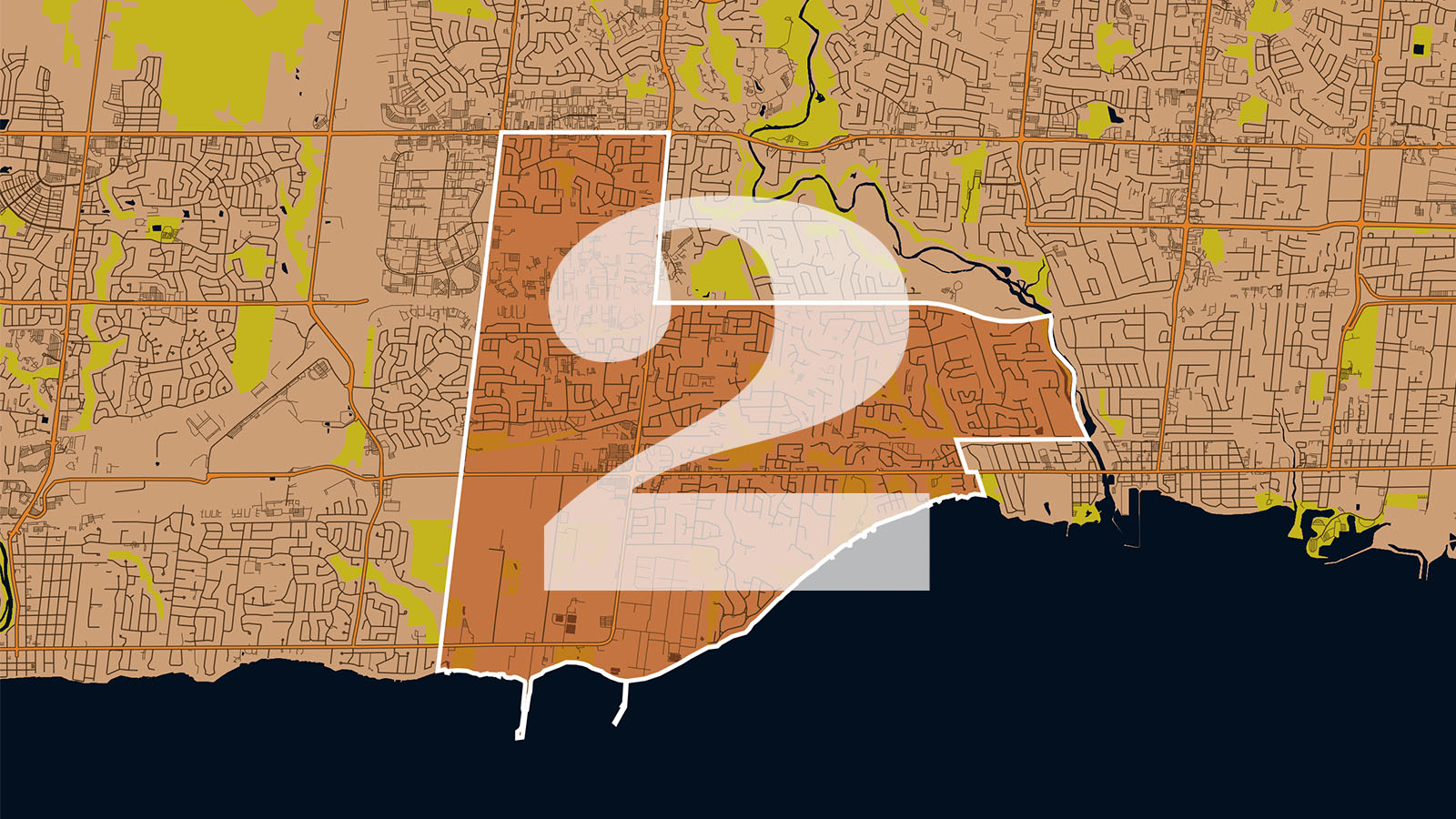
Mississauga Ward 2
Fact-checked biographies and platform summaries for every municipal election candidate in Mississauga Ward 2.
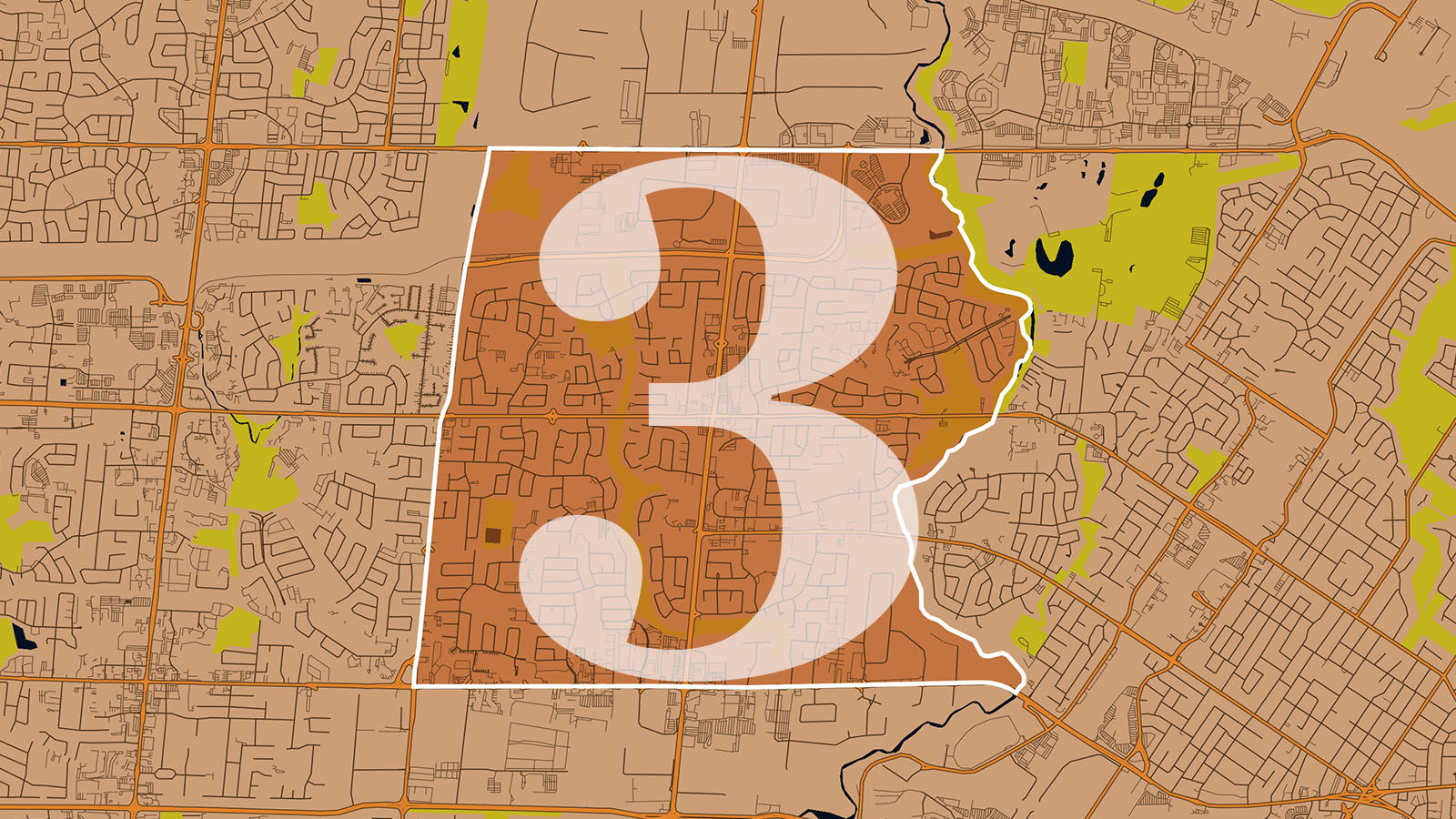
Mississauga Ward 3
Fact-checked biographies and platform summaries for every municipal election candidate in Mississauga Ward 3.
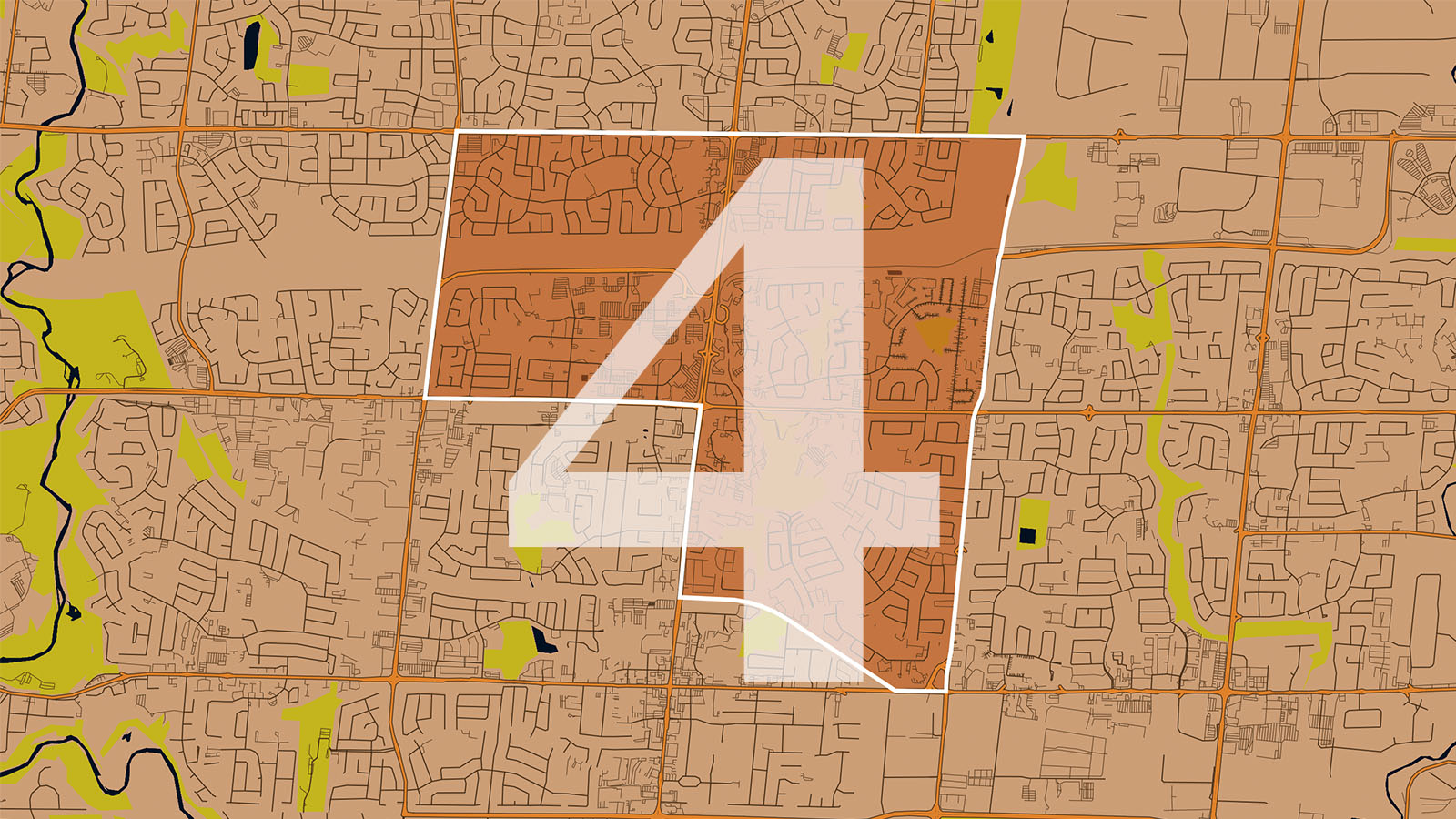
Mississauga Ward 4
Fact-checked biographies and platform summaries for every municipal election candidate in Mississauga Ward 4.
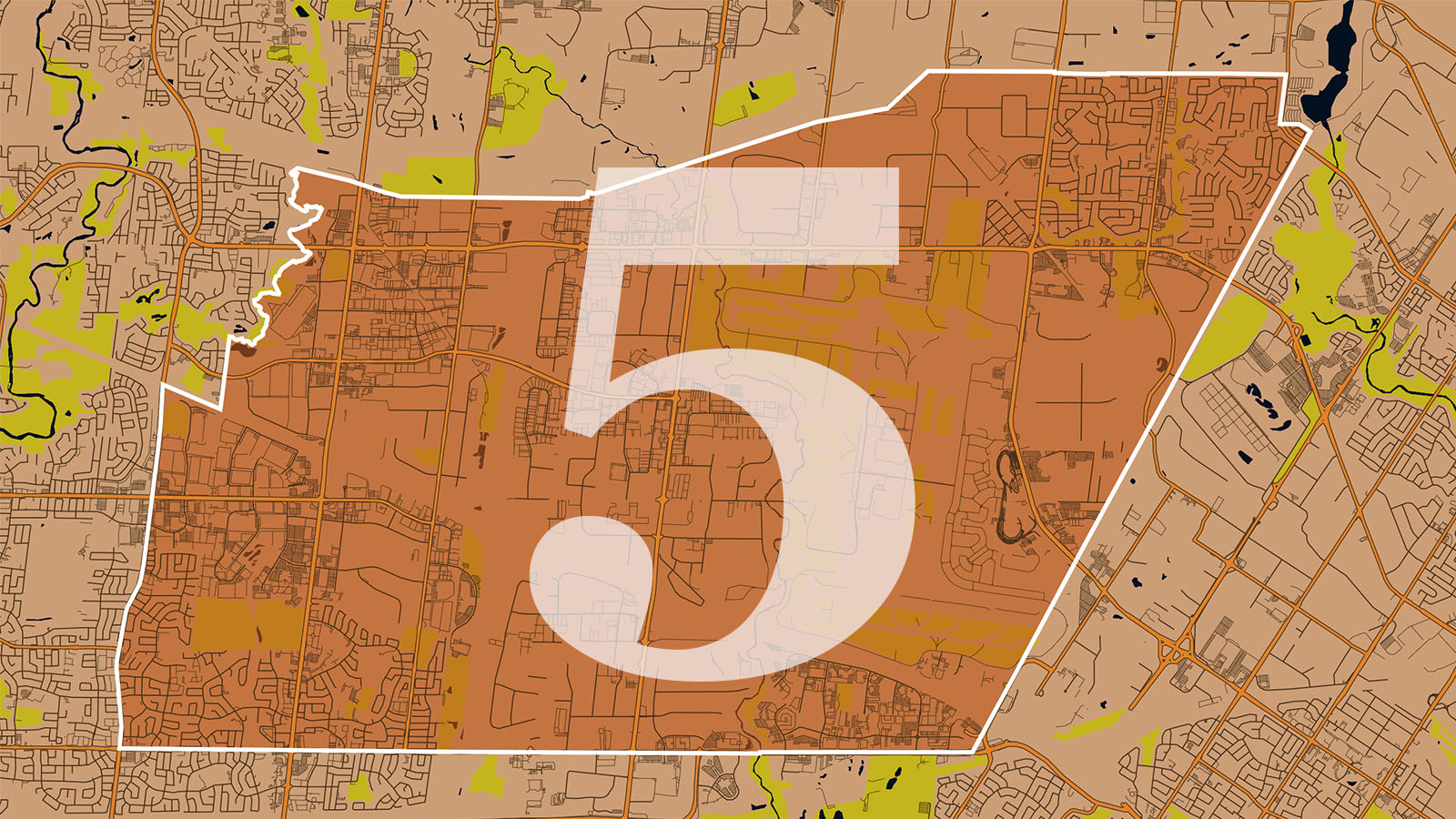
Mississauga Ward 5
Fact-checked biographies and platform summaries for every municipal election candidate in Mississauga Ward 5.
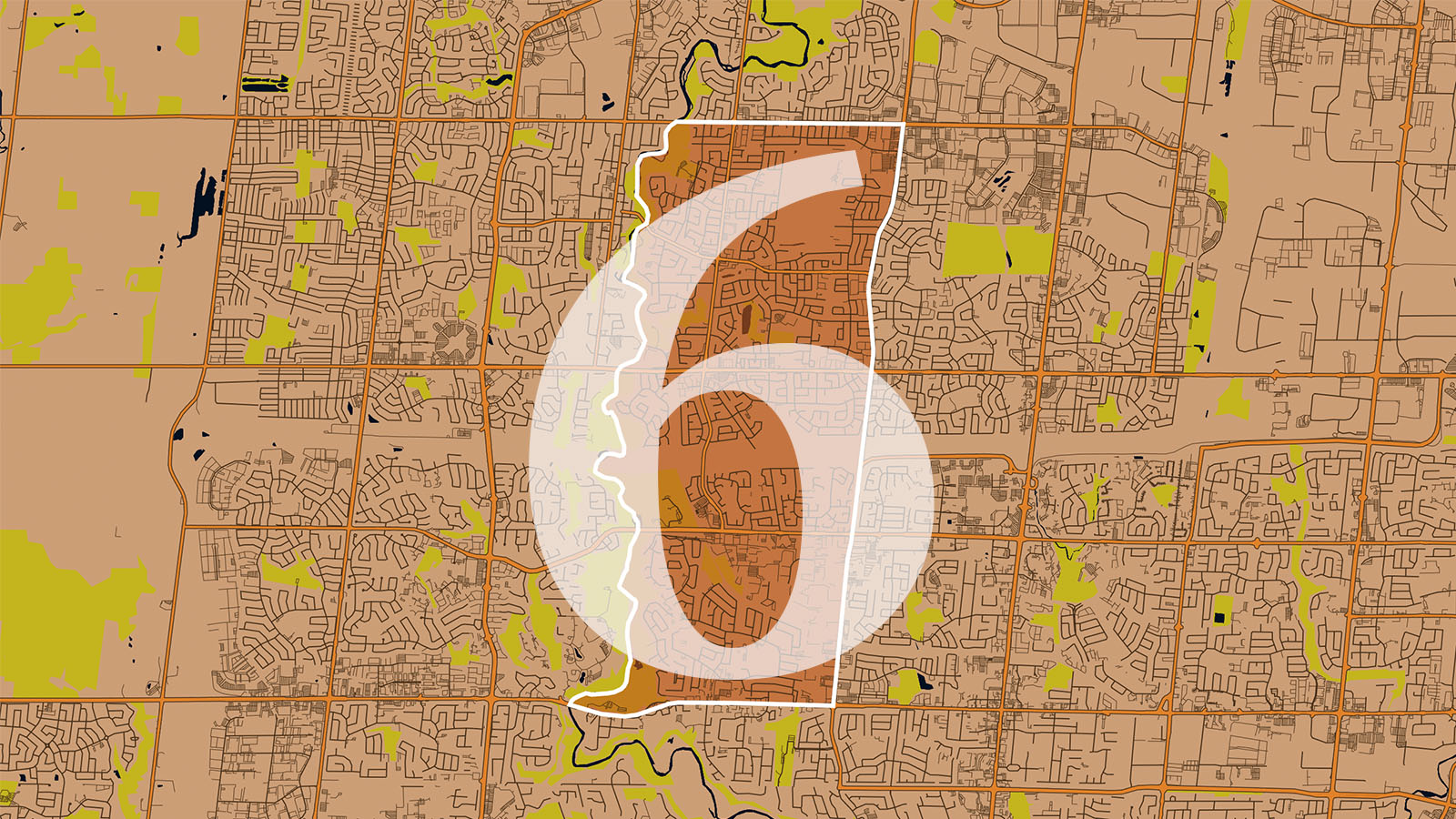
Mississauga Ward 6
Fact-checked biographies and platform summaries for every municipal election candidate in Mississauga Ward 6.
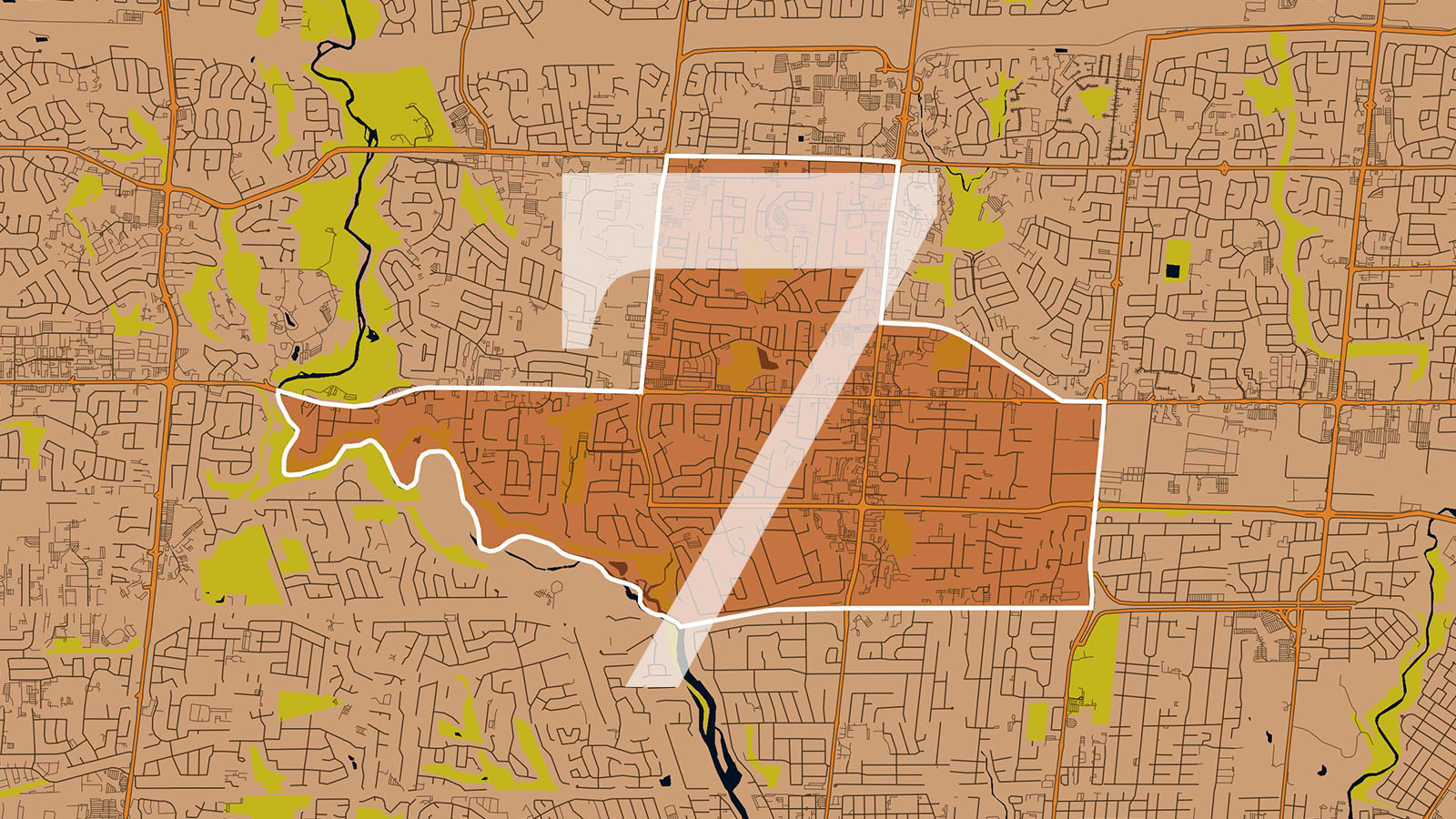
Mississauga Ward 7
Fact-checked biographies and platform summaries for every municipal election candidate in Mississauga Ward 7.
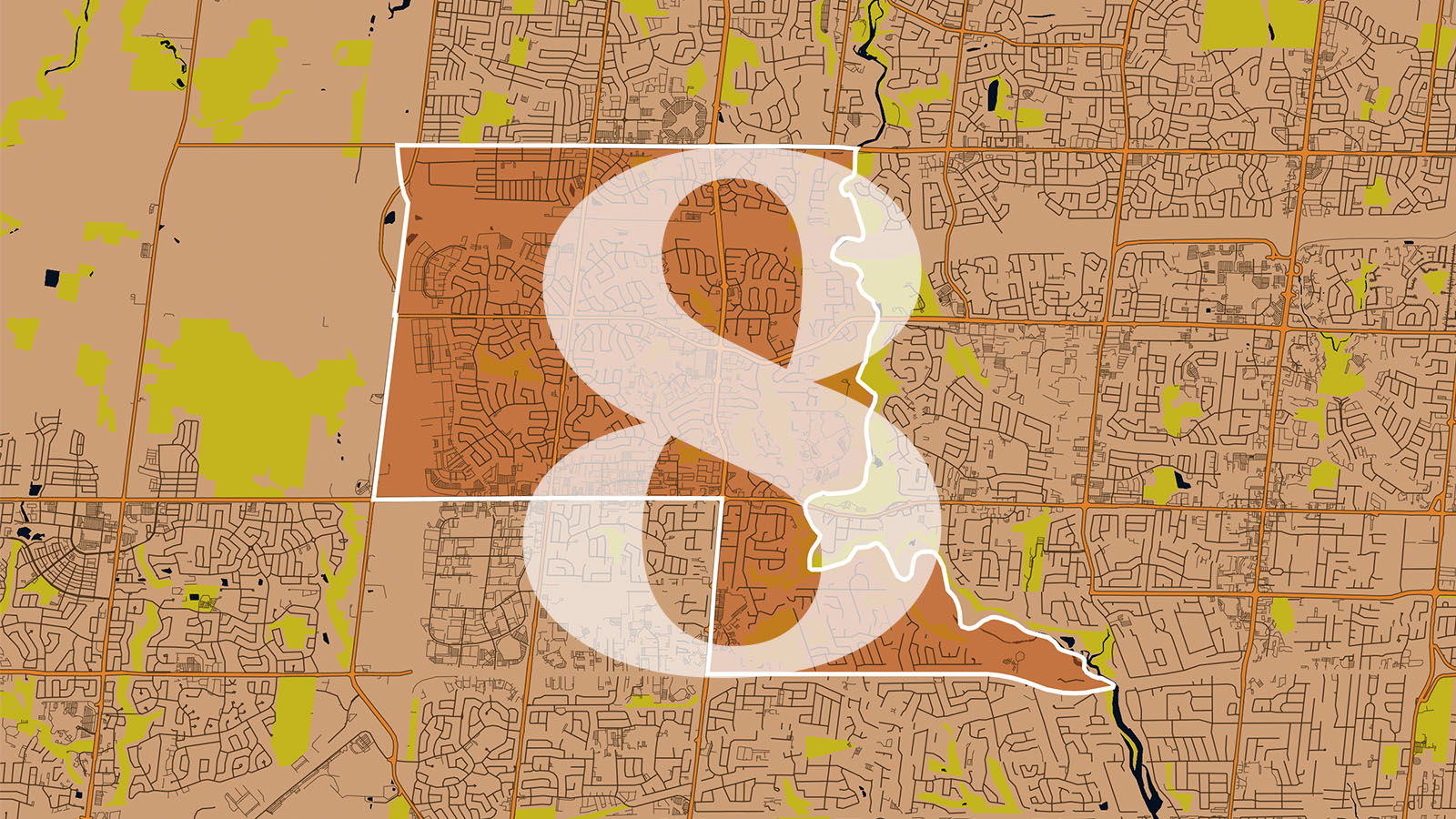
Mississauga Ward 8
Fact-checked biographies and platform summaries for every municipal election candidate in Mississauga Ward 8.