


Fact-checked biographies and platform summaries for every municipal election candidate in University-Rosedale.
About the Ward
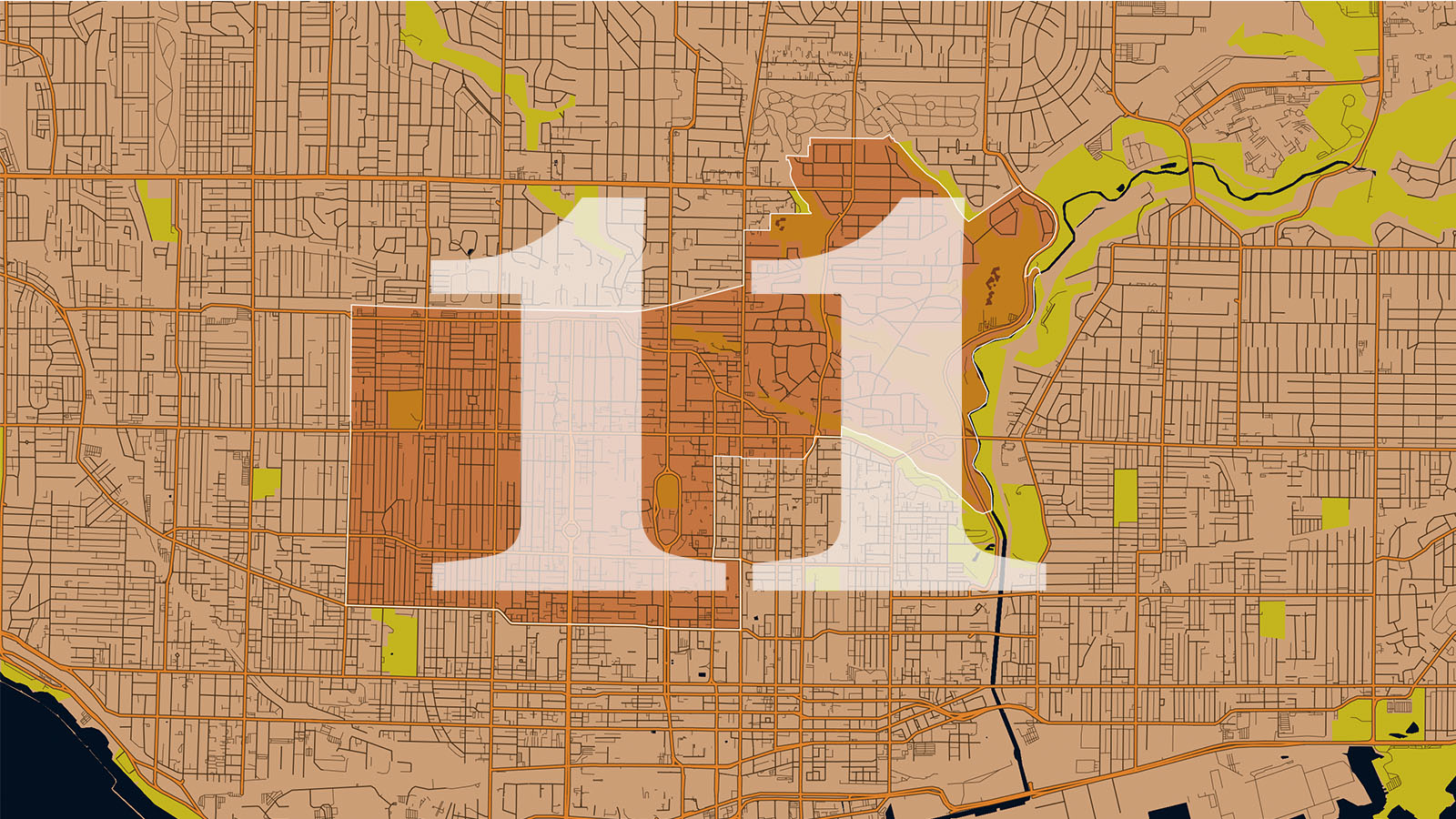
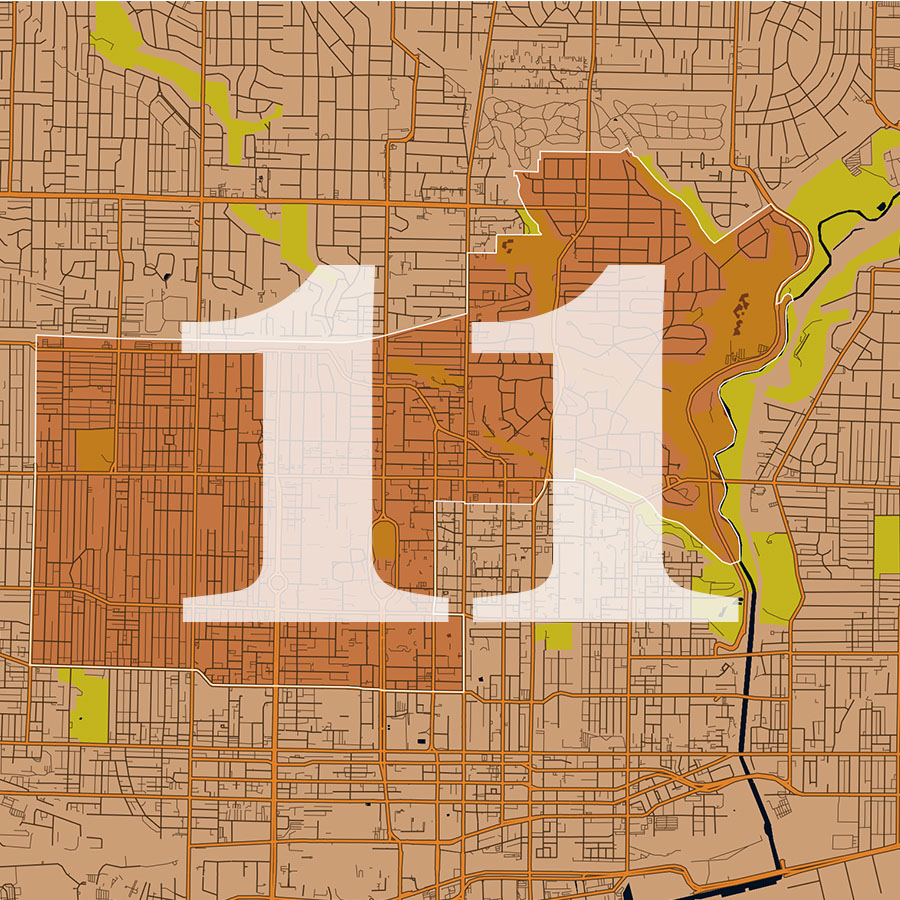
With a population of 102,385, this downtown ward includes the Annex, Yorkville, Little Italy, Rosedale, and the University of Toronto campus. It’s one of the wealthier wards in the city, home to high-income households that raise the average income of the ward. Rents in the ward are high, with 49 percent of renters spending more than 30 percent of their income on shelter costs. Mike Layton, who was councillor from 2010 to 2022, is running again after four years away. Current councillor Dianne Saxe is instead running for election in Ward 14, Toronto–Danforth.
The information found in Candidate Tracker was researched, written, and verified by The Local’s team of journalists and fact checkers. Information is updated as of Monday, September 21, 2026 and will continue to be updated until election day, with the addition of school trustees in the coming weeks.
City Council Candidates
Keenan Courtis
Biography: Keenan Courtis is an IT professional who has worked as an information security adviser to Sun Life. He’s a proponent of bike lanes, bike shares, and other cycling infrastructure.
In an Instagram post, he’s critical of former councillor Mike Layton for joining the race in University-Rosedale late, accusing him of acting entitled to the council seat because he is a “political insider.”
Platform: Courtis’ platform says he would focus on walkable neighbourhoods, city operations, transit, safety, homelessness, cycling infrastructure, and tax reforms if he becomes city councillor.
He says he’ll do this by converting popular streets like Ossington and Kensington Avenues into pedestrian-only streets, cracking down on e-bike riders on sidewalks, open up bidding on city contracts to all unionized construction firms, re-evaluate the rules for sole-sourced city contracts, give streetcars signal priority at intersections, install better lighting on pathways, use real-time monitoring on TTC vehicles to respond more quickly to violence and drug use, expand daytime shelters for homeless people, update bike lanes with stronger protective barriers, expand a tax on vacant homes to empty storefronts, and charge drivers from outside Toronto an entry levy that goes toward road maintenance.
Terri Hawkes
Biography: Terri Hawkes is an actor, film producer, and screenwriter. She acted in “Beverly Hills 90210” and was one of the voices of Sailor Moon. She is on the board of the Annex Residents Association (ARA) and has deputed at city hall against an 11-storey development in her neighbourhood. Hawkes insists that both the Dalton Road Residents Group, which she co-founded, and the ARA are not anti-development, but are made up of “YIMBYS who support affordable, thoughtful densification.” Critics, however, have argued that the ARA uses heritage preservation rules to block high-density development.
Her father, Jim Hawkes, was a Progressive Conservative MP for Calgary in the 1980s and early ‘90.
Platform: Hawkes says her campaign focuses on three values: community, transparency, and the future. As a councillor, she says she would serve residents through grassroots leadership, fight for more consultation with the public and smarter planning, and create a city where people of all ages can thrive.
Mike Layton
Biography: Mike Layton is the former progressive councillor for University-Rosedale and the stepson of Mayor Olivia Chow. Layton represented Ward 11 for 12 years before choosing not to run in the 2022 election in order to spend more time with his kids. Since leaving city hall, Layton has been a vice president of philanthropy at Second Harvest food bank and chief sustainability officer at York University, his LinkedIn says.
Layton lists his major accomplishments in office as helping the city buy 877 Yonge Street and turn it into supportive housing, providing $3 million to Kensington Market Land Trust to buy a 12-unit building and preserve it as affordable housing, pushing for a thorough city climate plan, installing bike lanes, and helping to create Toronto’s first Indigenous reconciliation action plan. He made industrial properties pay the full—rather than partial—cost of wastewater pollution treatment.
In 2019, he proposed a policy amendment that would require the city to fund violence prevention programs and social services every time it hiked the police budget. The same year, when controversy erupted over the Toronto Public Library’s move to host a speaker who had been criticized as anti-trans, Layton moved a motion with Kristyn Wong-Tam to give the city more control over the use of public spaces.
Layton has been critical of Premier Doug Ford’s government, criticizing its transit plans and accusing it of trying to hide “the magnitude” of its budget cuts by pulling funding for child-care spots in the middle of the year.
Mike Layton’s father, Jack Layton, is Mayor Olivia Chow’s late husband and was a longtime NDP representative and leader.
Platform: On his campaign website, Layton lists his priorities as affordability, climate action, safe and affordable transit, dependable public services, and a commitment to hearing constituent needs. On affordability, Layton says that he wants to build more affordable community-owned housing, give more resources to community land trusts, non-profits, and supportive housing, and mandate “real affordability” on new developments on public land. He also wants to ensure that the rent bank and eviction protection program are fully funded to reduce evictions. Layton says that he would also support weekly fare capping on the TTC and a more affordable solution for students.
On climate, Layton wants to get heat pumps and solar energy in every building, the installation of which he says will give young people jobs. He also wants to pause approvals of data centres until the city has a clear framework for them, create new guidelines for new buildings, and oppose trash incineration.
Layton also says that he is firmly against the province’s attempts to rip out the city’s bike lanes. He would use more RapidTO transit measures to speed up surface transit routes, and he opposes the expansion of the island airport. He also wants to expand community crisis response by pairing community workers with people in transit or in neighbourhoods who are in need.
Karina Lemke
Biography: Karina Lemke is a wedding planner who made regular appearances on the reality show “Rich Bride, Poor Bride.”
She says that she was inspired to get into politics after seeing her aging parents, husband with mobility issues, and kids try to navigate the city.
On her website, she says that “the rise in antisemitism in Toronto is a failure of civic leadership.”
Platform: Lemke says she will center accessibility in housing to take care of seniors and people with mobility needs. She’s critical of Toronto’s current government for removing street parking and raising taxes, which Lemke says are policies that are hard on small businesses. Regarding development, Lemke says that density should not be pursued at any cost.
On traffic congestion, Lemke says she will “oppose the use of forced use tactics to get people on the TTC” and “decisions that create unnecessary bottlenecks.”
She also says that the “proliferation of open drug use isn’t safe” and promises to fight for
“a compassionate but firm approach to encampments and public drug use: connecting people to treatment, shelter, and mental-health services while ensuring our parks, ravines, and public spaces remain safe and accessible to everyone.”
Alice Li
Biography: Alice Li is a chartered professional accountant, beauty pageant queen, and TTC busker, who says she is also an officer of the Canadian Armed Forces.
Platform: As a councillor, Li says she would put her accounting experience to work by making “every tax dollar count.” She says she would crack down on fare evasion on the TTC “through evidence-based and non-reactionary approaches.” She would explore new ways to raise money for the city by allowing commercial uses in its facilities “without reducing public access.” Li says she would expand affordable housing, restrict e-bike use on sidewalks, and champion environmental sustainability.
Huy Lieu
Biography: Little information is available about Huy Lieu online. Lieu ran for school trustee in the Toronto Catholic District School Board’s Ward 9 in 2022, finishing last out of seven candidates.
Platform: Lieu does have a platform and website, but much of the information on his website, including claims of royal lineage and sainthood, are unverifiable or have not been verified.
Gian Pileri
Biography: Gian Pileri is a technology specialist at George Brown Polytechnic. He says on his campaign website that he was inspired to get into politics because of the rising costs and uncertainty facing both renters and homeowners. Pileri deputed at city hall in July in support of cracking down on fraudulent evictions.
Platform: Pileri says he would focus on affordability by protecting existing rental housing, supporting the construction of genuinely affordable homes, and enforcing building standards. He also says he will “support proportionate enforcement where behaviour makes public space unsafe or inaccessible, while treating vulnerable residents with dignity.” His other priorities include safer intersections, cleaner TTC vehicles, consistent enforcement of bylaws, and creating a public inventory of projects affecting Ward 11 with regular updates for constituents.
Paul Viret
Biography: No information could be found online about this candidate at the time of publishing.
Platform: This candidate does not have a platform available online at the time of publication.
Diana Yoon
Biography: Diana Yoon is a climate and affordable housing activist. She was a founding member of Climate Justice Toronto and has worked in policy and government relations at the Co-operative Housing Federation of Canada. She is an organizer with Friends of Chinatown TO, a grassroots group that fights evictions in the neighbourhood. Yoon is a board director for Circle Community LandTrust, a non-profit housing provider that owns 600 homes. She worked with former MP Chrystia Freelend to create a rental protection fund, which preserves affordable rental units.
Yoon says she negotiated with Prime Minister Mark Carney’s government to secure $1.5 billion for co-op housing, which includes millions for a project at Kennedy Station touted in The Globe and Mail as “the most ambitious co-op building project to break ground in recent Canadian history.”
She ran unsuccessfully in Spadina-Fort York for the NDP in the 2019 federal election, placing second behind the Liberal candidate.
Platform: On housing, Yoon says she would fight for co-op housing and community land trusts and stronger protections for renters. She would implement weekly fare capping on the TTC, put crisis support workers in transit stations, and extend subway hours. Yoon also says she’d invest in community centres, parks, and the arts; protect bike lanes; and work to repeal a “bubble zone” bylaw passed under Mayor Olivia Chow that prohibits certain protests around places of worship, schools, and daycares.
_____
Contributors: Inori Roy, Rebecca Gao, Filipa Pajevic, Alice Boyle, Kunal Chaudhury, Hailey Choi, Maya Elhawary, Ramona Leitao, Emma Paling, Neville Park, Prarthana Pathak, Victoria Hincapie Gomez, Jessica Kim, and Gabrielle McMann. For corrections or additions, please email us at elections@thelocal.to.
Candidate Tracker was made possible through generous support from Toronto Foundation. Candidate Tracker was produced independently by The Local.
Local Journalism Matters.
We're able to produce impactful, award-winning journalism thanks to the generous support of readers. By supporting The Local, you're contributing to a new kind of journalism—in-depth, non-profit, from corners of the GTA too often overlooked.
Support