


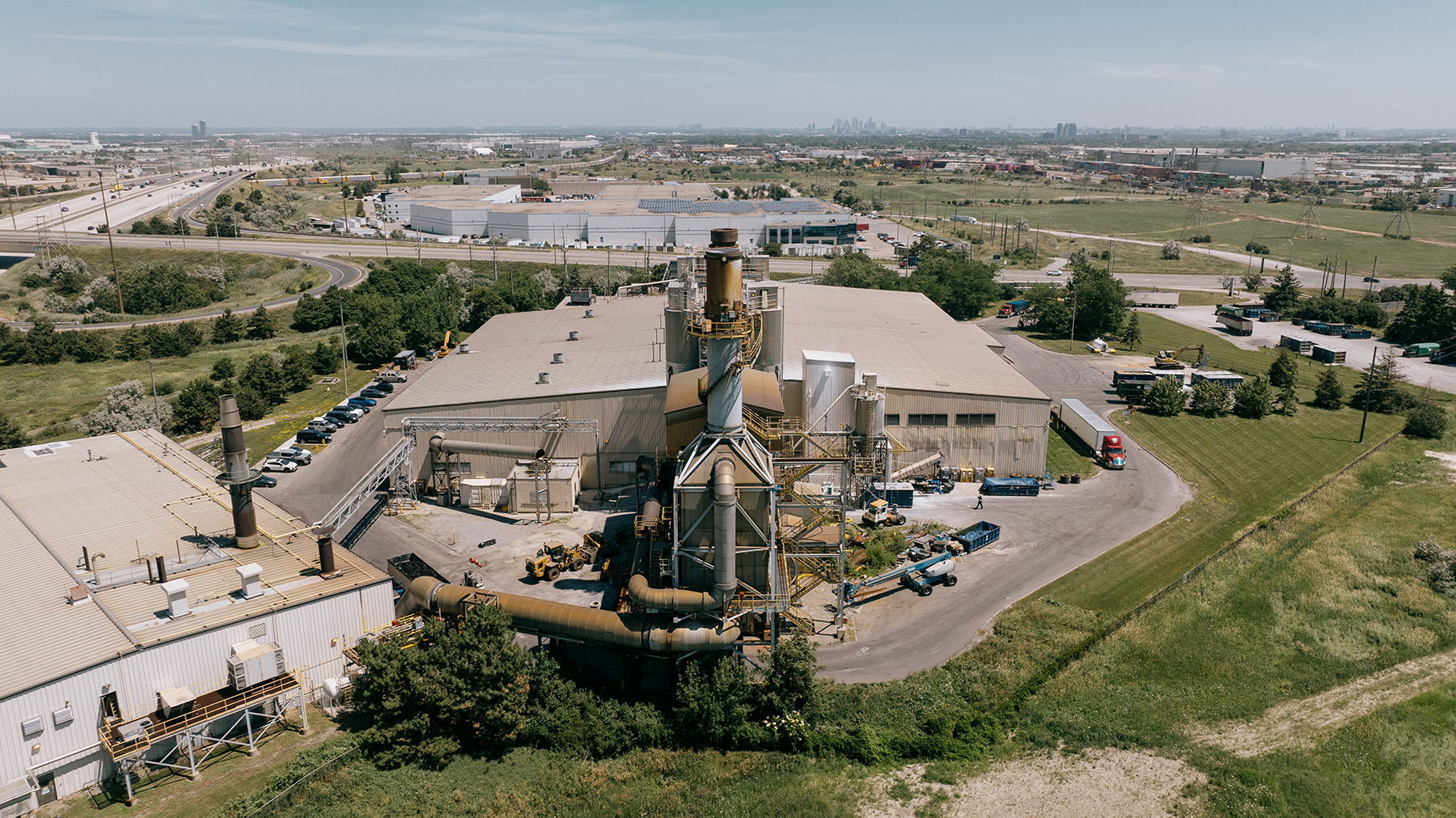
The smell of decomposing garbage hits before the building comes into view—a sour, earthy odour that stings your teeth. Hidden by a curving driveway, large bright green trees, and a set of lawn chairs, the entrance almost makes you forget that beyond it lies a waste-burning facility that is set to become one of North America’s largest incinerators.
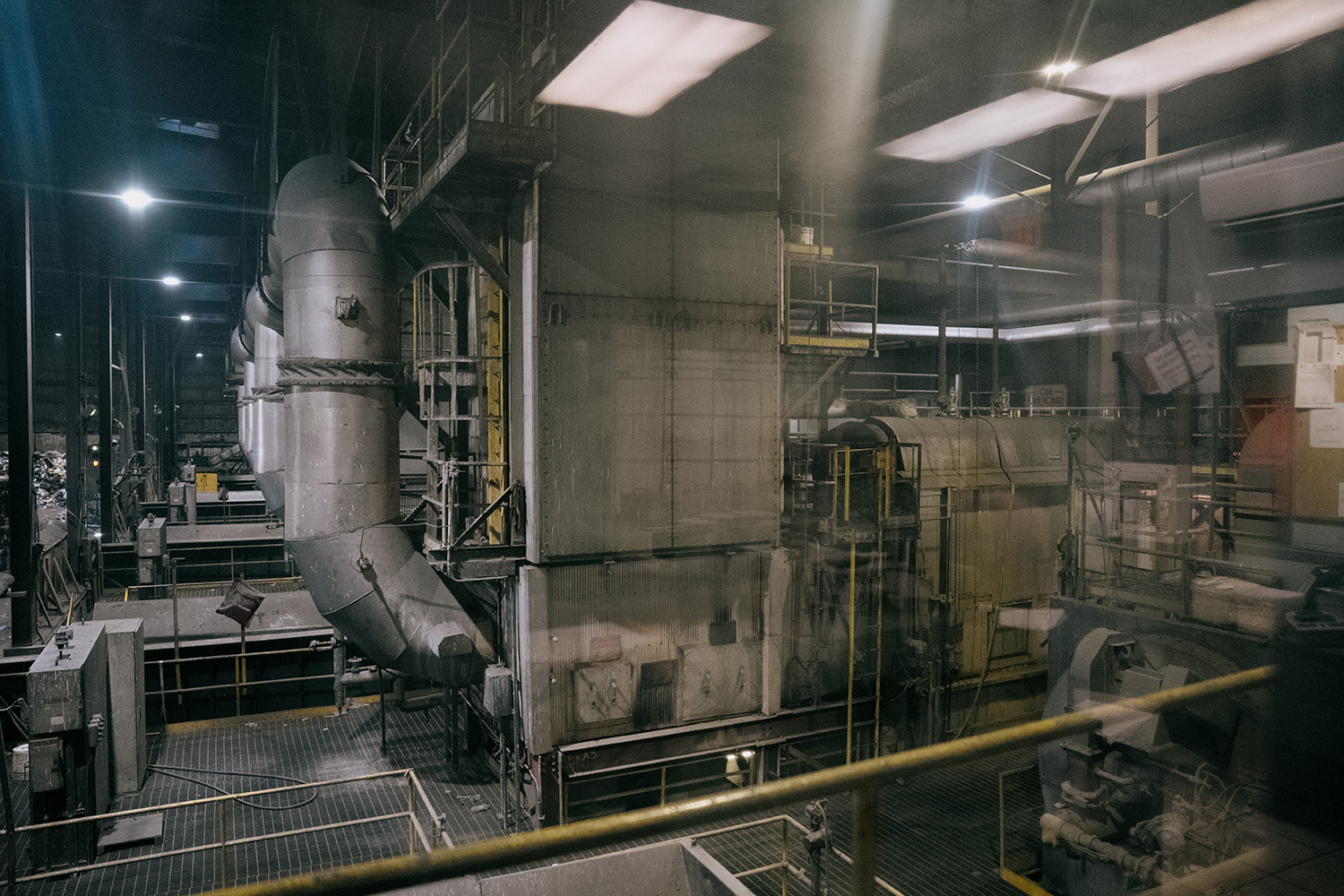
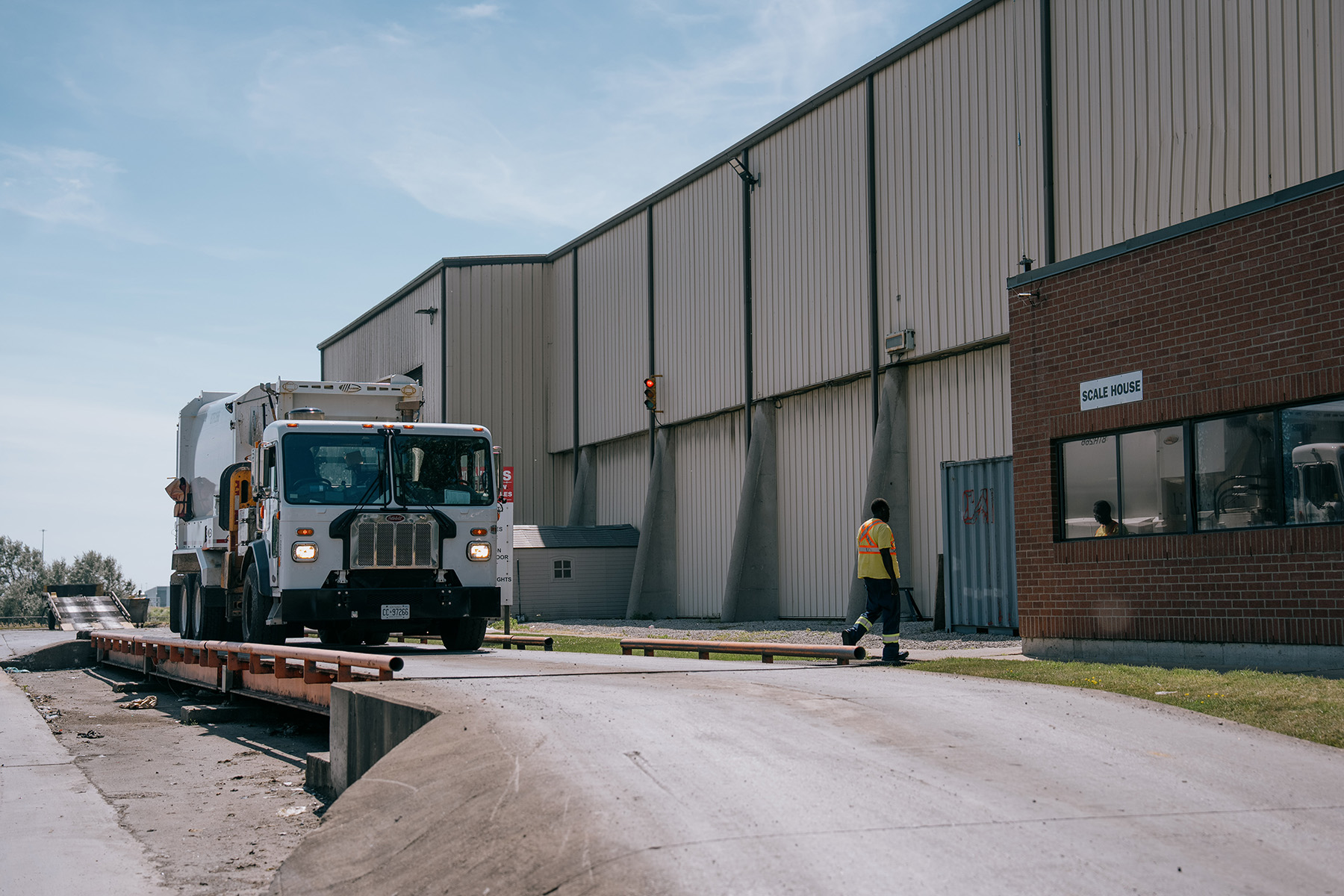
The Emerald Energy from Waste (EEFW) incinerator sits on roughly six hectares of industrial land, tucked between Bramalea Road and Highway 407 in Brampton. Behind its rusting metal walls and towering smokestacks, transport trucks arrive throughout the day carrying loads of non-hazardous waste from across Ontario. Inside, garbage is unloaded, sorted, and fed into combustion units, where the waste is burned to generate electricity for neighbouring businesses and homes.

The facility began operating in spring 1992, on former agricultural land that had become home to a rapidly developing industrial sector. Today, warehouses, manufacturing plants, and trucking dominate the area immediately around the incinerator. But beyond this industrial zone are neighbourhoods that have expanded alongside one of Canada’s fastest-growing cities. Just a few kilometres southwest of the plant, cricket and soccer matches fill Emancipation Park on summer evenings. Minutes away, homes, recreation centres, and places of worship serve a population transformed by decades of immigration, particularly from South Asia. What was once a facility close to the edge of Brampton, now sits near communities where tens of thousands of people live, work, and raise families.
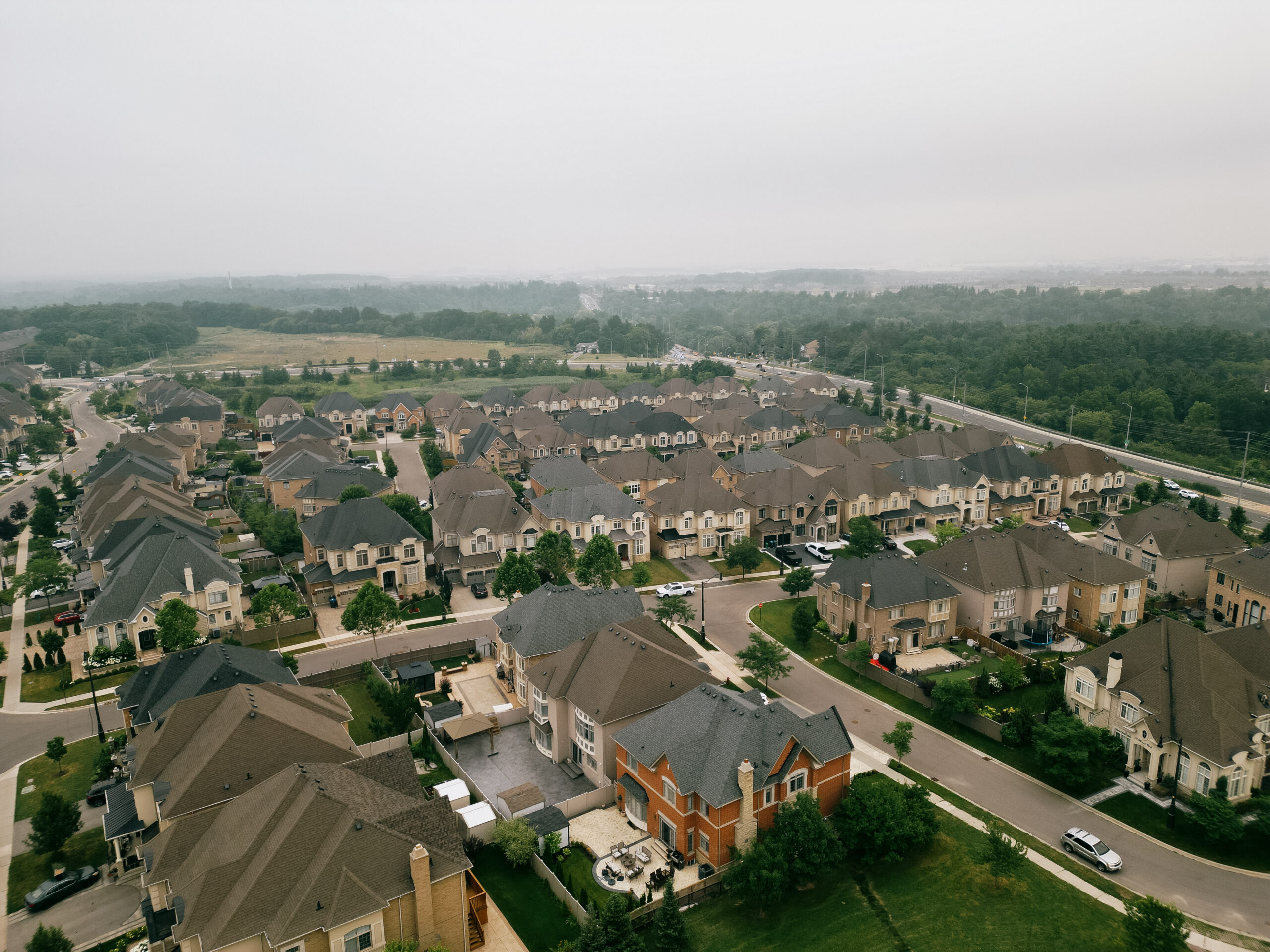
Last year, the province approved the Environmental Assessment Screening Report which clears the path to a major expansion of the EEFW incinerator. The facility would process up to 900,000 tonnes of waste annually—roughly six-fold what it’s processing today, bringing even more garbage from various Ontario municipalities to Brampton. The Ministry of the Environment, Conservation and Parks has not responded to The Local’s request for comment.
Emerald EFW argues that the expansion is needed to address Ontario’s looming landfill capacity crisis. According to Waste to Resource Ontario (W2RO), an environmental services association, Ontario generated approximately 16.88 million tonnes of waste in 2024, with 12.75 million tonnes disposed in landfills; the province is projected to run out of landfill space by 2037.
“Ontario has a crisis in that we don’t have enough waste management capacity infrastructure in the province,” says Joe Lyng, president of EEFW. An expansion in Brampton, he argues, is the answer to multiple problems—diverting more garbage from landfills while also increasing EEFW’s energy recovery rate, creating more power for an energy-starved province.
While that argument may be convincing for the province, locals feel differently. The incinerator expansion—which EEFW anticipates will begin in 2027—has become one of Brampton’s most contentious environmental issues. Many residents question the province’s approval process. They worry about the potential health effects on nearby communities. And they wonder if anyone is looking out for the good of the people of Brampton, a city of racialized immigrants at the edge of Canada’s biggest metropolis.
“It’s a sacrifice zone,” says Linda Gasser, co-founder of the advocacy group Zero Waste 4 Zero Burning. That’s the term for an area in which low-income and minority groups shoulder the environmental harms of clustered polluting industrial sites. For locals, the placement of the largest incinerator in Canada right in their community sends a message: that somewhere like Brampton won’t, or can’t, object to housing the region’s industry and waste. “One more polluting facility, what’s the big deal, right?” says Gasser. It’s a mindset that some residents are committed to fighting.
There’s a misconception that Bramptonians don’t care about the environment. Once proudly known as The Flower City, Brampton is now grappling with a new online reputation as a “garbage city.” It’s a stereotype that has frustrated many residents—including those working to prove the opposite.
Born and raised in Brampton, Rajbalinder Ghatoura is an environmental activist dedicated to improving life in his community. When he was 12 years old , Ghatoura won an international environmental photography competition for a photo of a Tim Horton’s cup seemingly dissolving into its surroundings. It sparked a lifelong commitment to protecting the environment. Today, at 25, that commitment still shapes his activism. Environmental problems, Ghatoura says, often become hardest to confront when people can’t see them, which he believes goes beyond roadside litter.
In 2023, Ghatoura co-founded Kudrat Di Rakhia (KDR), a community organization based in Brampton. They’re members of the Brampton Environmental Alliance, and focus on advocacy and education.
To reach the South Asian population in Brampton, Ghatoura works with local gurdwaras. Raising awareness about environmental sustainability, starting with places of worship, KDR has engaged with the Sikh community to participate in initiatives like tree planting and city cleanups.
Communicating directly with Punjabi-speaking residents is one of KDR’s greatest strengths. By bridging the language barrier, the organization is able to connect with a broader diaspora of Brampton’s South Asian community that can be overlooked in environmental advocacy efforts. According to the 2021 census, Punjabi is the second most spoken language after English in Brampton. “It’s important for this information to be shared with the population, the demographics, and to be shared in a language that they understand,” says Ghatoura.

He says this wasn’t the case with the EEFW expansion. In 2022, the company took out a half page ad in the Brampton Guardian, an English–only newspaper, to inform the public of their proposed expansion project. Informing the public of an undertaking like the proposed expansion is required under the Environmental Assessment Act. But despite the surrounding area being home to many immigrants and residents whose first language is not English, no information was provided in Punjabi or any other language.
Lyng says he looked into the demographics in Brampton and found that approximately 95 to 97 percent were English-speaking residents. (While census data shows that approximately 95 percent of Brampton residents have “knowledge” of English, it’s the mother tongue for roughly 42 percent of the population) .
“We’re not going to reach out to, you know, the two or three percent. It’s at our discretion and we didn’t see that as something that was necessary,” says Lyng.
Ghatoura himself only came to know of the proposed expansion a year ago, reading about it online, after much of the screening process had already been completed.
What he learned alarmed him.
Energy-from-waste facilities, like the one in Brampton, are incinerators that recover energy during combustion. Heat is used to generate steam, powering a turbine to produce electricity. Although incinerators reduce the volume of garbage, they don’t completely eliminate it. After the waste is burned, the ash that remains in the stacks is typically disposed of in a landfill.
Expansion at the proposed scale would typically require a full environmental assessment. Because EEFW has been a long-term operation, however, the project went through a streamlined environmental screening process. Lyng says that the process they conducted included technical studies as well as public consultations such as open houses and public liaison meetings. “We went above and beyond,” says Lyng.
For many—including anti-incineration activists, health officials, the region of Peel, and concerned residents like Ghatoura—these assurances aren’t nearly enough. They insist that EEFW do an individual environmental assessment, which would enable a public review of emission data and determine risks to the environment and public health.
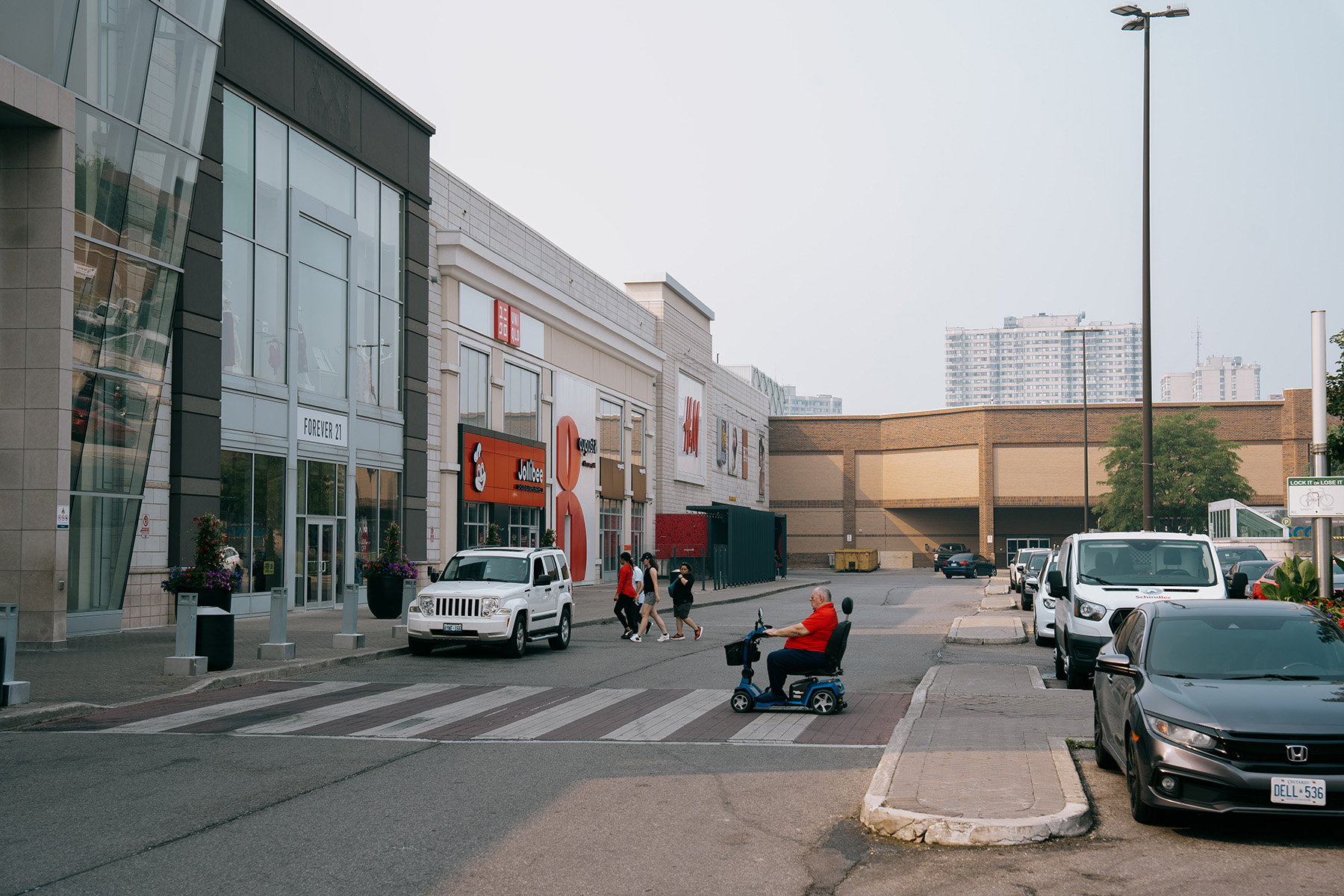
Brampton resident Stacey Wilson has noticed an unsettling odour in the air for more than two decades. ”When it’s a nice day, and I step out the door to go for a walk, and the first thing I notice is the smell of burning tires or burning plastic, that’s really upsetting to me,” she says. She’s filed multiple reports with the Ministry of the Environment, Conservation, and Parks.
Wilson’s worried about the increased traffic that will come with the expansion. According to the EEFW website, the facility is currently licensed to process 500 metric tonnes of garbage per day, which Lyngs says is unloaded by 30 to 35 trucks. The expanded incinerator, EEFW’s website claims, will process 2,500 tonnes a day , roughly five times the current amount. This could mean many more vehicles. But Wilson’s biggest concern is the uncertainty about what pollutants are being released: “How do we know what we’re breathing in now?” If there are any damaging health effects, she says, they won’t become apparent until years from now.
Lyng says that EEFW’s emissions are carefully monitored. The facility’s annual stack tests, which measure air quality directly from the incinerator’s exhaust stacks, show that every pollutant tested by the company remained within Ontario’s regulatory limits between 2020 to 2025. However, known pollutants, such as nitrogen oxide, sulphur dioxide, and hydrogen chloride, have at times spiked to the edge of allowable limits.
“We have real-time emission monitoring,” says Lyng, referring to the meters that continuously monitor certain pollutants. If there are any issues with operations or emissions, they report it to the ministry and follow up with an action report.
Linda Gasser, of Zero Waste 4 Zero Burning, and Wendy Bracken, of the Durham Environment Watch, say that these monitoring efforts aren’t enough. Bracken says that while incinerator operators emphasize their continuous monitoring—with the implication being that if something is wrong they can shut things down—many pollutants are in fact only tested once a year.
Lyng confirms that EEFW does not have a meter to continuously monitor all pollutants; instead, the facility conducts annual testing to measure their levels. He says the expansion will include a meter to conduct continuous monitoring for sulphur dioxide, unlike the current facility.
Since the emissions are self-monitored, the results cannot be viewed by residents remotely. Opponents of the incinerator contrast that with the monitoring done at the Durham York Energy Centre (DYEC), an incinerator on the other side of the GTA owned by the Regions of Durham and York. There, emissions data is made public, through a real-time portal on their website. In addition to their continuous monitoring, DYEC undergoes stack testing twice a year.
Lyng says that EEFW will not be publishing their emissions data online. “The public can come in and see the data at the plant,” says Lyng. “We can come and bring you up to the control room, show you this is what we do. It’s not some mystical process.”
It’s difficult to imagine members of the public taking Lyng up on his offer. The control room sits on the second floor of the facility, accessible by a narrow metal staircase. Operating data is displayed across multiple monitors running the facility’s original 1992 control system. During a recent tour, the room’s temperature exceeded 40 degrees Celsius.
Beyond data from the incinerator’s stacks, opponents of the expansion have another concern: how burning five times the waste it does today will affect a community that already grapples with pollution.
Last spring, Peel Public Health officials submitted a report to the regional council outlining their concerns about the incinerator project. Additional emissions from the expansion, they wrote, “results in an overall increase in cumulative exposure to air pollutants and can result in an increased risk of negative health effects to the surrounding community.”
PPH found that some pollutants already exceed provincial and federal air quality limits, even before the expansion. In an email to The Local, Peel Public Health said they’d found that local background levels of benzo(a)pyrene—a toxic chemical that’s often the result of incomplete combustion of organic material—currently exceeds the air quality limits for both short and long-term exposures. Modeling under worst-case emission conditions, PPH found that with the expansion, benzo(a)pyrene and nitrogen dioxide are estimated to exceed the short-term exposure limits set by the province by 115 percent.
The proposed expansion is also predicated on collecting enough waste to generate profitable energy from incineration. That’s an approach that PPH’s report says is “counter to the promotion and sustainability of robust circular economy markets, which are crucial for minimizing waste, pollution and resource consumption.”
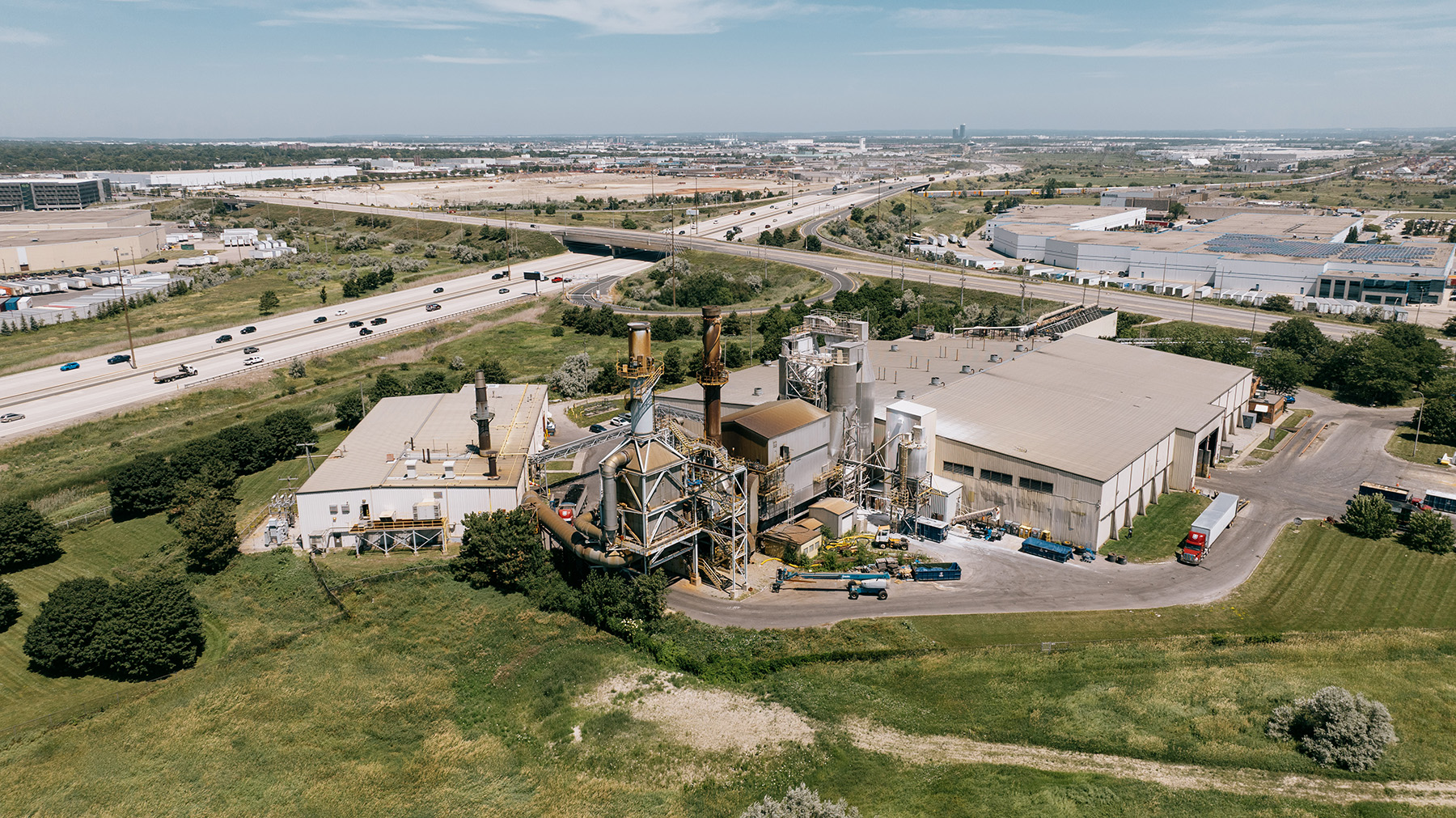
To fully understand the emissions and their impact on air quality in the surrounding community, PPH told The Local they need to know more about the pollution control technology at the expanded facility—information that will come in the next step of the approval process. EEFW is required to include this information in their Environmental Compliance Approval application to the Ministry of Environment, Conservation and Parks.
What’s clear is that the expanded incinerator will be surrounded by existing vulnerable communities. Peel Region health status data shows that roughly 70 percent of the people in the data zone containing the incinerator are racialized individuals. According to the PPH report, compared to Peel as a whole, residents in the communities living closest to the facility have more one-parent families, and a higher percentage of residents who didn’t complete high-school and are unemployed. They also have “higher rates of certain health conditions… that may be worsened by exposure to increased air pollution.”
PPH noted in their report that they haven’t heard directly from residents about the proposed expansion. But the lack of inquiry doesn’t necessarily mean a lack of concern. The socioeconomic realities flagged in their report are the very same ones that make it unlikely for community members to step forward. In order to oppose the expansion, residents first need to know about it.
For long-time Brampton resident, Susan Colbert Wright, the fight over the incinerator is about more than the impact of a single industrial project. She raises larger questions about who gets to shape the future of Brampton and who bears the costs of development decisions. As plans move ahead to create Canada’s largest waste incinerator, Wright keeps returning to the most basic question: “How is more pollution okay?”
Wright has lived in Brampton since the 1960s. She’s witnessed Brampton become Canada’s fastest growing, multicultural municipality—one she and her family call home. She’s also watched Brampton become home to a disproportionate share of the region’s industrial footprint, with power plants, warehouses, and trucking hubs, among other facilities that are reshaping the city’s environmental future.
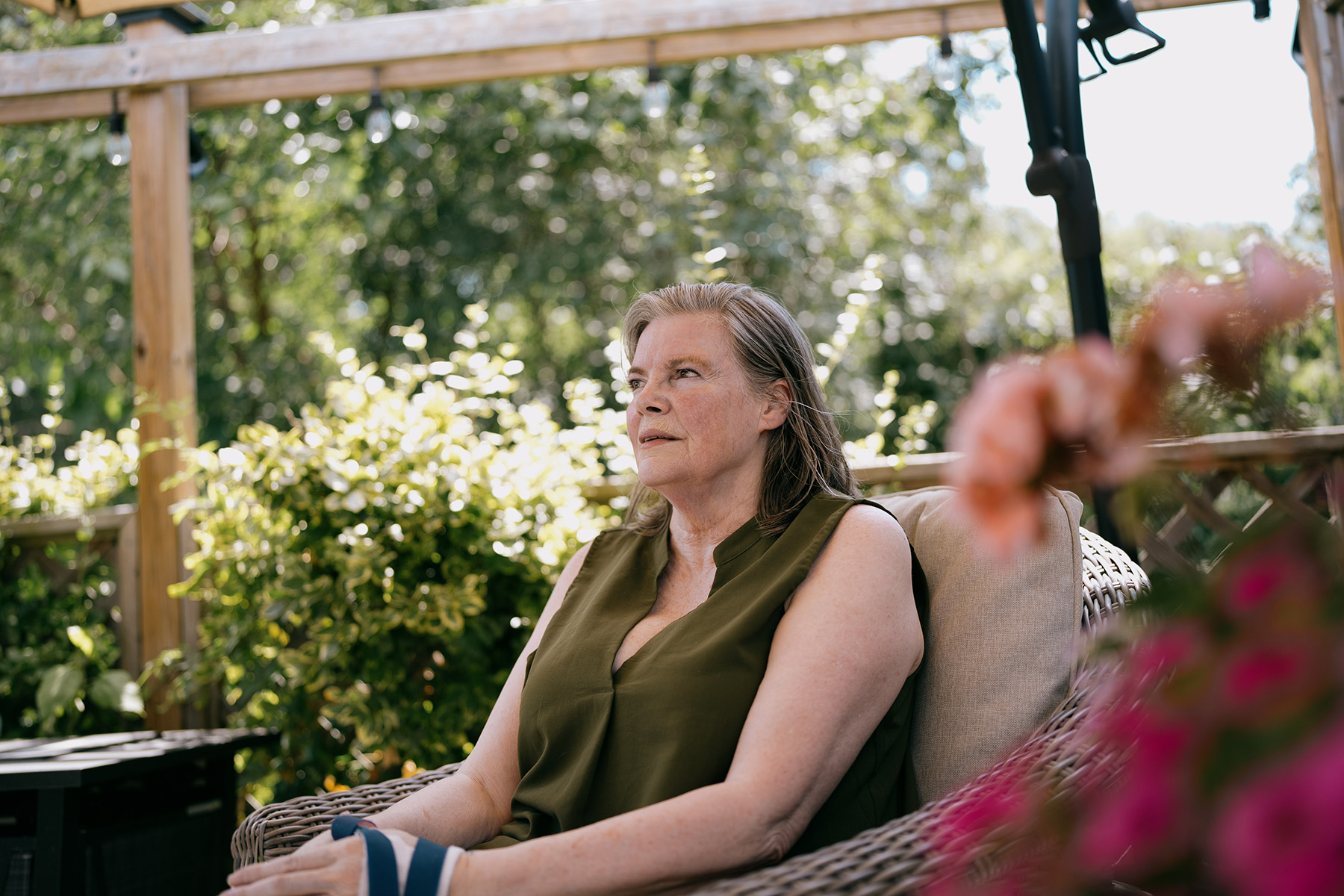
One of the major barriers to public engagement, as Wright sees it, is a lack of easily accessible information, with reports and correspondence scattered across government websites. To address this gap, she’s building a website that will consolidate all records and resources. “It’s the one place where you can go to get the history, the information, rather than having to search all over the place,” Wright says.
Her primary goal is for the website to act as a conduit between residents and elected officials, making it easier for concerned residents to directly email MPs, submit public feedback, and participate in opposition action.
Although EEFW aimed to start construction this fall, Lyng told The Local that because they haven’t finalized the design of the project, they won’t be able to begin until spring or summer of 2027. In the meantime, the planned expansion has become a political issue for local councillors.
Wards nine and ten councillor Gurpartap Singh Toor, who sits on Brampton’s Environment Advisory Committee, says he received an influx of calls after provincial approval was announced.
Those calls, Toor says, are almost entirely from people strongly opposing the incinerator expansion and voicing their concerns for public health. “Our communities here in the City of Brampton are heavily racialized communities that are typically more prone to heart and lung diseases,” says Toor. “A lot of them live in very close proximity to where this project is getting built, and those are the communities that will face the more immediate effect.”
In a recent regional council meeting, ward seven and eight councillor Pat Fortini and councillor Toor passed a motion to submit new technological research presented by a local resident to MPs, to emphasize that there needs to be further environmental compliance ahead of the construction of the expansion.
“I definitely don’t want the Region of Peel or the City of Brampton to be the garbage burning capital of Canada,” Toor said during that meeting. He requested the region submit the motion to both the Ministry of the Environment, Conservation and Parks and Health in order to push them to review the expansion proposal once again.
As the incinerator expansion moves forward, Ghatoura is still dedicating himself to making sure his community isn’t seen as a “sacrifice zone.”
This April, he says his organization brought their message directly to residents, setting up booths at Earth Month and Sikh Heritage Month events across the city, to lead discussions about various environmental issues, including the proposed expansion of the incinerator. “It’s surprising that when we talk to people, they have no idea that a waste incinerator exists there, and that they have plans for expansion,” says Ghatoura. “That is very concerning, because this is going to impact them every single day.”
As Ghatoura and other organizers spark those conversations in Brampton, he’s been heartened to see different age groups advocating for their communities. “Especially this issue with the waste incinerator, we’re getting a lot more youth involvement, which is amazing, we haven’t really seen that before,” he says.
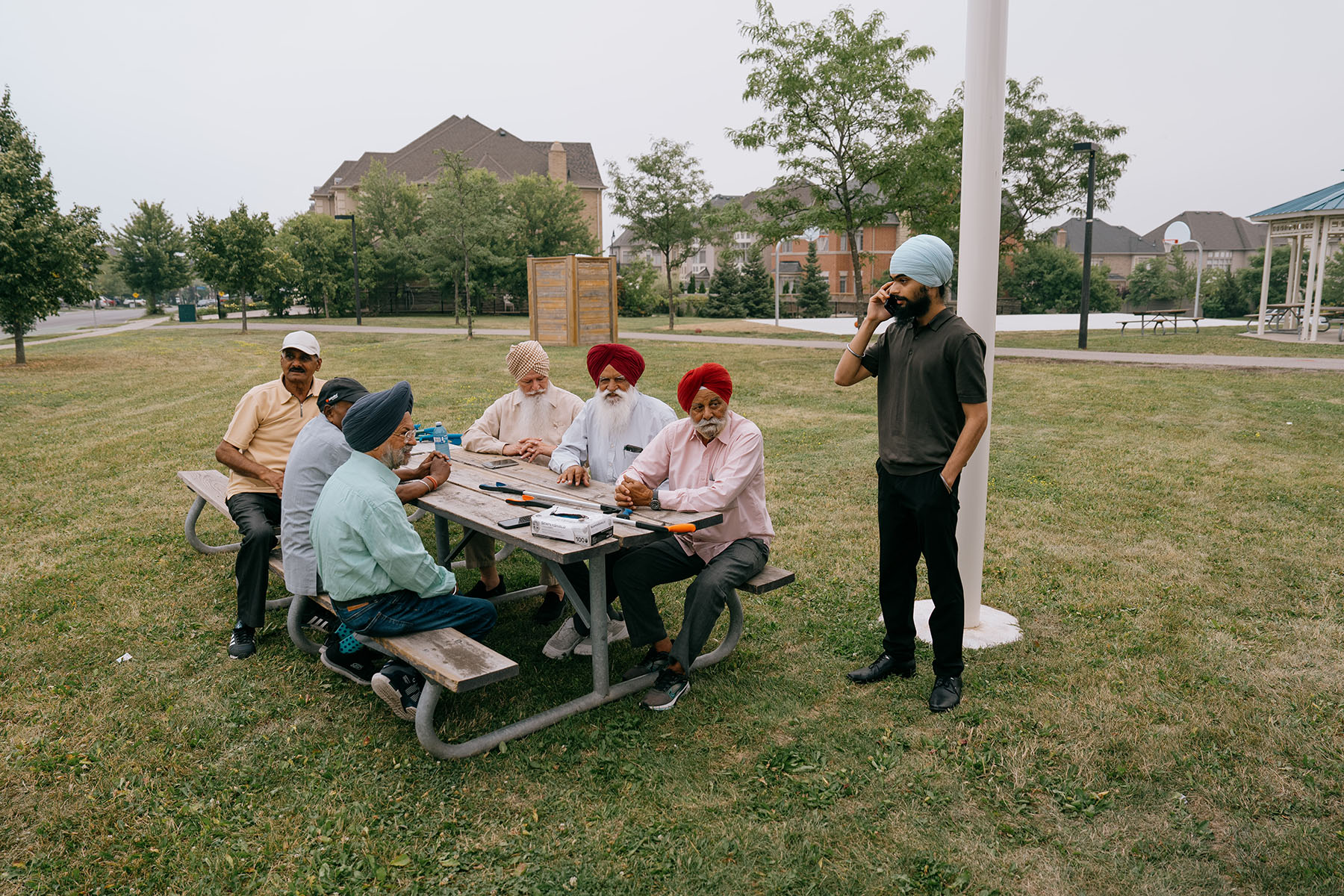
On a summer evening this July, Ghatoura led a group of senior citizens—all South Asian men over 70—to participate in a community cleanup, picking up empty coffee cups, plastic wrappers and old weathered flyers. They met at Luongo Park in western Brampton, and walked through the neighbourhood with trash picks, garbage bags, and latex gloves, picking up garbage from people’s driveways, lawns, and the street.
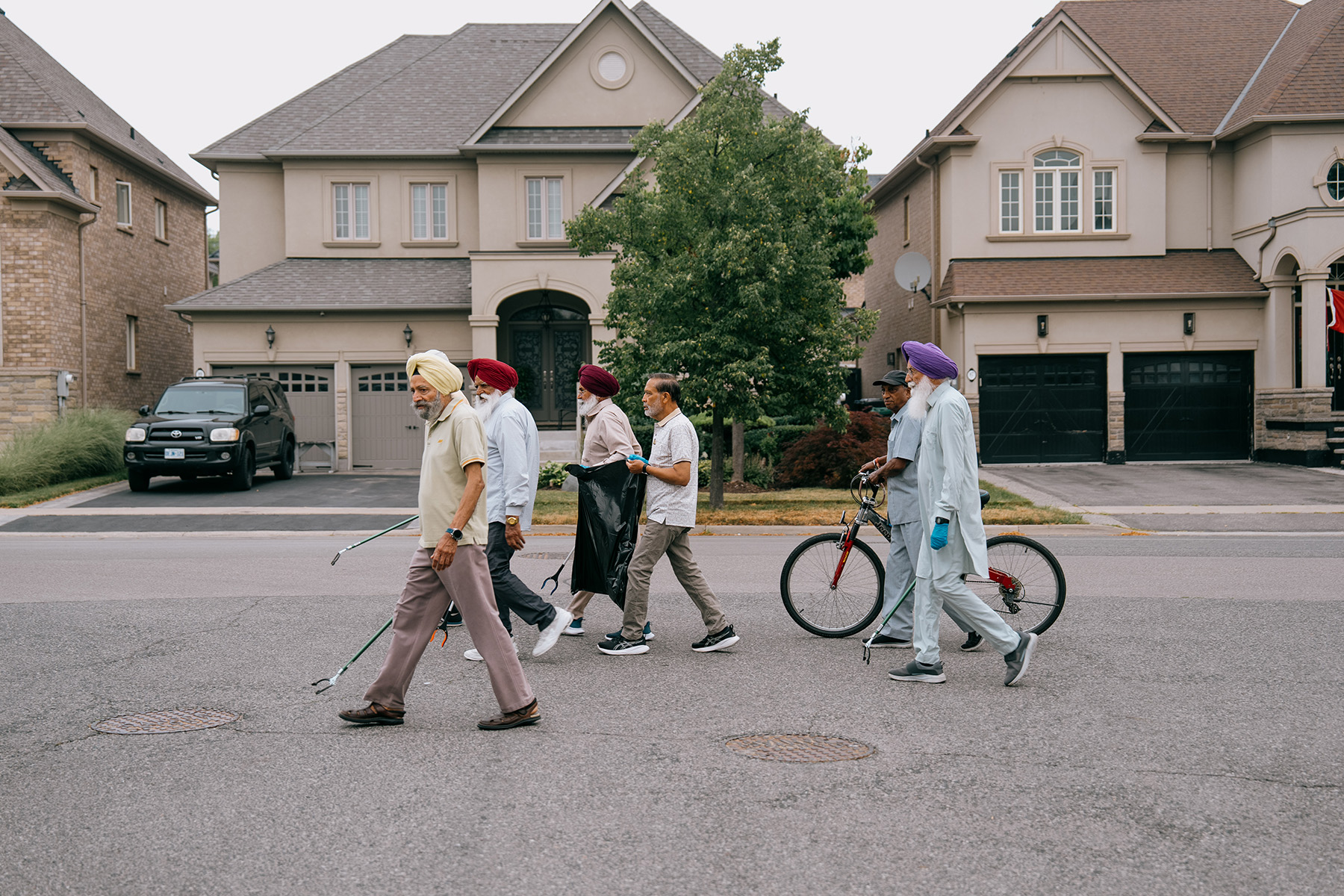
“This is our home,” says Sri Bansilal Singh, a 70-year-old man who rode his bicycle for two kilometres to join his friends for the cleanup. “Brampton is very beautiful, and because we’re grateful to live here, we’re happy to contribute to the community and want to help maintain its beauty.”
As they went about the cleanup, residents came out to pay their respects to the seniors. “People really love these guys, and have great respect for what they’re doing,” says Ghatoura. It’s one of the many reasons he questions why the incinerator is being built in Brampton. Historically, he says, environmental racism has meant that the burden of development often falls on the shoulders of the marginalized. But this only motivates him more—to educate and mobilize his community, to prove that Brampton deserves better.
More from this issue
Mississauga Mayoral 2026 Candidates
Fact-checked biographies and platform summaries for all the candidates for mayor of Mississauga.
Mississauga Ward 1
Fact-checked biographies and platform summaries for every municipal election candidate in Mississauga Ward 1.
Mississauga Ward 2
Fact-checked biographies and platform summaries for every municipal election candidate in Mississauga Ward 2.
Mississauga Ward 3
Fact-checked biographies and platform summaries for every municipal election candidate in Mississauga Ward 3.
Mississauga Ward 4
Fact-checked biographies and platform summaries for every municipal election candidate in Mississauga Ward 4.
Mississauga Ward 5
Fact-checked biographies and platform summaries for every municipal election candidate in Mississauga Ward 5.
Mississauga Ward 6
Fact-checked biographies and platform summaries for every municipal election candidate in Mississauga Ward 6.
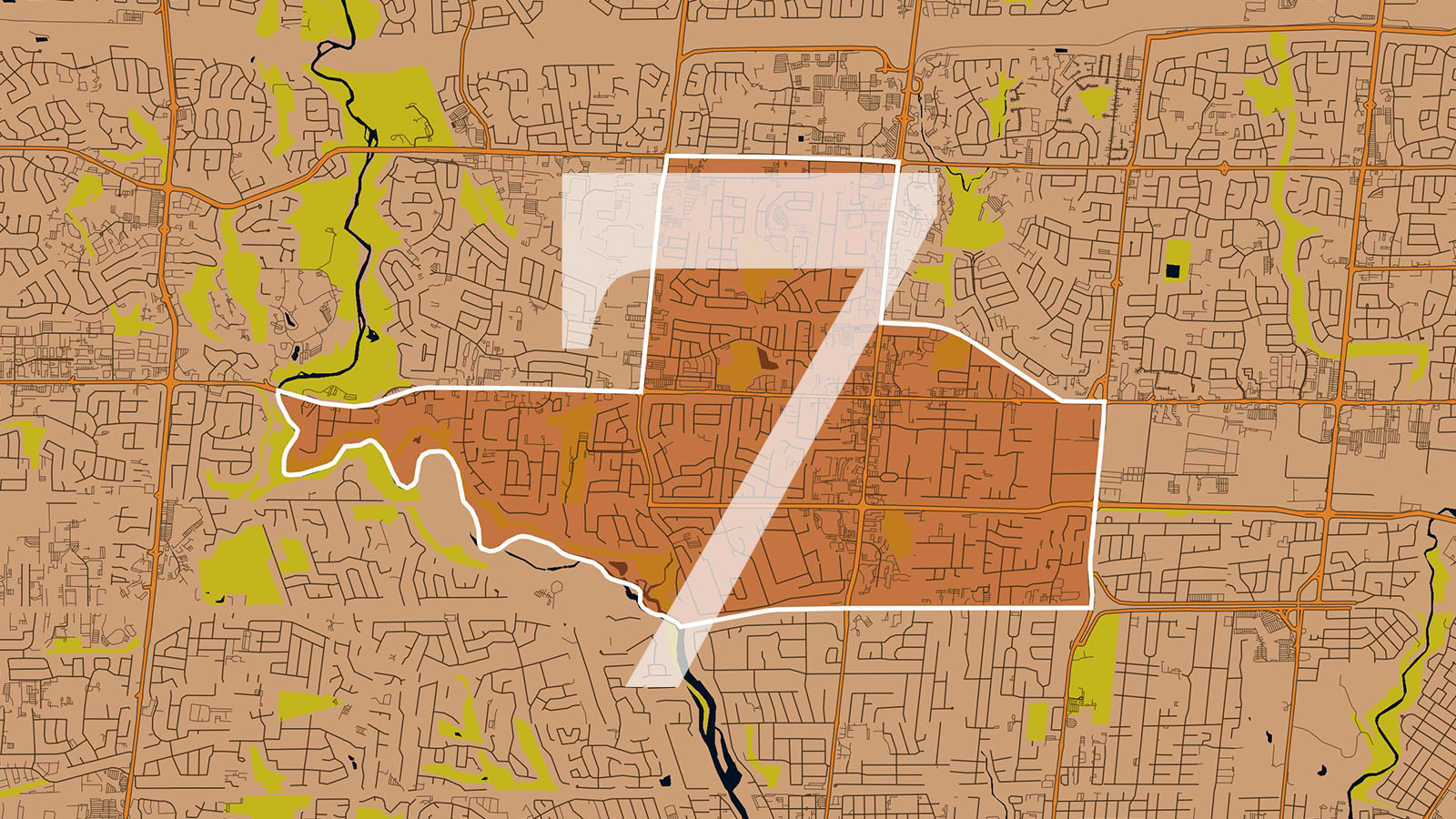
Mississauga Ward 7
Fact-checked biographies and platform summaries for every municipal election candidate in Mississauga Ward 7.
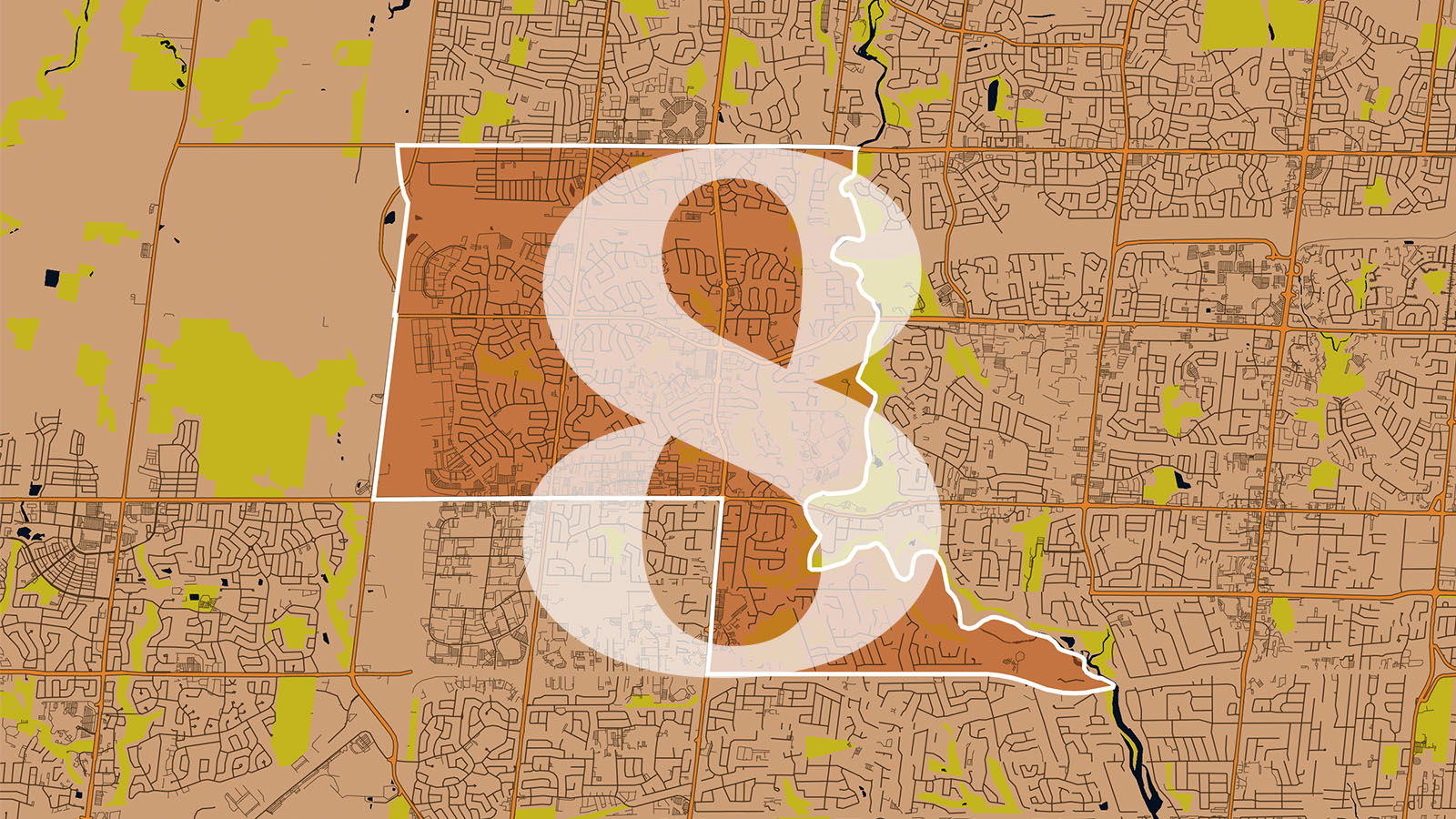
Mississauga Ward 8
Fact-checked biographies and platform summaries for every municipal election candidate in Mississauga Ward 8.
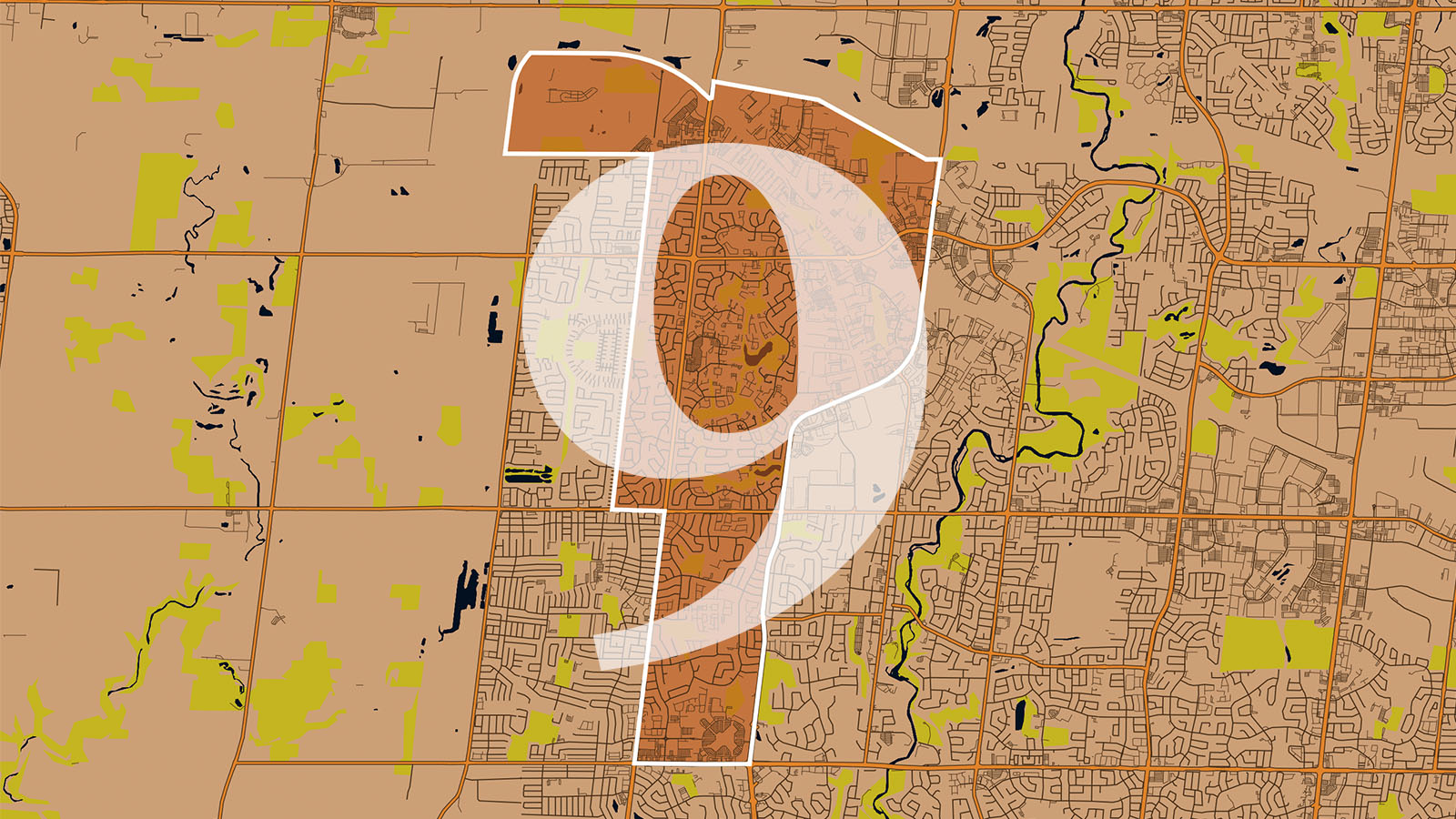
Mississauga Ward 9
Fact-checked biographies and platform summaries for every municipal election candidate in Mississauga Ward 9.