

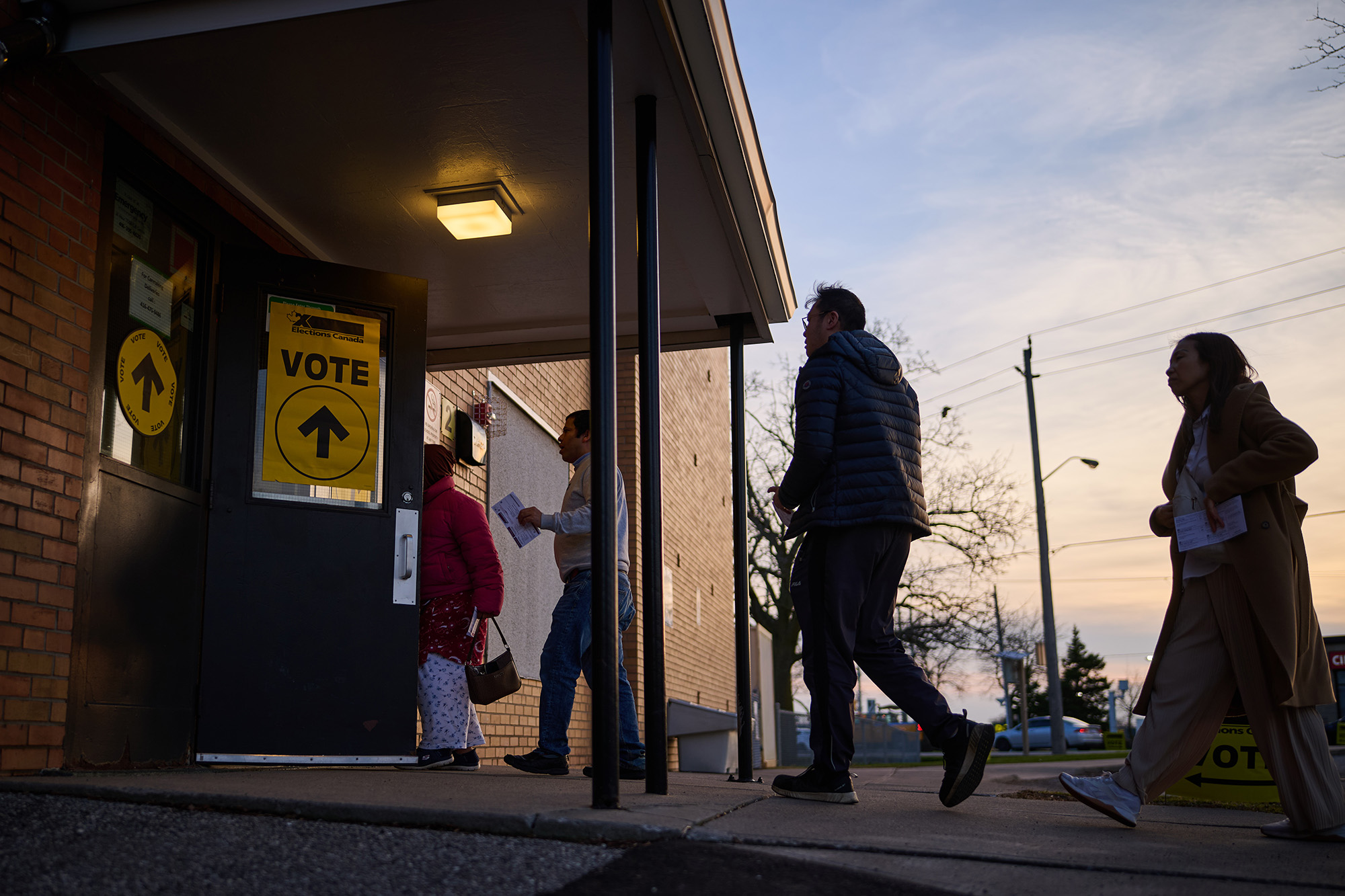
We’re 100 days away from the next municipal election. Although the nomination period doesn’t close for another month and our first election stories are still weeks from being published, behind the scenes, things have already kicked into high gear at The Local.
Four years ago, when The Local covered the Toronto municipal elections for the first time, we learned that while there was plenty of mainstream media coverage of the mayor’s race, there was a notable gap in coverage at the ward level. This felt like a contradiction—these offices are supposed to be the ones closest to the people. We decided to fill that gap by creating Candidate Tracker, which became the only place to find fact-checked information about not just every candidate for mayor, but also everyone running for city councillor and school trustee in every ward. We scrutinized the track records of incumbents, dug into the backgrounds of their challengers, and made it easy for residents to get the facts they needed to make an informed choice. Candidate Tracker was a big hit with readers: our unique readership numbers were the equivalent of one in five Toronto voters using the Tracker in the lead-up to election day in 2022. For many, it was the first time they’d heard of The Local.
“In terms of finding accurate and even frequently updated information about the election, it wasn’t the Toronto Star, it wasn’t CBC, it was a news outlet I’d never heard of before called The Local,” one caller said on CBC Radio in October 2022.
Since 2022, we’ve run Candidate Tracker for every city council by-election in Toronto—and there have been a lot. For this October’s general municipal election, we’re firing up Candidate Tracker once again. Only this time, we’re expanding it to cover not just candidates in Toronto, but also those in the neighbouring cities of Mississauga and Brampton.
According to the Canadian Centre for Policy Alternatives’ News Deprivation Index, Brampton and Mississauga are, respectively, the third and fourth most news deprived among the 45 biggest cities in Canada. Gaps in local news show up most acutely during elections. Studies show that a deficit of local news correlates with lower voter participation. Perhaps not surprisingly, voter turnout during the last municipal election in 2022 was only 25 percent in Brampton and 22 percent in Mississauga, well below the provincial average of 33 percent.
But there’s more to an election than the act of casting a ballot. It’s an opportunity we get every four years to reflect on the issues that matter to our city, critique what’s not working, and take stock of what’s been achieved. It’s also a chance to listen—to fellow residents, pundits, and people we agree and disagree with—so that we might form our own opinions about our city’s future.
Don't miss out.
Sign up for our free newsletter and be the first to hear when Candidate Tracker goes live.
"*" indicates required fields
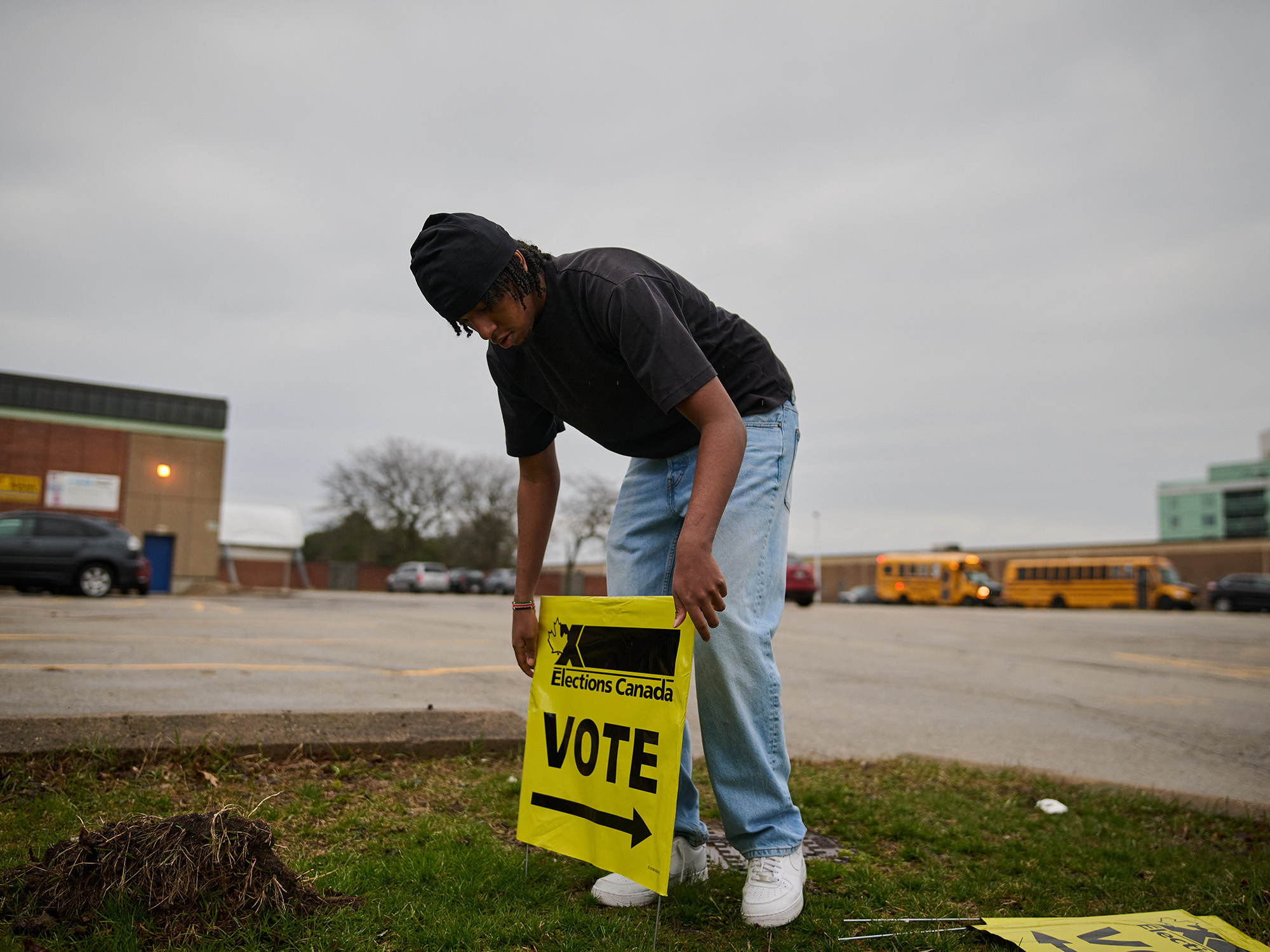
To help readers do all of that, we’re assembling a civic newsroom unlike any other, with over 20 staff and freelance journalists (and no AI) reporting from different corners of Toronto, Mississauga and Brampton. In addition to Candidate Tracker, readers can expect long-form profiles and features, deep dives into different wards and key election issues, along with insightful analysis and exquisite photography.
This is The Local’s biggest, most ambitious project yet. We are fortunate to have the financial support of the Toronto Foundation to help pay the salaries of the reporting and fact-checking team behind Candidate Tracker. United Way Greater Toronto has agreed to support the expansion of our reporting into Mississauga and Brampton.
From Bonnie Crombie’s campaign to reclaim her mayoralty from Carolyn Parrish in Mississauga, to a crowded race for Gord Perks’ vacated seat in Parkdale-High Park, to the precarious state of school trustee positions after the recent governance overhaul by the Ford government, October’s municipal elections could have widespread ramifications for local democracy in the GTA for years to come.
Watch out for The Local’s municipal election coverage, starting this August.
More from this issue
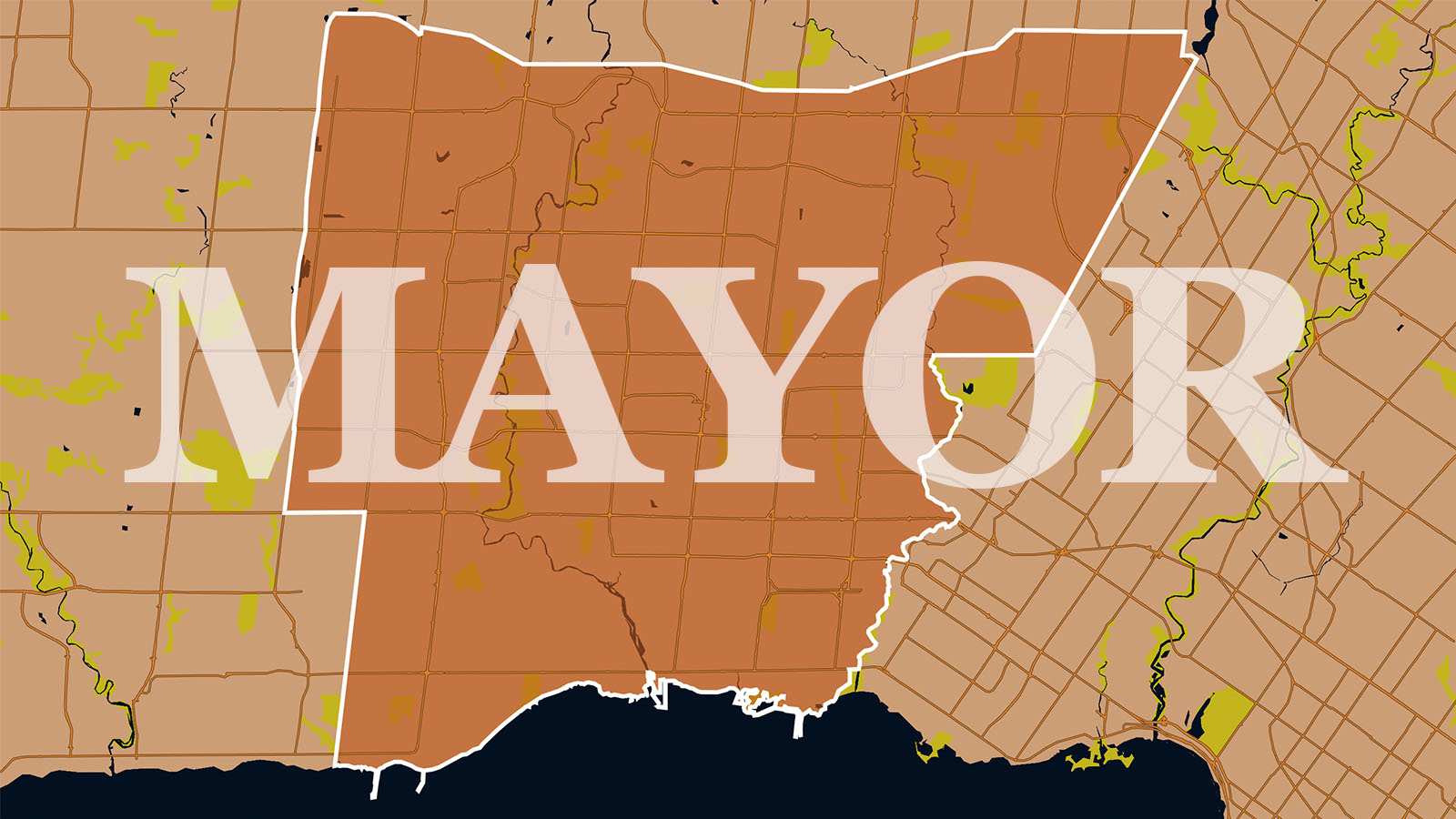
Mississauga Mayoral 2026 Candidates
Fact-checked biographies and platform summaries for all the candidates for mayor of Mississauga.
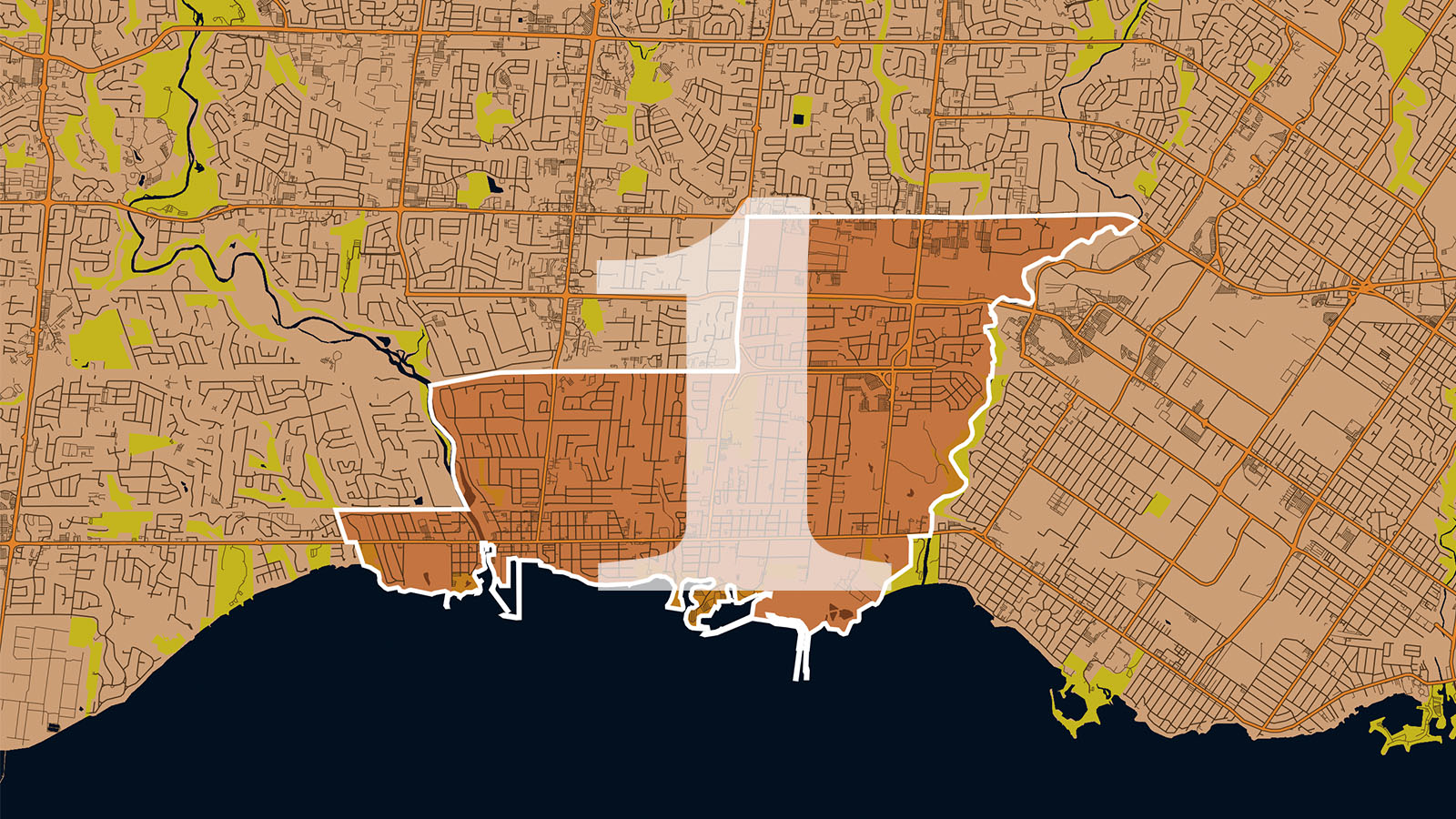
Mississauga Ward 1
Fact-checked biographies and platform summaries for every municipal election candidate in Mississauga Ward 1.
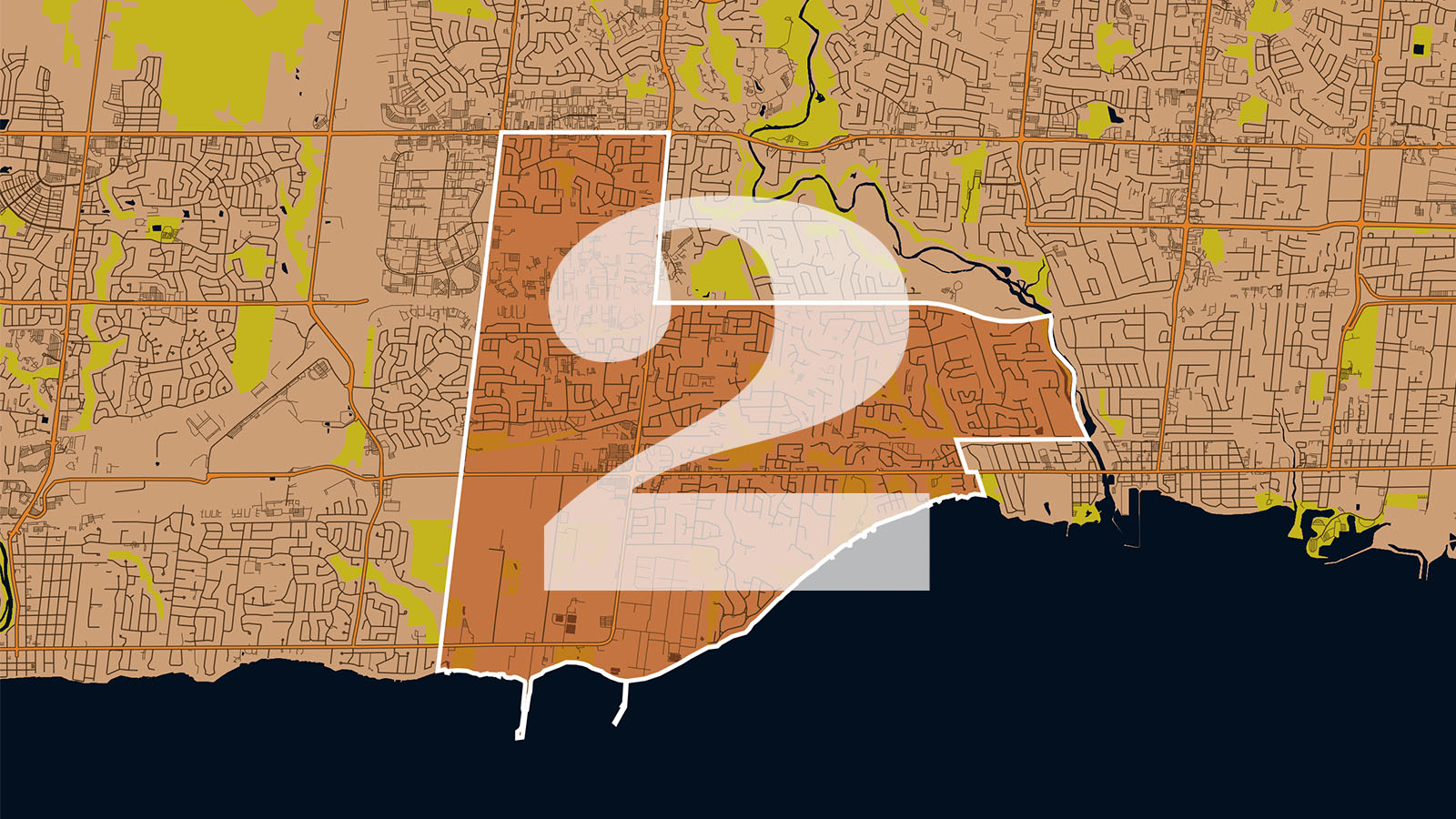
Mississauga Ward 2
Fact-checked biographies and platform summaries for every municipal election candidate in Mississauga Ward 2.
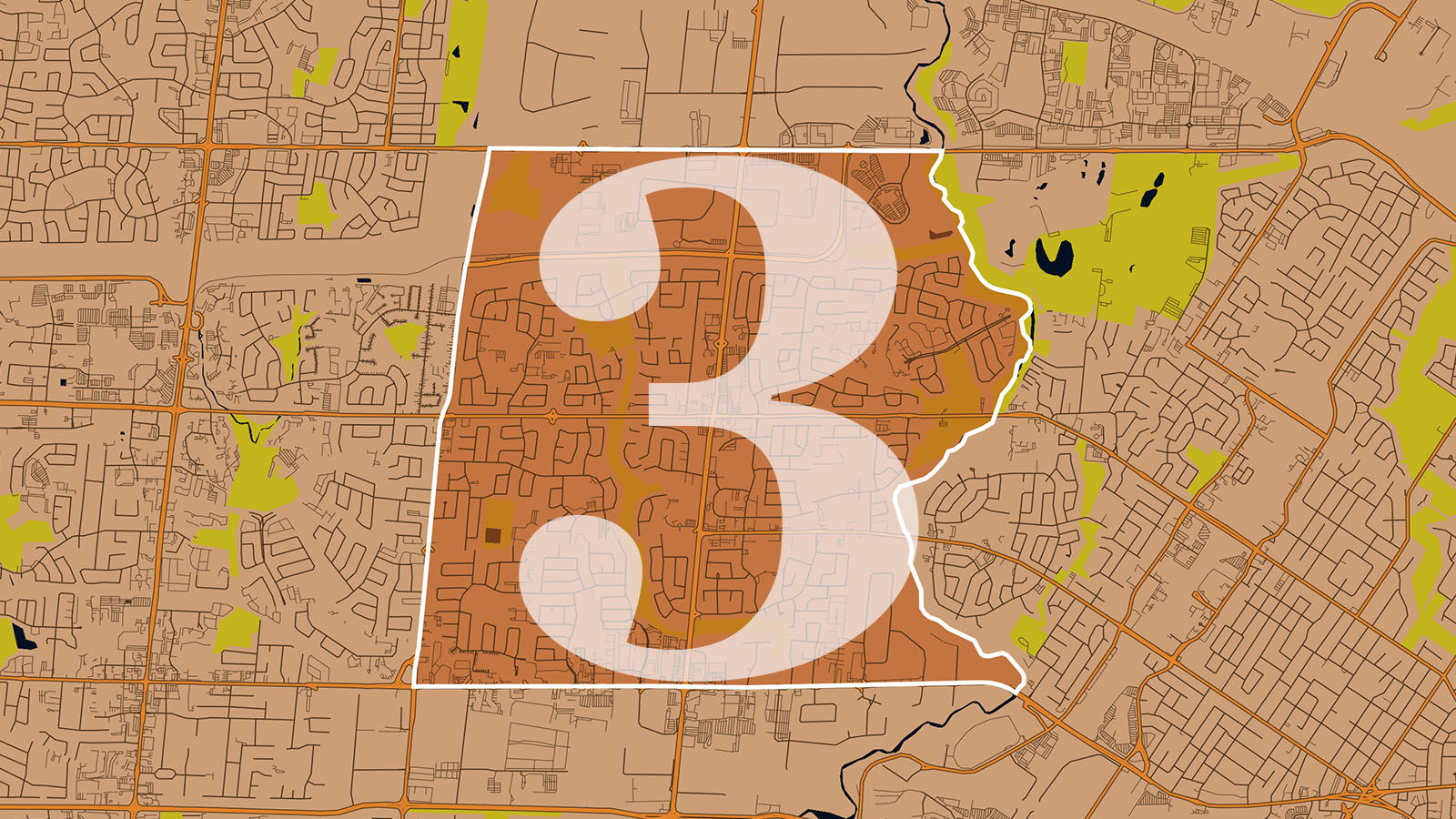
Mississauga Ward 3
Fact-checked biographies and platform summaries for every municipal election candidate in Mississauga Ward 3.
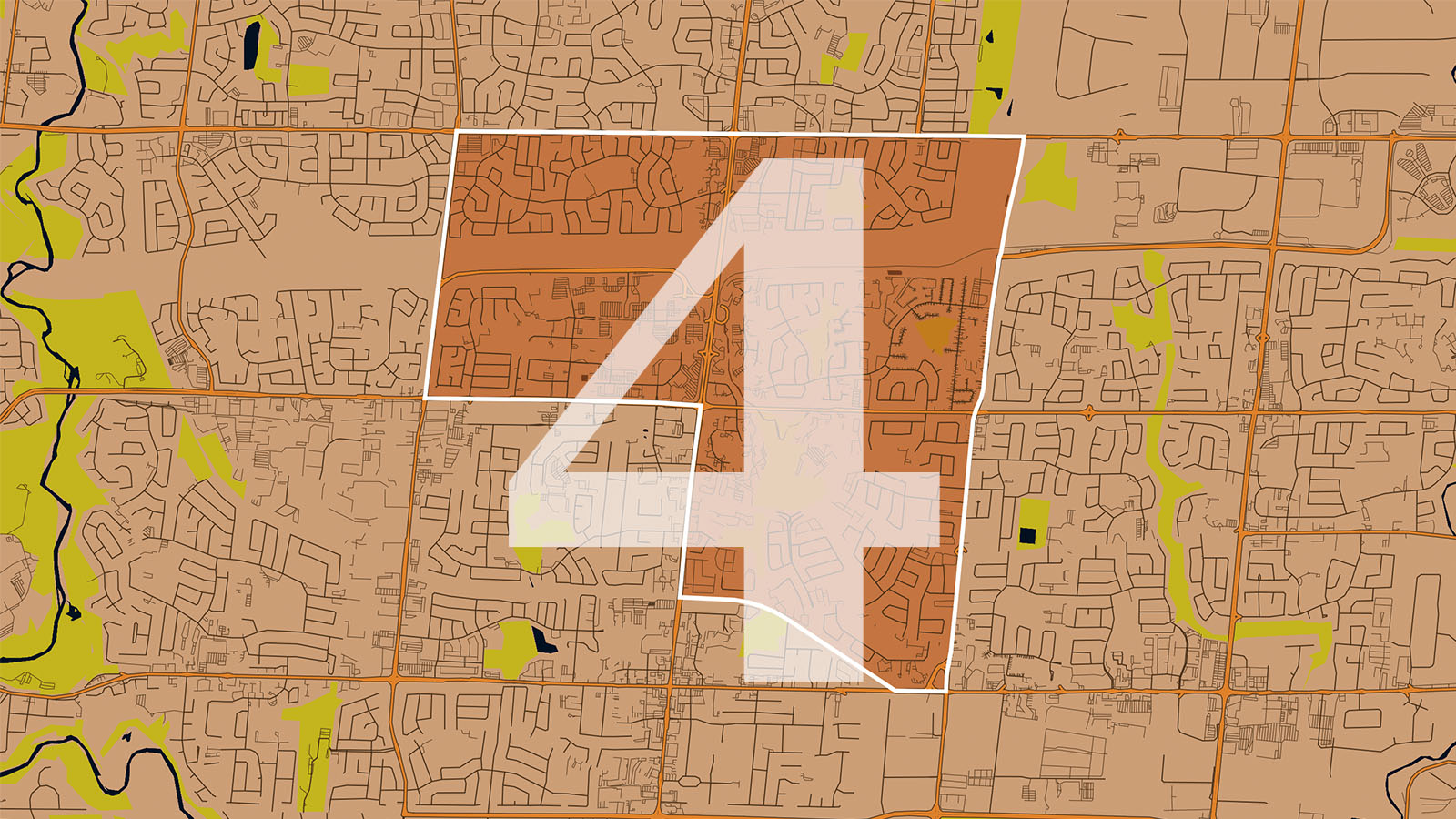
Mississauga Ward 4
Fact-checked biographies and platform summaries for every municipal election candidate in Mississauga Ward 4.
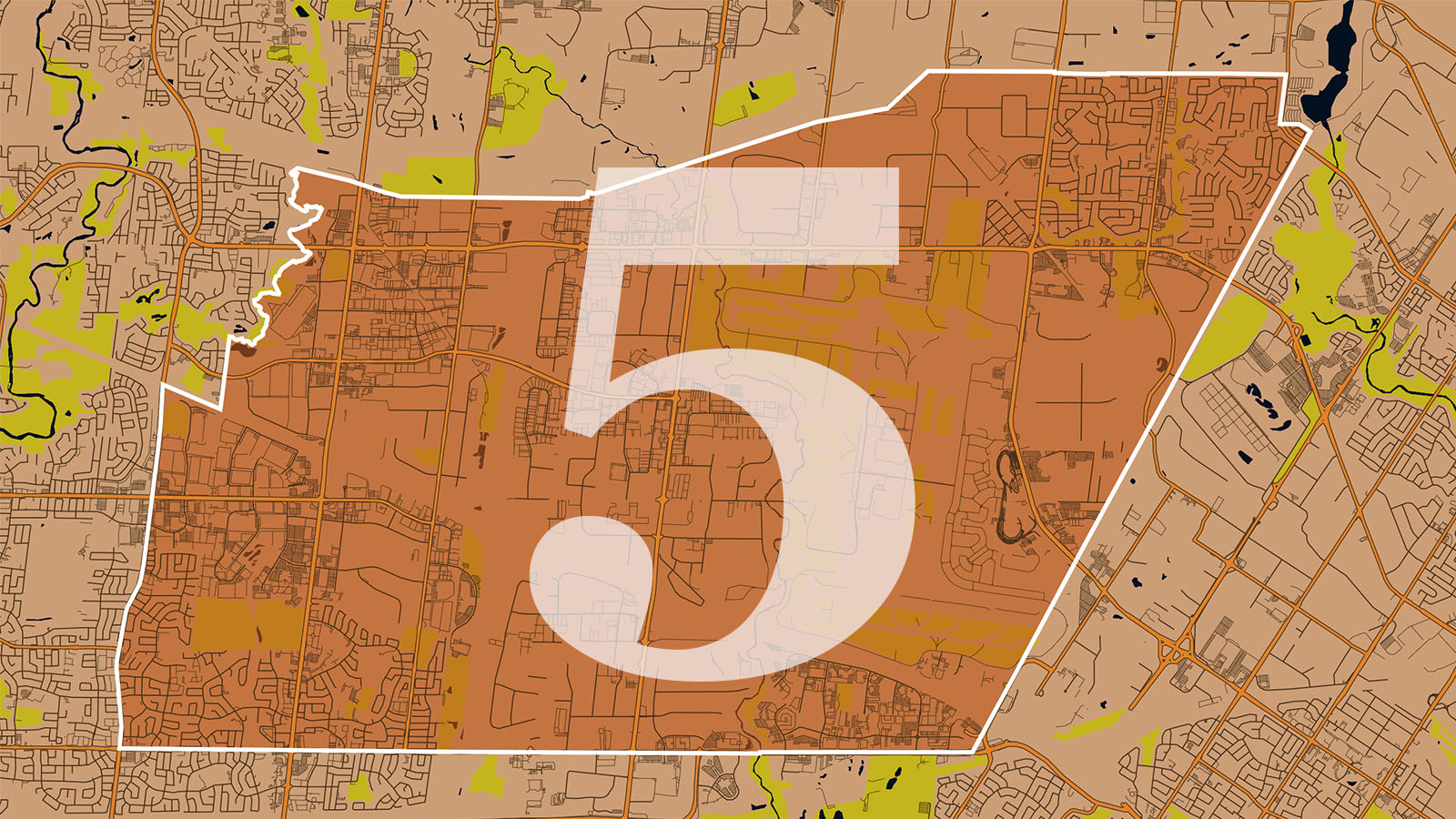
Mississauga Ward 5
Fact-checked biographies and platform summaries for every municipal election candidate in Mississauga Ward 5.
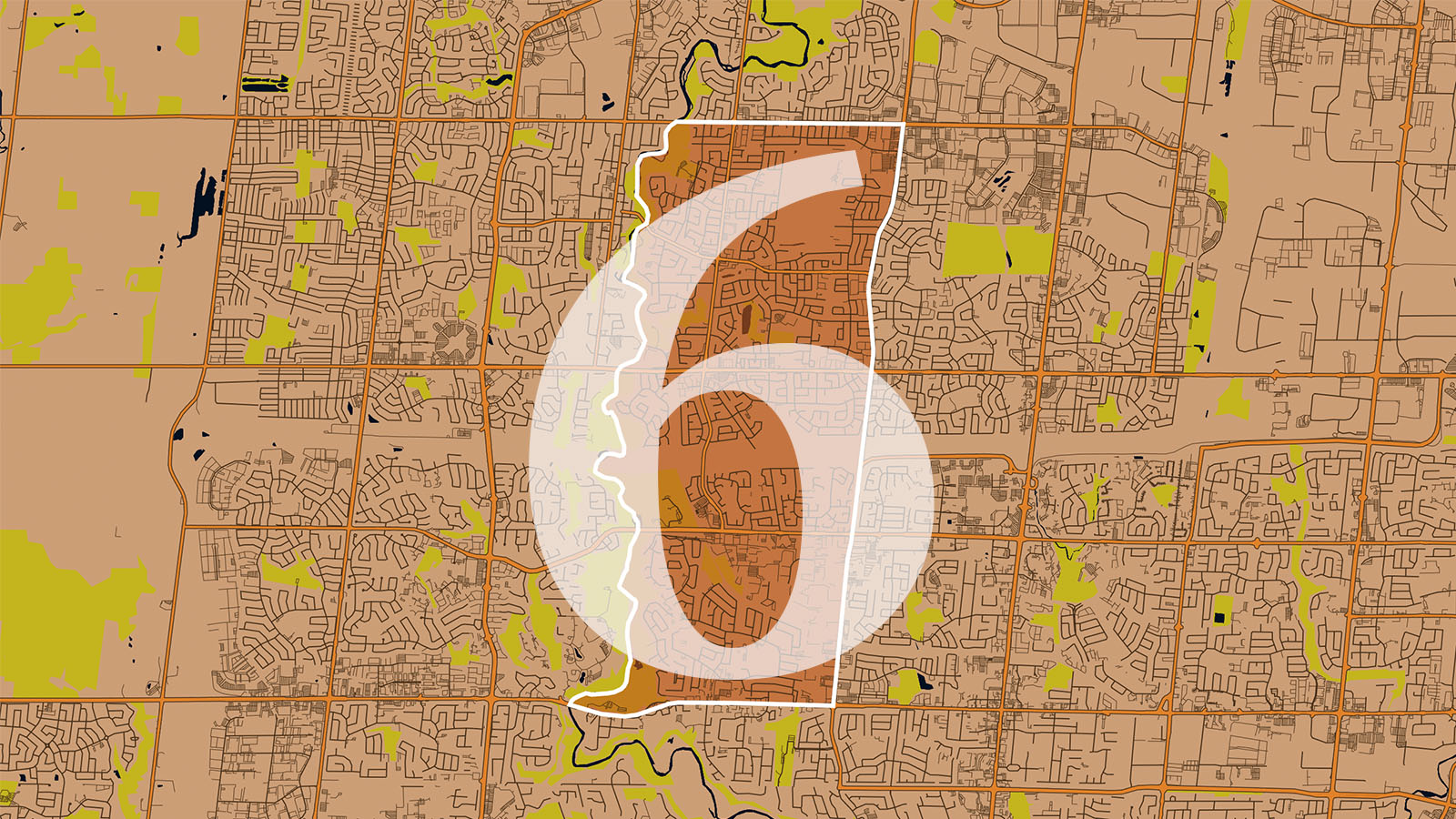
Mississauga Ward 6
Fact-checked biographies and platform summaries for every municipal election candidate in Mississauga Ward 6.
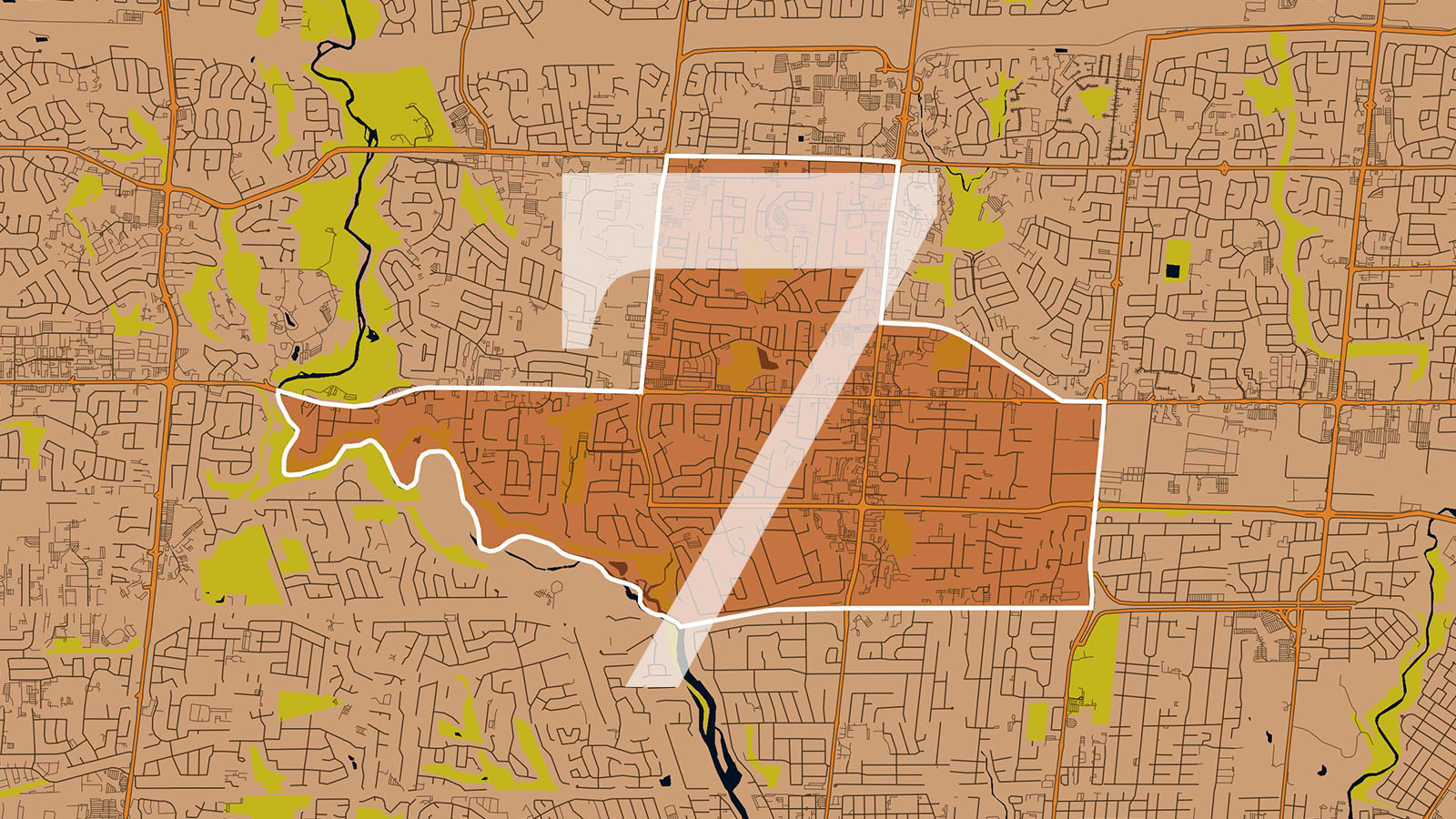
Mississauga Ward 7
Fact-checked biographies and platform summaries for every municipal election candidate in Mississauga Ward 7.
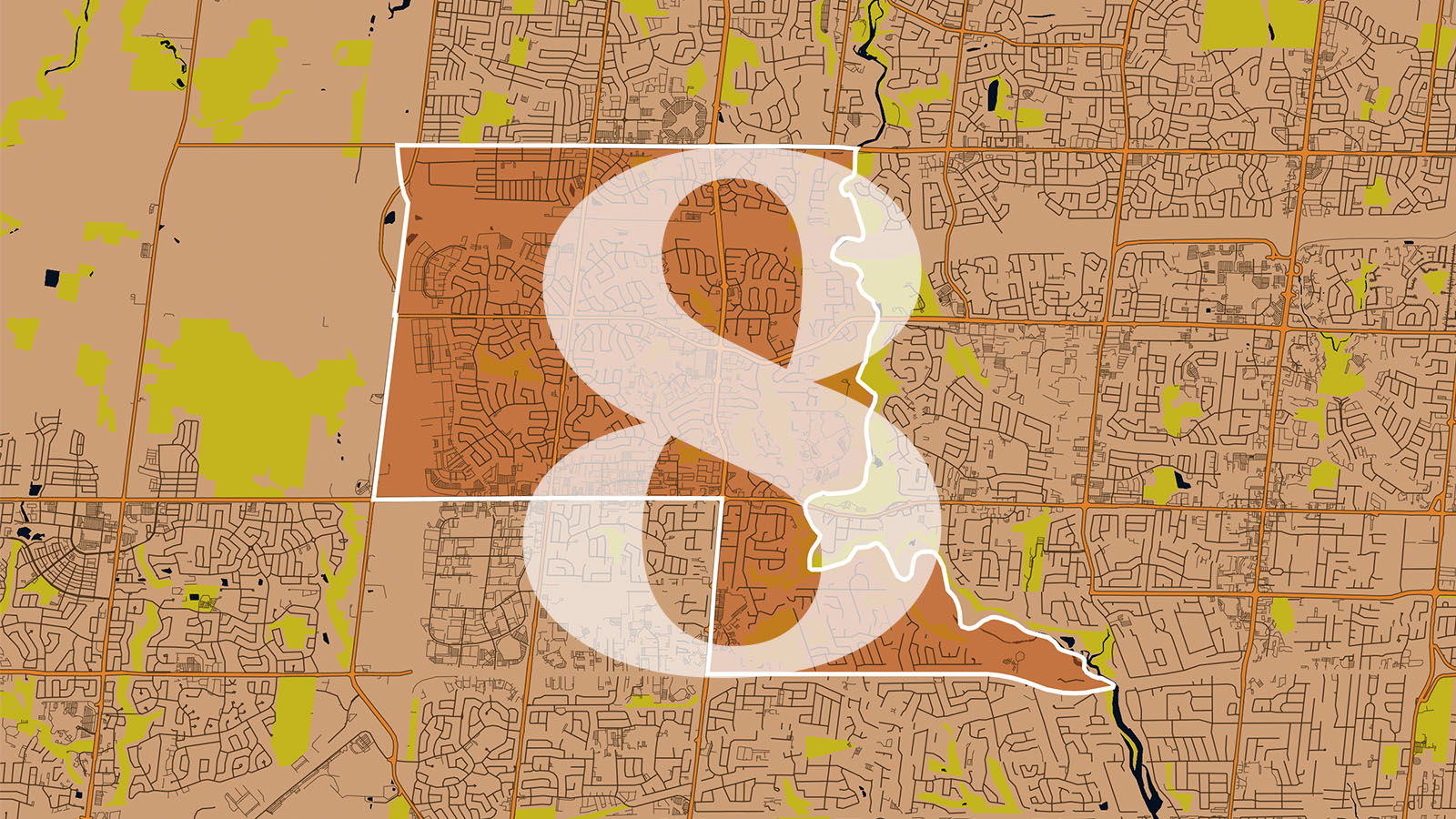
Mississauga Ward 8
Fact-checked biographies and platform summaries for every municipal election candidate in Mississauga Ward 8.
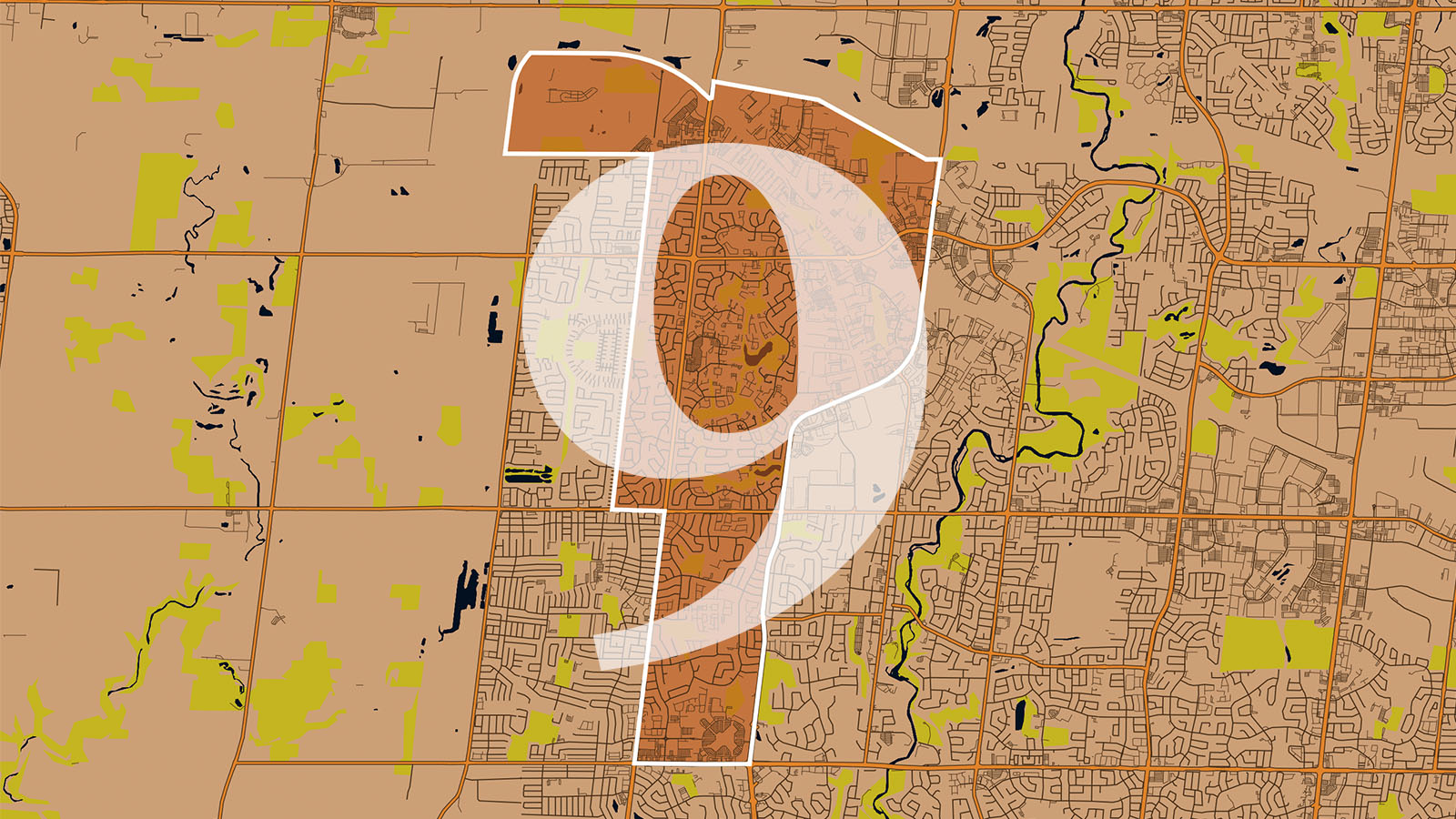
Mississauga Ward 9
Fact-checked biographies and platform summaries for every municipal election candidate in Mississauga Ward 9.