

This story was written by Gabrielle McMann as part of her fellowship, a joint collaboration between The Local and The Philanthropist Journal, funded by the Rideau Hall Foundation.
Around the corner from Broadview Street at Withrow Avenue, there lies—under a tent, surrounded by a wired metal fence, and protected by a round-the-clock security guard—a collection of ancient human bones that have tied up the City of Toronto and 11 First Nations in discussions for the past two years.
Compared to the residential, tree-lined street that surrounds it, the heavily protected tent sticks out like a sore thumb. Nevertheless, all the barriers and security were deemed necessary to ensure no one disturbs the Indigenous ancestral remains that were found here in January 2024, when a local resident fell into a construction pit dug by a city crew installing a water line.
The site of the discovery is located directly across the street from Withrow Avenue Junior Public School, which sits on a plot of land where a Wendat village once stood. When that site was originally excavated in the 1880s, David Boyle, a pioneering Canadian archeologist, found both human remains and artifacts there that dated as far back as 5,000 years ago. That would make them older than the Pyramids of Giza and roughly the same age as some components of Stonehenge.
“As long as it’s been possible to live here, Indigenous people have been here.”
Upon the more recent discovery in 2024, the construction team ceased its work and the Chief Coroner’s office was called in to do an investigation. When the coroner’s office determined the remains—since believed to be of at least 18 people—were ancient and there was no need for a police probe, the City began reaching out to all the First Nations with a potential stake in the discovery.
I first reported on the site more than a year and a half ago while writing a story about how archeology has historically been practised in this country—often without consulting the very First Nations whose sacred historic sites were being excavated. It was also an accepted practice for archeologists to take any artifacts or human remains as personal trophies.
Engagement with First Nations on archeological assessment wasn’t mandated in Ontario until 2011, when the province introduced its Standards and Guidelines for Consultant Archaeologists. These guidelines require that stakeholder Nations are consulted on any sacred, spiritual, or culturally significant site during the later stages of an archeological investigation.
When I visited Withrow Avenue this spring, the site looked almost exactly the same as it did in newspaper photos more than a year earlier. The lack of movement has been a point of public frustration, as reflected in local resident Pauline Stanley’s statement to the Toronto Star in February 2025.
“How many years will the situation remain unaddressed?” Stanley said in the paper. She didn’t seem impressed that a publicly funded security guard had been stationed to watch this “hole” 24/7.
Characterizing the site as a mere “hole,” however, overlooks the bigger picture of what it represents. As a Torontonian and a mixed Ojibwe woman from the Mississaugas of the Credit First Nation, I, too, wondered what was taking so long for the investigation to move forward. But I also had broader questions: What is the significance of these ancient remains? What do they say about the history of Indigenous peoples on this land? And, at a time of truth and reconciliation, what do they say about our place—and our future—in this city?
The land on which present-day Toronto stands has a long and rich human history that dates back approximately 13,000 years. Yet somehow, we have found a way to wrap up millenia’s worth of intricate history into one neat statement that we like to call a land acknowledgement. For the City, it’s this:
“The City of Toronto acknowledges that we are on the traditional territory of many nations including the Mississaugas of the Credit, the Anishnabeg, the Chippewa, the Haudenosaunee and the Wendat peoples and is now home to many diverse First Nations, Inuit and Métis peoples.”
For many—if not most—Torontonians, this is the extent of their knowledge of First Nations history in the GTA. This is no coincidence. The erasure of our history, our cultures, and our very presence was orchestrated over hundreds of years of colonial policy.
Even my own understanding of Toronto’s long-standing past lacked depth.
Yet in order to understand the significance of the Withrow Avenue site and the complexities of the archeological investigation, we must begin to peel back the layers of history.
I knew who I could turn to. Ron Williamson is the founder of ASI Heritage, a local archeological consulting company that was hired to consult on this investigation. Williamson has spent decades researching archeological sites across the province and published Toronto: A Short Illustrated History of Its First 12,000 Years in 2008. He has recently been working on an updated version of the book with his academic collaborators.
Williamson, who has the appearance of a seasoned scholar with a distinguished white beard, agreed to meet me at a coffee shop on the corner of College and Bathurst Street. He greeted me with a beaming smile and wearing a long black blazer and black rectangular sunglasses.
For more than an hour, as we sat at a window-side table, he walked me through some of the pivotal points of Toronto’s pre-colonial past.
The archeological record tracks the earliest occupants of the GTA to approximately 11,000 BCE, as the last glacial period was coming to an end. These were small bands of nomadic hunters that settled in the Great Lakes region. Although some spear points that appeared to be from that time have been discovered, most of their material culture was made of natural substances that were biodegradable and did not survive millennia.
Due to rising water levels as the glaciers receded, many of the larger campsites are now submerged under Lake Ontario. Evidence of these occupants was found in 1908 when city workers were installing a utility tunnel beneath the Toronto harbour. Twenty-one metres below the water level, they found impressions of human feet, including those of children in moccasins, within the clay lake bed. These footprints likely belonged to a family group travelling in the direction of modern-day Toronto 12,000 to 13,000 years ago.
“So when people say we’ve always lived here, well, yeah. As long as it’s been possible to live here, Indigenous people have been here,” said Williamson.
Archeological evidence that has been gathered from sites across the GTA supports the theory that Toronto was continuously occupied by various groups for temporary periods over the next 11,000 years. The land provided a natural diversity that supported seasonal hunting and gathering, as well as water routes for travel and trade. Williamson told me that the different bands of people scattered across Lake Ontario belonged to one of the two language groups: proto-Algonquian and proto-Iroquoian.
Join the thousands of Toronto area readers who've signed up for our free newsletter and get award-winning local journalism delivered to your inbox.
"*" indicates required fields
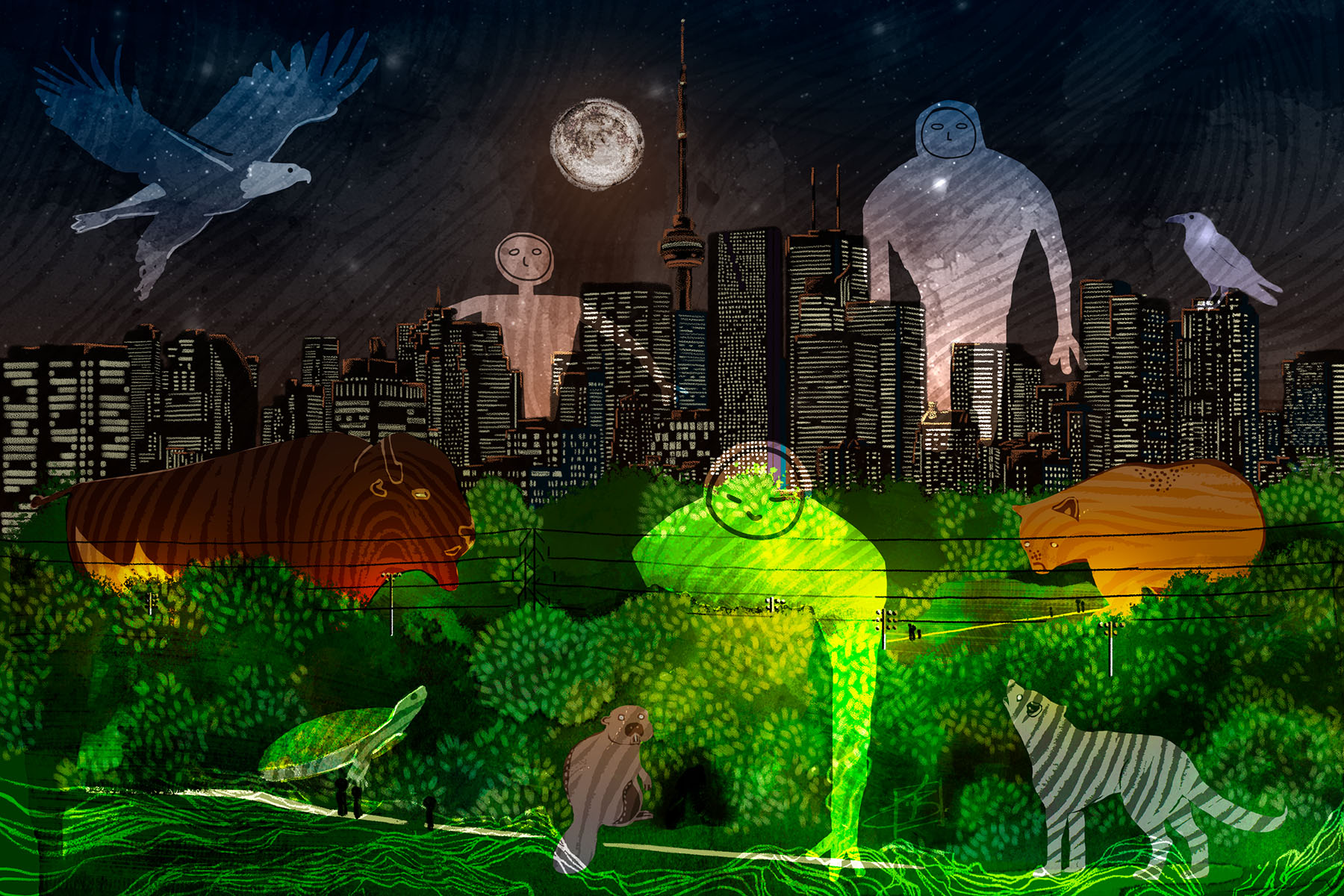
Algonquian-speaking groups—the Algonquins are part of the broader Anishinaabe Peoples—had lived in this region for thousands of years before the arrival of the Wendat’s ancestors, who were Iroquoian speakers and brought with them a new way of life. These Iroquoian speakers practised horticulture, tending to and cultivating plants for food and medicinal purposes. As horticulture became widely adopted in the area, it allowed these groups to stay in one place for longer periods of time, resulting in more large-scale villages and flourishing populations.
The Withrow Avenue site is believed to be a remnant of one of these many villages along the Don River. The Don was a part of the “Toronto Carrying Place,” a system made up of bodies of waters including rivers and lakes that allowed for trade and easy travel. According to Williamson and others, it’s likely the Wendat inhabited this village until the mid-17th century when the Haudenosaunee (another group of Iroquoian speakers, although distinct from the Wendat) expanded their presence in the region. Villages were decimated in what is known as the Beaver Wars, a series of attacks and battles between First Nations that aimed to assume control over the fur trade with European settlers. Any survivors were forced to join the Haudenosaunee tribes or flee, Williamson explained. This resulted in the dispersal of the Wendat and other Iroquoian-speaking groups, including the Tionontaté and the Neutral, and their Algonquin neighbours.
The Wendat who were forced to abandon their territory eventually resettled onto the banks of the Saint-Charles River in Quebec.
Only a few decades later, groups of Anishinaabe, including the Mississaugas, pushed back against the Haudenosaunee to reclaim the territory. This led to the abandonment of Haudenosaunee settlements in the Toronto region, including Teiaiagon, a village that sat along the Humber River, and Ganatsekwyagon, located at present-day Rouge Park.
The past, Williamson said, can’t be summed up quickly or easily. “You think of all the complexities in our lives; the same amount of complexity was in people’s lives then.”
After Williamson and I parted ways, our conversation lingered in my mind over the next few weeks. Learning about the past occupants of this region gave me the opportunity to build a new connection with my history, my ancestors, and the land itself. Ever since I moved to the city in 2021, I had struggled to make those connections while walking through a jungle of concrete and steel. Now, I could actually visualize how my ancestors would have lived on this land for generations.
Given the many First Nations who have called this land their home, it’s little wonder that 11 different First Nations are invested in the happenings at the Withrow Avenue site.
As a part of reconciliation within archeology in Ontario, the archeological guidelines introduced in 2011 require that any and all Nations deemed potential stakeholders are included in engagement and consultations. But having all these voices at the table can also present challenges. Reaching a consensus among so many groups can be difficult, and this has been one of the main issues preventing the investigation from moving forward. (Toronto winters have also contributed to the delay; excavations are paused when the ground is frozen.)
For Withrow, the consultation process—which results in agreements being signed by First Nations to give the City permission to move forward with investigations—has moved slowly. After lengthy discussions, the City of Toronto decided to go ahead with the archeological investigation in October 2025, even though they had received consent from only 10 of the 11 involved First Nations. The City declined to comment on the investigation.
The remaining holdout: the Haudenosaunee Confederacy Chiefs Council, the traditional, hereditary government representing the Six Nations of the Grand River.
Aaron Detlor, a delegate from the Haudenosaunee Development Institute (HDI) has launched a human rights claim against the City of Toronto on behalf of this group. Notably, the group is distinct from the elected Chief and Council system, which was implemented through the Indian Act in 1876.
Detlor told me the Haudenosaunee Confederacy refused to sign because the City did not respond to HDI’s list of requests, which included, among other things, a meeting with the mayor and a monitoring agreement over the site. Before our interview in April, Detlor had also stated in The Star that HDI was certain the remains were Haudenosaunee and that HDI should have a leading role within the investigation—all of which has sparked tension with the other Nations involved. Claire Sault, Chief of the Mississaugas of the Credit First Nation (MCFN) refuted his claim: “These are not their lands, they have been asserting false claims here,” she told The Star.
When I spoke to Detlor, he told me that the Haudenosaunee have a sacred responsibility to burials—and even if the remains were from the Wendat’s ancestors, HDI would still have an interest in them due to the number of Wendat who were adopted by Haudenosaunee tribes after the Beaver Wars.
“We represent the Wendat,” Detlor said.
This is a controversial statement as it implies power over the Wendat Nation, a sovereign, independent Nation that represents its own interests.
It’s because of those who came before us that we walk in this world today, and ensuring they are at rest is a way we can show our gratitude.
When I spoke to Vincent Bourret, the director at Onyionhwentsïio’, the territorial office for the Wendat Nation, he said he recognized signs at the Withrow site of traditional burial rituals used by the Wendat Nation. This was something that also came up in my conversations with Williamson and his colleague Lisa Merritt, the principal of infrastructure at ASI. Both Williamson and Merritt mentioned the site appeared to be an ossuary—a communal pit where the dead are buried together, which was a common Wendat burial practice. At this stage, Merritt confirmed, the remains of at least 18 people had been found at the Withrow site.
One of the Wendat’s ancient ceremonies, carried out to demonstrate their care for their ancestors, was the Feast of the Dead. For this ceremony, multiple Wendat villages would gather before moving their location, and participants would bring the remains of any loved ones who had died roughly within the past 10 or 15 years. They would then clean the bones and rebury them communally in an ossuary. It was believed that this final ceremony would allow the ancestors to safely travel together into the afterlife.
In our interview, however, Bourret said the Wendat don’t want to assert any definitive claims until the archaeological investigation is complete. Authorities have not yet declared to whom the ancient remains belong, and no such declaration will be made until the investigation has wrapped up.
Whatever the outcome, Bourret said, the Wendat are happy to share the responsibility of caretaking for the ancestors. He made it clear that the Wendat’s intentions are to put the ancestors first. It’s a sentiment that Bourret said is widely shared among the other nine First Nations that signed agreements with the City.
“We acknowledge that there’s a need for a collaborative approach with the other Nations, so that the ancestors are properly taken care of,” he said.
Bourret also confirmed that the First Nations are still discussing what will happen with the remains after the investigation. They are aiming to keep the remains of the ancestors together, since they were buried as a group, and as near the original burial site as possible out of respect for the geographical connection these ancestors had to the land and the connection they have to each other in the afterlife.
Although the teachings of the Wendat and those of my own Nation are different, I understand the love and care that is required when looking after our ancestors. As Anishinaabe, we are taught to think of the seven generations that came before us and the seven generations that will come after us. It’s because of those who came before us that we walk in this world today, and ensuring they are at rest within the Spirit World is a way that we can show our love, appreciation, and gratitude.
Withrow Avenue is certainly far from the only place where evidence of Indigenous history lies buried underfoot. In fact, when I spoke with Mary MacDonald, senior manager of the City’s Heritage Planning department, she told me that several similar sites had been unearthed over the years during the development of the area around Teiaiagon, the 17th century Haudenosaunee settlement now known as Baby Point.
In 2018, the City began developing the Teiaiagon-Baby Point Heritage Conservation District, spurred by local residents advocating to protect the unique residential architecture and the garden in the surrounding area. After the district was nominated for conservation, the City started to consider how the archeological significance of the area could be included in the planning process.
Its approach was different from previous conservation projects in a few crucial ways. The City decided against hiring an outside consultant and instead sought input from First Nations themselves throughout one of the key phases. It also had an in-house archeologist conduct an assessment of the entire area.
“We recognized there’s a unique nature of relationship between municipal and Indigenous governments,” said Alison Torrie-Lapaire, a project manager for archaeology in the City of Toronto’s Urban Design/Heritage Planning section.
The result of these efforts is a “heritage conservation district plan,” a set of policies and guidelines to conserve the area’s cultural heritage value. It includes the requirement for a specific kind of heritage permit, ensuring that any plans to develop the area in the future must consider the potential disturbance to any archaeological remains.
This approach at Teiaiagon—engagement with First Nations and pre-emptive urban and development planning that considers the archeological significance of an area—offers a blueprint for how we can ensure that the ancestors who have been laid to rest can remain at peace and undisturbed. By following this model, we may be able to avoid sites like Withrow being unexpectedly disturbed in the future, as the city continues to change and grow.
Local Journalism Matters.
We're able to produce impactful, award-winning journalism thanks to the generous support of readers. By supporting The Local, you're contributing to a new kind of journalism—in-depth, non-profit, from corners of the GTA too often overlooked.
SupportOn a cloudy afternoon earlier this May, I drove through the Withrow Avenue neighbourhood and past Riverdale Park East, which offers an iconic view of the Toronto skyline. Soon, with the weather getting warmer, almost every square foot of this hill would be populated with onlookers, some taking photos, others filming TikToks or casually enjoying the view.
I couldn’t help but wonder how many of these annual visitors are aware of the history of the land. After all, I wasn’t privy to it either until I started looking for answers to my questions about the Withrow site.
I was captivated by the scene before me—a sprawling hillside on the eastern edge of the Don Valley that overlooks a dense maple-ash woodland. The green canopy added a natural warmth to the urban landscape, and provided a lovely contrast to the sprawling network of concrete structures.
For me, that “hole” at Withrow provided a new way of seeing this city, and carried teachings that all the land acknowledgements I’d ever encountered failed to convey. The bones of the ancestors buried there so long ago still had a lesson for us: We are here. We have been here all along. And our people will be here for generations to come.
Recent Stories
Brad Bradford Seems Angry—He’s Betting Torontonians Are Too
Former staffers say he drove them to tears. Colleagues say he’s a bully. The Bradford campaign says his passion is just what this city needs.
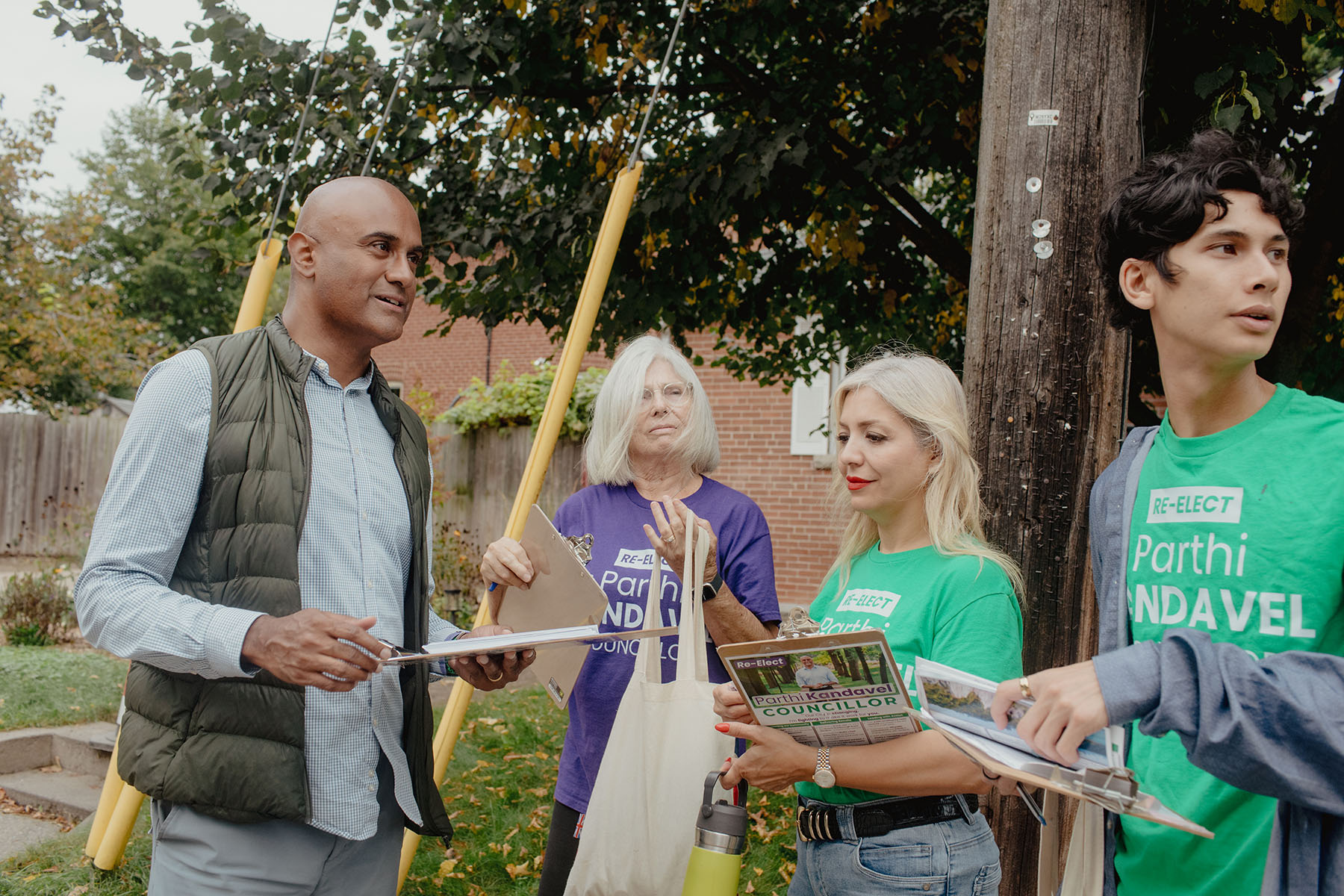
The Incumbent Is Under OPP Investigation. In Scarborough Southwest, Voters Are Focused on Other Issues
In a rematch of a close 2023 by-election, incumbent Parthi Kandavel and Kevin Rupasinghe offer very different visions of a growing suburb.
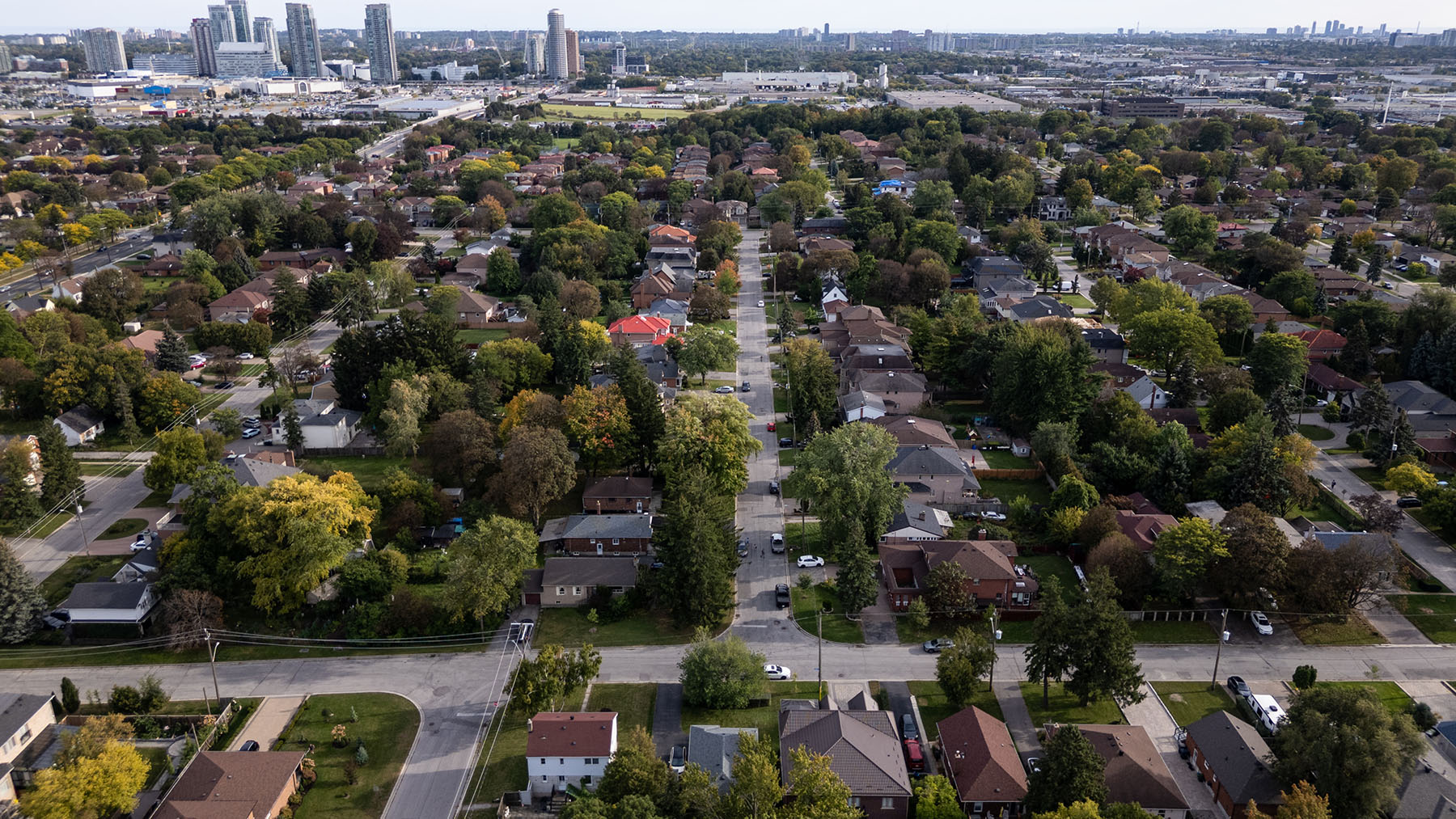
The Battle Over Sixplexes in Scarborough North
Last year, the ward became the first suburban ward to legalize the construction of sixplexes as-of-right. Now, in a race between incumbent Jamaal Myers and former Liberal MPs Shaun Chen and Han Dong, it’s become the defining issue of the election.
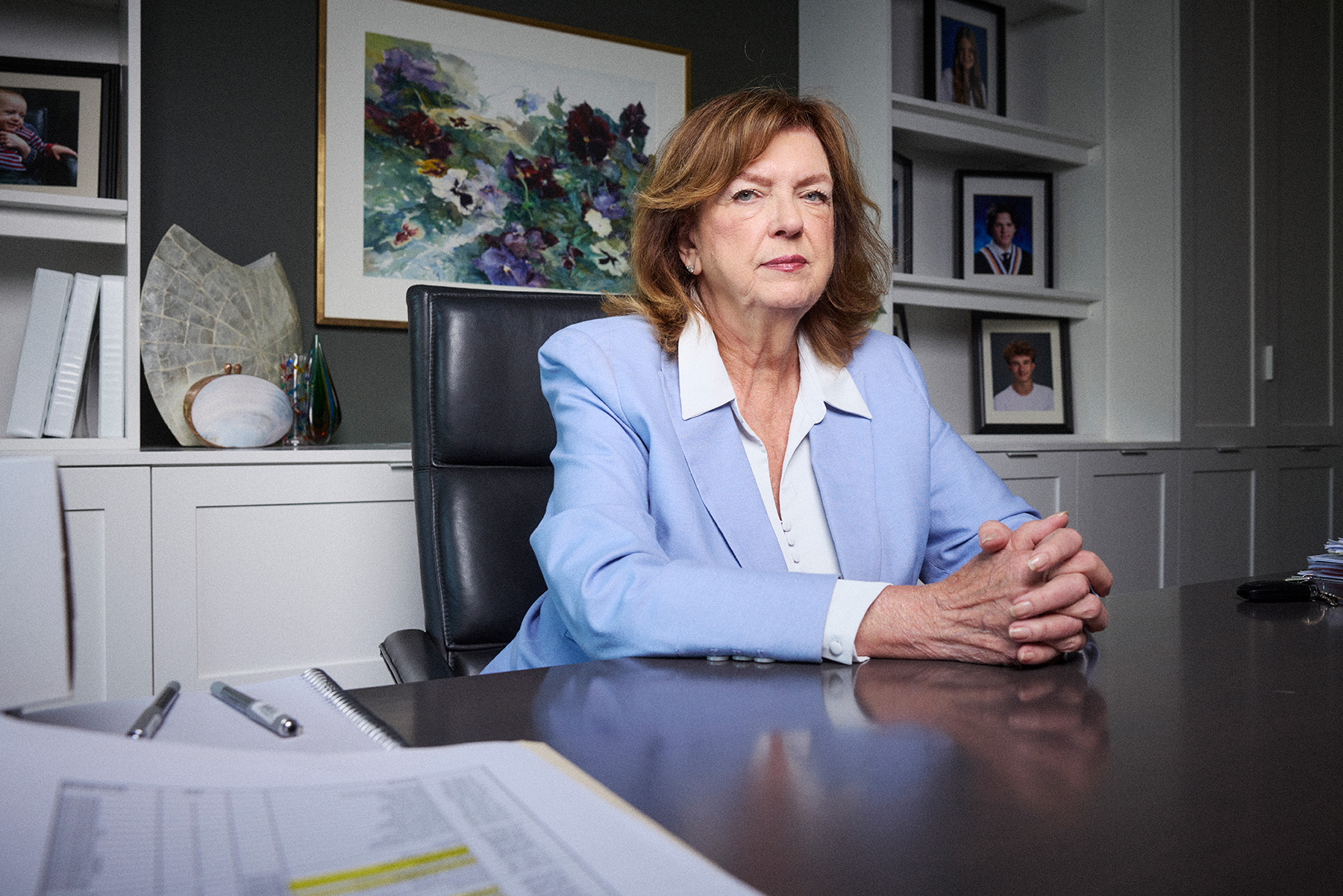
Carolyn Parrish Loves a Fight—Now She’s Up Against Her Fiercest Opponent
The Mississauga mayor has never backed down from a battle—not from Hazel McCallion, George W. Bush, or the Peel police budget. In the heated rematch against Bonnie Crombie, however, some wonder if all the scrapping has become an end in itself.
Candidate Tracker: Mississauga 2026
The only place to find reported, fact-checked biographies and platform summaries for every candidate running in the 2026 Mississauga municipal election. No AI, no campaign talking points, just a team of journalists double-checking candidate records and analyzing policies.
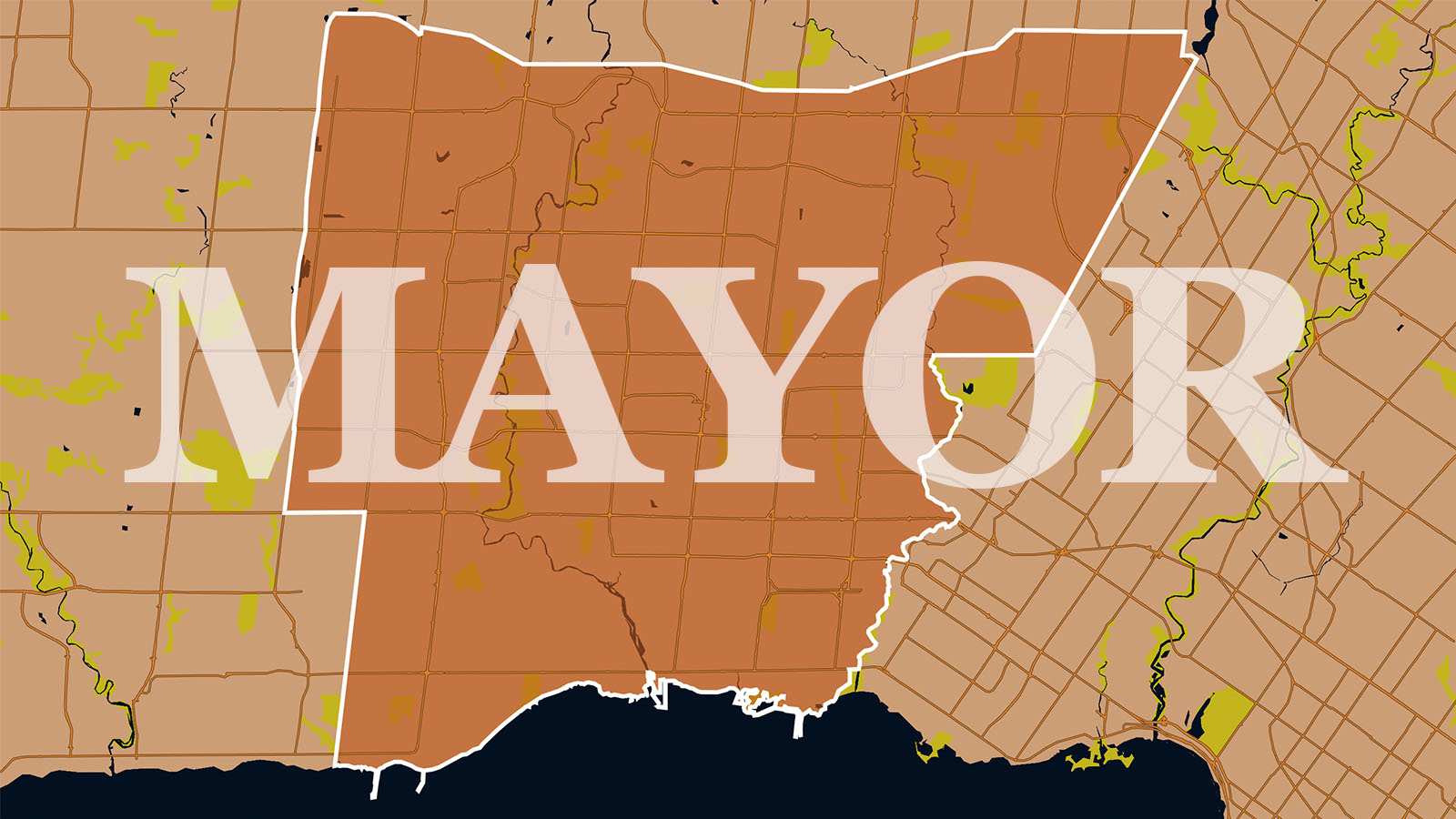
Mississauga Mayoral 2026 Candidates
Fact-checked biographies and platform summaries for all the candidates for mayor of Mississauga.
More from this issue
Mississauga Mayoral 2026 Candidates
Fact-checked biographies and platform summaries for all the candidates for mayor of Mississauga.
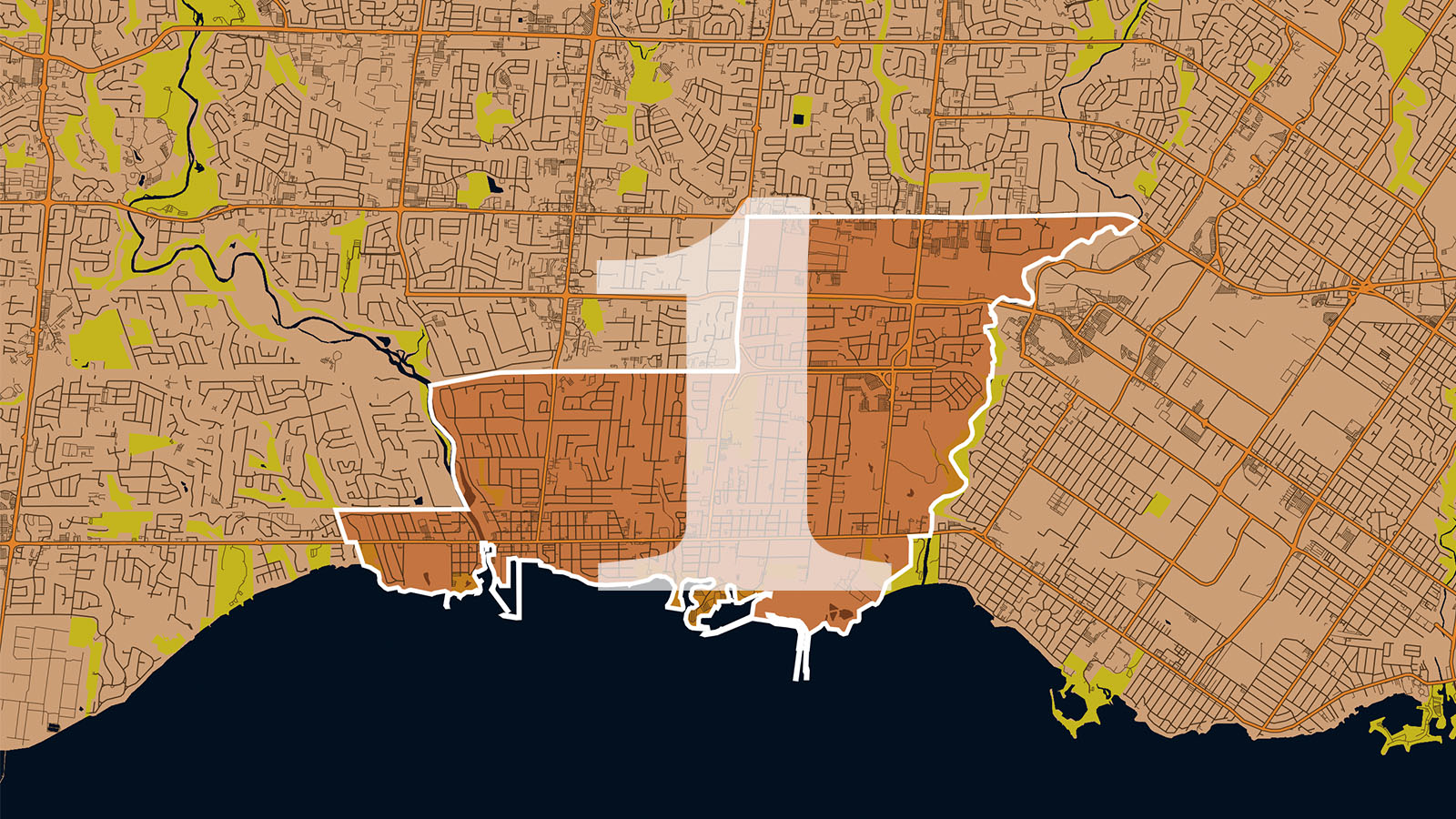
Mississauga Ward 1
Fact-checked biographies and platform summaries for every municipal election candidate in Mississauga Ward 1.
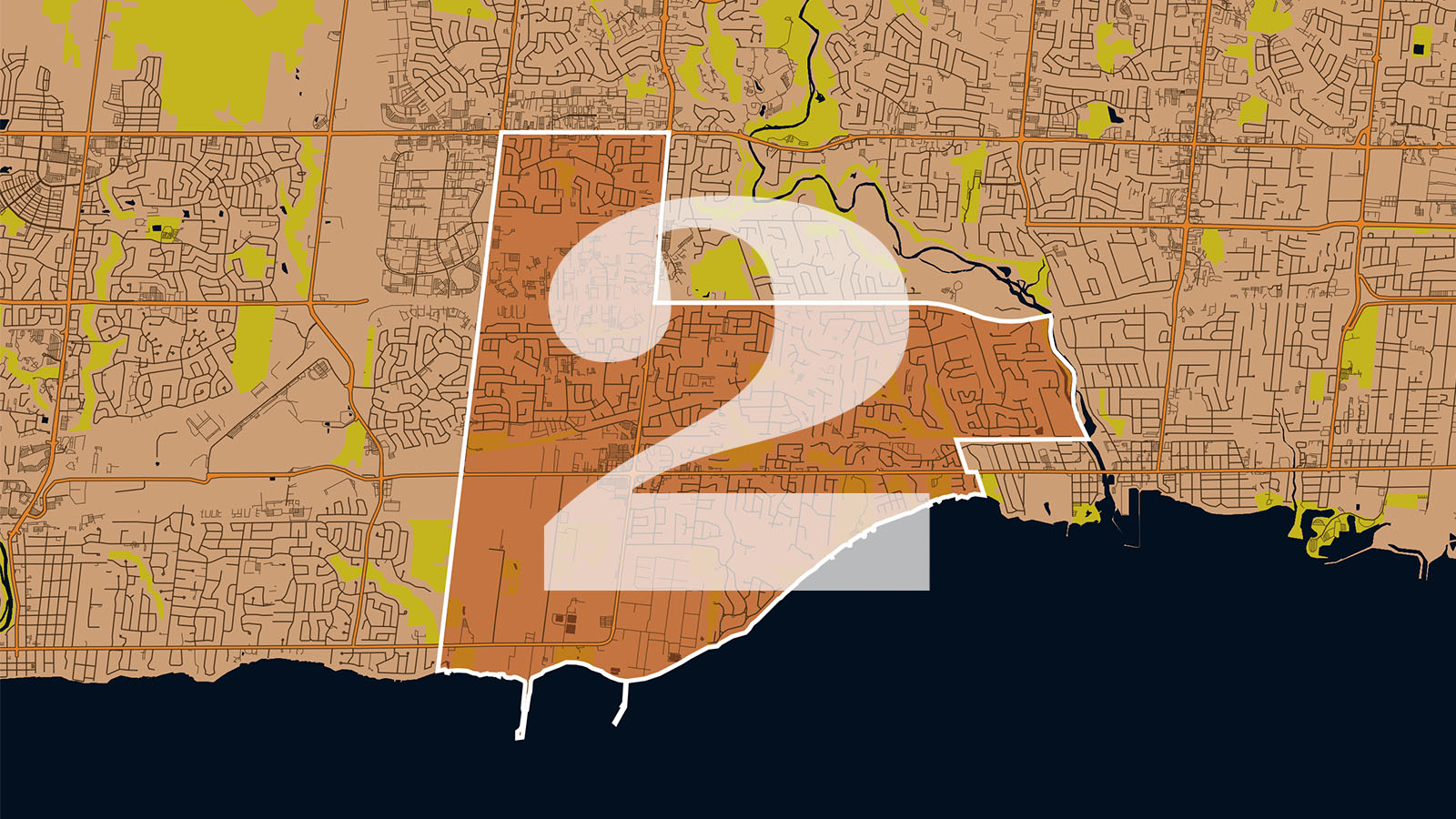
Mississauga Ward 2
Fact-checked biographies and platform summaries for every municipal election candidate in Mississauga Ward 2.
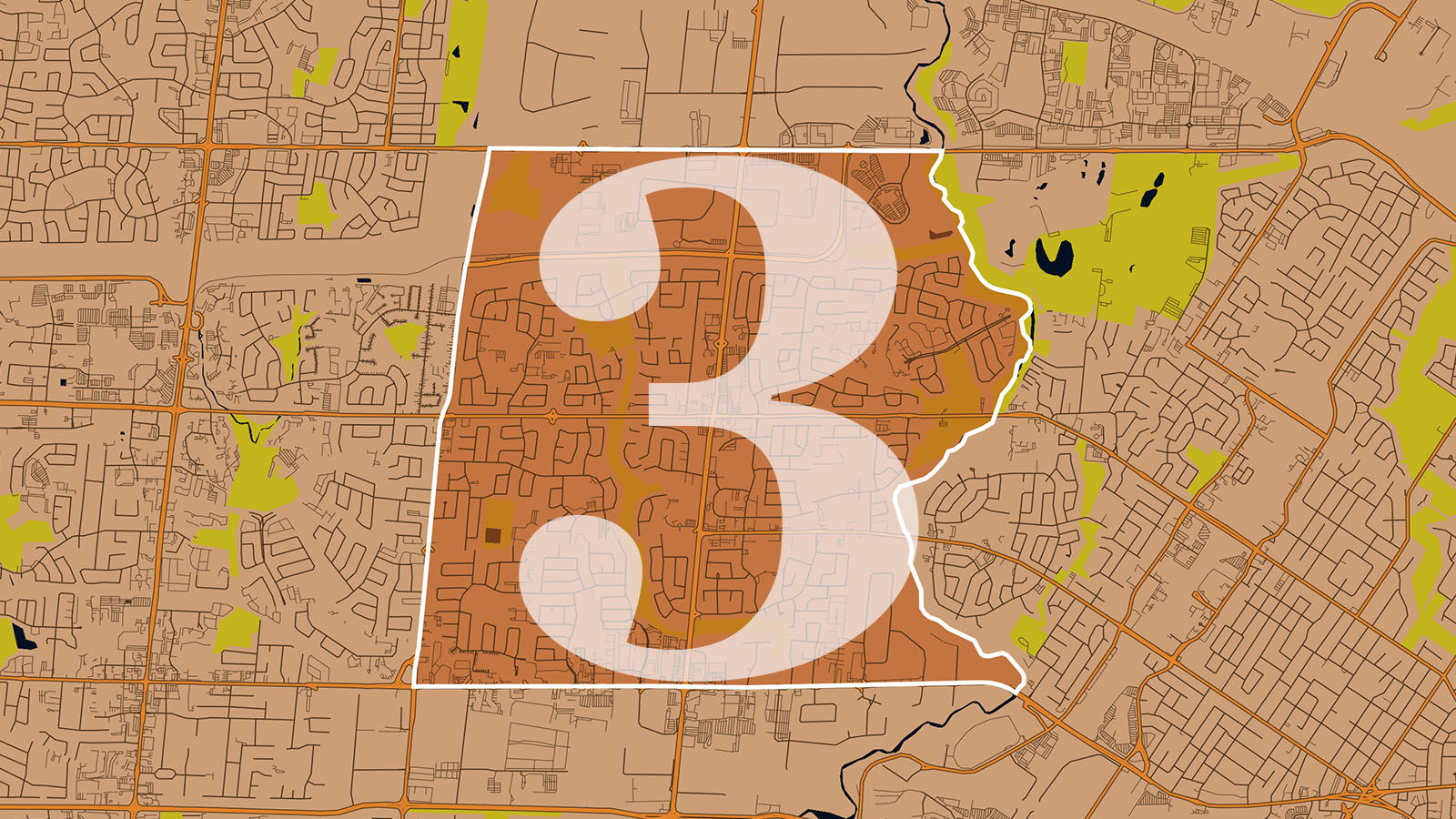
Mississauga Ward 3
Fact-checked biographies and platform summaries for every municipal election candidate in Mississauga Ward 3.
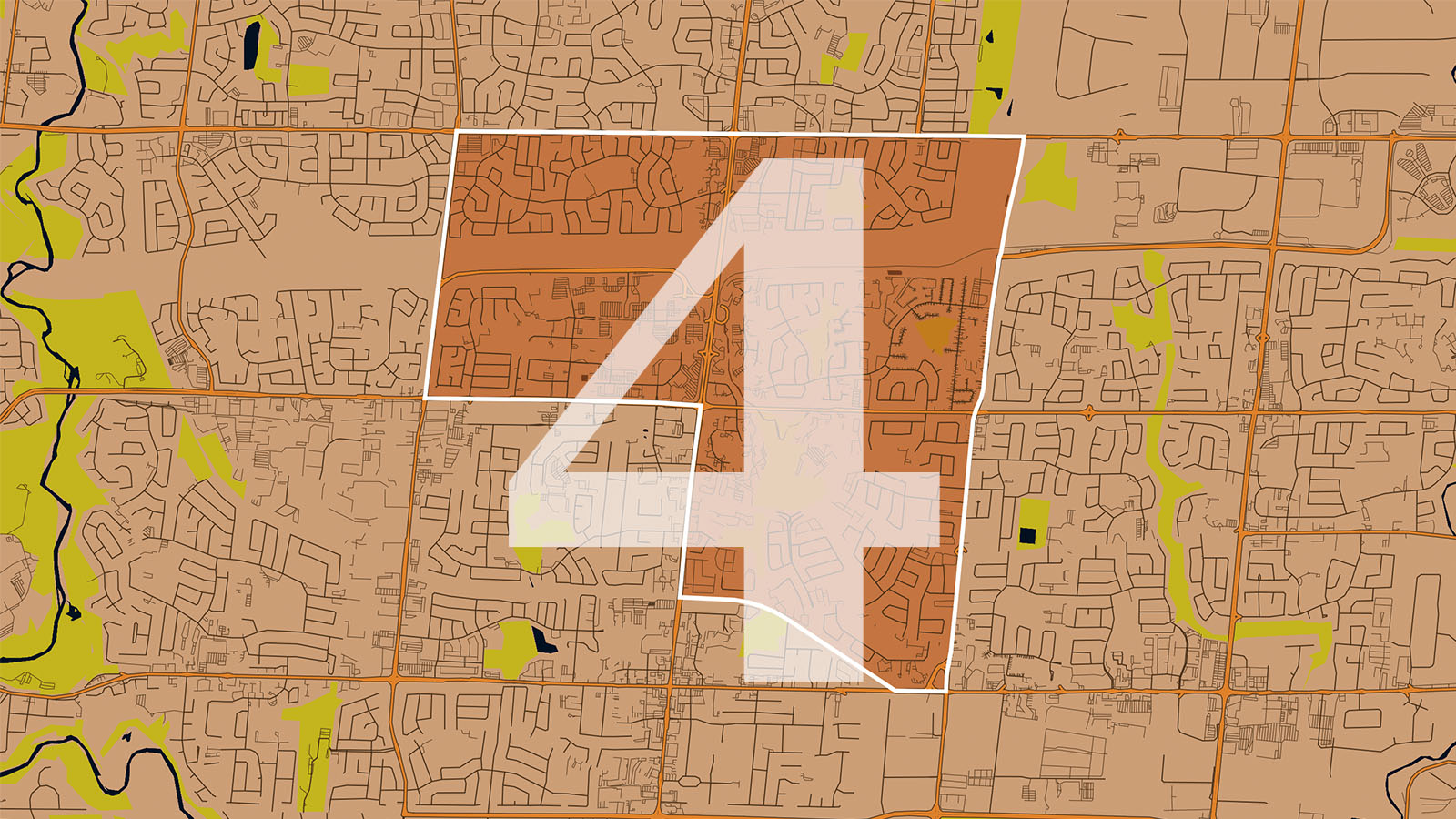
Mississauga Ward 4
Fact-checked biographies and platform summaries for every municipal election candidate in Mississauga Ward 4.
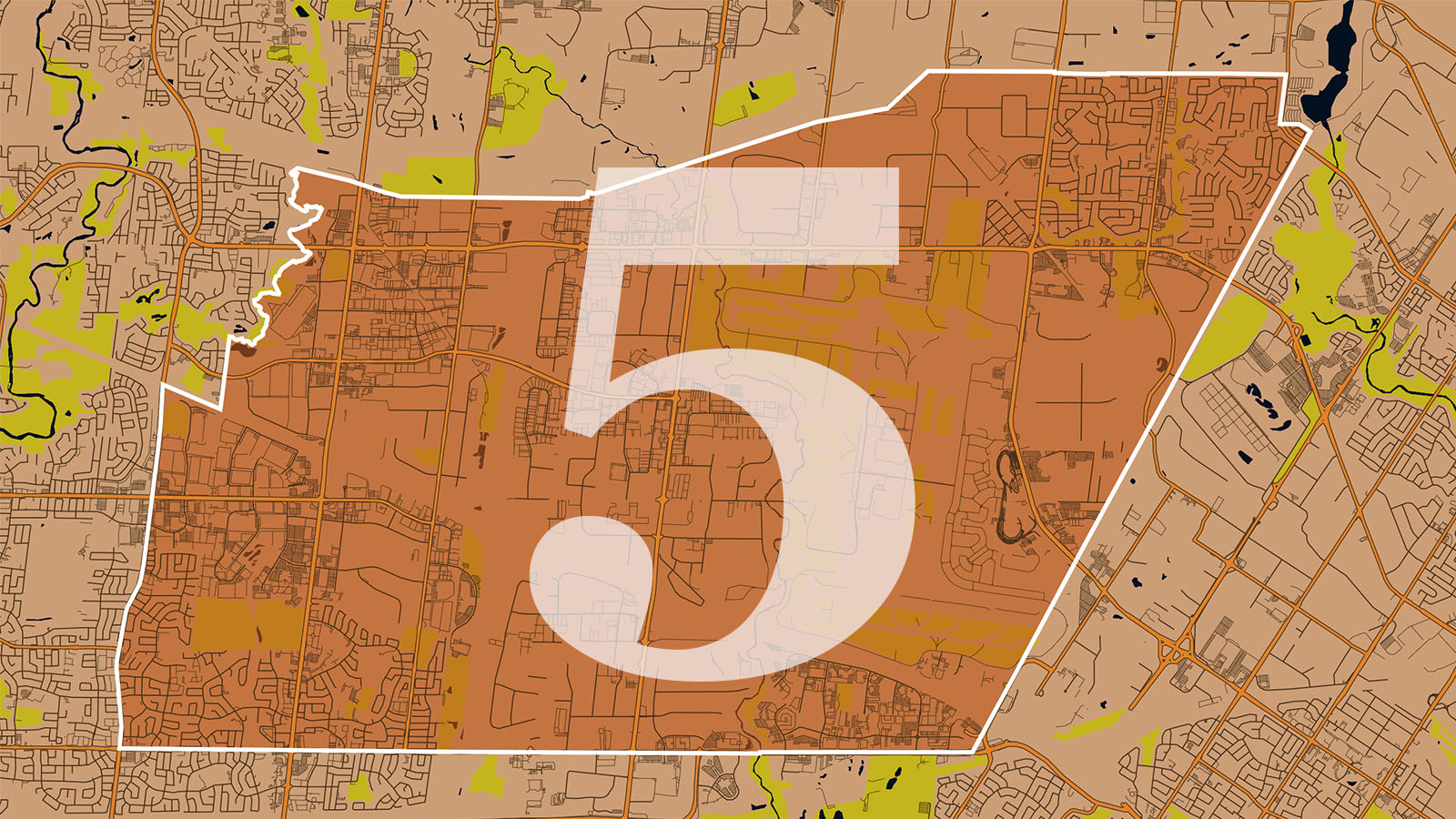
Mississauga Ward 5
Fact-checked biographies and platform summaries for every municipal election candidate in Mississauga Ward 5.
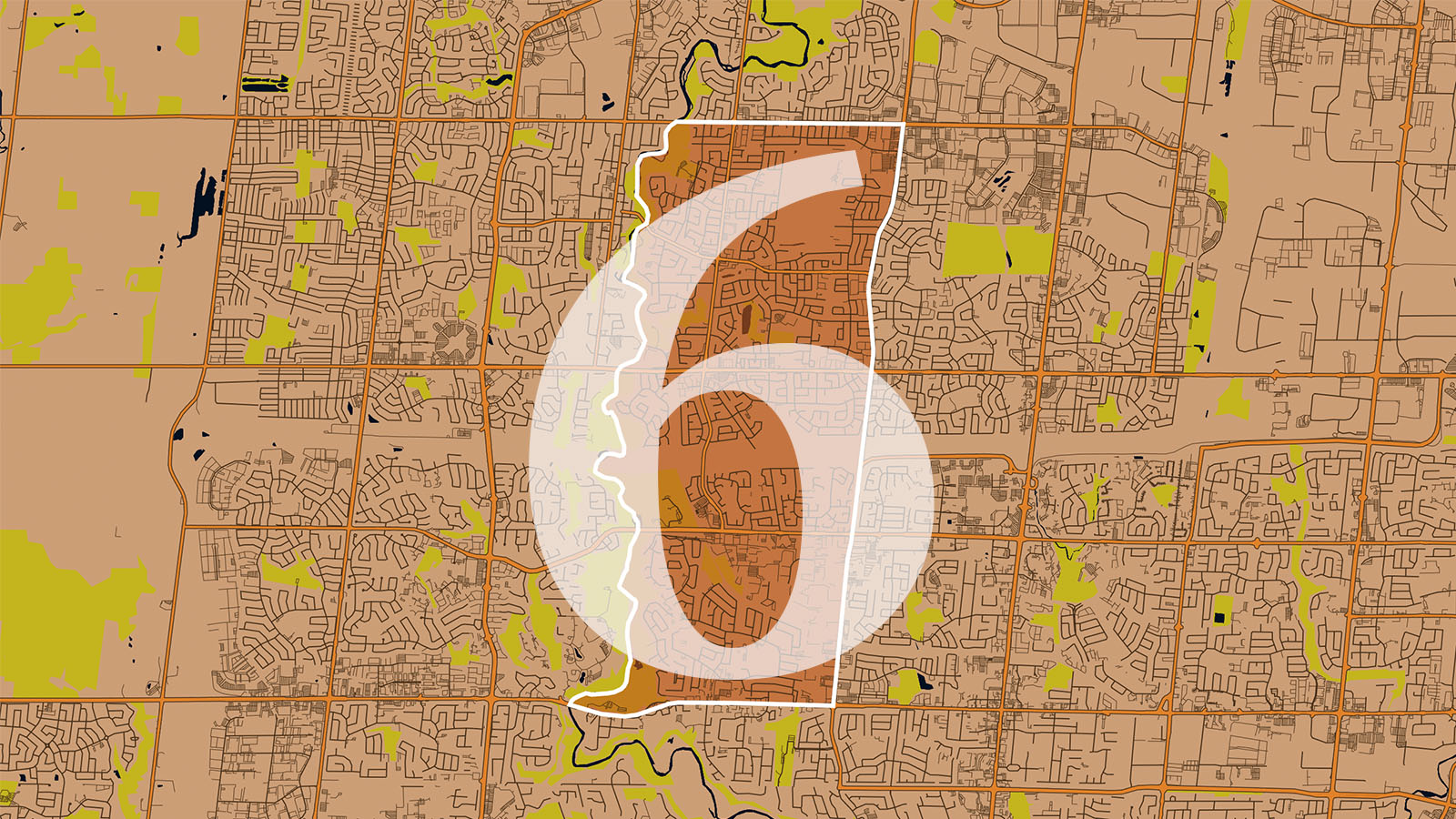
Mississauga Ward 6
Fact-checked biographies and platform summaries for every municipal election candidate in Mississauga Ward 6.
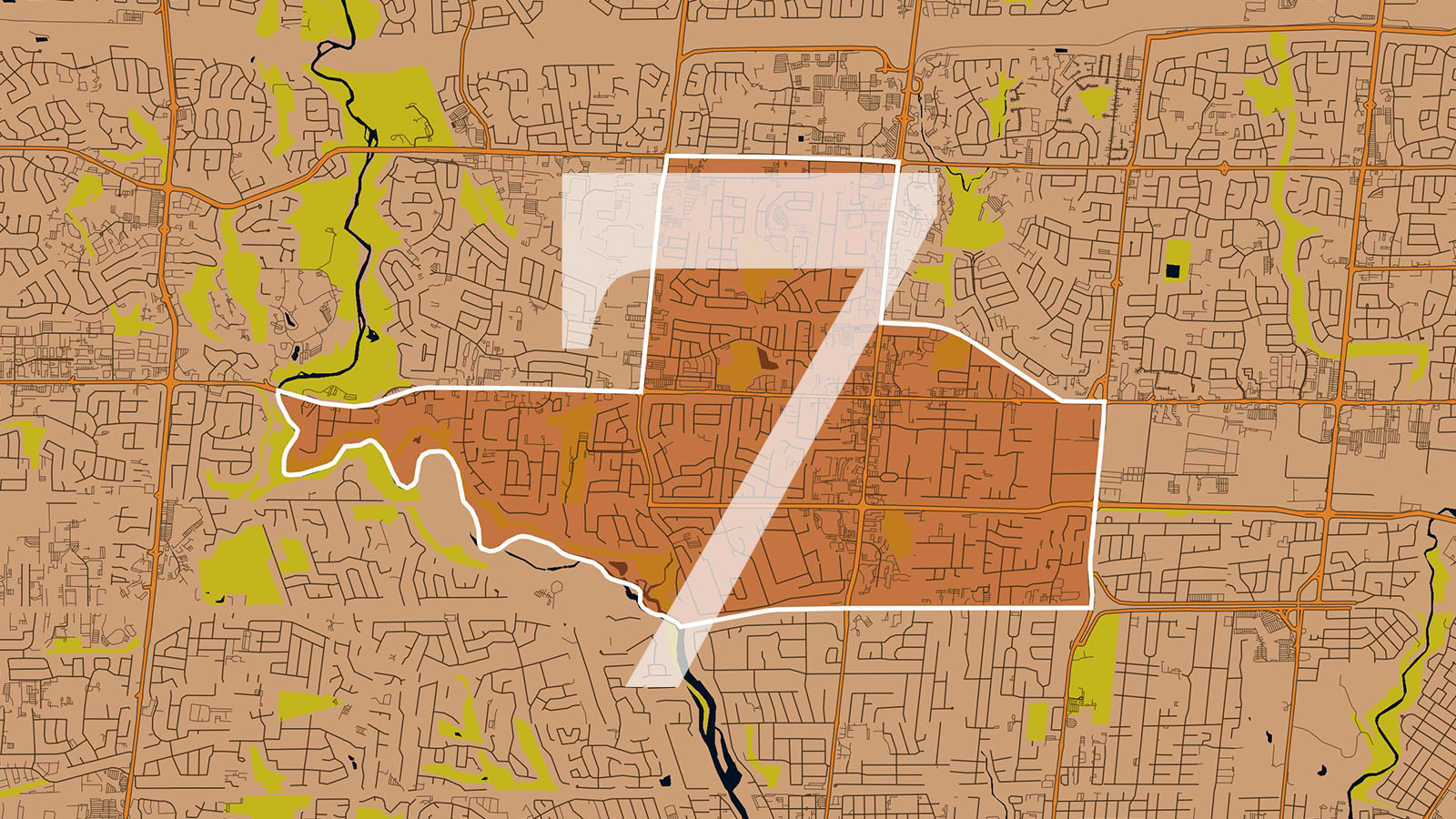
Mississauga Ward 7
Fact-checked biographies and platform summaries for every municipal election candidate in Mississauga Ward 7.
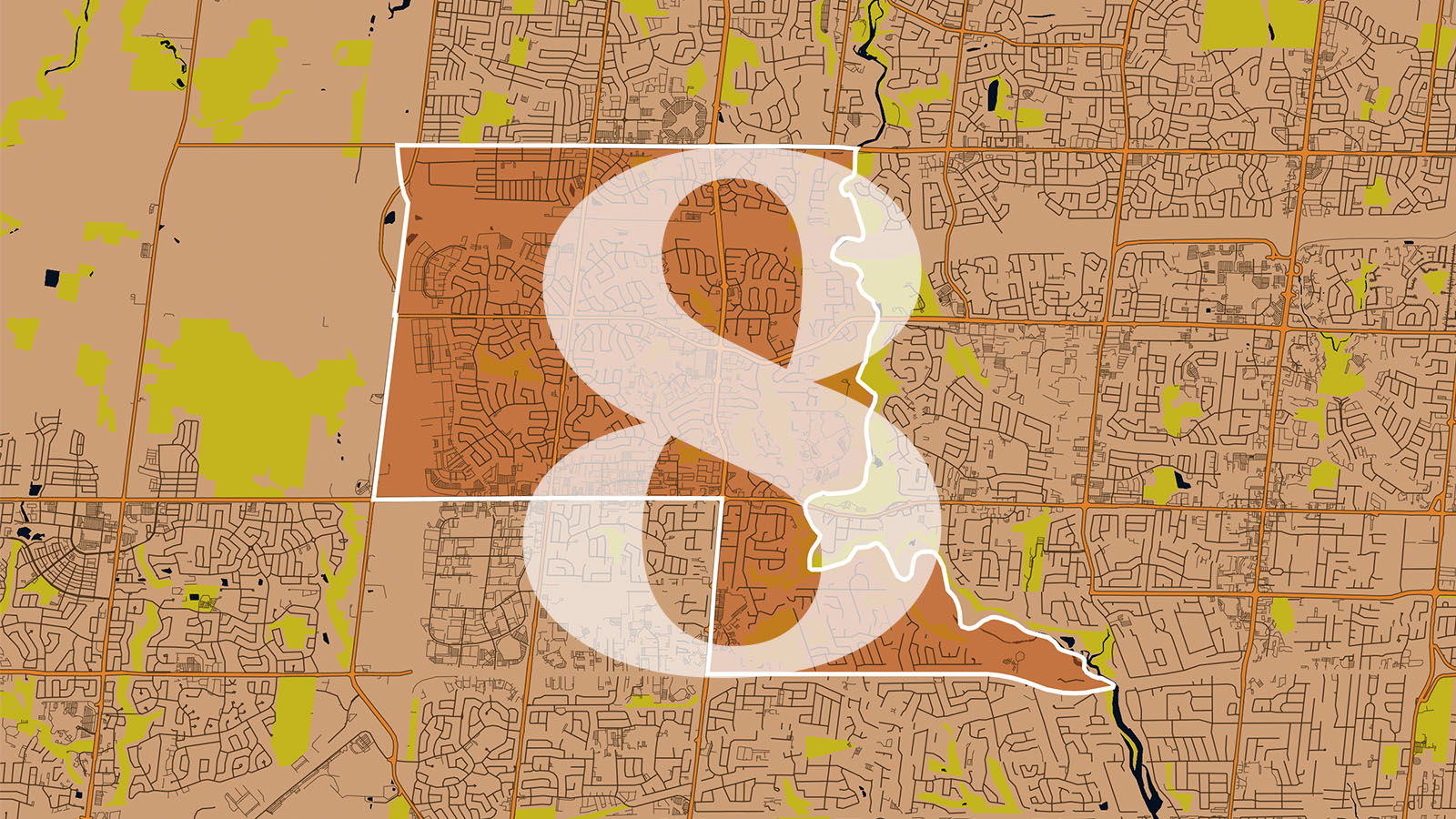
Mississauga Ward 8
Fact-checked biographies and platform summaries for every municipal election candidate in Mississauga Ward 8.
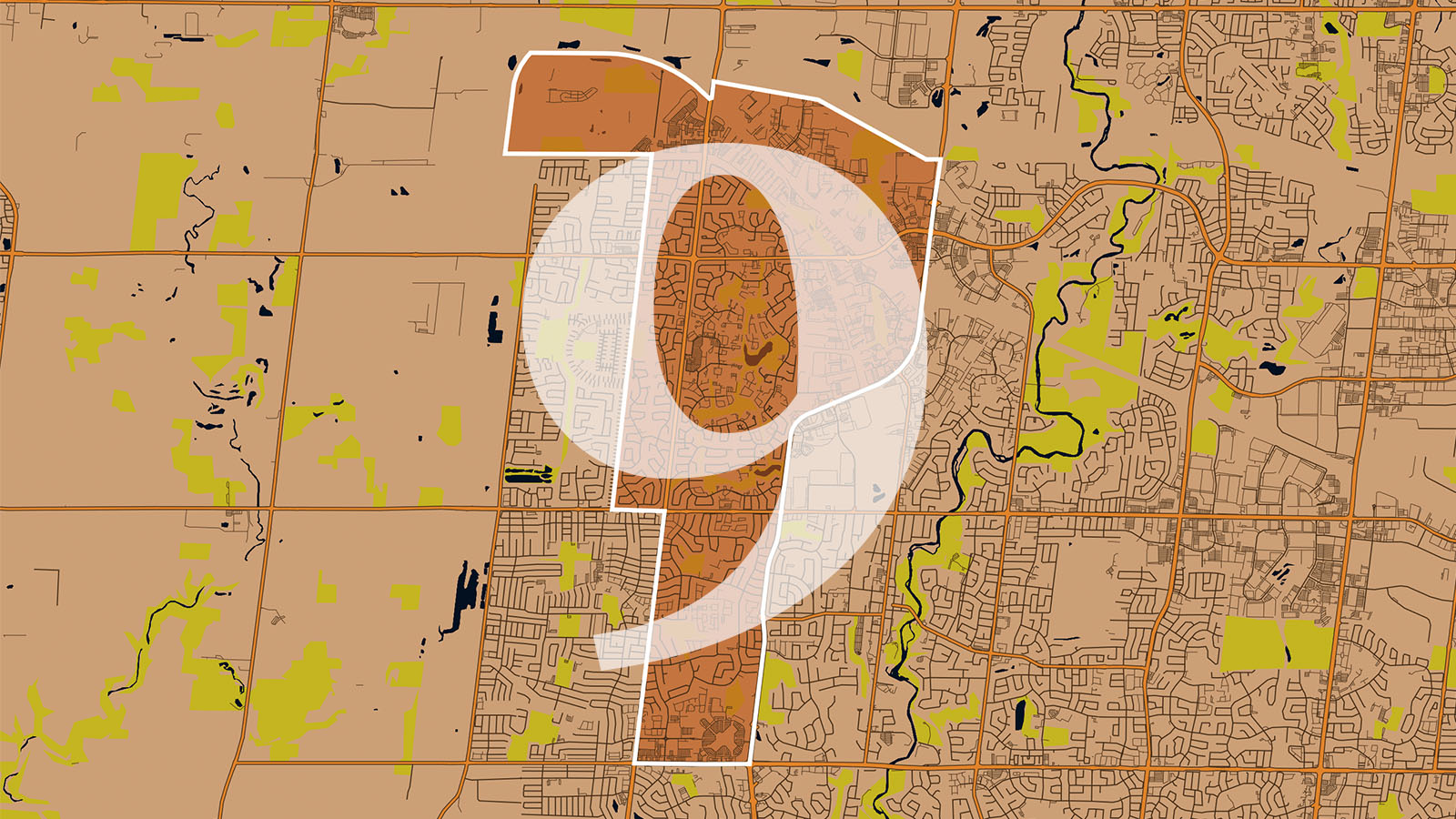
Mississauga Ward 9
Fact-checked biographies and platform summaries for every municipal election candidate in Mississauga Ward 9.