


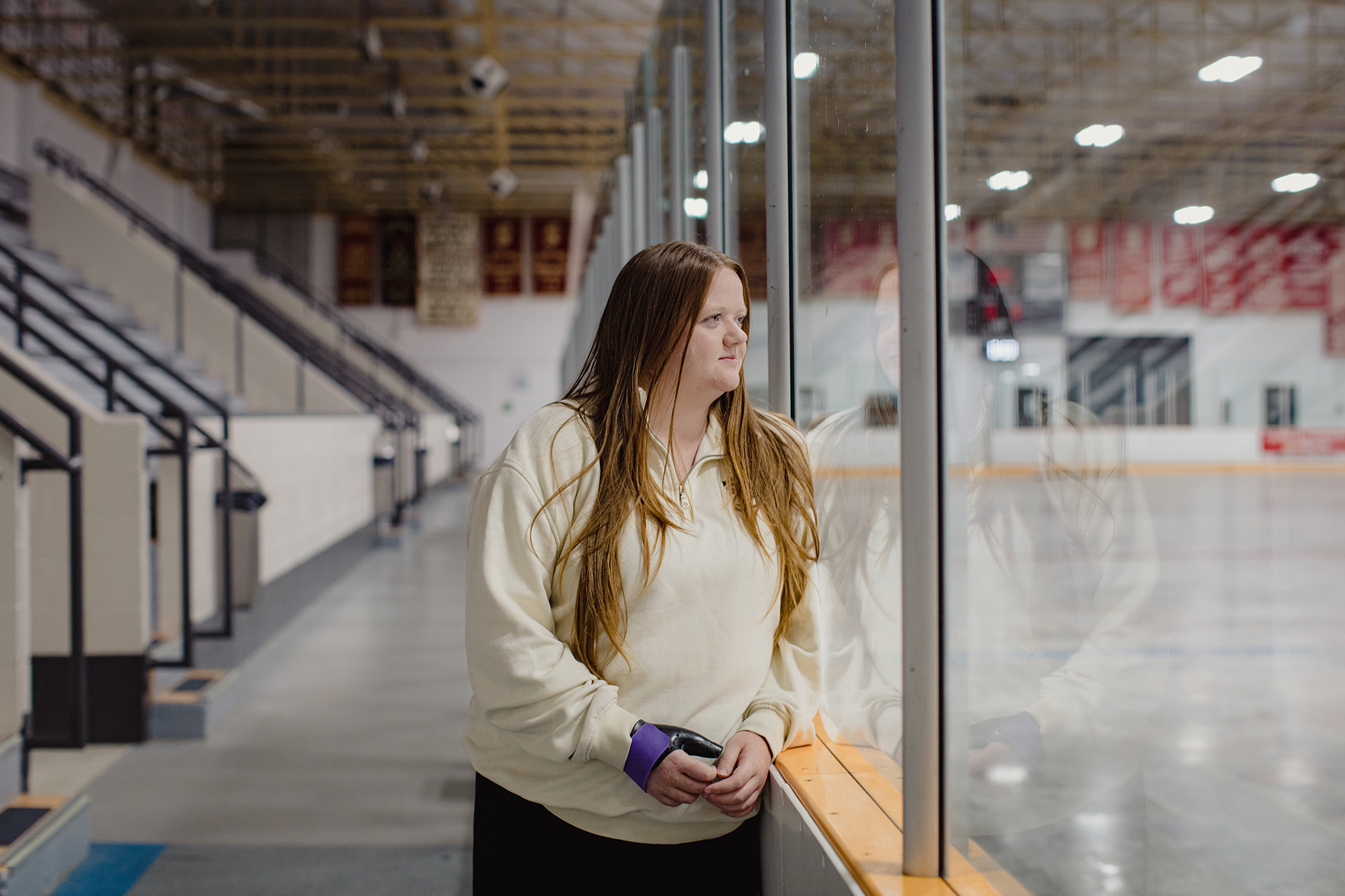
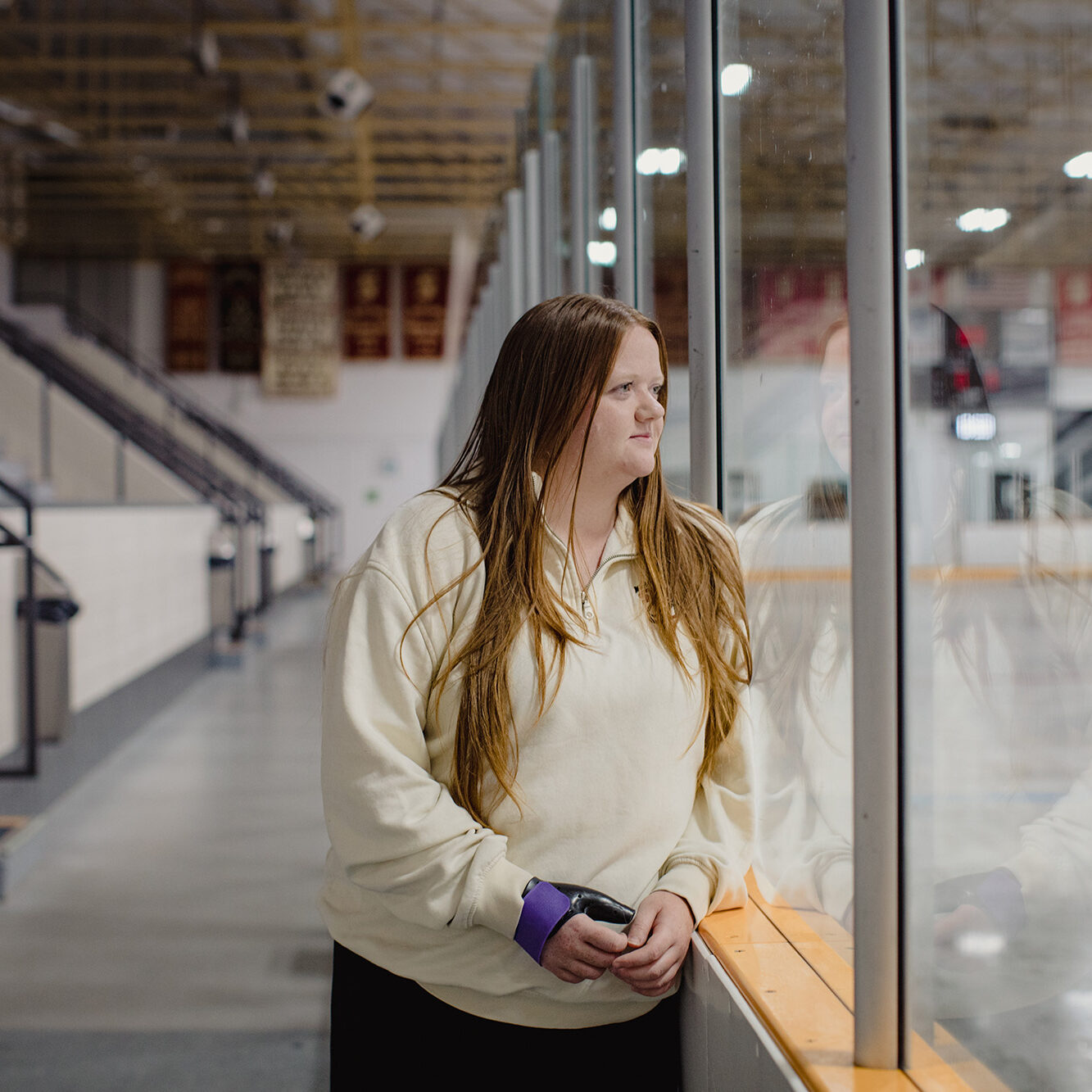
When Miranda Sharp watches the young female hockey players she coaches navigate the ice, she can’t help but wonder how different her life in the sport would have been if she’d grown up skating with female coaches.
Sharp, a teacher by day who’s been playing hockey since she was four years old, made the jump to coaching last year. It had long been a dream. But it didn’t seem like it could be a reality until a family friend, herself a head coach, reached out on social media inquiring if any younger women might be interested in an assistant coaching position. Sharp jumped at the chance. Next season, she’ll be head coach for an under-15 Stouffville-Markham Girls Hockey Association team, part of an all-female bench: a dozen players and two coaches, all women and girls. But she knows she’s an outlier in the sport.
“I played recreational AA hockey my whole life, and I only once had a female [coach] on the bench that I can remember,” she says. “So no, it’s not very common.”
“The atmosphere is a lot different,” she says. “You can see the girls feel a lot more comfortable to be themselves with [female coaches] around.”
Canada is entering what seems like an unprecedented era for elite women’s sports, now home to professional sports leagues like the Professional Women’s Hockey League , the Northern Super League for soccer, and Toronto Tempo, the latest team to join the Women’s National Basketball Association. Between 2023 and 2024, global revenue for women’s sports nearly doubled, jumping from $981 million to $1.88 billion USD, according to a report from Deloitte. That revenue is expected to exceed $3 billion USD in 2026. Fans are noticing too. Some local bars, like Paradise Grapevine on Geary Avenue, have even started hosting regular viewing nights for women’s sports.
Despite this, developing and retaining female coaches is an uphill battle at every level of sports, given a lack of clear pathways for female athletes looking to make the jump to coaching, and structural and financial barriers to formal certification. Fostering more female coaches at the recreational level not only helps girls develop healthier relationships to organized sports, but helps sustain the pipeline to the elite athletic level, female coaches like Sharp say. In a report produced by the U.S.-based Women’s Sports Foundation, researchers noted that female coaches are key to girls’ participation and retention in athletic programs, yet those same programs often report challenges in recruiting female coaches. The report cites data collected by the Sports and Fitness Industry Association in 2015, which found that only 27 percent of the millions of adults who coach youth teams up to age 14 are women. “Instead of coaching, women in organized youth sports often serve the role as ‘team mom,’ responsible for coordinating schedules, bringing snacks, or performing other care-giving tasks,” reads the report.
At this unprecedented moment of expansion in women’s sports, with girls now able to see professional female athletes at their local arenas and on their televisions, a generation of young athletes will be inspired to strap on skates or head to the field or basketball court. But without the right coaches in place to nurture those young athletes, all that enthusiasm could be wasted.
“If you can’t see it, you can’t be it…If you’re not seeing women in leadership positions in the field or in the sport, it’s unlikely that you’re going to follow that.”
Katee Hui is the strategic engagement lead for Play for Dignity, a non-profit organization working to advance safety and equity in Canadian sport. A recreational soccer coach herself, Hui knows firsthand how important it is for young female athletes to have access to female coaches, especially at the adolescent level when more than one in five drop out of sports altogether.
“We talk about sport being such a powerful tool…but if you have a shitty experience with a sport, you’re never going back,” says Hui. “The role that coaches play has a huge part in that.”
Growing up playing soccer in Hamilton, Hui encountered just one female coach during her teen years, whom she credits with inspiring her own coaching journey. Half of the girls surveyed in a Canadian report from 2024 also described being inspired when coaches reflect their identities—but most of those girls still don’t see themselves represented.
In other parts of the world that formally recognize sports as a human right—which Canada does not—there are clearer pathways for young female athletes who want to pursue coaching. In the U.K., where Hui coached soccer and was credentialled at the professional level, it’s common practice to offer female athletes the option to become certified as a coach as soon as they turn 16. Not everyone who takes that training ends up becoming a coach, but it serves as a “rite of passage” for many female athletes, Hui says, and provides them with more options should they decide to pursue coaching or leadership roles in the future.
“We grew our own. We were like, ‘If there’s not enough of you, we’re going to make sure you’re qualified,’” says Hui. “And as a result, those girls who I coached when they were 12 are now in their 30s, running the clubs.”
Hui struggles to understand why that isn’t built into the existing ecosystem of Canadian sports, something she says would “democratize” what it means to qualify as a coach.
Without it, that deficit of female coaches then becomes a catch-22. Girls don’t see themselves represented in coaching, so they don’t consider it for themselves.
“If you can’t see it, you can’t be it,” says Hui. “If you’re not seeing women in leadership positions in the field or in the sport, it’s unlikely that you’re going to follow that.”
But it’s not just about the optics of seeing yourself reflected in a female coach, says Sharp. She believes the comfort that girls find with female coaches allows them to be more present and engaged, in turn allowing them to retain information better and develop their athletic skills faster. “I don’t know if I’ve ever seen the amount of development that I saw this year,” she says.
Sharp thinks there are structural changes that would open the door for younger female athletes looking to make the move to coaching. She wonders, for example, if there should be a requirement for teams within the Ontario Women’s Hockey Association to have at least one female coach or assistant coach on the bench, or even a program where female athletes could take on a more informal coaching role, learning how to run a practice or a drill, for example.
But changes to regulations are only likely to happen following a culture shift, one that recognizes the talents and benefits female coaches bring to the game. That culture shift can feel slow-moving and laborious in the face of sports’ deeply-entrenched ideas around masculinity, individualism, and competition, says Lyndsay Hayhurst, York University’s research chair in sport and gender.
“The challenge is that it really opposes and contradicts many of the key principles of what [coaching] is ‘supposed’ to be,” she says. “You know, ‘If you’re late, you can’t come. You have to go to the bathroom? You’re going to miss five minutes of this really important drill. You should have gone before.’”
Join the thousands of Toronto area readers who've signed up for our free newsletter and get award-winning local journalism delivered to your inbox.
"*" indicates required fields

Even a well-meaning male coach may fall short when it comes to accommodating and relating to their younger female athletes, simply because they’re not using the same lens as a female coach would. The most apparent example of this is that girls may be uncomfortable having discussions with a male coach around training while menstruating, says Hayhurst.
“In some cases, the children have to go to the bathroom behind trees [during practice], and these are things that matter,” she says. “When you’re talking about inclusion, if you’re a 12-year-old girl menstruating, are you going to come to this program if you have a male coach and you have to say, ‘No actually, I need to do something that can’t happen behind a tree?’”
Those cultural and gender barriers are even more profound for racialized young female athletes, who are even less likely to see themselves represented at the coaching level, says Hayhurst.
“I’m not talking about girls who drop out, I’m talking about the girls and gender-diverse youth who don’t participate at all. And I do think one of the reasons is that they don’t have those mentors, those coaches, those leaders. They don’t see themselves in those institutions.”
Since 2017, the GTA-based non-profit Hijabi Ballers has been trying to make those institutions more accessible for young female athletes and fledgling coaches of colour. They organized a 20-person cohort of budding athletes interested in obtaining a functional training certification. Hijabi Ballers offered its cohort members an honorarium for completing the program, as well as a stipend for food, travel, and certification fees. In the end, 18 of the 20 members completed the certification. The financial and community support goes a long way to removing barriers for young racialized athletes and coaches, who are more likely to be supporting families or living on minimum wage. But it’s only part of the battle, says Rishada Majeed, former director of community engagement and partnerships for Hijabi Ballers, who led the cohort.
“When you go to these spaces, they are very male-dominated, very white-dominated,” she says. Often, the spaces aren’t safe or welcoming to girls and young women, and don’t engender confidence. “It’s like, ‘Okay, now we can get funding and we can send them, but the environment is not the most ideal.’”
Still, Majeed thinks the cohort model works and could be expanded, especially if it is sport-specific and brings together women from similar racial and socio-economic backgrounds. The key, she says, is having those cohorts organized and led by grassroots initiatives. In the future, she hopes larger agencies and funding organizations will show more interest in partnering with the community organizations that are already doing that work.
As for Sharp, she’s keenly aware that her own journey to coaching may not have happened at all if not for the serendipity of scrolling on her phone and stumbling across a family friend’s post. She dreams of a world where female coaches are built not by luck, but by intention.
More from this issue
Wheelchair Athlete Rio Kanda Kovac Wants to Win
His thirst for victory has gotten Team Canada's youngest player this far in wheelchair rugby. But in this fast-paced, aggressive, yet remarkably inclusive sport, getting ahead also means learning to play nice.
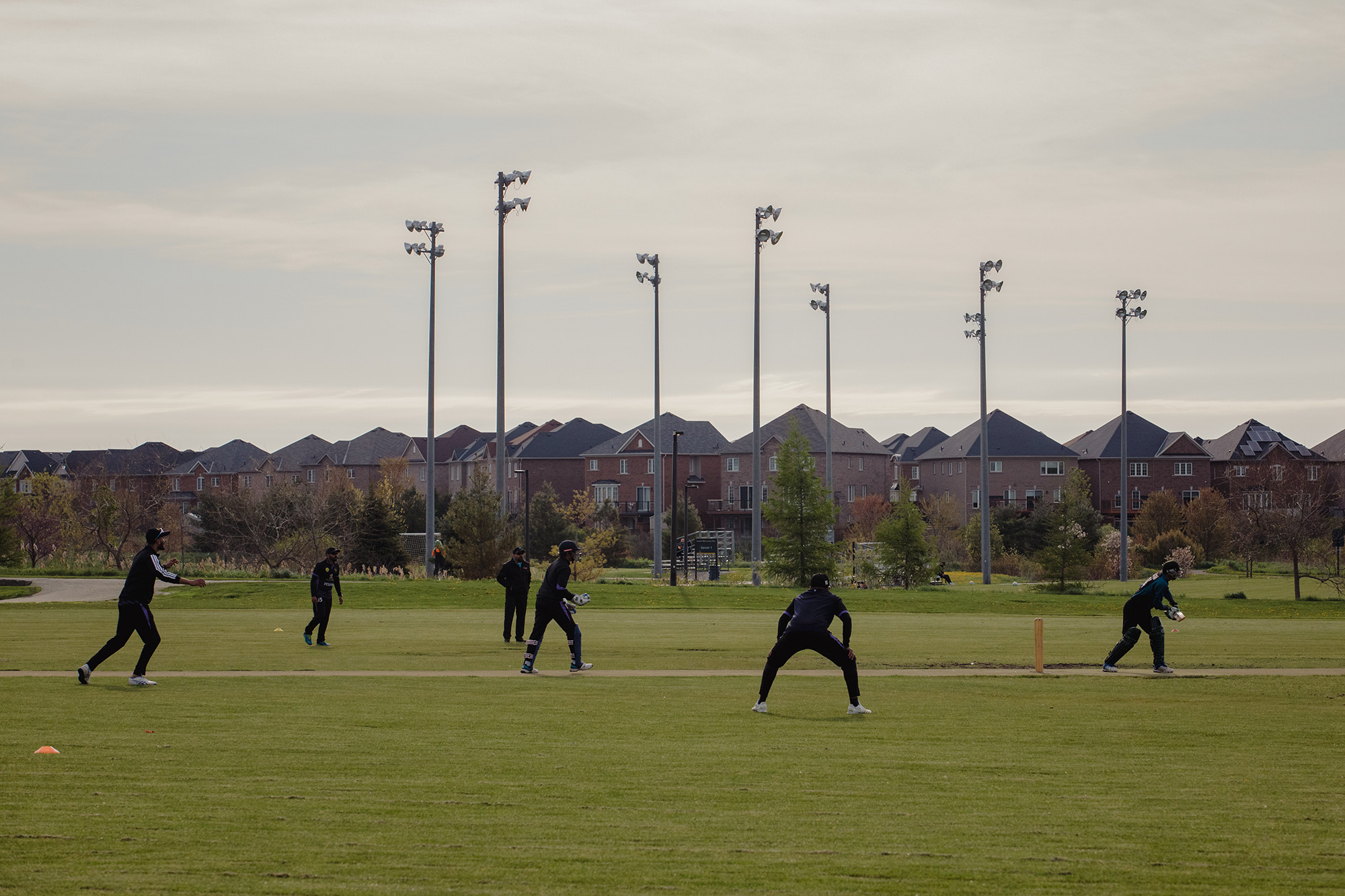
Cricket in the GTA Is Booming. Now Comes the Hard Part.
Fuelled by waves of South Asian immigration, cricket has become one of Canada's fastest-growing sports. But overcrowded fields, failing businesses, and allegations of corruption are threatening the game from within.
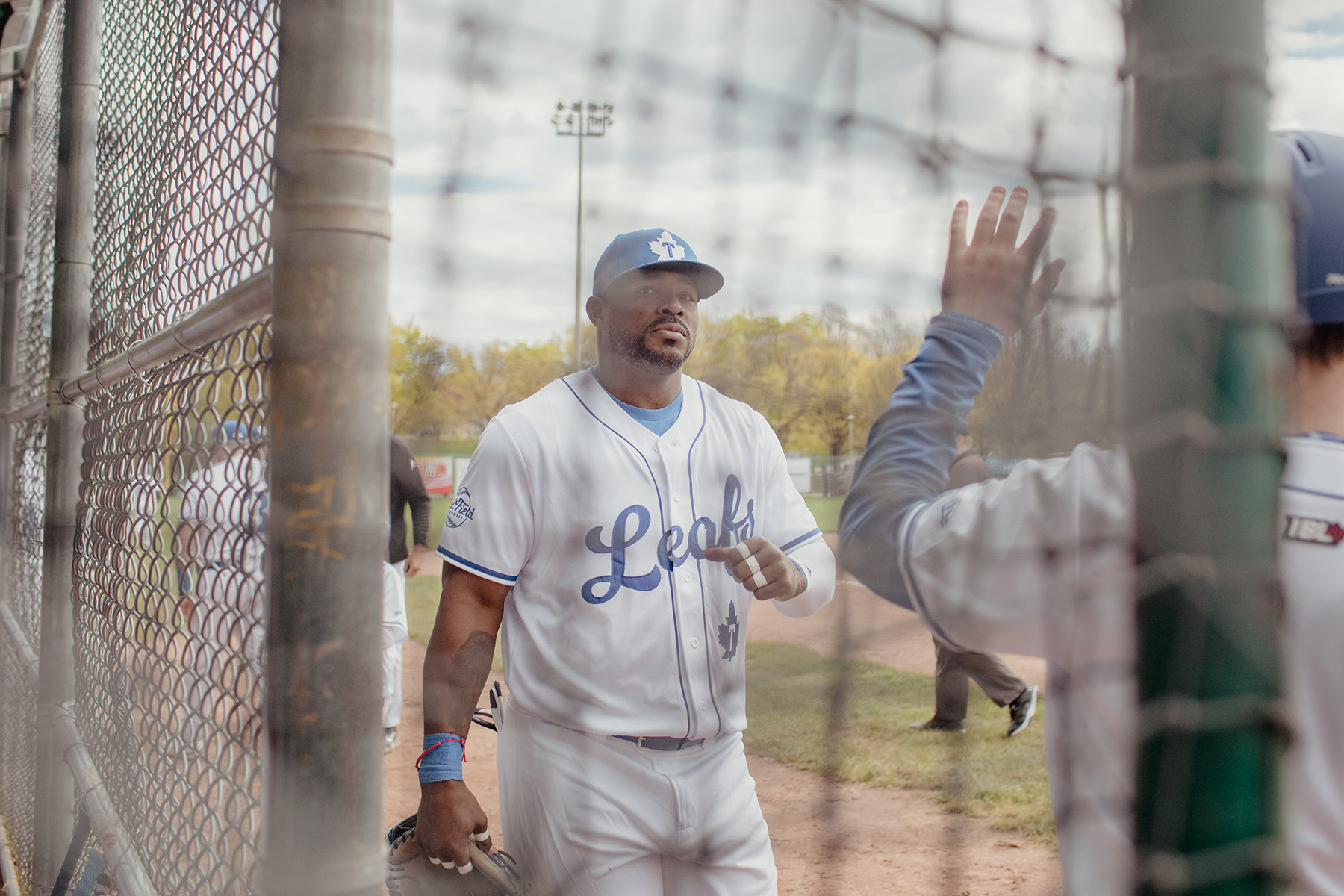
Yasiel Puig at Christie Pits
A free Maple Leafs baseball game at my local playground has long been the best community event in the city. Then the team signed a former Major League Baseball star awaiting sentencing.
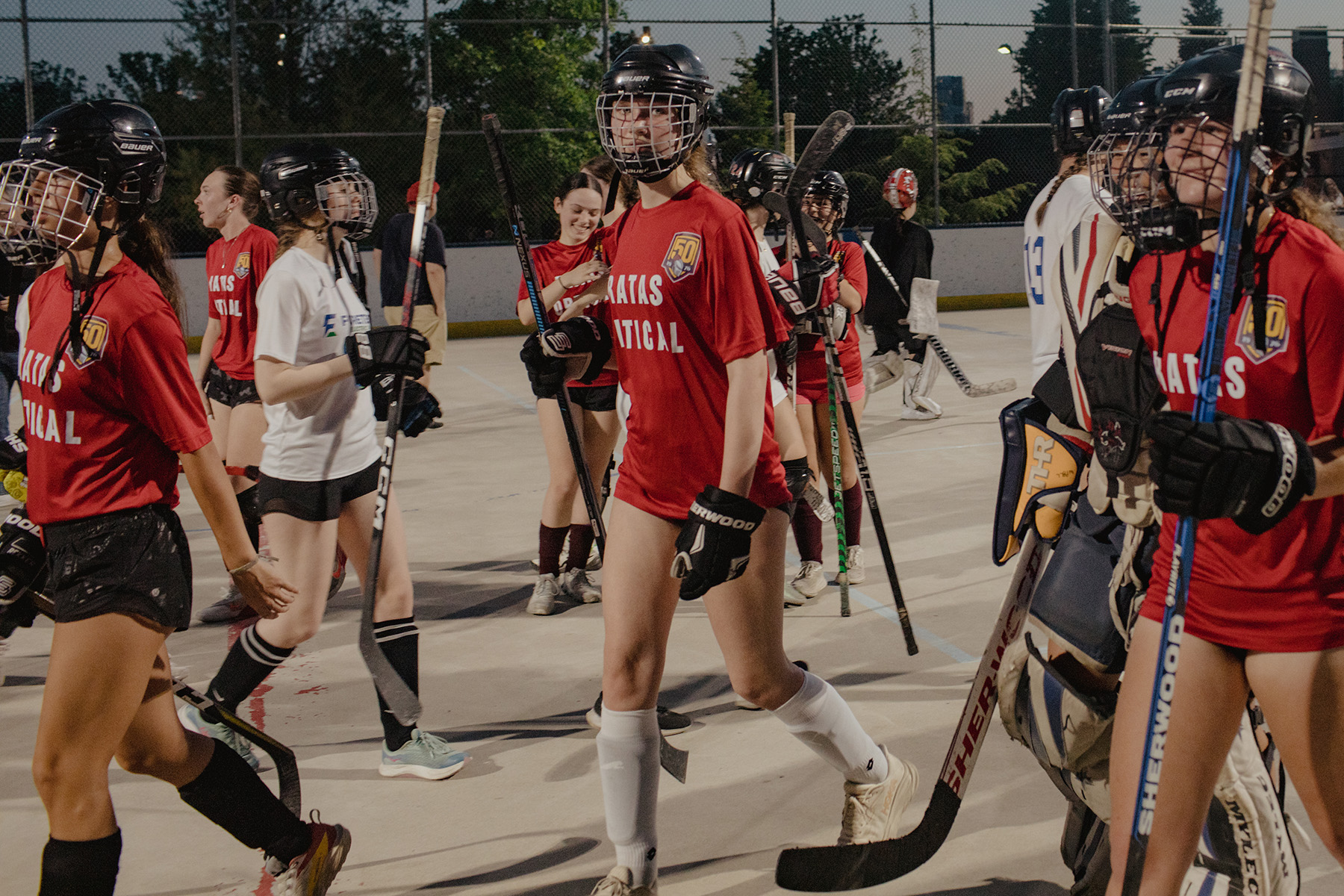
Kids Aren’t Active Enough. Youth Sports Are Part of the Problem.
As competitive, specialized athletics dominate gyms and community fields, the children who need physical activity most are the ones being left out.
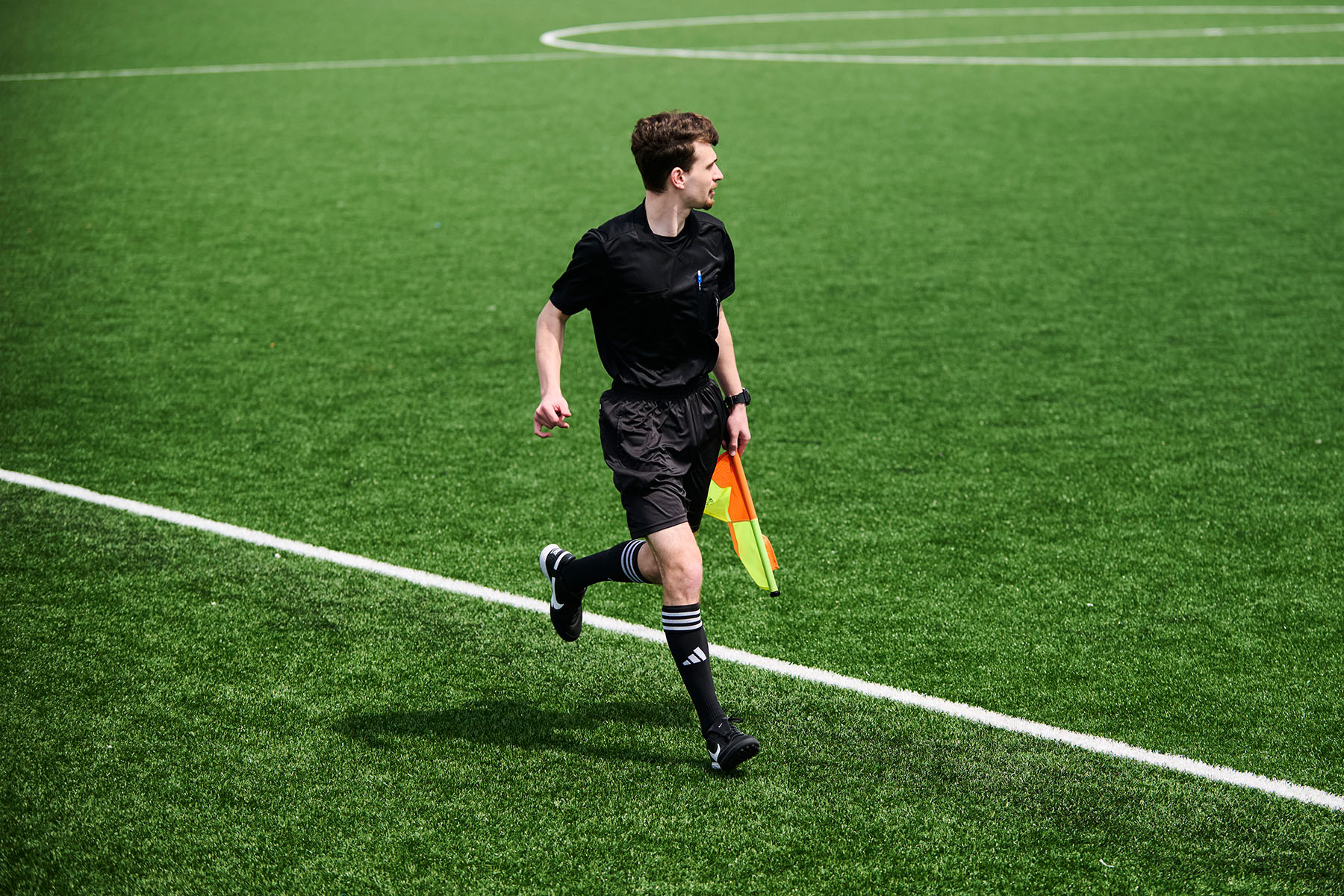
The Grand Ambitions and Grubby Indignities of the Aspiring Soccer Referee
Making it pro as a referee in Canada is in many ways harder than making it pro as a player. That doesn’t stop this corps of exacting, self-serious officials from trying.

An Illustrated Guide to the FIFA World Cup in Toronto
How many private jets could this pay for? Seven illustrations to make sense of the costs and payoffs of hosting the World Cup.

How Sports Transform a City
The World Cup is a reminder of the massive influence sports can have over a place like Toronto—reshaping our geography, sparking celebration or mourning, and remaking our experience of the city.