



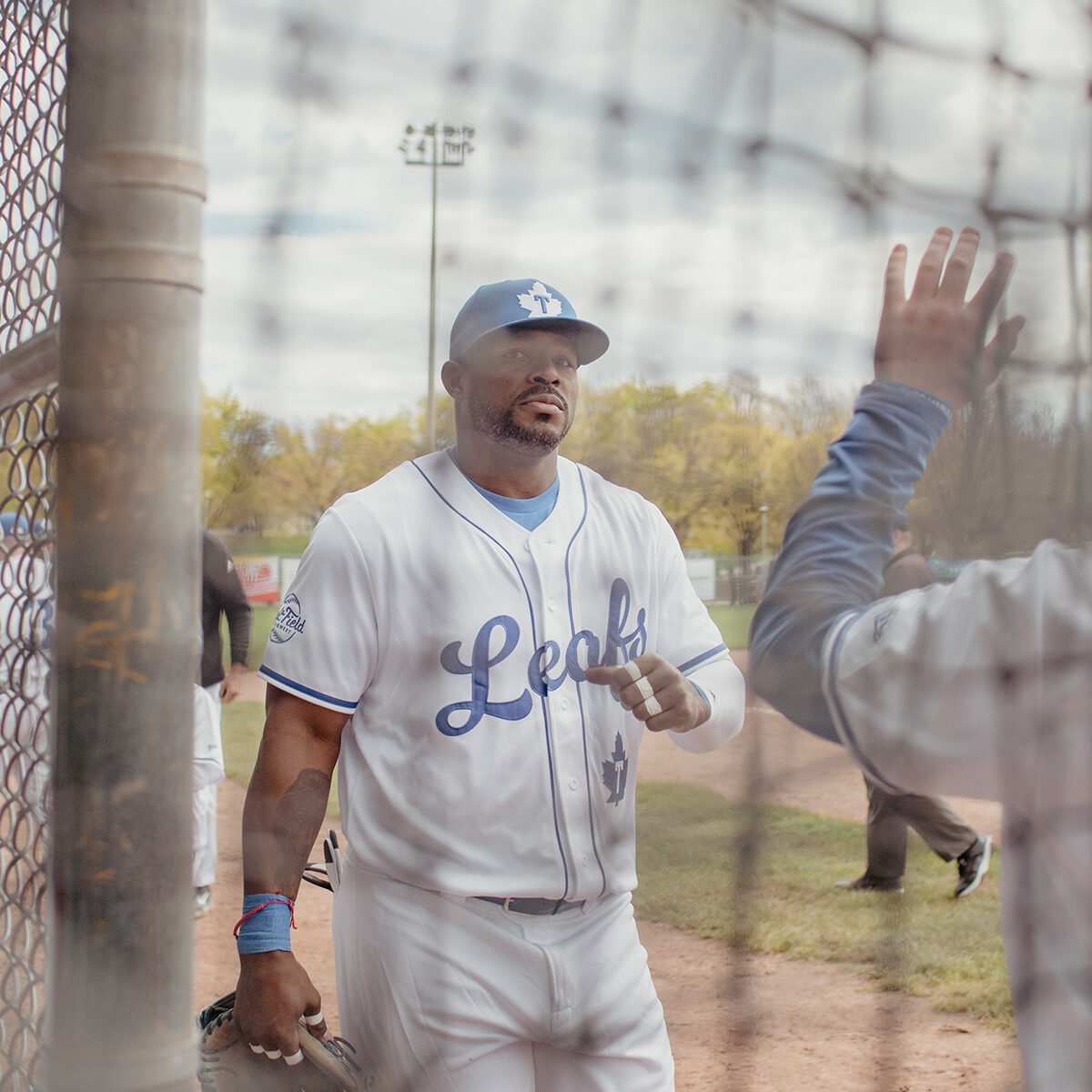
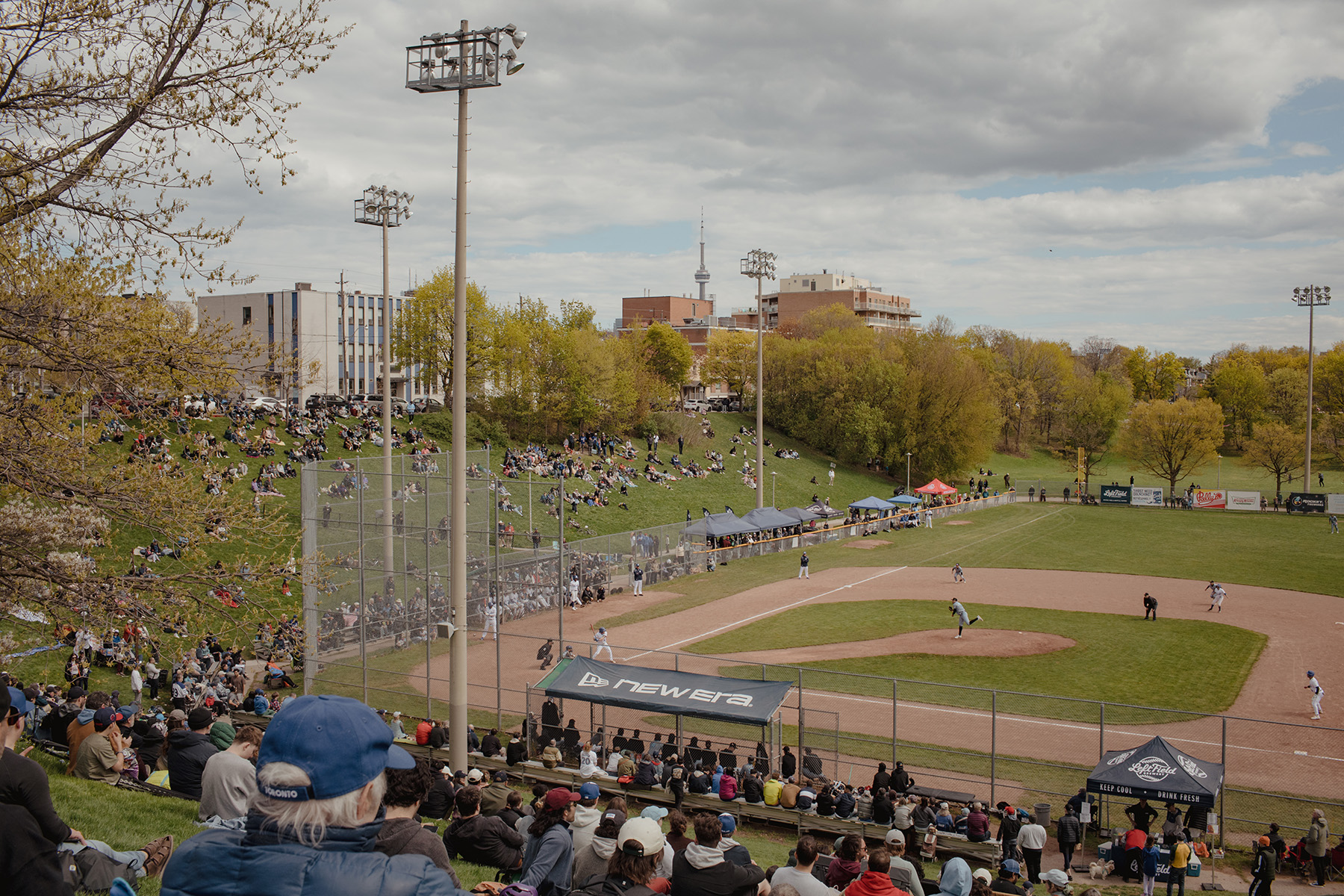
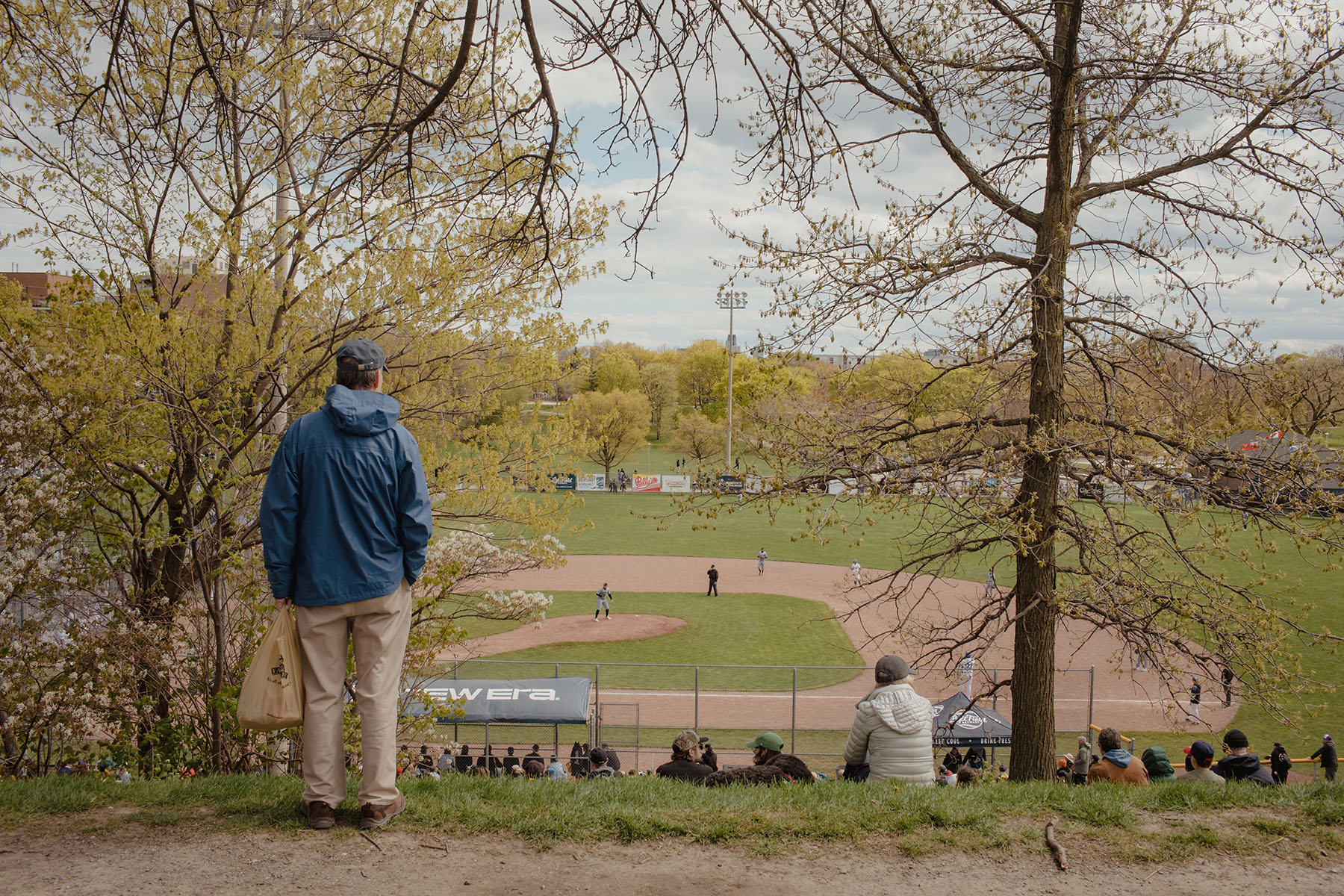
It’s the greatest summer afternoon in Toronto—this is what I’ve been telling anyone who’ll listen for years. At 2 p.m. on any random Sunday, from May to August, you can wander over to Christie Pits—that sunken patch of green in Koreatown—plunk yourself down on the hill in the shade of a towering maple, crack a tall boy, and enjoy a free game of professional-ish baseball.
The available pleasures are practically infinite. You can eat a hot dog. You can watch a 33-year-old who once played AAA ball deftly field a grounder. Kids run the bases in the third inning, every game. The odds of tracking down a foul ball are, approximately, 100 percent, if you’re sufficiently motivated.
The Maple Leafs—a baseball team that’s existed in Toronto in some form since 1896, decades before the local hockey club—have played at Christie Pits since 1969. They’re part of a nine-team league in southern Ontario that was known as the Intercounty Baseball League until this season, when it rebranded as the Canadian Baseball League (CBL). It’s traditionally been a working man’s league—a place for college athletes home for the summer, unpaid players with day jobs who once had brief stints in big-league farm systems, and, more recently, foreign players from as far as Colombia and the Dominican Republic and Venezuela, often billeted by local baseball-loving families. For much of the last decade, a trio of brothers—Adam, Dan, and Justin Marra—were mainstays on the Leafs, cheered on by their mother Teresa, who sat up on the hill in a custom Marra jersey with all three of their numbers stitched onto the back.
In Hamilton, Kitchener, Barrie, and every other city in the CBL, fans buy actual tickets to go to a normal ballpark and sit in their seats. In Toronto, through a quirk of history and because we simply don’t have any appropriate minor-league ballparks, you get to just sit out in the grass and enjoy. The team’s revenues are made up entirely through concessions and sponsorships, hat sales, and 50-50 draws. The fact that the Leafs rarely win is besides the point. It is the last great free thing in a punishingly expensive city.
A story about the Maple Leafs, I told my colleagues at The Local, would be a paean to the beauty of extremely minor-league baseball. I would talk with ownership and management, hang out with the players, soak in the good vibes. I phoned up the team’s PR guy—a recent journalism school grad named Michael Roudbari—who seemed enthusiastic about a Leafs article, but just wanted to be sure: I wasn’t charging a fee for this, right? I assured him I wasn’t.
In the run-up to the season opener I rewatched Bull Durham and had deep thoughts about the pathos and dignity of the perpetual minor leaguer. I flipped through an old anthology by New Yorker baseball poet Roger Angell for inspiration. I began thinking up increasingly baroque ways to describe the scent of freshly cut grass (“the field divulges a chlorophyll confession—photosynthesis interrupted”). The story would write itself. I was ready to get extremely rhapsodic about baseball.
Then the team signed former Major League Baseball star and convicted criminal Yasiel Puig and everything got weird.
The former LA Dodger arrived at Christie Pits like a puma at a petting zoo. We had so many questions. What was the puma doing here? Who had allowed this? Did it want to be here? This was Yasiel Puig, MLB All-Star. This was Christie Pits, the neighbourhood park where my nine-year-old plays house league while my six-year-old obsessively trains on the monkey bars.
Here are some facts about Yasiel Puig:
- The son of a sugar cane factory worker, Puig defected from Cuba at age 21, but only after numerous unsuccessful attempts. His final, successful defection came via a Mexican drug cartel.
- He exploded into Major League Baseball in 2013. In his first month in the league he led the majors with a .436 batting average—the second best debut month in MLB history.
- He became an instant sensation: making the All-Star team in 2014, gracing the cover of the baseball video game MLB 15 The Show, and inspiring some of the most overwrought sportswriting of the era. (“He emerged whole from the sea,” wrote ESPN, for some reason).
- In 2013 he once hit a ball so hard he made me text my friend Ben something along the lines of “Yasiel friggin’ Puig!!!!!”
All of this was short-lived. On the field, Puig—christened “the Wild Horse” by Dodgers broadcaster Vin Scully—was thrilling and freakishly athletic, but also undisciplined, inconsistent, and prone to injury. Off the field was something else.
In 2021, the first sexual assault allegation against Puig became public. A woman accused Puig of following her into a bathroom after a Lakers’ game, pinning her arm with one hand, groping her, trying to remove her clothes, and masturbating. Puig denied the allegations and was never charged with a crime. He settled the lawsuit later that year.
After that lawsuit became public, the Washington Post reported on two other sexual assault allegations from 2017 that had remained hidden for years, while Puig continued to play professional baseball. According to the Post’s reporting, one woman accused Puig of pushing his way into her apartment and sexually assaulting her. Another said she had engaged in consensual sex with Puig, who then began to strike, choke, and bite her. Puig denied both allegations and no files were charged. The Post reported he reached confidential settlements with both women.

Despite the allegations, Puig was never put on administrative leave by Major League Baseball. By the time the lawsuits became public, Puig had already been traded from the Dodgers to the Reds to the Indians, never reaching the heights of his breakout seasons. In 2020, Puig’s contract with the Atlanta Braves was nullified when he tested positive for COVID. Unsigned by any team in the majors, Puig went overseas.
Over the next few years, Puig moved back and forth between the KBO in Korea and the Mexican Baseball League—professional leagues with real salaries and levels of play far above what you find at Christie Pits—all while plotting his major league comeback.
Then, this February, a jury found Puig guilty of obstruction of justice and making false statements to federal officials during an investigation into an illegal sports betting ring. Puig hadn’t been the subject of the investigation. He’d simply amassed $282,900 in gambling losses, according to prosecutors, and then lied to the investigators. His sentencing date was set for May 26. Prosecutors were asking for 18 months in prison.
On April 22, barely a month before Puig’s sentencing date, the Maple Leafs announced that the 35-year-old outfielder had joined the team. The signing made international headlines—surely a first for the Christie Pits team. The Leafs described Puig’s contract as the biggest in Canadian Baseball League history, though they declined to explain what that meant. The salary cap for the league is just $4,000 a month.
It was hard to comprehend. With jail time hanging over him, why would Puig agree to move to a new country to play at a ballpark wedged between a skate park and a swimming pool for a few thousand dollars?
From the Leafs’ side, the incentives were clearer. The team is in a moment of transition. For the first five decades of the Leafs’ existence at Christie Pits, the team was run by local legend Jack Dominico and his wife and co-owner Lynne. Dominico was a constant presence at the ballpark that now bears his name, selling hats and 50-50 tickets, haranguing local businesses to sponsor or advertise.
When he died in 2022 at age 82, the team was put on the market. In 2024, the Leafs were bought by a group led by Keith Stein, a lawyer and entrepreneur, and Rob Godfrey, son of former Blue Jays president Paul Godfrey. Stein and his partners promised to keep the team at Christie Pits, but they haven’t been afraid to make changes. They brought in more in-game activities, with giveaways and competitions and inter-inning entertainment. They set up a small paid section of seating in Adirondack chairs under portable canopies down the third-base line. This year, as part of the rebrand, the league officially moved from “semi-professional” to fully professional. It was a change that mostly just reflected what the league had already become, CBL Commissioner Ted Kalnins told me. But it also meant that all players would now need to be paid, which meant more money was needed. And in the low-margin business that is “hosting free baseball games in a local park,” Stein has been clear: relying on traditional Maple Leafs fans isn’t enough. They need more people, more hat sales, more hot dogs. In a city like Toronto, a place with far more options for sports fans than, say, Welland, Ont., they need to create some buzz.
Leaning on celebrity has been one way to do that. Cito Gaston, beloved World-Series-winning Blue Jays manager, was named a “special advisor,” a position that mostly seemed to involve mingling and spreading good vibes. Snow, the ’90s rapper behind “Informer,” has been called upon to make special appearances multiple times—the Drake of the Maple Leafs. In that light, you could think of Puig as a major-league talent who would help the Leafs win the championship, as the team insisted. Or you could think of him as a slight upgrade on Snow, celebrity-wise.
If the signing of a convicted criminal awaiting sentencing was a publicity stunt, though, it was a risky one that the team seemed reluctant to fully embrace. Puig’s signing didn’t initially appear on the team’s Instagram account, where they share every other tidbit of information about the club. Stein was quoted in the Toronto Star piece breaking the signing. “The…issues have been dealt with by the justice system, by other, more qualified parties,” he said, when asked about Puig’s off-field conduct. “We are focused on what is the best talent that we can put on the field that’s going to represent the Toronto Maple Leafs in a way we can be proud of.”
In articles since then, however, he has declined to be interviewed and hasn’t addressed the Puig signing. And despite the initial enthusiasm, after the Puig announcement, my requests to interview team ownership and management seemed to lose traction. After numerous phone calls and emails, postponements and delays, the Leaf’s PR guy eventually just stopped responding.
For good or ill, Yasiel Puig was bringing unparalleled attention to the team. It seemed like they didn’t quite know what to do with it.
On Sunday May 10, a sunny but cool Mother’s Day in Toronto, Yasiel Puig and the Maple Leafs made their season debut against the Kitchener Panthers at Christie Pits. Local city councillor Dianne Saxe unleashed a truly feeble first pitch, while Leafs staff waded through the crowd with pink carnations for the mothers in attendance.
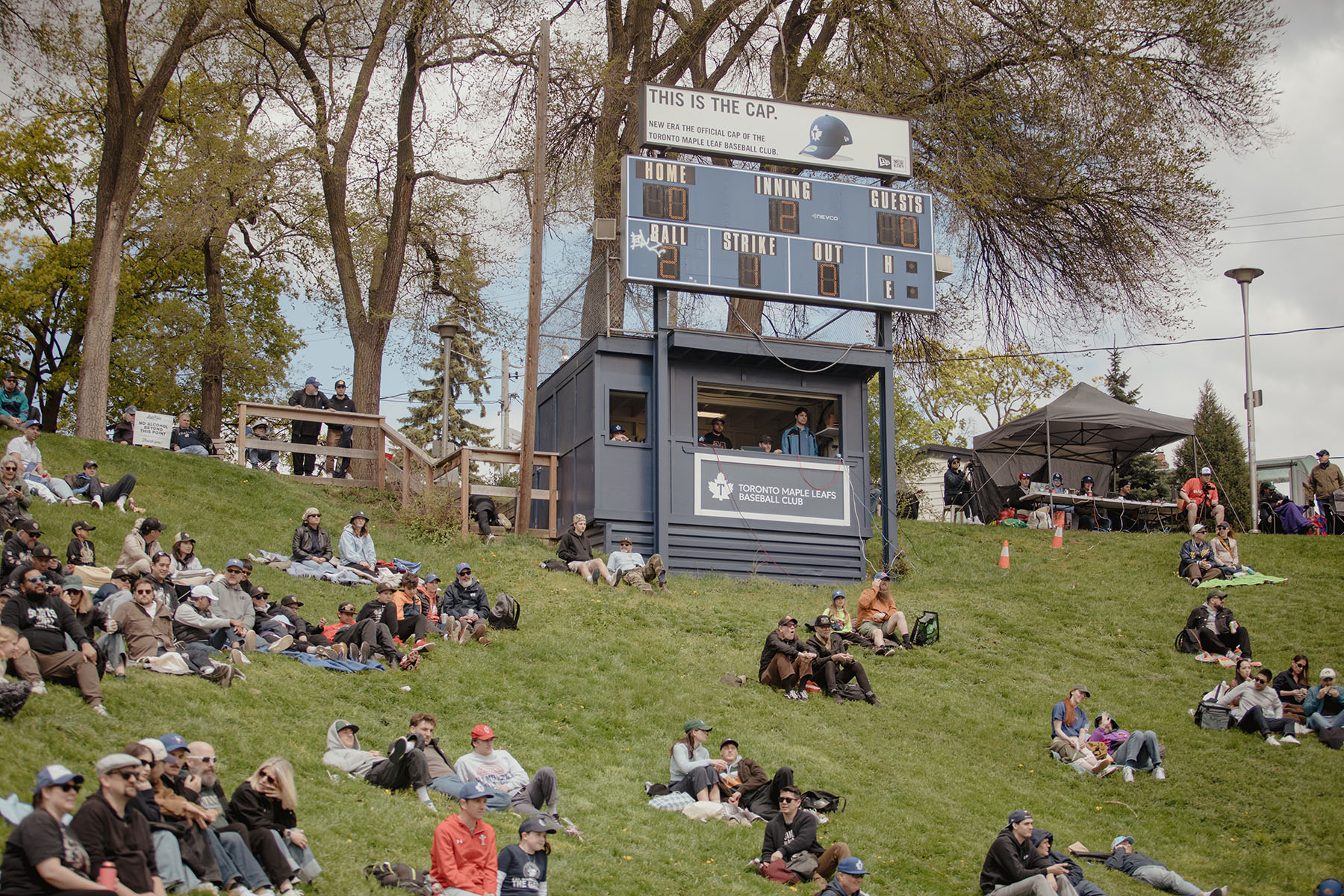
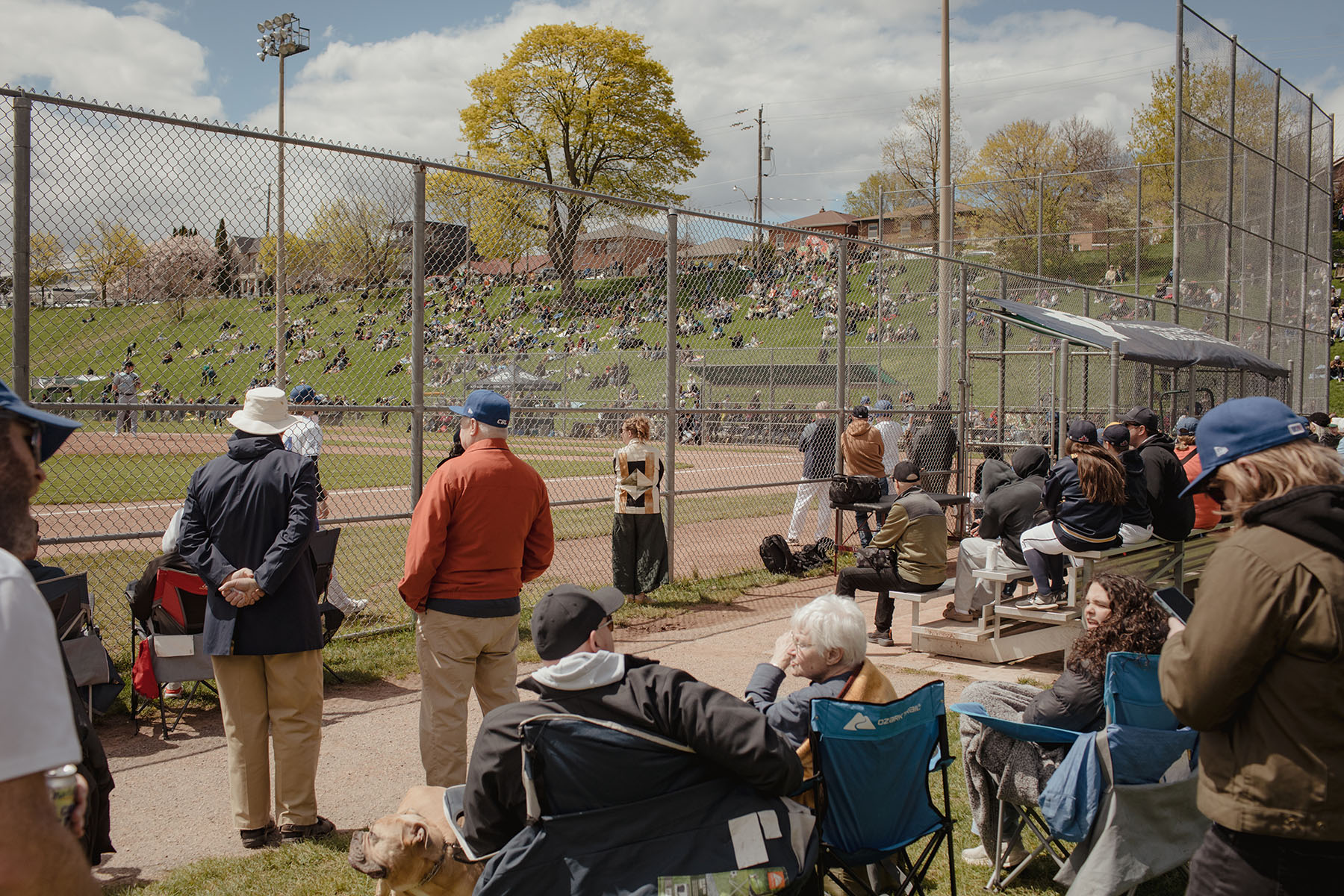
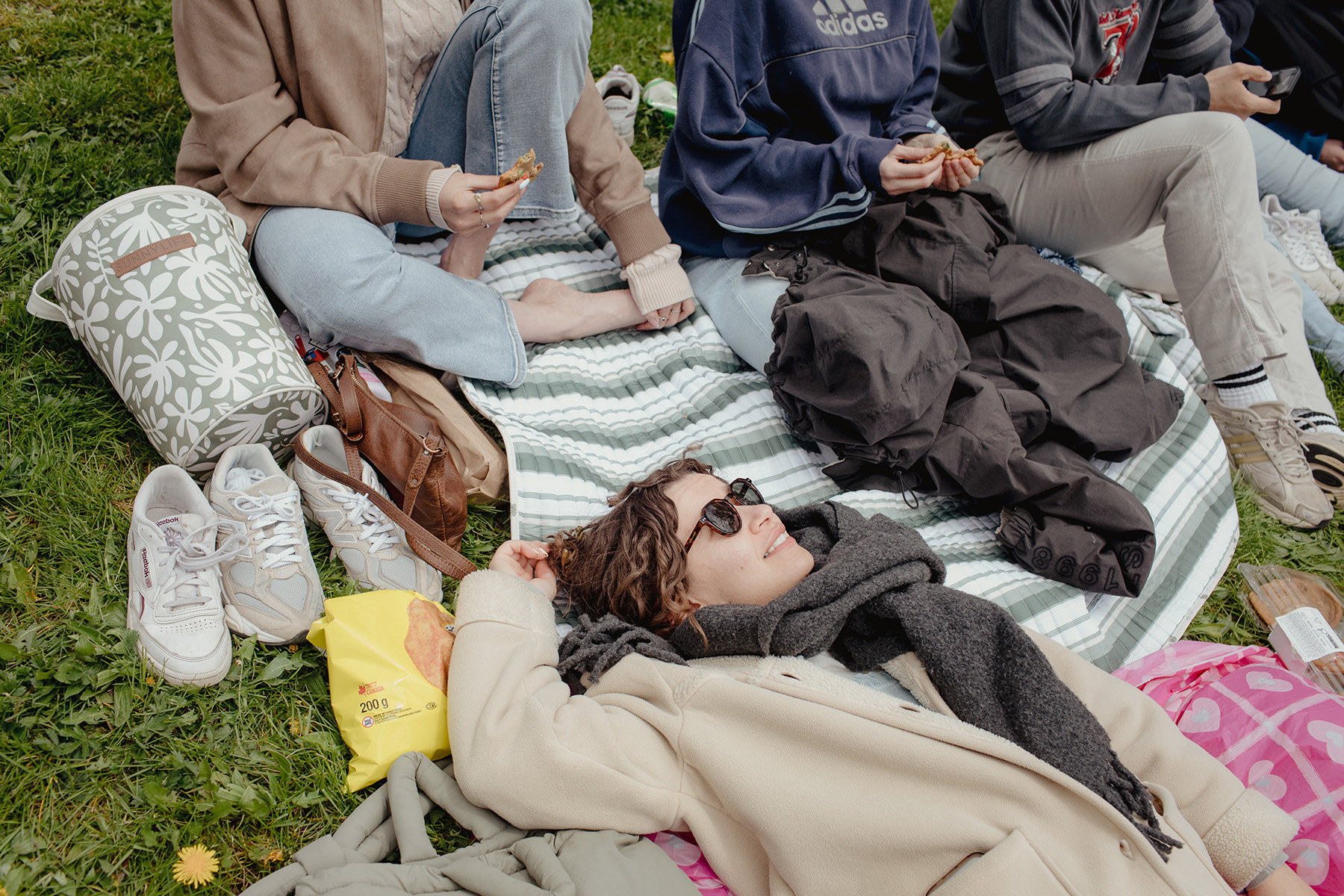
The atmosphere at any Maple Leafs game is somewhere between a traditional sporting event and a communal picnic. Maybe a thousand-or-so fans were sprawled out across the hill, and I seemed to know half of them. Ben, the friend I’d sent a Puig text to so many years ago, was there with his wife and daughter. The Local’s editor-in-chief wandered over from the next diamond, where he’d been watching his 12-year-old son play a baseball tournament. My brother-in-law showed up with my nephew, followed by a different brother-in-law with my niece a few innings later.

It was hard not to compare the festivities to last year’s season opener, also on Mother’s Day. I’d brought my daughter down to that game, as had countless other parents. The team had just signed Japanese pitcher Ayami Sato, widely considered the greatest female baseball player in the world. Sato became the first woman to play professionally in Canada, and the team had made the most of the moment, selling custom hats and pushing the feminist narrative. “This is a historic milestone for women in sports, and especially in baseball,” co-owner Keith Stein told the Globe and Mail at the time. “No one had taken the opportunity to bring in a female player and I’m proud the Leafs get a piece of history with this.” This year, the marquee attraction was Puig—another publicity stunt signing, but one with a very different valence.
Sitting out in folding chairs down the first-base line, Dean Campbell and Matthew Smith had made the trip down the highway from London to see the former Dodger. Compared to the other ballparks, they said, Christie Pits seemed way more community-based, way more bohemian. “Everyone’s got their quilted blankets,” said Smith. “The craft beer, they sit on the hill, in the summer it’s lined with bikes.”
When they’d first heard the news of Puig’s signing, their reaction had been disbelief. “A little unreal, like, unbelievable,” said Campbell. But they were thrilled to hear it. With his sentencing just weeks away, they didn’t know if Puig would still be a free man when the Leafs came to London later in the season, so they’d made the trip to make sure they caught him in action.
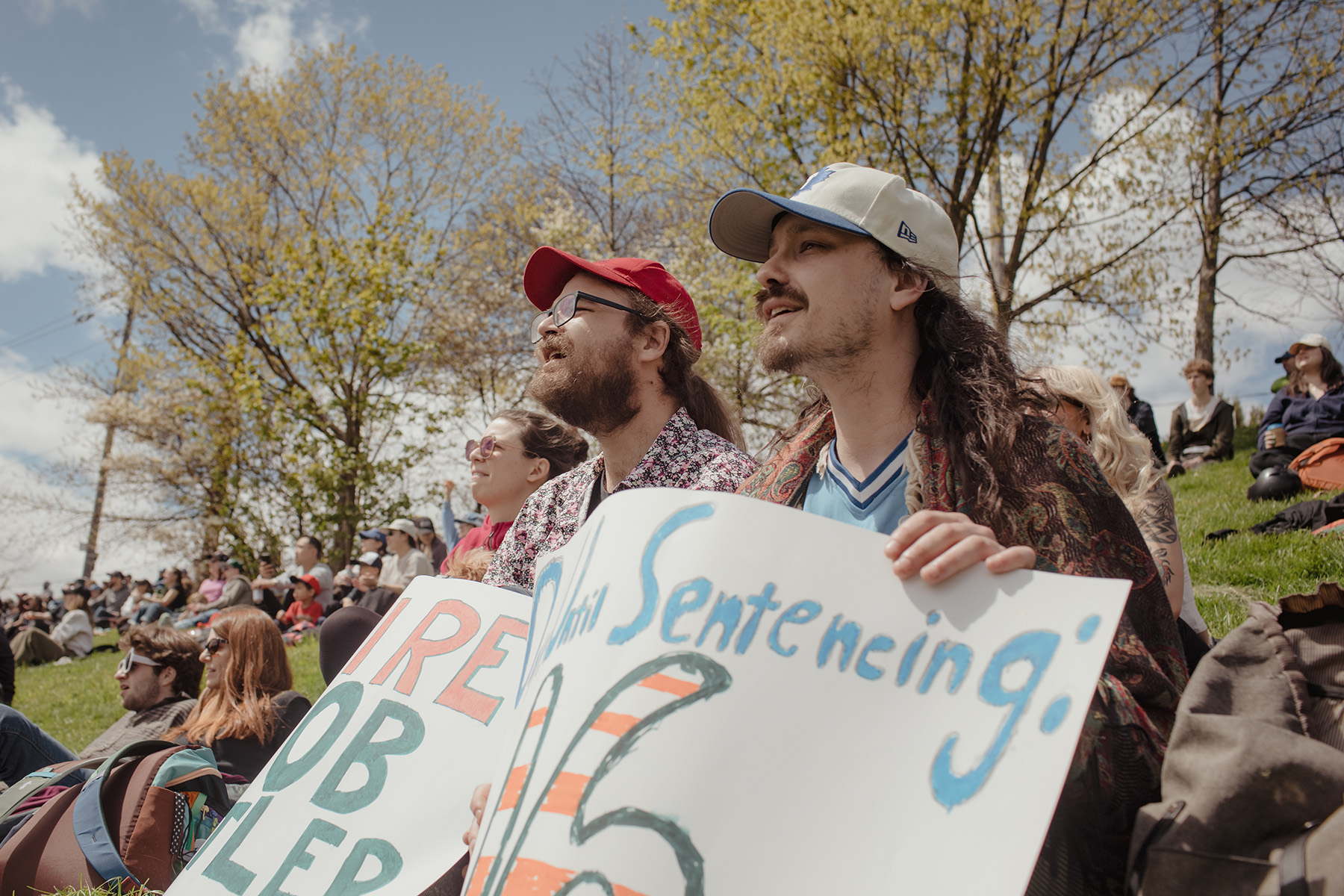
Across the ballpark, up on the hill behind home plate, Daniel Mallett and Aaron Schaefer were less enthused. The two thirtysomethings—in Leafs jerseys sipping Mexican lagers from a local brewery and looking every inch the stereotypical “bohemian” fans—held up signs that read “16 Days until Sentencing” and “Fire Rob Butler” (the team’s manager). Why was the team they loved signing a guy with sexual assault allegations who could be in jail in just weeks? None of it made sense to Mallett. In the lead-up to the signing, the team had let go of a number of fan favourites, including the Marra brothers. Was that all to make room for Puig? “After the statement the team made last year, signing Sato, it’s really disappointing to see so much of the team sort of gutted to make this kind of signing,” Schaefer said.
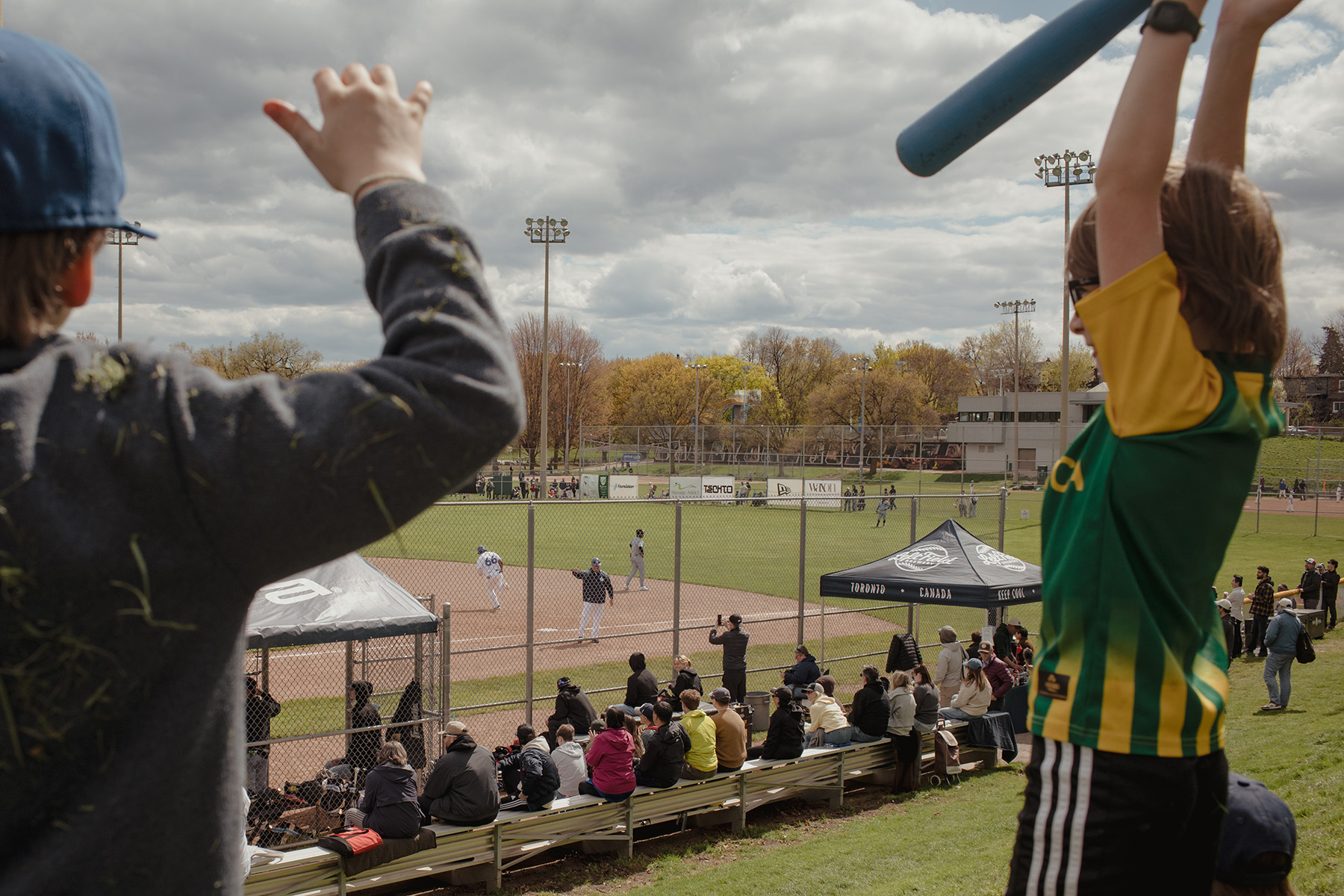
When Puig came to bat, however, any half-hearted jeering or boos were drowned out by the cheers. Puig was heavier than the last time I’d seen him on a baseball diamond, a few flecks of white in his beard, but his presence was undeniable. He drew a walk that first at-bat, ambling to his spot at first base while a fan wearing a Dodgers Puig jersey cheered him on.
In the dugout, he staked out a spot at the very end of the metal bench and kept warm wearing a blue hoodie and complicated-looking electric back brace. His hands gripped the chainlink fence and he peered out, away from the diamond towards the residential street at the top of the hill, as if looking for something on the horizon.
Unlike in the major leagues, at Christie Pits there’s no distance between player and fan. Kids came up to the fence and asked him to sign balls. “Later, later,” he said. Two men sat on the metal benches behind him and the three of them chatted in Spanish for half an inning. Then Puig got up and immediately hit a home run out over the fence in left field. Michael Roudbari, whose title was now gameday operations manager and in-park host, scrambled to get a fog machine going, dusting Puig’s ankles with a bright blue puff of smoke as he trotted around third.

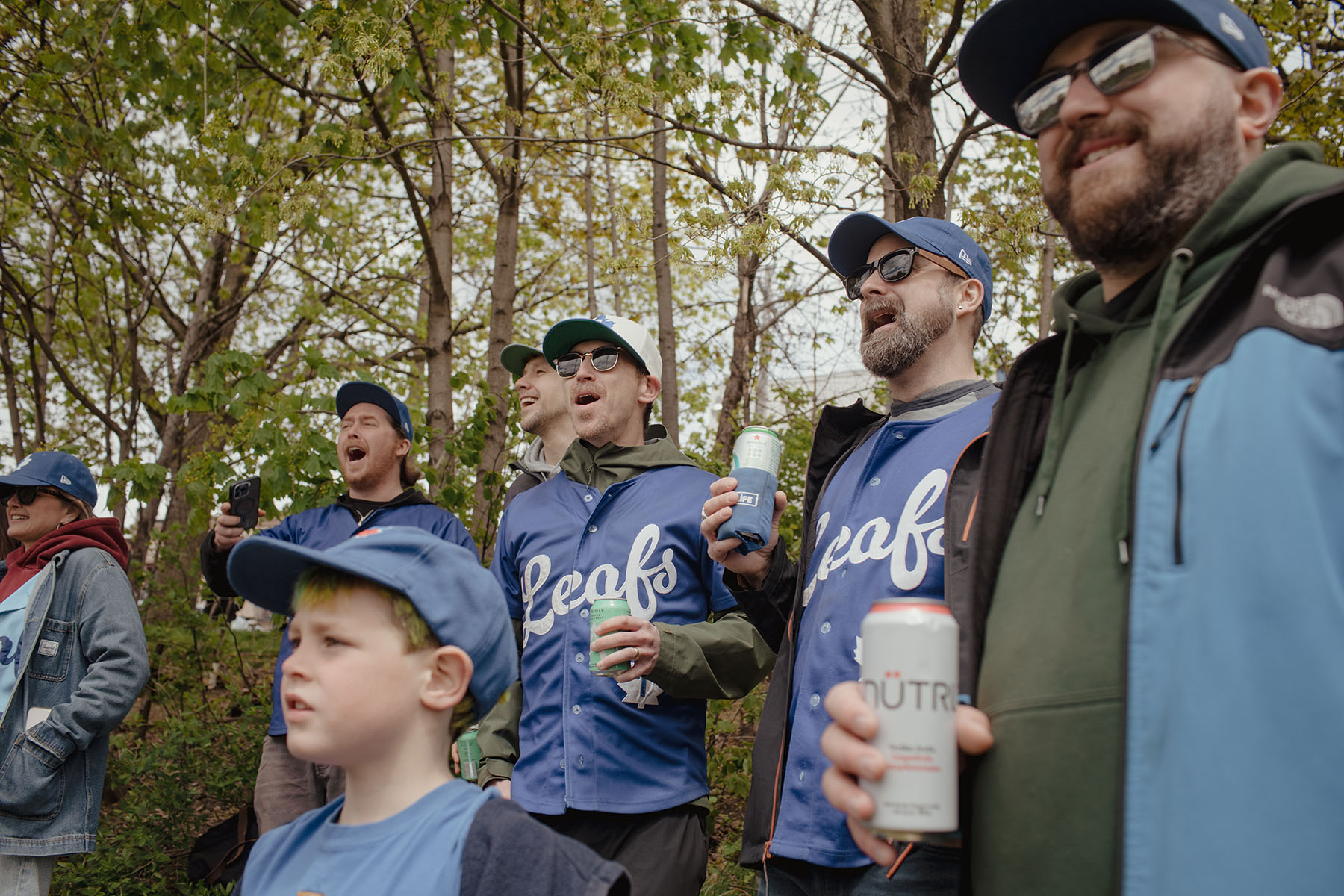
Up high on the hill down the third-base line, a group of fans cheered as they efficiently worked their way through a cooler of beer. “The Bushmen,” named because they hang out in the shade of some bushes on the hill, are mainstays at Christie Pits. They’ve been there for years, when crowds were much smaller, their heckling of opposing players somehow much more personal ringing out at a near-empty field.
Ray Natale, the original Bushman, had seen the way the game experience had changed in recent years first-hand, and he was excited about the changes and all the attention suddenly on this team he’d long loved. I asked Natale how he’d felt about the Puig signing. “I mean… he just hit a home run two seconds ago, which was awesome,” said Natale. “There’s a little bit of controversy, you know, and they don’t seem to be telling the whole story of whether or not he’s going to be here for the whole year,” he admitted. But you couldn’t argue with the results. “The main thing is, it brings eyes to the league, and that’s what we want.”
Moments later, Puig crushed his second home run of the game over the fence in left, nearly hitting some kids in the skate park practicing their kickflips.
The game ended in an 8-6 Leafs win, with Puig named player of the game. The team jogged out through the centre field door towards the makeshift clubhouse attached to the park’s public washrooms. Dennis Dei Baning, a Toronto-born 29-year-old who’d hit the game-winning home run that day, enthused about playing with Puig on the team. He remembered using Puig as a character back when he used to play MLB The Show, so the fact they were now teammates was surreal. “Obviously he’s Yasiel Puig,” said Dei Baning. “He has a lot of experience, so you gotta pick his brain a little bit.”
Puig emerged, accompanied by Roudbari. “Do something, here,” Puig said, thrusting his gear into the young gameday operation manager’s arms. “Yeah, yeah, yeah,” said Roudbari.
In the outfield, scrummed by me and The Star’s Blue Jays columnist, who was attending his first ever Maple Leafs game, Puig enthused about the game, the atmosphere, his performance. It was Mother’s Day, and he’d been proud to hit those home runs for his mother, he told us. How had he decided to come to this team, I asked. “I’m not deciding,” said Puig. “I’m not deciding nothing in my life anymore.” His agents, he explained, were doing that for him now. And as for what was attractive about Toronto, it was hard to answer. “What is attractive about Toronto to me? Not too many things are attractive to me right now.” He wasn’t going out, wasn’t looking for fun. He just wanted to play baseball.
How long he’d actually be with the team, Puig said, wasn’t up to him. God willing, he would stay until the end of the season. “I need to go to my court day,” he explained, and “whatever happens that day will be the choice of the judge.” But if he could come back, he would. He wanted to win here, to bring a championship to the city.
“This is going to be so good,” he said. Then he walked through the gates and into the crowd, where he was surrounded by kids and middle-aged men looking for autographs.
Throughout the spring, as the Maple Leafs played at Christie Pits and went on the road through the minor-league ballparks of southern Ontario, the spark of that opening day success seemed to fade.
Puig went hitless over the next two games, both Leafs losses. On Instagram, he alternated between posting nostalgic fan edits of some of his best moments in the Major Leagues and endless posts promoting a water bottle that doubled as a phone holder from a brand called Vorax that he seemed to have some stake in. The brand had 768 Instagram followers.
Online, in the CBL’s Facebook community, fans battled it out over Puig’s place in the league. “I’m personally disgusted that he’s even allowed to play,” wrote one. “There is so much happening in the league. It’s a shame that other events are getting overshadowed by one thing,” wrote another. “Anyone out there get me a baseball signed by Yasiel Puig of the Toronto Maple Leafs team?” asked a third.
On May 24, sentencing for Puig’s federal felony convictions was delayed a month, until June 30. What could have been just a 16-day stay at Christie Pits grew into something longer.
On June 3, the Leafs lost 14-6 to the Guelph Royals. The next game they lost 23-1. Puig had added just one more home run to the two he’d hit on opening day, and the team’s insistence that Puig was “better than a lot of guys who are in MLB” was not bearing out. By the first week of June, the team was in a familiar position—last place.
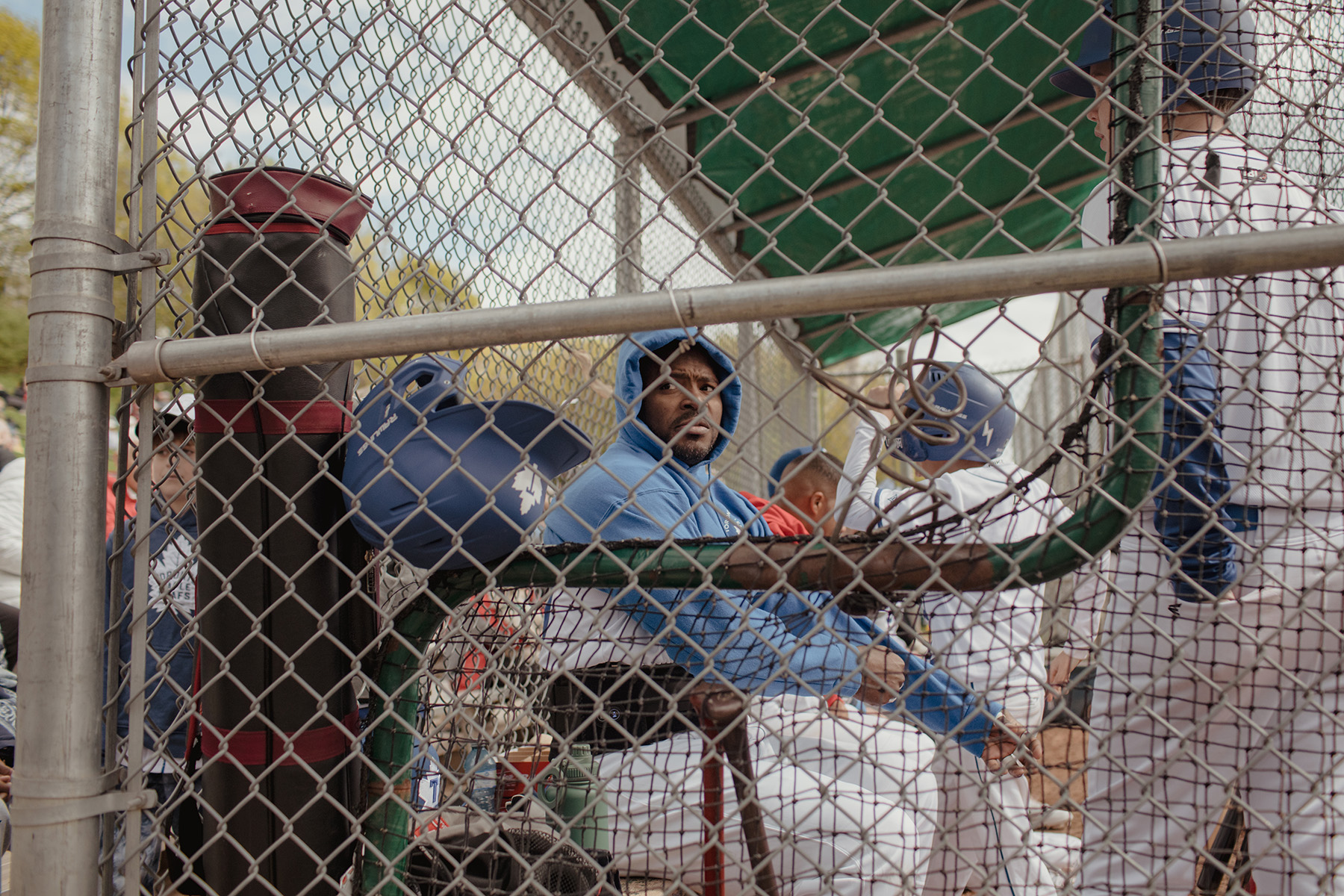
When I went back for a Sunday game at Christie Pits on June 7, a month after opening day, the fans wearing old Puig jerseys seemed to have disappeared. On the field, the former all-star was engaged in the game. “Umpire, open your eyes!” he yelled out from right field. When the Leafs were at bat, he stood at the opening to the dugout, leaning on the chain-link fence. The bat boy, I noticed, was drinking from a Vorax water bottle.
“Take it easy out there,” he yelled at a teammate who was almost picked off at second. The guy was too slow to steal any bases, Puig muttered, so where was he going? He turned his attention to Dei Baning, the outfielder who’d told me he had so much to learn from Puig. “Oye, you are slower than my grandma,” said Puig. “My mama walks faster than you.” Dei Baning ignored him.
Puig retreated to his spot at the end of the metal bench in the dugout. He kept turning over his shoulder and gazing through the chain-link fence, the same way he had on opening day—squinting up towards the top of the hill, like he was searching for something more promising in the distance.
At the end of this month, there were reports Puig’s sentencing date had been postponed yet again, to July 28. Whenever it’s held, if the judge deems it appropriate, Puig will head to jail. Or, if his lawyers get their way, he’ll be back at Christie Pits for the rest of the season. Either way, that day at the ballpark, the fact that Yasiel Puig was on the Maple Leafs no longer seemed particularly fascinating or scandalous. He was just there—another member of a losing team in the Canadian Baseball League. His presence didn’t somehow elevate the team to a different tier. But it couldn’t ruin the game either.
Up on the hill, fans half watched the action, just like they always did. Kids chased foul balls, like they always did. The Bushmen cheered and crushed beers. Brando Leroux, a 23-year-old local kid from Markham, hit a towering three-run home run, sending Roudbari into action with his fog machine. The biggest cheers of the afternoon came when game staff wandered out to the hill with boxes of Krispy Kreme donuts for a giveaway.
I left the game in the eighth, with the Leafs still on top. I’d just climbed the hill up to the residential street behind the ballpark when a foul ball came screaming down from overhead, narrowly missing a parked car before bouncing on the sidewalk and rolling to my feet. I picked it up and brought it home for my kid.
More from this issue


Wheelchair Athlete Rio Kanda Kovac Wants to Win
His thirst for victory has gotten Team Canada's youngest player this far in wheelchair rugby. But in this fast-paced, aggressive, yet remarkably inclusive sport, getting ahead also means learning to play nice.

Cricket in the GTA Is Booming. Now Comes the Hard Part.
Fuelled by waves of South Asian immigration, cricket has become one of Canada's fastest-growing sports. But overcrowded fields, failing businesses, and allegations of corruption are threatening the game from within.

Where Are All the Female Coaches?
Canada is in a moment of unprecedented expansion in women’s sports. But structural barriers and unclear pathways into coaching mean that women are being deprived of opportunities to lead the next generation of young athletes.

Kids Aren’t Active Enough. Youth Sports Are Part of the Problem.
As competitive, specialized athletics dominate gyms and community fields, the children who need physical activity most are the ones being left out.
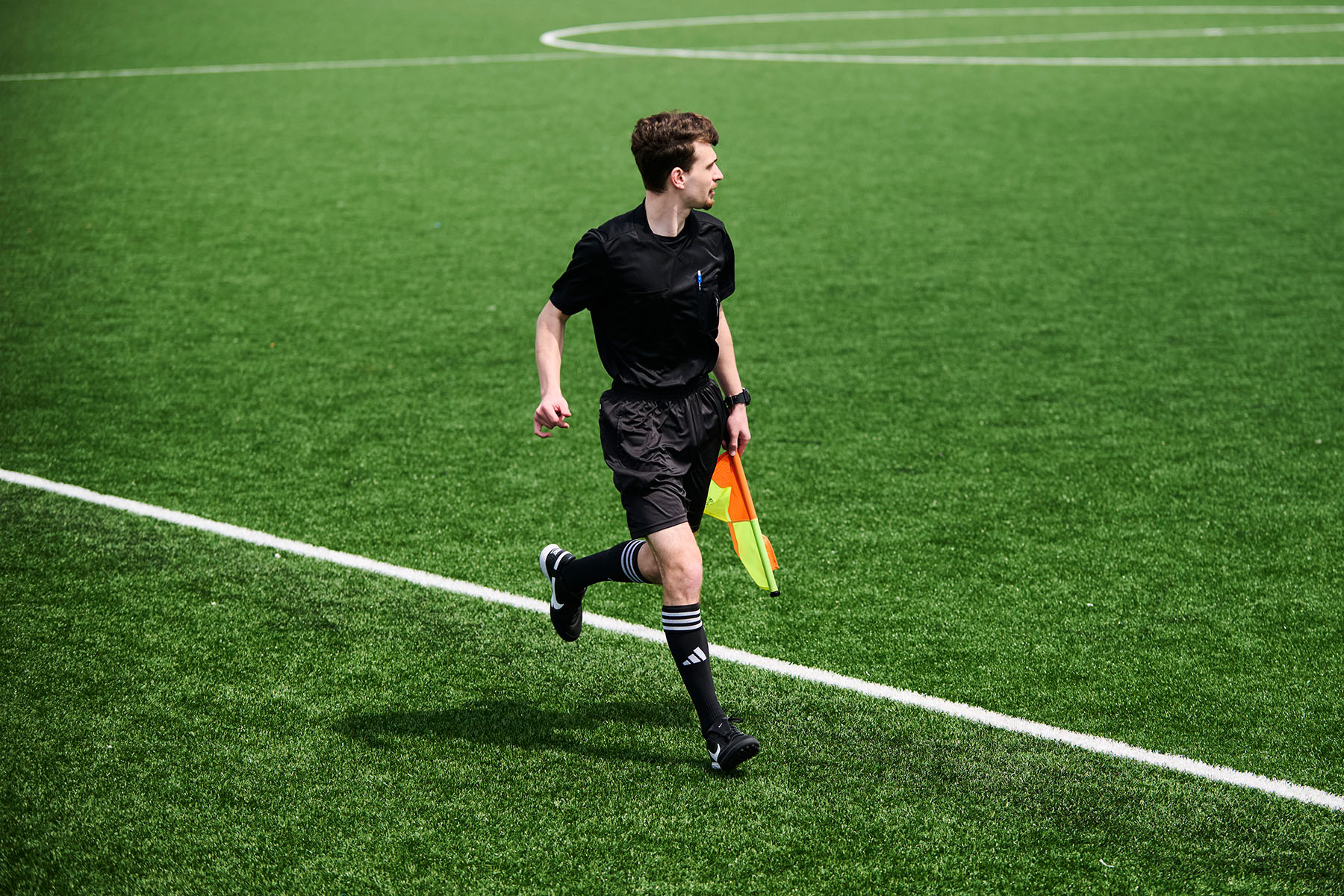
The Grand Ambitions and Grubby Indignities of the Aspiring Soccer Referee
Making it pro as a referee in Canada is in many ways harder than making it pro as a player. That doesn’t stop this corps of exacting, self-serious officials from trying.

An Illustrated Guide to the FIFA World Cup in Toronto
How many private jets could this pay for? Seven illustrations to make sense of the costs and payoffs of hosting the World Cup.
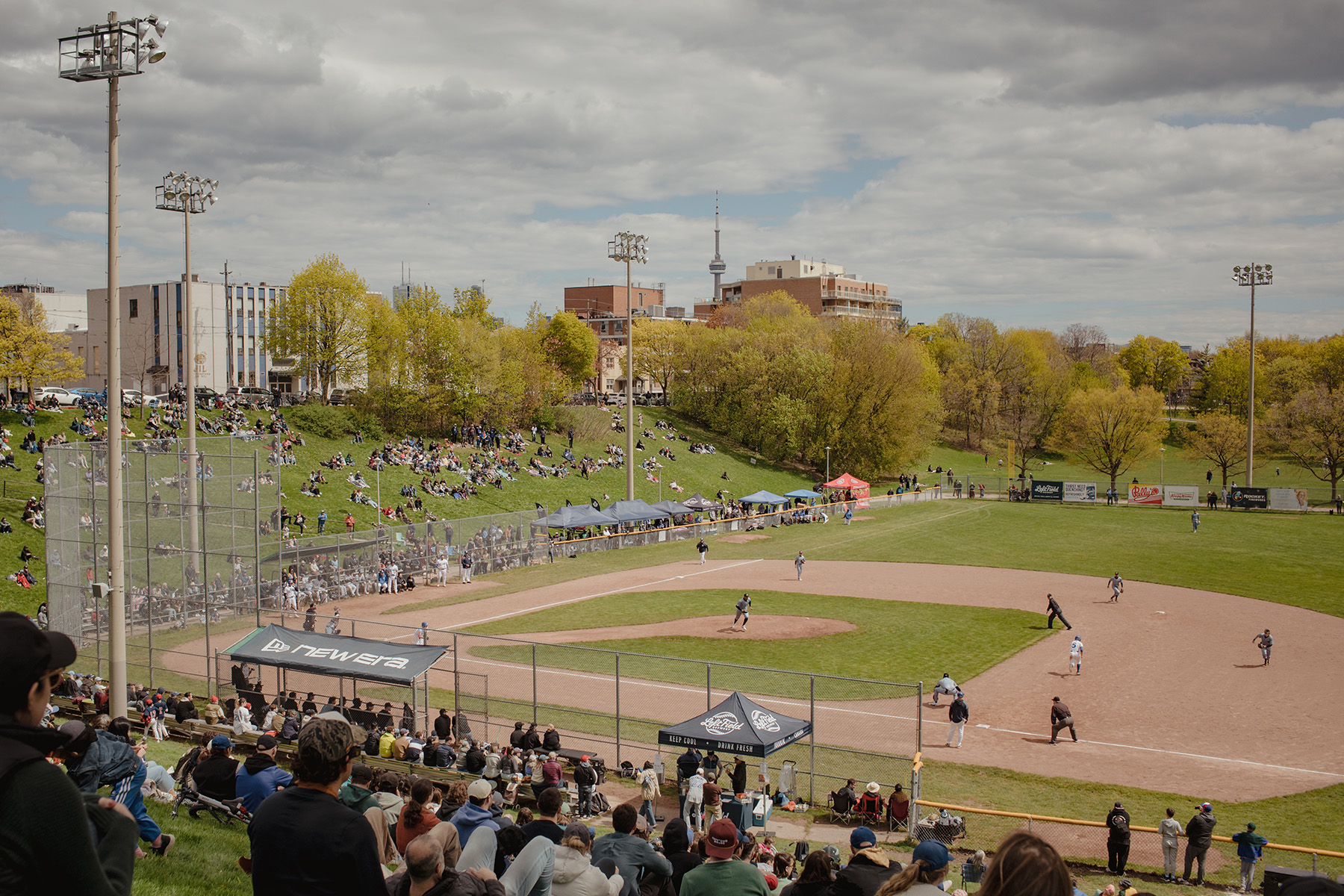
How Sports Transform a City
The World Cup is a reminder of the massive influence sports can have over a place like Toronto—reshaping our geography, sparking celebration or mourning, and remaking our experience of the city.