

This week, the FIFA World Cup comes to town. After eight years of anticipation—and $380 million dollars spent fulfilling the exacting contractual obligations of a Zurich-based cabal of international football executives—the greatest sporting party in the world will finally arrive in Toronto.
In the big picture, what this means for the city remains to be seen. The promised legacy projects have mostly failed to materialize. The history of these mega events isn’t promising: all but one of the last 14 World Cup hosts have run a deficit, according to a 2022 study. Once the party packs up in a few weeks, it’s unclear exactly what will be left.
While it’s here, though, Toronto will be transformed.
Join the thousands of Torontonians who've signed up for our free newsletter and get award-winning local journalism delivered to your inbox.
"*" indicates required fields
An event like the World Cup is a reminder of the enormous influence a sporting event can have over a city. Sports reroute traffic patterns and displace residents. They provide the stage for political protest or fevered jingoism. Bars and restaurants become overrun, office towers empty out, and students fall asleep at their desks. A big game can make an entire city miserable or spark a metropolis-wide celebration that lasts for weeks.
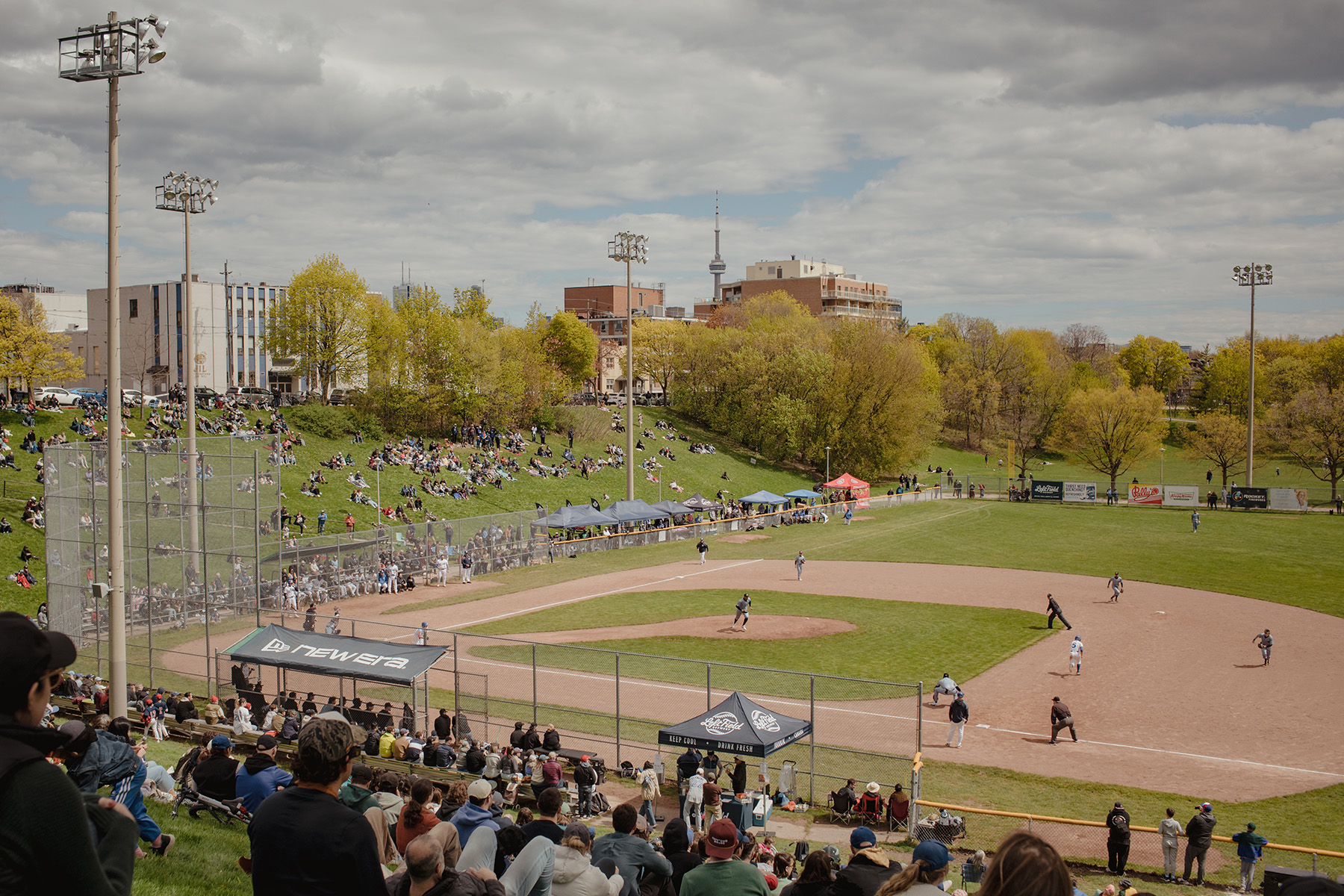
Those effects can be wide-ranging and indirect. Last year, the Blue Jays came inches away from winning the World Series. This year, my kid’s baseball league had record levels of sign-ups, the second-hand sporting goods stores across the city were picked clean, and a whole new cohort of parents who would otherwise have continued to enjoy simple, baseball-free lives now spend their summer evenings in Christie Pits, watching nine-year-olds throw wild pitch after wild pitch. Who could have seen it coming?
The Local’s latest issue, launching today and rolling out over the coming weeks, is our very Local-ish foray into sports writing. While the collected sports media of the world cover the massive international tournament that has arrived in Toronto, we’ll be looking at athletic events closer to the ground—because the story of how sports act upon a city is, of course, also a story about policy and politics, culture and business. If sports are transformative, then questions of how we support sporting events, who gets to play, and how they’re funded and function are matters of civic importance.
Over the next few weeks we’ll visit Brampton cricket pitches, minor-league ballparks, and the training facility of national wheelchair rugby players. We’ll write about the uphill battle for more female coaches, dig into the big business of youth sports, and conduct a deep anthropological study of the tragi-comic figure that is the aspiring professional soccer referee.
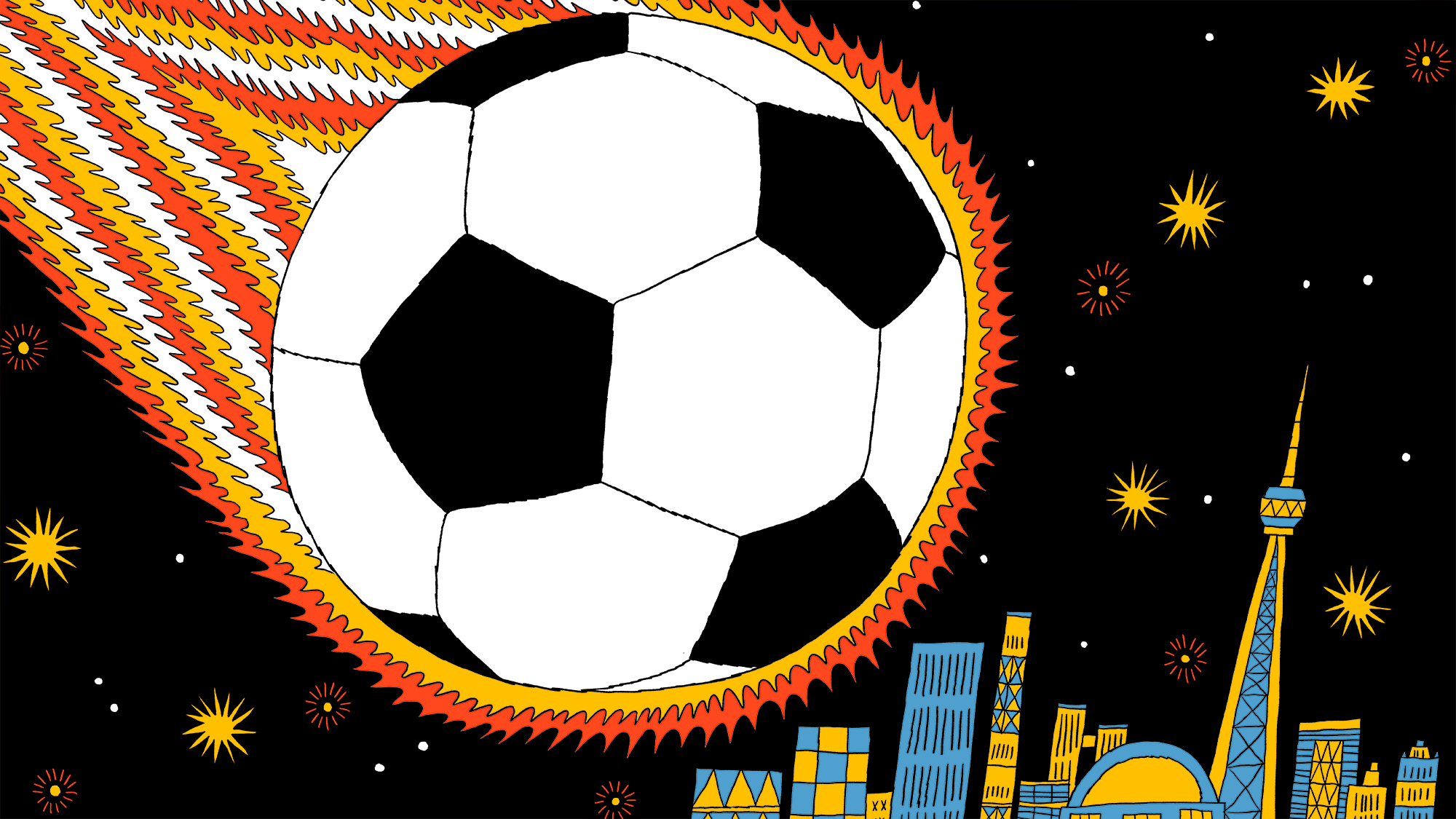
The issue kicks off with a data illustration by the artist Michael DeForge and The Local’s Wency Leung. As the World Cup arrives, we wanted to visualize exactly what Toronto has spent, and what we stand to gain. The biggest sporting event in the world is here, after all. Let’s see what that actually means for our city.
More from this issue
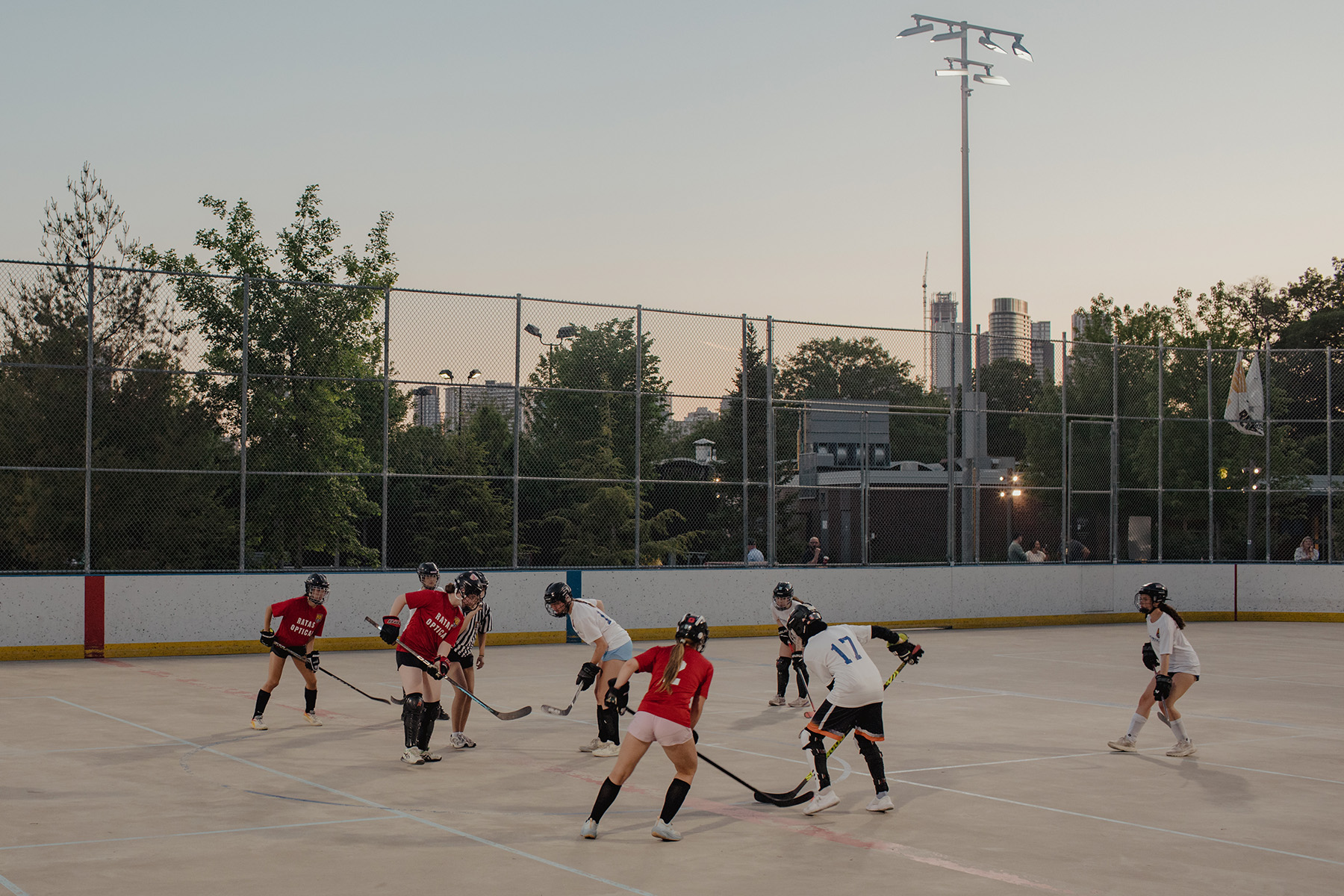
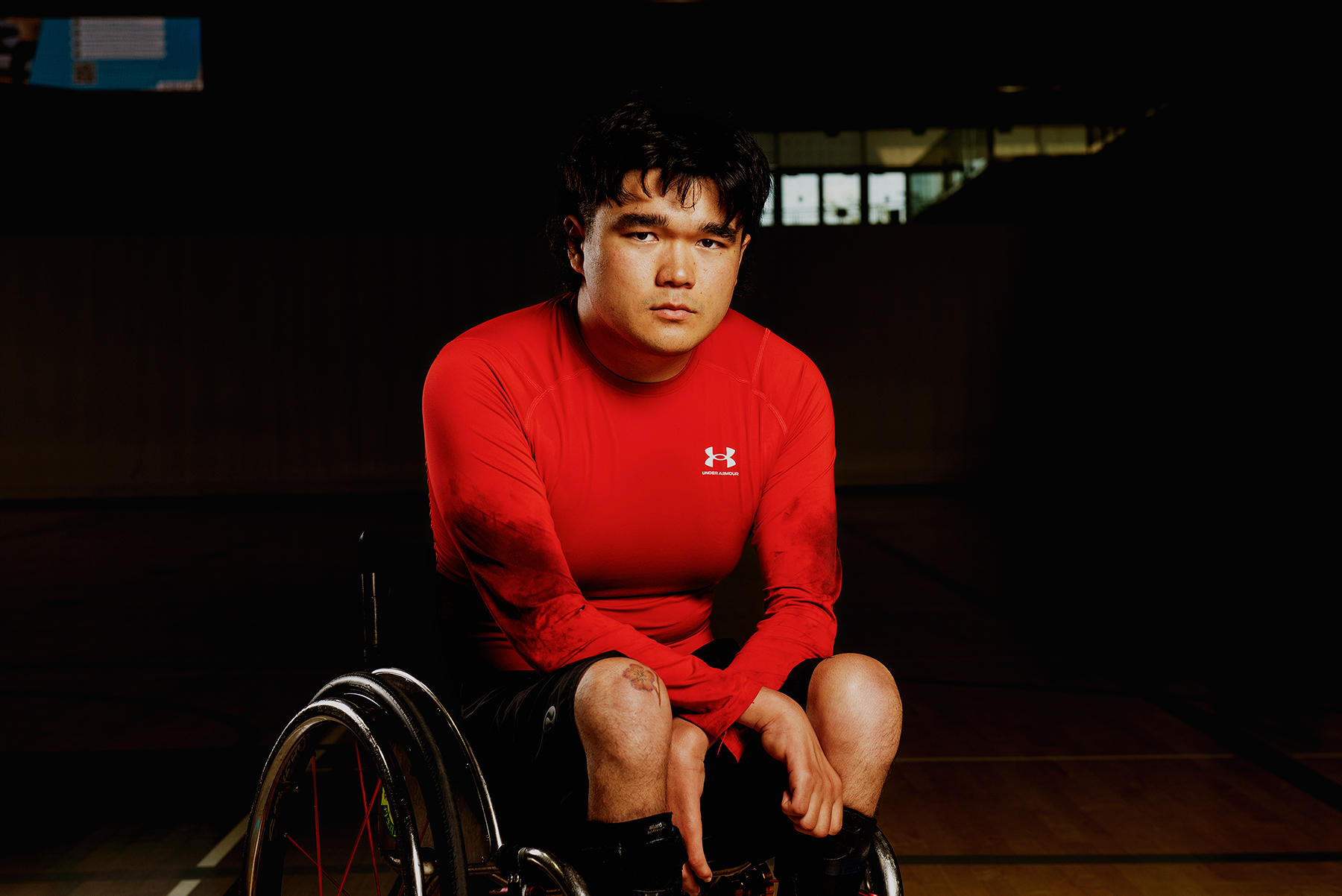
Wheelchair Athlete Rio Kanda Kovac Wants to Win
His thirst for victory has gotten Team Canada's youngest player this far in wheelchair rugby. But in this fast-paced, aggressive, yet remarkably inclusive sport, getting ahead also means learning to play nice.
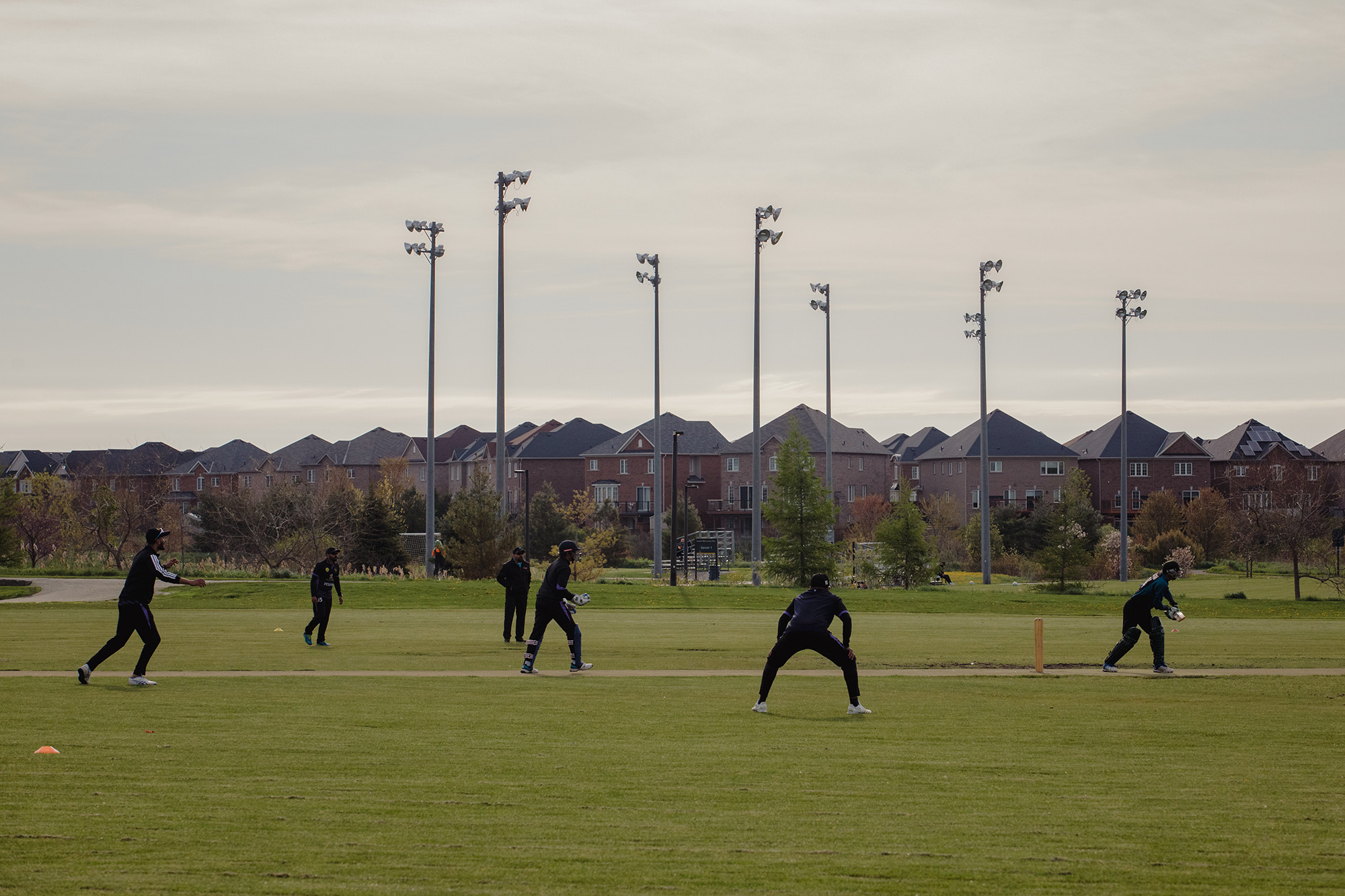
Cricket in the GTA Is Booming. Now Comes the Hard Part.
Fuelled by waves of South Asian immigration, cricket has become one of Canada's fastest-growing sports. But overcrowded fields, failing businesses, and allegations of corruption are threatening the game from within.
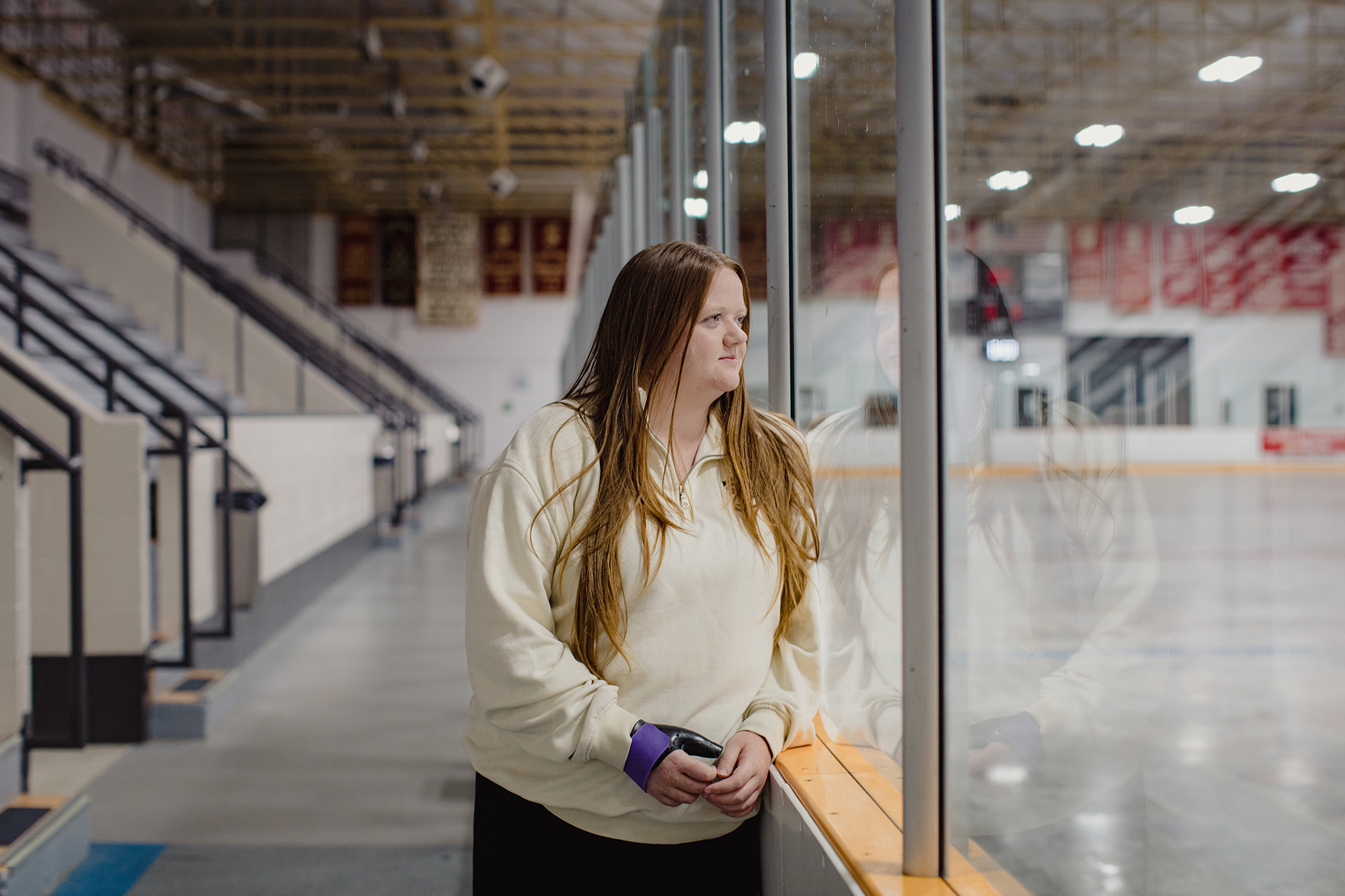
Where Are All the Female Coaches?
Canada is in a moment of unprecedented expansion in women’s sports. But structural barriers and unclear pathways into coaching mean that women are being deprived of opportunities to lead the next generation of young athletes.
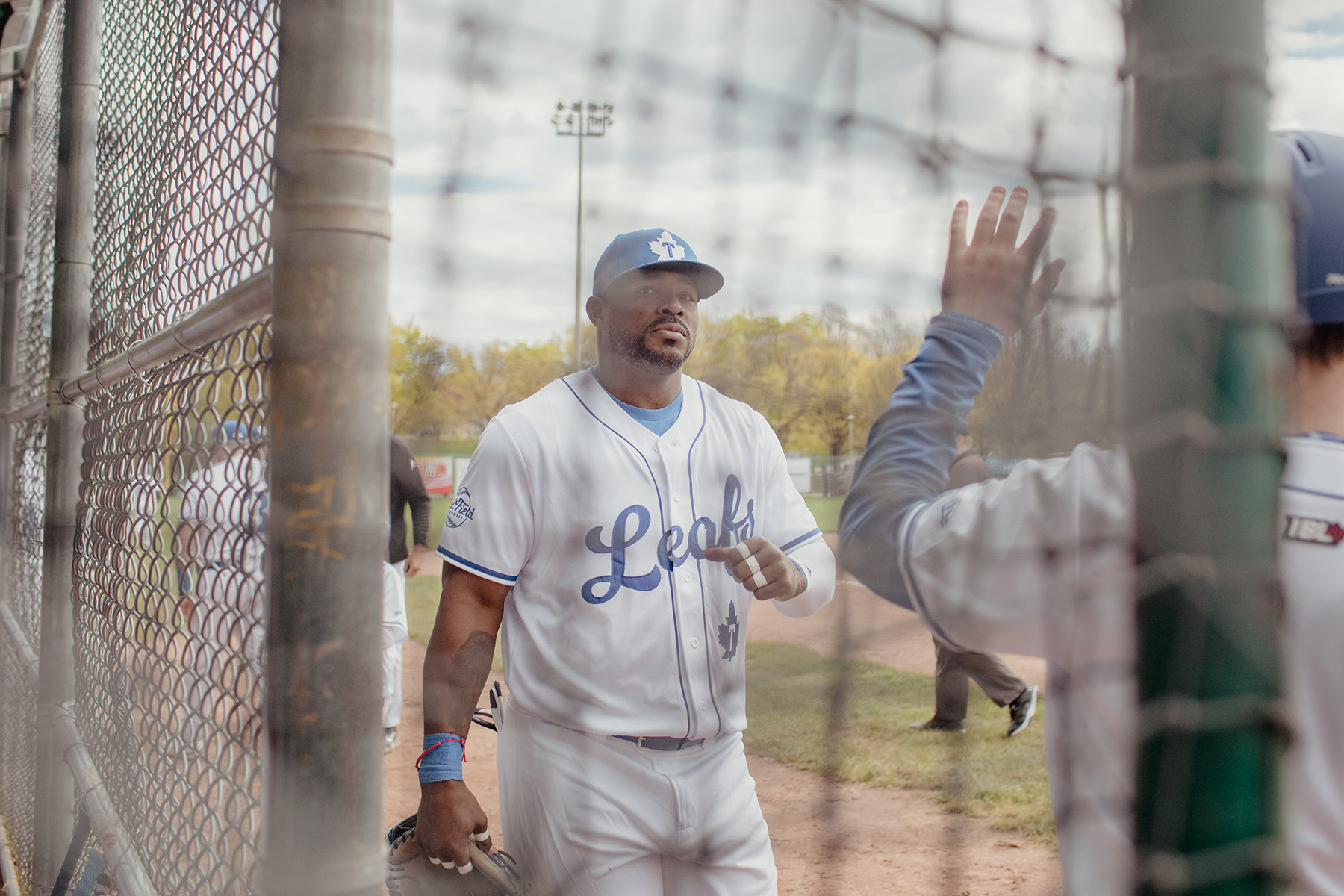
Yasiel Puig at Christie Pits
A free Maple Leafs baseball game at my local playground has long been the best community event in the city. Then the team signed a former Major League Baseball star awaiting sentencing.
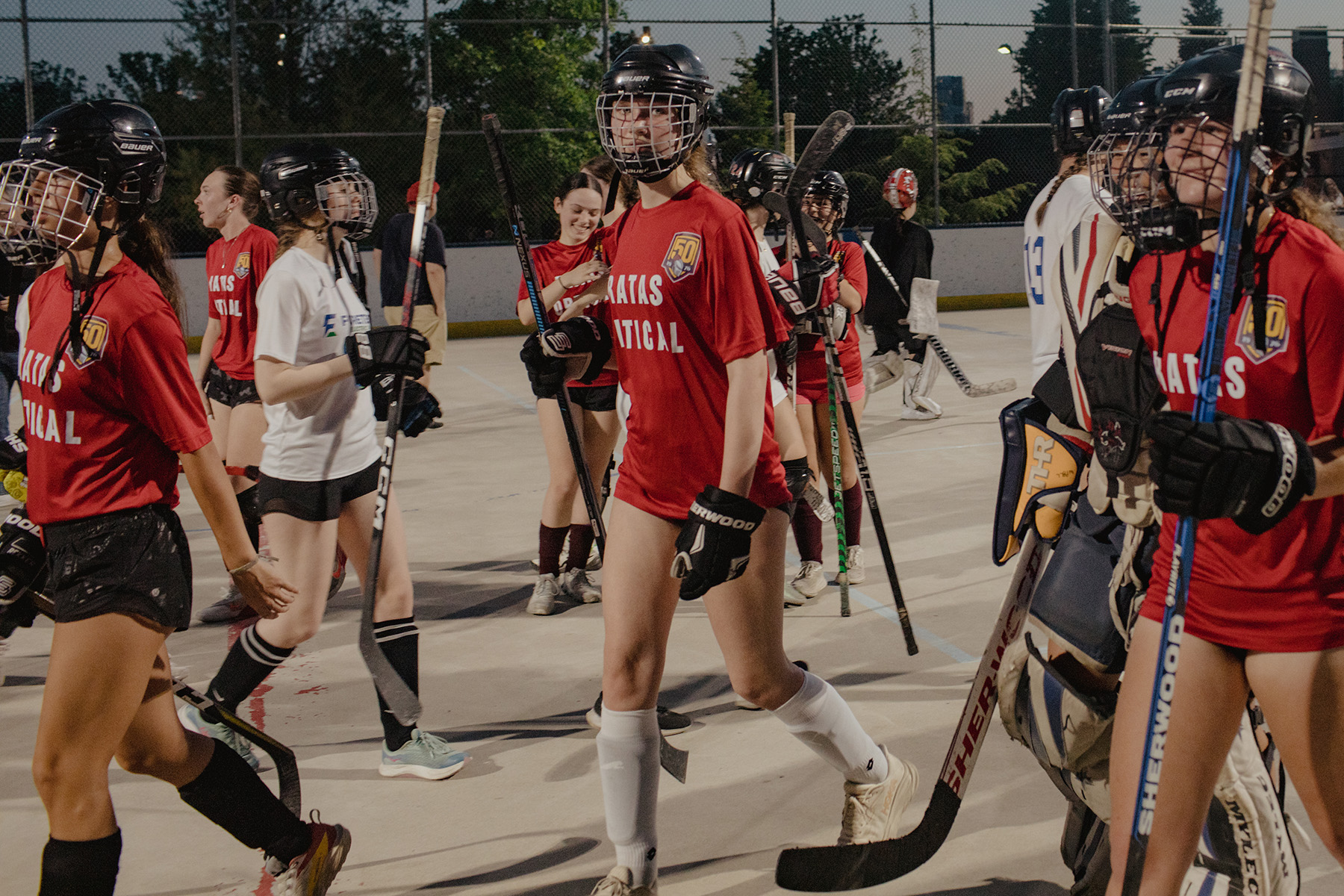
Kids Aren’t Active Enough. Youth Sports Are Part of the Problem.
As competitive, specialized athletics dominate gyms and community fields, the children who need physical activity most are the ones being left out.
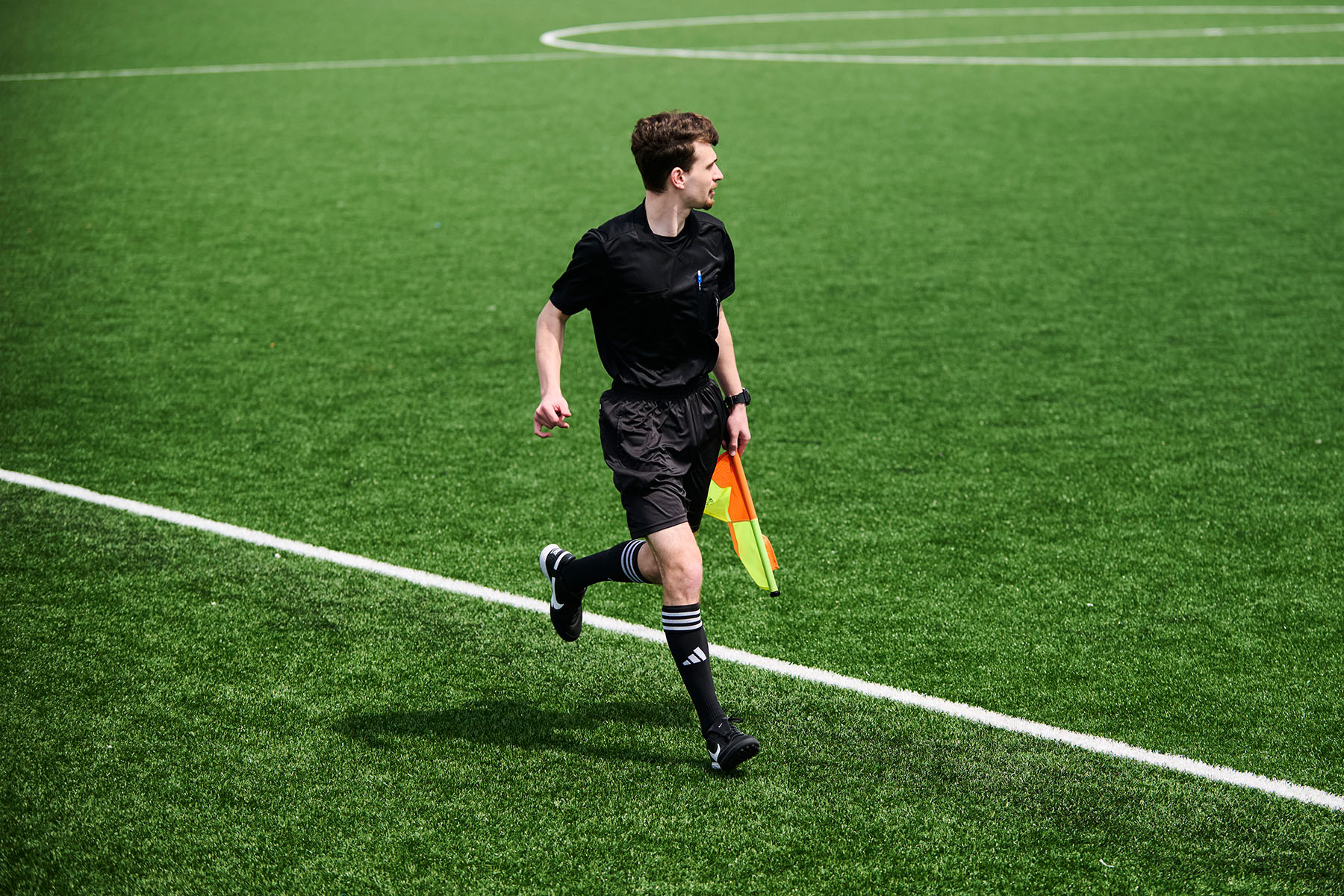
The Grand Ambitions and Grubby Indignities of the Aspiring Soccer Referee
Making it pro as a referee in Canada is in many ways harder than making it pro as a player. That doesn’t stop this corps of exacting, self-serious officials from trying.
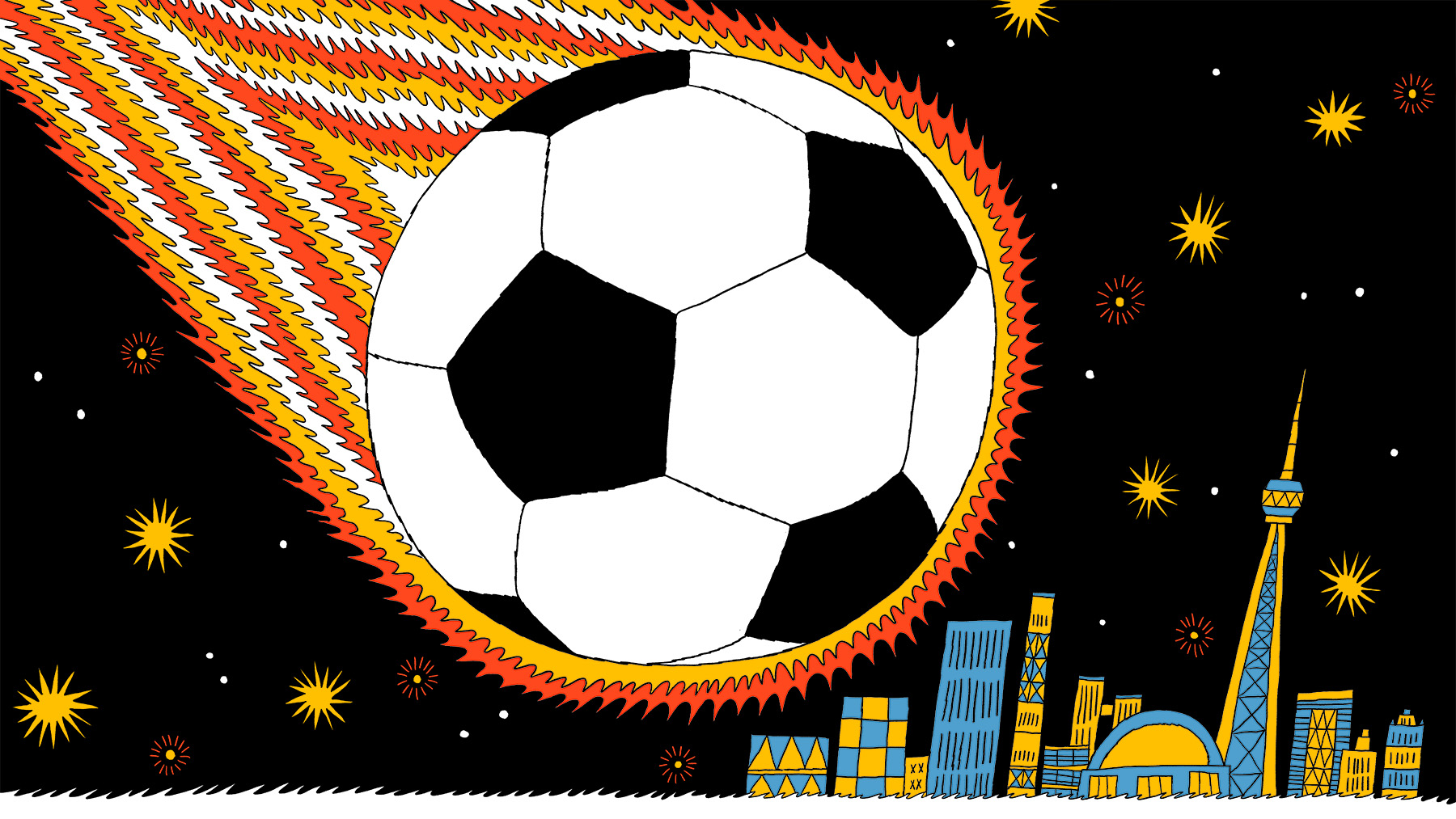
An Illustrated Guide to the FIFA World Cup in Toronto
How many private jets could this pay for? Seven illustrations to make sense of the costs and payoffs of hosting the World Cup.