



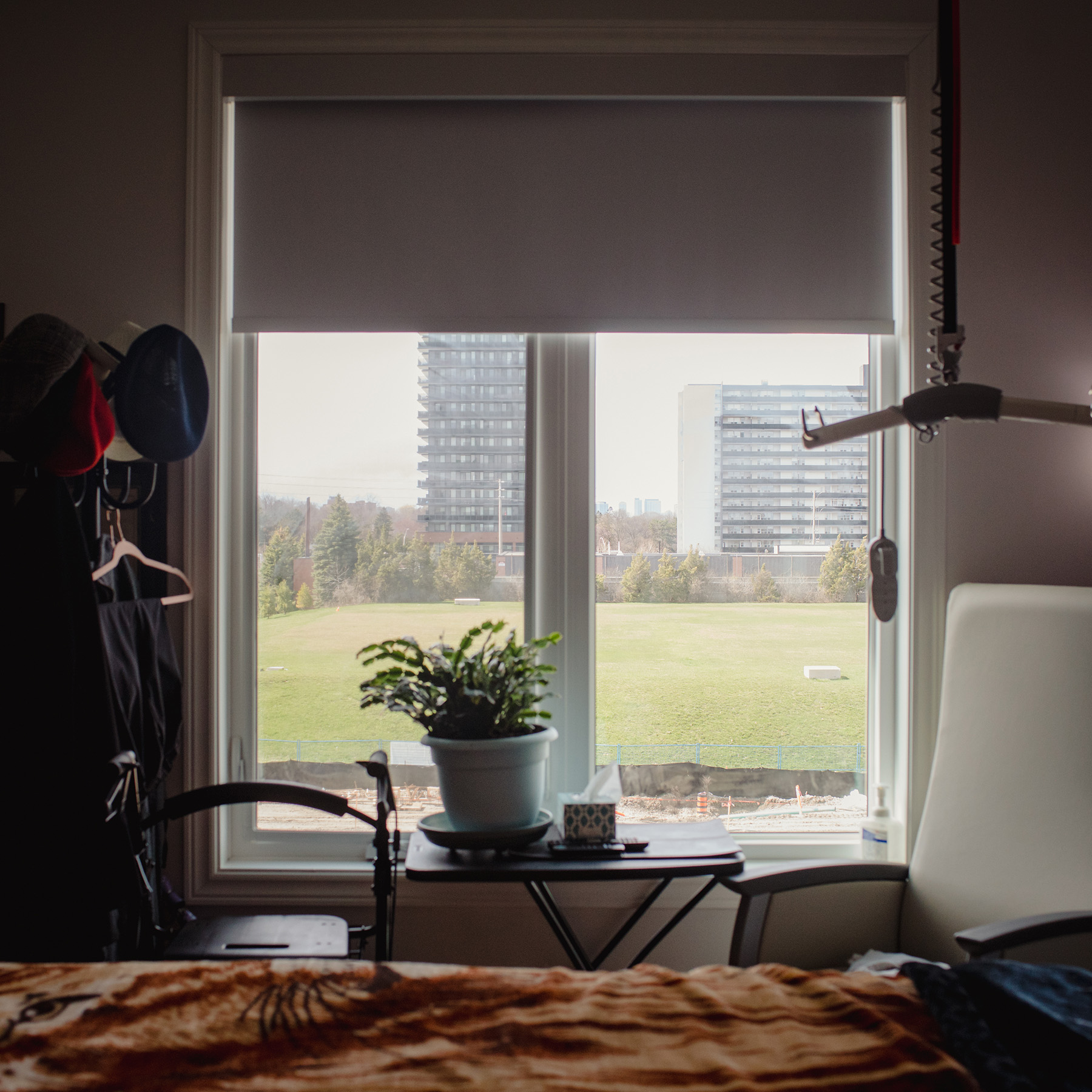
On a corner of the internet, the Ontario government is storing thousands of publicly available reports about the state of the province’s long-term care homes. The documents come from inspections conducted by Ministry of Long-Term Care officials every year across hundreds of homes. They go back more than a decade, rich in data about how the homes function, and how often they fail to meet legislated standards for elder care.
But these reports are dense, technical, and siloed—each one is listed separately, and if you wanted to find a count of how many times a home has been penalized, and to what severity, you’d have to go through individual reports and count them up yourself. When The Local requested this data from the ministry through freedom of information, we were told the records didn’t exist. So we decided to create them.
The Local built a data scraper: an algorithm programmed to go through documents and extract and organize key details we’re looking for. (No AI tool was used in the process, just coding and manual verification by human journalists. You can read our detailed methodology here.)
The scraper gathered vital information from more than 17,500 long-term care inspection reports posted by the ministry between 2018 and 2025. We then quantified how many times a long-term care home was written up by the ministry for failing to meet provincial standards, and to what degree of severity.
“Inspecting Long-Term Care,” our mini-issue on the state of oversight and accountability in the sector, launches today with an investigation on one of our major findings: that the Ford government has failed to meet its own target for proactive inspections in homes. When the province passed the 2021 Fixing Long-Term Care Act, it committed to conducting one proactive inspection per home a year—a comprehensive check-up on how every long-term care home in Ontario is functioning. Despite a four-year runway to implement that goal, we found that only a little over a third of homes received a proactive inspection in 2025. The result is an unequal, patchwork inspection system that relies largely on the advocacy of residents’ families to get ministry eyes on an issue.
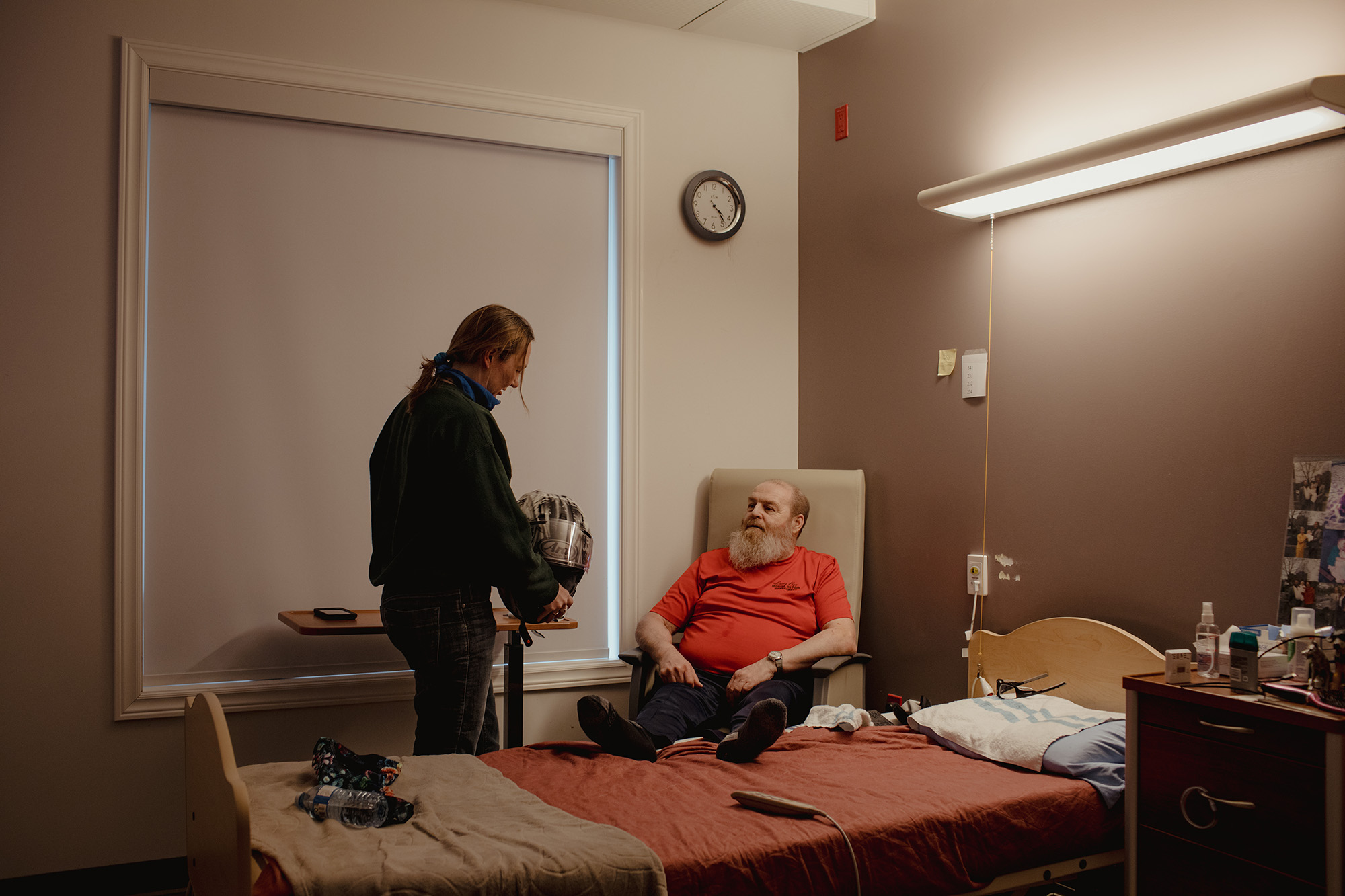
As with every good investigation, the data was just the start. The Local spoke with residents and family members at some of the worst-performing long-term care homes in the province. For these stories to happen, people had to open their doors to us, some even doing so while grappling with the loss of their elderly loved ones—like Julie Evason, an Orangeville resident whose father-in-law Jack died in April, on the eve of being moved after more than a year of alleged mistreatment at his long-term care home. The Local met family members devoted to the well-being of their loved ones in long-term care, like Sabrina Schuetzle, a yoga instructor from Mississauga who helps look after her uncle, and who was the first person to invite us into a long-term care home to understand the state of the sector from within.
In the interest of making our data findings as accessible to our readers as possible, we’ve created Long-Term Care Tracker, a dashboard that quantifies the performance of Ontario long-term care homes along three metrics: inspection reports, punitive fines from the ministry, and objective health care metrics measured by the Canadian Institute for Health Information. We wanted to offer readers a holistic sense, at a glance, of how well or poorly a given long-term care home is doing—a tool for the tens of thousands of Ontarians trying to choose where to place their loved ones as they age, or for those advocating for someone already in a home.
Rolling out over the next two weeks, “Inspecting Long-Term Care” takes a hard look at the state of long-term care oversight five years on from a pandemic that revealed the appalling conditions that existed behind closed doors. We interrogate the promises made by the inspections system, reveal the fatal flaws in the ministry’s complaints process, and shed light on where long-term care in Ontario is headed—and what needs to change, according to families and advocates, to best care for some of the most vulnerable in our society.
___
The Inspecting Long-Term Care issue was supported with funding from the Data-Driven Reporting Project. The Data-Driven Reporting Project is funded by the Google News Initiative in partnership with Northwestern University | Medill.
More from this issue

The Ford Government Just Deleted Thousands of Long-Term Care Reports. Here They Are.
The provincial government has eliminated access to long-term care home inspection reports from before 2023. We have over 10,000 of those reports, and are restoring access to the public.

These Seniors Homes Were Fined for Their Failures. The Province Let Them Expand Anyway.
New analysis of government data shows that nearly a third of long-term care companies approved to expand or renew their operations by the Ministry of Long-Term Care were also fined for failing to meet provincial care standards.

He Complained About His Mother’s Care. The Home Restricted Him From Seeing Her
Five years after Queen’s Park unanimously voted to end the practice, families say they’re still being kept from their loved ones as punishment for complaining about care—with no clear legal recourse.

Inspection Results for Every Long-Term Care Home in Ontario
Use The Local’s exclusive dashboard to look up fines, violations, and care quality metrics for the province’s more than 600 long-term care homes.

Who is Watching Over Ontario’s Most Vulnerable Seniors?
Exclusive analysis of more than 17,500 long-term care home inspection reports reveals a provincial inspection regime failing to meet its own accountability goals, with seniors who lack family advocates bearing the greatest burden.