


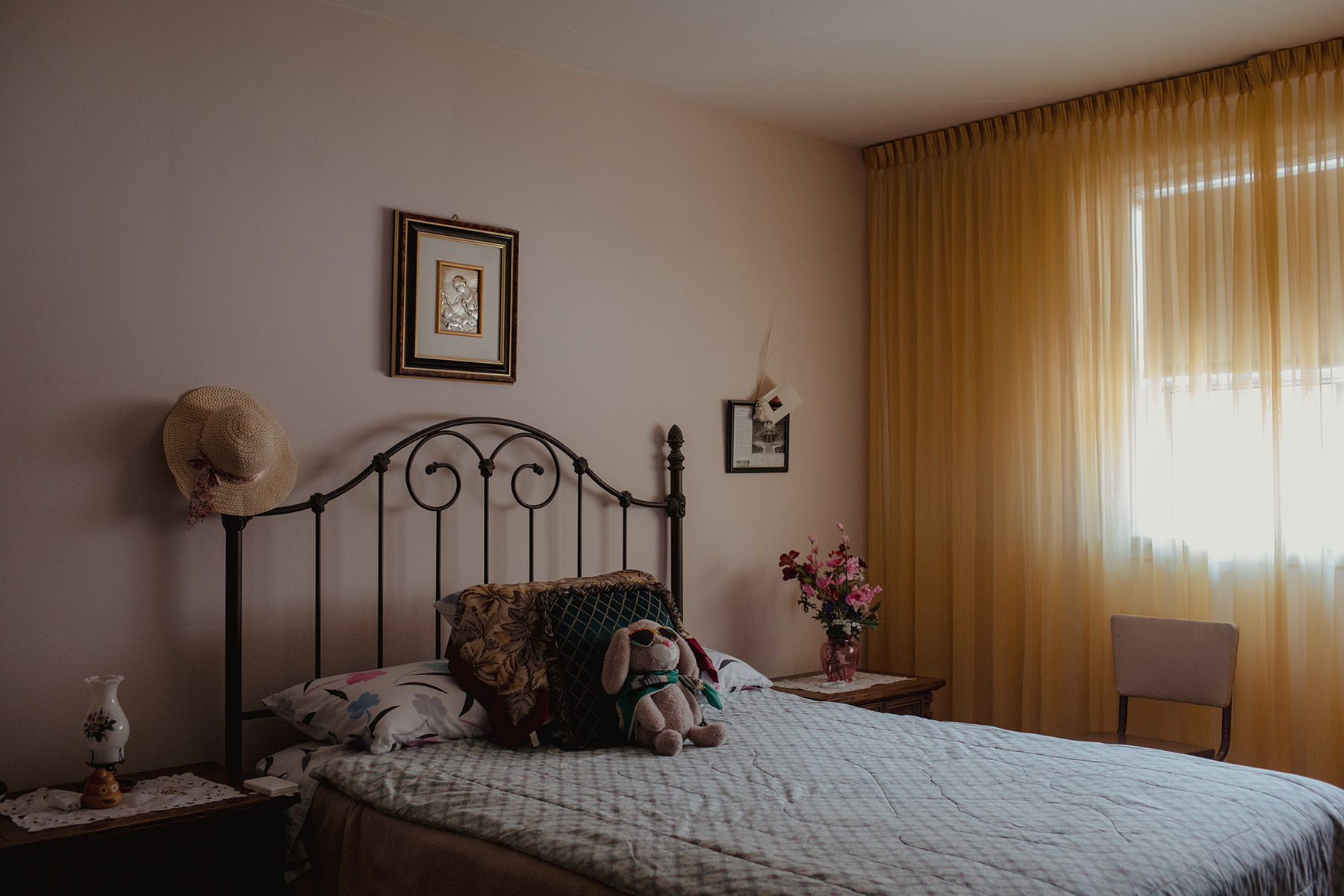
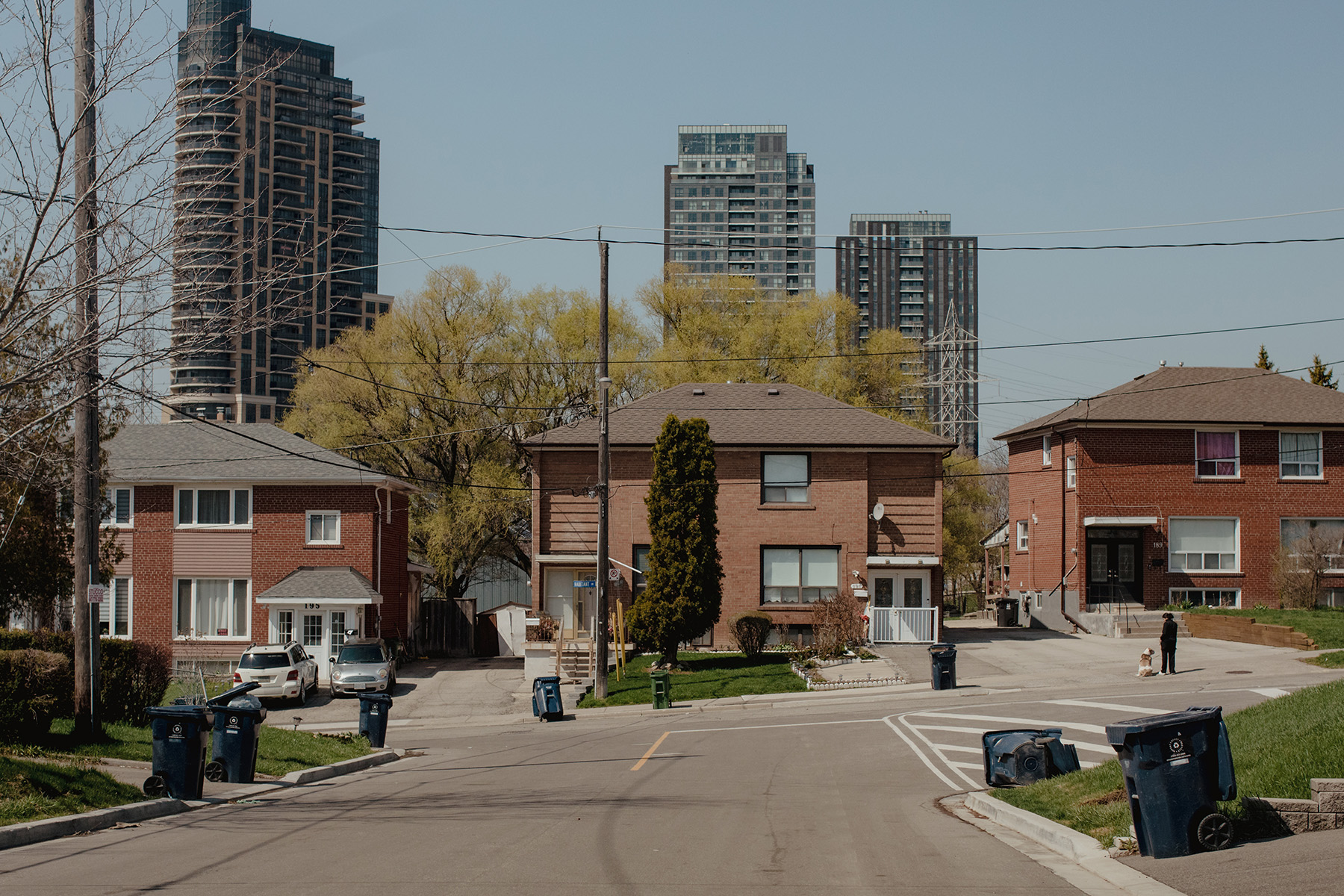
In the house that once belonged to Maria Grieco, it’s as if time has stopped. Golden light streams through the curtains of her bedroom window, glancing off a framed relief of the Virgin Mary and baby Jesus on the wall. Plastic flowers sit in vases on each bedside table, flanking a neatly made bed that Maria hasn’t slept in for nearly two years.
Maria moved into the house in northwest Toronto when she immigrated from Italy in 1967. It’s where she raised her two sons, and where she lived through the death of her husband in the ’80s, and into her old age.
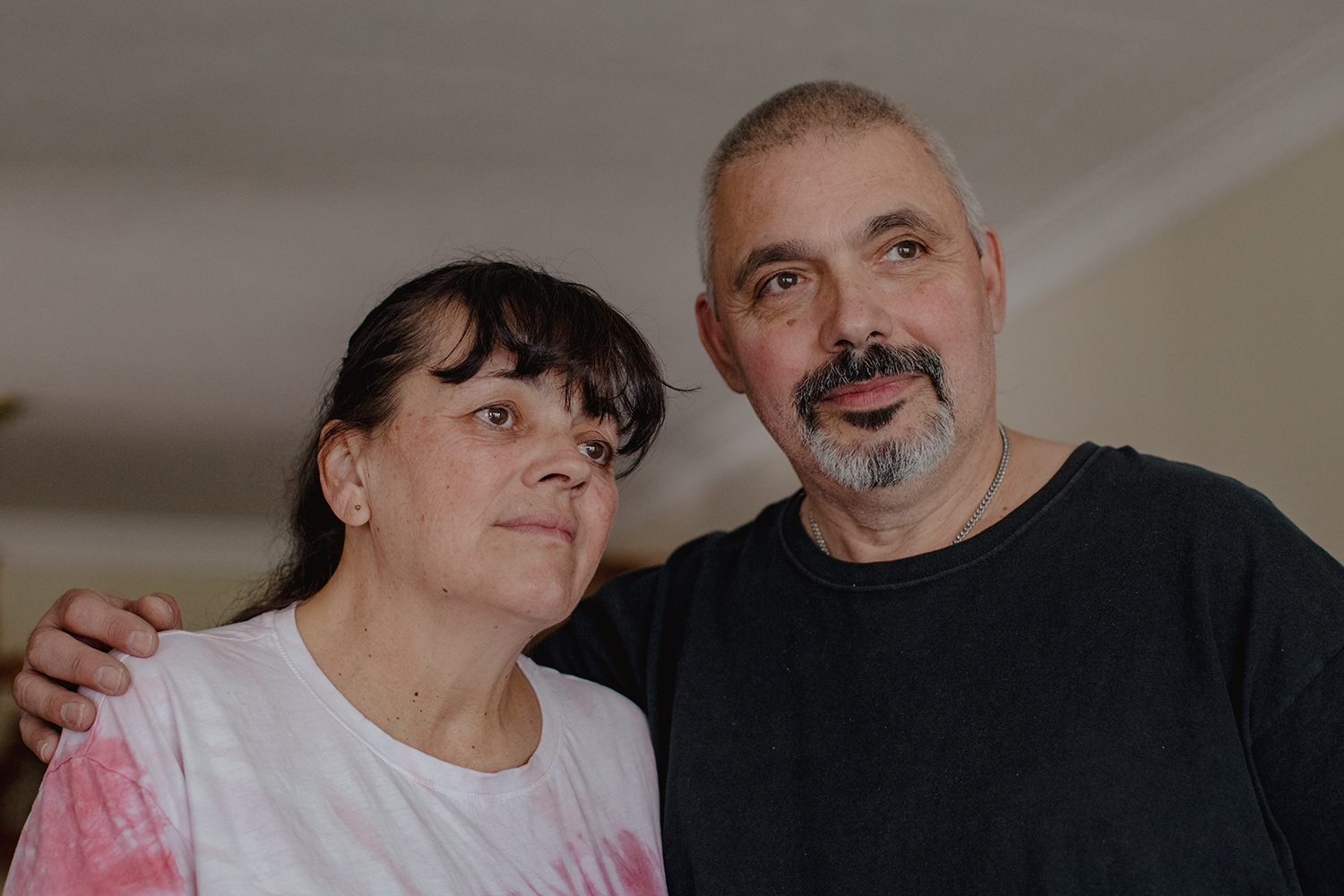
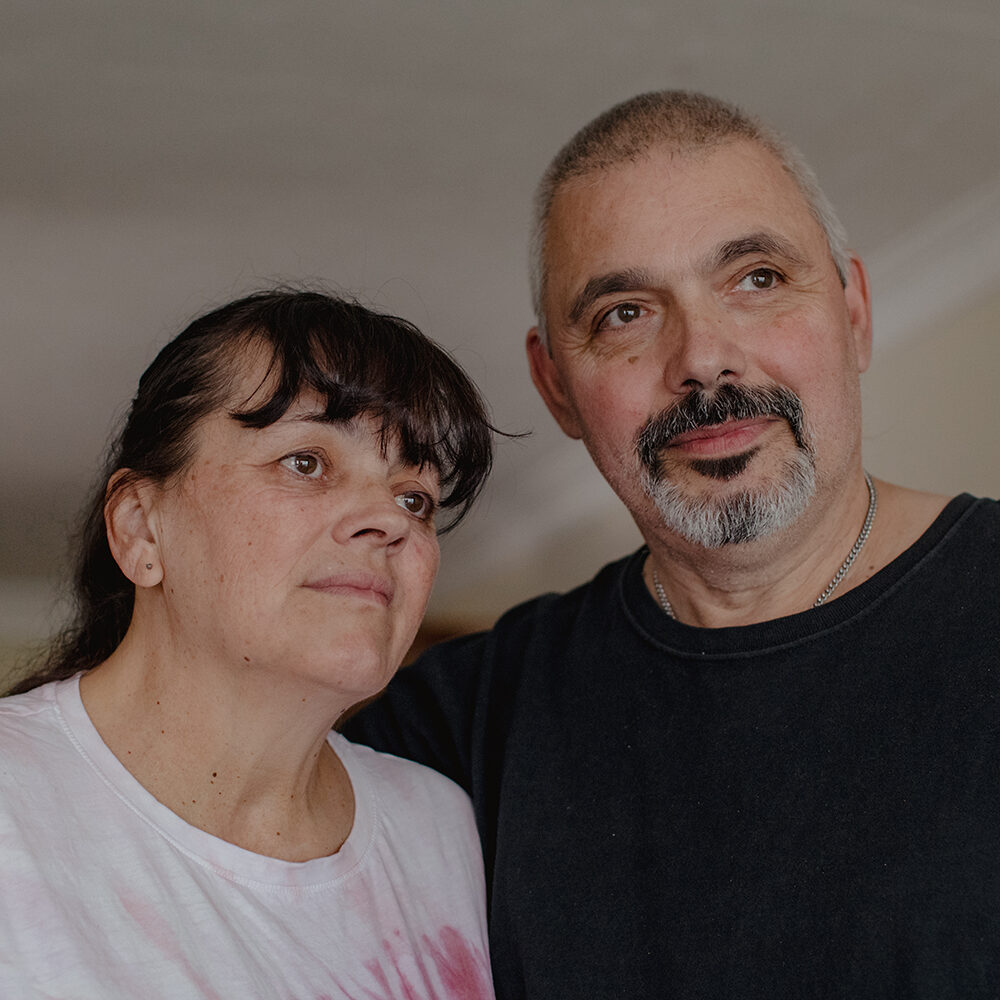
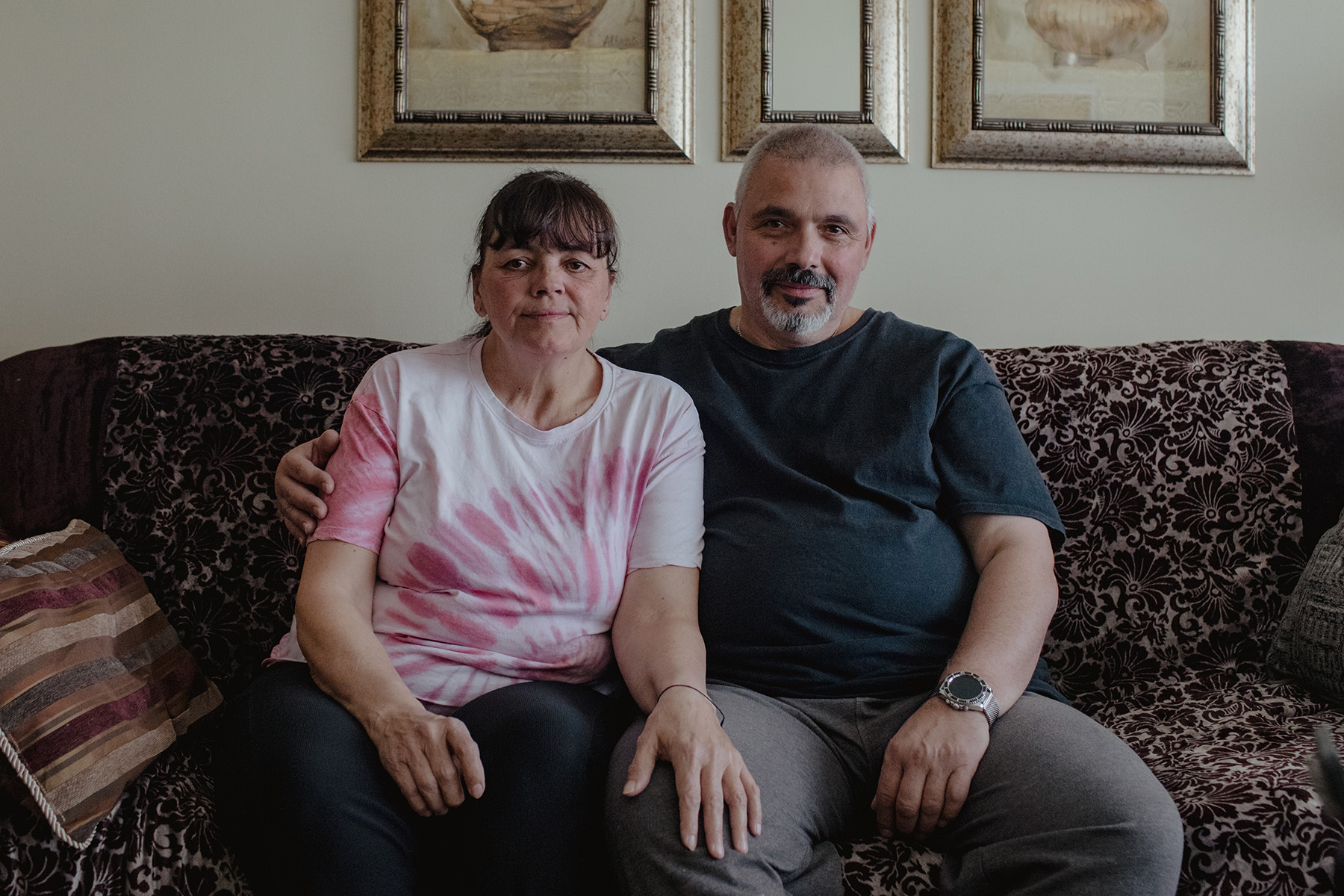
After her son Alex Grieco moved back in 1998, his life revolved around his mother’s care. Even at 90, Maria remained stubborn and fiercely independent, starting every day by feeding the birds and cleaning the moss-green carpet that covered the front room. “I’d be going to work in the winter time, it’s snowing, and she’d be out there with a shovel,” says Alex, now 62, burly and greying, with a soft-spoken voice. “She was the type of lady that—you can’t stop her, you know?”
But by 2020, it was clear she was losing her independence. She wanted to mow the lawn, but couldn’t pull the cord anymore. She started using a walker. Alex’s partner, Donna Bardy, who is trained as a personal support worker (PSW) and helped with Maria’s care, started noticing signs of dementia. The couple arranged for help at home a few times a week. Then early one morning, Maria fell in the living room, splitting her head open in a gash that needed 12 stitches. Alex and Donna could see that her care would take more than what they could offer at home.
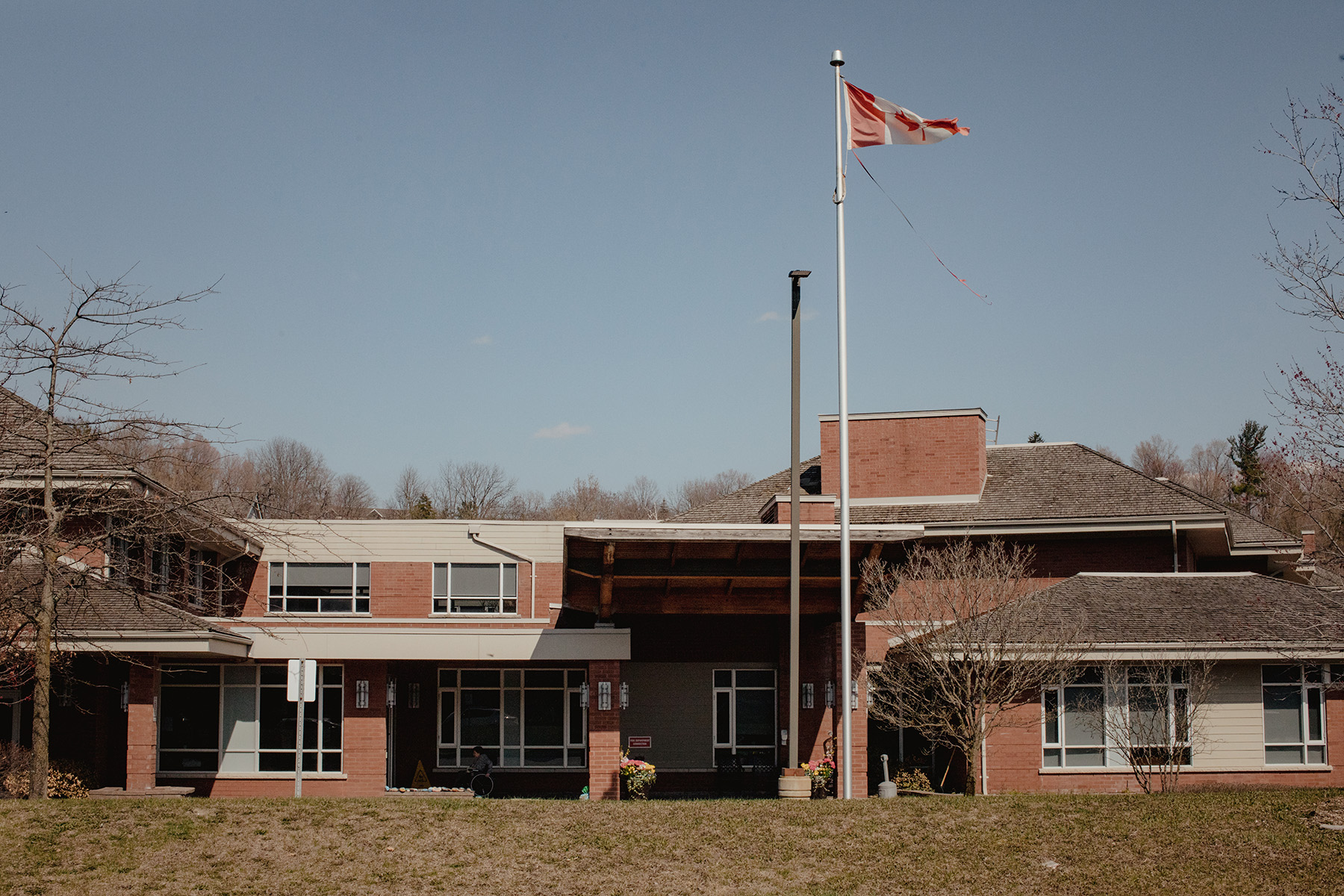
In the summer of 2024, Maria entered Villa Colombo Vaughan, a 160-bed non-profit long-term care home tucked into a forested area off Highway 27, south of Islington Avenue. The home is managed by UniversalCare Canada Inc. and owned by Villa Charities, which also owns Villa Colombo Home for the Aged, a North York long-term care home which, according to Ontario’s Attorney General, had one of the highest rates of COVID-19 cases in the first year of the pandemic. During that time, the North York home was put under Humber River Hospital’s management after the Ontario government determined it had inadequate infection control.
Maria only spoke Italian, and the draw of Villa Colombo Vaughan was that it was advertised as offering culturally specific care for Italian residents, including staff who spoke the language. But a month into Maria’s stay, the couple say they started to see what felt like gaps in care. They say most of the staff could not, in fact, communicate with her, leaving her without anyone who understood her for several hours a day. Then came two falls in rapid succession and a series of incidents that Alex and Donna say point to a pattern of mistreatment and neglect. “She went through a lot of torture,” Alex says. When speaking about particularly painful things, his eyes drift away to a spot above your head, and he speaks as if holding something back.
The couple began to intervene regularly and to complain with increasing urgency, first to the administrators, then to the Ministry of Long-Term Care. They meticulously documented everything, and asked for correspondence from the home in writing. Where grief and exhaustion turned Alex inward, the ordeal made Donna more herself—someone who rallies, who organizes dates and paperwork, and answers every message or email promptly, any time of day or night. If she believed Maria had received improper care one evening, Donna would be writing detailed emails about it to the Ministry of Long-Term Care and the home’s administrators the next day. The Local has seen footage and viewed documentation, including correspondence from the home, that corroborates many of the family’s accounts.
Then in July 2025, Donna and Alex received their first restriction from Villa Colombo Vaughan: the home’s administrators banned Alex from visiting Maria in the home for three days, citing concerns about his behaviour. The second restriction, this time against both of them, lasted three months without any explanation, the couple say. The third began in February 2026. Maria died the following month.
Each time, Alex and Donna allege, the restriction followed a major complaint from the couple regarding Maria’s treatment in the home. Villa Colombo Vaughan’s administrators, the couple says, weaponized its code of conduct and safety protocols regarding resident care to punish them for their complaints to the ministry.
Villa Colombo Vaughan declined to speak with The Local for this story, and did not respond to detailed questions about the family’s allegations.
Others have reported similar events at long-term care homes across the province. Five years on from the unanimous passing of a motion in the Ontario legislature to end the misuse of trespass and restriction policies by long-term care homes, advocates report that families are still being banned from seeing their loved ones in long-term care as punishment for complaining about resident treatment. The scale of the problem is unknowable: each case is siloed, and there’s no way to track everyone affected by restrictions. But the ensuing harm, advocates say, is tangible, with families afraid to complain about mistreatment by a home, and aging people forcefully kept apart from those they love during their final years of life.
About two months into Maria’s stay at Villa Colombo, Alex and Donna installed a surveillance camera in her room. They were concerned about issues Maria kept bringing up about her care, and wanted to see what was happening for themselves.
On the night of Maria’s first on-camera fall, a PSW set up a portable commode next to Maria’s bed after tucking her in. When the other PSW asked her about it, she said cheerfully, “In case we don’t get her.” Adding, “sometimes, she can balance.”
But Maria’s family say she was a known fall risk. Alex and Donna say they’d posted signs on the wall emphasizing the point. Not long before the fall, “we told them, ‘Listen, do us a favour,” Alex says. “‘Do not put anything by the bed. Do not put the commode. Do not put the wheelchair. Do not put nothing by the bed.” If Maria thought she could reach whatever was near the bed, they said, then she would take a chance, and she’d risk a fall.
That morning, Maria woke at 6 a.m. and moved in slow, unsteady steps to use the commode. She fell on her attempt to get back into bed, hitting the ground head-first. For five minutes, she screamed “aiuto, aiuto”—Italian for “help,” perhaps the word that passed Maria’s lips the most in the final year and a half of her life—but no one came. Alex and Donna say her room was within earshot of the nurse’s station in the hallway.
A PSW finally arrived and found Maria face-down and bleeding, unable to move herself. While the PSW waited another 12 minutes for a staff member qualified to move her, all she could do was try to reassure Maria in what appears to be the few Italian words she knew. “Ambulanza,” she said, struggling. Another PSW, left in the room with Maria for a few minutes, just stared wordlessly from the doorway while the elderly woman sobbed and reached a hand out to her.
Long-Term Care Tracker
Visit our Long-Term Care Tracker, a dashboard designed to help you better understand the quality of life inside every long-term care home in the province.
The next time Maria fell, less than a month later, video footage captured her calling out for nearly 15 minutes beforehand, asking for someone to help her go to the bathroom. The door of her room had been left open so staff could hear her. No one came until five minutes after she’d slipped off the bed and onto the floor.
The problems grew more frequent the following year: a lapse in hygiene confirmed by the home in March; footage of Maria being wheeled back to her room after a shower with her bare bottom exposed on multiple occasions in April, an indignity that infuriated Donna. The couple complained to staff at the home multiple times a week, and the relationship between the two parties deteriorated.
Alex, six-foot with a big build, has a tendency to raise his voice when he’s angry. An argument he had with workers at the home over his mom’s care in April 2025 led to a staff member calling the police. (No criminal charges were ever placed.) In a meeting about the incident, the home’s administrator said Alex had a history of “confrontational” behaviour, and cautioned him that “the staff felt frightened when Alex raised his voice,” and that the home had a zero-tolerance policy for such conduct.
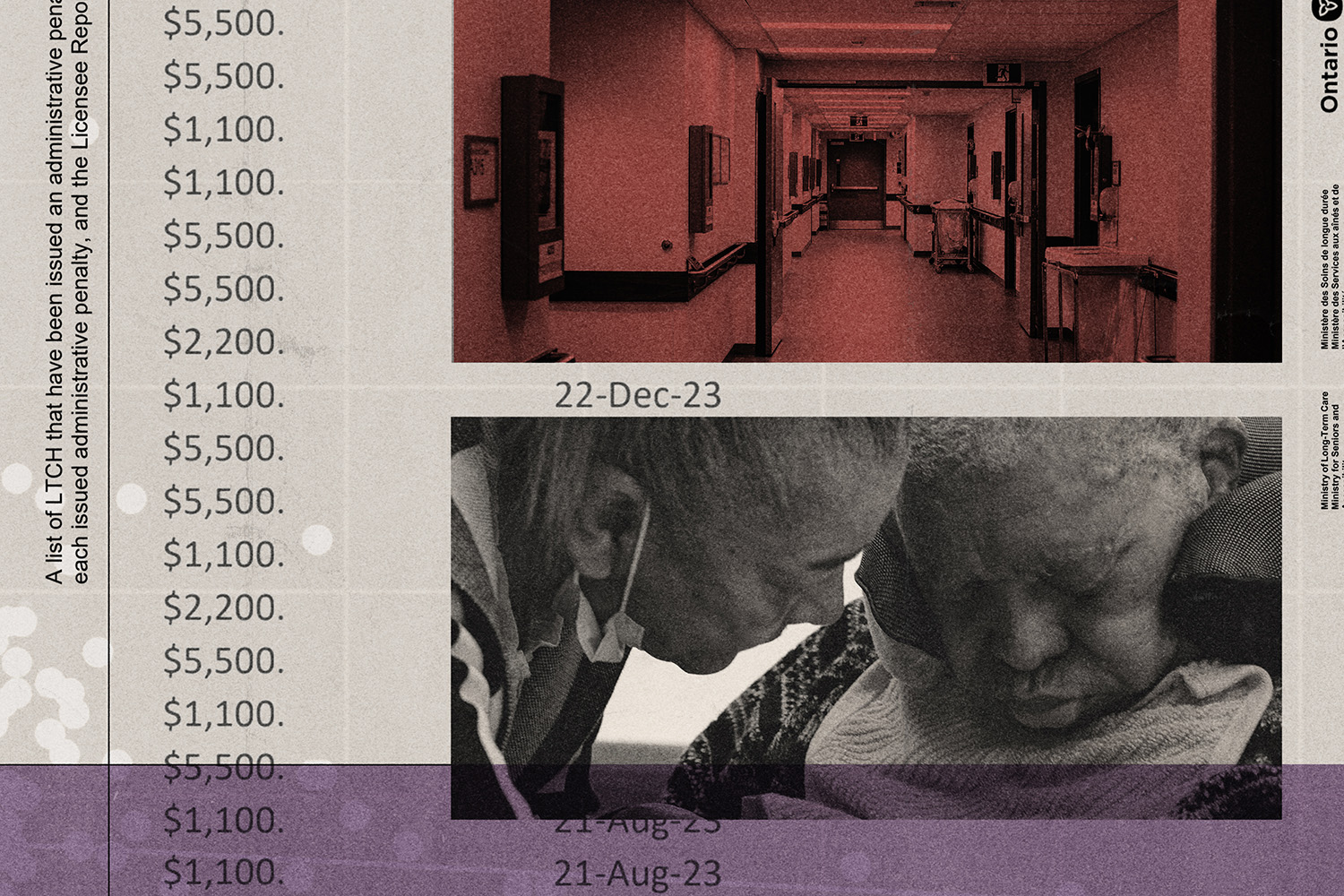
Donna’s first complaint to the Ministry of Long-Term Care was in May 2025. Many more followed. In 2025, Villa Colombo Vaughan received the fourth-highest number of non-compliance notices issued by the Ministry of Long-Term Care in the province, including for multiple failures to prevent falls, to adequately respond to a resident’s pain and discomfort during their care, and to meet their language needs, alongside write-ups about food safety standards and transporting residents while their body parts were exposed. While the reports are anonymized and cannot be tied to Maria’s experiences with certainty, some of their contents reflect the allegations raised by her family.
“As soon as you start advocating too strongly, then you’re a thorn in their side,” Donna says. “And they got to find a way to keep you out.”
The first ban, against Alex, came in July 2025. A staff member alleged that Alex had been shouting at his mother and trying to force her to eat. Alex and Donna deny this. They say he was speaking loudly because Maria was deaf in one ear, and that he’d tried in vain to encourage her to eat that day’s lunch. They allege, instead, that the complaint and subsequent restriction were retribution days after the pair had filed an extensive complaint about a PSW who they say provided consistently poor care to Maria, including mishandling her transfers from bed to wheelchair and back. (The home has been written up for transfer and positioning issues in multiple long-term care inspections.)
The first restriction ended after less than a week, following a meeting between the home and the couple. The next would stretch on for months.
In September, Alex had a disagreement with the home about the way Maria’s motion-sensing bed alarm system, meant to alert staff to falls, was set up. He claims it was frequently waking her up and sending her into distress. On Sept. 10, he received a letter from the home reprimanding him for his aggression during that conversation.
That same day, Donna took Maria to the hospital for a urologist appointment. While the two waited outside the hospital for a taxi back to the home, Donna says Maria tried to maneuver herself off the sidewalk, falling from her wheelchair, bruising her arms and needing two stitches for the cut on her forehead. Seeing her injuries, the home came down on the couple swiftly, as is their prerogative when staff believes a family may be harming a resident. In a letter to Alex, they also said he hadn’t “provided sufficient information” about the accident, “which has raised concerns”—but the couple say when Alex explained to the home that he hadn’t been present, and that Donna had, they did not follow up with her for details. On Sept. 12, Donna was banned from visiting Maria until an investigation had cleared them of abuse, and Alex was restricted to seeing his mom for just two hours a day, from 10 a.m. to noon, in the lobby of the home.
It is fair, standard practice for a home to restrict visiting rights during an investigation into injuries that took place under a family member’s care. But two weeks after the ban was instated, in a report reviewed by The Local, York Region police concluded there was nothing criminal about the incident, and closed their investigation. Despite this, Villa Colombo Vaughan kept the ban on Donna and restrictions on Alex in place for another 11 weeks, until Dec. 14, the two say. The home refused to provide an explanation for the extended restriction, saying only that they were still investigating, Alex and Donna say. The ban also affected Donna’s ability to work as a PSW and cost her thousands in lost wages, she says, because of her employer’s concerns that the ban implied she was unfit to care for a senior.
Join the thousands of Torontonians who've signed up for our free newsletter and get award-winning local journalism delivered to your inbox.
"*" indicates required fields
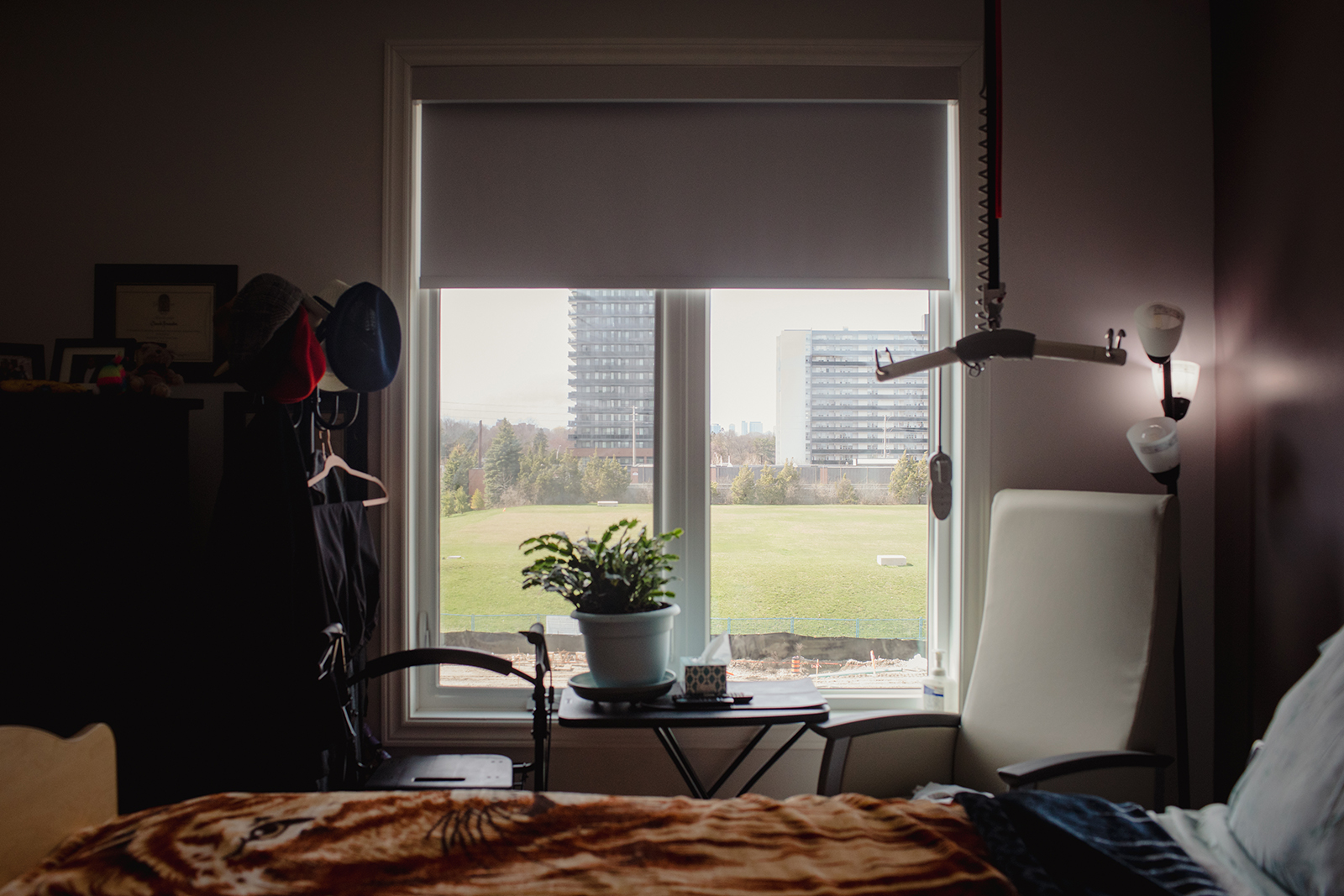
Until that point, Alex and Donna hadn’t known it was possible for a home to indefinitely ban family members from visiting residents, especially on what they viewed as arbitrary grounds. They were especially stunned that it could happen to family members who served as decision-makers for an elderly person who couldn’t even communicate with staff. Before the ban, Donna had been at the home a few times a week, and Alex nearly every day: he’d arrive around 9:30 or 10 a.m., visit his mother in her room, take her on a walk through the home, help her with lunch, then go to work as a truck driver until past midnight, getting home for a few hours of sleep before the cycle began anew. Suddenly, he could only see her two hours a day. The weeks of his restriction were the least amount of time he’d spent with his mom in years. Visiting the home under restricted conditions, Alex says, “you felt like you were going to a prison, to see an inmate.” Maria was confused about the sudden change in their routine and Donna’s disappearance from her life. “And you can’t explain to her because she doesn’t understand it…she started getting mad at me, because we weren’t doing anything.”
Maria’s health declined in her son and daughter-in-law’s absence. A medical report from October, a month into the restriction, showed significant, alarming weight loss in an already diminutive woman. Alex and Donna attribute it to the fact that they were no longer present in the home to help her eat every day at lunch. The pair also allege that staff in the home started keeping Maria out of her bedroom during waking hours, such that her care or activities couldn’t be monitored through the camera. To Alex and Donna, it felt like the home had given up on Maria. “Are you punishing me?” Alex used to wonder. “Because this is a human being who is 93 years old.”
Maria became increasingly irritable, fighting the PSWs and nurses on everything, swearing at them in Italian, attempting to swing all 90 pounds of herself in their direction to try and make her displeasure known in feeble kicks and punches. “She used to be a person that never swore. Always old school manners. And then she goes to this place and the language that came out of her mouth…” He trails off. It felt like more than just dementia: she never spoke cruelly to him, or Donna, or hospital staff—just when she was in distress at Villa Colombo. In any other world, “this would never have been my mother,” he says.
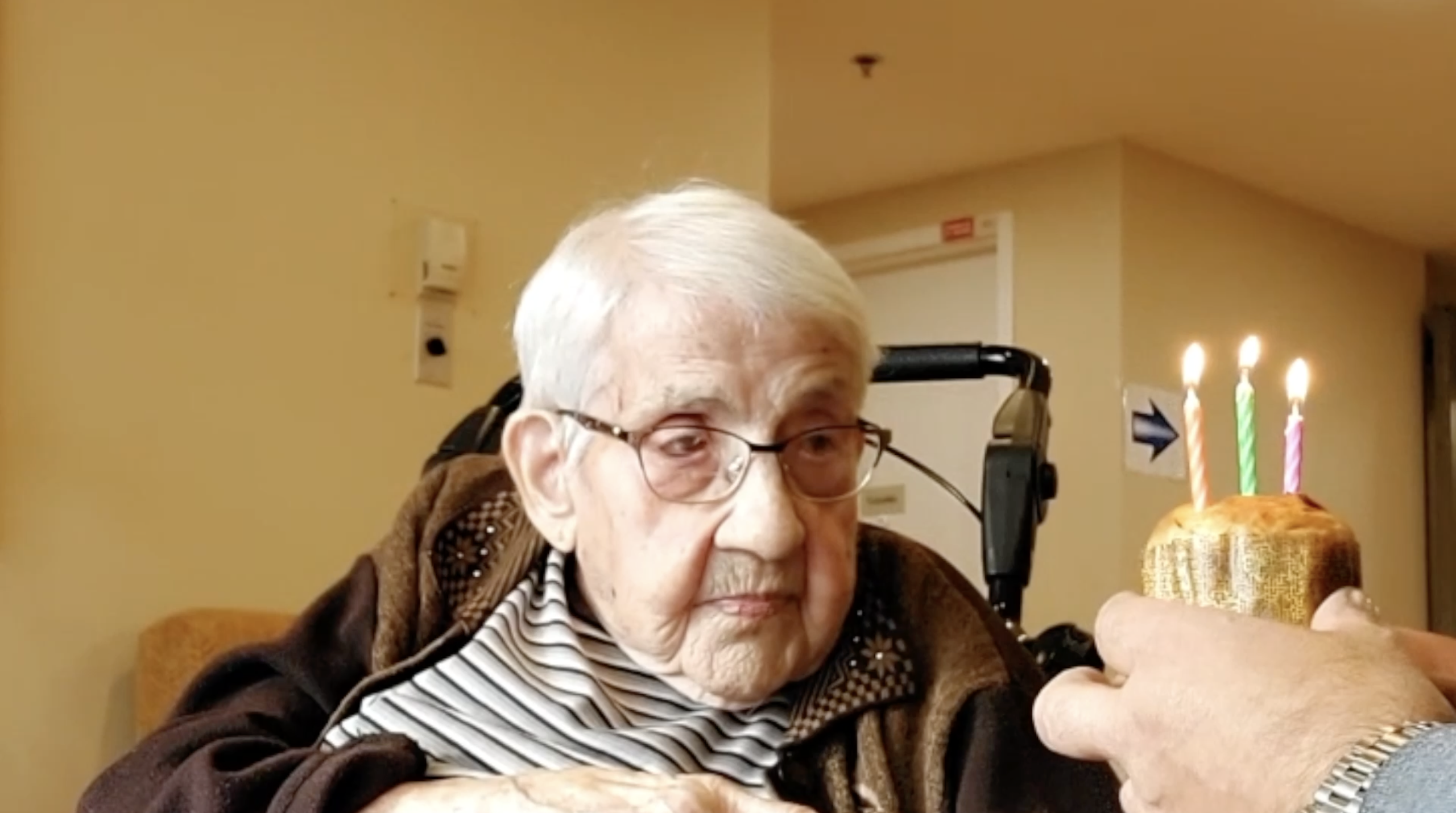
During this period, Maria told Alex, “You used to be fun.” The words still rattle around in Donna’s head. On Maria’s 93rd birthday, the mother and son had to celebrate in the hallway with a cupcake. Donna was not allowed to attend.
Caring for elderly residents in long-term care is difficult work. Overworked staff struggle to keep up with constant requests and concerns from families. Mistakes can happen. Emotions run high. It isn’t uncommon for the family members of residents in long-term care to become fixated on their loved one’s well-being in the home, to be hypervigilant, and to get angry when they see their loved one hurt or mistreated. The problem is, inevitably, cyclical: if you fear your family member isn’t being adequately cared for in a home, you’re more likely to become hyperaware of how staff are treating them, which makes you prone to pick up on more issues. Hostility between staff and families can feed into itself.
But experts in health care provision say that no matter how challenging the relationship with a resident’s family becomes, no matter how querulous they may be, it’s unthinkable to ban a long-term care resident from receiving visitors unless residents or staff are at risk of being harmed or abused.
“Protecting staff is important, yes, and you cannot have abusive people going into facilities,” says Ian DaSilva, chief operating officer of the Ontario Personal Support Worker Association and Canadian Support Workers Association. “[But] denying someone access to their family is akin to a prison. I am not convinced that they have the constitutional power to do this.”
He argues that it’s dangerous for staff or administrators to get to arbitrarily decide who is allowed into the home. If the home has concerns about a visitor’s effect on staff or resident safety, he says, the only reasonable step is to involve the proper authorities, including police.
Doris Grinspun, chief executive officer of the Registered Nurses’ Association of Ontario, recognizes how difficult work can be for staff in any long-term care setting, and especially in homes that are under-resourced. “But as staff, we are hopefully educated and trained to understand that there is no ‘demanding’ patient, family member, or resident,” she says. “There are people with needs that need to be responded to, and we need to find the best ways.”
For the families of some long-term care home residents, the toll of being prohibited from seeing your loved one can be more unbearable than the toll of caring for them at home. Carole Brisson-Balfour, a paralegal in her 60s living in Welland, Ont., opted to take her mother out of long-term care rather than endure a visitation ban. At home, Brisson-Balfour is caring for her 86-year-old father, a daughter with multiple sclerosis, and her husband, who has a stage four cancer diagnosis. “[But] I either don’t see her and it tortures her and me, or I take her out and figure it out on the way,” Brisson-Balfour says, beginning to cry. In some ways, she says, having the space and time to care for your elderly mother is a luxury. “I’m just a little exhausted.”
In 2018, Maria Sardelis began advocating for the rights of families of long-term care residents and people with disabilities living in congregate care following her own 300-day ban from seeing her mother in an Ottawa long-term care home. When Sardelis was removed from the LTC home, her mother, who had dementia, burst into tears. With Sardelis gone so long, her mother’s dementia somehow led her to believe her daughter was in prison. “She’d call me and she’d say, ‘Maria, Maria, are they feeding you?’” Sardelis says. When the ban was lifted and the two were finally reunited, her mother leaned over to her conspiratorially one afternoon and said, in her native Greek, “It’s just the two of us here. Now tell me, how did you escape?”
Who is Watching Over Ontario’s Most Vulnerable Seniors?
Exclusive analysis of more than 17,500 long-term care home inspection reports reveals a provincial inspection regime failing to meet its own accountability goals, with seniors who lack family advocates bearing the greatest burden.

Since she began advocating on the issue, Sardelis says she has heard from more than 120 families (after which she stopped counting). The Ontario Patient Ombudsman’s office, a government body that restricted families could complain to, says they deal with roughly 15 to 20 complaints about bans and restrictions in long-term care every year, though that represents only the families who pursued a complaint and knew who to turn to.
Sardelis worked to get Voula’s Law, a motion named after her mother, unanimously approved in the Ontario legislature in 2021. It was meant to prompt homes to end the misuse of restrictions and trespass notices as a punitive measure against families who raise concerns about the home. But the motion wasn’t legally binding: it was meant only to send a message to long-term care home operators that they should not be banning families unless there is legitimate cause for concern about the safety of residents or staff. The options to enforce the motion are limited. One path includes training police officers on how to respond when they’re called to a long-term care home over a restriction or ban. Another is to set a standard for visitors’ rights with the Ministry of Long-Term Care and the Patient Ombudsman’s office, to whom restricted family members might turn for help, but neither branch appears to have a firm public stance on the issue. Because there is no central authority responsible for tracking and making decisions on bans and restrictions, the result of every individual case depends on the choices of the banned loved one, the home, and the police officers, inspectors, or judges they may encounter in the process.
Long-term care homes argue that, as private property, they have a right to issue trespass notices against visitors. But NDP shadow minister for seniors and accessibility Lise Vaugeois argues that to ban visitors from long-term care without just cause is to violate the Residents’ Bill of Rights in the 2021 Fixing Long-Term Care Act, the governing legislation for the sector. “Every resident has the right to communicate in confidence, receive visitors of their choice and consult in private with any person without interference,” the act reads.
“I don’t assume that everybody has fantastic social skills, or that if you go into a room and you see your parent and they’ve been sitting in soiled diapers for hours, that you don’t lose your temper,” says Vaugeois. “[But] those things are not against the law.”
“Home managers use [restrictions] as a tactic, as a strategy, to keep people from complaining,” says Vaugeois. The result, she says, is an atmosphere of fear that keeps people quiet about their concerns with a given home’s operations.
There has been some progress on the issue in recent years, says Vaugeois. Newly trained police officers in some jurisdictions are being apprised of what a home reasonably can and cannot do—when a trespass notice or ban should be enforced, versus when a visitor has a right to see their loved one. This equips them to better respond to trespass calls. But existing officers don’t get the same training, and there appears to be no political will among the provincial government to address the issue. “I’ve been asking for three years,” says Vaugeois. “I’ve been writing letters to the ministers for three years. I’ve raised it in question period again and again over three years and nothing. We’re still dealing with the same problem.”
The only pathway available to a family member who has been banned or restricted from visiting their loved one in LTC, Sardelis suggests, is to flout the ban and see if the home or the police will actually follow through on their threats. In all the cases she knows of where family members have been ticketed by police for setting foot in homes from which they’re restricted, no criminal charges have ever been laid, and no case prosecuted. In truth, she wishes a single case would make it to court—to set a precedent that could help finally bring some clarity to the rights of residents and their families.
Local Journalism Matters.
We're able to produce impactful, award-winning journalism thanks to the generous support of readers. By supporting The Local, you're contributing to a new kind of journalism—in-depth, non-profit, from corners of the GTA too often overlooked.
SupportThe third time Villa Colombo restricted Alex and banned Donna from seeing Maria was in February 2026. In a letter to the couple, the home wrote that the restriction was pending the outcome of an investigation into a “number of complaints” about Alex and Donna’s behaviour at the home—they didn’t specify a particular incident that had led to the decision. But just a week beforehand, Alex and Donna had complained after workers at the home tried to place a catheter for Maria multiple times in the same day, causing her pain and distress. The couple allege she had been held down despite refusing the procedure, and that for the next three days, she repeated the details of the experience to Alex over and over again, distraught. (The Local has seen footage of the incidents.) He and Donna asked the home repeatedly for the names of the nurses who’d been present during the procedure, including in the days before they were banned, because they intended to make a complaint to the College of Nurses of Ontario.
Alex defied the restriction the day after he received the letter, visiting his mother in the morning. He was worried about Maria’s ability to eat without him. “I really didn’t believe that they would be able to stop me from seeing her, and helping her the way I usually do,” he says. In camera footage from Maria’s room, the home’s administrator, Anna Maria Urbanowicz, arrives to talk to Alex, reminding him that he’s been restricted from the home. Maria sits next to him in her wheelchair, small and quiet. “If you have to, call the police,” says Alex. “I’m here with my mother. I haven’t done anything. If you have evidence, just show me.”
That was on Feb. 13. On the 26th, Alex sent an email to the home. Maria’s health had been poor, and she’d just returned from a stay in the hospital for pneumonia. “This is an especially sensitive time, and my mother needs us more than ever,” Alex wrote. He asked for the restriction, and Donna’s ban, to be lifted. In response, the next day the home wrote that in “compassionate consideration” Alex would now be permitted, during his restricted two-hour window, to visit Maria in her bedroom. Donna remained banned.
The reply felt anything but compassionate to the pair—it stunned and infuriated them. They knew that Maria was likely in her final few weeks. Donna, aware of the possibility that she’d never see Maria again, said goodbye to her at the hospital, telling her that she loved her and would miss her, that Alex would be taken care of, that they’d meet again someday. Donna is usually an open book—this is the only memory of Maria she struggles to talk about.
Maria re-entered the hospital on March 1 with heart trouble. The next day, after a conversation with a geriatric specialist, they entered her into palliative care. Alex and Donna got to spend every day with her. It felt, Donna says, like they had to take turns remembering how to breathe. Maria died on March 8.
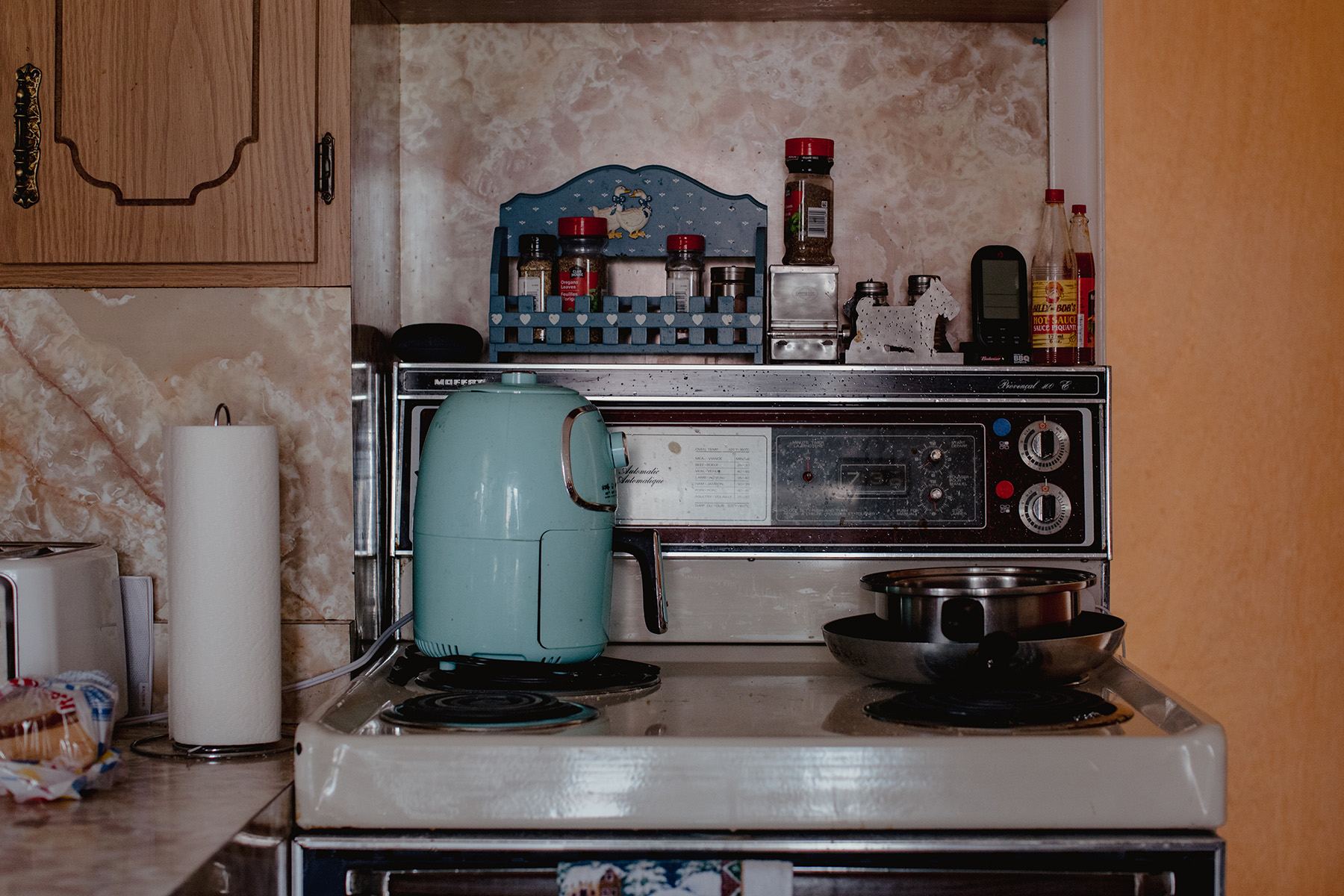
Today, in the house with the moss-green carpet and the untouched back bedroom, Donna and Alex are figuring out how to move forward, now that the woman at the centre of their world is gone. On Alex’s laptop, he has hundreds of hours of security footage of Maria. Proof of how she was treated, but also moments of joy, like the time she spontaneously started singing along to an Italian song he was playing for her. The first night after Maria died, when Donna went to bed, she could hear Alex in the living room, playing videos of his mother.

Alex and Donna are still pursuing their outstanding complaints about what Maria experienced, and about the bans and restrictions. On May 19, the College of Nurses confirmed that they’d be investigating the catheter incident. The couple also occasionally speaks with inspectors from the Ministry of Long-Term Care about concerns they’d voiced months ago. They have little hope that it’ll go anywhere, but they’re driven to try something, anything, to see that no one else has to go through what they did.
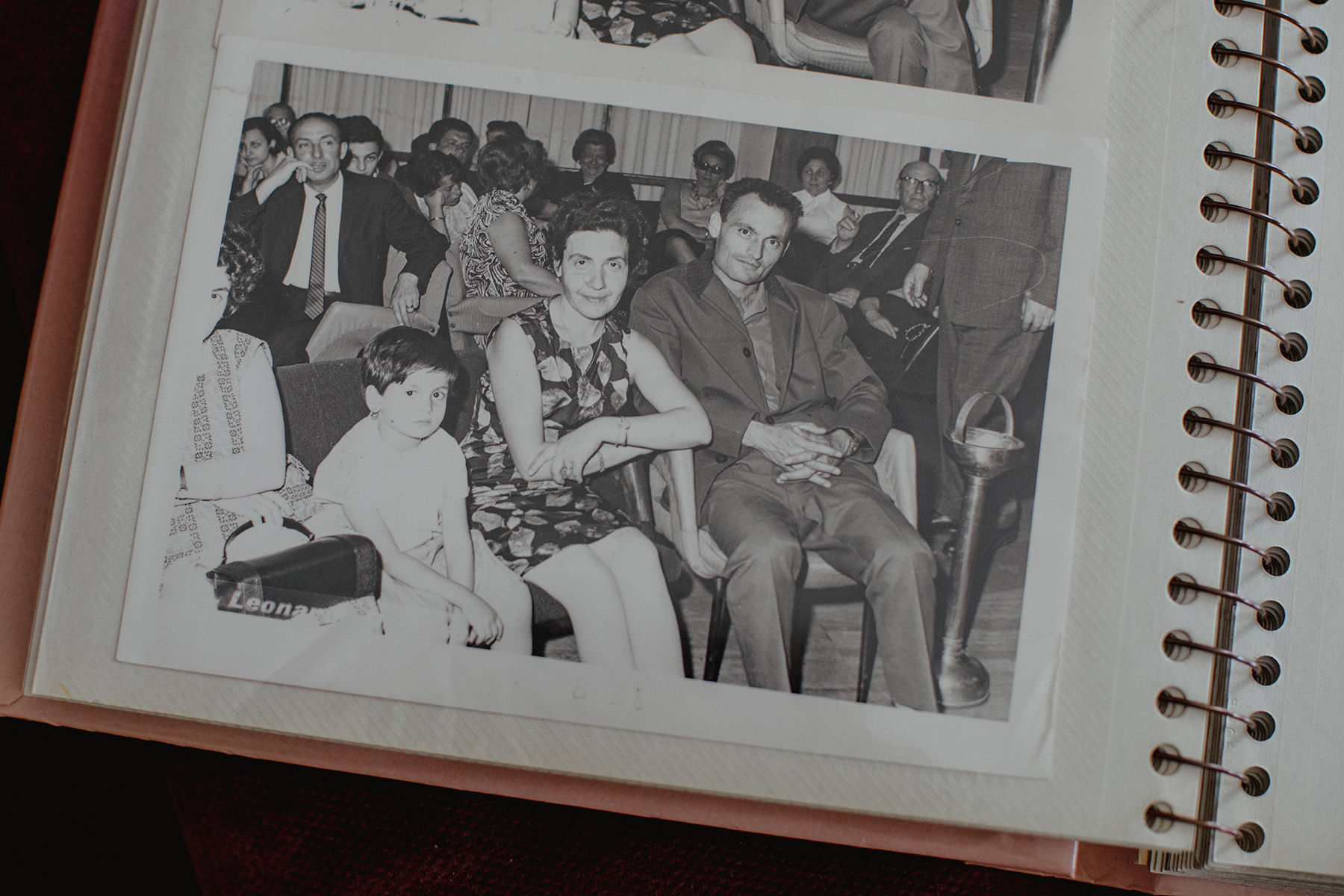
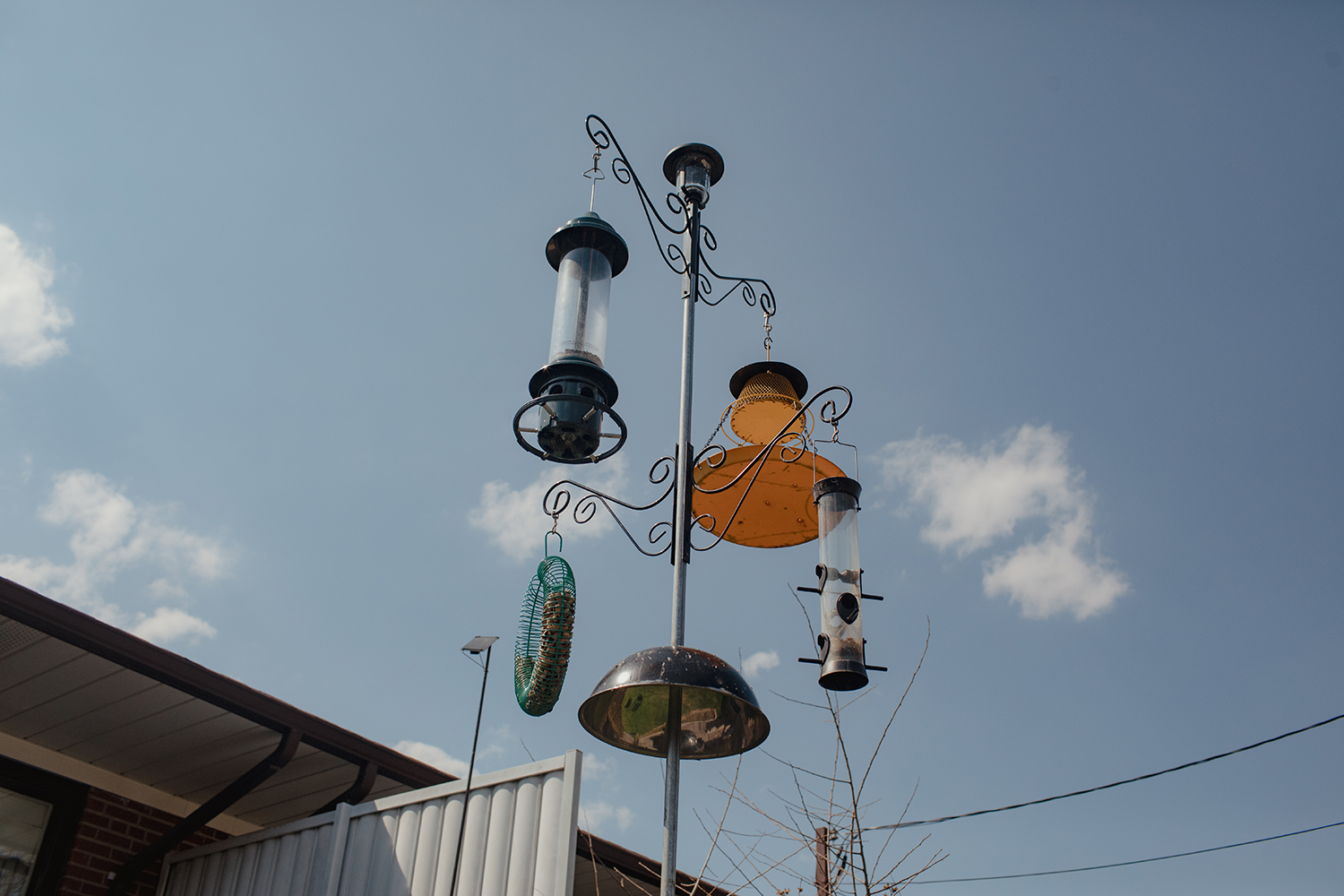
They’re also trying to find some semblance of normal. Inside the house, Maria’s photos are still up on the wall and in photo albums—a snapshot of her in her twenties stretched out on a little boat in Italy, a picture of the three of them at Villa Colombo before Maria’s condition worsened. In time, perhaps the box of her paperwork sitting in the front room will be tucked into storage somewhere. Her bedroom will change, though Alex doesn’t yet know what he’s going to do with it. Outside, in the early summer air, sparrows swoop down to perch at Maria’s birdfeeders.
___
The Inspecting Long-Term Care issue was supported with funding from the Data-Driven Reporting Project. The Data-Driven Reporting Project is funded by the Google News Initiative in partnership with Northwestern University | Medill.
More from this issue

The Ford Government Just Deleted Thousands of Long-Term Care Reports. Here They Are.
The provincial government has eliminated access to long-term care home inspection reports from before 2023. We have over 10,000 of those reports, and are restoring access to the public.

These Seniors Homes Were Fined for Their Failures. The Province Let Them Expand Anyway.
New analysis of government data shows that nearly a third of long-term care companies approved to expand or renew their operations by the Ministry of Long-Term Care were also fined for failing to meet provincial care standards.
Inspection Results for Every Long-Term Care Home in Ontario
Use The Local’s exclusive dashboard to look up fines, violations, and care quality metrics for the province’s more than 600 long-term care homes.
Who is Watching Over Ontario’s Most Vulnerable Seniors?
Exclusive analysis of more than 17,500 long-term care home inspection reports reveals a provincial inspection regime failing to meet its own accountability goals, with seniors who lack family advocates bearing the greatest burden.
How The Local Analyzed 17,500 Long-Term Care Reports to Understand the State of Provincial Inspections
Every year, thousands of inspections capture failures to meet provincial standards in long-term care. No one has ever tried to quantify the results of those inspections—until now.