




Let’s talk, for a brief moment, about cataract surgeries.
These are boring, everyday procedures—hundreds of them are performed in Ontario each day, about 150,000 a year. But in the fog of arguments and counterarguments about health care delivery in this province, the recent history of cataract surgeries offers some clarity.
In recent years, the Ford government has touted a series of changes that have brought more publicly funded procedures into private, for-profit clinics, with the stated goal of reducing wait times. Critics, meanwhile, warn of the “Americanization” of our health care, of creeping privatization, and of the beginning of the end of universal care.
With cataract surgeries, those arguments are not theoretical. In 2020, facing a backlog of surgeries, the Ontario government began pushing some of the province’s publicly funded cataract surgeries into private, for-profit clinics. What happened next?
Alison Motluk, a veteran magazine writer who has won multiple national awards for her health care reporting, dove into the evidence in her latest story for The Local. Sifting through auditor general’s reports and studies, interviewing advocates and patients, she provides the most comprehensive look yet at a specific corner of the health care industry that could be a harbinger of bigger things to come.
Her conclusions are unequivocal. “Ford’s cash transfer did not improve access to cataract surgery for Ontarians overall—only the richest Ontarians got improved access to cataract care,” she writes.
The story is the lead piece in our newest Issue, “The Cost of Care.” Starting today, and rolling out through February, we’ll tell stories from the places where money and health collide in the year 2026. We’ll look into the world of dermatology—where profitable cosmetic procedures coexist uneasily with life-saving treatments. We’ll dive into the pharmaceutical industry, covering corporate giants like Shoppers Drug Mart as well as a booming new crop of online start-ups in a race to deliver erectile dysfunction and hair treatment drugs to your doorstep. We’ll hear from young doctors forced to learn how to use a credit card machine for the first time, and cancer patients struggling with the financial burden that comes with a diagnosis.
The “Cost of Care” issue is about the places at the edge of the health care system where entrepreneurs and corporate Canada have set up shop. And it’s about the inevitable trade-offs that happen when a patient is also a customer.
More from this issue

Health811 Promises 24/7 Health Advice—If You Can Wait
Data obtained through freedom of information requests show wait times have increased dramatically since Health811 replaced Telehealth Ontario, peaking at a monthly average of more than 11 hours.

When Your Dermatologist Becomes a Salesperson
Getting a mole checked can takes months, but Botox appointments are readily available. Why dermatologists say their practice is the canary in the coal mine for privatized care.
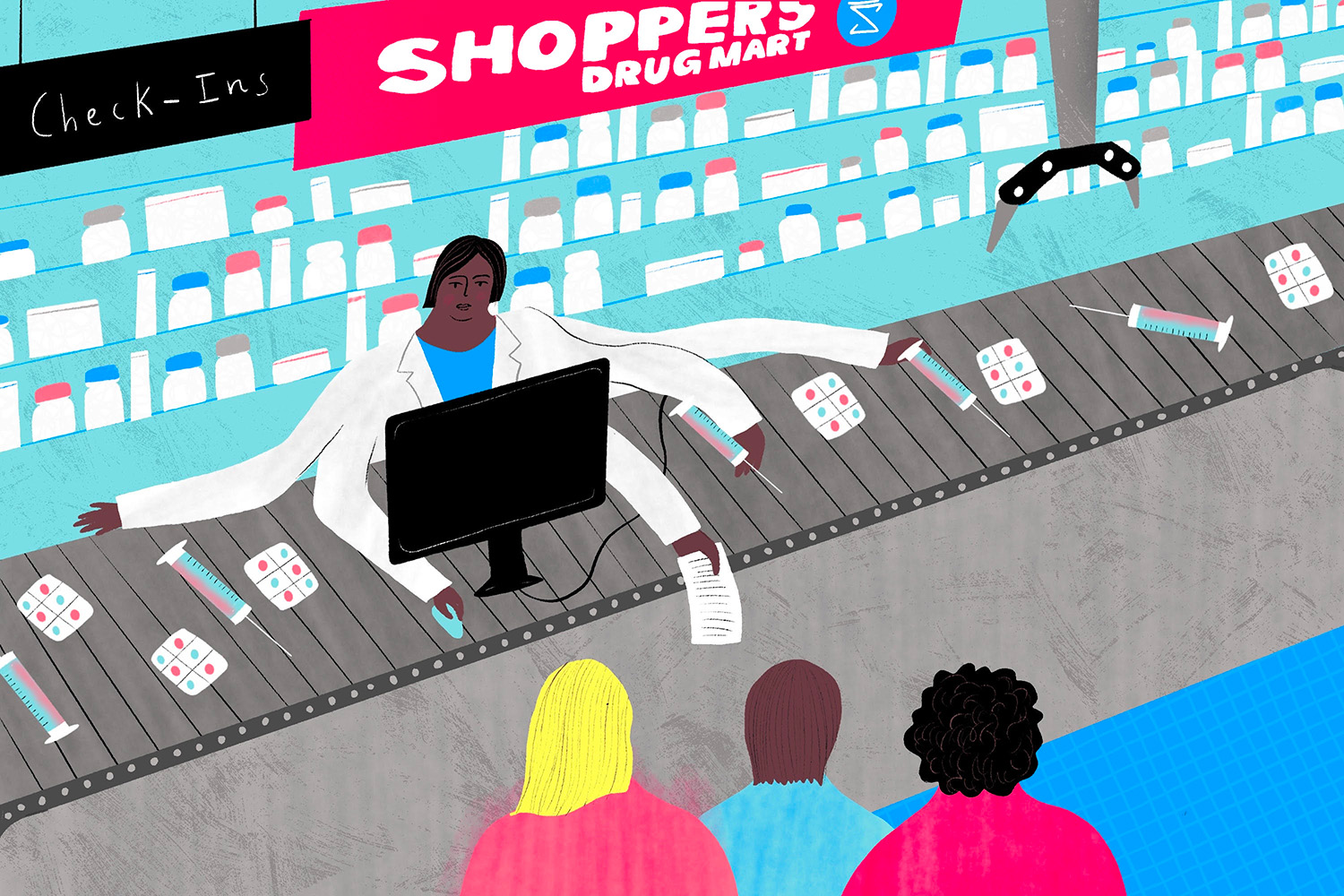
How Ontario’s Corporate Pharmacies Are Burning Out Their Pharmacists
At corporate pharmacies like Shoppers Drug Mart, pharmacists say they face overwhelming pressure from their parent companies to perform medically unnecessary tasks in the interest of profit.

Inside the Booming Industry Selling Lifestyle Drugs Online
From erectile dysfunction medicine to hair loss treatment to weight loss drugs—a thriving online market has emerged to seamlessly deliver drugs straight to your door. But what happens when prescriptions meet profit incentives?
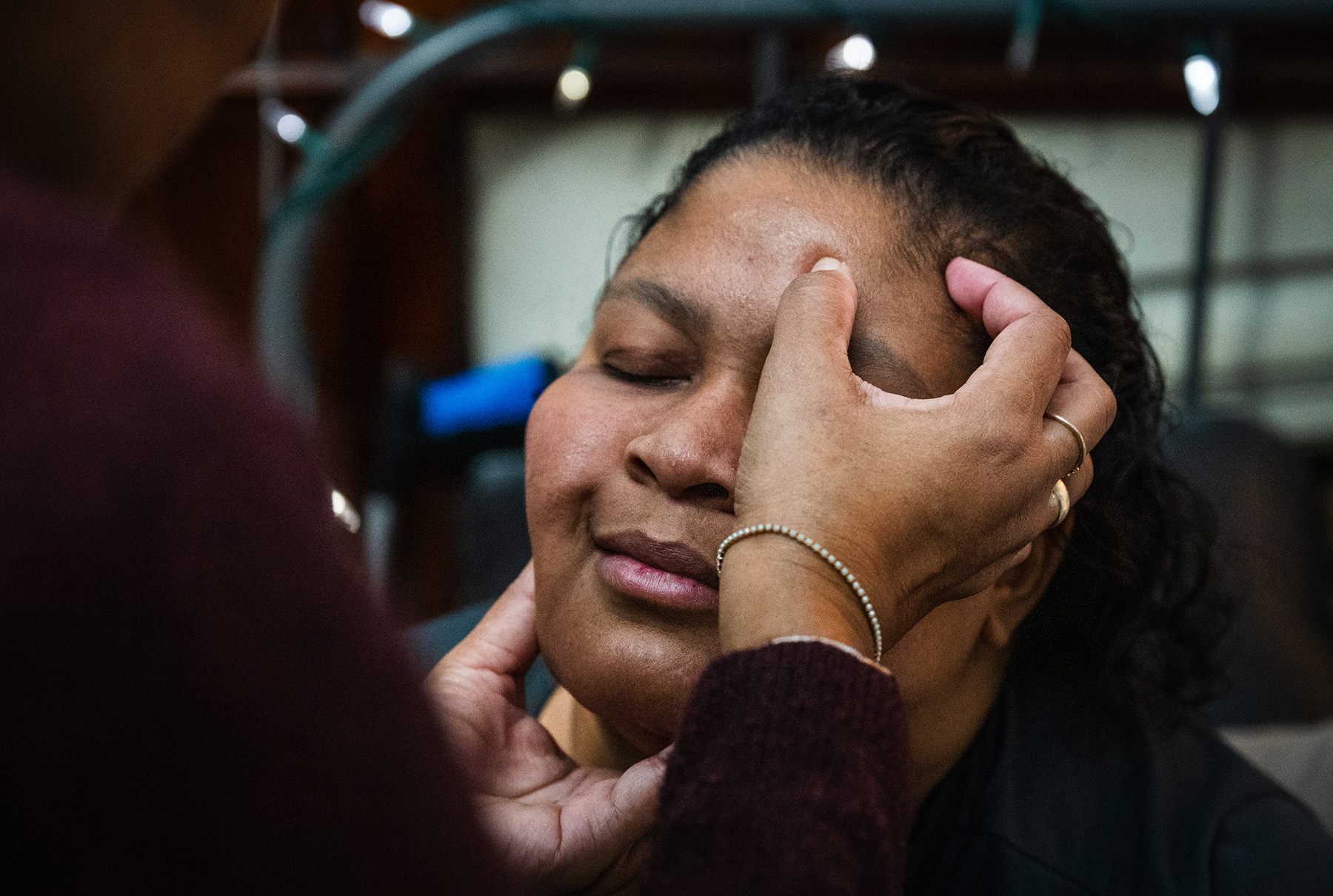
Saving Rhea Seegobin
For the growing number of Canadians who will get cancer in their lifetimes, the financial stress can be profound. But despite her terminal diagnosis, with the support of her community, Rhea is determined to live well.

And How Will You Be Paying for Your Baby Today?
When I first came to the pediatrics unit as an idealistic medical student, I ran into an uncomfortable reality about our universal health-care system.

How Privatized Cataract Surgery Helped Ontario’s Wealthiest—and Left Others Behind
Why a routine surgery offers a window into the possible future of care in this province.