

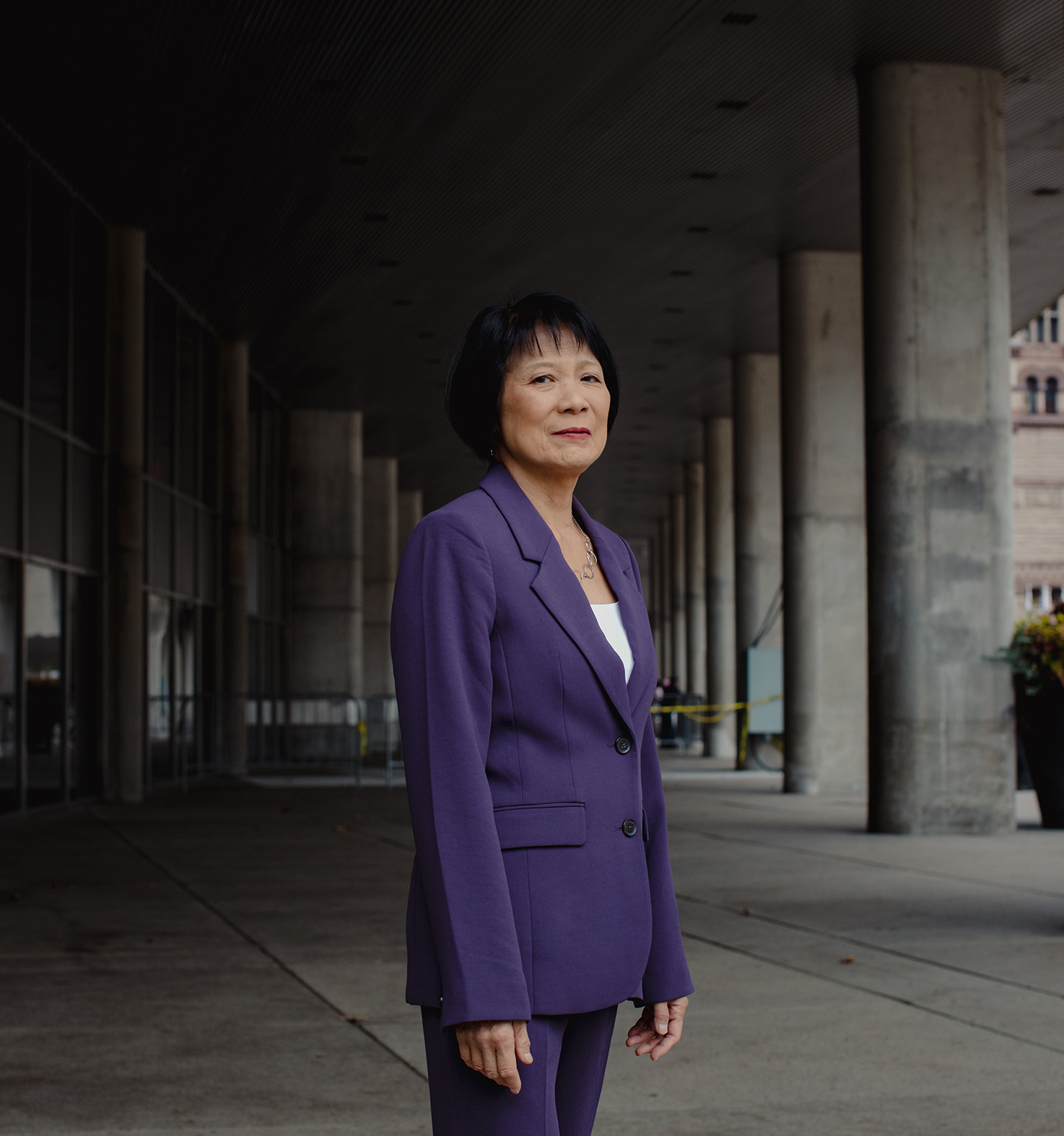
July 15, 2026, is the kind of day on which riding the exposed section of Line 2 across the Bloor Viaduct feels like creeping through a red-orange cloud, and blasting out of the tunnel in Scarborough feels like landing on Mars. Smoke from out-of-control wildfires in Northern Ontario has finally made its way to Toronto, and there’s only so much that we, here, can do about the choking ochre tide.
On the platform at Kennedy station, tucked safely below ground, Mayor Olivia Chow tells gathered news cameras that the City is standing by to assist evacuees arriving from affected First Nations and that it’s opened a half dozen “Cleaner Air Spaces” in which residents can seek relief.
But that’s just the preface to a presser that has actually been called to announce the winner of a contract to install a new signalling system on the Bloor-Danforth subway.
“Hitachi’s state-of-the-art technology is running trains in New York, Singapore, and London, and now, it’s coming to Toronto,” Chow says. “I am excited.”
There’s no doubt it’s good news: the upgrade will allow trains on Line 2 to run more closely together, shortening wait times and increasing capacity. But, as is not-infrequently the case with this part of the mayor’s job—the part that sees her delivering scripted remarks from a mobile teleprompter—in telling us she’s excited, Chow can sound like she’s trying to convince herself.
The plan is for the new signalling system to be fully operational by 2037. But what does it mean to move methodically in a welcome direction when the world feels, and smells, like it’s on fire today?
It’s the first time I’ve seen Chow in person in a while, and she asks how I liked a journalism fellowship I’d done.
It was fantastic, I say. “How’s being mayor?”
A pause.
“…Fantastic!”
Join the thousands of readers who've signed up for our free newsletter and get award-winning local journalism delivered to your inbox.
"*" indicates required fields
Due to a series of constitutional and legislative quirks, the job Chow holds is a singularly strange one.
On the one hand, you can only get it by earning more votes than any other individual politician in Canada. On the other hand, the country’s Constitution puts Toronto, like all other municipalities, at the full mercy of its province; the city only exists because the provincial legislature says it does, and can govern its own affairs just to the extent the legislature allows it. So when, as is currently the case, you have a premier with very strong ideas about how certain aspects of the city should be, there can be an almost comical mismatch between a mayor’s political capital and a mayor’s political power. The goal of the job is to try to bridge them.
As Torontonians weigh whether to give her a second term, the question on the minds of many is surely: Has Olivia Chow been an effective mayor?
But after spending the summer following her around the city on an extensive (and mostly pre-campaign) tour of announcements, appearances, press conferences, and council meetings, I’ve found myself considering a more elemental one: In the political context we have now, what does being an effective mayor even mean?

The morning of Friday, July 24, sees the grand opening of the new, western portion of Biidaasige Park in the Port Lands, with a New Orleans–style brass ensemble leading a procession of dignitaries waving blue and white ribbons.
The park is almost staggering, utopian even, in a way new things in Toronto seldom are.
The site is a former wasteland at the mouth of the Don River that’s been re-naturalized and reclaimed—not just from its industrial past but also from its alternate futures, including as home to a Ferris wheel and mega-mall (pushed by then-Toronto councillor Doug Ford, circa 2011) or an expansive corporate campus (pushed by Google, circa 2019).
The hour of speeches, from representatives of all levels of government, is regularly punctuated by the whir of turboprops descending to Billy Bishop airport three kilometres away—a persistent reminder of the battle for the waterfront that is, as of this morning, still being waged.
Having written the City out of the decision-making process, Ford still requires the consent of the federal government for his airport-expansion plans to go ahead. Yet while Ontario’s premier is pointedly indifferent to the concerns of expansion opponents, Toronto’s Liberal members of Parliament are more susceptible to pressure, and that’s where the NoJetsTO campaign, supported by council, targets its efforts.
So when Mayor Chow tells the crowd about how Biidaasige Park is the culmination of a citizen push to “bring back the Don” that emerged from a public meeting in 1989, she is talking as much about the present as the past. There is power, Chow affirms, when ordinary people come together to create change.
“Once you have a vision, when you work hard at it, when you believe in it: things can happen.”
Of course, things can also happen because the federal government has a razor-thin majority in the House of Commons and would value a victory in an impending Toronto by-election.
Maybe this push and pull, between cynicism and a belief in the power of collective action, is always a part of politics. Maybe, in practice, it’s the essence of representative democracy?
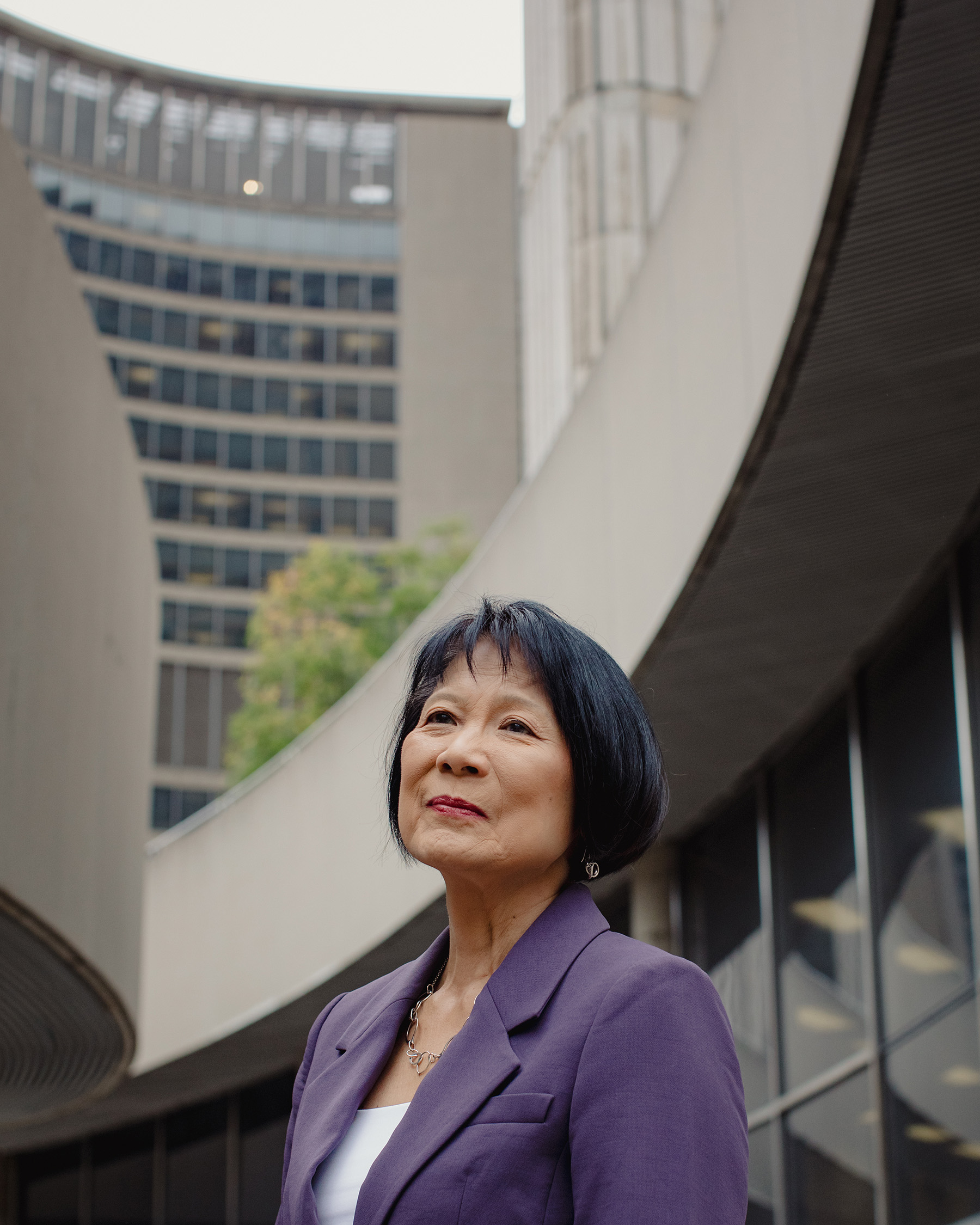
When the federal transport minister announces that evening that, contrary to earlier signals, his government won’t allow an expansion of Billy Bishop to proceed, it largely catches the City off guard.
Chow tells me she got a heads up, via her staff, less than an hour beforehand.
Deputy Mayor Ausma Malik, the councillor for the ward that includes the airport and central waterfront, got a call at home. She describes a “very emotional” moment, overcome with pride in both the “community-driven fight” and how council had supported it, leveraging the City’s resources to produce reports on the effects of an expanded airport.
It’s certainly the case that in rejecting the expansion, the federal government pointed to the overwhelming opposition evident in the responses to its public consultation.
But even as I watch hundreds of jubilant Torontonians parade along Queen’s Quay later that weekend in a NoJetsTO victory rally, I find it hard to shake the feeling that the federal government’s decision was one made well above the heads of anyone in attendance, even the mayor of Toronto.
Amidst the placards reading “Save Our Waterfront” and a flotilla of supportive kayaks and sailboats, it strikes me that the relationship that Toronto City Hall has with the federal and provincial governments is akin to the relationship that citizens have with all governments: that you can advocate and organize and try to create the conditions for a favourable outcome, but someone else is going to make the ultimate call.
What does it mean to move methodically in a welcome direction when the world feels, and smells, like it’s on fire today?
A couple of weeks later, in an interview at her office, I put this to Chow, asking what she thinks it means to be an effective mayor at a time when other governments, especially Ford’s, make known that they’re going to do what they want, and, constitutionally, that’s the end of it.
She’s on a couch perpendicular to the chair on which I’m sitting, and throughout our conversation, I gradually pull closer, nervous my recorder might not capture her soft-spokenness.
“I think your question,” she says, “is, ‘How do you operate, when not everything is under your control?’”
On the wall above her is a watercolour, nearly the width of the couch, depicting a glacier range in New Zealand.
“But life is like that,” she laughs. “Life is uncertain and unpredictable. And you keep the channel of communication open. Meaning no surprises; we check. And there are things that we won’t necessarily agree with.”
She cites the issue of speed cameras, the traffic-safety tool typically found in school zones that Ford dismissed as a “cash grab” and consequently sought to ban.
Chow rhymes off some of the ways the City attempted to put pressure on the province, including by holding press conferences with people who lost loved ones to speeding, by presenting research from SickKids showing the cameras’ effectiveness, and by holding an emergency “School Zone Safety Summit” at city hall.
What she describes, essentially, is an advocacy campaign.
“We were all doing different things to try to save these cameras, and that didn’t work.”
Last fall, the province revoked the legal authority for municipalities to deploy them, and Toronto had to remove the 150 it installed. (There’s evidence that speeding has since increased in those areas.)
When dealing with the province on a given issue, Chow says, “Maybe there is some listening, maybe there isn’t, but you just keep trying.”
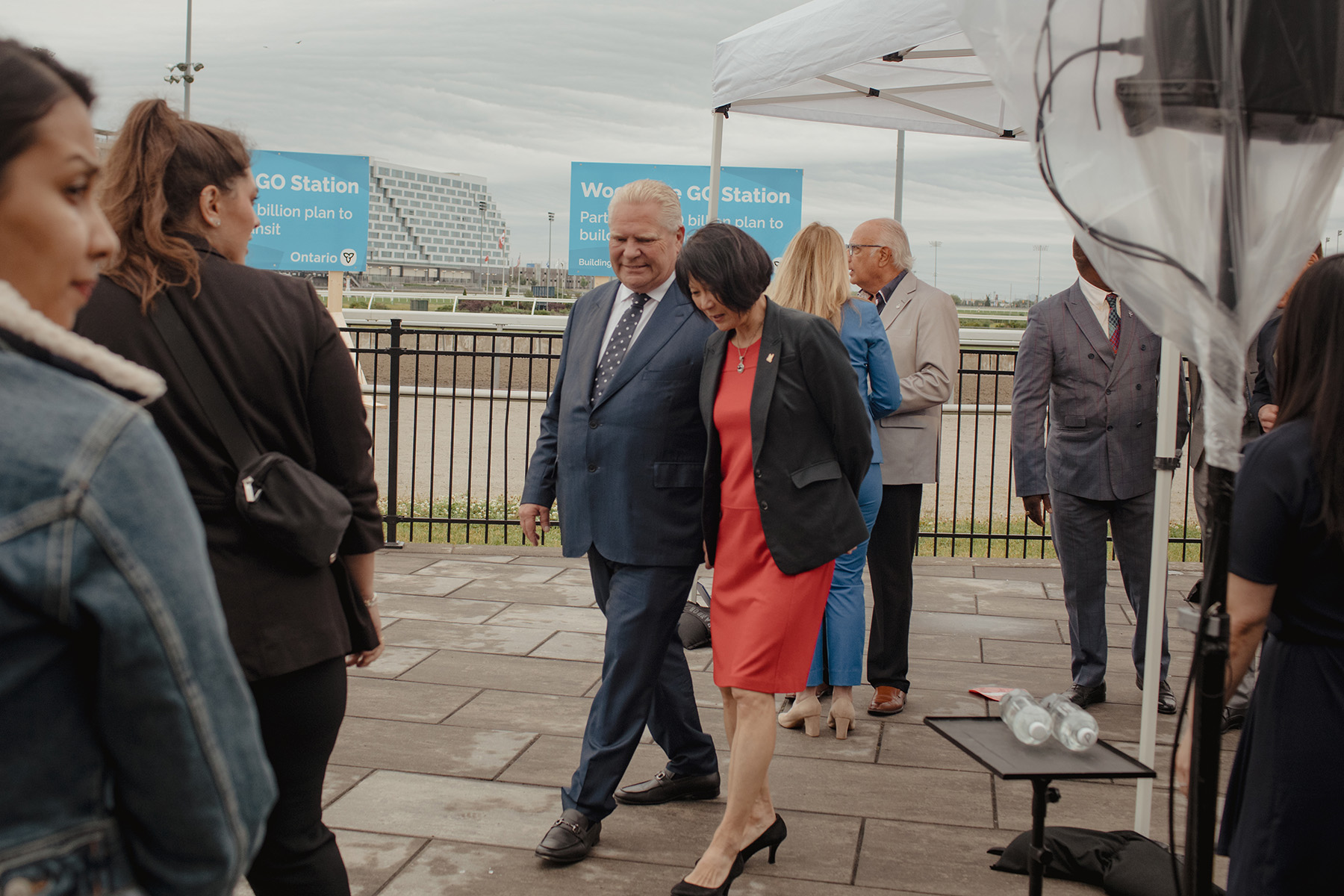
It’s the kind of perspective you get from a life of organizing, from running campaigns not just for a political office or from a political office, but outside a political office. Not only might you lose—you might lose more often than not, and it takes an existential degree of forbearance to keep your cool so as not to burn out.
The bulk of Doug Ford’s pre-political experience was in the corporate world (or at least from running a business), where the person at the top may be unaccustomed to pushback, or can often just override it when it comes. Chow’s predecessor, John Tory, came from a similar sort of background, and his relationship with the premier was far testier than hers, the head-butting more blunt.
There’s a kind of patience, however, that comes from a person who can’t take their own influence for granted—and who, like the City of Toronto itself, has little inherent power beyond that which they’ve spent decades working to wrest.
Indeed, perhaps the signature achievement of Chow’s term as mayor, reached just a few months after her mid-2023 swearing-in, was a “new deal” between the City and province. Among other things, it brought in billions of dollars for the City and got it off the hook for costly repairs to the Don Valley Parkway and Gardiner Expressway, in exchange for smoothing the province’s path to building a mega-spa at Ontario Place.
When the deal went to council, it passed unanimously.
How does she decide on which issues to fight with the province and on which to talk?
“You can’t just fight and not talk,” she says. But, “if you just talk and not fight, then you don’t necessarily have enough power. So you do both. Sometimes one works, other times, it doesn’t work.”
This approach to power, and commitment to collaboration, extend beyond her relationship with the province.
One morning in late July, ahead of the final council meeting of the term, Chow holds a press conference with 14 of Toronto’s 25 councillors—including some who aren’t necessarily ideologically aligned, like right-wing-thorn-in-her-side Stephen Holyday—to thank them for all their hard work.
“I’ve always worked to find common ground, to bring people together, and collectively make our city a better place to live,” she says.
But for Chow’s critics, and sometimes even her supporters, this proclivity for harmony is not always optimal.
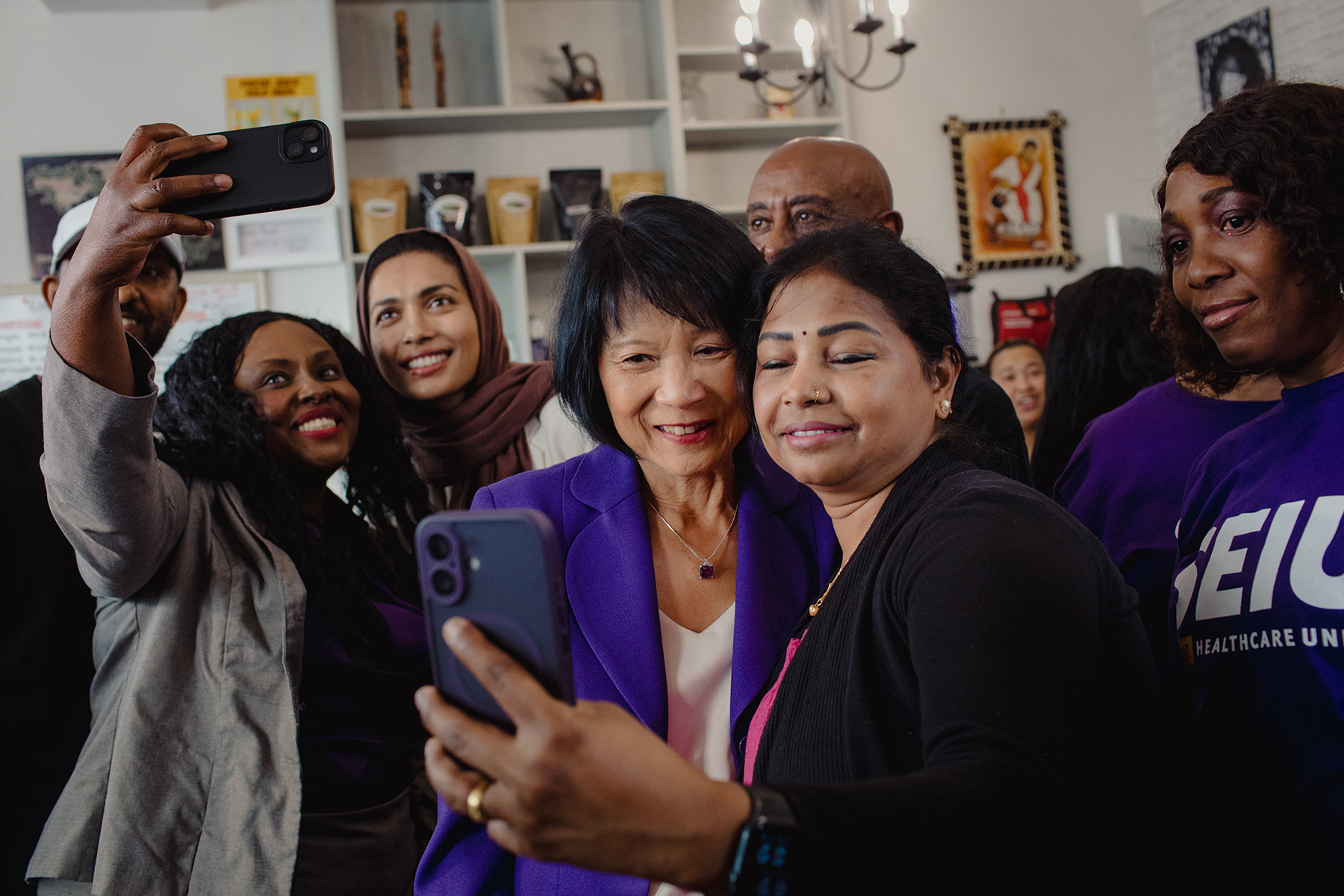
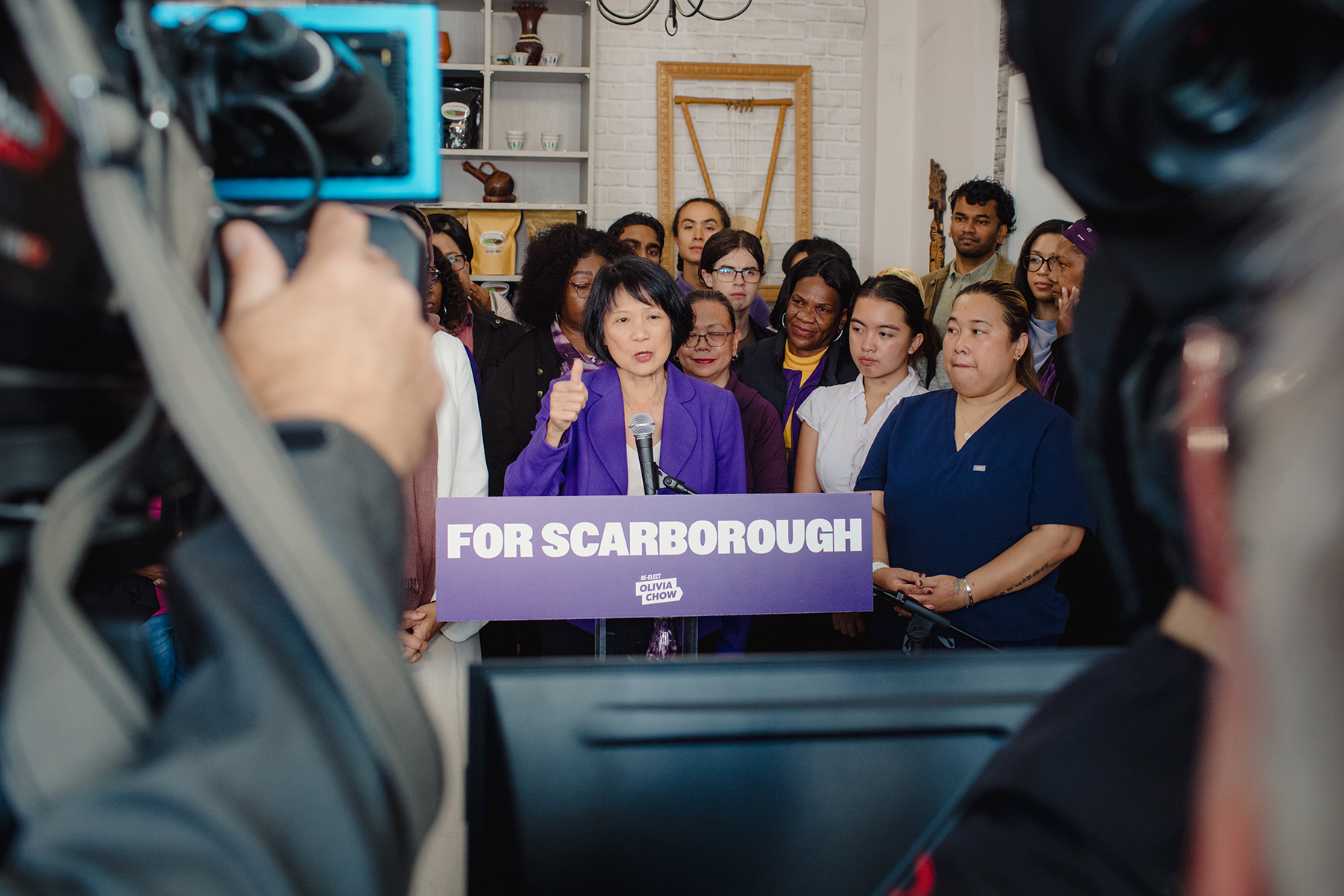
It’s probably a win for democracy that Chow has declined to use the strong-mayor powers at her disposal to force her council colleagues’ hands, opting to instead engage in the hard work of coalition-building. But is that necessarily a win for the city? Would Toronto’s housing situation be better if, say, Chow had chosen to force unwilling councillors to accept sixplexes in their low-rise constituencies, as-of-right? Or, if you’ve successfully turbocharged the construction of rental housing with tens of thousands of new units under construction—nearly as many in three years as in your predecessor’s eight—does it matter that you chose not to strong-arm your non-downtown allies?
Sometimes differences can’t or won’t be resolved neatly. And there are occasions when the very effort to find common ground, to land in the middle, as it were, can be read by all sides of an issue as a disappointment, if not an outright betrayal.
On a different July 15, this one a Sunday in 1979, a 22-year-old Olivia Chow got her first taste of both activism and politics.
She has long referenced a particular rally in Grange Park, in support of asylum-seekers from Vietnam—the “boat people,” often drowning en masse as they tried to flee—as a personal turning point, when the religious values of her adolescence became the social-justice pursuits of her adulthood.
Contemporaneous news reports shade in details of the gathering, including that it marched east to Nathan Phillips Square amidst a sudden summer downpour. Though “few white-skinned Canadians took part,” as the Globe put it, several municipal and provincial politicians did. Speakers, including then-mayor John Sewell, all carried “the same message—that Canadians must not ignore the ‘genocide.’”
Outside city hall, councillor Ying Hope read out a telegram from the federal immigration minister, who revealed that his government planned to massively increase the number of refugees Canada would take in. It’s not hard to see why, if this was the climax of a person’s first encounter with activism, they would be thoroughly enchanted by its possibilities.
In her 2014 memoir, Chow emphasized the physical proximity of Grange Park to the Toronto Chinese Baptist Church directly across the street (which, before her turn to activism and politics, had been a cornerstone of her life). And so I wonder: if there were a 50-metre “bubble zone” around the church, would Grange Park continue to be a popular staging ground for protests?
For a mayor who likes to find common ground, the fight over Toronto’s “bubble zone” bylaw tested the limits of that approach. The short of it is that in response to a handful of protests against Israel-connected events hosted at synagogues and churches in the Greater Toronto Area, council asked staff to develop a mechanism to restrict the activities allowed to occur outside religious institutions, in a way that would also, somehow, be consistent with the Charter.
When a draft of the bylaw went to council in May of last year, councillors introduced a mess of amendments that dramatically expanded its already-contentious scope. What resulted was a “Safe Access to Social Infrastructure” regime in which the operator of a place of worship, childcare centre, or school can apply to the City for a one-year, renewable prohibition on certain activities taking place on public land within 50 metres of it. First among the proscribed activities are acts of “discouragement” concerning a person’s attendance at, or use of, the facility. While the bylaw explicitly says it “does not prohibit peaceful gatherings, protests or demonstrations,” it’s unclear how those potentially contradictory provisions would be reconciled in practice. Toronto now has more than 50 such “access areas” in effect, the vast majority at synagogues and Jewish day schools.
While Mayor Chow opposed most of the individual amendments at council, she didn’t rise to speak to the item, and ultimately voted in favour of the bylaw as amended. Most of her staunchest allies on council, including three of her four deputy mayors, voted against it.
If Chow is most in her element as Toronto’s activist-in-chief, the one rallying coalitions in uphill battles toward a common goal, she may be less accustomed to representing the power structure that holds final decision-making authority
While it’s tempting to describe this as the most divisive issue of Chow’s mayoralty, the organizations voicing their disapproval in some ways represented an uncommonly broad swath of civil society, including civil-liberties groups on both the left and right. Two thirds of respondents to the City’s public consultations opposed a bubble-zone bylaw, and even the police indicated that they saw it as unnecessary.
When I raise the idea that if the Baptist church had a bubble zone, that could render part of Grange Park off-limits to protest, Chow firmly rejects this.
“No, absolutely not,” the mayor says, telling me to read the bylaw.
She says it’s about “protecting the right of people to go to their place of worship,” and “so whatever happens in Grange Park, it doesn’t impede anybody getting into the Baptist church.”
She also emphasizes that the bylaw specifically excludes rallies and protests, and applies only when a building is being used for its primary purpose.
“It’s only about access, getting inside the space. Okay? It’s very different. Unfortunately, it got called a ‘bubble zone’—it really isn’t. It is really about access. Access to a place of worship is a Charter right too, right?”
Her interpretation of the bylaw is a literal one, consistent with the strictest reading of its text. Taken that way, then, the bylaw is so limited in its practical application that the only activities it circumscribes—impeding access to a religious service at a place of worship, for example—are ones not known to have actually taken place.
But as the City solicitor warned council in advance of the bylaw’s passage (in a confidential report later obtained by the Star), it could still have a material impact on protest: some people, she wrote, “may unnecessarily self-censor because they wrongly conclude their expression would fall within the prohibited conduct or they are concerned those enforcing the bylaw will misapply the bylaw.”
And on the flip side, given that the bylaw doesn’t actually address the kinds of protests that spurred its creation (since for example, hosting a real-estate fair for properties in Israel, and/or illegal West Bank settlements, wouldn’t count as the primary purpose of a place of worship), it was never going to provide the degree of comfort its proponents sought.
If Chow is most in her element as Toronto’s activist-in-chief, the one rallying coalitions in uphill battles toward a common goal, she may be less accustomed to representing the power structure that holds final decision-making authority on a contested issue.
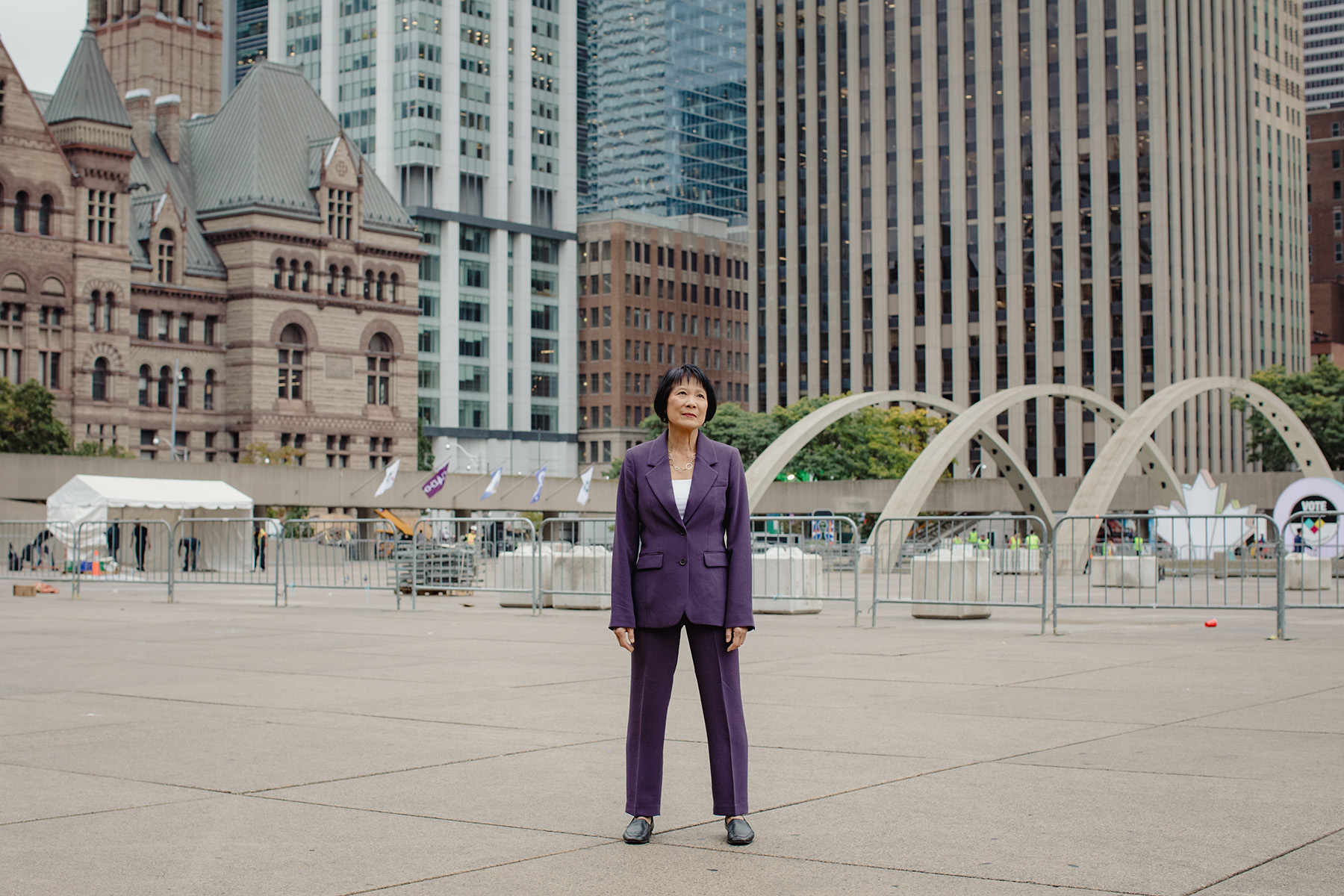
“My job is to make sure that everyone feels that they belong in this city, and that their voices are heard,” she says, and “that if there is any opportunity for more empathetic hearing of each other, that’s what I would do.”
“On the Nature of Daylight” is a song you probably know, whose name you probably don’t. It’s an insistent instrumental by the minimalist Max Richter that thrums with both foreboding and hope. Richter wrote and recorded it in early 2003, the second track on an album through which he tried to channel his frustration with the British government’s headlong march towards the invasion of Iraq, evidently unmoved by the largest street protests in UK history. The song has since been deployed at gut-punch moments in Stranger Than Fiction, Shutter Island, Arrival, and Hamnet, and in that one great episode of The Last of Us.
Chow listens to it while she exercises.
“That’s one of my favourite songs,” she says, showing me the playlists she puts on each morning when she runs, bikes, or rows in city hall’s basement gym. She also highlights a Daniel Taylor rendition of “Ave Maria,” as well as Anouar Brahem’s album, After the Last Sky. When I look up that one later, I see Apple Music describes it as an “eloquent cry of anguish for Gaza.”
Consciously or not, the mayor seems to gravitate to music that springs from—and attempts to hurl itself against—the kind of despair that comes from being made to feel powerless. It’s the closest I get to a glimpse of her interiority. (And it’s almost certainly a coincidence that the official music video for “On the Nature of Daylight”—released two weeks after Doug Ford won his first majority government and one week prior to his swearing-in as premier—features Elisabeth Moss despondently trudging through the streets of Toronto, before breaking down at Queen’s Park station, then finally mustering the courage to climb the stairs leading out.)
In mid-August, a month after her press conference on that orange, airless day, Chow holds another announcement at a Scarborough subway station, this time on the concourse at Victoria Park.
Flanked by personal-support workers bearing the purple shirts of their union, the SEIU, Chow announces that TTC fare-capping will begin in September, meaning that once a person hits 47 rides in a calendar month, any further rides are free. The plan is to lower that threshold to 40 starting next year.
“No family should have to choose between rent, food, and getting around,” she says. “And no one should have to choose between a big upfront cost or overpaying trip by trip.” She introduces one of the PSWs, who would especially benefit because she travels between multiple short shifts a day.
It doesn’t feel like something for which the mayor has to overdraw her own enthusiasm: this is a measure that helps people, in a tangible way, pretty much immediately.
The event is in the middle of the station, the dais barely removed from the bustle of riders, with anyone free to hang around and watch. One woman, with a dog, a stroller, and a shirt with rabbits on it, is particularly excited to stumble on the mayor. When Chow answers a reporter’s question about criminal sentences by praising an organization working with incarcerated youth, the woman shouts, “Yes, Mayor!” with a snap.
After, as Chow tries to leave the station, I count eight instances in which individuals or groups stop her for photos. It’s hard to gauge how much of that stems from the celebrity inherent in the position, and how much is enthusiasm specific to her. (On another day, at a news conference on University Avenue, a passerby shouts an indistinct three-word phrase that seems to start with “Olivia” and end with “sucks!”)
The important thing for Chow is that when the time comes to fight—for the city, against the province, or even just to hold on to her job—at least some of that popular energy can be harnessed.
Sometimes this works; other times, it doesn’t.
Because even when you’re the mayor of Toronto—perhaps especially when you’re the mayor of Toronto—not everything is under your control.
More stories about Toronto Votes 2026
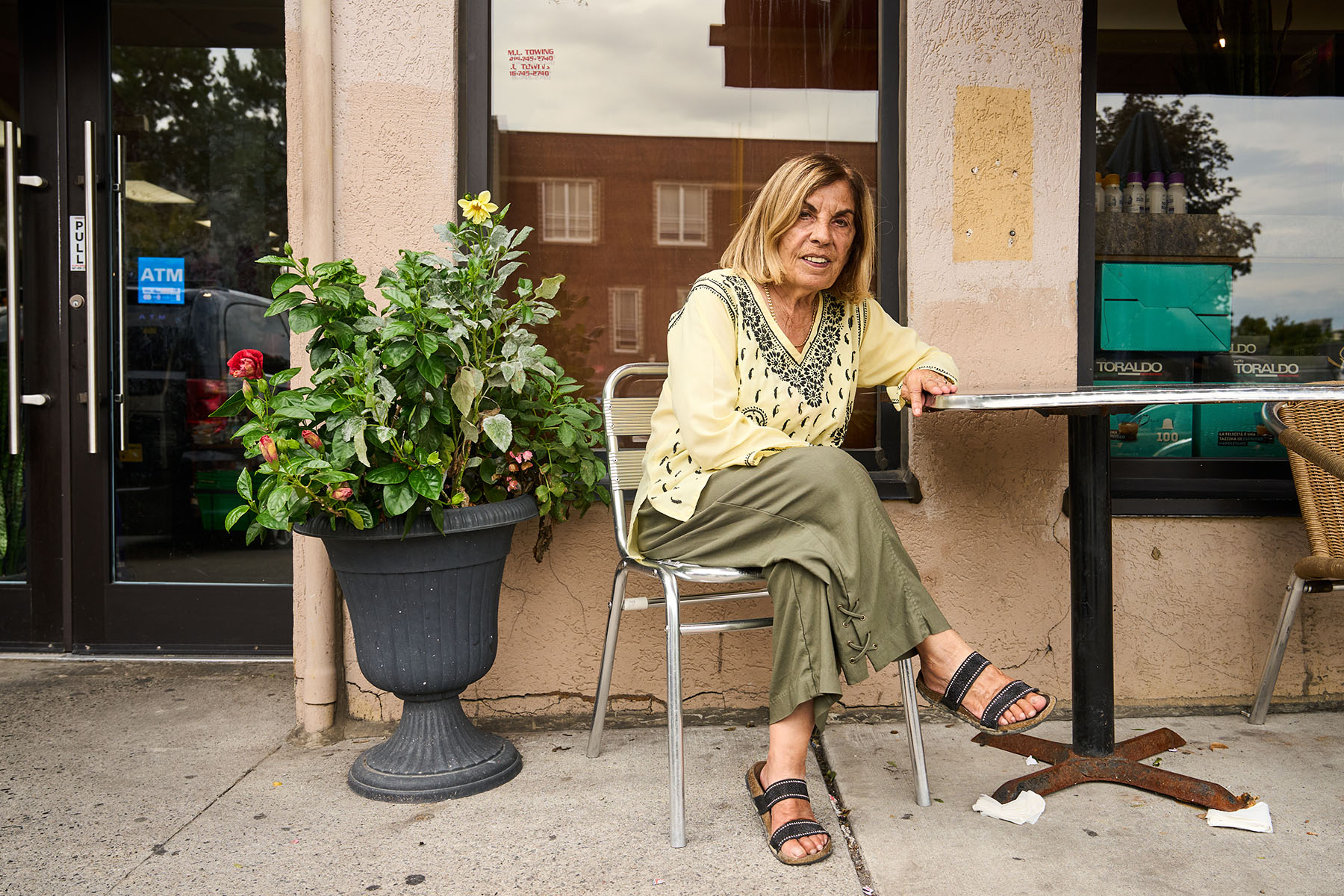
In York South-Weston, Old Opponents Face Off for a Third Time
Frances Nunziata, Toronto’s longest serving city councillor, is ready for another term in office. Do her constituents feel the same?
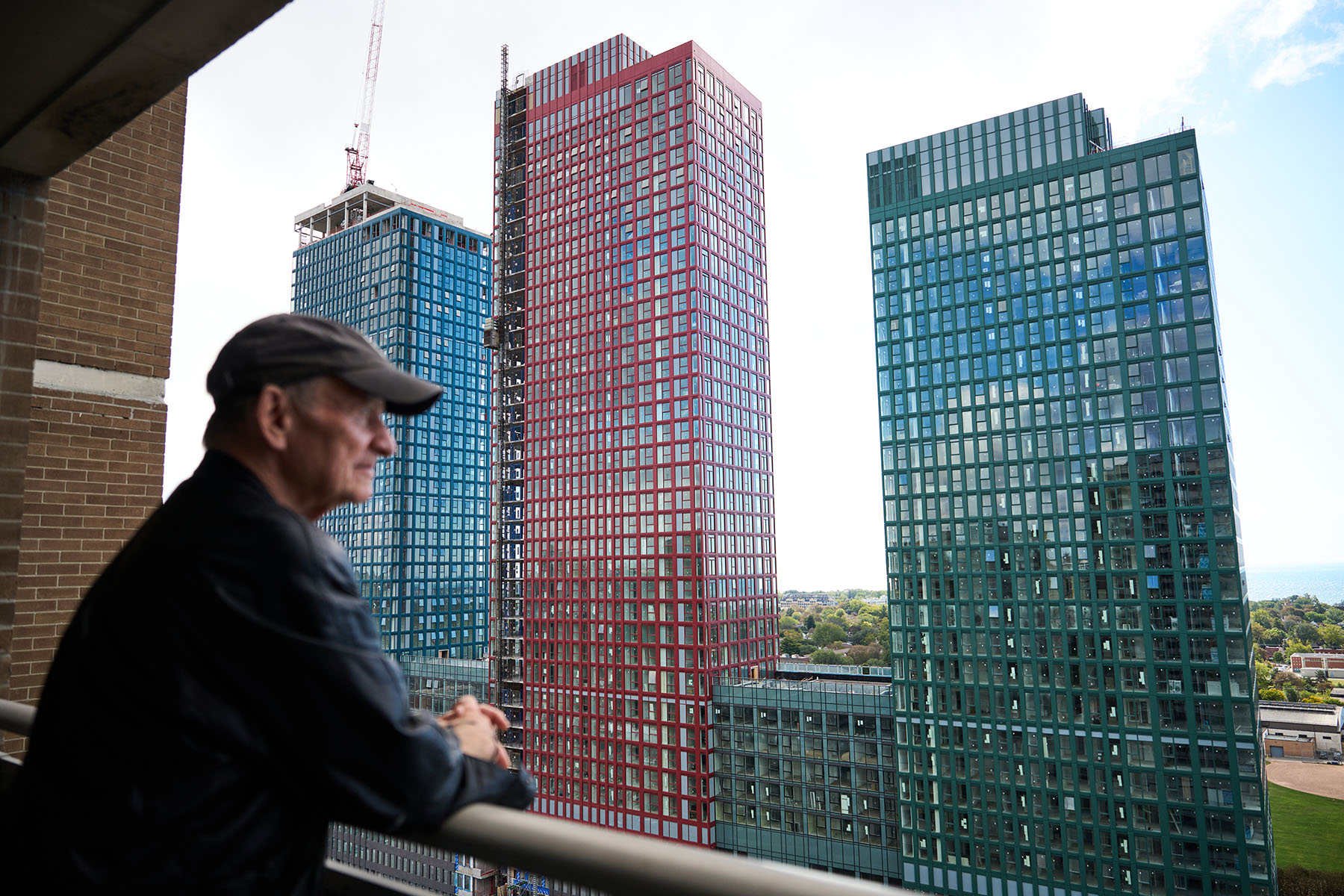
North of the Tracks: The Election From Main and Danforth
With thousands of new units coming, Danforth Village in the corner of Beaches-East York is a microcosm of a changing city. In today’s sprawling wards, can voters make their local issues heard?
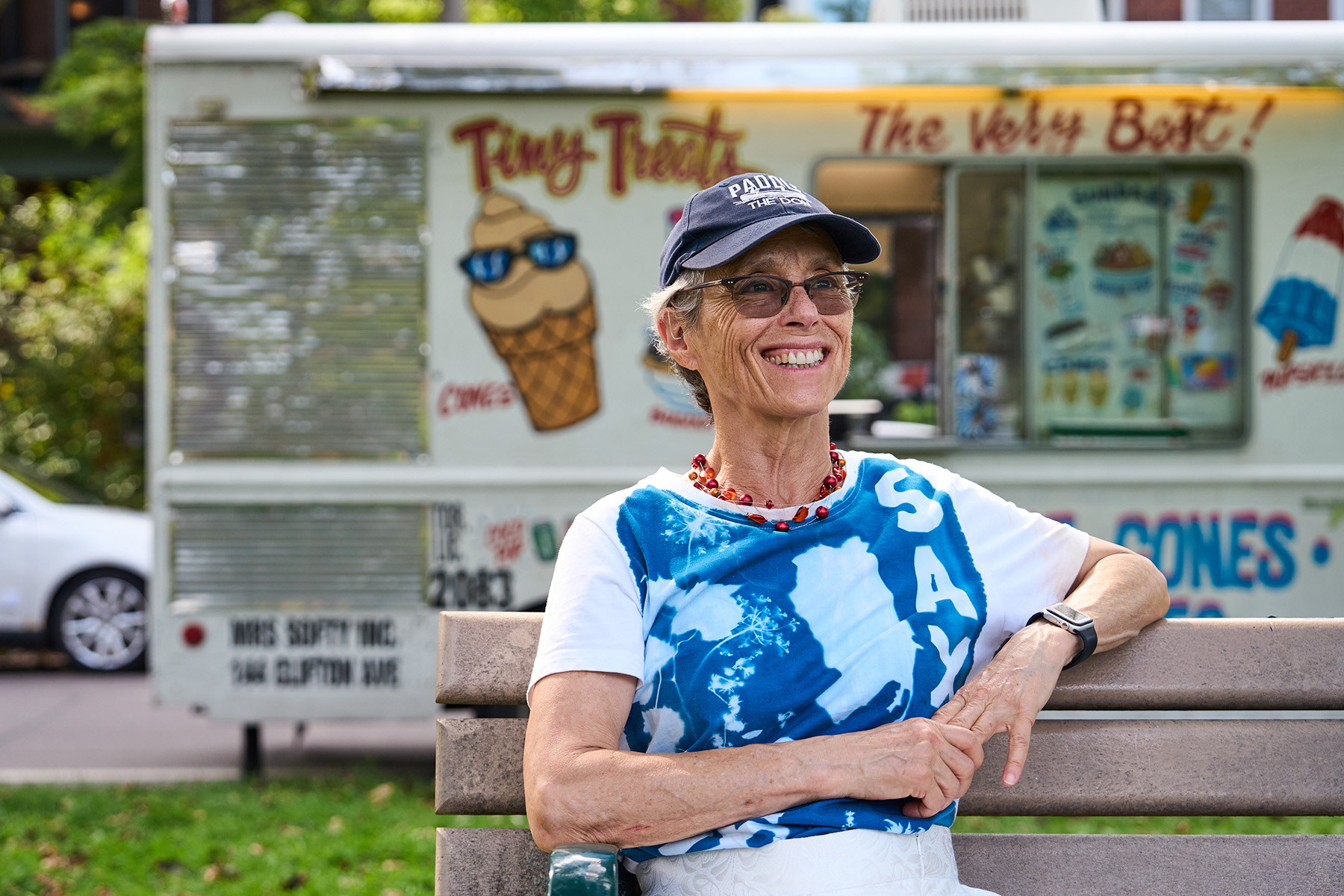
Dianne Saxe Needs to Convince Danforth Voters She’s No Outsider
A walk through Toronto-Danforth with the former environmental lawyer, who jumped into the ward race just minutes before registration closed.
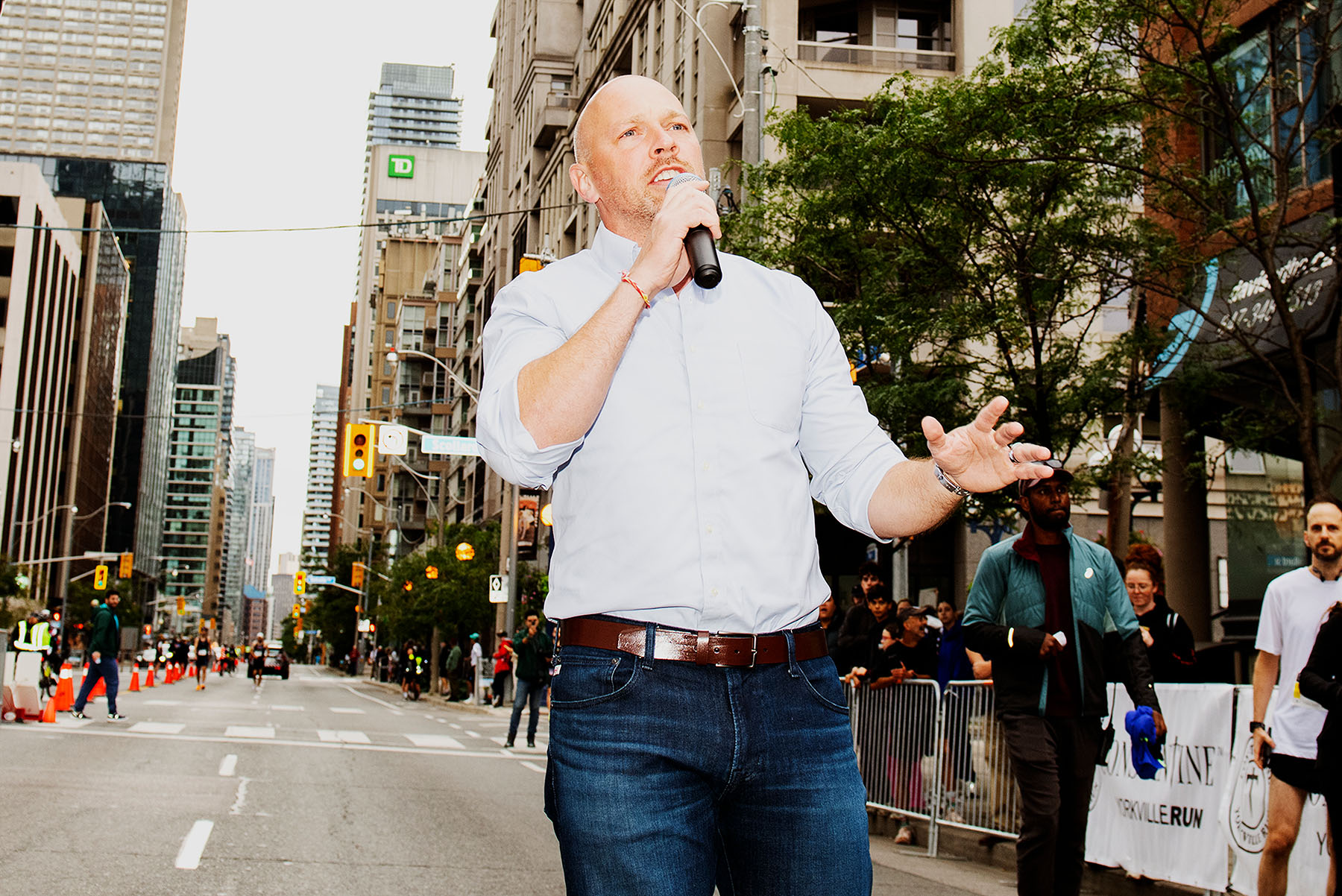
Brad Bradford Seems Angry—He’s Betting Torontonians Are Too
Former staffers say he drove them to tears. Colleagues say he’s a bully. The Bradford campaign says his passion is just what this city needs.
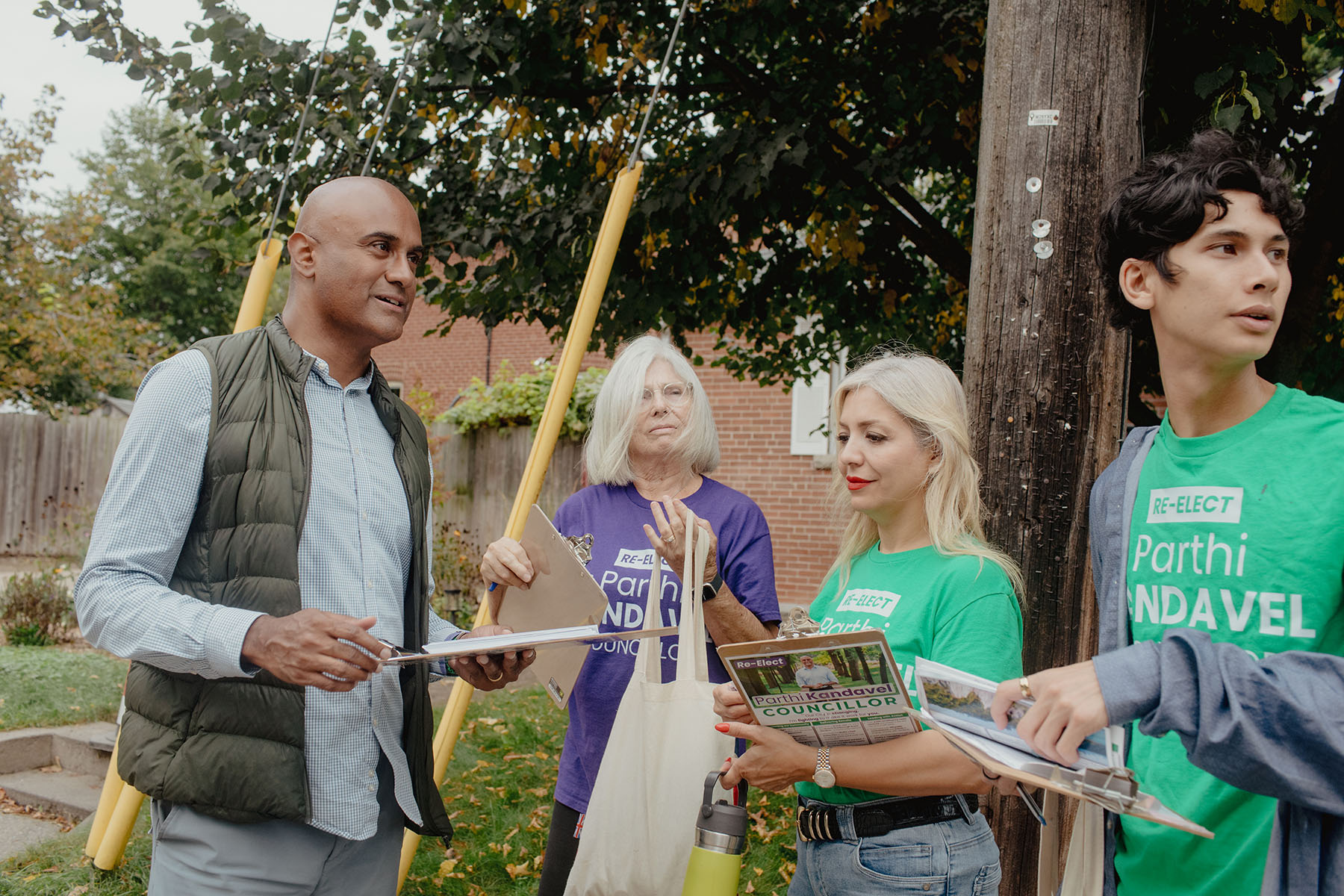
The Incumbent Is Under OPP Investigation. In Scarborough Southwest, Voters Are Focused on Other Issues
In a rematch of a close 2023 by-election, incumbent Parthi Kandavel and Kevin Rupasinghe offer very different visions of a growing suburb.
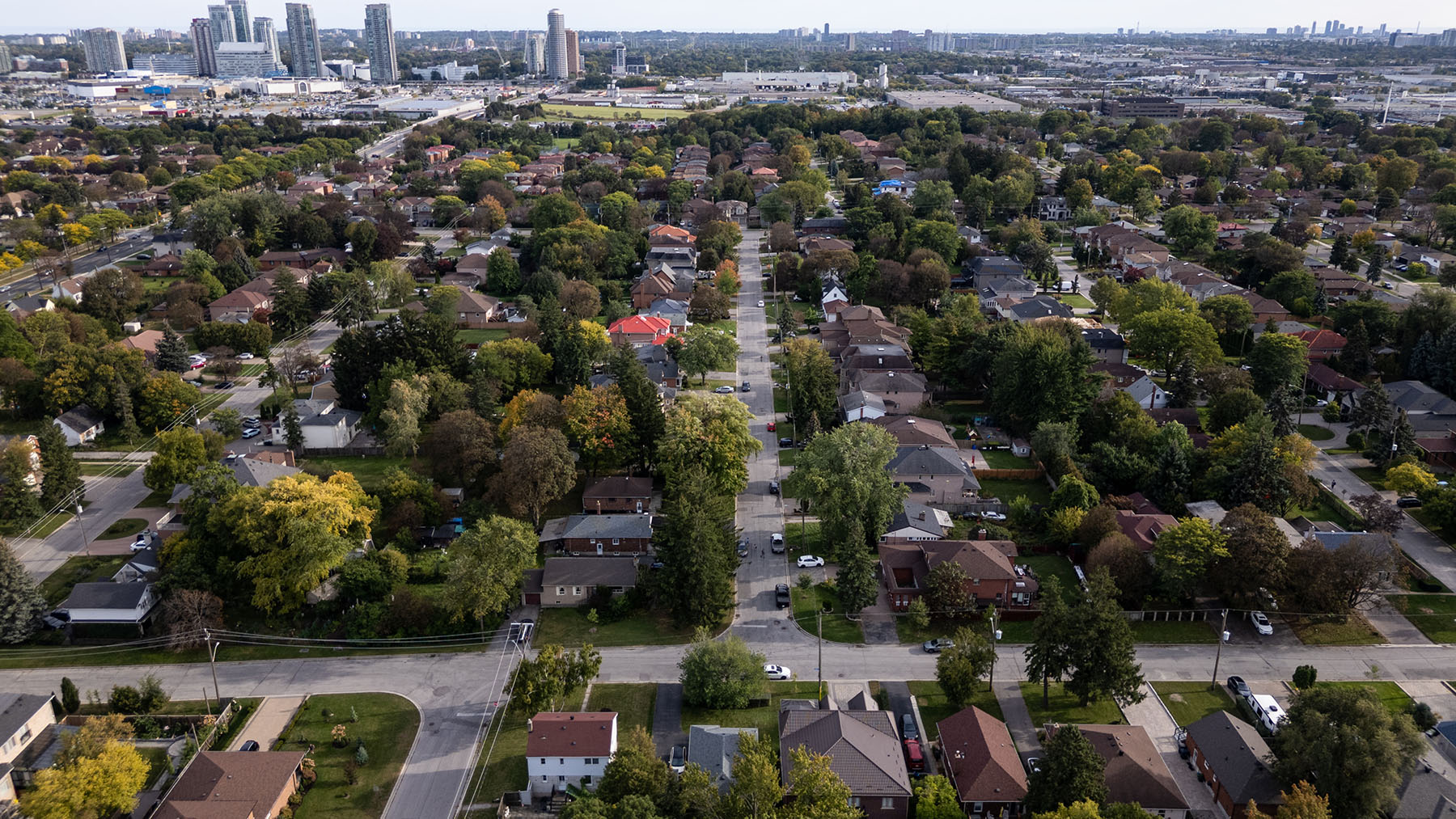
The Battle Over Sixplexes in Scarborough North
Last year, the ward became the first suburban ward to legalize the construction of sixplexes as-of-right. Now, in a race between incumbent Jamaal Myers and former Liberal MPs Shaun Chen and Han Dong, it’s become the defining issue of the election.
More from this issue
In York South-Weston, Old Opponents Face Off for a Third Time
Frances Nunziata, Toronto’s longest serving city councillor, is ready for another term in office. Do her constituents feel the same?
North of the Tracks: The Election From Main and Danforth
With thousands of new units coming, Danforth Village in the corner of Beaches-East York is a microcosm of a changing city. In today’s sprawling wards, can voters make their local issues heard?
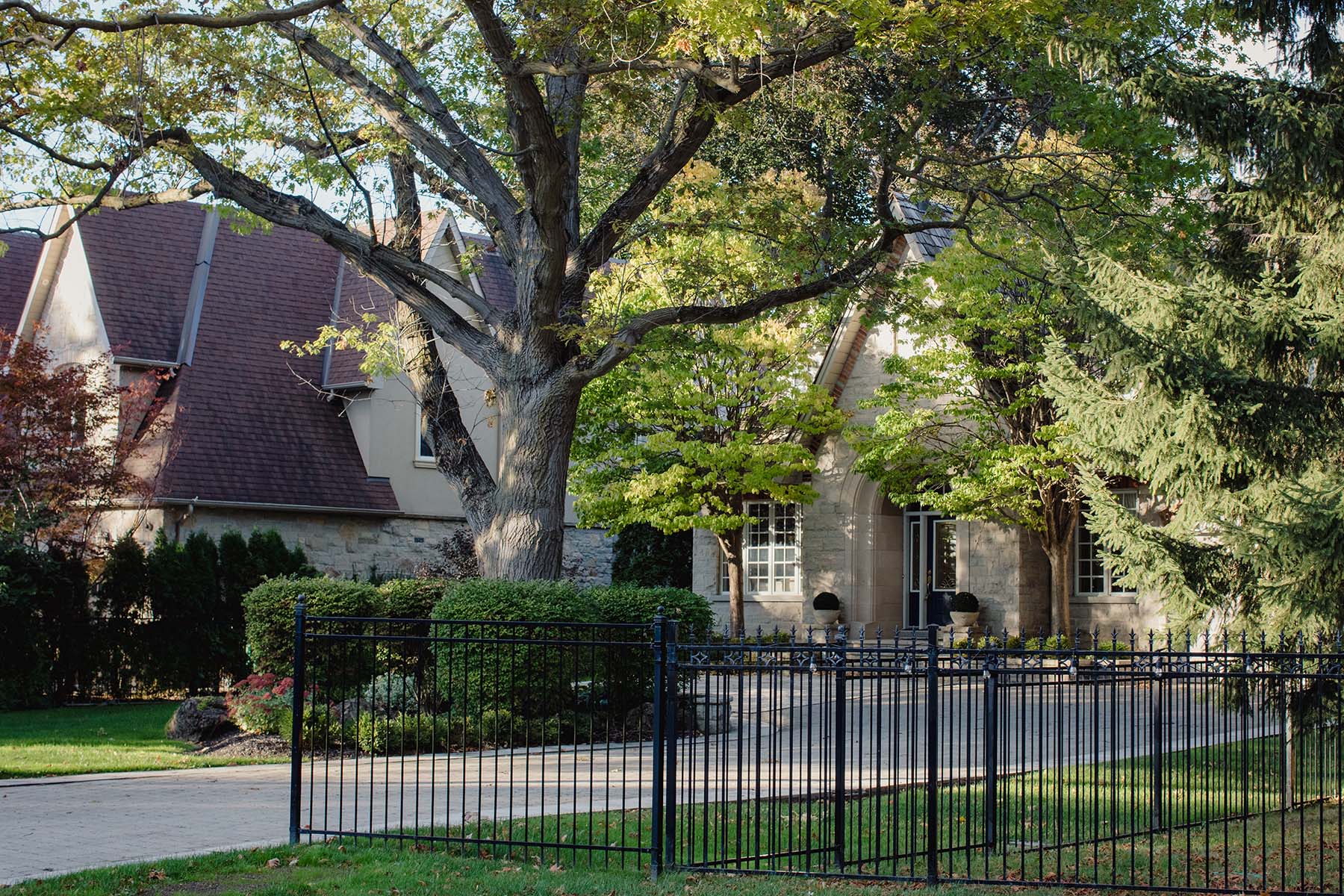
In Mississauga’s Ward 2, Candidates Spar Over Crime, Housing, and Property Taxes
With popular incumbent Alvin Tedjo stepping aside for a mayoral run, 14 candidates present their vision for one of the busiest, and wealthiest, wards in the city.
Dianne Saxe Needs to Convince Danforth Voters She’s No Outsider
A walk through Toronto-Danforth with the former environmental lawyer, who jumped into the ward race just minutes before registration closed.
Brad Bradford Seems Angry—He’s Betting Torontonians Are Too
Former staffers say he drove them to tears. Colleagues say he’s a bully. The Bradford campaign says his passion is just what this city needs.
The Incumbent Is Under OPP Investigation. In Scarborough Southwest, Voters Are Focused on Other Issues
In a rematch of a close 2023 by-election, incumbent Parthi Kandavel and Kevin Rupasinghe offer very different visions of a growing suburb.
The Battle Over Sixplexes in Scarborough North
Last year, the ward became the first suburban ward to legalize the construction of sixplexes as-of-right. Now, in a race between incumbent Jamaal Myers and former Liberal MPs Shaun Chen and Han Dong, it’s become the defining issue of the election.
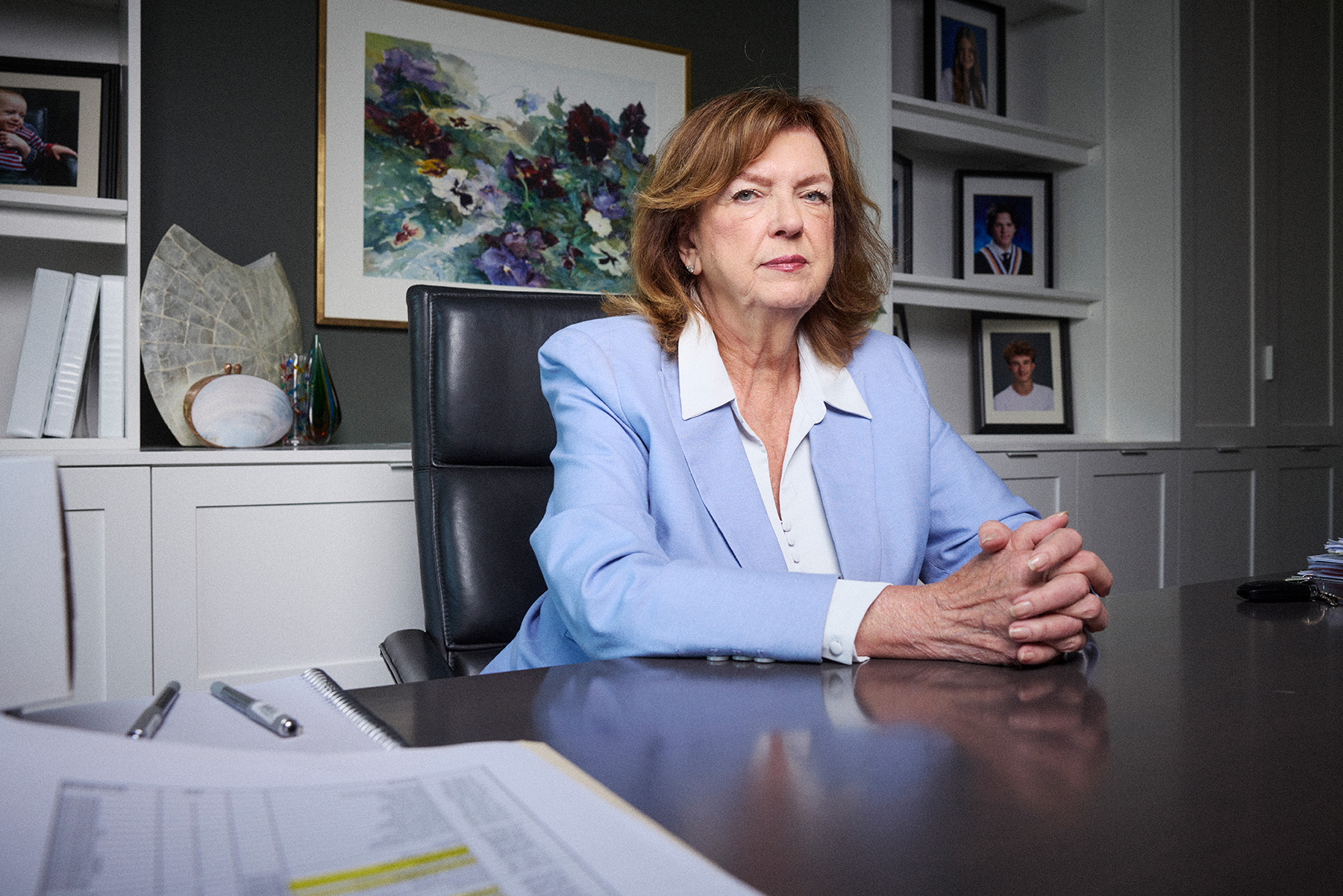
Carolyn Parrish Loves a Fight—Now She’s Up Against Her Fiercest Opponent
The Mississauga mayor has never backed down from a battle—not from Hazel McCallion, George W. Bush, or the Peel police budget. In the heated rematch against Bonnie Crombie, however, some wonder if all the scrapping has become an end in itself.
Candidate Tracker: Mississauga 2026
The only place to find reported, fact-checked biographies and platform summaries for every candidate running in the 2026 Mississauga municipal election. No AI, no campaign talking points, just a team of journalists double-checking candidate records and analyzing policies.
Candidate Tracker: Brampton 2026
The only place to find reported, fact-checked biographies and platform summaries for every candidate running in the 2026 Brampton municipal election. No AI, no campaign talking points, just a team of journalists double-checking candidate records and analyzing policies.