



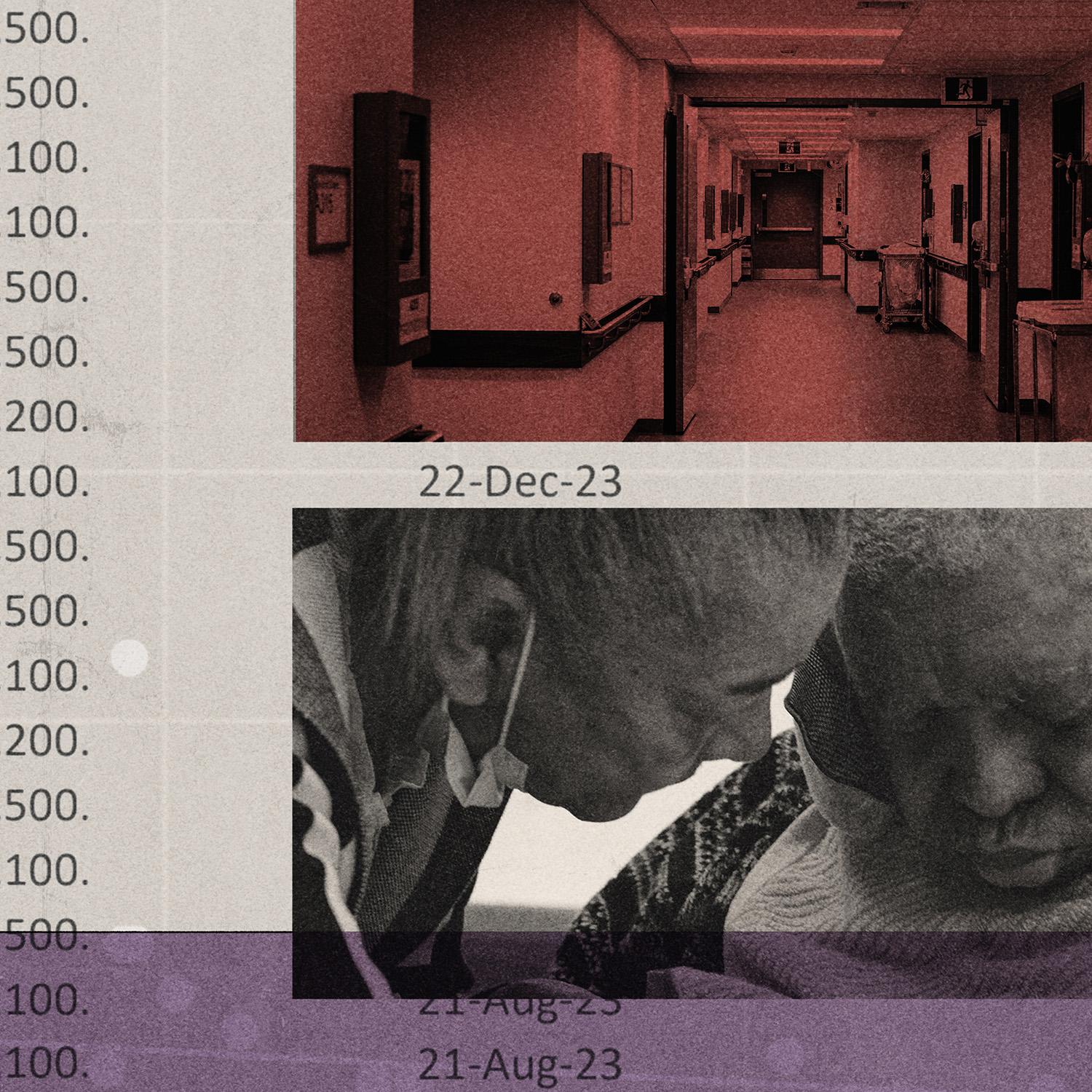
Every year, inspectors from the Ministry of Long-Term Care conduct thousands of inspections at the more than 615 long-term care homes in Ontario. The inspections take place in response to complaints from families and reports from the home, or as proactive surprise inspections meant to get an overall sense of the home’s performance. At the end of those visits, the homes are written up for any failures to meet the standards set out by long-term care legislation—from small things, like leaving janitorial closet doors unlocked where a resident could accidentally get a hold of toxic cleaning supplies, to big issues, like failing to prevent a fall or an instance of abuse.
These reports then sit on a provincial government website where they’re available for the public to read. To our knowledge, no one has ever before tried to quantify the detailed results of the inspections.
The Local analyzed thousands of these long-term care inspections, and paired them with data on penalties issued to the homes and objective health performance metrics from the Canadian Institute for Health Information, to create Long-Term Care Tracker. This dashboard won’t give you all the answers—for this, experts recommend reading the inspection reports, visiting the homes, and speaking to residents or their family members—but it’s the only place you’ll find cross-referenced data that together paints a picture of the quality of life inside every long-term care home in the province. To begin, enter the name of a long-term care home into the search bar.
Editor’s Note—June 30, 2026: As of mid-June, the Ford government took down all long-term care inspection reports from before 2023 from their website. We have the reports from 2018-23, and have updated the Long-Term Care Tracker to make them available to the public.
How did you create this dashboard?
First, we analyzed the contents of more than 17,500 long-term care inspection reports released between 2018 and 2025 to sum up, for every given year, how many times a home was written up by ministry inspectors for failing to comply with the 2021 Fixing Long-Term Care Act, and how severe those notices of non-compliance were. We did this by creating a code-based data scraper that analyzed the contents of each inspection report to pull the key details we were looking for. Read more about our methodology here.
We then pulled key data from the Canadian Institute for Health Information, which reports the percentage of residents within a given long-term care home who have experienced undesirable care events, like a fall, or being restrained or inappropriately prescribed antipsychotics. And lastly, we also filed a freedom of information request with the Ontario Ministry of Long-Term Care to find out how much money each home has been fined since new accountability measures went into effect through the 2021 act.
Who is Watching Over Ontario’s Most Vulnerable Seniors?
Exclusive analysis of more than 17,500 long-term care home inspection reports reveals a provincial inspection regime failing to meet its own accountability goals, with seniors who lack family advocates bearing the greatest burden.

How do I interpret this dashboard?
The dashboard contains information from inspection reports and from the Canadian Institute for Health Information. From the inspection reports, we’ve pulled how often in a given year each home has been inspected—which is usually the result of a complaint or critical incident, and sometimes a proactive inspection—and how many written notifications and compliance orders they’ve received. Written notifications are a milder form of write-up by the inspector, while compliance orders are directives that must be followed. Failing to meet the requirements of a compliance order leads to monetary penalties from the Ministry of Long-Term Care, which we track in the dashboard as well. Continued failure means higher penalties, and sometimes, issues get sent up the ministry’s chain of command to authorities who may shut down the home’s admissions process until the most serious issues are resolved.
From the Canadian Institute for Health Information, we’ve pulled key measures of the performance of a home. These numbers indicate the percentage of residents in the home who have experienced these undesirable care events, and whether the score is better or worse than the provincial average. This data controls for individual risk factors, and you can learn more about the Institute’s data on their website.
Why does my home perform well in inspection reports but poorly in Canadian Institute for Health Information performance indicators, or vice versa?
The Local’s reporting found that there was little correlation between the results of the inspection reports and objective health metrics from the Canadian Institute for Health Information. We think this may be because a home is more likely to be inspected by the ministry and written-up for issues if it has an active and vocal community of families advocating for residents and spotting lapses in care within the home, and some of the worst homes may not have such a network. Read our reporting about the crisis in inspections, including the Ford government’s failure to meet the inspection goal set by the Ministry of Long-Term Care after the pandemic.
___
The Inspecting Long-Term Care issue was supported with funding from the Data-Driven Reporting Project. The Data-Driven Reporting Project is funded by the Google News Initiative in partnership with Northwestern University | Medill.
More from this issue

The Ford Government Just Deleted Thousands of Long-Term Care Reports. Here They Are.
The provincial government has eliminated access to long-term care home inspection reports from before 2023. We have over 10,000 of those reports, and are restoring access to the public.
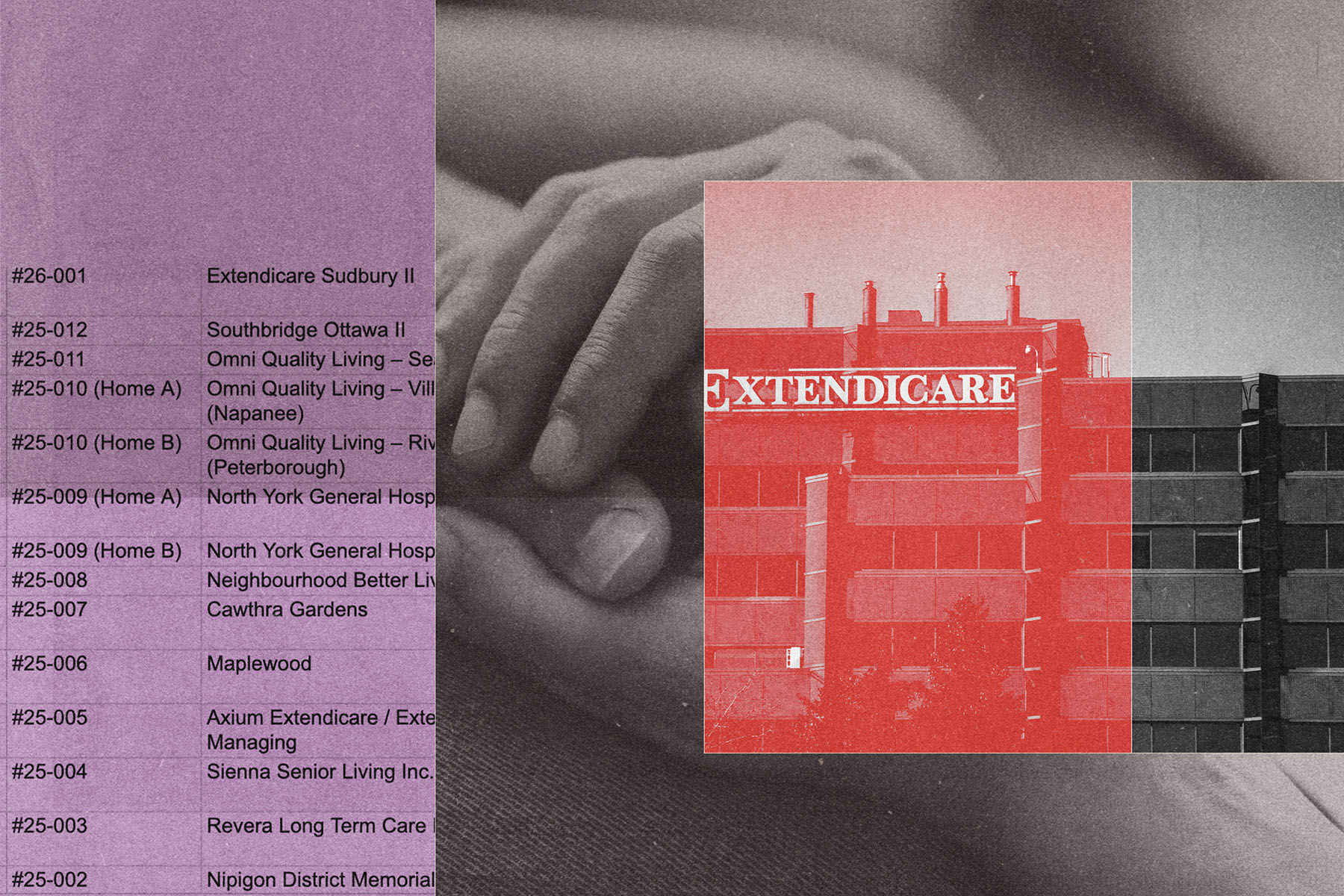
These Seniors Homes Were Fined for Their Failures. The Province Let Them Expand Anyway.
New analysis of government data shows that nearly a third of long-term care companies approved to expand or renew their operations by the Ministry of Long-Term Care were also fined for failing to meet provincial care standards.
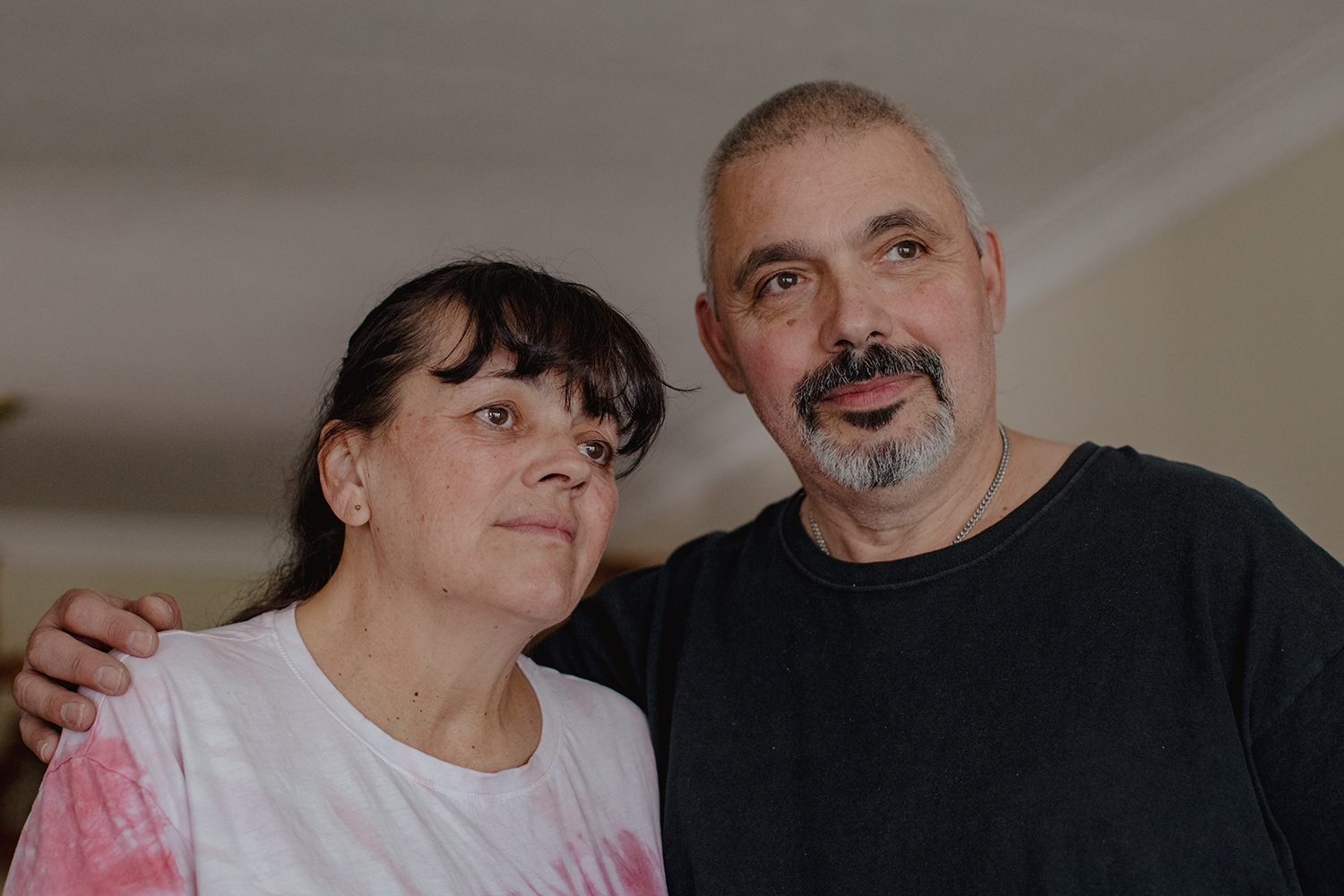
He Complained About His Mother’s Care. The Home Restricted Him From Seeing Her
Five years after Queen’s Park unanimously voted to end the practice, families say they’re still being kept from their loved ones as punishment for complaining about care—with no clear legal recourse.
Who is Watching Over Ontario’s Most Vulnerable Seniors?
Exclusive analysis of more than 17,500 long-term care home inspection reports reveals a provincial inspection regime failing to meet its own accountability goals, with seniors who lack family advocates bearing the greatest burden.
How The Local Analyzed 17,500 Long-Term Care Reports to Understand the State of Provincial Inspections
Every year, thousands of inspections capture failures to meet provincial standards in long-term care. No one has ever tried to quantify the results of those inspections—until now.