

This story was written by Gabrielle McMann as part of her fellowship, a joint collaboration between The Local and The Philanthropist Journal, funded by the Rideau Hall Foundation.
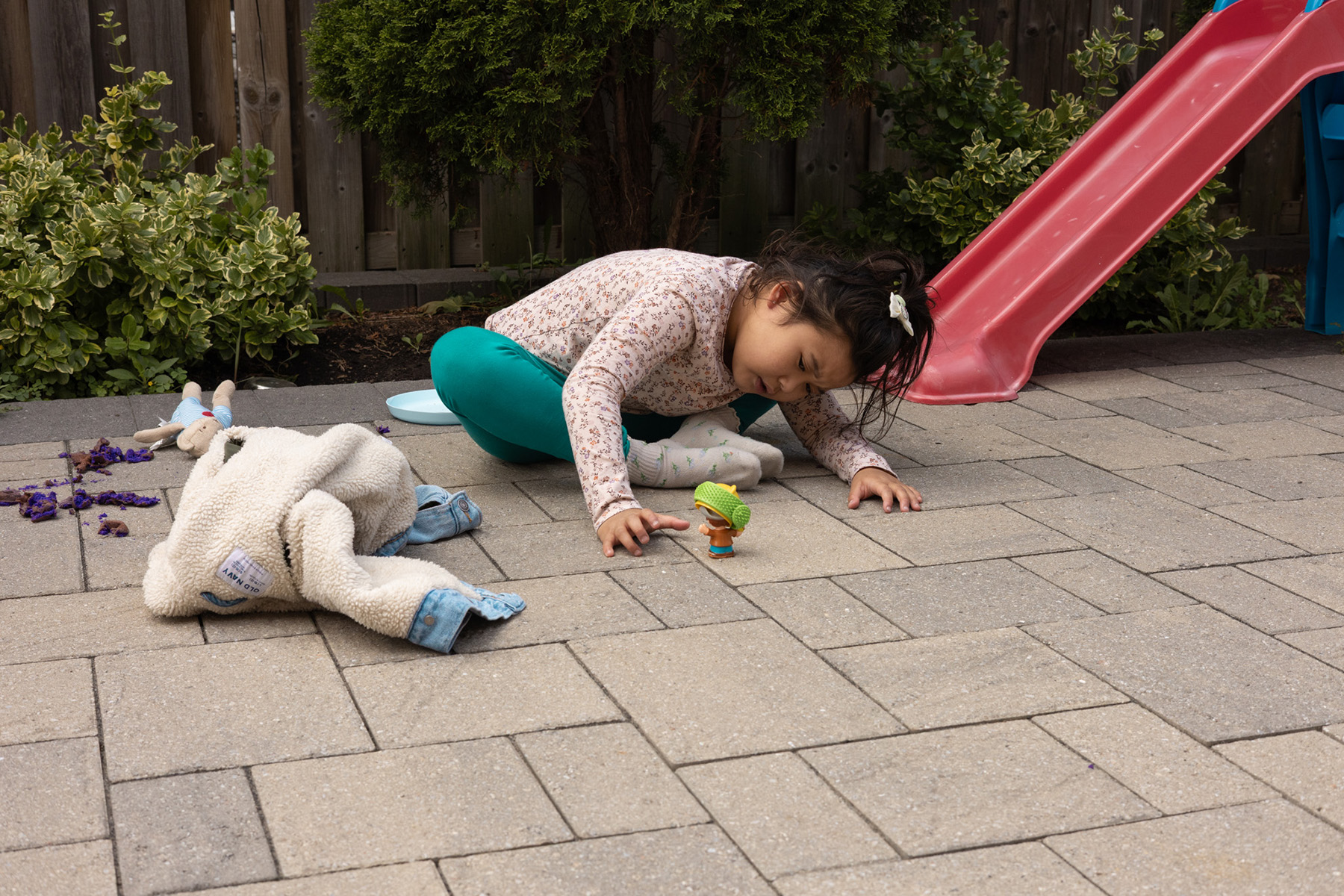
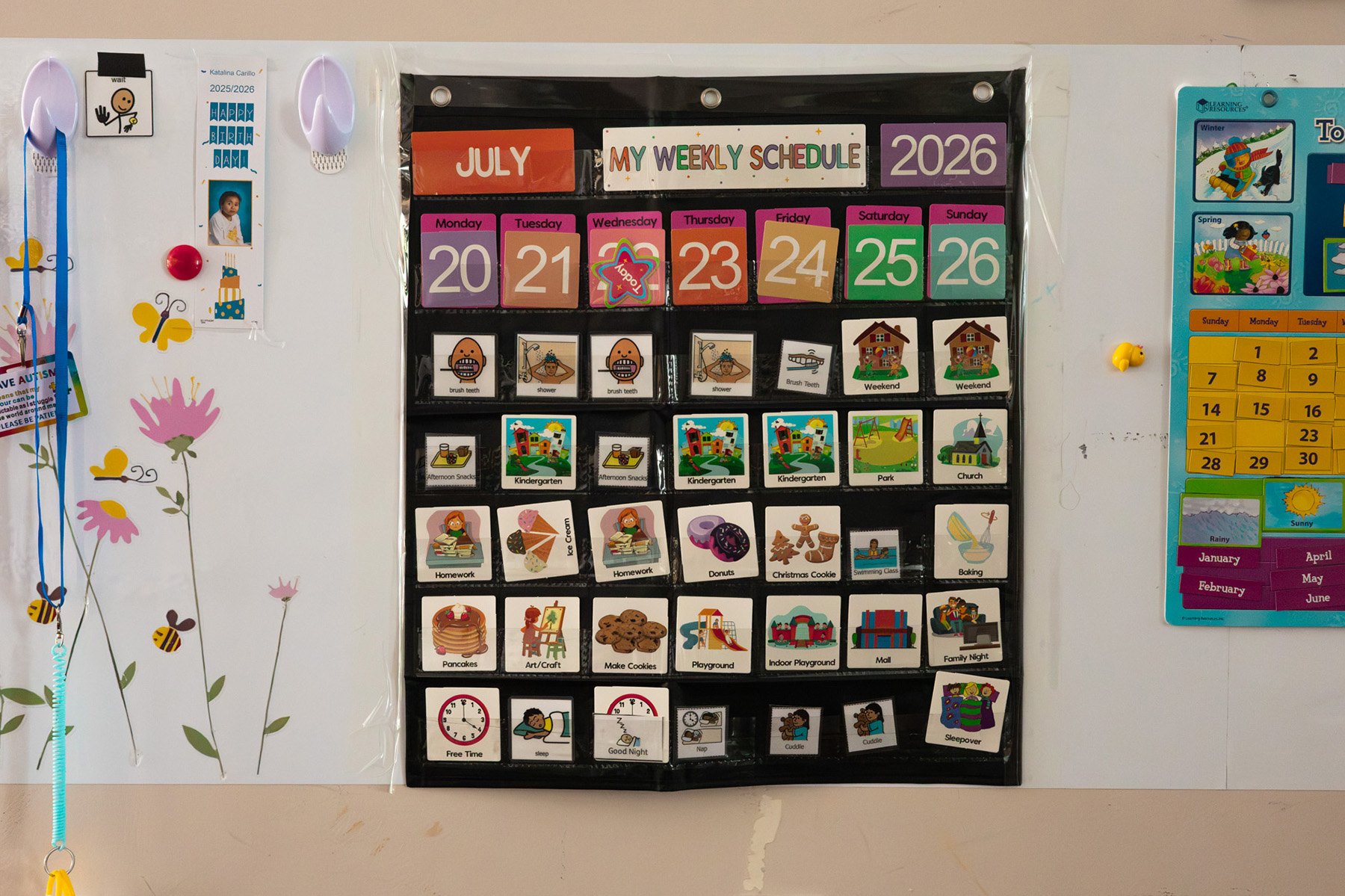
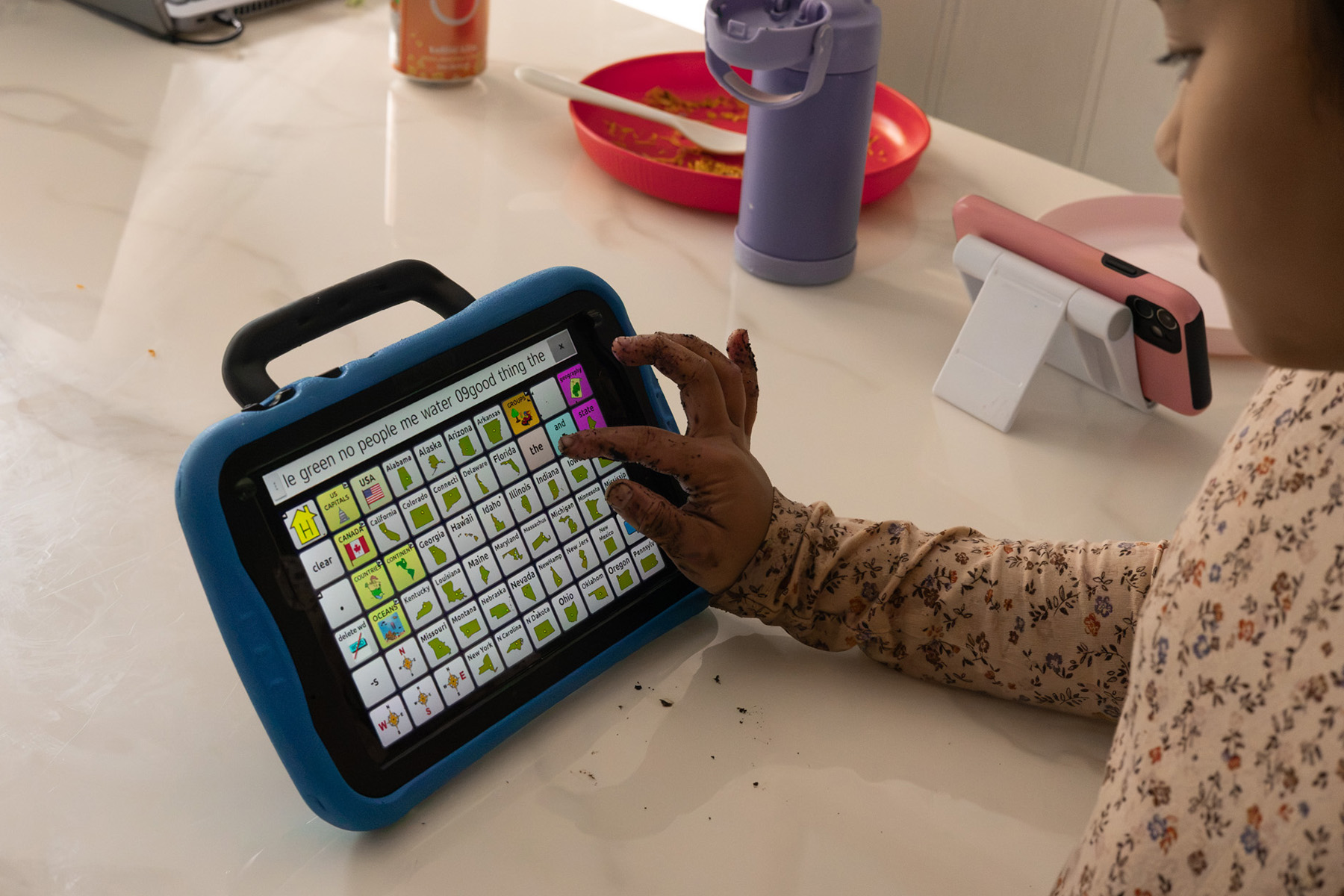
For Katalina Carillo, most of the summer break will be spent at home playing on her own. The curious, fun-loving seven-year-old, with a wild tangle of black hair and soft brown eyes, has autism spectrum disorder. She communicates, for the most part, non-verbally. She gets frustrated when others fail to understand her, and sometimes acts out aggressively. Her mother, Maria Carillo, says she also requires close supervision because she has a tendency to run away.
Finding a spot for Katalina at a summer camp hasn’t been easy for Maria. There simply aren’t many programs in the GTA—let alone near the Markham home they share with Maria’s parents and sister—that serve children with developmental disorders or disabilities. And even though Maria feels like she lucked out in finding a spot for Katalina at a LEGO camp, it comes at a steep financial cost.
For neurotypical children, who don’t require extra care, the camp charges about $200 for the whole week. For Katalina, who needs one-on-one support, the cost is more than triple that. As a single parent who works as a care coordinator for seniors, Maria could only afford to enroll her for two weeks. “The price has been a huge barrier for me and my family,” she said.
That means for Katalina, the rest of the summer will look much the same as previous summers. She’ll be stuck at home, while her mom and grandparents rotate taking time off work to care for her.
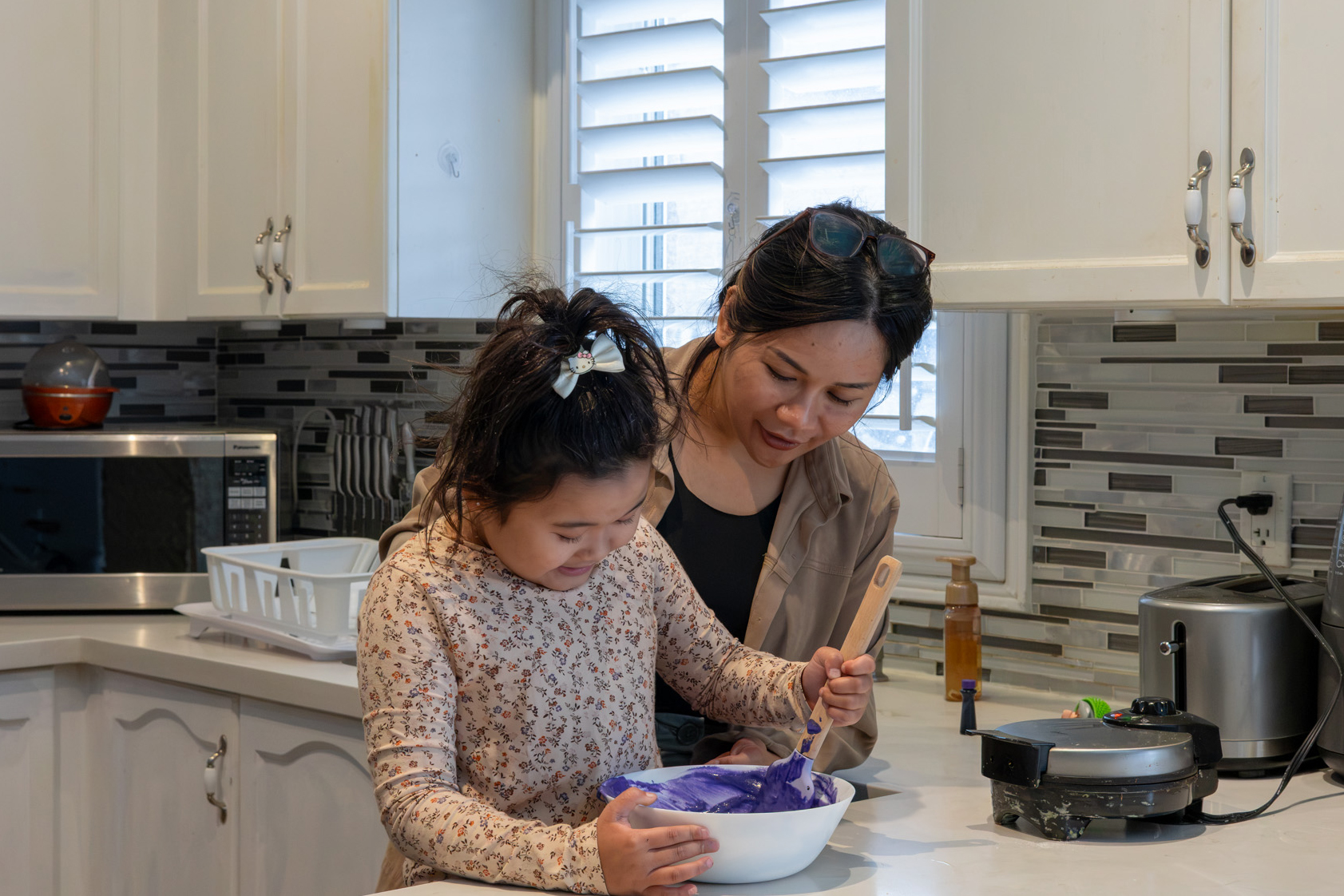
“My family has had to fill in; they have had to call in sick from work just so they can accommodate my daughter, her schedule, and my schedule,” said Maria, who gave up being a full-time nurse in favour of more flexible work after Katalina was diagnosed four years ago. Working out schedules for weeks on end can be tough, but the family doesn’t have another option.
Children with autism spectrum disorder and other special needs already face a lack of educational supports and lengthy waitlists for access to clinical services. An Auditor General’s report this spring found that the growing number of students with special education needs in the province are woefully under-supported in Ontario’s school system. And according to the parent-led advocacy campaign End the Wait Ontario, the average waitlist for the Ontario Autism Program, which covers a range of services like occupational therapy and speech-language pathology, is more than five years long. But many are also missing out on a quintessential—and arguably vital—childhood experience: summer camp.
While most parents are familiar with the hectic annual scramble to secure childcare during the long, sticky months of July and August when school’s out, parents of kids with special needs have even fewer options. Apart from a small number of charity- and city-run programs, vanishingly few camps in the GTA are willing or equipped to accommodate their children, and the costs can be prohibitive.
As a result, parents are often forced to forgo employment to stay home to care for their children during the summer, adding to the financial stress of families that may be struggling to get by. And children with special needs, who are already deprived of adequate educational and clinical supports, face further isolation and exclusion as they lose out on opportunities to immerse themselves in new activities and environments, and spend time among their peers.
Join the thousands of Toronto area readers who've signed up for our free newsletter and get award-winning local journalism delivered to your inbox.
"*" indicates required fields

The demand for inclusive summer camps is substantial. At the Toronto District School Board, the largest board in the province, approximately one in six students has special education needs, a broad designation that includes disabilities and a wide variety of developmental, learning, and behavioural conditions. Across the city, there are more than 55,000 children diagnosed specifically with autism spectrum disorder, ranging from mild to severe, according to End the Wait Ontario.
Yet there aren’t enough summer camps with the willingness and know-how to serve them.
The City of Toronto offers low-cost, accessible summer camp experiences for children with special needs through their Adapted CampTO program. However, there are only 550 available spots across the city. And families are expected to source and pay for their own aid if their child needs one-on-one support.
Nicole Neil, a professor of applied psychology at Western University who researches inclusivity in informal educational settings, said camps are an important place for children to explore their interests outside of a curriculum, build friendships, and try new things. So when children are excluded from these informal educational spaces, they miss out on vital experiences that contribute to their sense of belonging and identity.
Worse still than the most common barriers of cost, lack of transportation, and only a limited number of spots, Neil said camps also turn parents away outright, citing a lack of resources or space to support their children. Under these circumstances, parents don’t have the luxury of choosing between camps. “They’re just trying to find one that works for them,” Neil said.
Outside the GTA, this crisis only worsens. In the rural community of Delhi, in Norfolk County, Carly Waisome said she’s unable to find any programs that are able to support her youngest daughter Naomi, beyond private respite care. Naomi, 4, has autism, and is mostly non-verbal. The only available spots Carly could find at camp would require her to provide one-to-one support—a cost that amounts to $32 an hour for afterschool respite care, and becomes impossible to afford out of pocket for full-day care throughout the summer. Naomi is still years away from receiving funding from the Ontario Autism Program, which would help pay for that support. So instead, Carly is taking a leave of absence from her job as a law clerk to stay home with Naomi until school starts again.
As a single mother, Carly doesn’t have any support caring for Naomi or funding her daughter’s needs. “It’s really hard when you don’t have anybody,” she said. “Don’t you think I want a break sometimes?”
Local Journalism Matters.
We're able to produce impactful, award-winning journalism thanks to the generous support of readers. By supporting The Local, you're contributing to a new kind of journalism—in-depth, non-profit, from corners of the GTA too often overlooked.
SupportWhen children get the chance to attend an inclusive camp, it can be a transformational experience.
Even though it was more than a decade ago, Vanessa Coens still remembers her son Owen’s first week at a summer camp offered by Autism Ontario, a non-profit organization that provides research, advocacy, public education, and community support for families with children on the spectrum.
It was Owen’s first camp experience, and she was worried about how it would go. “But the next morning, he wakes up, and I’m brushing my teeth, and the child already has his bag packed, ready to go. He’s at the front door, putting his shoes on, and the biggest smile on his face,” Coens said.
Even though Owen often had a hard time communicating his feelings, Coens knew exactly what her son was trying to say. “He showed me in that moment he loved it. He wanted to go back,” Coens said.
Coens, who has four children, three of whom are on the spectrum, now works as the parent and family coordinator at Autism Ontario. Part of her role involves training camp coordinators and staff on how to communicate and connect with families.
She said that part of what differentiates Autism Ontario’s summer camp from others is its commitment to meet each child where they are. Before the children arrive at camp, the team calls their caregivers to learn about any special interests, support needs, and strengths. From this, they build a schedule that focuses on what the children like to do, forgoing the activities they may not be interested in. This helps reduce the camper’s risk of becoming overstimulated or stressed about having to do tasks they don’t want to do. The camp also provides one-on-one support for children who need it.
Neil said that for the families she has spoken to, supportive staff who are willing to listen and communicate with caregivers are really the key to creating an inclusive environment. “The important thing is for staff to understand that there’s that history, and that families are worried.”
Rebecca, a Toronto mother whose eight-year-old son is on the autism spectrum and has attention-deficit/hyperactivity disorder (ADHD), still gets choked up thinking of her son’s first summer camp experience a few years ago. (Rebecca is going by her first name to protect her and her son’s privacy.) She’d been thrilled to secure a spot for him at a science, technology, engineering, and math (STEM) camp, only to get a call from the camp’s head office a few days in, letting her know that her son wasn’t allowed to come back. She was told the camp didn’t have the staff available to provide close supervision to her son, who likes to explore. She was heartbroken. She remembers the call feeling “very cold and emotionally detached,” and it only made her future experience looking for new programs and camps more stressful.
Experiences like these, Neil says, mean it’s vital that staff approach families with compassion and an understanding of the kinds of challenges they face when securing summer camp experiences for their children.
In 2023, Neil started the S3 camp, a free program that combines an inclusive approach to hands-on STEM learning, and opportunities for children to build social skills, develop empathy, and make meaningful connections. The S3 camp is open to neurotypical and neurodiverse children. If needed, one-on-one support is provided.
To create an inclusive learning environment for all the children, Neil and her colleagues design their STEM activities using what they call a “low floor-high ceiling” approach. It allows children to choose how they participate in each activity based on their interests and abilities: for example, if children are invited to build a tower, the “low floor” provides an accessible starting point, where every child can decide what to build and how to approach the task. The “high ceiling” ensures there is no limit to how far they can extend their learning. Children who want an additional challenge may build a mechanical drawbridge, connect their towers with those of their peers, or expand their designs in other creative ways.
At the S3 camp, they also take time every day to do a disability awareness lesson. They put the children in small groups to encourage them to put their teachings around inclusion into practice, with the goal of teaching children how to intentionally create inclusive spaces for one another.
“There’s benefits to understanding your peers and how to care for one another,” Neil said. “And there’s immense benefits to being included for individuals with disabilities.”
Earlier in July, Katalina attended her first week of LEGO summer camp. According to her mother, it went well. Katalina enjoyed the activities; building with LEGO is one of her favourite things to do. She’ll be returning for her second week of LEGO camp later this summer.
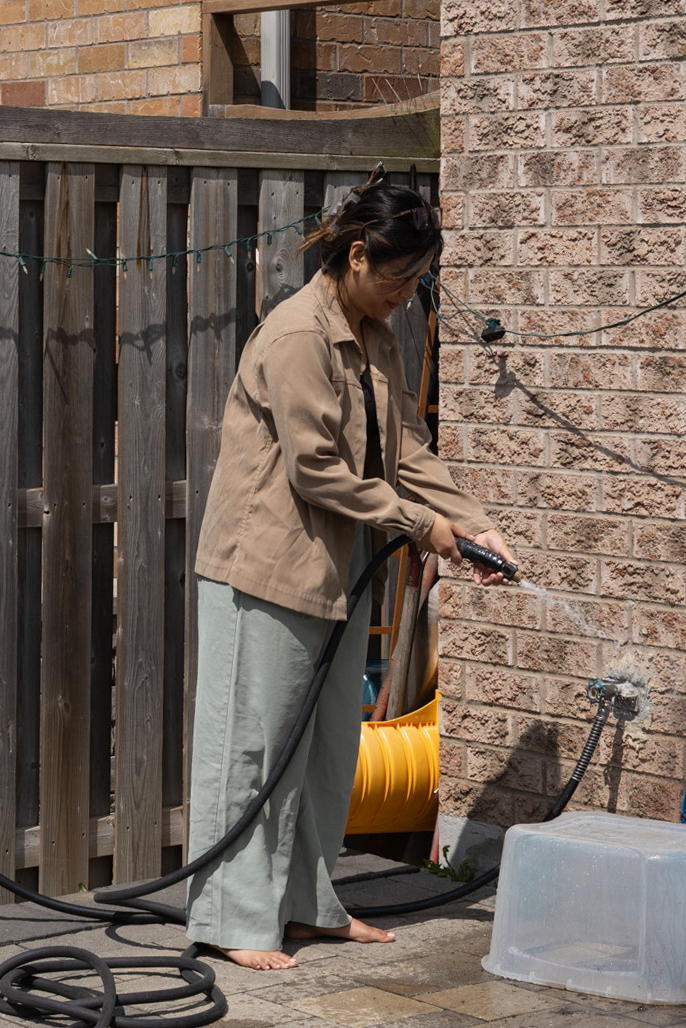
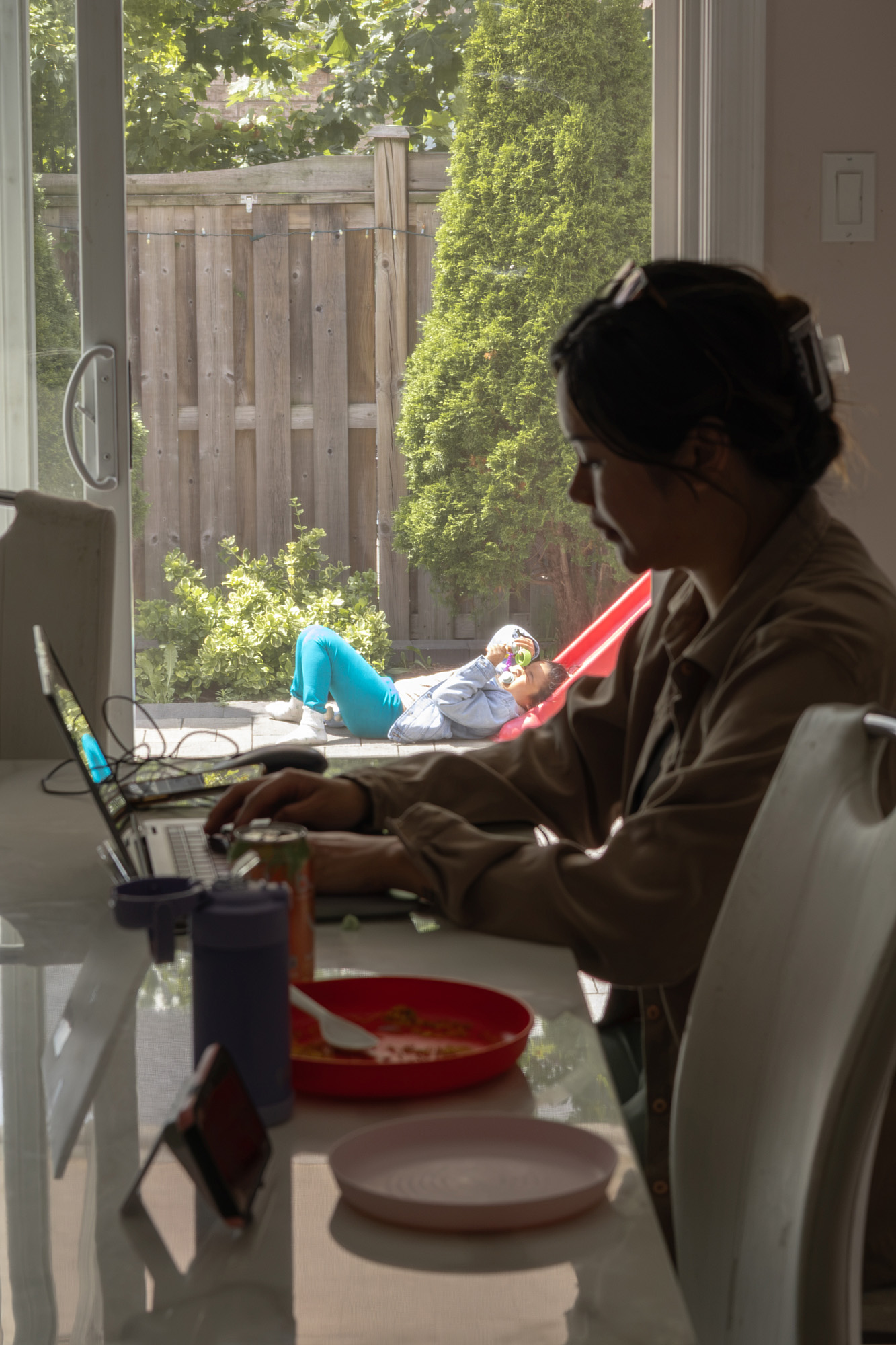
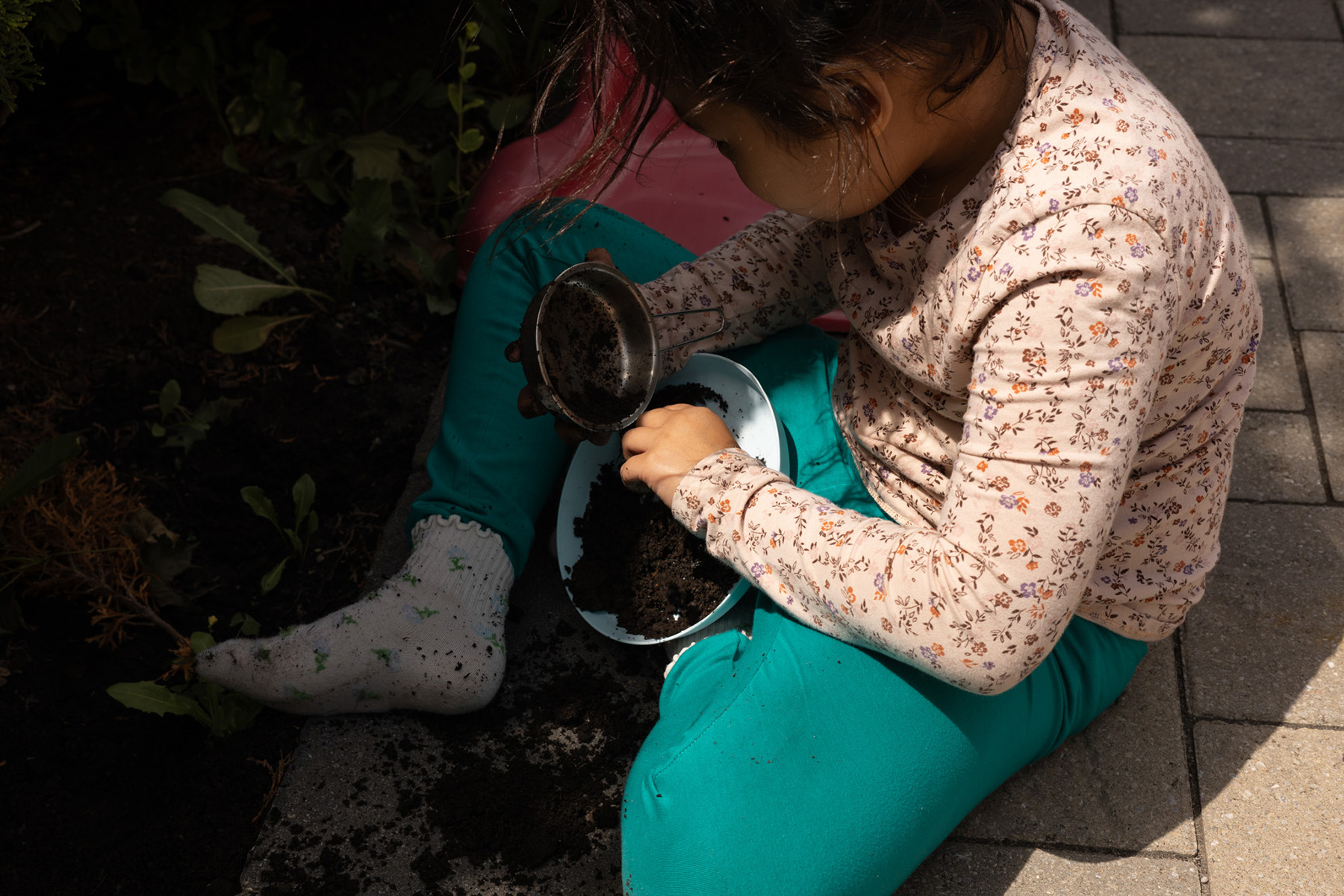
But until then, Katalina will spend her days at home with her mother or grandmother. Even though they aren’t able to have her attend camp all summer, they still try to fill her days with activities that she enjoys doing—baking, playing with toys, or watching television. Katalina especially enjoys the outdoors and spends much of her day in the backyard grabbing fistfuls of soil, making mud pies, or playing with the water hose. Usually, Maria will be right behind her, laptop in hand, working and taking meetings while following Katalina around the house through the long summer days.
More from this issue
Gearing Up for October’s Municipal Elections
We are building a civic newsroom unlike any other, with an expanded scope to serve residents of not just Toronto, but also Mississauga and Brampton.

The New Chill Facing Trans Health Care
As anti-trans rhetoric intensifies at home and abroad, the organizations providing training in trans-inclusive healthcare say they’re seeing less uptake from physicians across Ontario.
The Local Wins Six National Awards
Our journalism took home top prizes at the National Magazine Awards and Canadian Association of Journalists Awards.

An Ancient Past Unearthed by Urban Construction
In 2024, an Indigenous burial site was found during construction on Withrow Avenue, near Riverdale Park East. Where others see a “hole” in the ground awaiting investigation, journalist Gabrielle McMann sees a window into Toronto’s complex pre-colonial history—and a deeper sense of belonging.
The Long Last Days of Toronto’s First Safe Consumption Site
Nick says he’ll go back to Manitoulin. Texas can’t even think about the closure. Inside Moss Park in the final days of a nine-year era of safe consumption.
The Local Expands Into Peel
Introducing Prarthana Pathak, our new Peel Reporter

The Local is Nominated For Ten More Journalism Awards
The nominations at the Digital Publishing Awards and National Magazine Awards recognize our journalism in 2025.
When Refugees Can’t Afford the Care They Need
New federal cuts to Canada's refugee health program take effect this week. The people who work with asylum seekers say the consequences could be devastating.
The Local is Nominated for Four Canadian Association of Journalists Awards
The awards recognize our in-depth reporting on everything from school boards to international students to AI to worm harvesting

The New Reality for Toronto’s Crossing Guards
Once a job for local retirees backed by the police, today's crossing guards are poorly paid contract workers employed by private companies. As they confront growing road rage and speeding drivers, their work is more dangerous than ever.