
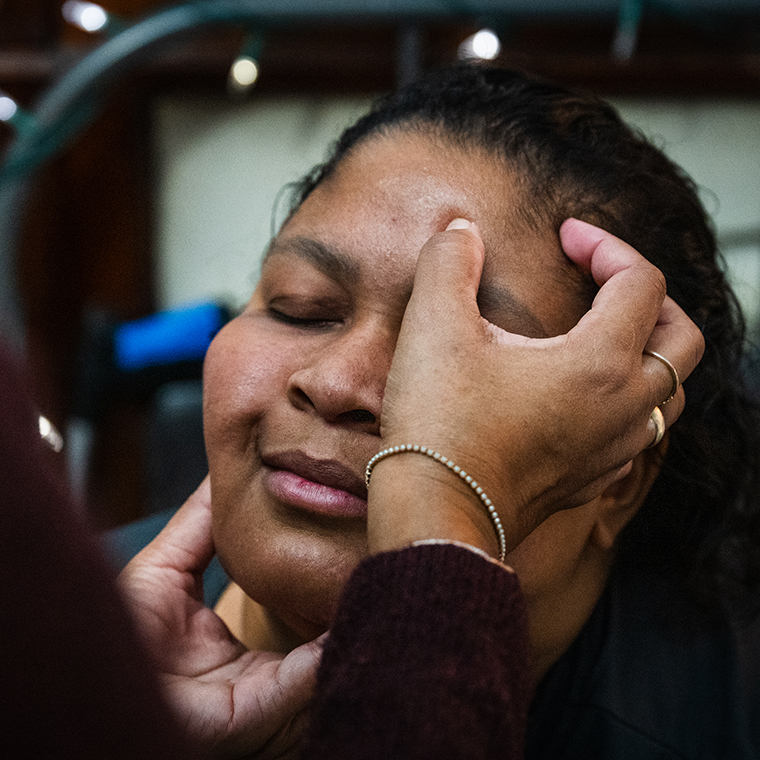
It’s hard existing in the moment. That’s where Rhea Seegobin lives. It’s taken her a while to get there—or here, rather. After all, nobody in their 30s expects to be diagnosed with metastatic breast cancer, a type of cancer that refuses to be contained. Early on, she’d read that most people with her diagnosis don’t survive more than two years. That was more than two years ago.
It’s a certainty there will be active cancer somewhere in her body—in her brain, in her liver, in her bones—for the rest of her life, however long that may be. “That took a lot of time to process,” said Rhea, a warm, hearty woman with a musical voice.
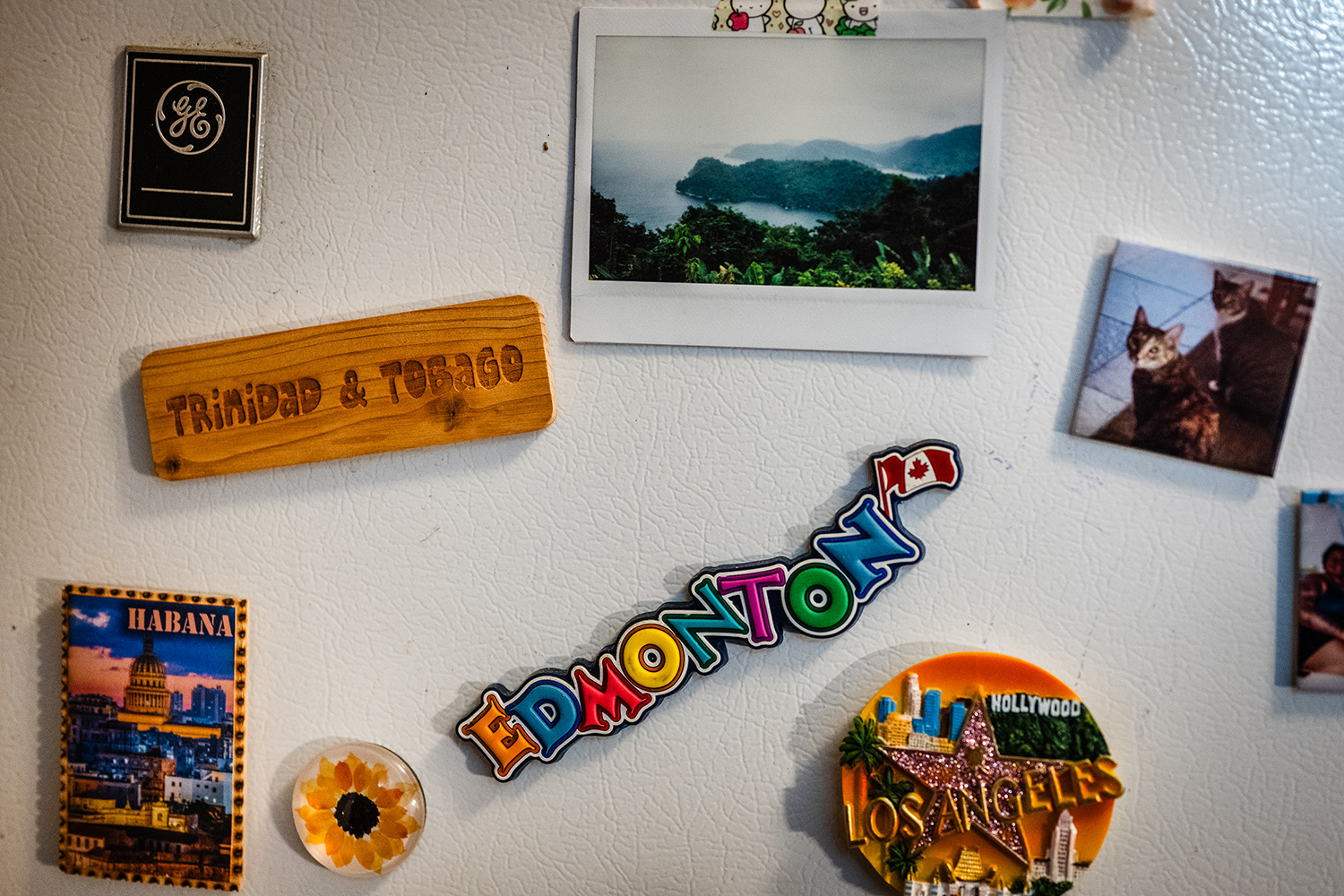
Every so often, she catches herself thinking about the future, and all the things she may miss. Things like seeing her older brother René, back in Trinidad and Tobago, become the wonderful father she knows he’ll be, if he wishes. Or watching her friend’s nearly one-year-old baby play his first sports game, or perform in his first dance recital.
It’s strange, missing these moments that haven’t happened yet.
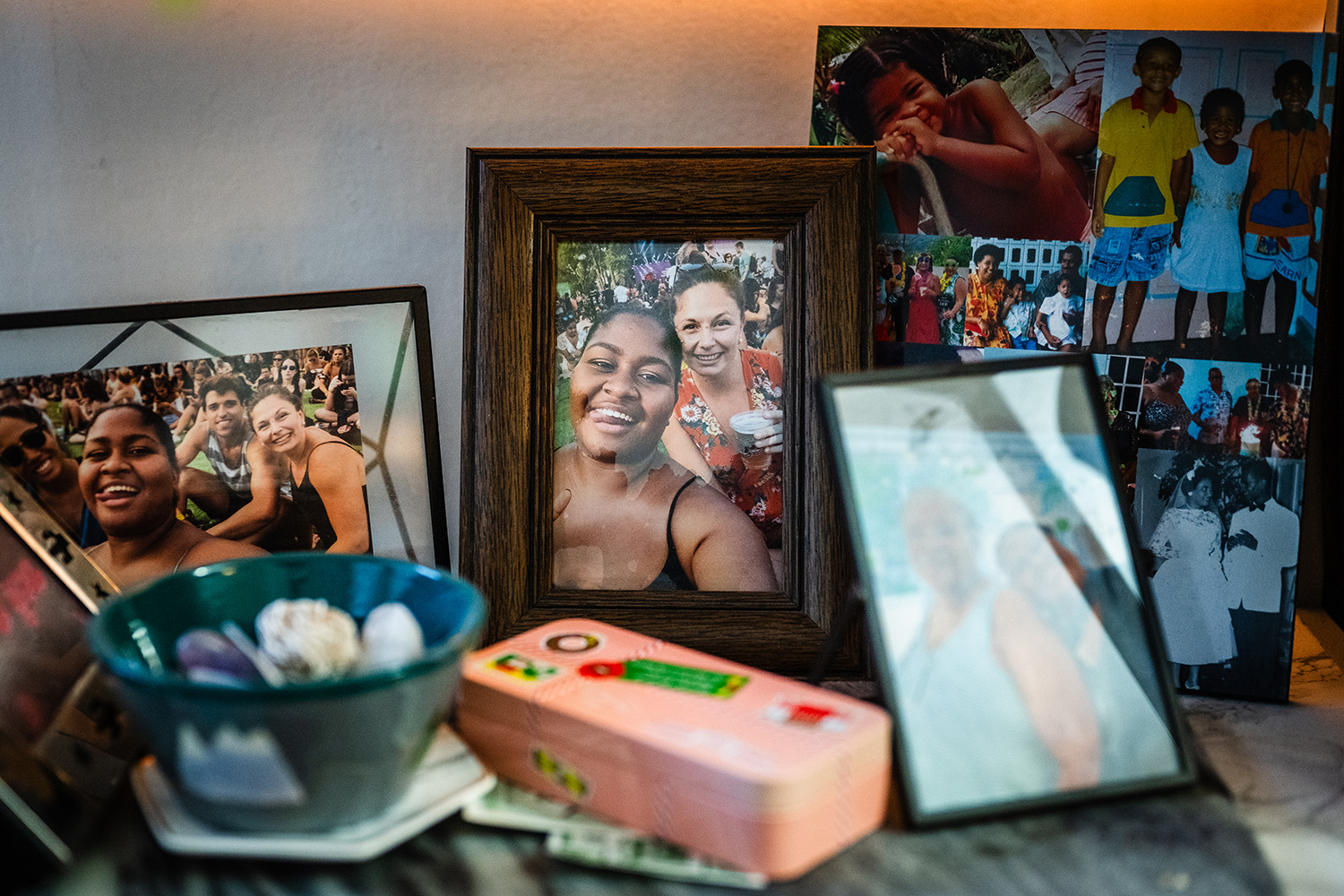
It was a chilly Friday in March 2023 when everything changed. Until then, Rhea never had any reason to think her body might fail her. She was a bright, vibrant 32-year-old, who had graduated from Trent University with a bachelor’s degree in forensic science in 2013. In the decade since, she had worked in quick service restaurants and retail, which suited her sunny disposition, and knack for handling customers. She was holding down two jobs to pay off her debts and try to get ahead.
That day in March, she was working as an assistant manager at a computer store, a short walk from her High Park studio apartment. During a quiet lull in her shift, she pulled out a step stool to sit down and give her weary legs a break. Recently, they’d ached with a dull pain that occasionally woke her up at night. But instead of sitting, by some lapse in balance or depth perception, she fell backward. The impact knocked the wind out of her, and she lay there, stunned, for what seemed like five minutes. Maybe 10 minutes? It was hard to tell. Eventually, not wanting a customer to walk in and see her sprawled out on the floor, she gingerly picked herself back up.
For the next two weeks, she continued to work, both at the computer store and at her second job at a neighbourhood gift shop, a testament to her extraordinarily high tolerance for pain.
When she finally had a day off, she walked over to the emergency department at St. Joseph’s Health Centre, expecting to be told to just go home and rest. Instead, a CT scan revealed a broken hip, broken ribs, and a broken pelvis. It showed something more ominous, too: her lymph nodes lit up like light bulbs.
“Do you have any family here?” the emergency department doctor asked her, after she was brought into a private room.
Rhea answered no. She had come from Trinidad and Tobago on her own to attend university at the age of 18, and became a permanent resident here. Her entire family was back in the Caribbean.
“Do you know what the word ‘metastasis’ means?” he asked.
She did. Her dad’s mom, her dad’s dad, her dad’s sister, and her mom’s brother had all died of cancer. But she wasn’t sure where this conversation was going.
“I just remember thinking, like, ‘What are you trying to say?’” she recalled.
The doctor explained they would need to run more tests, and would admit her to the cancer ward. And so, Rhea became one of the growing number of patients across Canada whose cancer is detected in busy, crowded hospital emergency departments.
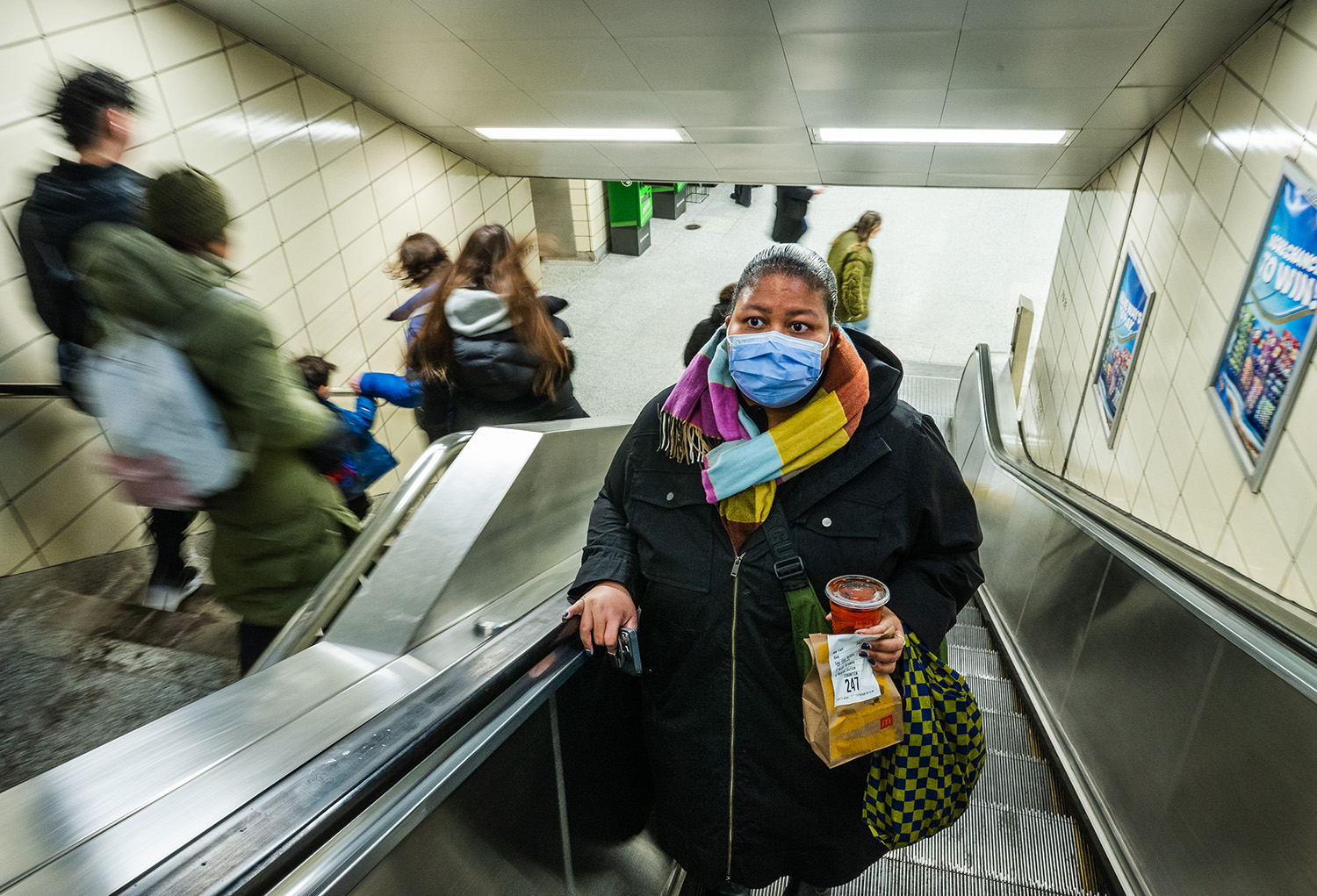
Nearly 44 percent of Ontarians will develop cancer in their lifetime, according to an Ontario Health report published in February 2025. That’s a staggering projection. If you’re reading this while sitting next to someone, one of you will likely have cancer at some point.
The good news is, thanks to improvements in early detection and more effective treatments, more people are living longer after a cancer diagnosis than ever. The bad news is 44 percent of Ontarians translates to more than 7 million people, and none of us can afford that magnitude of illness. Our already overstretched health care system can’t afford it, nor can we as individuals.
Yet tackling the expense remains one of the most underdiscussed aspects of cancer. Mercifully, patients with OHIP don’t have to pay out of pocket for the care that happens in hospitals—the tests, scans, surgeries, chemotherapy infusions, radiation therapy. But there are countless other costs that provincial health insurance doesn’t cover, from take-home medications and medical devices to transportation costs and hospital parking fees.
The Canadian Cancer Society estimates it costs the average cancer patient nearly $33,000 in out-of-pocket expenses and lost income. That’s practically the equivalent of a downpayment on a modest GTA condo. And at a time when many Torontonians can’t afford basics like groceries, it’s unlikely they’re setting aside extra money for such health crises.
As the cost of living in Toronto continues to rise, and newer, more expensive cancer treatments become available, how will this city cope with the thousands of new cancer cases that are diagnosed each year?
Never Miss a Story
Sign-up to our free newsletter to receive the next story in the Cost of Care issue—publishing throughout January and February 2026.
"*" indicates required fields
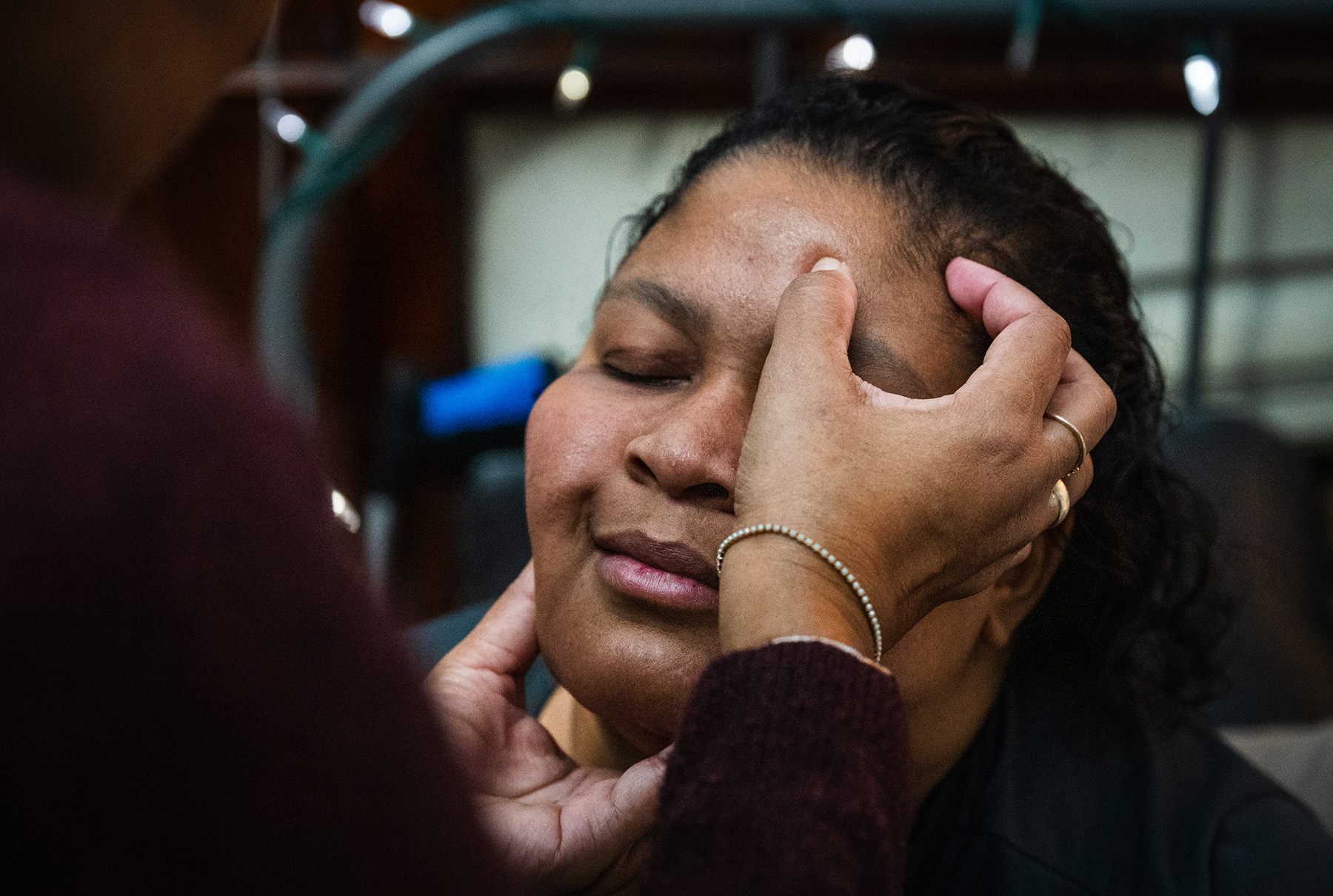
Currently, with an increasing number of Torontonians living in or at the edge of poverty, the answer is not well. At the Princess Margaret Cancer Centre, social worker Valerie Heller, the co-lead of psychosocial oncology, has seen her caseload surge over the 25 years she’s been working at the hospital. She sees cancer patients living in rooming houses and shelters, older patients on a fixed income with no one to take care of them, and the hardest hit, the working poor—patients earning minimum wage, who are too young to qualify for seniors’ benefits, and who suddenly find themselves unable to work, without workplace benefits, and reliant on government programs that keep them under the poverty line.
“Oh my god, it’s just terrible. I mean, people struggle with rent and food. People who are in the depths of cancer treatment,” Heller said. “It’s—yeah, it’s a crisis.”
When I first met Rhea, I wanted to understand the financial challenges that Torontonians with cancer are up against. Rhea was introduced to me through the Breast Cancer Support Fund, one of few charities that specifically focus on the financial burdens of cancer. She was a beneficiary of the charity, and had received a $2,000 cheque from them during a particularly lean period the previous year. That money allowed her to buy fresh food and take Ubers to her medical appointments without agonizing over whether she could justify the cost.
As I spent time with Rhea, though, I discovered that her story isn’t defined by hardship. Which is not to say having cancer isn’t difficult for her. “I don’t wish this on anybody. No question. Full stop,” she said. But through that hardship—remarkably, pragmatically, and determined to live well with terminal cancer—Rhea has forged a way forward.
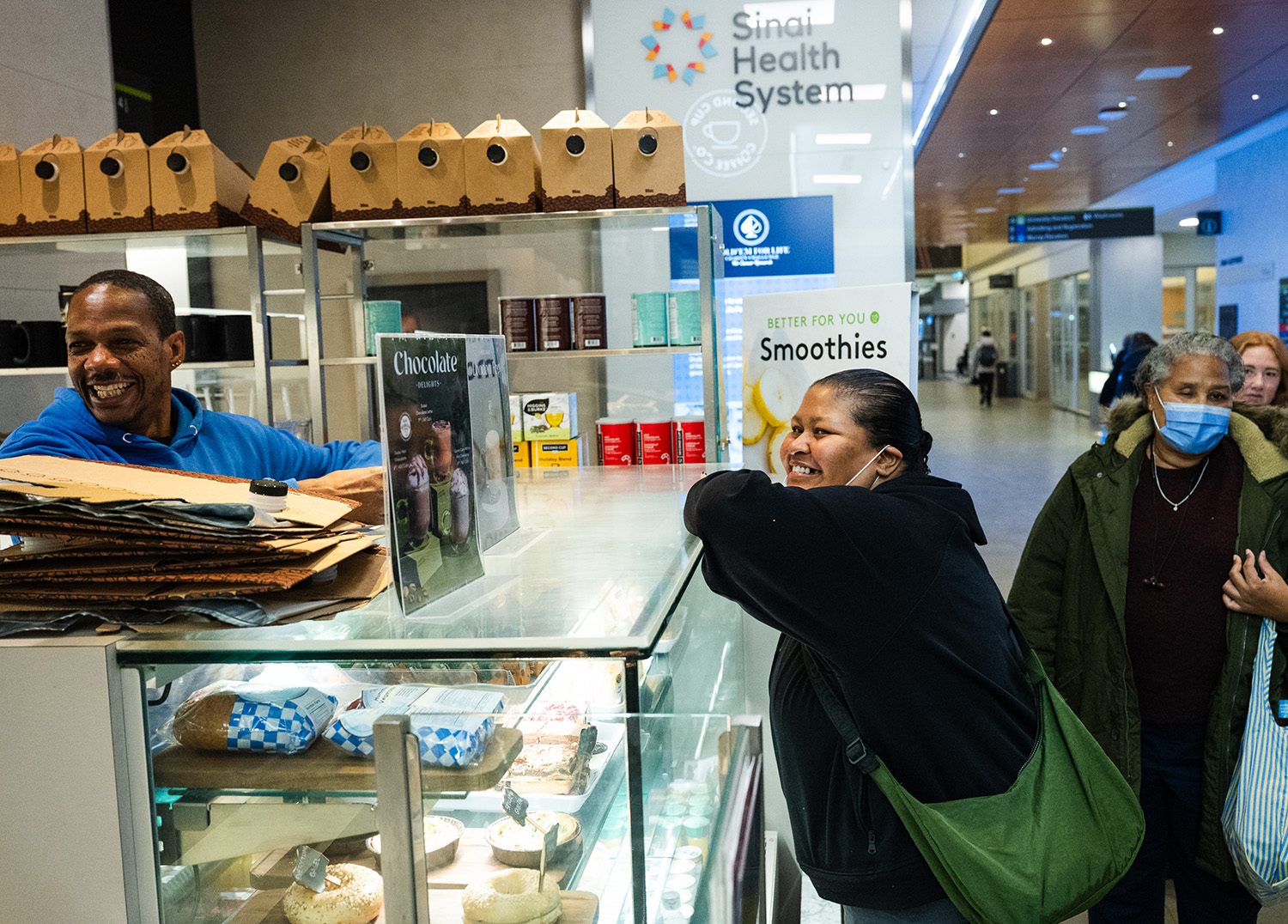
On an early Wednesday morning in December, Rhea arrived by taxi at the Bathurst Street entrance of Toronto Western Hospital. Accompanying her, walking through the glass door two steps behind, was her mother Lystra Conyette.
Lystra, a dignified woman with bouncy grey curls, had been in Toronto since September. It was her latest stay in the city since Rhea learned she had cancer. Lystra’s visa allowed her to be in Canada for six months at a time.
It was still dark out when mother and daughter awoke that morning to get ready to come to the hospital, both getting up out of the double bed they share in Rhea’s tiny bachelor apartment. There hadn’t been time for breakfast before leaving home. Rhea’s X-ray appointment was for 7:45 a.m.
By Rhea’s count, she’s had more than 250 different kinds of medical appointments over the past two and a half years, and at least 79 of them in 2025 alone. She is now, as she likes to say, “a professional patient.” Today’s visit to the hospital would involve an X-ray and follow-up with her surgeon to make sure her hip was healing well. They had operated on her six weeks earlier, installing a bionic ball and socket to replace a joint that had corroded, a common complication associated with one of her medications.
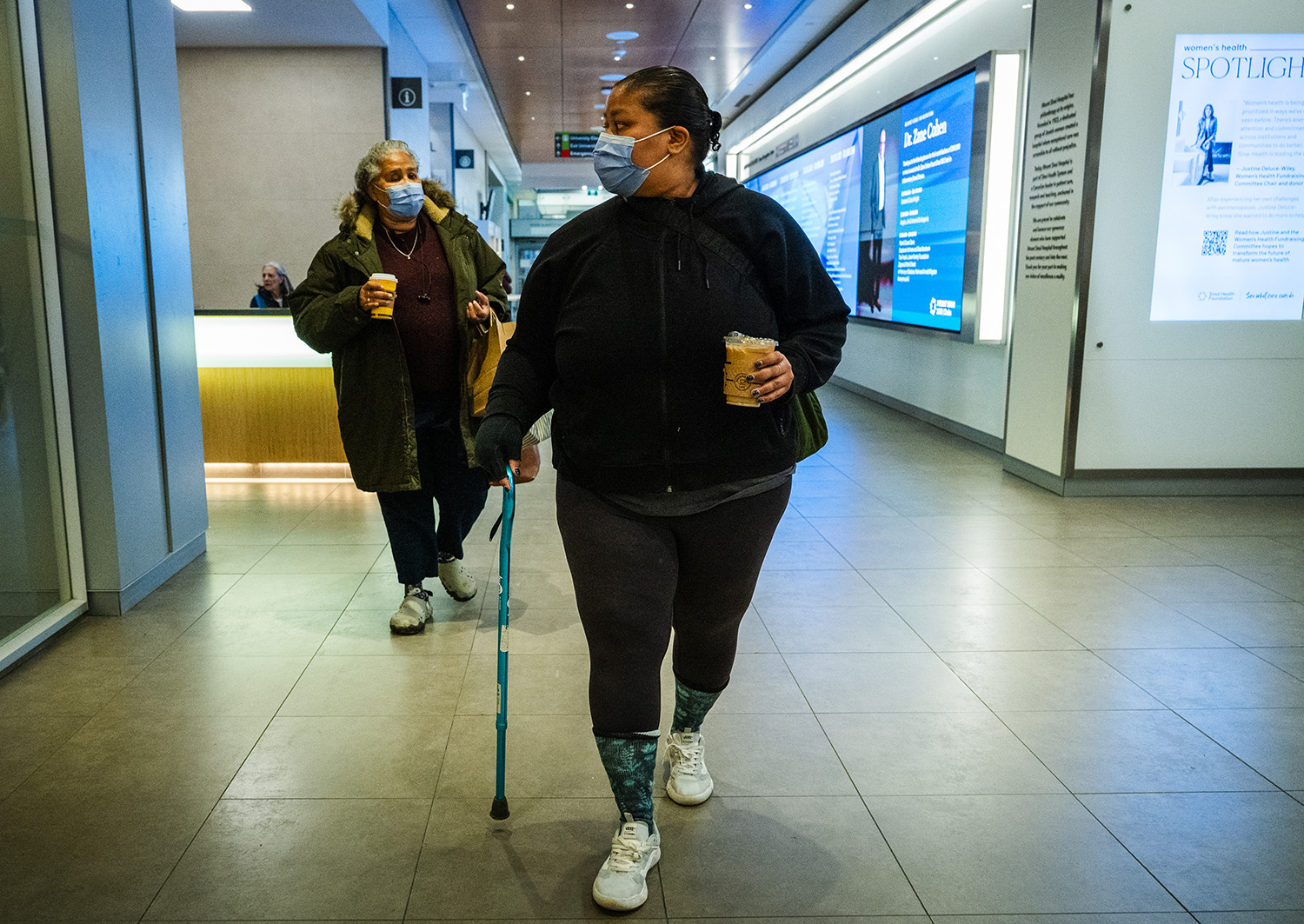
By then, Rhea was well familiar with the layout of the hospital. Leaning forward over a borrowed metal walker, she led the way across the first floor to the fracture/orthopaedic clinic. She presented herself to the reception desk, as her mother found seating for them at the back of the waiting area.
“It’s quiet today,” Lystra said, when Rhea rejoined her.
“Don’t jinx that,” Rhea replied, nudging her mother playfully.
Rhea had been in crowded hospitals enough to witness how illness and misery could bring out the worst in people, making them hostile and hurtful to the very individuals trying to help them. She knew what it was like to be on the receiving end of people’s frustrations; she had customers yell and scream at, and even physically assault her, back when she worked at Starbucks as COVID restrictions were lifted. “The pandemic really shifted something with people,” she said. “People just forgot how to be people.”
She wasn’t in a position to judge them, she said, but the idea of inflicting pain on the people around you, “it’s an insane thing to me.”
Part of living in the moment has meant, more than ever, treating others well, and practicing gratitude, and recognizing that most things aren’t worth getting worked up over, she explained. “We’ve got bigger fish to fry is what I always tell myself,” she said.
After a while, a hospital staffer emerged with a clipboard, and called out her name.
“Rhea Seegobin?”
Rhea pulled herself out of her chair, and limped toward her with her walker. Lystra’s soft gaze followed her.
Lystra remained in her seat. At 62, she understood, having taken care of her late mother in her elderly years, that letting people exercise their independence for as long as they’re able is an act of kindness.
As she waited, Lystra recalled that even when she was a child, Rhea was always exuberant and full of joy. Her brother René was quieter, and held his feelings closer to his chest. Lystra’s love for both her children was infinite.
The news that her daughter was grappling with cancer had hit her hard. Back home in Diego Martin, a town in the northwest corner of Trinidad, Lystra had been thousands of kilometers away in the spring of 2023, when Rhea called her parents to tell them she was in the hospital. The pillar of her family, Lystra found herself unable to function for days. As long as she didn’t move, didn’t speak with anyone, didn’t get her affairs sorted to come to Canada, she rationalized to herself, she could avoid having to face reality.
“If I don’t do anything, it won’t be real,” she recalled. “That’s what I hoped.”
When her husband finally shook her out of her daze, Lystra snapped into action. She organized her passport and applied for a visa. Since she had retired at the age of 45, her income was much smaller than when she worked as an editor for a telephone book company, but she exchanged as much cash in U.S. dollars as she could afford, and collected whatever was given to her by friends and family—about $5,000 or $6,000 altogether—to help pay for Rhea’s expenses. Her husband Randy and son René would stay behind to run the family’s hardware store. The wait for her visa felt interminable. At last, when Lystra touched down in Toronto, Rhea, who had been trying to hold it all together through her diagnosis and initial phase of treatment, could finally let down her guard. She held onto her mother and sobbed.
Paradoxically, for Lystra, being there with her daughter fortified her.
“She keeps me strong and focused. And she keeps me happy because she’s a happy person,” Lystra said. “You know, when I came and saw her for the first time, all my fears disappeared, how strong she was.”
Her voice cracked, and she sniffled.
There, under the white lights of the hospital waiting room, Lystra admitted there are times when she feels overwhelmed. In those moments, when she is alone, she sits and has a cry. “And it helps,” she shrugged and let out a small laugh.
She was quiet for a moment.
“Being with her helps a lot,” she added after a while. “She’s not daunted by it. She’s going to fight this for as long as she’s given the grace to.”
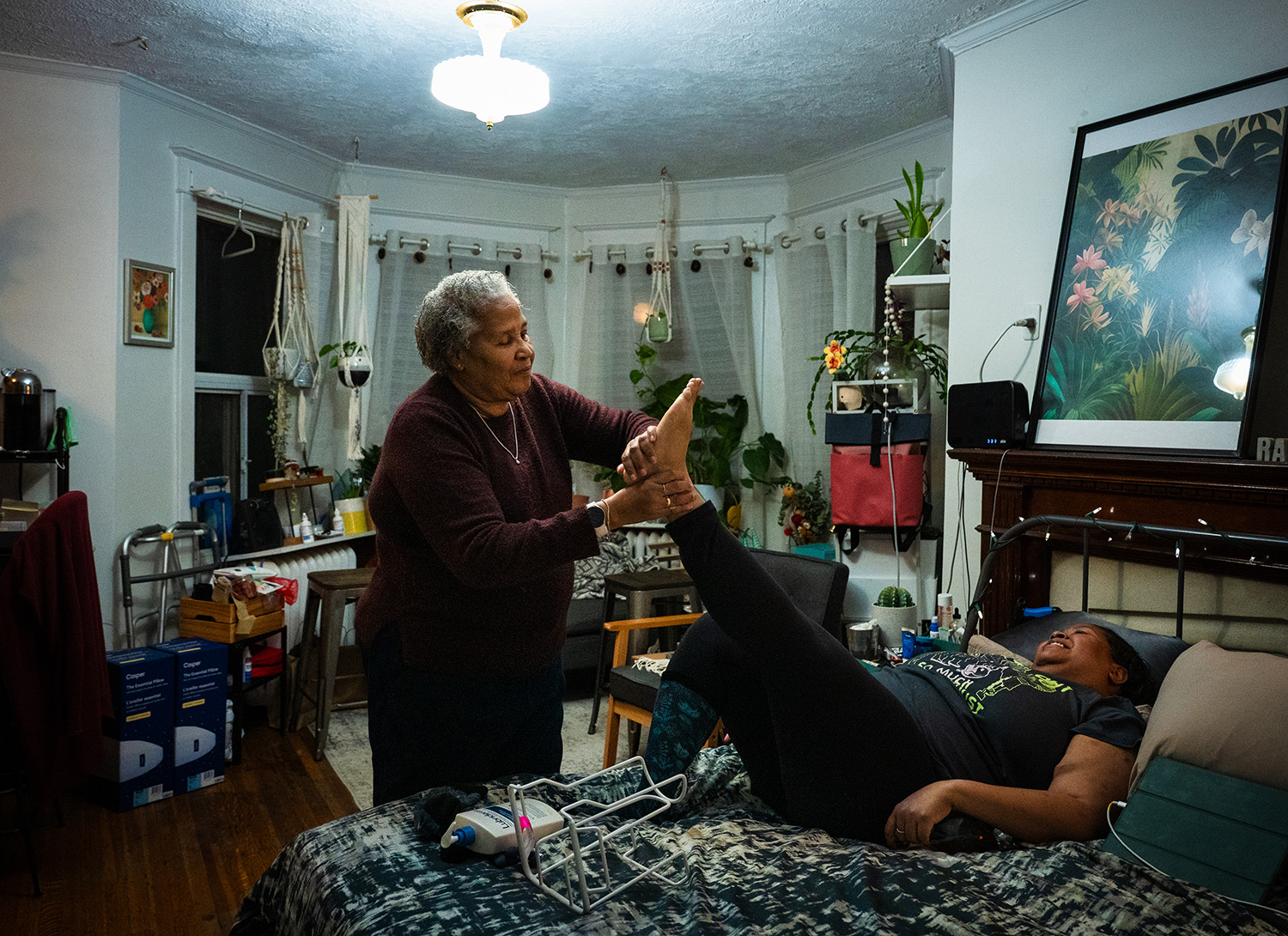
After her X-ray and her visit with the surgeon, Rhea re-emerged. The surgeon, she reported happily, was pleased with her recovery. She and Lystra were running on schedule. They still had time to pick up some coffee and breakfast sandwiches at the Second Cup on the ground floor on their way to her physio appointment upstairs. It would be the second of four post-surgery physio sessions covered by OHIP.
“Are you ready to ruuuumble?” Rhea said, as her mother got up to leave. “Okay,” Rhea said, leading the way with her walker. “We’re going.”
Later that afternoon, at Brodawka and Friends, a small gift shop on Roncesvalles Avenue, Rhea perched herself on a tall stool behind the cash register. Three weeks before Christmas, the shop was filled with holiday merchandise—cartoon mouse ornaments made of felt, plush shrimp in Santa hats, novelty socks, fir-scented candles.
“Hi, you all set there?” Rhea asked, as a customer approached the counter with her purchases. “Did you find everything?”
“There are so many cute things here,” the customer said.
“It’s a very dangerous store,” Rhea replied, knowingly.
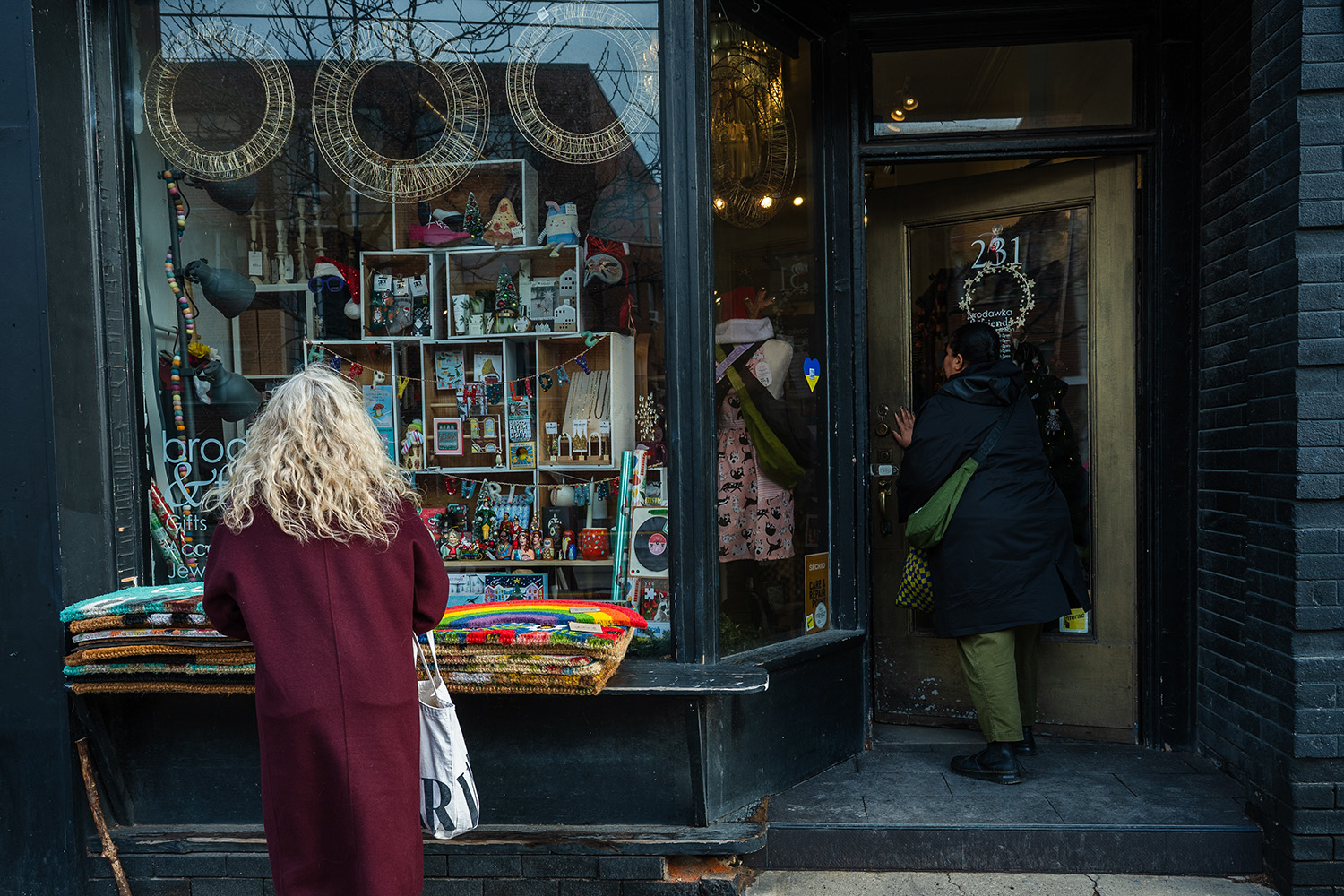
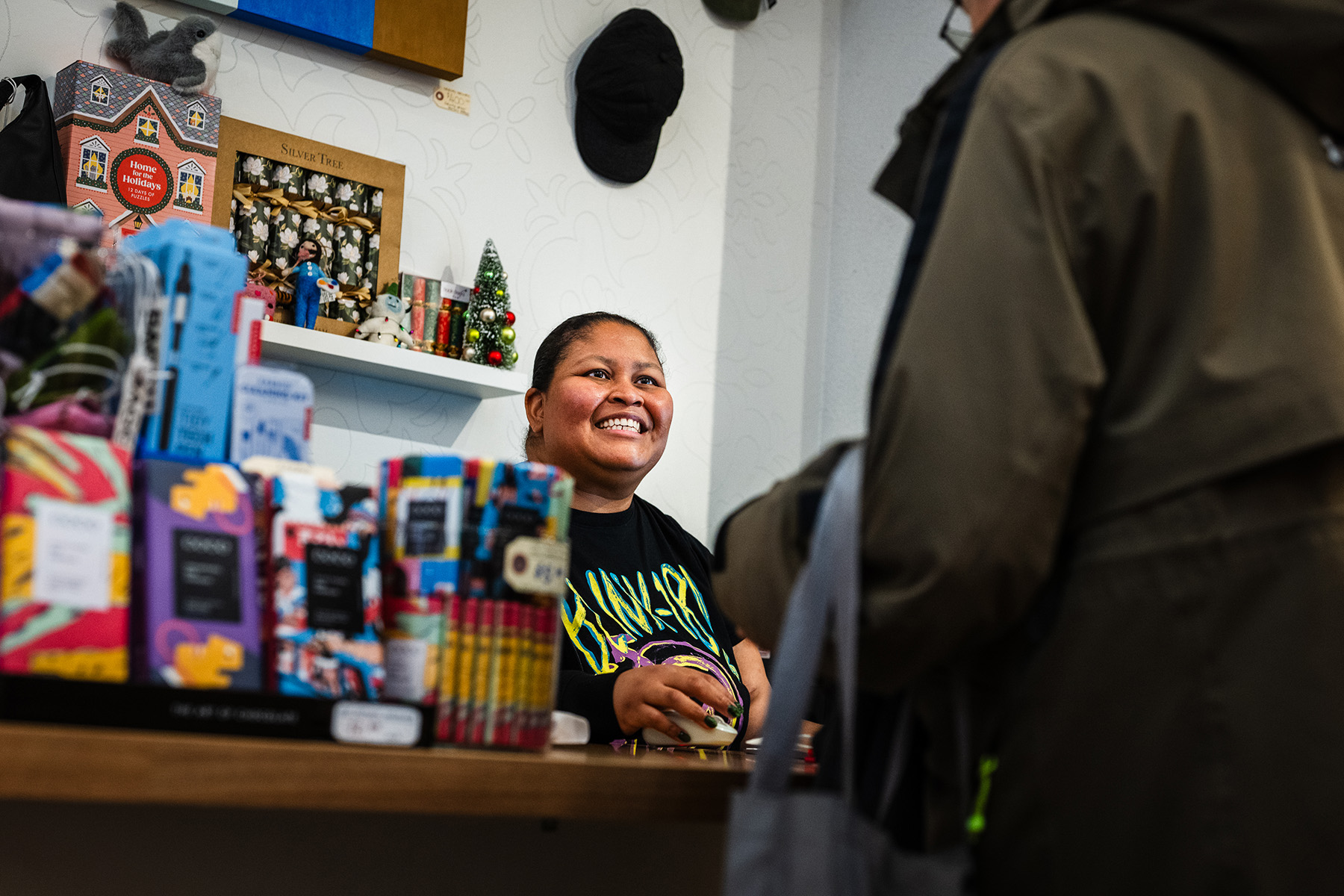
In the years since her diagnosis, Rhea has continued to work on-and-off for a few hours a week here, earning about $800 a month. This was one of her first shifts back since her hip replacement, and she was glad to be out of the house and working again.
She never managed to return to her assistant manager job at the computer store after her fall, it was too physically taxing. Her main income now is through the Ontario Disability Support Program, or ODSP, which gives her $1,408 a month. Her rent, meanwhile, is $1,675, and she has other fixed expenses, like her phone and internet bills. She estimates her daily medications—10 pills, including vitamins, antidepressants, and heart medications—cost her around $550 a year.
Like Rhea, many cancer patients in the city rely on pockets of money here and there—various government assistance programs and benefits, community resources, charities—and support from family and friends, to try to make do. To Rhea, the latter have been her lifeline in more ways than one.
At the Wellspring Cancer Support Foundation, social worker Ilene Shiller, manager of workplace and financial programs, helps people navigate what she calls a “financial maze of resources.” But even with the different resources that are available to them, there isn’t always enough money for cancer patients to cover their monthly expenses and costs related to their treatment. In recent years, Shiller said she’s helped more people than ever who are facing evictions, have utility bills in arrears, or are otherwise falling behind. On rare occasions, she has encountered patients who are forced to work throughout their cancer treatment. More often, she sees patients incurring debts, using credit cards and lines of credit, tapping into their savings like RRSPs, refinancing their homes, and borrowing from friends and family.
The result, she said, is stress: “Huge, huge stress. I can’t tell you how many times we have people come in to an appointment that will say that the stress of the financial part of this diagnosis is worse than the diagnosis itself.”
Such high levels of distress are strongly tied to worse patient outcomes and lower rates of survival, though it’s not yet fully clear why. Perhaps it intensifies physical symptoms or simply makes people less able to take care of themselves. Or perhaps it affects the immune system in a way that allows the cancer to be more aggressive or hampers chemotherapy, according to Madeline Li, a psychiatrist, researcher, and co-lead of psychosocial oncology at Princess Margaret Cancer Centre.
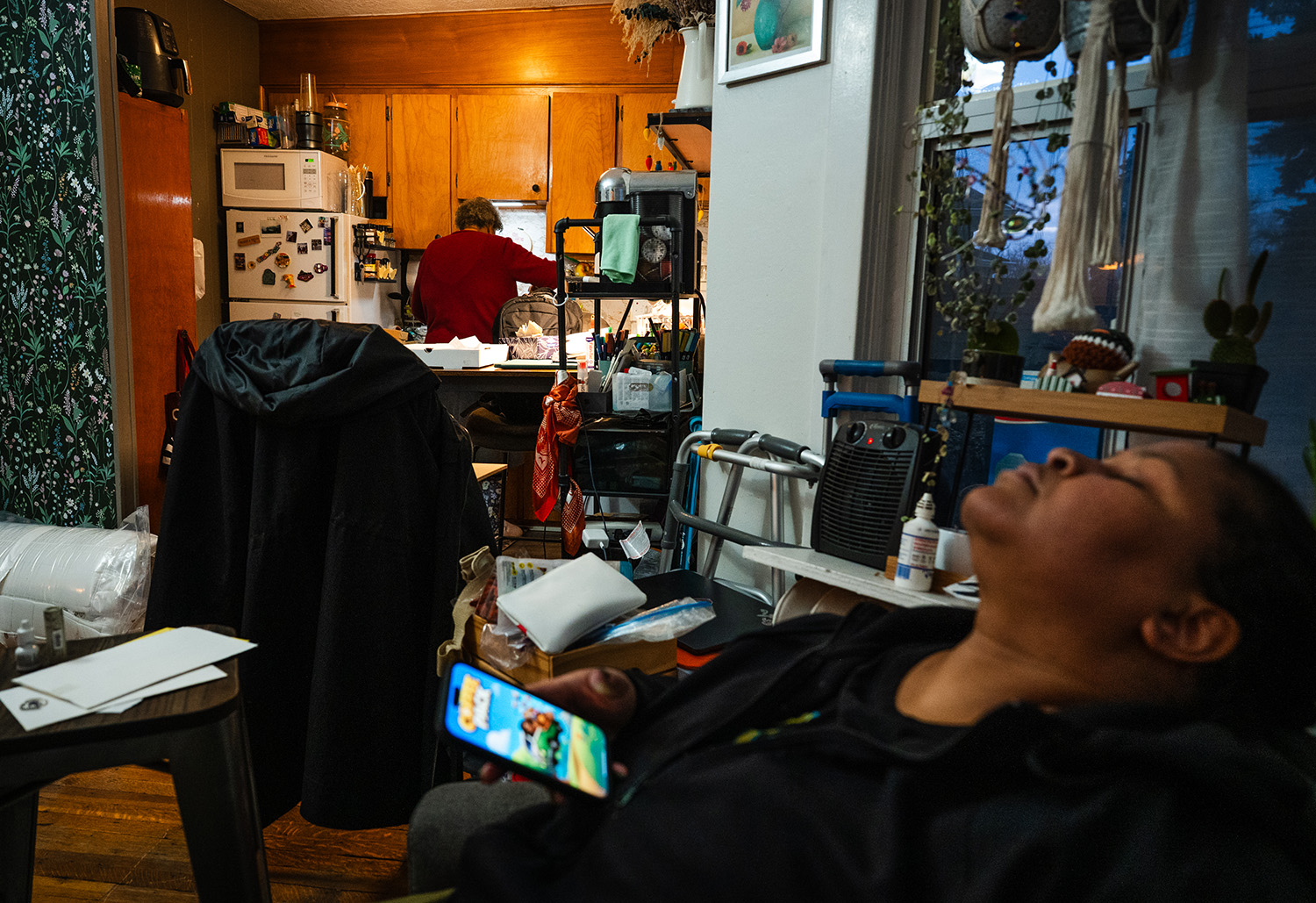
The financial barriers to cancer care can present themselves in myriad ways. Li noted, for example, that one of her patients can’t afford a phone and so has trouble booking her appointments. Secretaries can’t reach her.
“We don’t even think about how much our health care system now is tailored to people who have some degree of means,” Li said.
One of her biggest fears, she said, is that as the cost of cancer care increases, with advances in technology and expensive immunotherapies, people’s finances will become the reason they don’t get adequate care.
There’s evidence to suggest this is already happening. In a study published in the journal Current Oncology in 2024, McMaster University professor emeritus Christopher Longo and his team examined patient survey data from 2016-2019 and found a sizable proportion of low-income cancer participants were foregoing care because of the costs. In Ontario, among those earning less than $50,000 a year, close to 20 percent were forgoing drugs, and nearly 30 percent went without vitamins and supplements.
There are things Rhea has had to forgo, too—for example, the advice of a cardiologist to start going to physiotherapy, for which she didn’t have coverage at the time, or join a gym. “I was like, ‘You’re paying for the gym membership?’” she said. He didn’t seem to be able to see past her chart to understand her situation, or the fact her heart issues were the result of complications from her cancer medications, not something that could be fixed through lifestyle changes.
And even though she would have wanted to keep her long black hair, she had to turn down the offer of a cold cap, a device that cools the scalp to reduce hair loss from chemotherapy. At roughly $400 dollars per session, it would have cost thousands. “I was like, ‘Thousands of dollars?’” she said. “I don’t even know how I’m paying rent next month.”
For Rhea, the gaps that the social safety net can’t cover are filled by something she has cultivated over time: her community.
“Community, I think, is the solution for everything,” she said, adding, “You can’t complain about there not being community if you’re not trying to build the community.”
Early on, one friend created a GoFundMe campaign to help pay for her expenses. She has a roster of friends who take turns coming to do her laundry on Sundays. (The laundry room in her building is in the basement, two flights of stairs too many for either Rhea or her mother to manage with arms laden with clothes and linens.) For her birthday this year, one friend paid a professional to deep-clean her apartment. When Rhea’s weight gain meant she could no longer fit into the good winter jacket she’d bought herself, a friend noticed she wasn’t wearing it, and bought her a new one.
Knowing she could use a professional’s help to process her diagnosis, a group of friends paid for her to return to a therapist, whom she had last seen years ago when she had a job that covered sessions through its employee benefits. That therapist later stopped charging for sessions altogether.
There is a group of dozens of friends and family who have known Rhea since she was a baby, whom her mother regularly keeps updated through a WhatsApp channel. And Rhea is constantly connecting with other cancer patients across the continent online, who offer each other emotional support and advice.
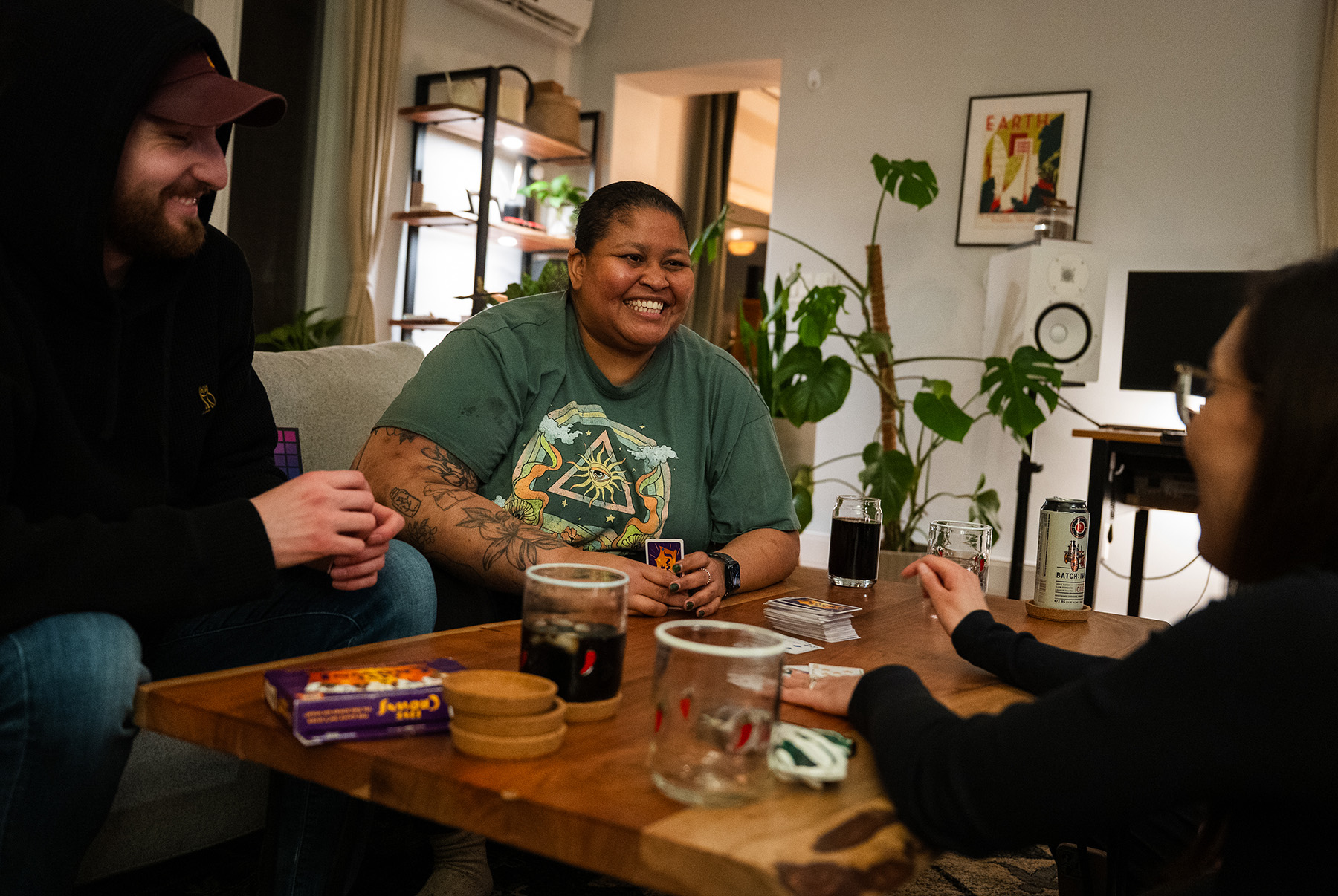
“You kind of don’t realize how strong or weak your circle is until you really need them,” Rhea’s best friend Brianna Davies told me.
Among those who sustain Rhea and Lystra—whether it’s with a cup of tea, a meal, or a place to hang out and have company—are the owners of a neighbourhood grocer and takeout counter. Sarah Lyons of Sunnyside Provisions explained she and her other co-owners live in the area, and their whole idea for opening their shop there was to get to know their community. Rhea, who had often stopped by as a customer before she became ill, became their friend over time.
“People slip through the cracks, and we are in a position to help in our ways. And Rhea has other people who help in different ways,” Lyons said. “Through all of this, hopefully, we can piece together and help her live her life.”
Rhea recognizes not everybody in her situation has the same network of support that she does. “I feel very blessed,” she said.
She isn’t surprised at the outpouring of help she’s received; after all, you get what you put out in the world, she said. At the same time, she is aware that none of her friends is obligated to do what they do, which makes her appreciate them all the more. She also understands that for some people, the physical and emotional toll of dealing with someone who is ill can be too much of a burden.
“A lot of people can’t [handle] that, and they don’t know how to say they can’t, so they just disappear,” Lystra said.
“They ghost,” Rhea agreed. “The cancer ghosts.”
Had people ghosted her? I asked.
“A lot,” Rhea said.
“Oh, big time,” Lystra added.
Rhea now understands not to take that personally. “I’ve learned to give grace and take people as they are,” she said.
After living independently for most of her adult life, asking for help can be hard, though, and with Lystra’s coaxing, she tries to seize opportunities, when possible, to spend on things that give her joy—a manicure, a ticket to a Beyoncé concert, a visit to Trinidad, where, in the warm embrace of her home island, she can temporarily forget she has cancer.
These are, after all, the things that make life worth living; one can’t always be sparing.
“That’s how I see it,” Lystra said. “You have to step out of the box every so often to make life bearable, because life is hard.”
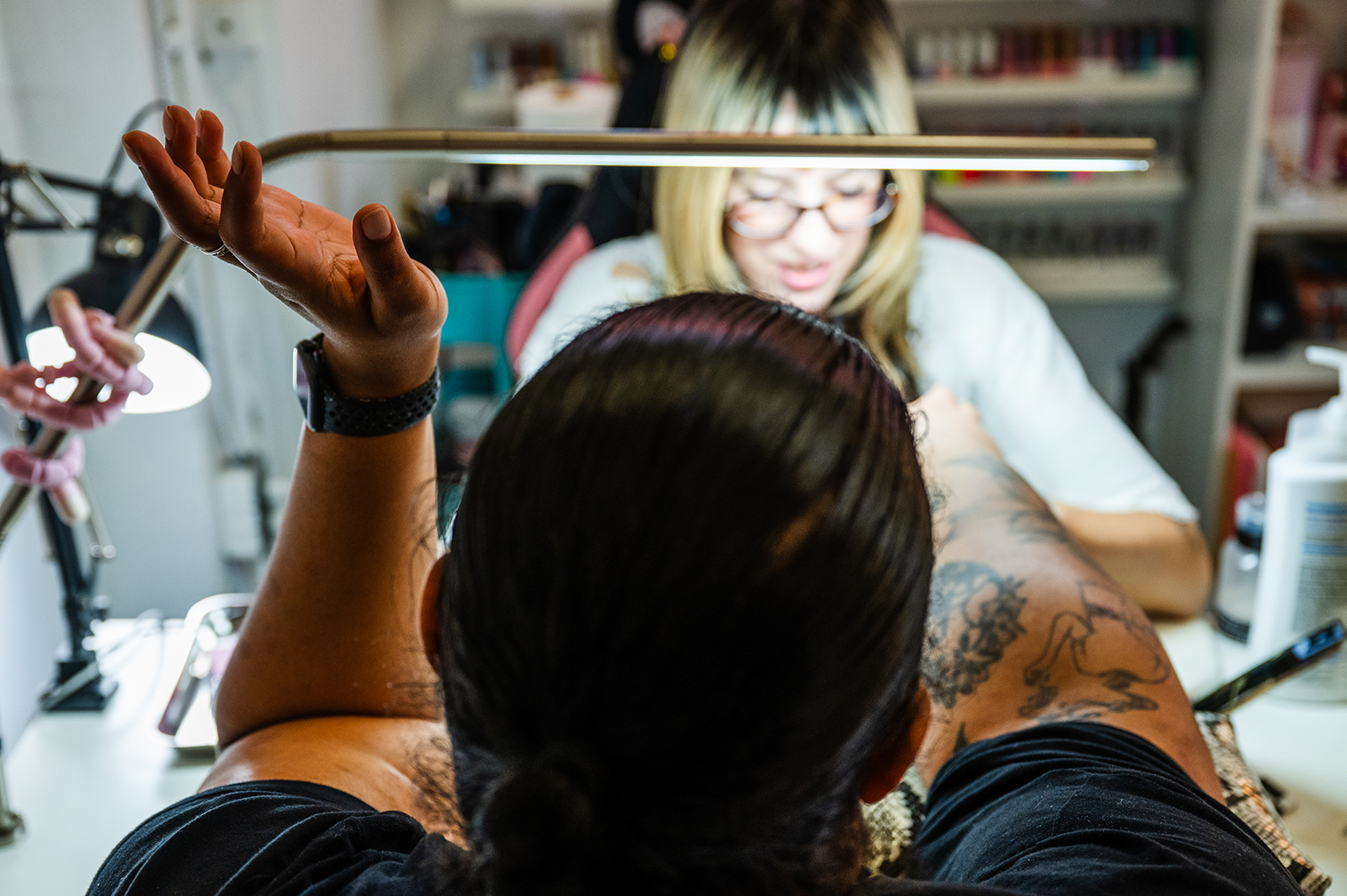
Here, in the moment where Rhea Seegobin lives, there is room for grief.
“No matter how positive I am, there are moments when I just kind of want to lay in bed and I’m like, really grumpy, and I hate cancer, and I’m pissed off at all the things that it took away from me,” she said.
At her age, many of her peers are traveling the world, or buying homes, or having children—not that she’d necessarily been planning for any of those things. “But you want it when you totally can’t have it, right?” she said with a laugh. She misses being able-bodied, and having energy. And always, in the back of her mind, is the knowledge that she will be on cancer treatments for the rest of her life; when they stop working, so will she. “One day, I can wake up and there’ll be a new pain or a new ache, or something doesn’t feel right, and that’s going to be it.”
When she feels grief, though, Rhea reminds herself of what her therapist advised her: that the grief can come visit, “but don’t let the grief, like, unpack its bags and move in,” Rhea said.
And so, she focuses on being here, in the moment. Where there is heartache. There is pain. There is kindness. There is gratitude. There is love. So much love. And there is hope—that this moment can last a while longer.
More from this issue
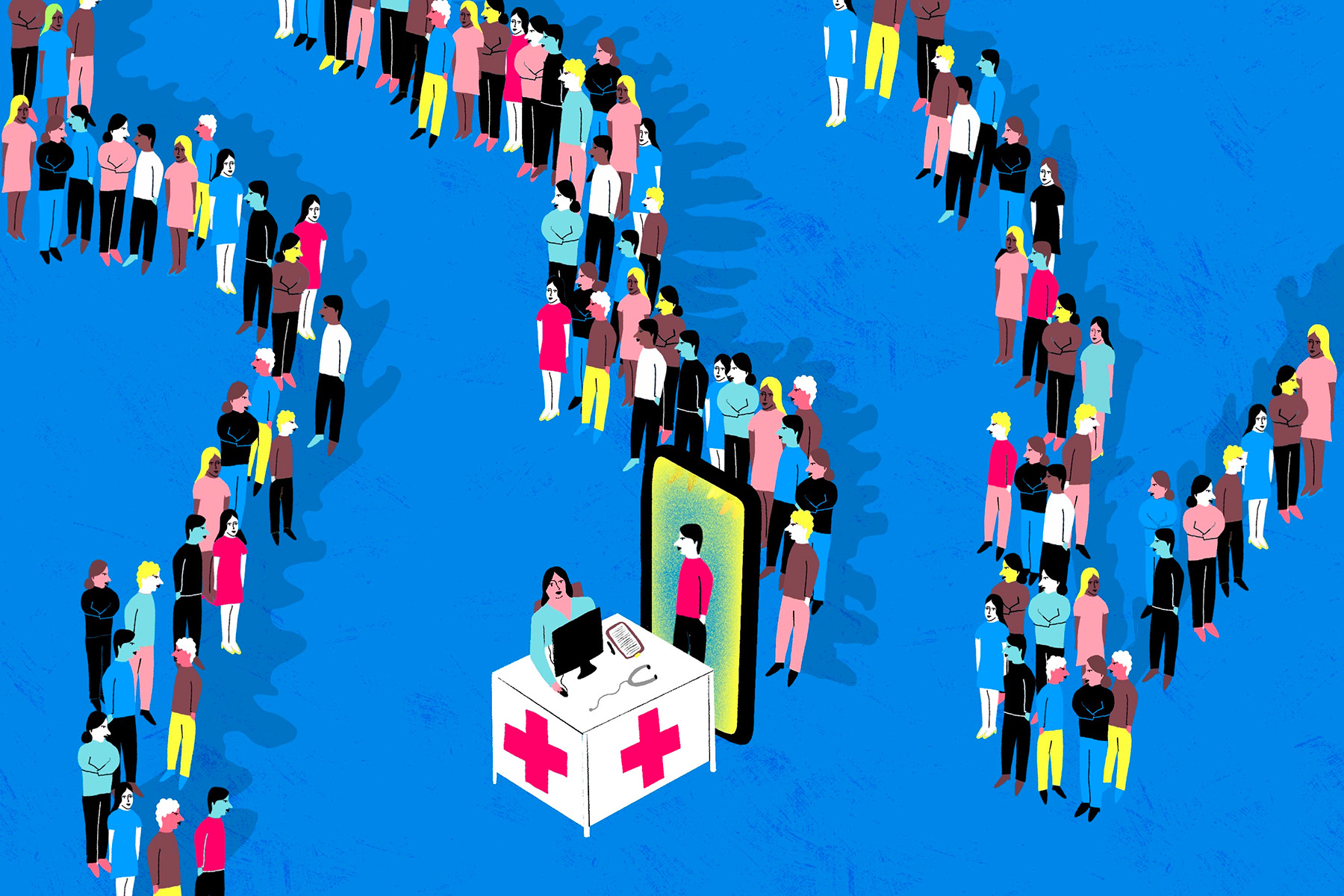
Health811 Promises 24/7 Health Advice—If You Can Wait
Data obtained through freedom of information requests show wait times have increased dramatically since Health811 replaced Telehealth Ontario, peaking at a monthly average of more than 11 hours.
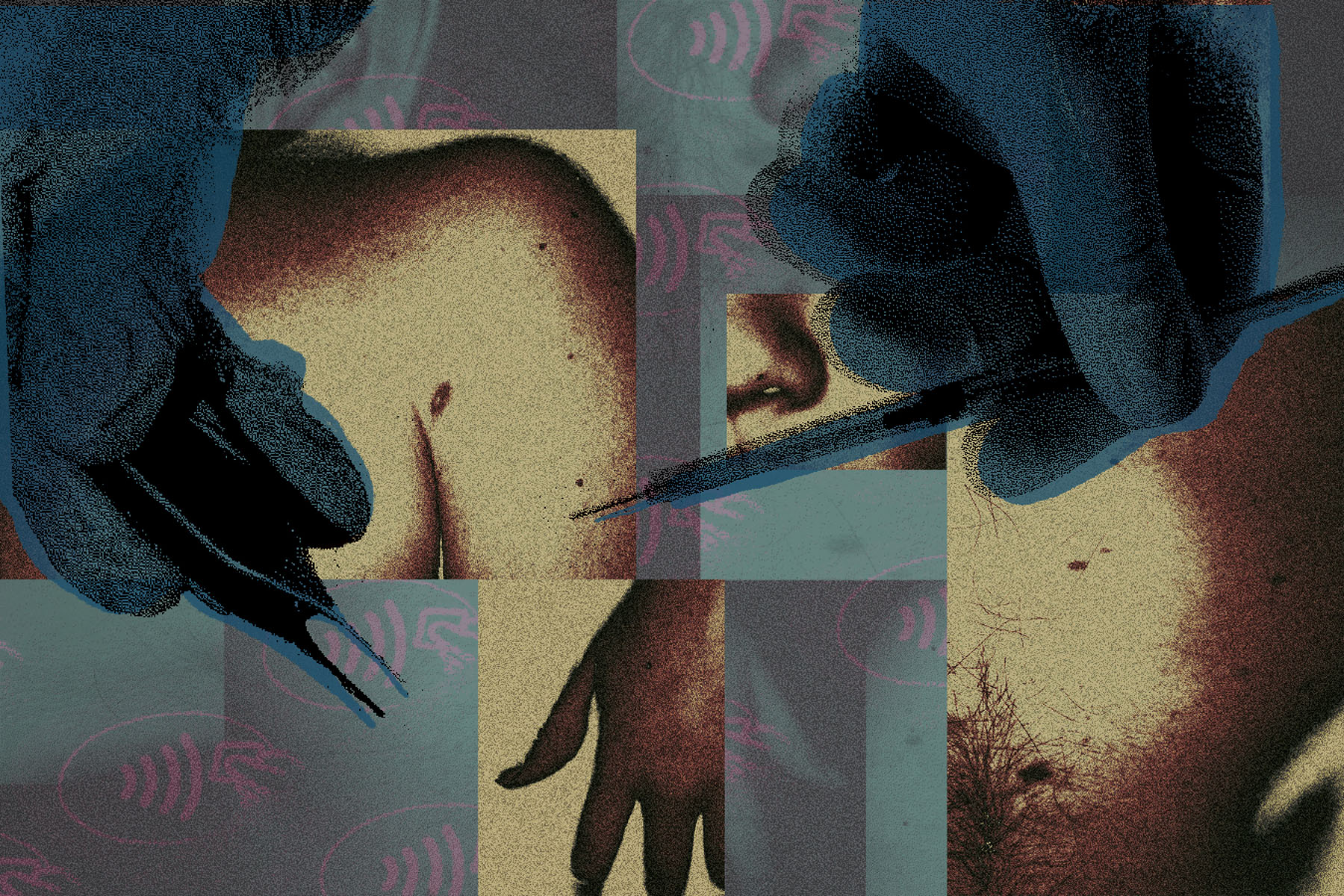
When Your Dermatologist Becomes a Salesperson
Getting a mole checked can takes months, but Botox appointments are readily available. Why dermatologists say their practice is the canary in the coal mine for privatized care.
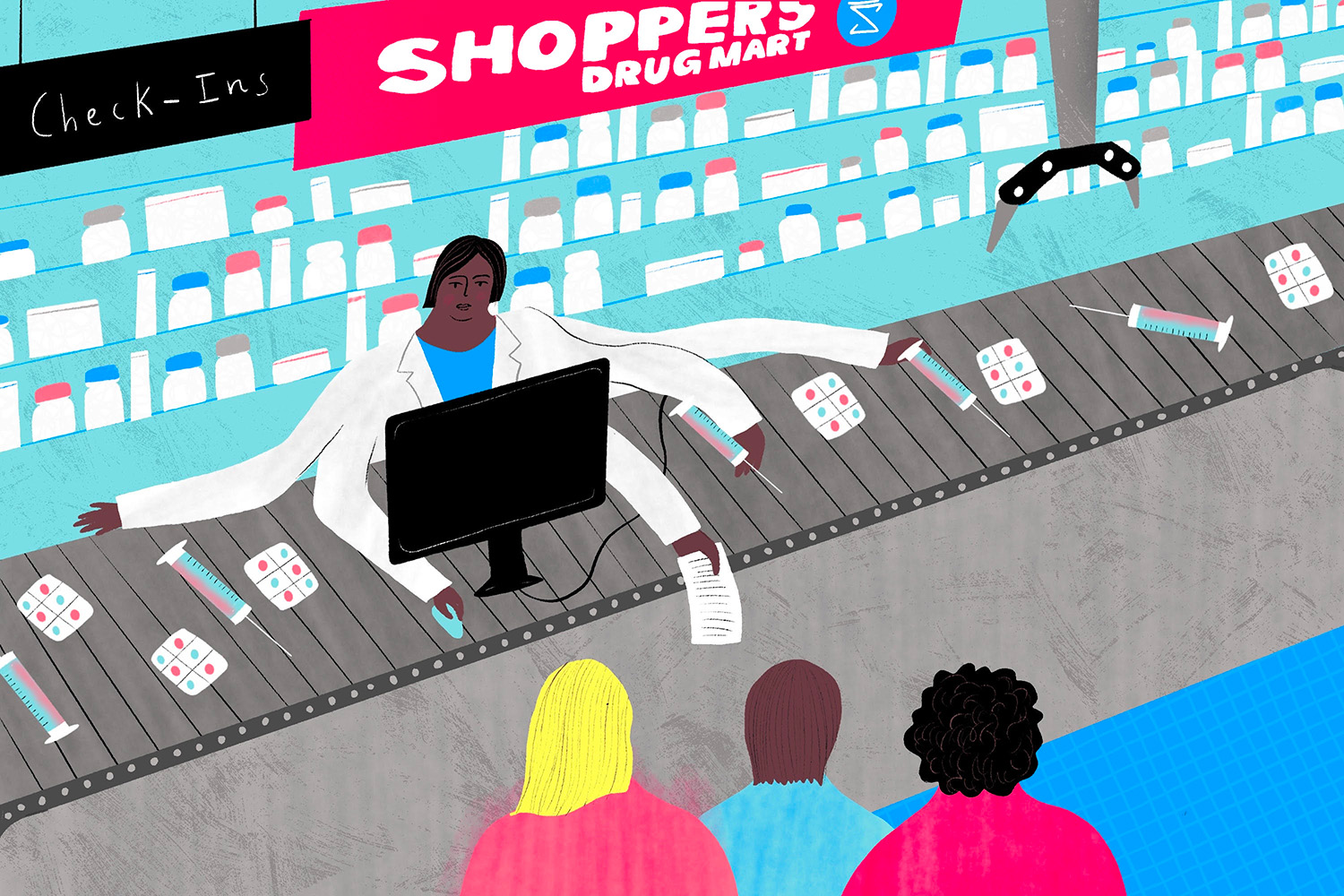
How Ontario’s Corporate Pharmacies Are Burning Out Their Pharmacists
At corporate pharmacies like Shoppers Drug Mart, pharmacists say they face overwhelming pressure from their parent companies to perform medically unnecessary tasks in the interest of profit.

Inside the Booming Industry Selling Lifestyle Drugs Online
From erectile dysfunction medicine to hair loss treatment to weight loss drugs—a thriving online market has emerged to seamlessly deliver drugs straight to your door. But what happens when prescriptions meet profit incentives?
And How Will You Be Paying for Your Baby Today?
When I first came to the pediatrics unit as an idealistic medical student, I ran into an uncomfortable reality about our universal health-care system.

How Privatized Cataract Surgery Helped Ontario’s Wealthiest—and Left Others Behind
Why a routine surgery offers a window into the possible future of care in this province.
A Clearer Look at the Cost of Care
Dispatches from the edge of the health care system, where money meets medicine and patients are customers.