

The Race in Ward 20 at a Glance:
- Current Councillor: Parthi Kandavel, elected in a by-election in 2023.
- Major Challengers: Kevin Rupasinghe, an engineer and community advocate who lost to Kandavel by less than five percentage points.
- Central Issues: Managing development in this suburban ward.
- In the Background: An OPP investigation into Kandavel.
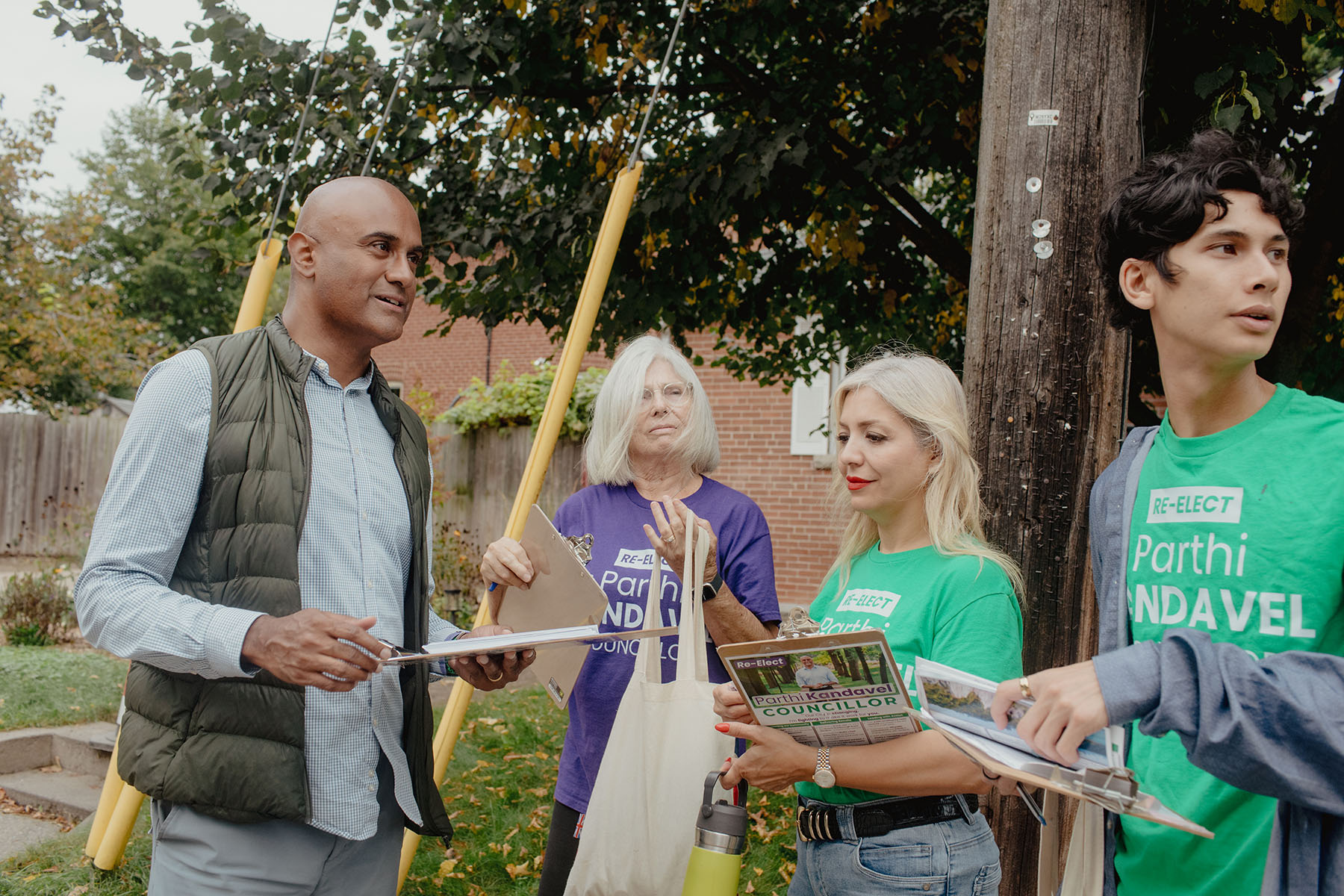
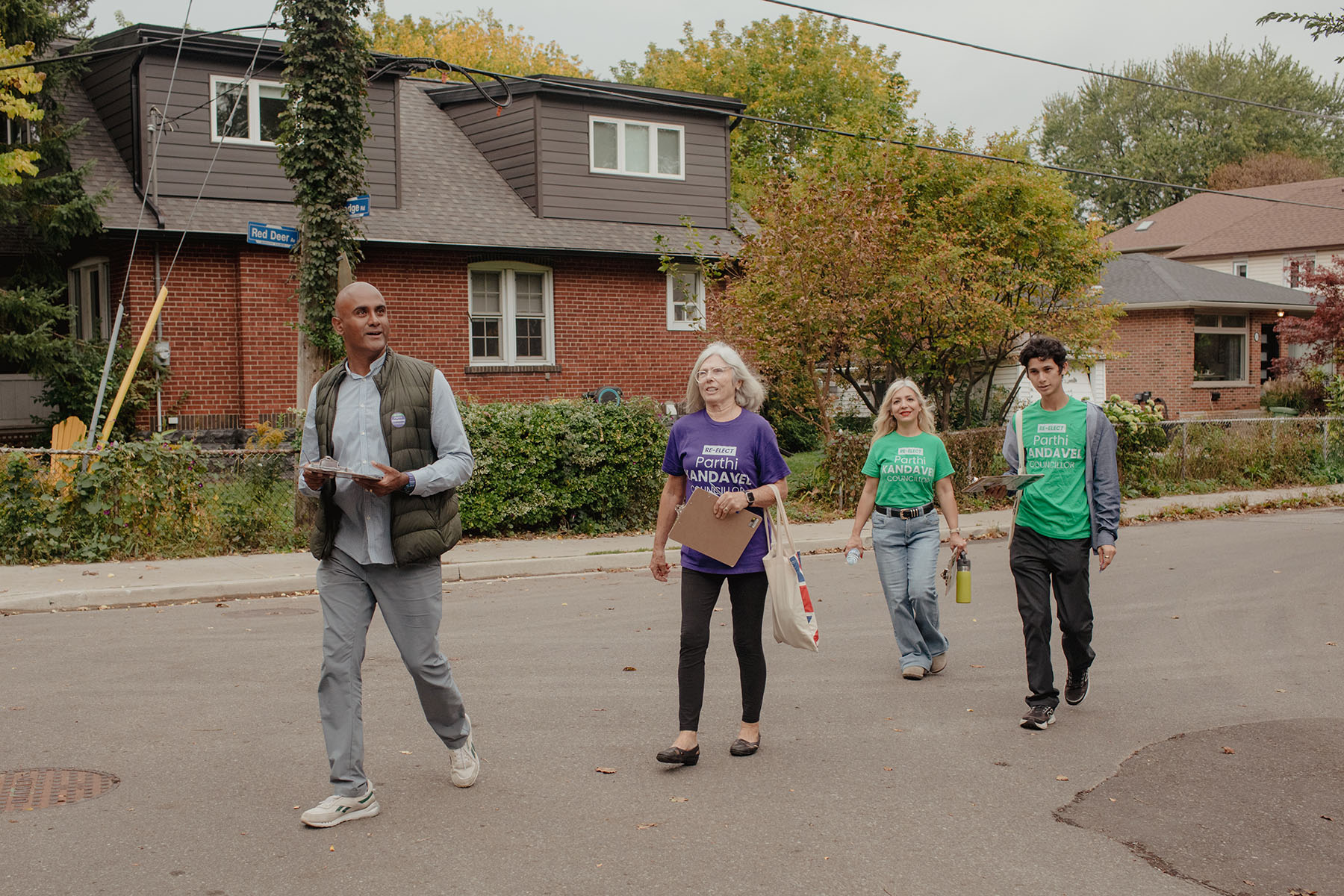
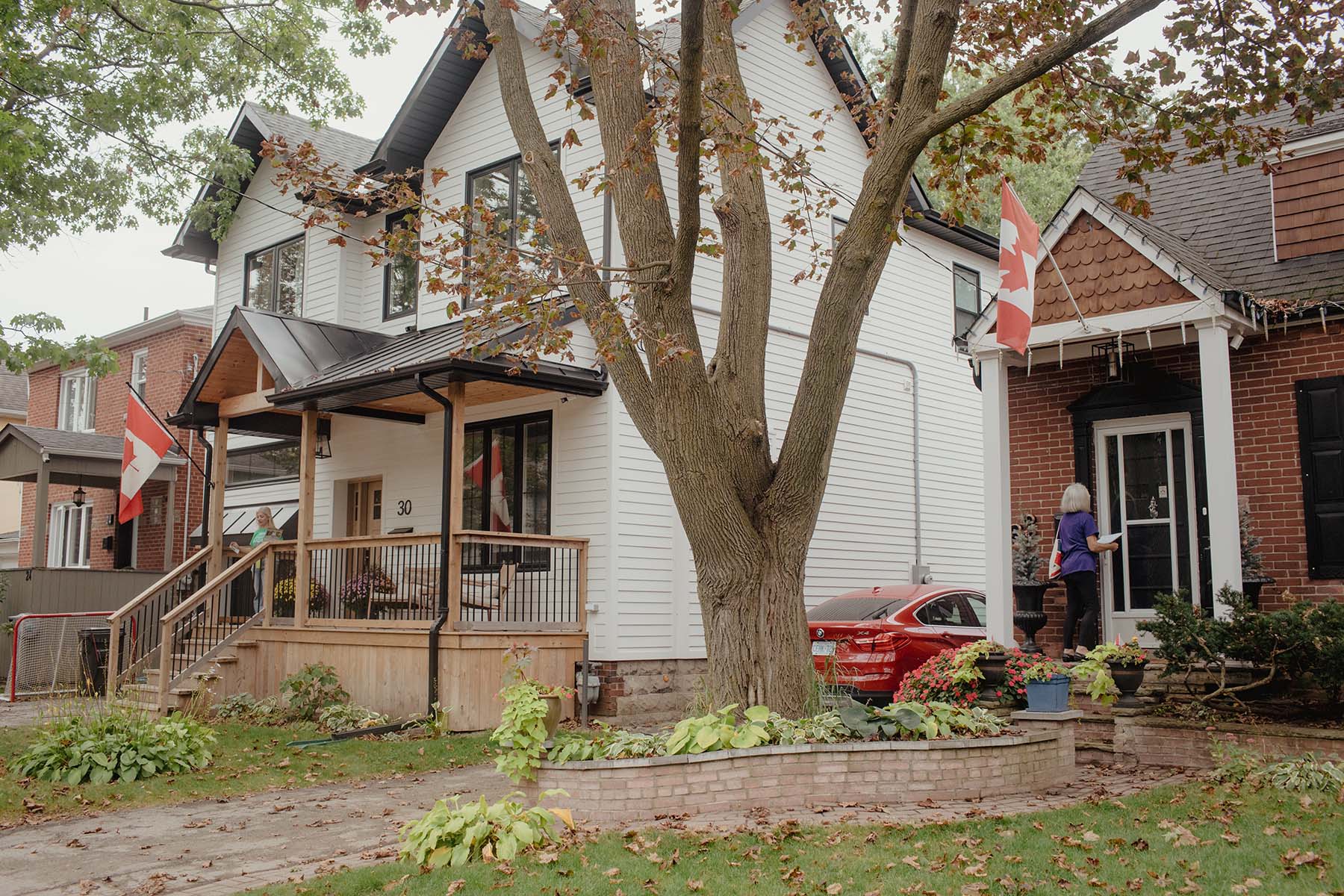
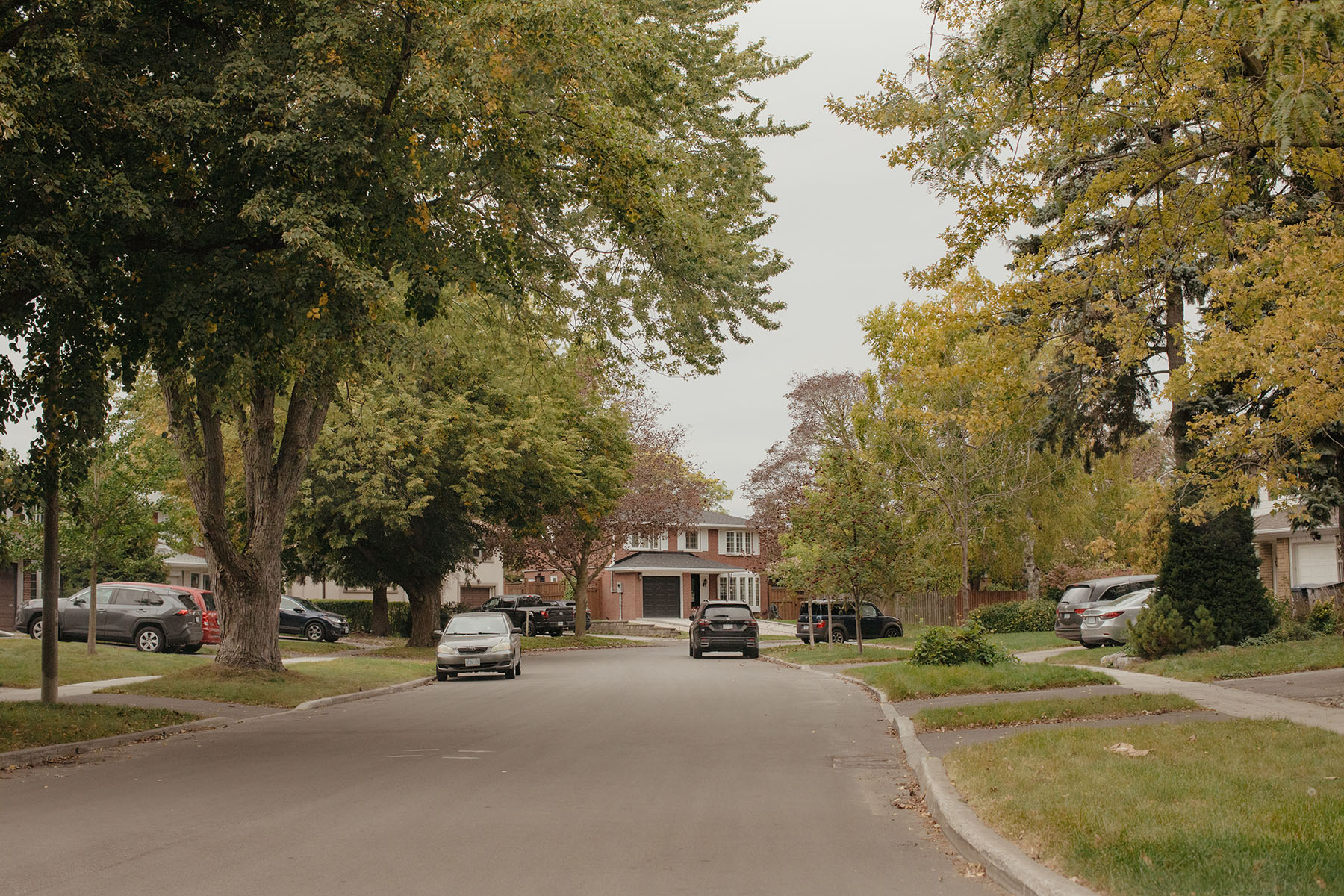
On an overcast Thursday afternoon in mid-September, Parthi Kandavel gathered with a small team of his campaign staff and volunteers on Harewood Avenue, a residential street of detached homes in the Cliffcrest neighbourhood of Scarborough Southwest.
Before they scattered to knock on doors and hand out flyers, Kandavel, with clipboard in hand and a plastic water bottle stuffed in the back pocket, went over their main talking points. In his bid for re-election, he wanted people on this quiet street to know about the improvements he’d successfully fought for as their city councillor. Among them, he said, are brand new washrooms and a food stall coming to Bluffer’s Park, so people can enjoy “burgers and fries at the beach”; the new hockey arena at Scarborough Arena Gardens; and a working group he’d established to deal with illegal rooming houses.
“Yeah,” he said, wrapping up the key points he wanted his team to deliver. “Those are it.”
One volunteer piped up with a question about how to handle a certain delicate issue—the investigation by the OPP into Kandavel.
Kandavel let out a short, audible sigh. If his rivals wish to use that to campaign against him, they have every right to do so, he said.
“We don’t need to…,” he trailed off.
If anyone brings that matter up, suggested Tamara Hermann, his former campaign co-manager who was now volunteering for him, then just call Kandavel over.
“Yeah,” Kandavel agreed.
The team responded with a chorus of assent, as they dispersed. “Yeah.” “Okay.” “Let’s get going.”
Fact-checked biographies of every candidate in Scarborough Southwest
Read More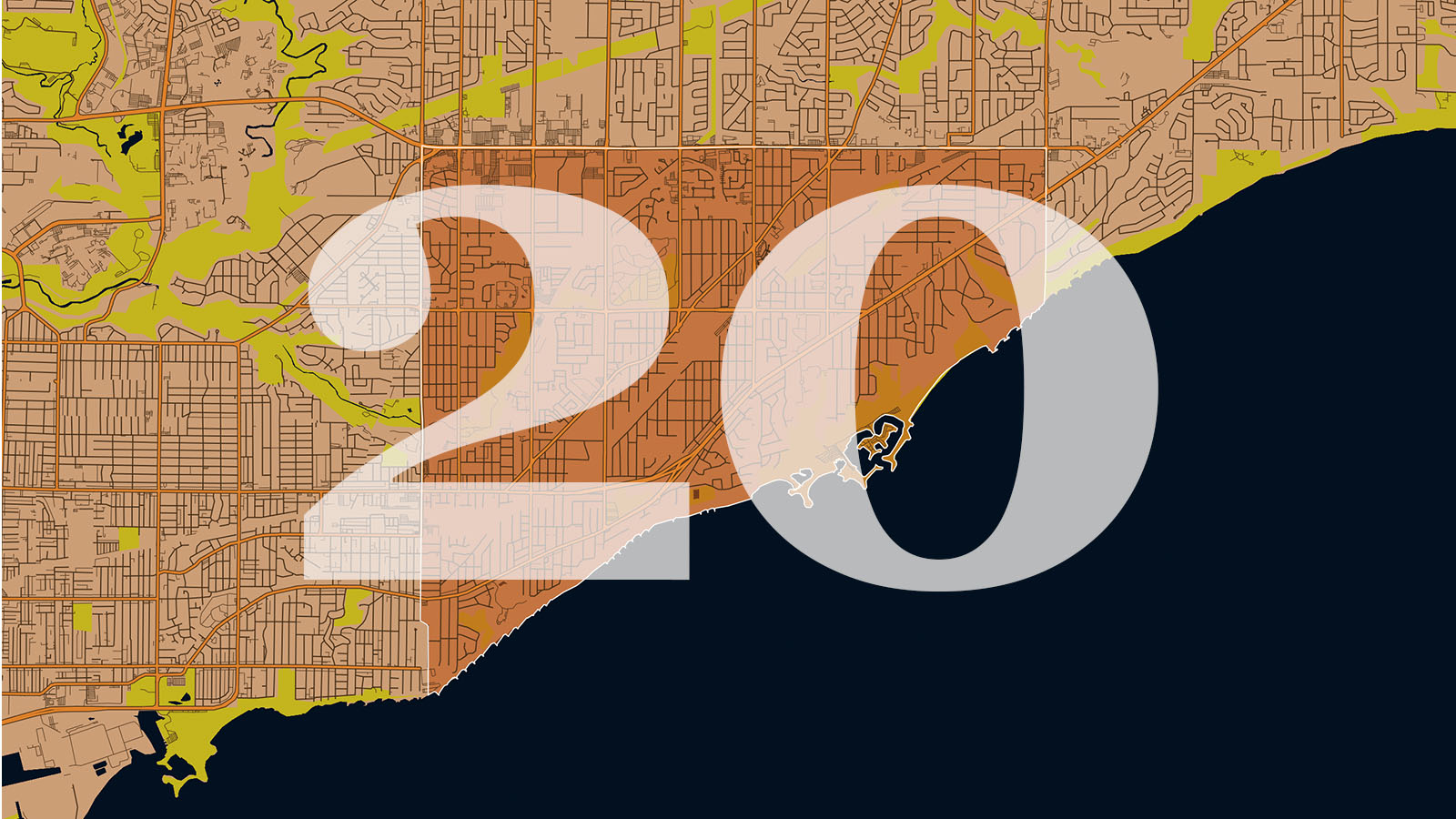
The race for city councillor in Ward 20–Scarborough Southwest is a rematch between Kandavel and Kevin Rupasinghe, an engineer and community advocate who lost to him by less than five percentage points in a 2023 by-election. While Kandavel has an advantage as the incumbent in a city that rarely unseats its councillors, Rupasinghe has the endorsements of the Toronto and York Region Labour Council and Progress Toronto, two organizations that have previously helped progressive candidates get elected to city hall.
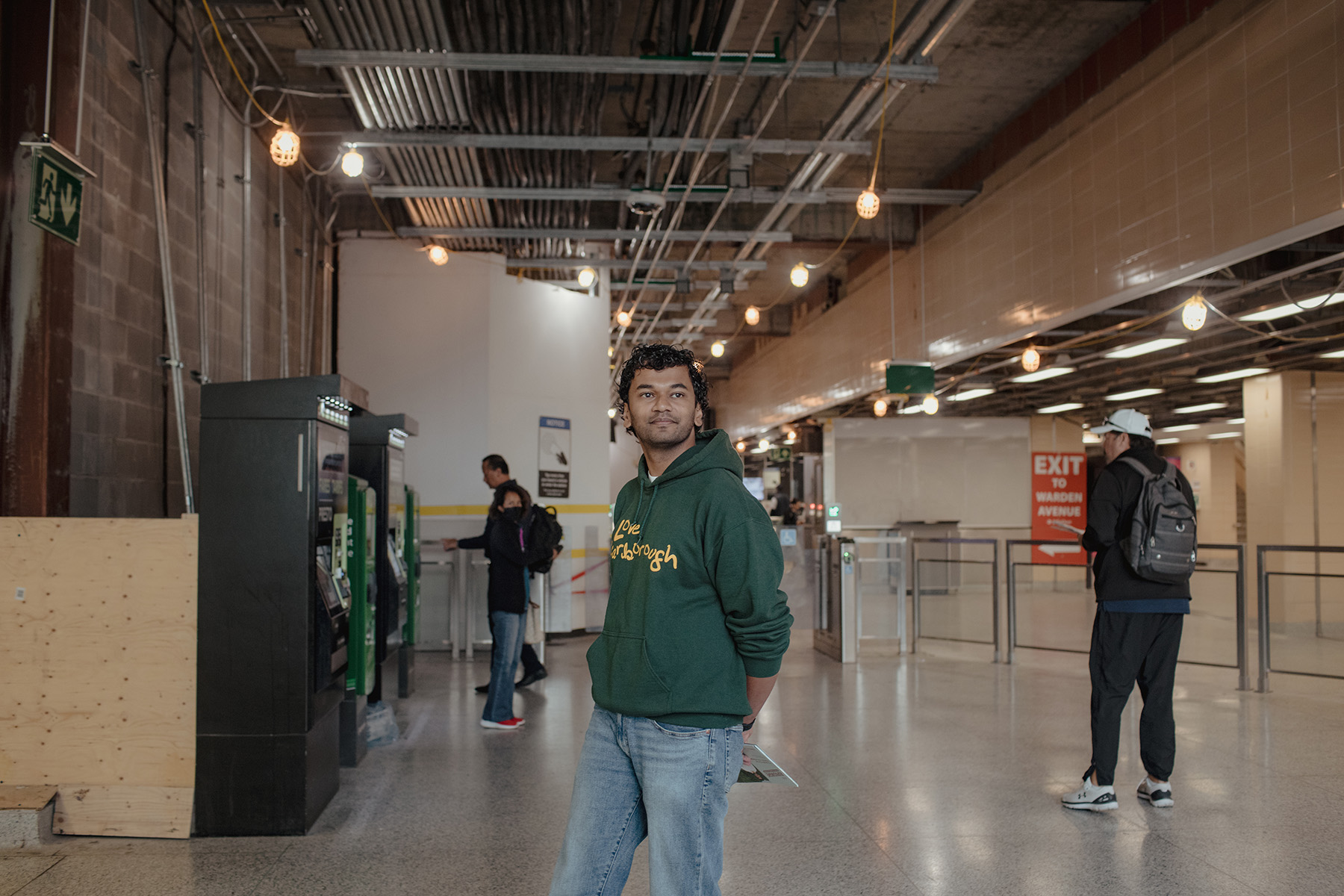
This time around, Kandavel is also running a campaign amid an OPP investigation into allegations against him, led by the force’s anti-rackets branch. The provincial police have not made any details of the investigation public. And unless anyone brings it up, Kandavel is not about to.
“My lawyers asked me not to make any comments in regard to it,” he told The Local.
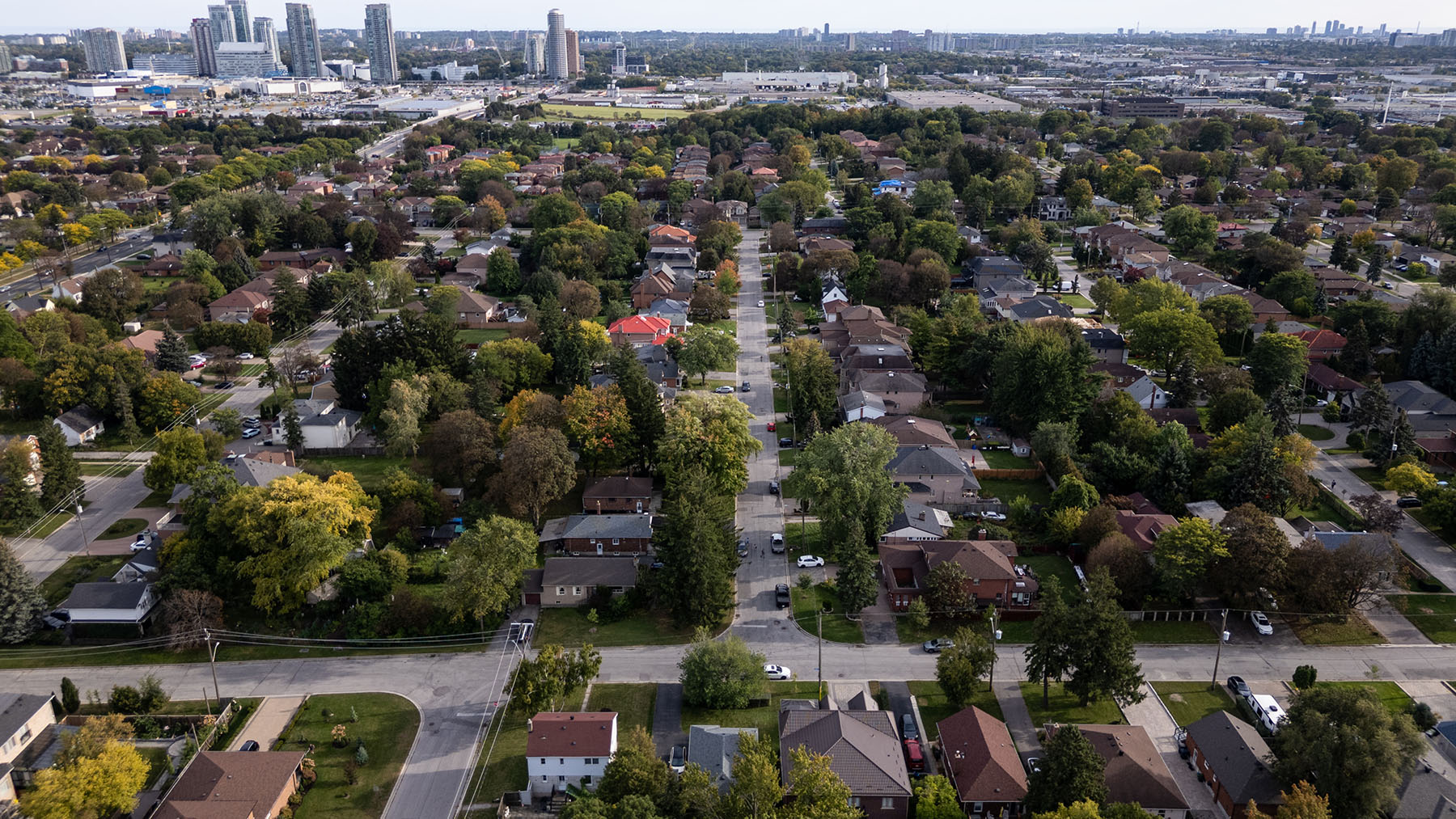
In this corner of Toronto, though, the OPP probe seems to take a backseat to a wide range of problems that residents face day-to-day, from food insecurity and deplorable rental conditions to inadequate public transit service, parking woes, and speeding drivers. For those here who say they plan to vote in the Oct. 26 municipal election, arguably one of the biggest issues on the ballot is the planning and development of their area of Scarborough. Many say they’re looking to elect the candidate who best shares their views on how this suburban ward should grow, who gets to build here, and for whom.
Scarborough Southwest is a wedge with its pointy end chopped off by Markham Road on the west. Victoria Park Avenue runs along the east of the ward. Eglinton Avenue East marks its northern border, while Lake Ontario, including the Scarborough Bluffs, makes up its southern edge.
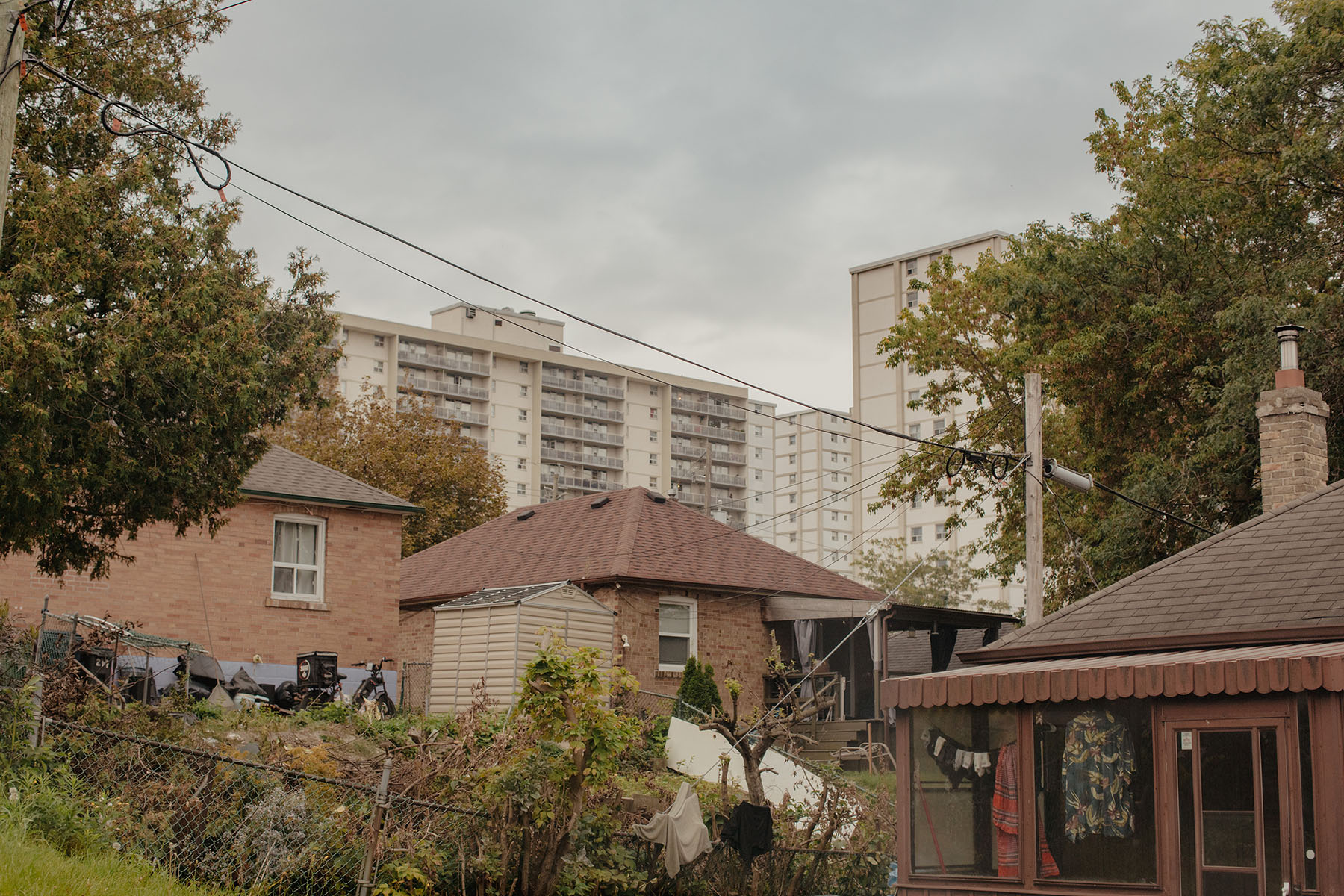
According to the last available census data, most of the 110,000-plus residents in the ward in 2021 lived in either single-detached houses or apartment buildings more than five-storey tall, with relatively few other types of housing in between. That’s starting to change. Lately, there’s been a flurry of development, with proposals for new high-rise apartments, condos, mixed-use residential and commercial buildings, and townhouses, amid a push to fast-track the construction of new, and especially affordable, housing.
In this growing ward, Kandavel, a former teacher-turned-Toronto District School Board trustee, was elected in a November 2023 by-election to replace Gary Crawford, after Crawford resigned from council to run for the provincial Conservatives. The turnout for the by-election was a paltry 22 percent of eligible voters. Kandavel won over Rupasinghe by precisely 787 votes. The race was downright grubby.
That fall, Kandavel and Hermann, his campaign co-manager at the time, told The Local their campaign office had been broken into, and that they’d reported it to the police. Hermann said the break-in appeared to be an act of sabotage by an unknown rival; valuables like printers and computers were left untouched, but the thief or thieves annoyingly took off with inexpensive yet necessary items like printer cables and tools to put up Kandavel’s campaign signs. Anonymous smear campaign flyers were delivered to residents’ mailboxes, with attacks directed at multiple candidates, Kandavel and Rupasinghe included. Meanwhile, at The Local we received anonymous tips, alleging various sordid schemes by other candidates that included claims of misspent charity funds and voter fraud. In the aftermath, we investigated, trying to verify these tips, but in the end, came up with only more questions than answers.
All of that is to say, when it comes to politics, things here can get a little wild. As Hermann put it, “Scarborough Southwest is not a sleepy little bedroom neighbourhood.”
Kandavel and Hermann said they never found out who was behind the break-in. And with almost an entirely new list of candidates running in the ward this year (seven candidates in total), both they and Rupasinghe said this race has, so far, been much tamer. For his part, Rupasinghe has largely refrained from bringing up the OPP investigation of Kandavel while campaigning. “I don’t know if we need to,” he said. “I think for the most part, we’d really like to stay focused on a positive vision.”
On May 10, with more than five months until the municipal election, Kandavel announced over Instagram and Facebook that he was “surprised to learn of an OPP investigation into allegations against” him, but gave no information as to what the probe or the allegations were about.
“I’ve strived to maintain the highest standards of ethics and integrity and will address any allegations that suggest otherwise,” he wrote. “I’m still learning more about the investigation and the nature of the allegations, and will share more as I can.”
In his subsequent social media posts and in weekly newsletter emails, he hasn’t shared anything more about it.
The investigation is ongoing, OPP spokesperson Tracey Mellersh said by email in September, and confirmed it was being led by the force’s anti-rackets branch, which investigates potential financial crimes, including fraud and corruption. But Mellersh said they were unable to provide further comment or details at this time.
The Toronto Star reported that the investigation appeared to focus on Kandavel’s dealings with developers, and that sources had told them Kandavel had been accused of soliciting bribes.
When I sat down with Kandavel for an interview at his campaign office on Kingston Road, he reiterated what little he’s previously said about it. “There has been no wrongdoing,” he said.
Kandavel told me the investigation did not affect his duties as councillor. He has recused himself on certain development matters, a move that he said was to ensure there were no conflicts of interest—or perceptions of conflict of interest. In those instances, he said his colleagues on the Scarborough Community Council had asked questions and raised concerns that reflected his own.
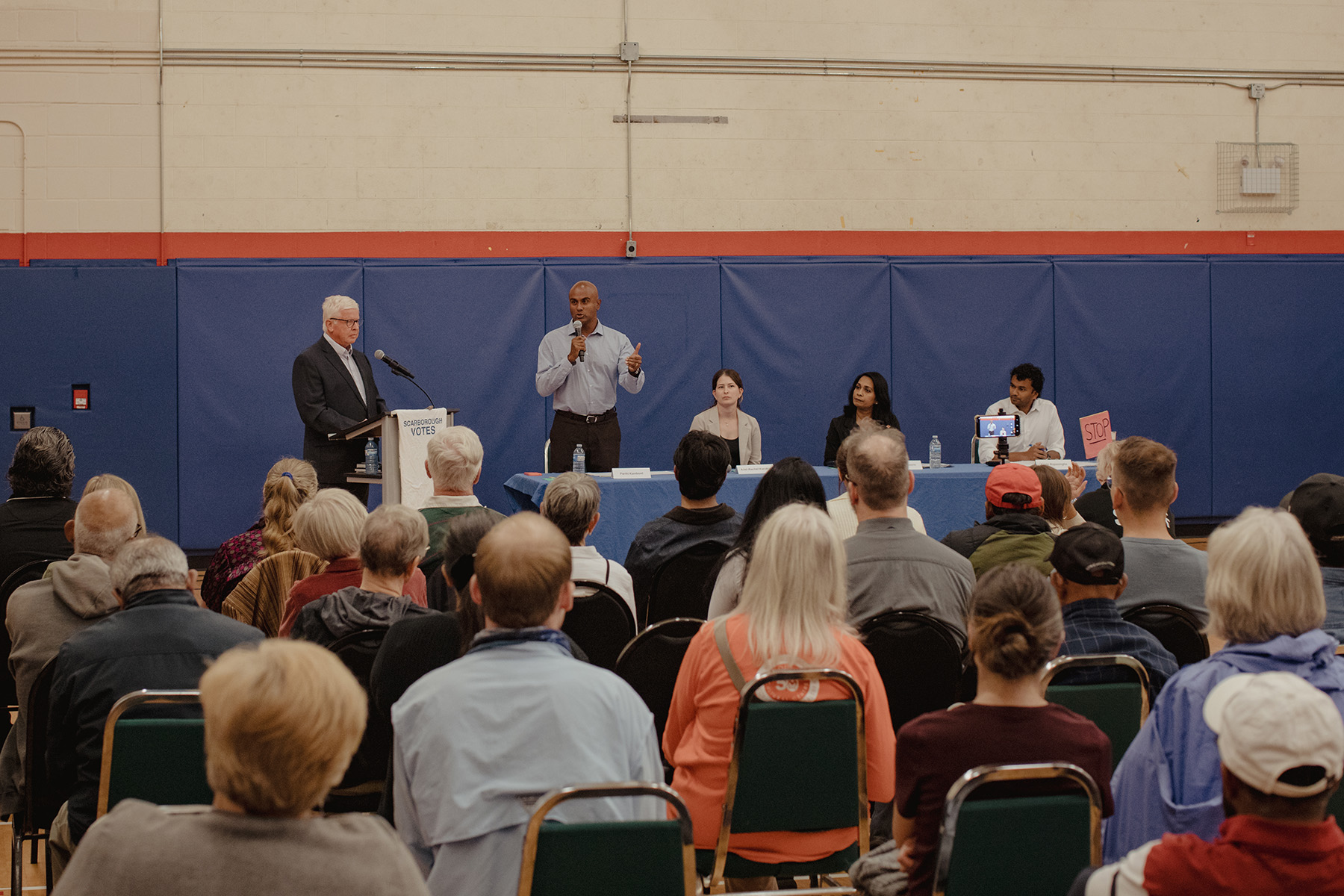
During his nearly three years at city hall, Kandavel has often sided with Mayor Olivia Chow. An analysis of all council votes by The Local shows he voted most similarly to Neethan Shan, Chow, and Josh Matlow. But he’s also resisted what he characterizes as downtown interests. At a Sept. 28 candidates forum at the West Scarborough Neighbourhood Community Centre, he boasted of opposing the expansion of Danforth Avenue bike lanes into Scarborough and fighting against a priority red bus lane on Kingston Road. His focus, he said, has been to balance “the realities of urban growth and suburban practicality.” For better or worse, he told the forum, Scarborough was built around the car, and so it’s important to protect the ability for families to get around by car, since it’s “impractical” for them to take their kids to soccer practice or get groceries by bike or bus—a statement Rupasinghe called “ridiculous.”
While in office, Kandavel has also opposed certain planning changes to increase densification and address “missing middle” housing, including sixplexes and new corner stores in residential areas in his ward. As a result of not allowing sixplexes as-of-right citywide, the City received $10 million less than expected from the federal government through its Housing Accelerator Fund, intended to cut red tape and speed up home-building.
If given another term as councillor, Kandavel told me that his main priorities would be road safety, and parks and recreation in the ward. The City’s overall direction is toward increasing housing density, he said, “But we can’t do that if we don’t have adequate green spaces, right?”
When it comes to increasing density, he said Scarborough residents are frustrated that this densification isn’t being spread out more evenly across the city. Rather, he said, there are “canyons of condos” being approved in the Golden Mile, near the Eglinton LRT line in Scarborough, but around the subway stations in areas of Old Toronto, like in Beaches-East York or Toronto-Danforth, “there’s been incredible protectionism and NIMBYism.” Kandavel said the disparity in where high-density housing is approved results in “well-protected” neighbourhoods where the upper-middle class live, and a concentration of “shoebox condos to house service workers.” In his view, the idea is to keep the latter in Scarborough, and have them travel downtown to serve those who are more privileged.
Kandavel said the result would lead to a vision of Toronto that he didn’t want to see, one of segregated neighbourhoods.
“You go to the Beach, it’s lily white,” he said, asking, is that the Toronto we want? “No, I think we need to think about that intentionally.”
On a sunny Sunday afternoon, the Cliffcrest Scarborough Village Southwest Residents Association was holding its summer event in a spacious, green backyard on Oakridge Drive on the eastern edge of the ward. Most of the houses in the area seemed to have driveways and expansive yards—the kind of idyllic suburban setting that’s often depicted in family movies from the 1980s. There were no glaring signs of densification here that I could see.
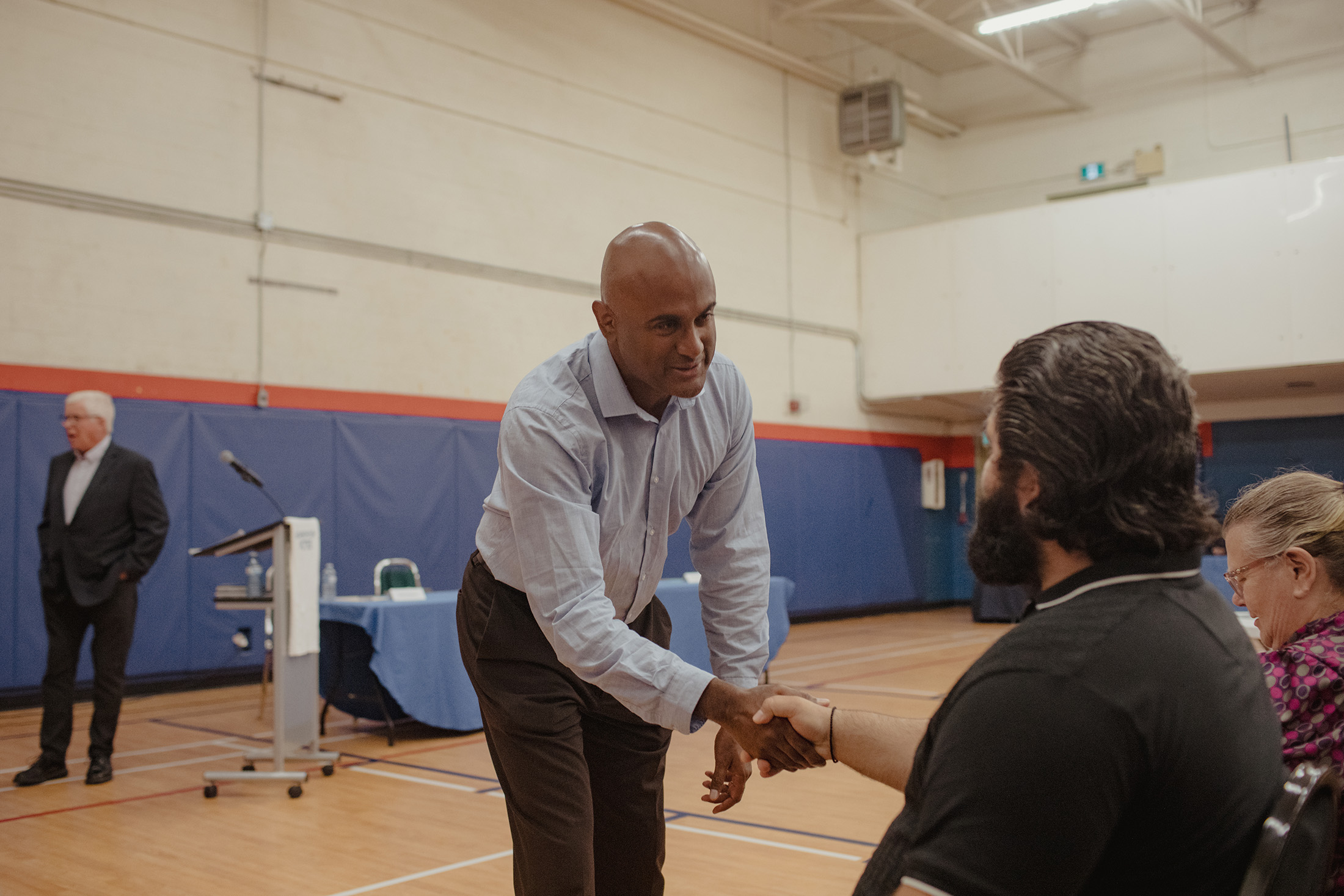
The atmosphere of the event was convivial, with neighbours chatting over hot dogs and soda, while classic rock played in the background. I met several participants who spoke approvingly of Kandavel, who had popped in on a campaign stop to shake hands and pose for photos, and they told me they were reserving their judgement about the OPP investigation.
“If he’s guilty, then anything I’ve said about Parthi, I have to take back,” said Peter Thachuk, a director of the residents association. “However, it’s yet to be proven that he is guilty.”
Some expressed a strong need to protect their suburban way of life. They were happy that Kandavel had opposed sixplexes and neighbourhood retail, which they worried would attract rats, clutter their streets with more garbage bins, and cause traffic and parking headaches. They also worried that many of the new developments in the ward were contributing to higher housing costs at the hands of developers and investor-landlords instead of providing more affordable housing to those who need it.
Since amalgamation, Scarborough has often been neglected or left to the mercy of downtown decision-makers, said Yvonne Di Tullio, a co-founder of the residents association who has lived in the Cliffcrest neighbourhood for 15 years.
“We don’t want to lose what we already have. So we don’t want to lose the trees. We don’t want to lose the green spaces,” Di Tullio said. “We don’t want to get all the problems that are playing out in the Old City of Toronto to come here simply because there’s no planning.”
Others told me they weren’t opposed to increasing development, but said they wanted it to be done in a way that respects existing residents.
“When my wife and I pay property taxes, we expect to enjoy our privacy, our backyard. We don’t expect to see a four-storey multiplex or walk-up apartment going in beside us,”said Paul Nedoszytko, who has lived on a neighbouring street for 42 years. He said he and his wife had bought what they believed would be their forever home; they loved the area for its tree canopy, the many birds, and plentiful space. But now, he said, there was an infill built next to them that violated their sense of privacy. “So we feel threatened in that way.”
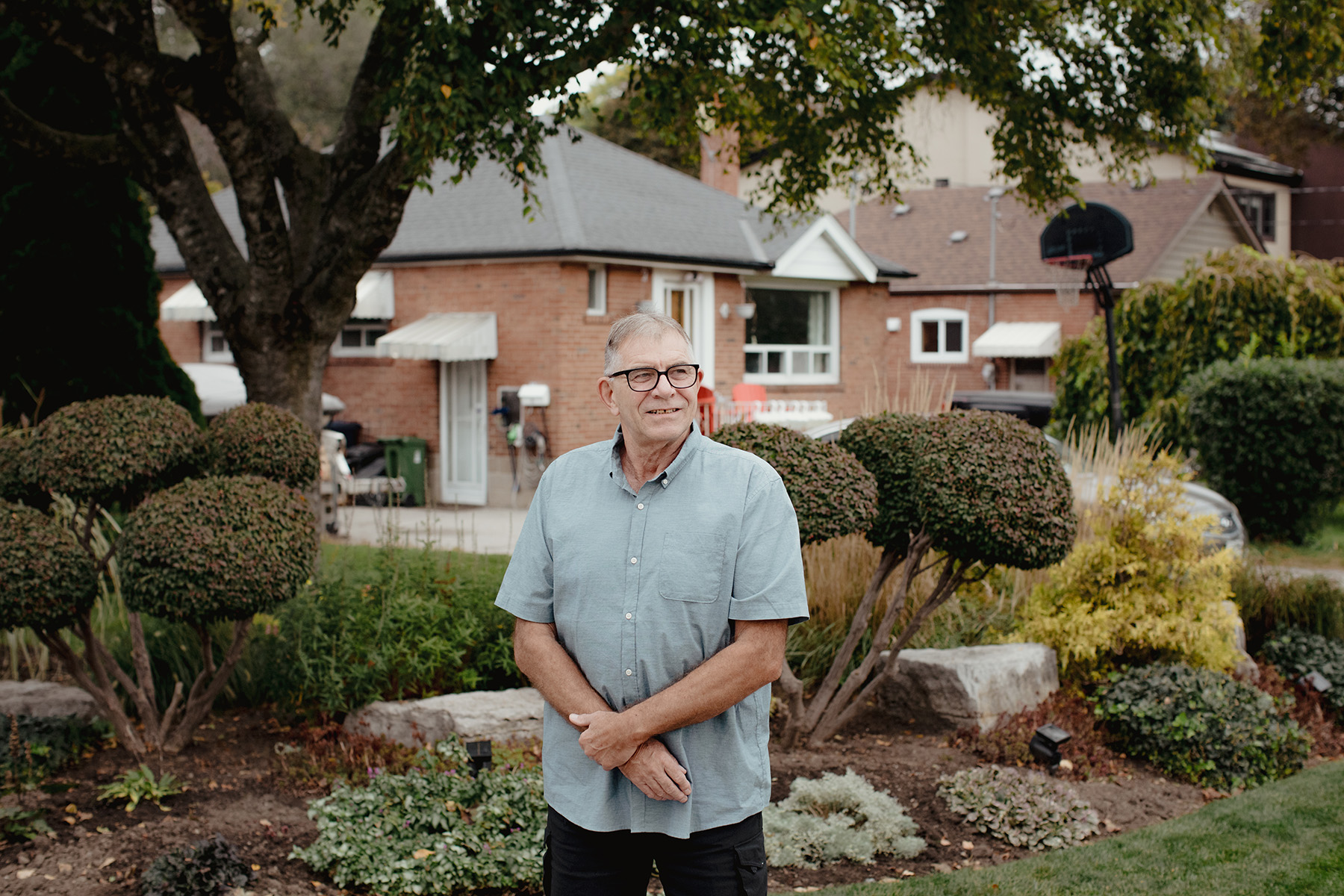
Nedoszytko wasn’t insensitive to the need for more affordable housing. On the contrary. He supported housing developments in his ward for those experiencing homelessness; ensuring that the vulnerable have safe and dignified housing “is money well spent,” he said. Plus, he wanted to see the City build more co-op housing—something I heard from supporters of both Kandavel and Rupasinghe.
“Co-op housing is the only way we’re going to see truly affordable housing, where the tenants are in control of their building,” he said, adding there’s no reason the City can’t build or hire builders to build them. “If we allow developers to continue to commodify housing for excessive profit, we’re just forcing average-income earners out of the city.”
“The reality is that the city has changed. The city is growing, and change is actually inevitable,” Rupasinghe told me over coffee at Ethio Natural Coffee near his campaign office on Danforth Avenue a week later. “It is going to come into our community, one way or the other, and there are some people who would like to pretend that it can be stopped, and are comfortable misleading people into thinking that it is possible to stop development—but it is not true.”
Basking in the sunlight on the cafe patio, Rupasinghe sounded optimistic. If elected, he said, he recognized his job would, in part, involve being a “pothole fixer,” dealing with extremely local issues like garbage collection or litter in parks, while the other part would entail being a city builder, considering the grand housing, transit, and other massive infrastructure projects that will affect generations to come.
In contrast to Kandavel’s stance, Rupasinghe said residents need options, both when it comes to housing and transportation. “One of the best transportation policies is a good land-use policy, making sure that you can get your groceries in your neighbourhood, that you have a place you can walk to to get a coffee,” he said at the Sept. 28 candidates forum. “You don’t have to get in your car and drive everywhere.”
Developers tend to focus on their individual sites, he told me, but the councillor’s job is to take stock of the bigger picture and identify and represent the community’s needs—“and try to make sure that we’re getting to the best outcome possible. Because otherwise, the change is going to happen anyway.”
When there’s development in a community, there is an opportunity to make things better, he said, pointing out that there are areas currently in need of more childcare facilities, community centres, libraries, and green space.
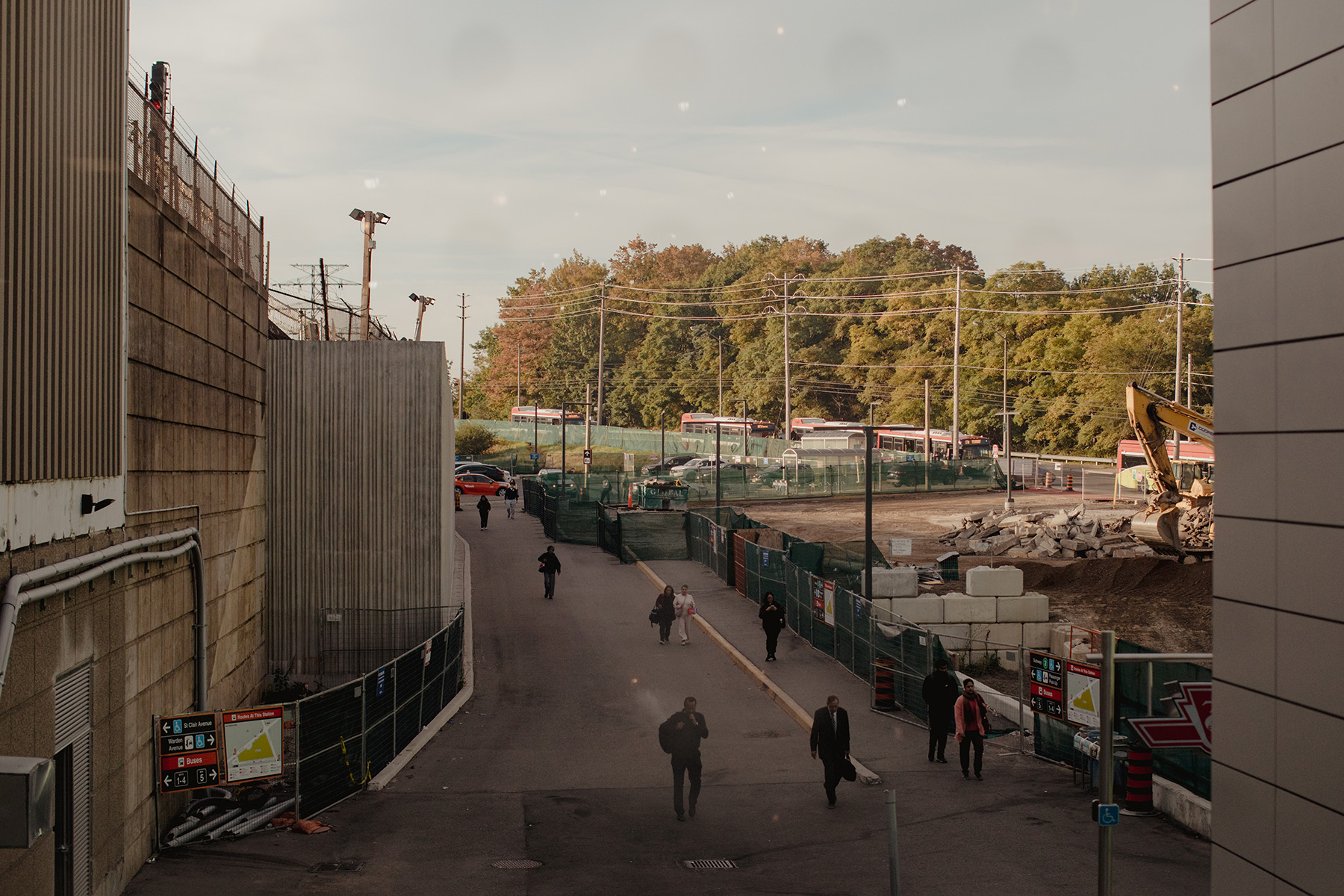
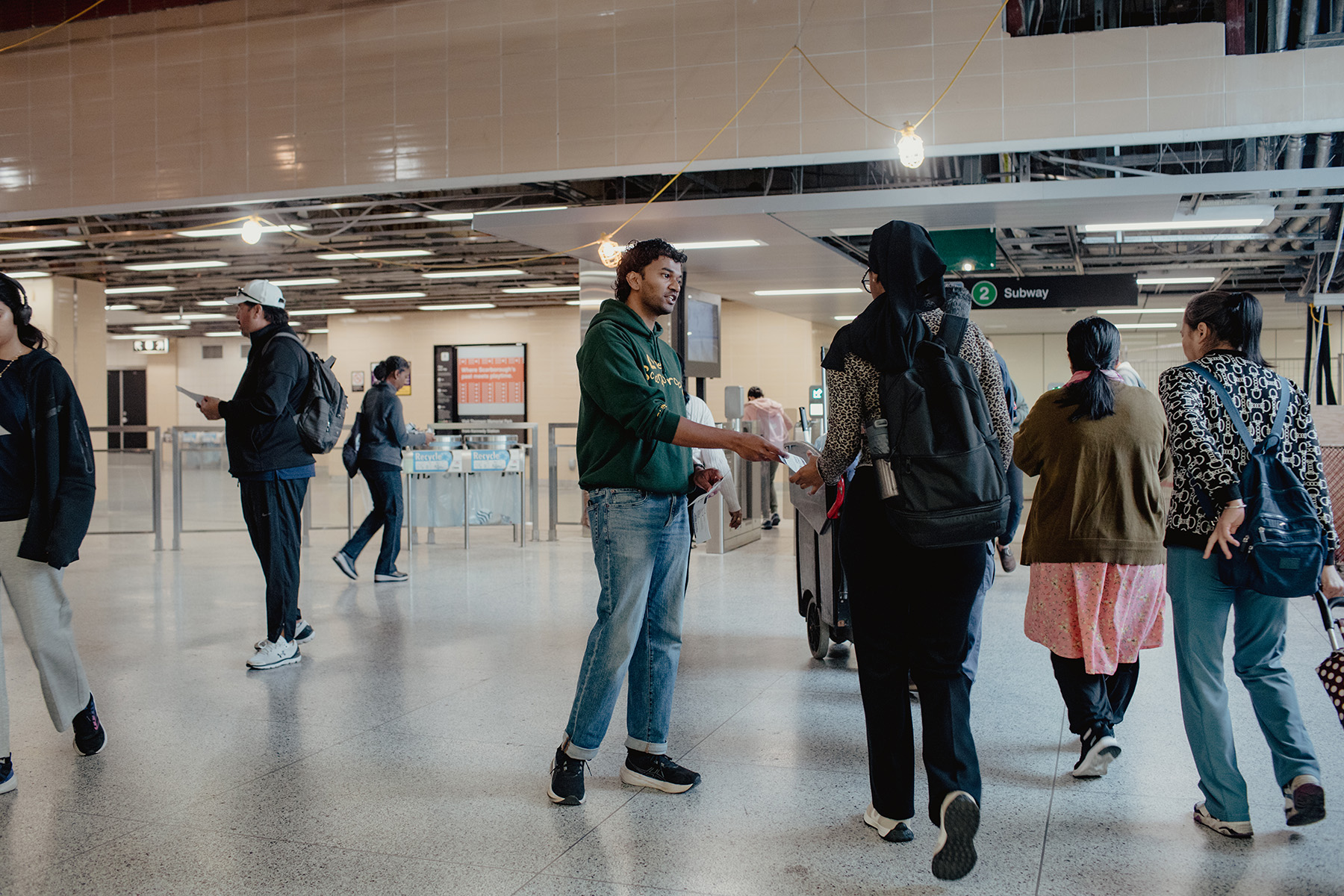
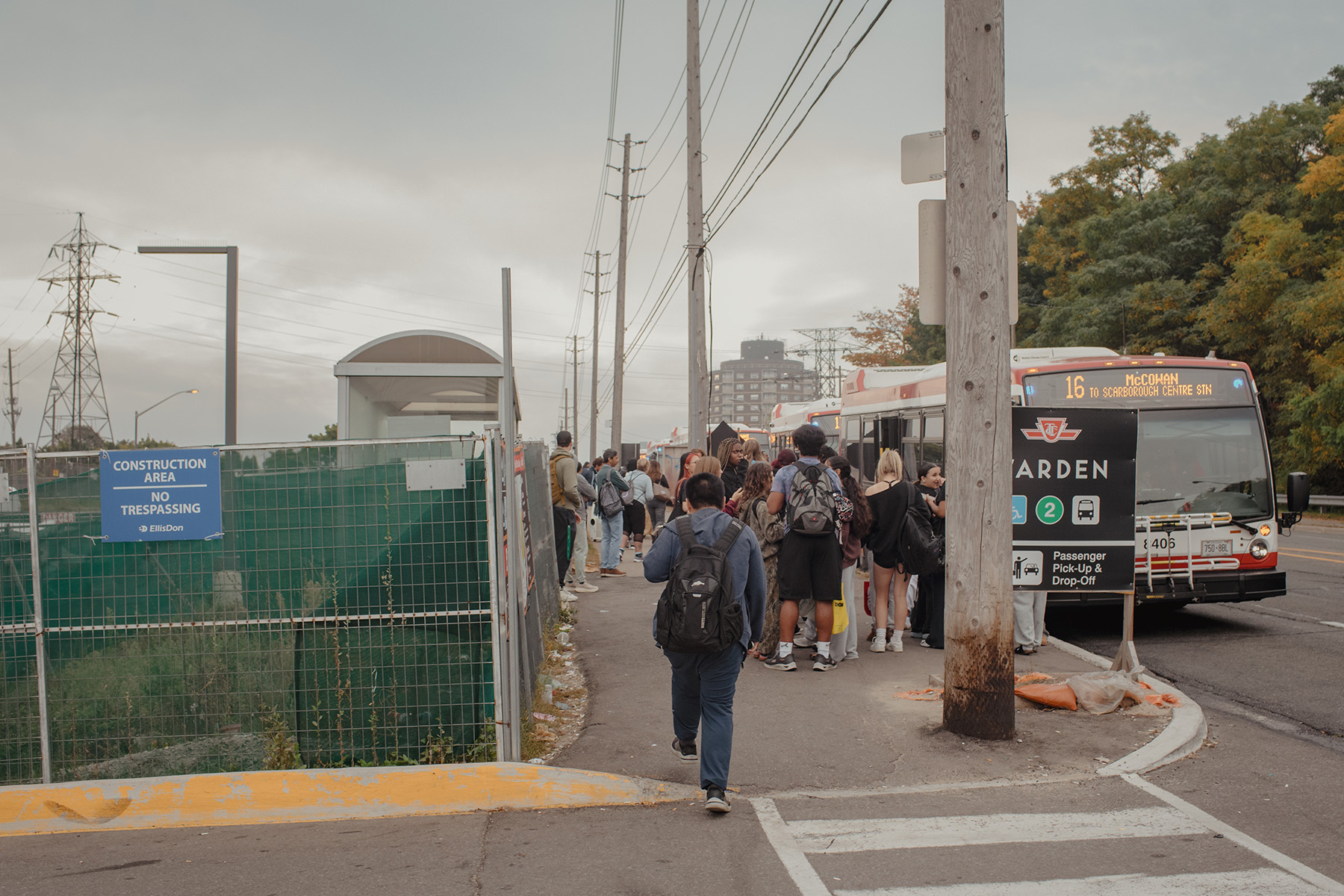
Rupasinghe had no shortage of ideas for his ward, from ensuring the throngs of riders catching buses at Kennedy station have wide, accessible walkways and shelter from the elements while the area is currently under construction, to introducing a bylaw to rein in above-guideline rent increases. (Rupasinghe said he lives in the ward and is a renter himself.)
He seemed undaunted when I shared what I had heard at the residents association event in Cliffcrest, about how much the homeowners there appeared to cherish the existing qualities of suburbia. When it comes to efforts like introducing gentle densification to their streets, people’s concerns come from a legitimate place, he said, but most of those concerns can be mitigated. “Part of it is about meeting people where they’re at, listening to their concerns, working with them one by one by one to address these concerns,” he said, adding that the alternative is unmanageable density with towers in limited locations that don’t have the infrastructure to support them. But working through their concerns takes leadership, he said.
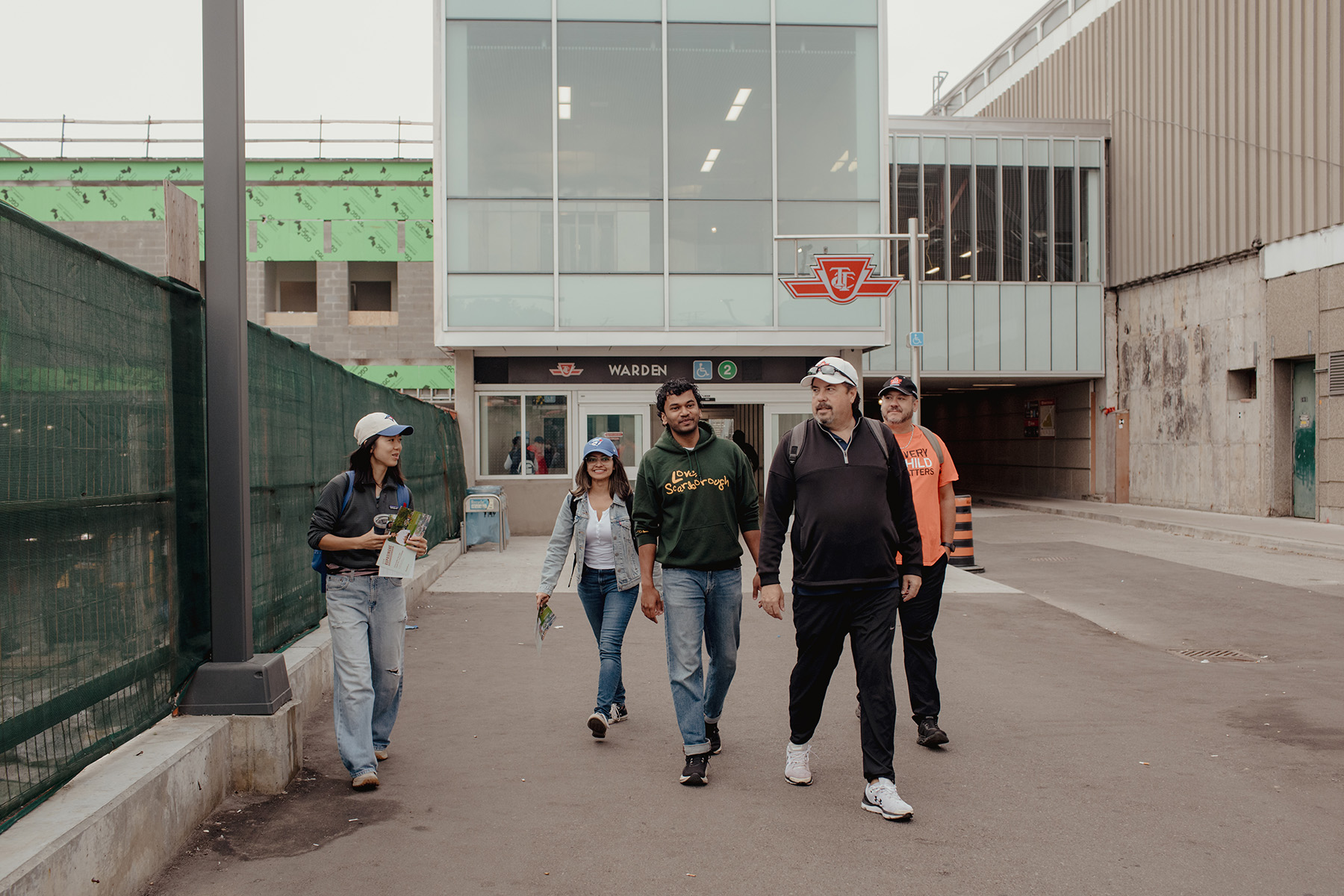
And thus far, he said, leadership in his ward has been lacking. When I followed him as he and his volunteers canvassed a segment of the Birchcliffe-Cliffside neighbourhood near Highview Park, he made his case door-to-door for the need for stronger leadership. Several residents that afternoon appeared to agree, particularly those who expressed concerns about plans for an expansion of the STACK data centre nearby.
Kandavel had introduced a motion earlier this summer, asking for the City to do its due diligence on data centres, including considering their energy use and noise. While that motion passed, putting a pause on the STACK expansion, Kandavel said he did not have the votes from council to pass a bylaw for a moratorium that would have stopped it.
To Rupasinghe, however, the data centre expansion is an example of the type of thing people wish their councillor had taken action on earlier. The expansion had been in the works for three years, he said, only to result in what he called a “fairly performative motion at council.”
He’s confident, he said “that we would have gotten to a better outcome if we had actually had proactive leadership and someone who’s transparent and moving ahead of things instead of reacting to community members’ concerns a few weeks before an election.”
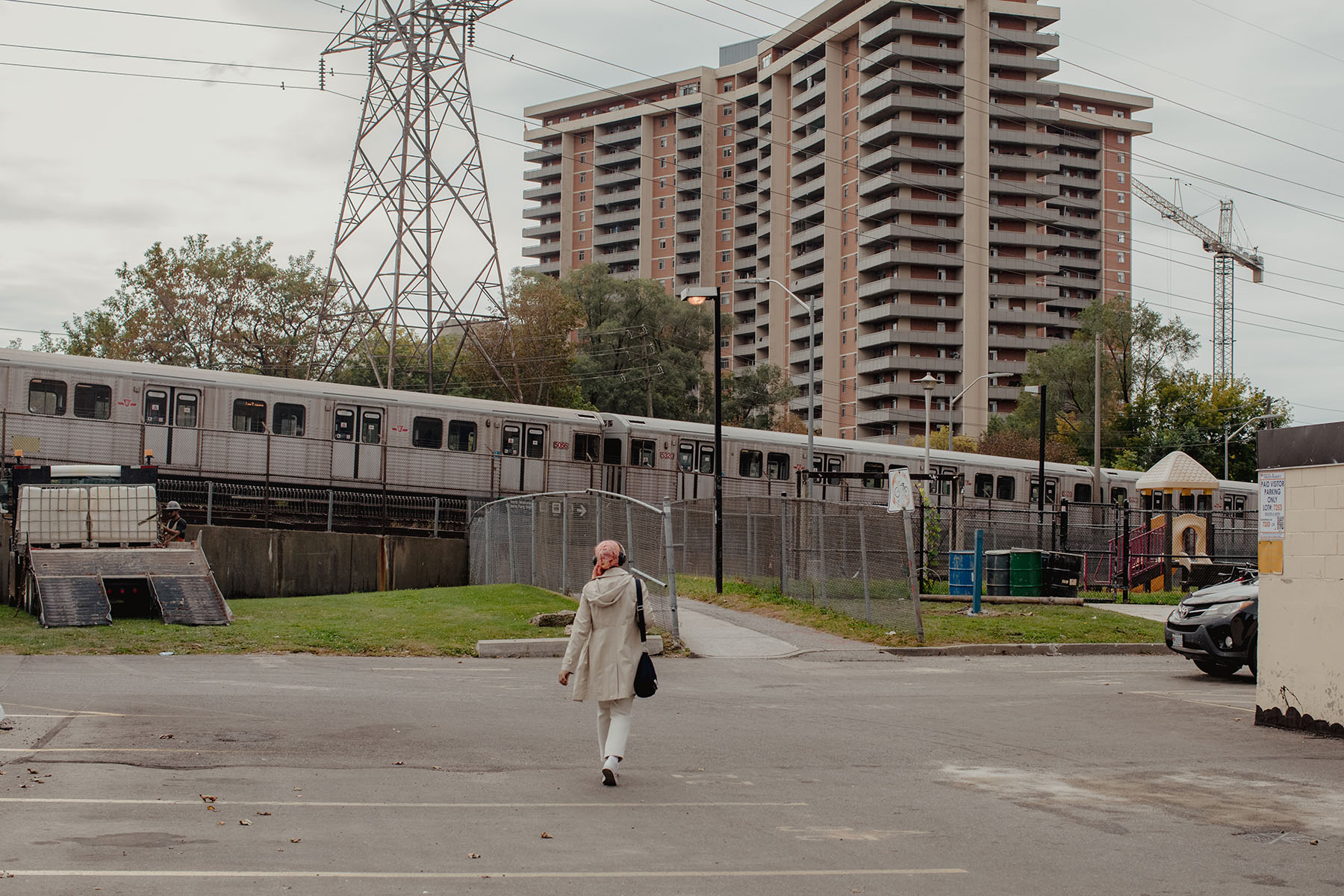
Amid all the changes in the ward, there are some residents who are more neglected than others. On the far eastern edge of the ward sits the neighbourhood of Oakridge, classified by the City as a “Neighbourhood Improvement Area.”
Sultana Jahangir is the executive director of the South Asian Women’s and Immigrants’ Services (SAWIS), which supports women, predominantly newcomers from Bangladesh, in this area. Although most of them are highly educated, they wind up extremely isolated when they come here, unable to find employment and childcare, and become trapped in poverty, Jahangir explained. “It’s not that these women do not want to do anything, or it’s not that the women are not capable. They are capable, but [there are] lots of systemic barriers creating a huge complex situation for them,” she said, noting that many face precarious employment, food insecurity, and live in crowded conditions, where it’s not uncommon for two families to share a one-bedroom apartment to pay the rent.
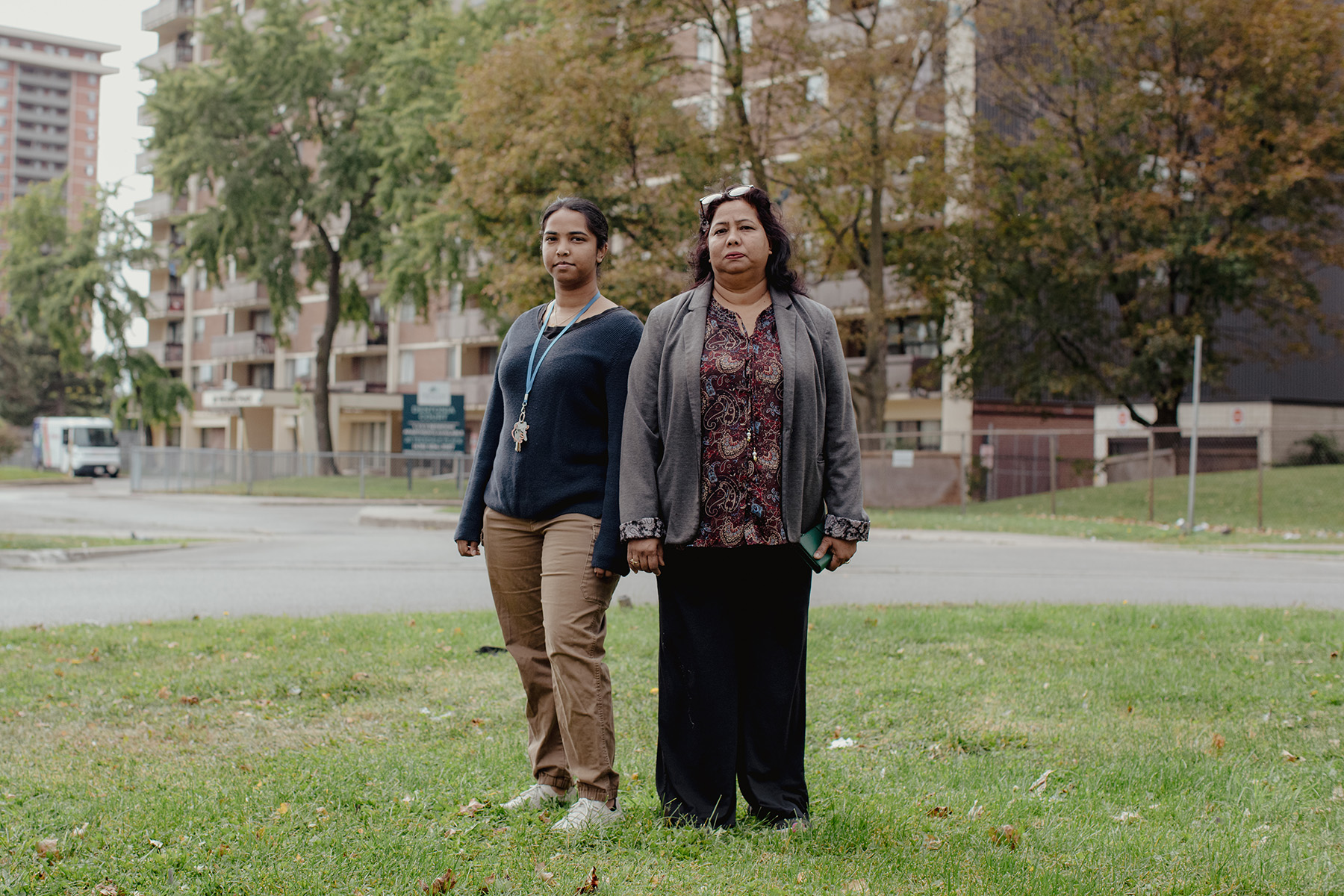
Jahangir invited me to one of her organization’s bi-weekly meetings, held on a Saturday afternoon at the SAWIS office on the ground floor of a Teesdale Place apartment tower near Victoria Park station. She wanted me to hear from the participants themselves, including staff and community members, about what they wanted from their future city councillor. The wish list from the 30-plus women in attendance was long and carefully thought out.
It included ensuring that City-funded programs and contracted services pay workers a living wage and provide strong worker protections; asking the City to drop its requirement for proof of employment to apply for a childcare subsidy, since it creates a catch-22 for those needing childcare to find work; and close monitoring to crack down on predatory rental practices. They also wanted their future councillor to ask Toronto Public Health for mobile health clinics and health education programs in the languages that communities speak. Many of their concerns and recommendations are documented in a 31-page report, which the organization published in 2023 but has seen little movement on.
Alisha Alam, who works for SAWIS, said she and the other women recognized that some of their requests, like improvements to childcare and health care, bled into provincial and federal jurisdictions.
“When you speak to a councillor, it’s like, ‘Oh, it’s not my jurisdiction. It’s not my jurisdiction, I can’t do this,’” Alam said. “We understand that there is a jurisdiction issue, but the City needs to step up.”
Sharmina Nasrin, one of the seven candidates for city council in the ward, is familiar with their struggles. That’s what prompted her to run for office, she told me in a phone interview the following day. Nasrin said that when she came to Canada nine years ago from Bangladesh with the equivalent of a masters degree in banking and finance, she struggled to find a job. She ended up working in restaurants and clothing stores, wherever she could find employment. Eventually, she said, she earned a diploma in early childhood education, and worked in childcare before going on to study public policy at York University.
The barriers she faced as a newcomer still exist, she said, noting there’s been “no improvement.” The City has the capability to improve people’s situations, she said; “I decided, ‘Okay, let me try. I want to try.’”
Getting past the skepticism that area residents have of politicians will be a challenge, though, for any candidate. At SAWIW, Jahangir said politicians only appear in her neighbourhood during election time. The distance between her community at Teesdale Place and Bluffers Park, where Kandavel had fought for new washrooms and a food stall, is only about seven kilometers. But it may as well be worlds apart.
Additional data collection and analysis by Neville Park.
More stories about Toronto Votes 2026
The Battle Over Sixplexes in Scarborough North
Last year, the ward became the first suburban ward to legalize the construction of sixplexes as-of-right. Now, in a race between incumbent Jamaal Myers and former Liberal MPs Shaun Chen and Han Dong, it’s become the defining issue of the election.
Toronto Mayor Olivia Chow: What She’s Done and What She’s Promising in 2026
Olivia Chow’s platform for re-election is all about building on her achievements, like a renovictions bylaw, TTC fare freeze, and new funding deal with the provincial government.
Brad Bradford, Toronto Mayoral Candidate, Campaigns For Change
Mayoral hopeful Brad Bradford’s platform for 2026 revolves around crime, congestion and cost of living.
Candidate Tracker: Toronto Election 2026
The only place to find reported, fact-checked biographies and platform summaries for every candidate running in the 2026 Toronto municipal election. No AI, no campaign talking points, just a team of journalists double-checking candidate records and analyzing policies.
Toronto Mayoral Candidates 2026
Fact-checked biographies and platform summaries for all 53 candidates for mayor of Toronto.
Ward 1 — Etobicoke North
Fact-checked biographies and platform summaries for every municipal election candidate in Etobicoke North.
More from this issue

The Battle Over Sixplexes in Scarborough North
Last year, the ward became the first suburban ward to legalize the construction of sixplexes as-of-right. Now, in a race between incumbent Jamaal Myers and former Liberal MPs Shaun Chen and Han Dong, it’s become the defining issue of the election.
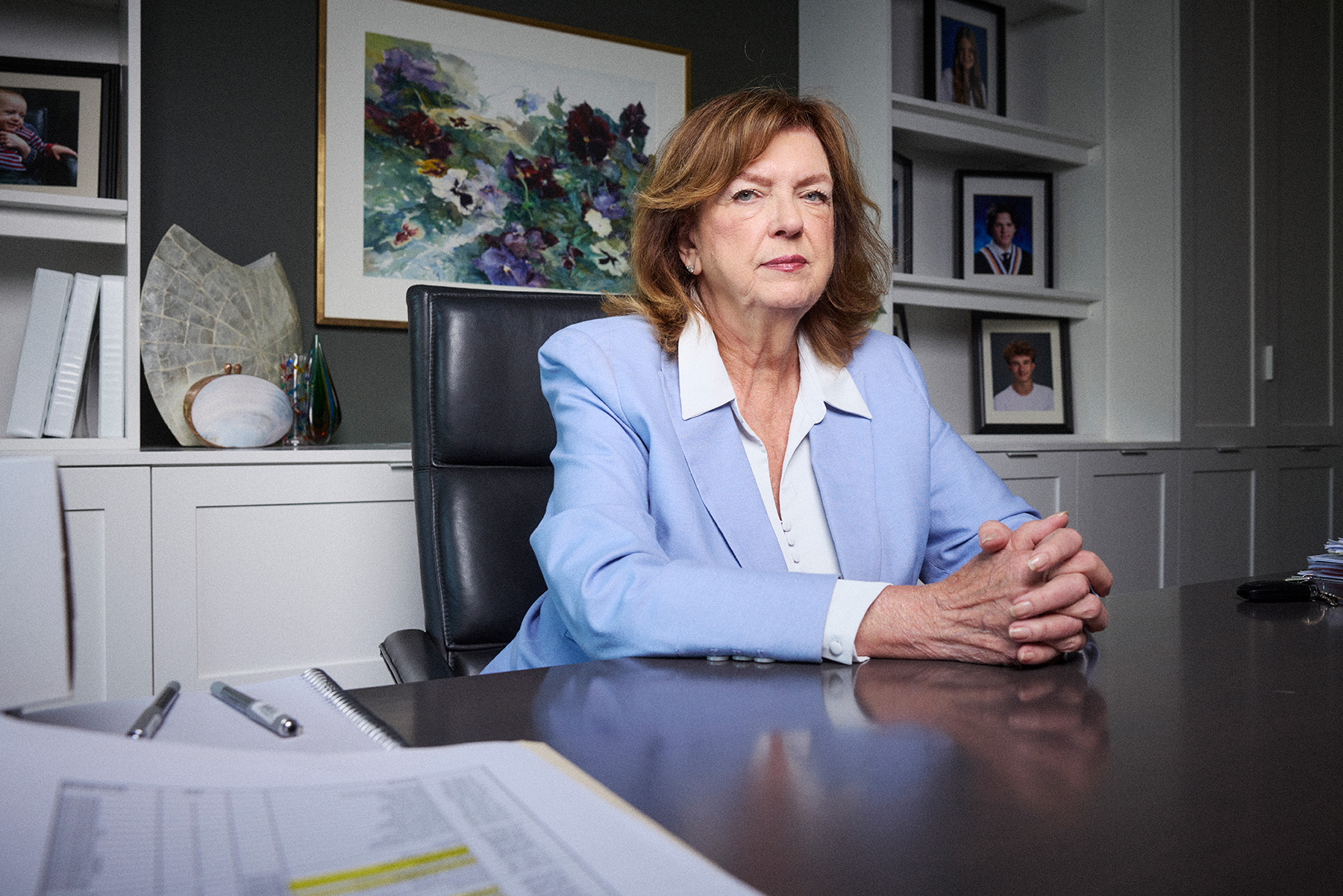
Carolyn Parrish Loves a Fight—Now She’s Up Against Her Fiercest Opponent
The Mississauga mayor has never backed down from a battle—not from Hazel McCallion, George W. Bush, or the Peel police budget. In the heated rematch against Bonnie Crombie, however, some wonder if all the scrapping has become an end in itself.
Candidate Tracker: Mississauga 2026
The only place to find reported, fact-checked biographies and platform summaries for every candidate running in the 2026 Mississauga municipal election. No AI, no campaign talking points, just a team of journalists double-checking candidate records and analyzing policies.
Candidate Tracker: Brampton 2026
The only place to find reported, fact-checked biographies and platform summaries for every candidate running in the 2026 Brampton municipal election. No AI, no campaign talking points, just a team of journalists double-checking candidate records and analyzing policies.
Toronto Mayor Olivia Chow: What She’s Done and What She’s Promising in 2026
Olivia Chow’s platform for re-election is all about building on her achievements, like a renovictions bylaw, TTC fare freeze, and new funding deal with the provincial government.
Brad Bradford, Toronto Mayoral Candidate, Campaigns For Change
Mayoral hopeful Brad Bradford’s platform for 2026 revolves around crime, congestion and cost of living.
Candidate Tracker: Toronto Election 2026
The only place to find reported, fact-checked biographies and platform summaries for every candidate running in the 2026 Toronto municipal election. No AI, no campaign talking points, just a team of journalists double-checking candidate records and analyzing policies.
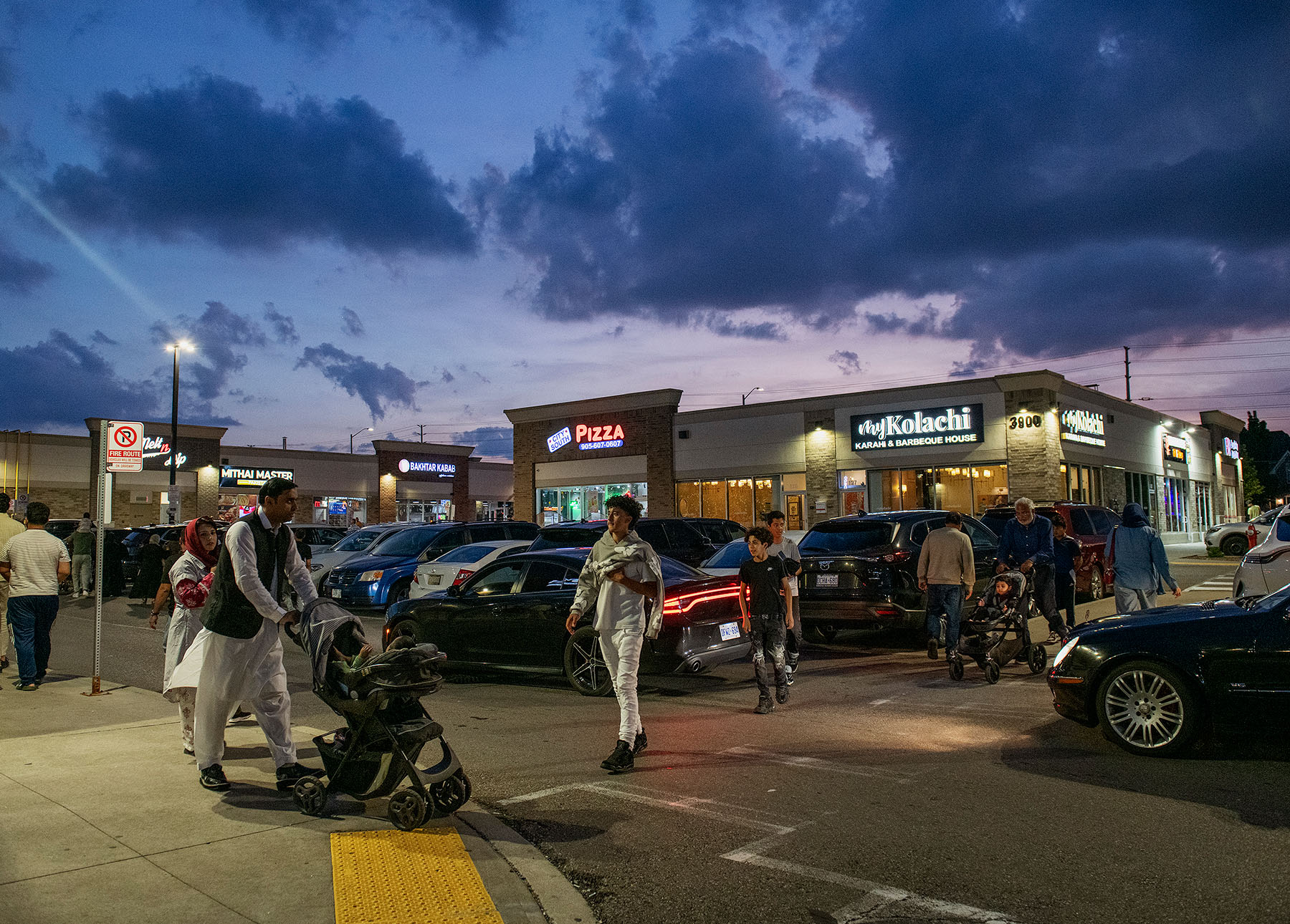
How a Suburban Strip Mall Became a Buzzing Community Hub, and a Political Flashpoint
Mississauga’s immigrant communities made Ridgeway Plaza one of the city’s most vibrant cultural spaces—and also one of its most contested. This municipal election could decide its future.
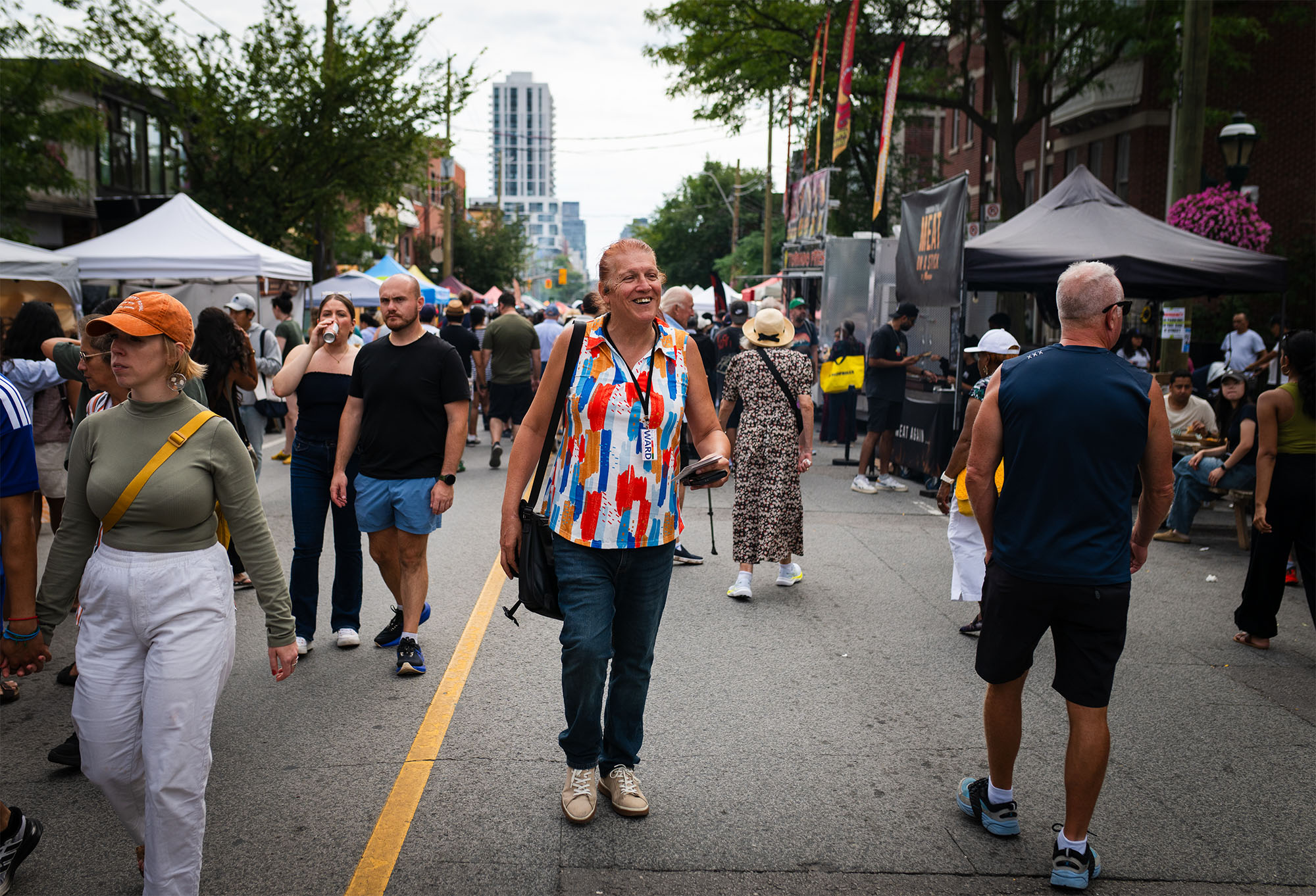
Is Toronto Ready for Its First Openly Trans Councillor?
Toronto has a history of dismissing trans politicians as fringe candidates. In Toronto Centre, Nicki Ward is fighting for a fair shot.
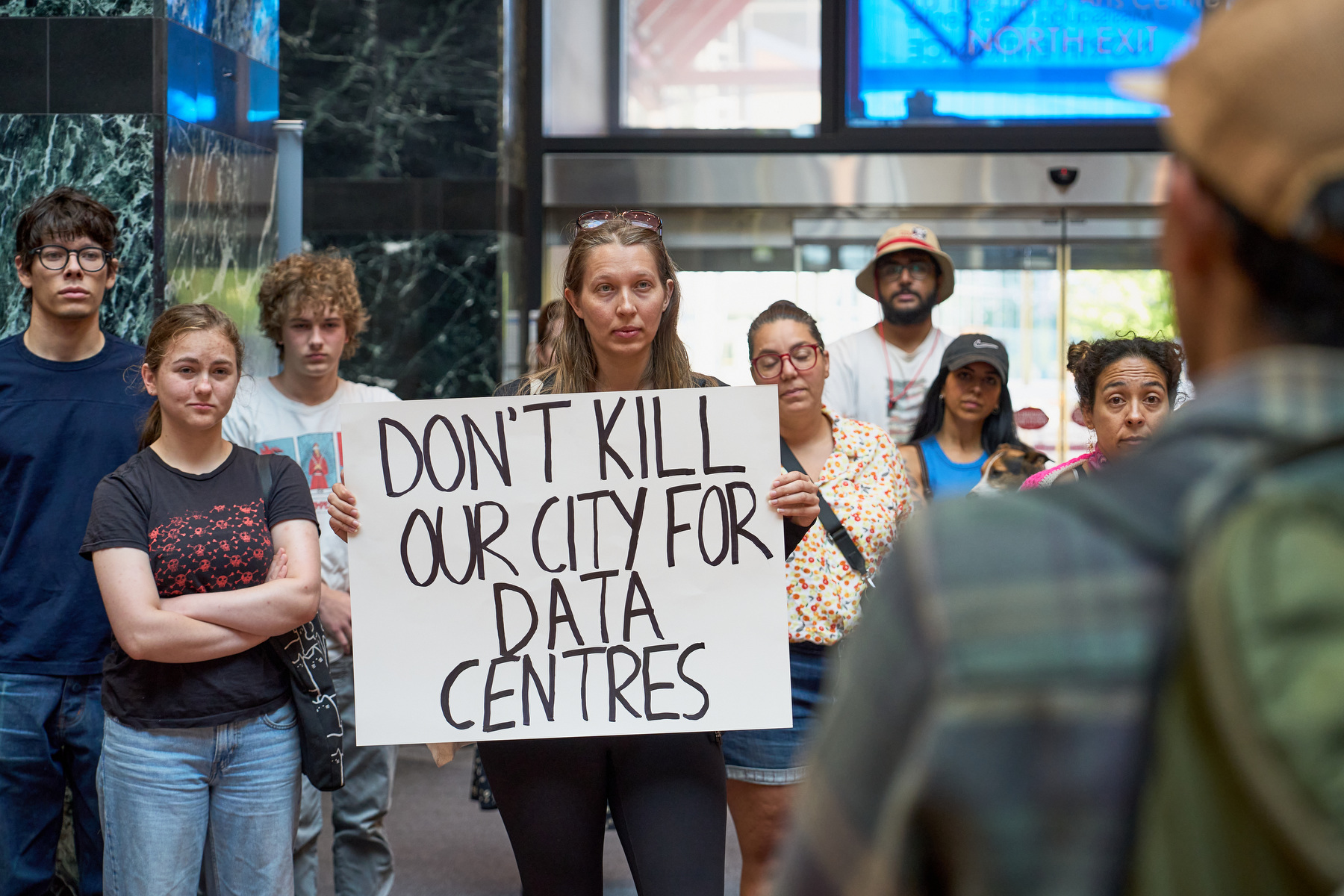
The Data Centre Backlash Has Come to Mississauga—and It’s Swallowing the Municipal Election
Ahead of this week’s vote on whether to freeze data-centre development for a year, city councillors seeking re-election are suddenly taking a firm stance in response to public outcry