

Skip to:
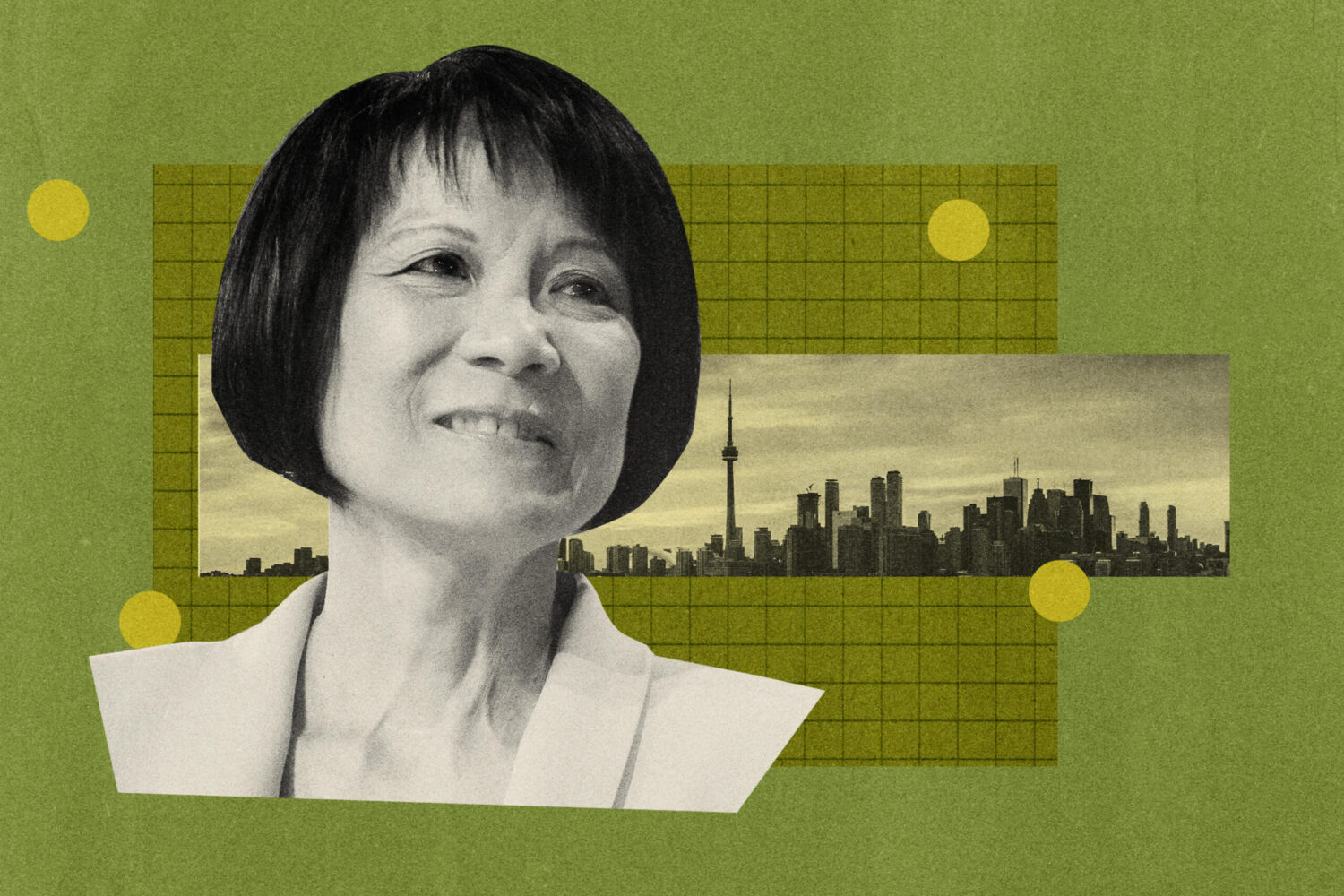
Olivia Chow is promising to one-up her achievements as mayor with her campaign for re-election, which includes pledges to create a “Bad Landlords” task force, provide more free food to children, keep property tax hikes to the rate of inflation, and expand services for seniors.
“In three years, we’ve shown what’s possible,” she said in a press release announcing her run for re-election. She highlighted the City’s school meal program, frozen TTC fares, the hiring of more first responders, and new funding for housing from the provincial and federal governments.
What’s on Chow’s platform?
If re-elected on Oct. 26, the mayor says she will add 10,000 more rental homes to her existing construction program, bringing the total she’s promising to build by 2030 to 65,000. “If you’re a nurse, a teacher or a construction worker, you should be able to afford to live here. And not in a shoebox – but in a real home,” Chow says. The existing building project supports 40,000 construction and trades jobs in Scarborough and elsewhere, Chow’s team says.
While she raised property taxes in her first term, Chow now promises to keep future tax hikes near the rate of inflation. She has also committed to updating her fare-capping program on the TTC to make rides free for passengers once they’ve taken 10 trips in a single week. Currently, the program is monthly, and passengers ride for free only after taking 47 trips in a single month.
Chow’s school food program, which provided morning meals to students at 764 schools in her first term, will be expanded to also provide lunch to all students in the city, the mayor says. The program will save parents $1,800 a year on groceries, she says.
She promises to expand a free homemaking program to help 5,000 more seniors with laundry, cleaning, and cooking; and to expand mobile health and dental clinics to provide care to 8,000 additional seniors near their homes.
The mayor also says she’ll create a “Bad Landlords Task Force” that will “lead an aggressive, proactive enforcement effort directed at problem landlords and buildings.” The team of enforcement officers and lawyers will target the most poorly maintained buildings in Toronto and issue court orders for repairs; in the case that a landlord refuses to make mandated repairs, the city will undertake the work and bill the landlord, Chow said in a press release.
What has she done as mayor?
Since being elected in 2023, Chow raised property taxes each year of her term, increasing them 9.5 percent in 2024 (the highest in 25 years), 6.5 percent in 2025, and 2 percent in 2026. The increased revenue to the City has been used to boost funding for services like transit and police. Under Chow, the city has also expanded library hours, provided free meals to public school students, and created new regulations for landlords.
The mayor introduced a new tax on “luxury” homes, charging buyers at least 4.4 percent on homes sold for more than $3 million. During Chow’s three year tenure, the Toronto’s police budget increased $160 million, bringing the annual budget to $1.4 billion. The mayor’s office says the City has hired 720 more police officers, 150 firefighters, 361 paramedics and staff, and 90 911 call-takers. Under Chow, the Toronto Community Crisis Service pilot project, which dispatches mental health crisis workers to relevant 911 or 211 calls, was also made permanent and expanded citywide.
The TTC’s budget has received increases totalling $451.2 million over three years during Chow’s tenure, bringing its funding from the City to $1.48 billion annually. Chow froze fares on the TTC, introduced fare capping, and installed priority bus lanes on Dufferin Street and Eglinton Avenue East, and a priority streetcar lane on Bathurst Street. She also opened the Scarborough Busway, a special roadway between Scarborough Centre and Kennedy Station that converted a former rail corridor into a road. The city says the busway has reduced travel time between the two endpoints by seven minutes.
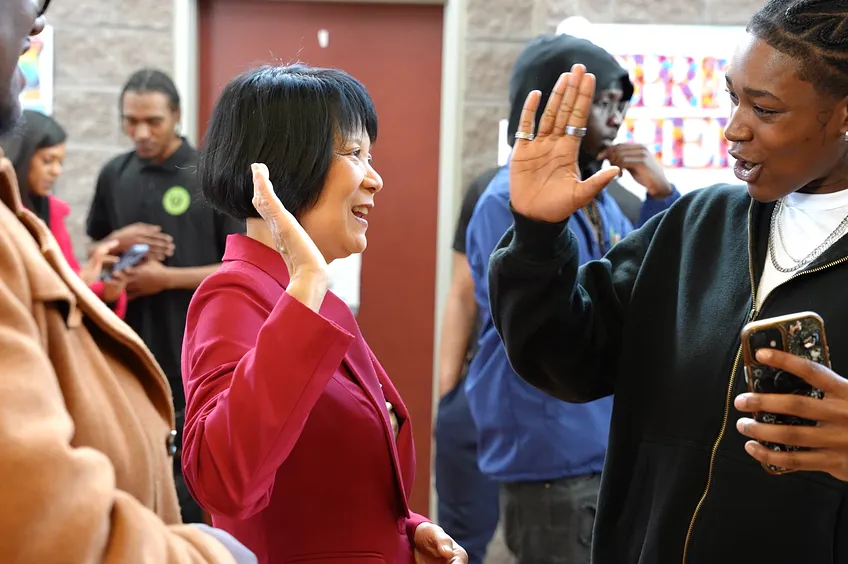
In July 2025, Chow introduced a bylaw on “renovictions” which requires landlords to obtain a license before starting renovations that require tenants to move out. A year after the bylaw took effect, tenant lawyers told The Toronto Star that calls about “renovictions” had virtually disappeared, suggesting the change has been effective. Chow’s administration has also expanded a program that provides funding to non-profit housing organizations like co-ops to buy apartment buildings, which saw the acquisition of 19 buildings with 700 units in 2024.
She expanded service hours at all public libraries to seven days a week. If she is re-elected, Chow says libraries will also provide free programming for kids every weekend.
Chow has butted heads with Ontario Premier Doug Ford over his plans for Billy Bishop airport and Ontario Place. But she dropped the City’s opposition to Ford’s Ontario Place redevelopment in late 2023, instead coming to an agreement with the province that secured as much as $1.2 billion in new operating funding over three years for Toronto.
Join the thousands of GTA readers who've signed up for our free newsletter and get award-winning local journalism delivered to your inbox.
"*" indicates required fields
In 2025, Chow backed a “bubble zone” bylaw that prohibited protests near places of worship, schools, and childcare centres. Some have viewed this move as a crackdown on the regular pro-Palestine demonstrations that took place in the city in the wake of the Hamas attack on Israel and subsequent Israeli war on Gaza, which the United Nations has said constitutes genocide. A pro-Israel lobby group has criticized Chow for failing to attend both an Israeli flag raising and a vigil for victims of the Oct. 7, 2023 Hamas attack; she was more recently criticized for not attending a candidates’ forum on antisemitism held by the Jewish Lawyers of Canada.
How Chow compares to Brad Bradford
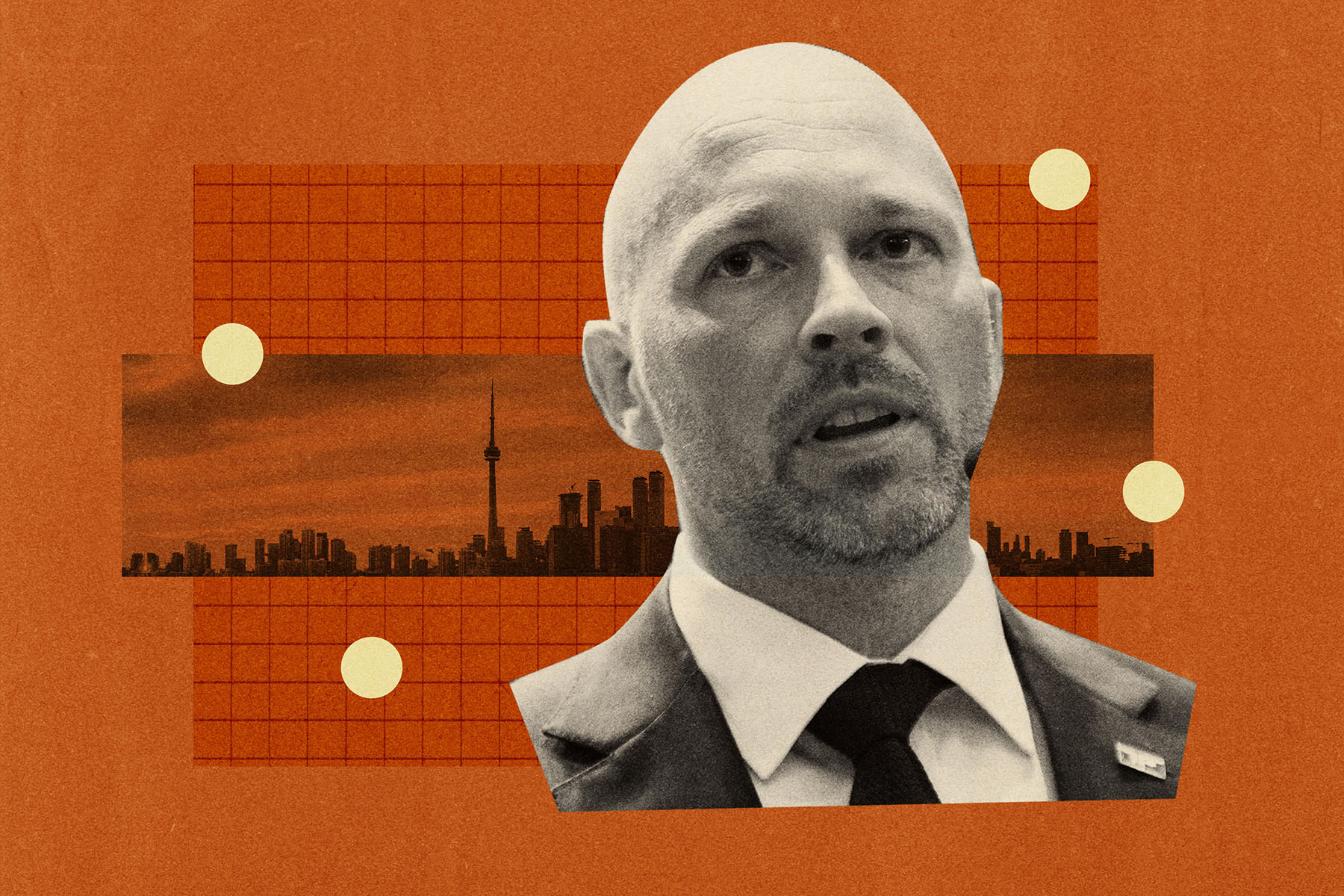
Chow’s main competitor in the 2026 mayoral election is Councillor Brad Bradford, who has represented Beaches-East York since 2018.
Bradford has been Chow’s most vocal opponent during her time as mayor. He’s one of just three councillors who voted with the mayor less than 60 percent of the time.
Brad Bradford
Chow's main challenger campaigns for change. But what's he really about?
They diverge most dramatically on the issue of taxes. Bradford says residents should not believe Chow’s promise to keep future tax hikes at the rate of inflation. He promises to freeze property taxes for a year, while she has raised them. Chow defends her tax increases as necessary to fix Toronto’s budget problems and boost public services. Bradford is also opposed to Chow’s Vacant Home Tax, which he calls “a tax grab” that hasn’t increased the supply of rental homes, and says he’s concerned about the “downstream impacts” of a new tax on “luxury” homes that sell for more than $3 million. Bradford also tried to make the new RapidTO bus lanes on streets like Bathurst and Dufferin temporary instead of permanent, but failed.
On Chow’s school food program, however, Bradford said he would continue it as mayor.
Read about Chow’s main opponent Brad Bradford here.
Candidate Tracker
There are 53 candidates for mayor. Read the fact-checked biographies and platform summaries for all of them.
More from this issue
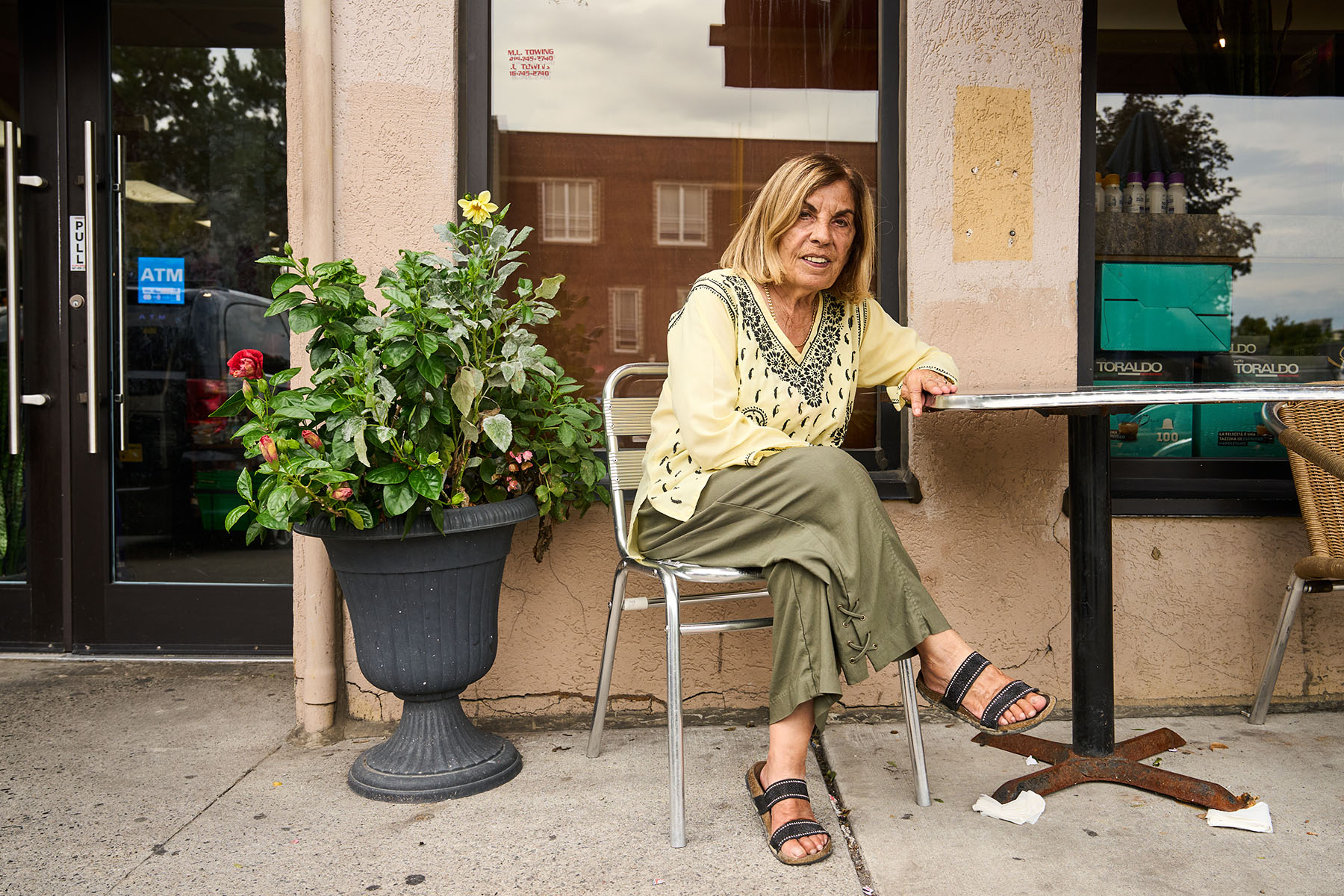
In York South-Weston, Old Opponents Face Off for a Third Time
Frances Nunziata, Toronto’s longest serving city councillor, is ready for another term in office. Do her constituents feel the same?
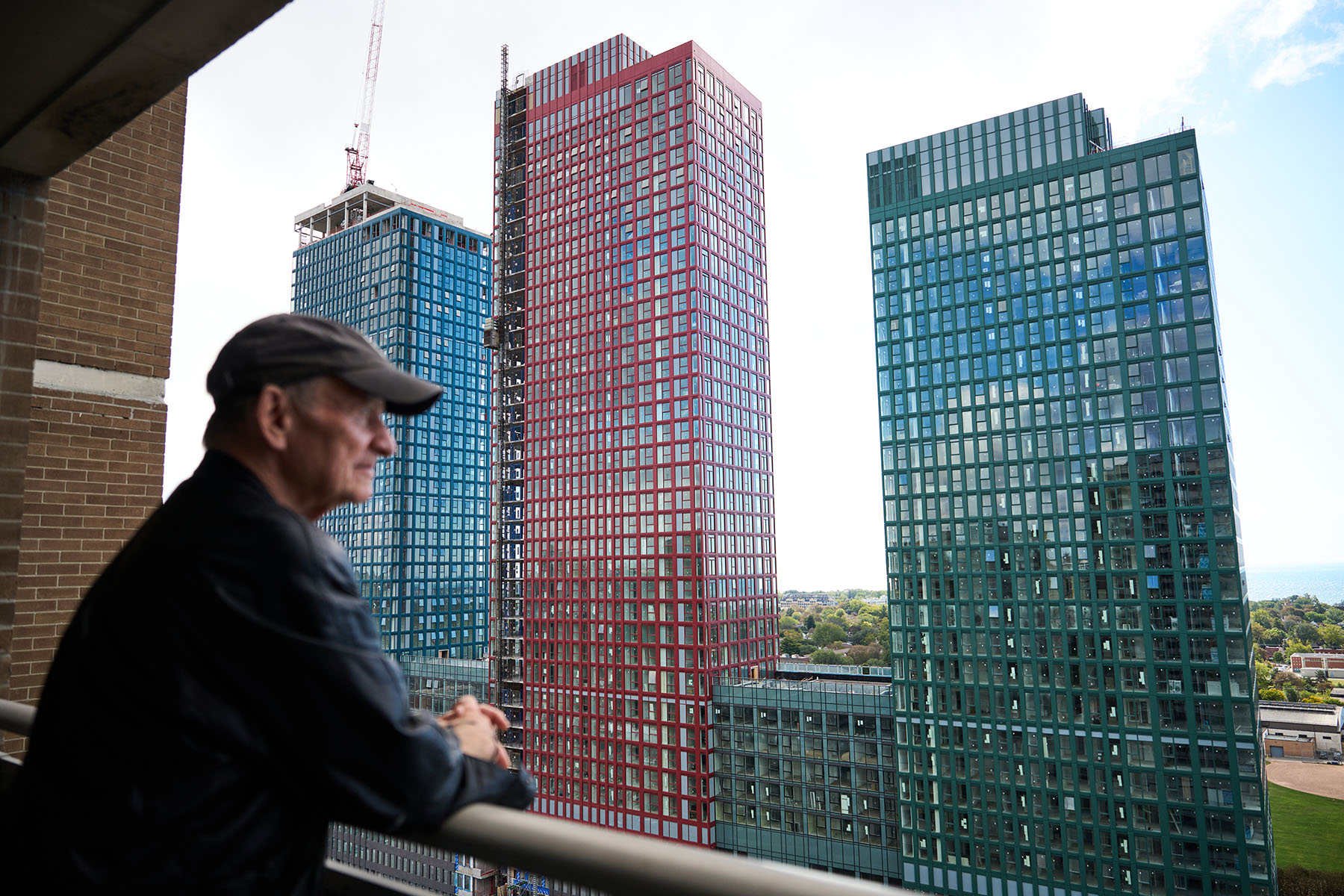
North of the Tracks: The Election From Main and Danforth
With thousands of new units coming, Danforth Village in the corner of Beaches-East York is a microcosm of a changing city. In today’s sprawling wards, can voters make their local issues heard?
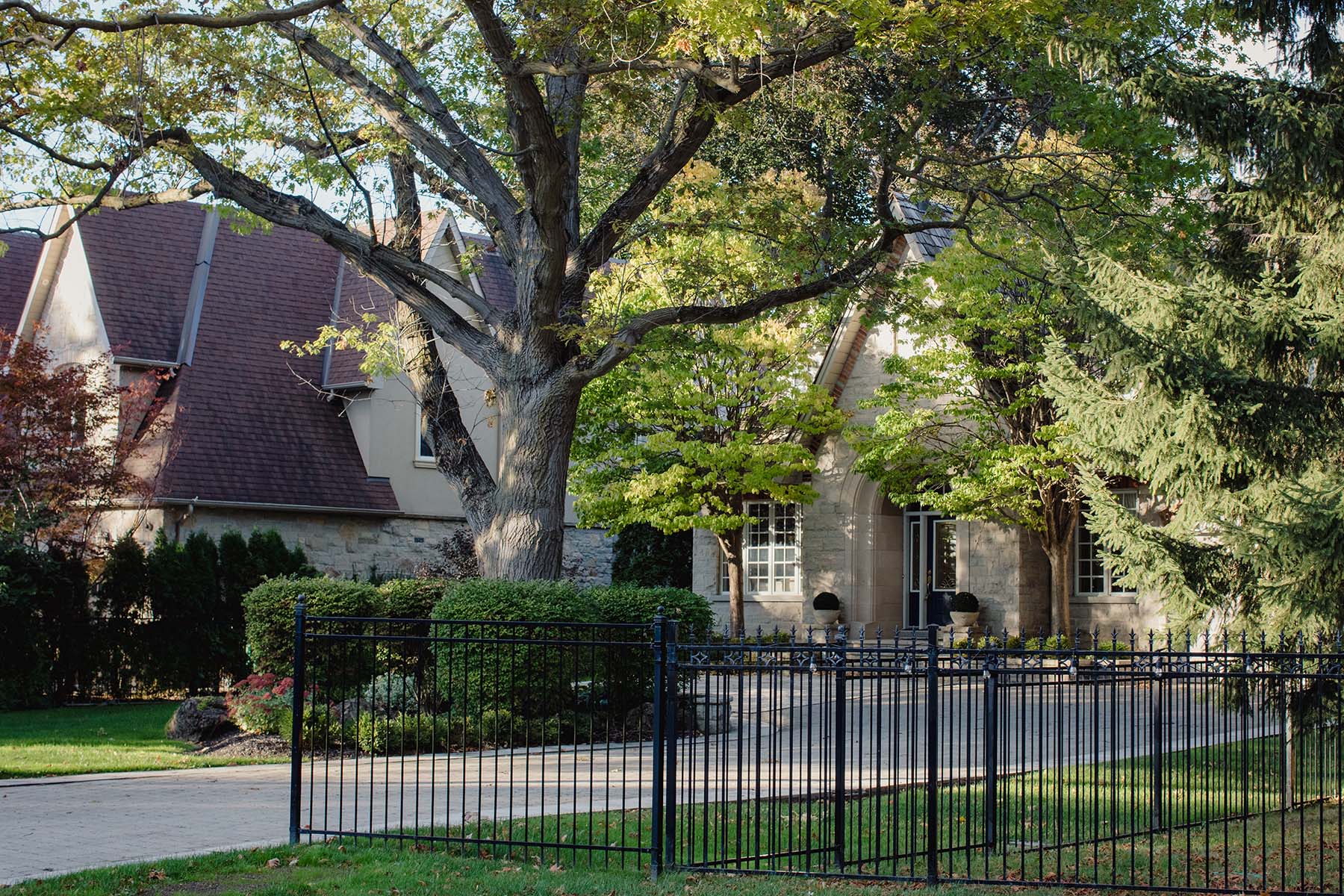
In Mississauga’s Ward 2, Candidates Spar Over Crime, Housing, and Property Taxes
With popular incumbent Alvin Tedjo stepping aside for a mayoral run, 14 candidates present their vision for one of the busiest, and wealthiest, wards in the city.
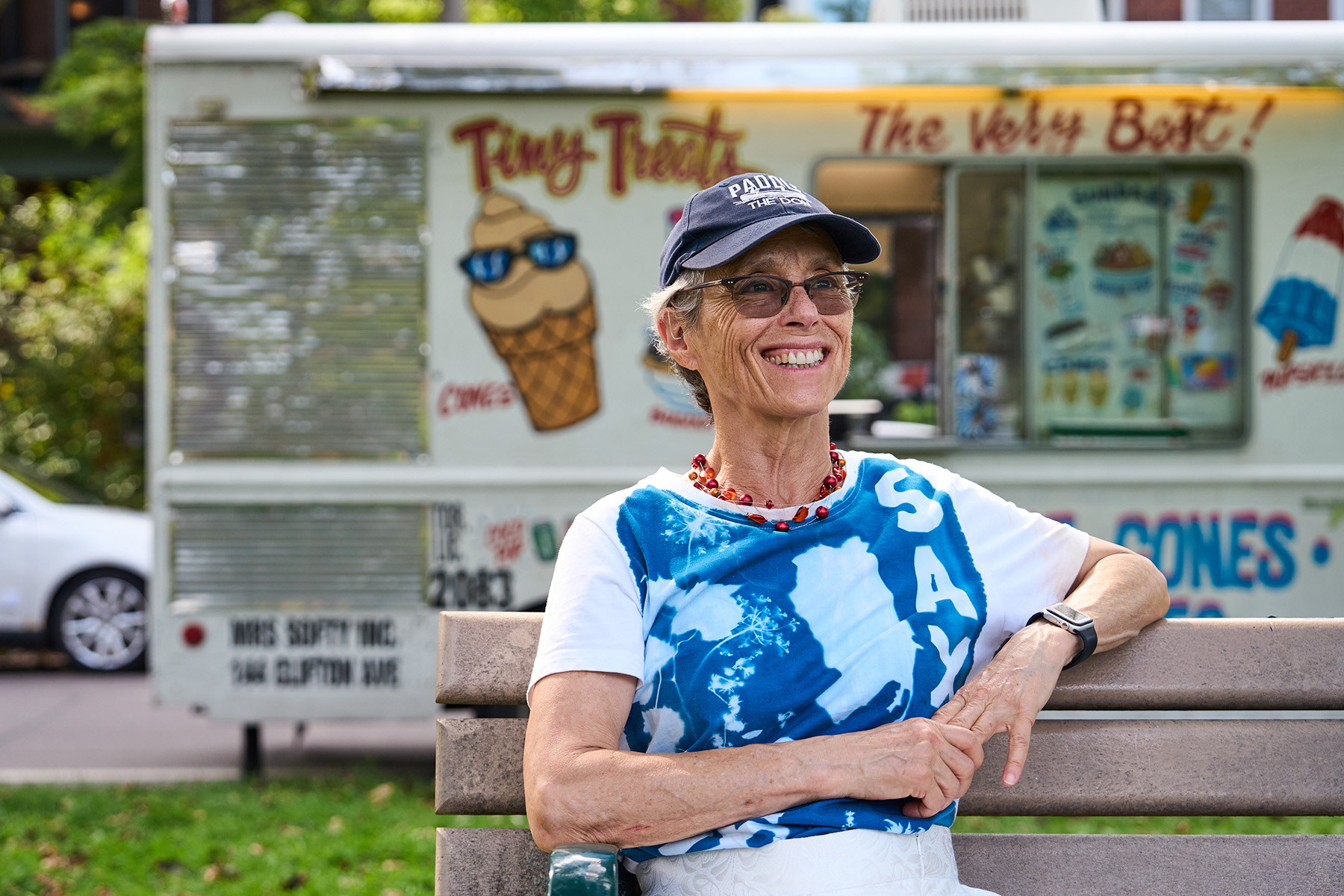
Dianne Saxe Needs to Convince Danforth Voters She’s No Outsider
A walk through Toronto-Danforth with the former environmental lawyer, who jumped into the ward race just minutes before registration closed.
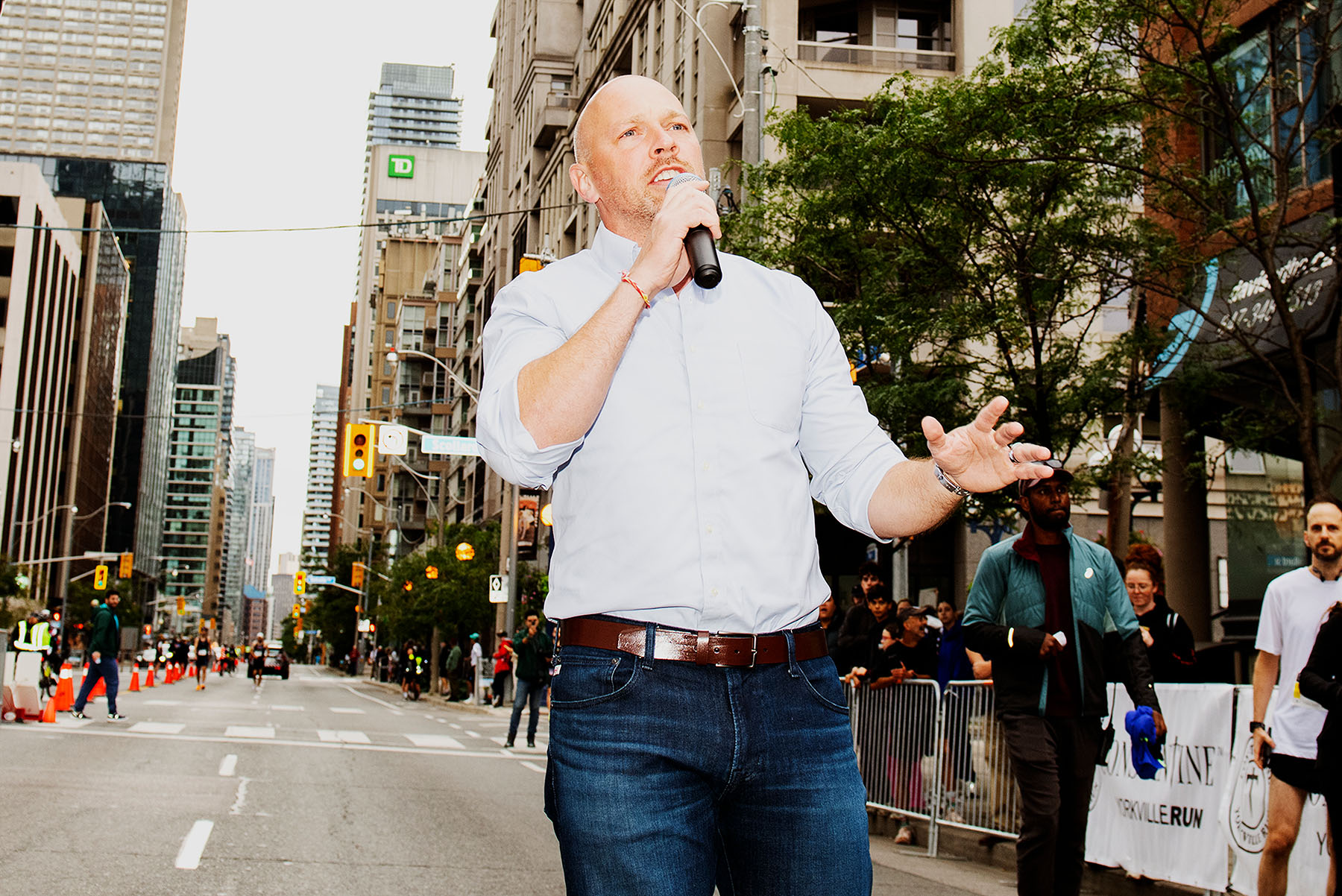
Brad Bradford Seems Angry—He’s Betting Torontonians Are Too
Former staffers say he drove them to tears. Colleagues say he’s a bully. The Bradford campaign says his passion is just what this city needs.
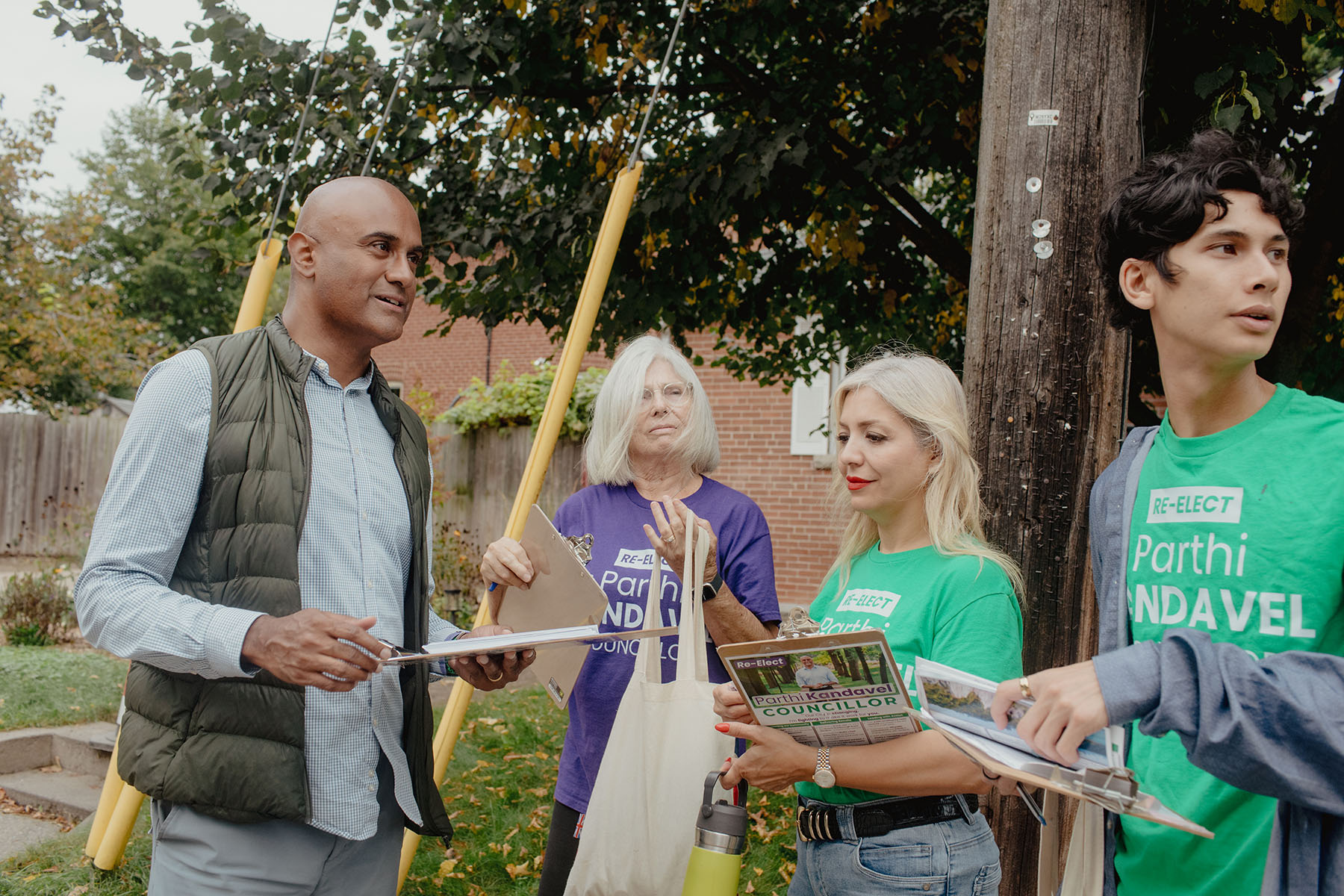
The Incumbent Is Under OPP Investigation. In Scarborough Southwest, Voters Are Focused on Other Issues
In a rematch of a close 2023 by-election, incumbent Parthi Kandavel and Kevin Rupasinghe offer very different visions of a growing suburb.
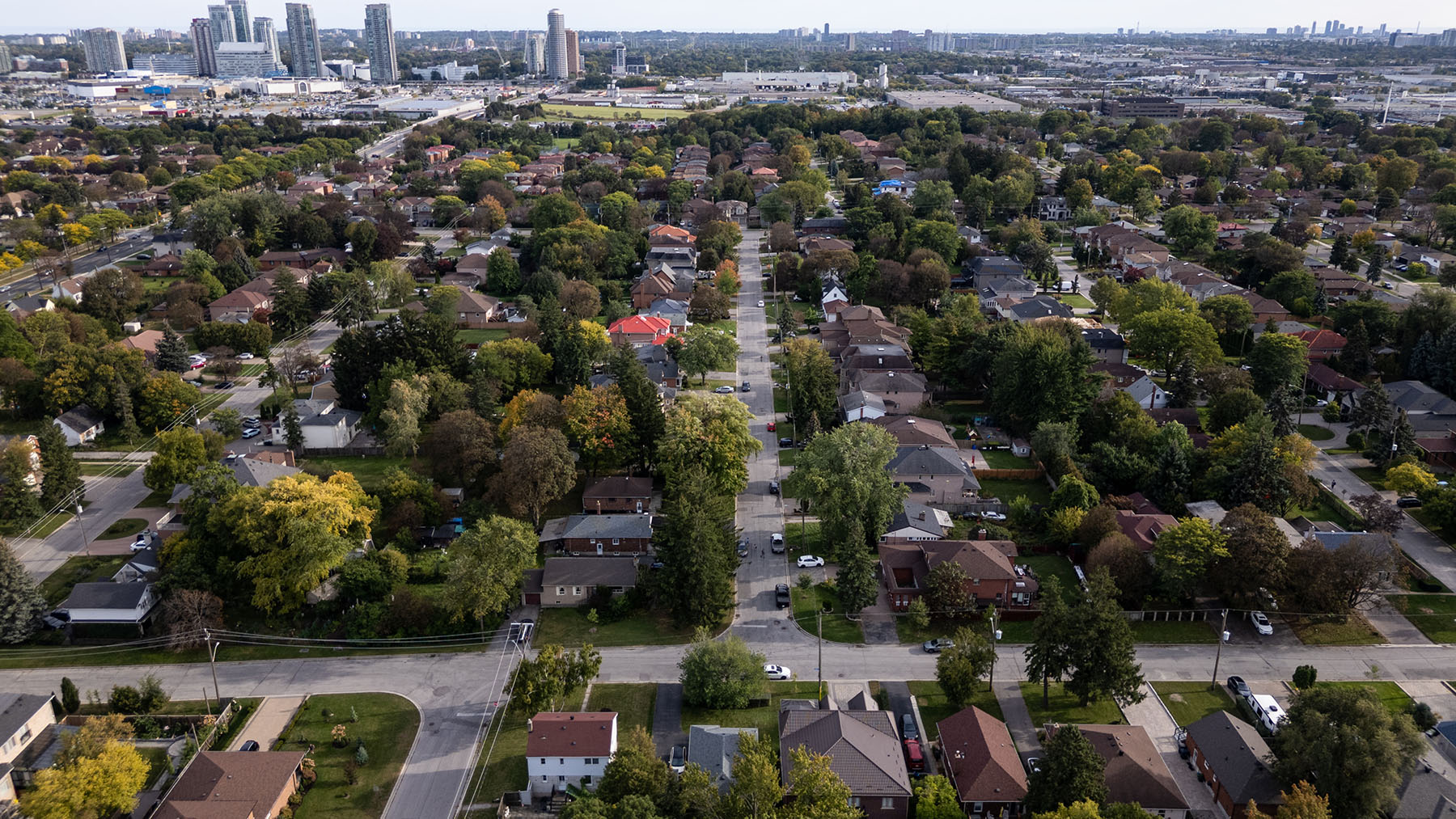
The Battle Over Sixplexes in Scarborough North
Last year, the ward became the first suburban ward to legalize the construction of sixplexes as-of-right. Now, in a race between incumbent Jamaal Myers and former Liberal MPs Shaun Chen and Han Dong, it’s become the defining issue of the election.
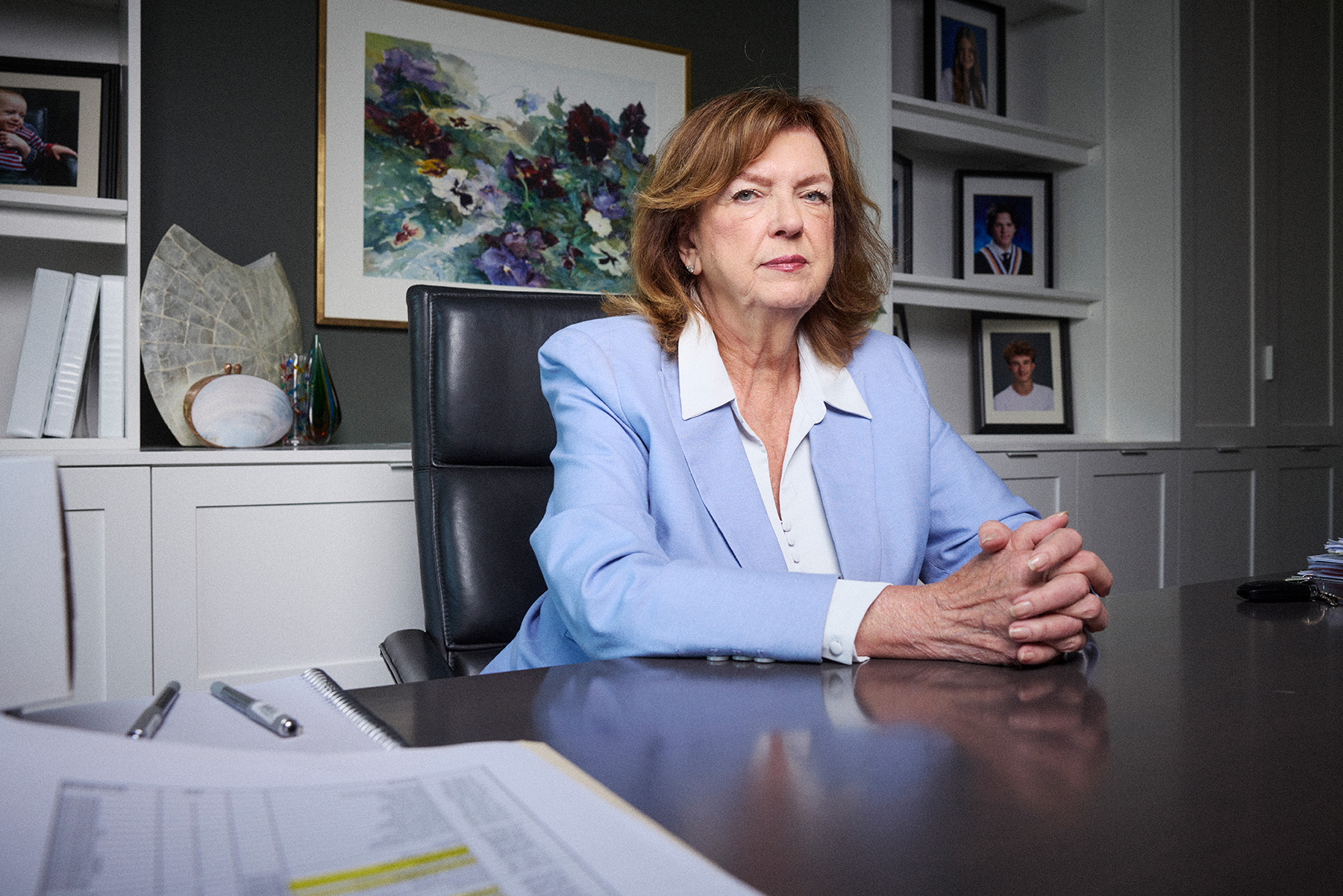
Carolyn Parrish Loves a Fight—Now She’s Up Against Her Fiercest Opponent
The Mississauga mayor has never backed down from a battle—not from Hazel McCallion, George W. Bush, or the Peel police budget. In the heated rematch against Bonnie Crombie, however, some wonder if all the scrapping has become an end in itself.
Candidate Tracker: Mississauga 2026
The only place to find reported, fact-checked biographies and platform summaries for every candidate running in the 2026 Mississauga municipal election. No AI, no campaign talking points, just a team of journalists double-checking candidate records and analyzing policies.
Candidate Tracker: Brampton 2026
The only place to find reported, fact-checked biographies and platform summaries for every candidate running in the 2026 Brampton municipal election. No AI, no campaign talking points, just a team of journalists double-checking candidate records and analyzing policies.