


The Race in Etobicoke North at a Glance:
- Current Councillor: Vincent Crisanti, first elected in 2010
- The Candidates: There are 10 candidates facing off in Etobicoke North, including incumbent Crisanti, former mayoral hopeful Chloe Brown, business owner Norman Hamilton, and community organizer Ala’a Adib.
- Central Issues: Access to transit, affordable housing, renter protections, youth employment, and services for seniors
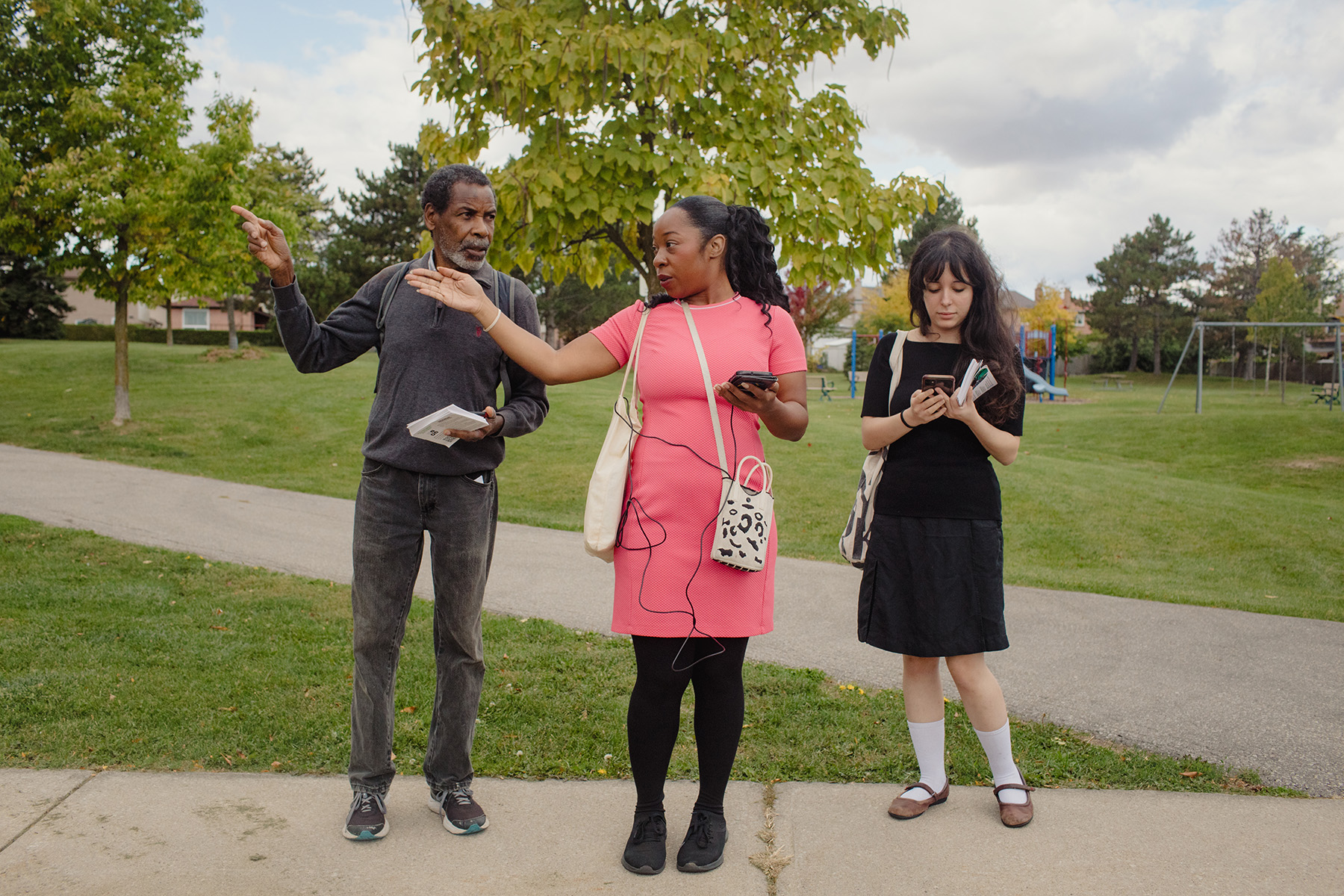
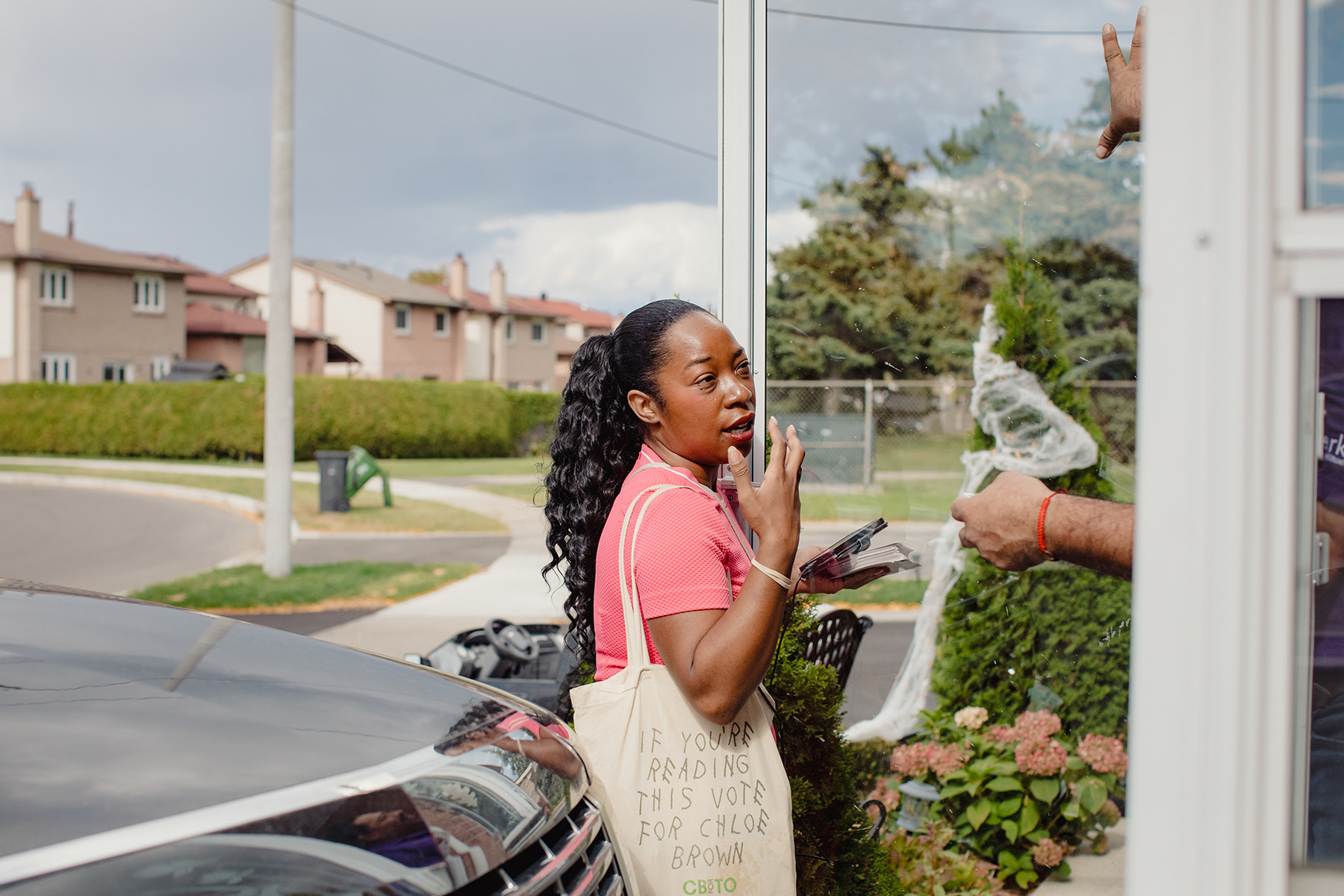
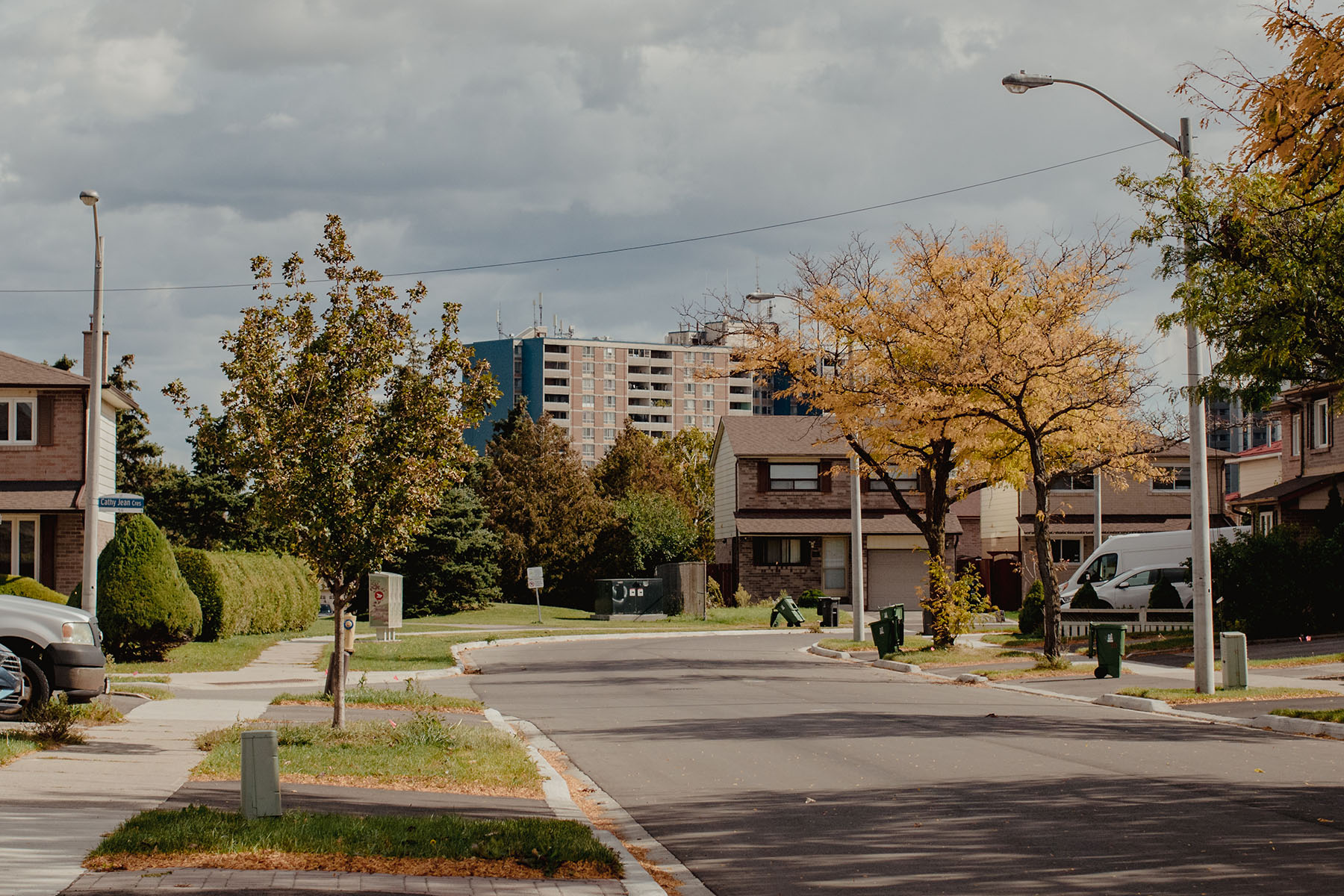
On a windy but warm Thursday afternoon in October, Chloe Brown is going door to door with two volunteers at the easternmost corner of Etobicoke North, at Kipling and Steeles. It is a deeply suburban part of the ward, where long stretches of detached post-war homes are broken up by vast commercial plazas. As she knocks, it is mostly seniors who answer, or no one at all. Brown, with her work cut out for her, is undeterred. She says she has become adept at leaving what she calls “voicemails” at door cameras—short messages about herself encouraging people to vote.
At one house, a resident from Mexico airs his frustration at the high cost of living: His rent is $3,000 a month, and he earns only slightly more than that. He says he’s got a second job to make ends meet, and is planning to leave the country soon and move to Europe. Brown listens to him patiently, offering up the story of her mother, who has moved to Jamaica to work as a beekeeper. Brown knows she could escape Toronto and join her mom but feels an obligation to remain in her hometown.
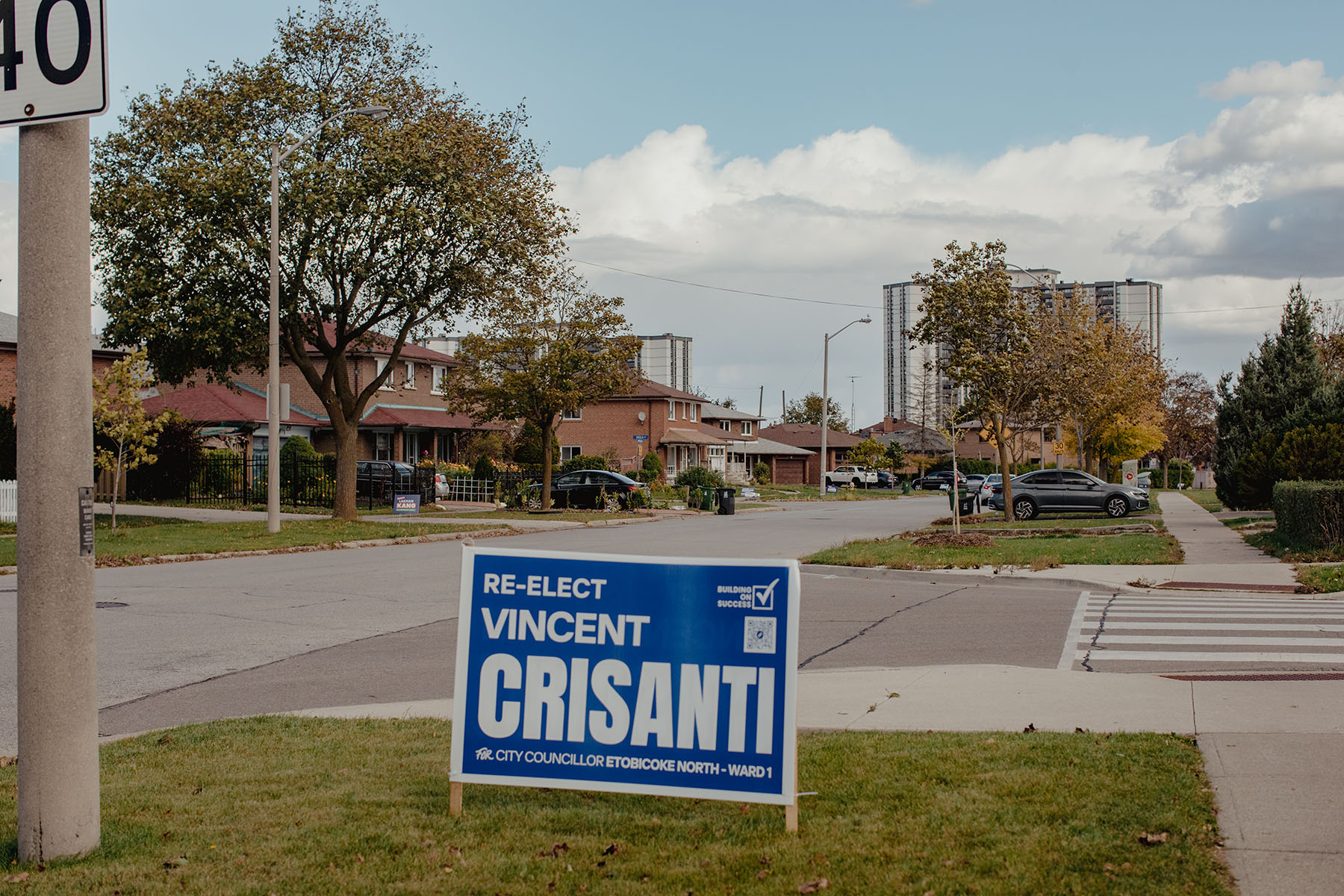
In the distance, she points out three apartment buildings on Kipling Avenue that have been on rent strike for wrongful evictions, poor maintenance, and above-guideline rent increases. While nearly half of the ward are renters, she says it’s easy for the homeowners in the area to feel removed from the problems that their neighbours are facing. She thinks of them as voters who “wouldn’t change anything”—those who are happy with the status quo. It’s not difficult to see why—the streets she is canvassing are littered with lawn signs for incumbent councillor Vincent Crisanti.
Elected in 2022, the 73-year-old Crisanti has long been a fixture in Etobicoke North. Back when the ward was split into two, he’d represented the community as city councillor from 2010 to -2018 alongside three members of the Ford family: former mayor Rob Ford, his older brother Doug, and their nephew Michael.
Bordered by Steeles Avenue to the north, Highway 427 to the west, Eglinton and Dixon to the south, and the Humber River to the east, Etobicoke North has been a Ford family stronghold for decades. Doug Ford Sr. represented the riding provincially from 1995 to 1999, and it’s where Rob Ford ran his successful campaigns for city council throughout the early 2000s, before his infamous tenure as mayor.
Crisanti, for his part, has long been an ally of the Ford family. When Doug Ford ran for mayor in 2017 before his leap to provincial politics, Crisanti appeared onstage at that year’s Ford Fest to support his run against incumbent mayor John Tory.
“If anybody out there doubts the power of Ford Nation, just come here tonight,” he announced. “I first got elected in 2010 with the support of Rob Ford, and I’m here today because of the Fords, and I want to thank them.”
There was only one problem: Crisanti was serving as John Tory’s deputy mayor at the time he endorsed his rival. In response to the slight, Tory removed him from the post. The following year—after Doug became premier and cut the number of seats on Toronto city council from 47 to 25, including those in Etobicoke North—Crisanti was left to run against 24-year-old Michael Ford. With his uncle’s endorsement, Michael beat Crisanti handily, only relinquishing the position back to him in 2022 when he decided to run for MPP of York South-Weston.
Fact-checked biographies of every candidate running in Etobicoke North.
Read More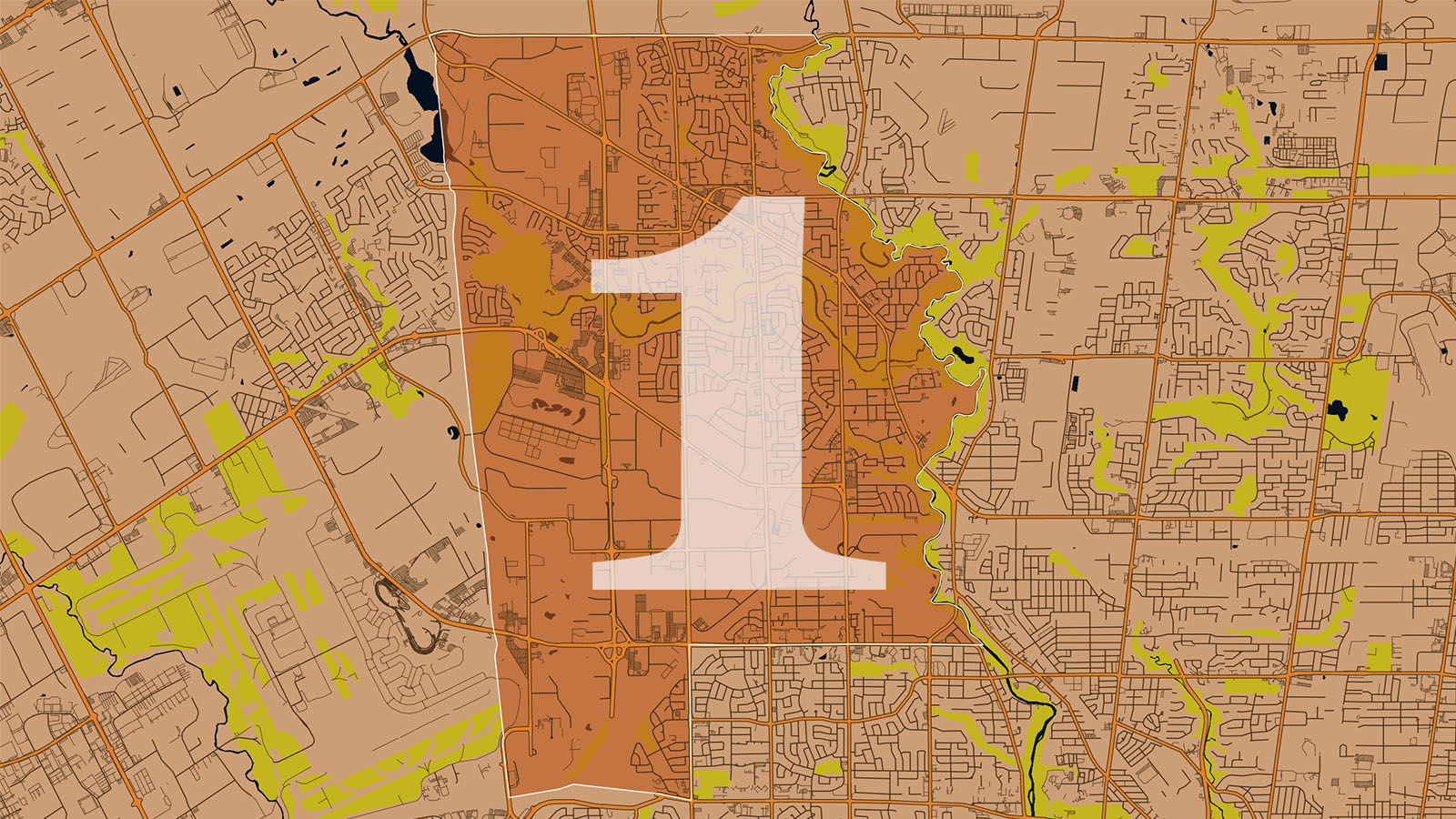
Cristanti did not respond to requests from The Local to be interviewed for this story.
Now, four years later, Crisanti is running again. This time, he may not be facing down a junior Ford, but he is up against 10 other candidates. This includes local business owner Norman Hamilton, community organizer Ala’a Adib, and Chloe Brown. While Crisanti has continued to appeal to voters by assuring them of his experience and ties to the Fords, the candidates competing against him represent a different side of politics in Etobicoke North—one that is young, racialized, working-class, and progressive.
While Brown currently resides in High Park, she grew up in the Rexdale neighbourhood of Etobicoke North from the ages of five to 11. Growing up in Rowntree Manor—a 14-storey Toronto Community Housing building at Finch and Islington—she describes her childhood as “romanticized,” thanks to supportive parents and the neighbourhood amenities available to her. These included community centres, the Albion Pool and library, and the Woodbine Mall with its indoor amusement park.
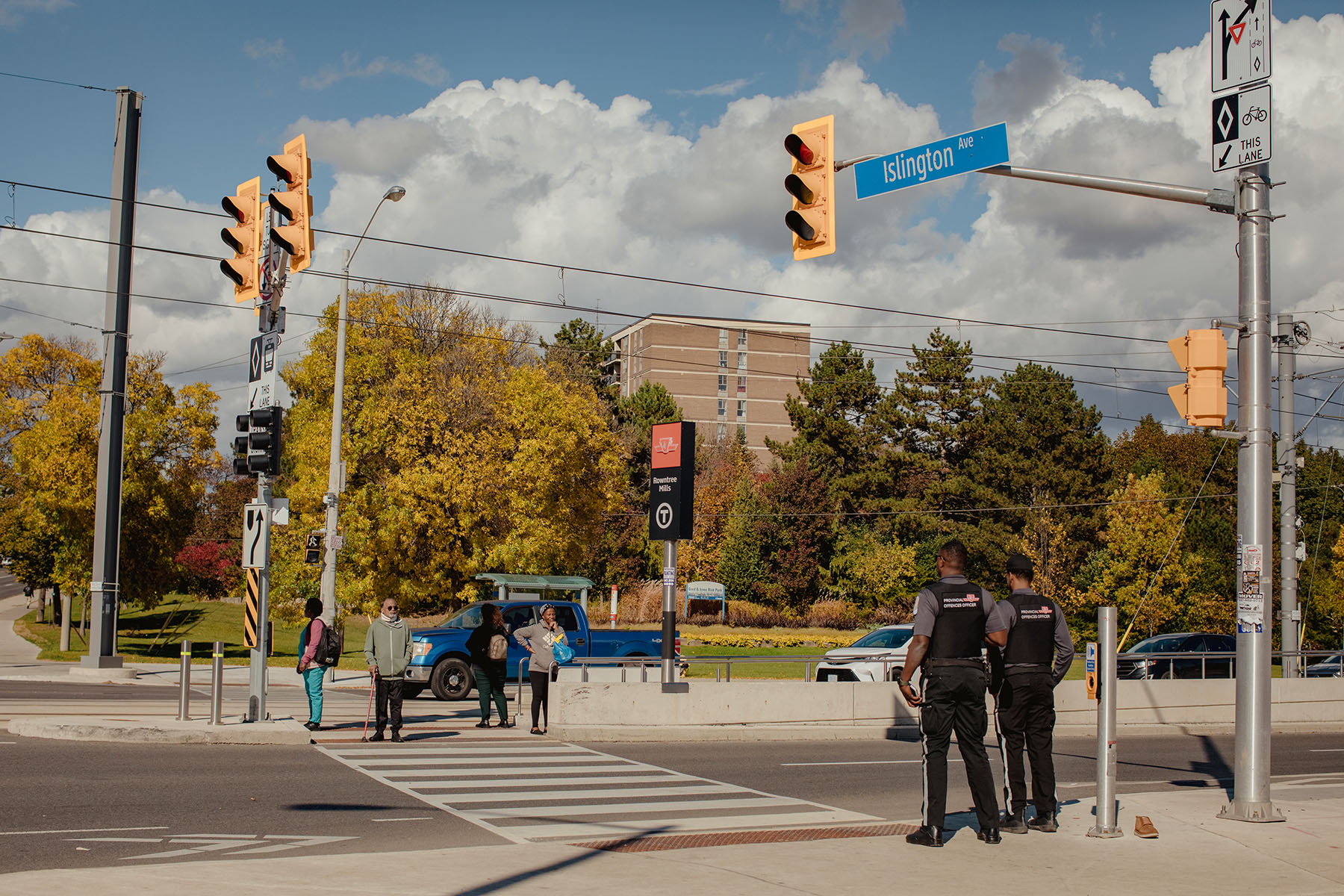
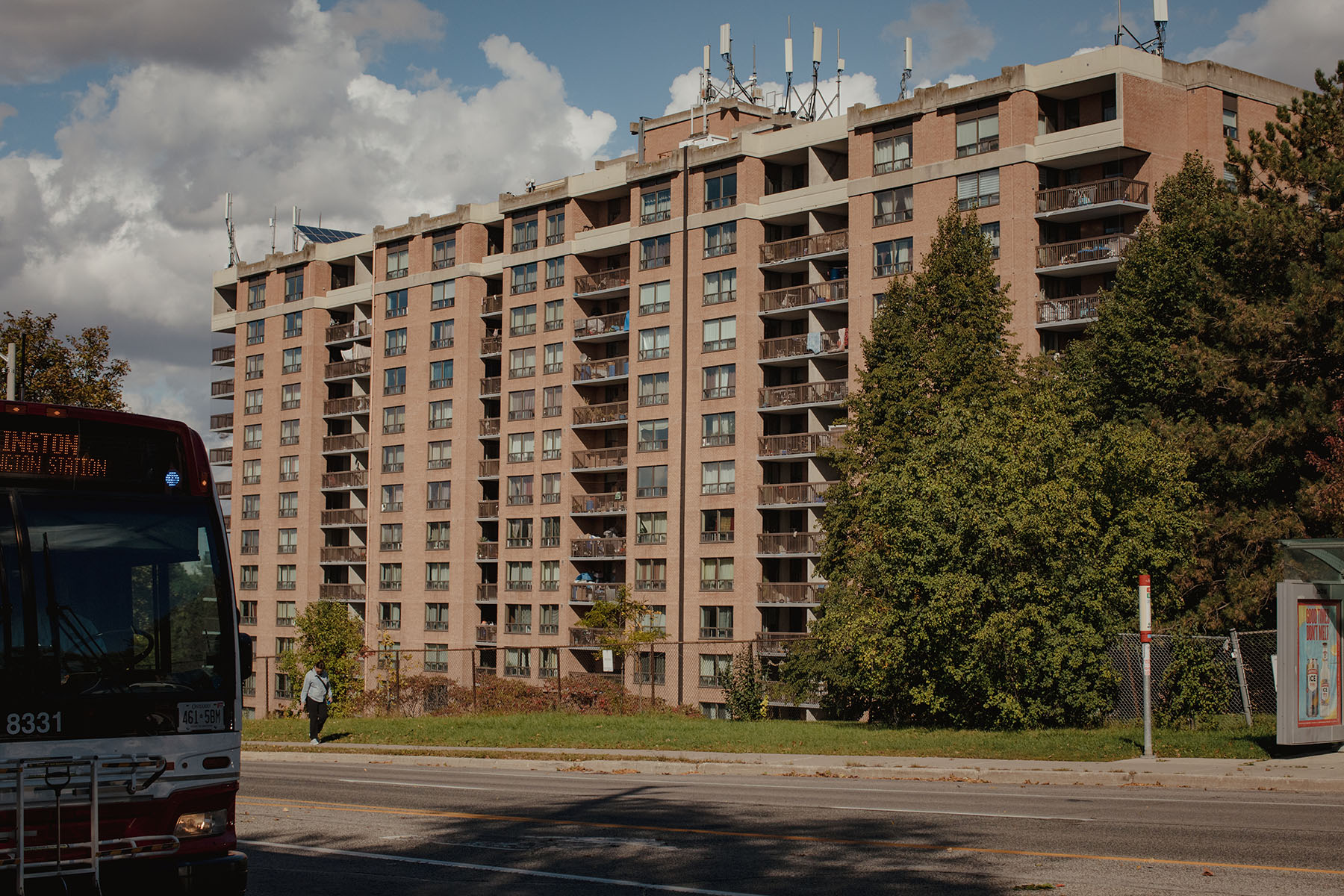
Since then, she says, the neighbourhood has been neglected, leading to a degradation of the social infrastructure she benefitted from.
“It’s a lack of political will from the leadership that’s keeping this area stagnant,” Brown says. “I feel pissed off for my community.”
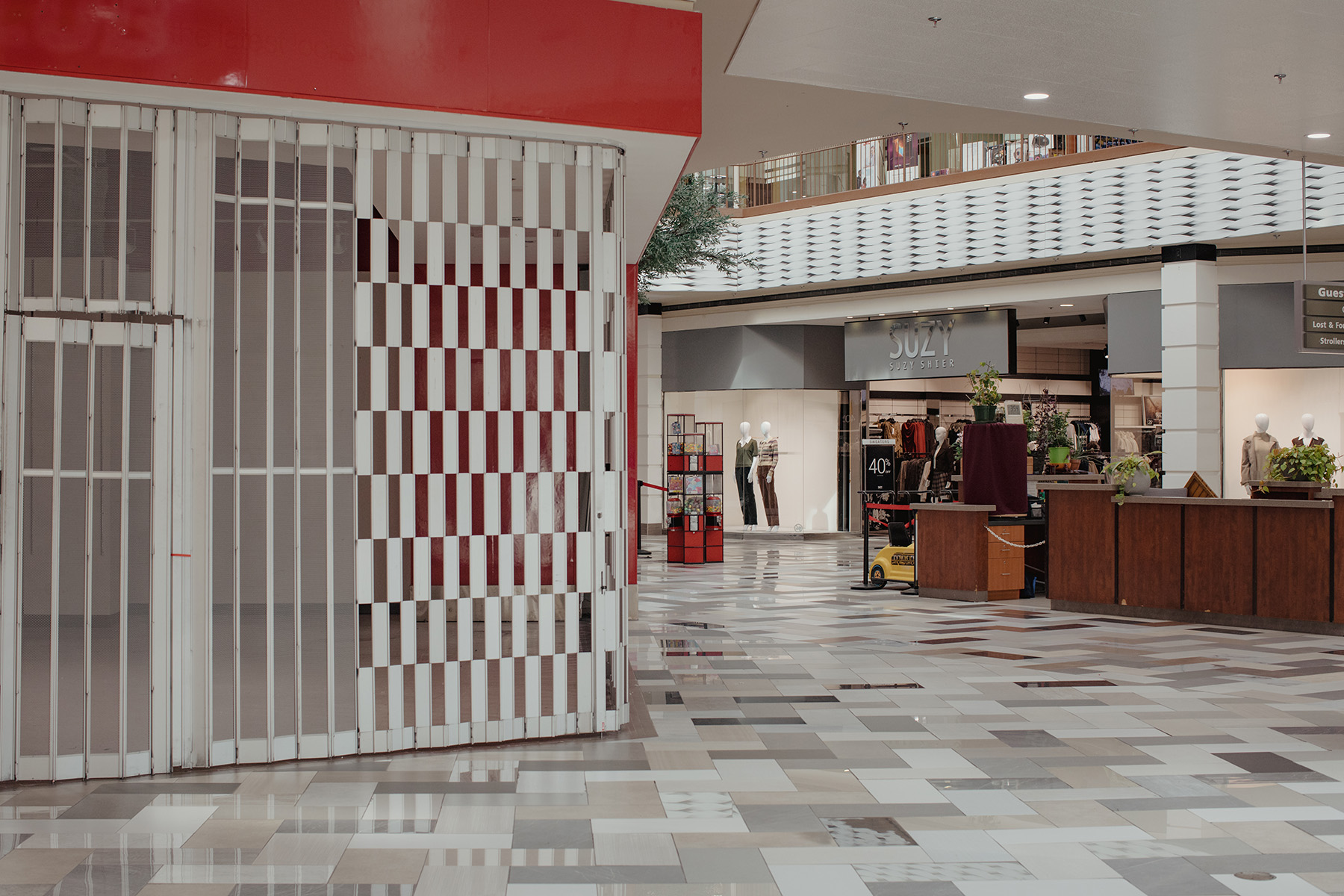
In Brown’s view, Ward 1 has the potential to become a place where 30-somethings like her want to live and work instead of fleeing downtown. Redevelopment projects like Woodbine Lands, encompassing the Woodbine casino and racetrack, promise a way to revitalize the neighbourhood with both job opportunities and cultural programming. Across the street, Woodbine Mall, where Brown says her parents took her as a reward, could see a new life as a community hub.
“It’s like everything that is worth being seen is downtown by the banks, as opposed to where working-class people live,” Brown says. “It makes me so frustrated. When I think about young people up here, of course they’re going to be bored, detached, and isolated if you force all the jobs downtown, all the arts and culture downtown.”
Brown worked on a community benefit agreement for the Woodbine casino redevelopment with the Toronto Youth Cabinet, ensuring 50 percent of 2,500 jobs created would go to local residents or equity-deserving people and that community groups have access to event and meeting spaces. She wants to reinvigorate Woodbine Mall with initiatives like creating an artist residency pop-up space so that it can function as both a community hub and a commercial space.
Despite her plans, she is all too aware of the Ford legacy she is working against, and the association that Crisanti has with it. She describes his tenure over the past few years as “doing the basics of the job description” and is quick to mention his track record of missing 332 votes at city council since 2022—the second highest rate of recorded absences. Still, she is no stranger to facing down the odds with an ambitious political campaign. In 2022, she ran for mayor, landing in third place. In the mayoral by-election the following year (after John Tory’s resignation in the fallout of an infidelity scandal), she out-performed sitting councilor Brad Bradford.

Like Brown, another candidate, Norman Hamilton, sees the need for increased investment in the neighbourhood. An immigrant from Jamaica who first settled in Etobicoke North to study accounting at Humber College, Hamilton is the owner of a mobile mechanic business, Truck Repair Hotline Inc., which operates out of the ward.
“I came here with a purpose to better myself, to contribute to society, and contribute to where I live,” he says.
Hamilton believes Ward 1 deserves more attention at city council, especially compared to the wards to the south—Etobicoke Centre and Etobicoke-Lakeshore, which both have better transit access, more development, higher-income households, and better access to services like libraries and community centres. Though there have been some improvements in Ward 1, such as the Finch West LRT which has six stations servicing Etobicoke North, getting downtown is still a slog requiring multiple transfers.
Core to Hamilton’s vision for improving things in the ward is youth engagement. He notes that young people often come to Ward 1 to study at Humber College, like himself. But they typically leave for better job prospects and housing. Hamilton says he has used his business as a way to keep them engaged and employed in Etobicoke North by offering a co-op style work program for graduates from Humber.
“I think local businesses need to look more into developing the community by helping youth so they know someone is looking out for them,” he says. “Someone that’s reliable, so they can stop looking in other directions.”
Join the thousands of readers who've signed up for our free newsletter and get award-winning local journalism delivered to your inbox.
"*" indicates required fields

Meanwhile Crisanti, despite his absenteeism rate, still has significant support in Ward 1. He won the last election with 41 percent of the vote. One such supporter is Beena Ruparelia, a 54-year-old retired nurse who lives in a rental townhouse with her husband near Martin Grove Road and Albion Road. Ruparelia says that staffers at Crisanti’s office helped get a bylaw officer sent to her townhouse to inspect mold issues related to poor ventilation in her 1960s-era home, which she hopes will lead to repairs and remediation.
“His office was quite helpful,” she says.
Ruparelia also sees Crisanti as sympathetic to seniors. In February, he brought forward a motion on the feasibility of free or $1 Wheel-Trans service for seniors during off-peak hours.
“A lot of seniors are struggling to pay rent,” she says. “I know that one thing in his heart is to help seniors, because he himself is a senior.”
Unlike the caricature of Crisanti supporters as wealthy homeowners, Ruparelia is a renter, a housing advocate, and well-connected in the community. She serves as the communications coordinator for the North Etobicoke Residents Council and, just this year, joined the Toronto Tenant Union as co-chair of the York-Etobicoke branch.
“I just wanted to advocate for the residents in my townhouse complex because I know what we’ve gone through,” she says.
Much of Crisanti’s staying power—and that of the Fords—can be attributed to a talent for reaching voters from both sides of Etobicoke North: both middle-class homeowners and working-class renters. Though an even bigger reason for their success may be the enduring influence of the largest group of eligible voters in the ward: those who don’t vote at all.
Etobicoke North is one of the most diverse wards in the city. Some 56.6 percent of residents are immigrants, compared to the city’s average of 46.6 percent. They hail from India, Jamaica, the Phillipines, Iraq, and Somalia, among other places. As they settle, they face cultural and language barriers, and even once they become eligible voters, these factors contribute to the ward’s low voter turnout. Just 35 percent of eligible voters turned up to polls in the last municipal election, compared to the citywide average of nearly 41 percent.
There’s a sense of detachment to the community and its relationship to local politics. Orane Finlay is a 35-year-old airline ramp agent who works at Toronto Pearson Airport, drives for Uber part-time and lives across from Woodbine Mall. He immigrated from Jamaica to Toronto in 2018 and has called Etobicoke home for the past two years.
Finlay admits he doesn’t vote and purposely doesn’t want to get involved in politics. For Finlay, Etobicoke North is a place to live. He chose it because it’s convenient and centrally located between his workplace and downtown Toronto. But he says he doesn’t spend much time around his home. He’s happy with the way things are.
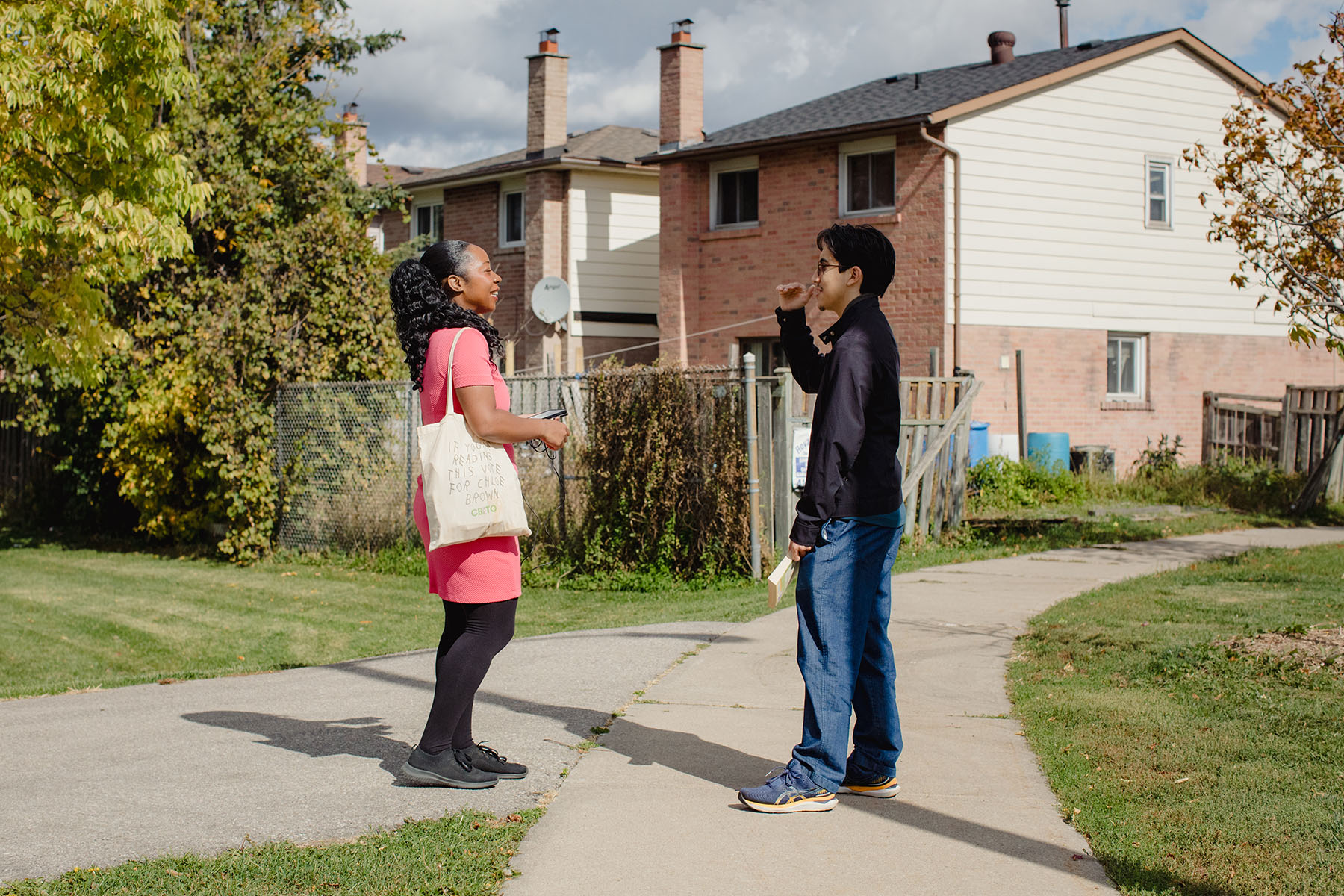
Back at Kipling and Steeles, after more than an hour of door-knocking, one of Brown’s volunteers ushers her over to a resident who wants to meet her. She’s a recently retired provincial civil servant eager to hear how Brown will resolve issues with lengthy delays in response to 311 requests, like tree branches growing close to her home, or curbs that weren’t properly evened out after the street was repaved.
Brown offers a plan to bring students in from nearby Humber College to form a maintenance team that would address these issues faster, and give them an opportunity to gain necessary work experience. They chat about Brown’s prior work in job development as a policy analyst and how to support young people who want to start businesses in the neighbourhood’s many empty storefronts, and even how the resident could start her own business in retirement. After a few minutes of discussion, Brown and the resident part ways with a friendly handshake.
It may just be one positive interaction in an afternoon of unanswered doors and “voicemails” to cameras, but it’s enough to underscore the importance of speaking to voters face-to-face.
“As I’m doing this door-knocking, people don’t care about my 10-year plan,” Brown told me, earlier. They want to know “what are you doing today? Like, how am I going to feed my kid? How are you going to take my property taxes down? What are you going to do about the police and enforcing the rules against my landlord? I’ve always got a plan. If I’m doing anything, I’m scheming for the future.”
More stories about Toronto Votes 2026
The Biggest Winner of This Election: The Toronto Police
Despite being rocked by one of the biggest scandals in its history, the city’s police force is getting nothing but support from major candidates in the municipal election.
Has Olivia Chow Been an Effective Mayor?
I followed Olivia Chow over a summer of announcements and events to try to understand how she's fared as a leader. I came back with a more fundamental question about what it means to be mayor of Toronto when real power lies elsewhere.
In York South-Weston, Old Opponents Face Off for a Third Time
Frances Nunziata, Toronto’s longest serving city councillor, is ready for another term in office. Do her constituents feel the same?
North of the Tracks: The Election From Main and Danforth
With thousands of new units coming, Danforth Village in the corner of Beaches-East York is a microcosm of a changing city. In today’s sprawling wards, can voters make their local issues heard?
Dianne Saxe Needs to Convince Danforth Voters She’s No Outsider
A walk through Toronto-Danforth with the former environmental lawyer, who jumped into the ward race just minutes before registration closed.
Brad Bradford Seems Angry—He’s Betting Torontonians Are Too
Former staffers say he drove them to tears. Colleagues say he’s a bully. The Bradford campaign says his passion is just what this city needs.
More from this issue

The Biggest Winner of This Election: The Toronto Police
Despite being rocked by one of the biggest scandals in its history, the city’s police force is getting nothing but support from major candidates in the municipal election.
Has Olivia Chow Been an Effective Mayor?
I followed Olivia Chow over a summer of announcements and events to try to understand how she's fared as a leader. I came back with a more fundamental question about what it means to be mayor of Toronto when real power lies elsewhere.
In York South-Weston, Old Opponents Face Off for a Third Time
Frances Nunziata, Toronto’s longest serving city councillor, is ready for another term in office. Do her constituents feel the same?
North of the Tracks: The Election From Main and Danforth
With thousands of new units coming, Danforth Village in the corner of Beaches-East York is a microcosm of a changing city. In today’s sprawling wards, can voters make their local issues heard?
In Mississauga’s Ward 2, Candidates Spar Over Crime, Housing, and Property Taxes
With popular incumbent Alvin Tedjo stepping aside for a mayoral run, 14 candidates present their vision for one of the busiest, and wealthiest, wards in the city. Photos by Chloë Ellingson / The Local
Dianne Saxe Needs to Convince Danforth Voters She’s No Outsider
A walk through Toronto-Danforth with the former environmental lawyer, who jumped into the ward race just minutes before registration closed.
Brad Bradford Seems Angry—He’s Betting Torontonians Are Too
Former staffers say he drove them to tears. Colleagues say he’s a bully. The Bradford campaign says his passion is just what this city needs.
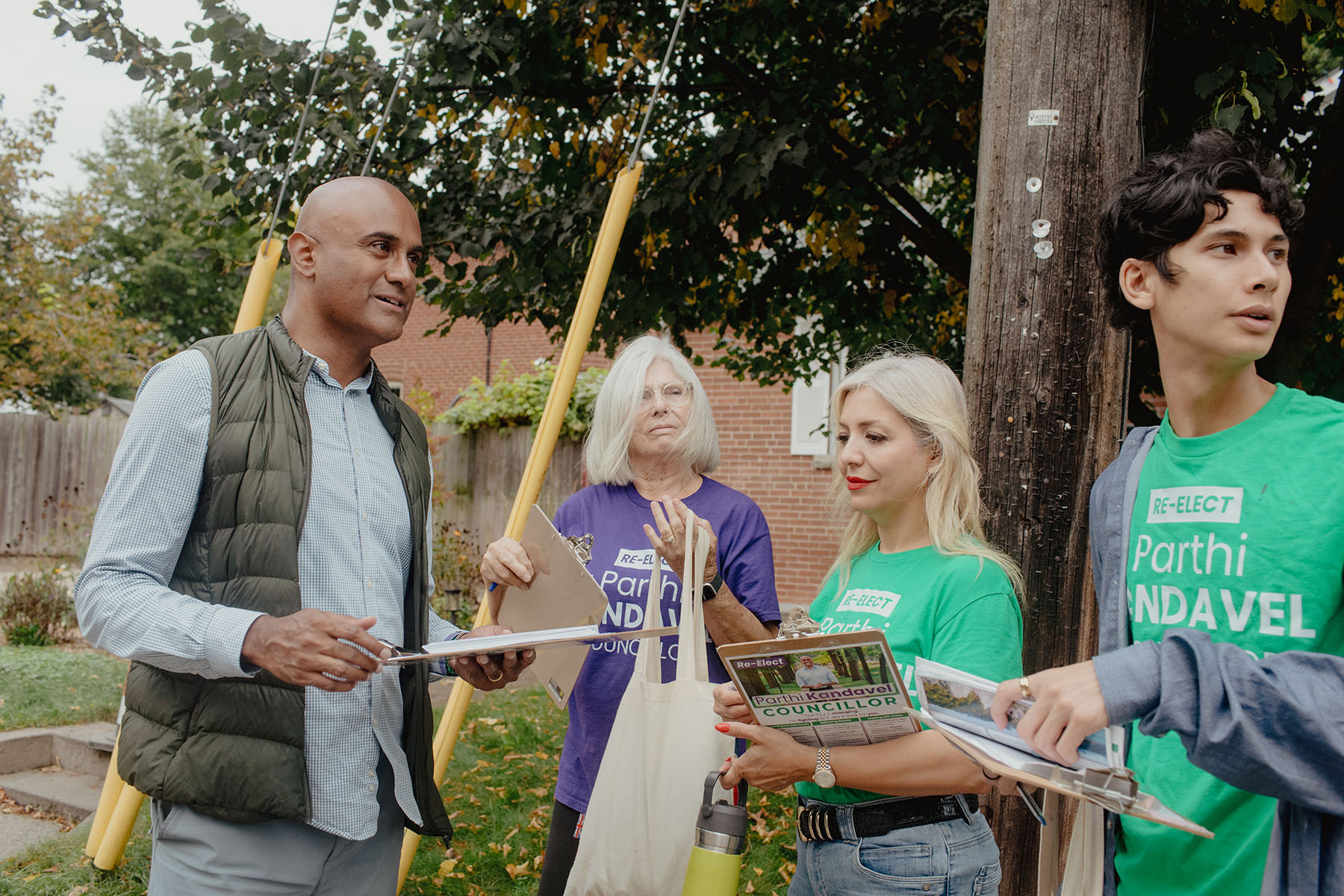
The Incumbent Is Under OPP Investigation. In Scarborough Southwest, Voters Are Focused on Other Issues
In a rematch of a close 2023 by-election, incumbent Parthi Kandavel and Kevin Rupasinghe offer very different visions of a growing suburb.
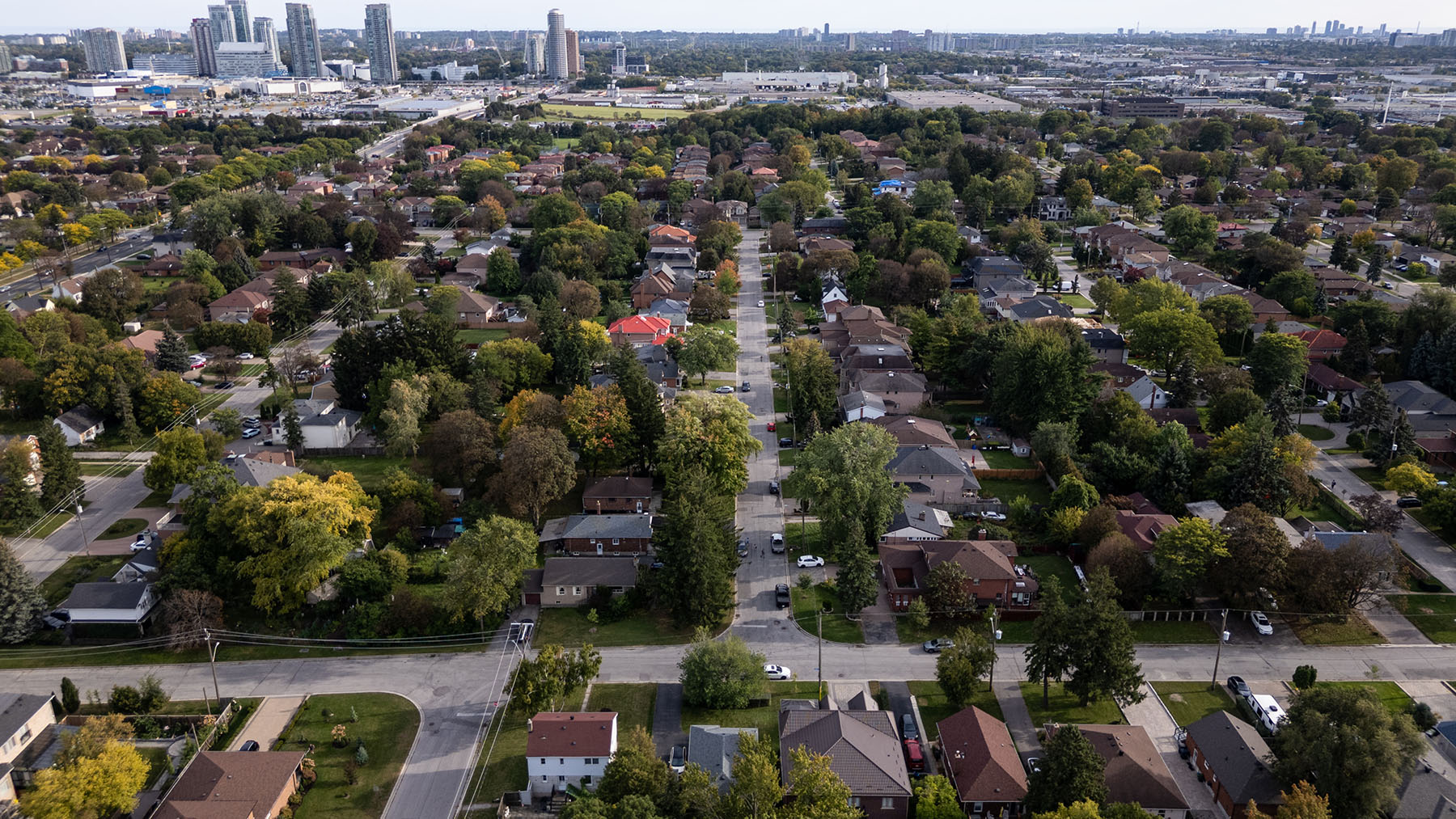
The Battle Over Sixplexes in Scarborough North
Last year, the ward became the first suburban ward to legalize the construction of sixplexes as-of-right. Now, in a race between incumbent Jamaal Myers and former Liberal MPs Shaun Chen and Han Dong, it’s become the defining issue of the election.
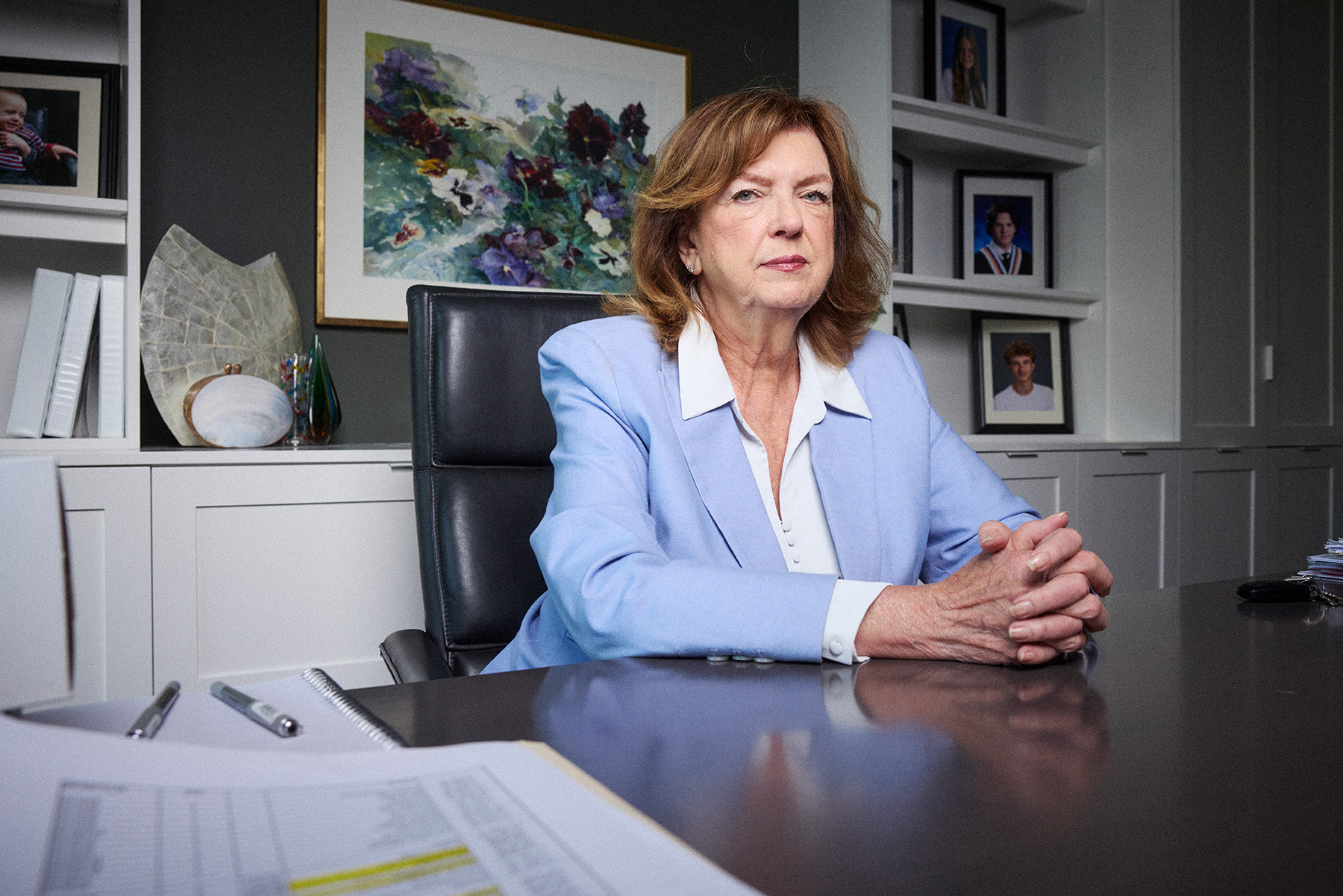
Carolyn Parrish Loves a Fight—Now She’s Up Against Her Fiercest Opponent
The Mississauga mayor has never backed down from a battle—not from Hazel McCallion, George W. Bush, or the Peel police budget. In the heated rematch against Bonnie Crombie, however, some wonder if all the scrapping has become an end in itself.