


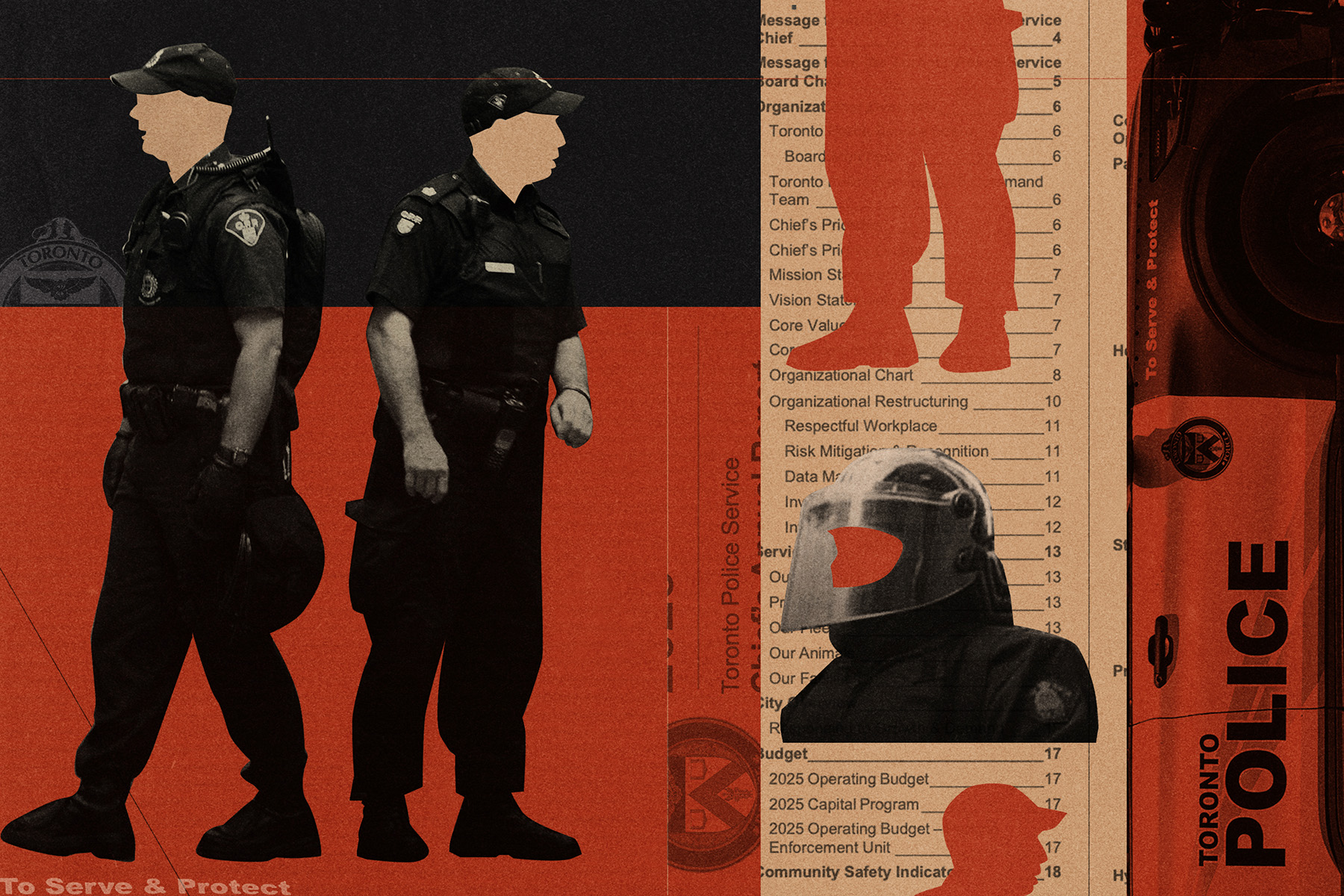
On the day he was sworn in as Toronto’s chief of police, Myron Demkiw took his place at the lectern in the main hall of the police headquarters on College Street and set out what he planned to tackle in his new role.
It was Dec. 19, 2022, and the new chief, a long-time veteran of the force, promised to listen and learn from members of the police service and from residents, particularly those, he said, whom the police had let down in the past.
“Today I’d like to highlight the priorities that I will be most focused on,” a round-faced, raspy-voiced Demkiw addressed the crowd. “Priority number one: improving trust in and within the Toronto Police Service.”
Trust—the need to earn, strengthen, and rebuild it—has been a recurring issue for Demkiw throughout his leadership of the force, especially over the past year.
Ahead of its meeting last November, the Toronto Police Service Board, the civilian body that oversees and governs the force, published a frank report, stating that trust in the police service is under strain, both from the public and from its own uniform and civilian members, who expressed they were frustrated about unclear leadership and “unfair and demoralizing” human resource practices.
Three months later, this February, the York Regional Police led a press conference to announce details of “Project South,” a staggering and ongoing, multi-jurisdictional investigation into organized crime and corruption that implicated seven officers and one retired member of the Toronto police.
In late April, Hank Idsinga, a respected and recently retired Toronto homicide detective, published a book about his time on the force, alleging he encountered antisemitism, racism, misconduct, dysfunction, and a toxic workplace culture that “starts at the top.”
This May, news broke that three off-duty Toronto police officers were arrested in Spain after a sex worker was allegedly sexually assaulted in a taxi in Barcelona. And just this month, a Toronto police inspector was reportedly arrested and charged with two counts of impaired driving, while separately, news reports revealed another Toronto officer was charged with multiple firearm-related offences after an investigation by the Canadian Border Services Agency’s firearms smuggling enforcement team.
In the run-up to the Oct. 26 municipal election, mayoral candidates’ talking points on policing have largely focused on crime, and the perception of crime, and differing opinions on how many more officers to hire, rather than on the performance and accountability of the police themselves. Left out of these discussions, in other words, is the fundamental question of how to address the apparent state of dysfunction within the Toronto Police Service.
It’s a pertinent question. Whoever is elected as mayor and to city council will be responsible for approving the police budget. And among them, those who will be appointed to serve on the Toronto Police Service Board will play a critical role in overseeing and setting policy directions for how this city is policed.
Given the recent blows to their reputation, few would deny there are serious problems at the Toronto Police Service that need fixing. Some observers and critics say that if there’s any hope of reining in the police, members of the Board and those at city hall are going to have to be bold. But history shows that standing up to the city’s police force comes with great political risk. So far in this election season, few have shown a willingness to make that gamble.
Join the thousands of readers who've signed up for our free newsletter and get award-winning local journalism delivered to your inbox.
"*" indicates required fields
During a phone interview in October, Toronto Police Association president Clayton Campbell said he hates talking about Project South, but feels it’s necessary to address it. The scandal is simply too big to ignore.
“These allegations,” the union president said, pausing to make clear that’s what they are—allegations, “against some of our members are, you know, amongst the worst we’ve ever seen.”
They include allegations of bribery, obstruction of justice, drug trafficking, and unlawfully accessing and sharing people’s personal and private information to members of organized crime. York Regional Police said they arrested and charged seven Toronto police officers and one retired officer as part of the investigation. Two of them have pleaded guilty, and though several charges have since been dropped, multiple serious charges remain.
Over the phone, Campbell said he speaks for all of his union’s members when he says they hate corrupt cops. He acknowledged that he and Demkiw don’t always agree, but in terms of responding to Project South, “this one we came together on.”
At the February announcement of Project South, Demkiw and his York Regional Police counterparts inexplicably wore protective vests to speak to reporters. When it was his turn at the lectern, he called it “a painful and unsettling moment.” The Toronto police chief said their priority was to ensure the independence of the investigation, and to seek justice “no matter how uncomfortable that pursuit might be.” The charges against his officers, he said, were proof of this commitment.
Showing a united front on the following Monday, Demkiw appeared together with city councillor and chair of the Toronto Police Service Board, Shelley Caroll, to hold a press conference. Earlier in the day, Ontario’s Inspector General of Policing, who leads the organization that oversees compliance of provincial policing legislation and regulations, had announced he was appointing an external investigator to conduct a province-wide probe into police integrity and anti-corruption practices. He explained this decision came after receiving a request for an investigation from the Toronto Police Service and its board. At their press conference, Carroll and Demkiw expressed their thanks and eagerness for that probe to proceed.
It was, as a spokesperson for the Office of the Toronto Police Service Board explained in an emailed statement to The Local, a signal of the board’s openness.
“The Board’s decision to seek that scrutiny demonstrates its commitment to accountability, not an unwillingness to exercise it,” Bridget Cherry, senior advisor on policy and public affairs, wrote.
Not everyone sees things this way. Among the most vocal critics to the board’s approach to the Project South investigation is Alok Mukherjee, its former chair.
By seeking a systemic review together with the chief, the board essentially telegraphed that it has no concerns with the chief’s own management of the police force, he said. “The board has therefore given the chief a clean sheet right from the beginning.”
Mukherjee said he finds this problematic because the Project South allegations raise serious questions about the kind of supervision, control, and monitoring that happens within the police organization. Even if unscrupulous individuals may exist in every large organization, the possibility that multiple members might have engaged in conspiratorial criminal behaviour for a considerable period of time suggests there’s a systemic issue when it comes to keeping employees in check, he said.
“Where were the supervisors of these officers?” he asked. “Who was monitoring them? Why is it that their conduct did not come to the attention of the service?”
When I met him at his home on a warm Tuesday afternoon in August, Mukherjee shared a point he wanted to emphasize about who’s in charge of the city’s police force.
“Our civilian governance of policing is the cornerstone—is the foundation of our system of policing. And it is not meant to be, and it ought not to be, a rubber-stamping entity,” he said. Mukherjee was the chair of the Toronto Police Service Board from 2005 to 2015, during the mayorships of David Miller, Rob Ford, and briefly, John Tory.
The board comprises seven civilian members: the mayor or mayor designate, two city councillors, a member of the public appointed by city council, and three members appointed by the province, which establishes legislation on policing. Mukherjee was the city council-appointed member of the public.
The Toronto Police Service Board oversees the Toronto Police Service, hires and fires the police chief, establishes policing policy (though it can’t interfere with day-to-day operations), and submits the police budget to city council. It is, in essence, the employer of Toronto’s police service.
During his time as chair, Mukherjee said he and his colleagues on the board struggled against resistance from the police top brass to end the discriminatory practice of carding—the act of arbitrarily stopping and collecting people’s identifying information, which was only banned later in 2017 through a provincial regulation introduced by the Kathleen Wynne-led Liberal government. They reduced the size of the city’s police force, he said, and introduced a policy prohibiting the police union, the Toronto Police Association, from endorsing candidates in municipal politics.
The board has a lot of power, Mukherjee said—at least in theory. “The question is whether the board understands that, and whether the board is prepared to exercise its power.”
Many of the problems plaguing the police service during Mukherjee’s time on the board, particularly when it comes to police culture and the service’s resistance to change, still appear to exist today.
Ahead of its November meeting last year, the board released its “What We Heard” report, the result of consultations, focus groups, and surveys, starting in 2023, that included more than 1,200 members of the public and police service members. The findings weren’t flattering. Among them, the report said that community members working alongside the police service, such as in advisory roles or committees, expressed they sometimes felt these collaborations weren’t genuine.
“Community partners spoke about feeling tokenized. They described offering insights and expertise, only to see it overlooked or dismissed. Many had raised the same concerns for years without feeling truly heard,” the report said.
The report also acknowledged residents were frustrated with lengthy response times to 911 and non-emergency calls. Some expressed concerns about accountability, lack of transparency, and about whether police misconduct was properly handled.
Some of the most scathing findings, however, came from inside the police force. Among members of the service, it said: “Harassment, discrimination, bullying, and microaggressions were described as persistent, creating fear and eroding trust, safety, and mental health.” Members described a workplace culture that can feel toxic, the report said, with confusion arising from shifting messages and unclear direction, and worries that reporting misconduct would result in reprisals.
A Toronto Police Service spokesperson said Chief Demkiw was not available for an interview. As of publication, he had not responded to questions posed to him by email.
Some of these same issues were mentioned in Hank Idsinga’s book, The High Road: Confessions of a Homicide Cop, which made headlines when it was published this spring. In his book, Idsinga described instances of Black and Indigenous officers receiving unfair treatment from their superiors, and suggested this kind of discrimination paved the way for a cheating scandal a few years ago, in which senior officer Stacy Clarke reportedly leaked confidential interview questions to several Black constables seeking promotion in an attempt to level the playing field. Clarke ended up pleading guilty to seven counts of police misconduct in 2023. “Did she do the right thing? Absolutely not,” Idsinga wrote. “Did she do the wrong thing for the right reasons? Absolutely.”
Idsinga also alleged that the greatest challenge to Toronto policing is the leadership. “It starts at the top. What can be done about it when the offenders are the ones running the organization?” he wrote.
Fact-Checked Biographies of Every Candidate Running in the 2026 Toronto Municipal Election
Read More
In spite of the gravity of the scandal, Project South hasn’t been a big issue in this municipal election. But there’s no shortage of ideas for how to improve the city’s police service.
Former Toronto mayor John Sewell has appeared before the Toronto Police Service Board countless times to deliver recommendations on behalf of his Toronto Police Accountability Coalition.
Sewell helped create the coalition more than 25 years ago with the aim of providing constructive criticism of the city’s police service. The board’s lack of response to their work, he said, has been dispiriting. When he talks about all their recommendations that have been ignored, his frustration is palpable. His broad face darkens into a scowl, and he gestures with upturned palms to express his vexation.
For this municipal election, he said, “it’d be really nice to get some candidates to say, ‘We got to get people on the police board who, in fact, are going to stand up to the police and start to represent public interests.’”
When the board published its “What We Heard” report last fall, it noted that its findings would inform the development of its first-ever strategic plan. (The provincial Community Safety and Policing Act, which came into effect in 2024, requires all police service boards to create such plans.) In May, the board announced it had approved its strategic plan, calling it “a major accomplishment,” and “an important milestone,” and said the 25-page document was “an opportunity to build a roadmap for the future of policing in Toronto grounded in enhancing accountability and prioritizing community safety.”
The assessment from Sewell’s coalition was far less enthusiastic.
“It is not a Strategic Plan which the Board has produced, but a Strategic Process, the key part of which is not doing anything to make change,” the coalition stated in its May bulletin. “It is the classic strategy of the police service: pretend to support change but then do nothing.”
Meanwhile, the coalition said the board showed no interest in the recommendations they proposed—17 of them, which aimed to directly address some of the concerns in the “What We Heard” report. As published on the coalition’s online bulletin, these included measures like collecting and posting online any serious records of misconduct for all police personnel, like criminal charges, which would be used when considering promotions, and establishing an anonymous, independent, complaints process for whistle-blowing from the public and service members.
Sewell said the rationale the board gave him for dismissing the coalition’s recommendations was that they could interfere with the police service’s operational matters.
The Local’s requests for an interview with board chair Shelley Carroll, who is currently seeking re-election as city councillor in Ward 17 — Don Valley North, were not successful.
Sewell has now become accustomed to what he characterizes as foot-dragging from the board and the service. After a Supreme Court of Canada decision in 2001 determined police strip searches were inherently degrading and should not be carried out routinely, he said his coalition spent years urging the Toronto police to follow it. Yet, it wasn’t until the 2020 murder of George Floyd in the U.S. that the Toronto police decided to adopt the Supreme Court decision, Sewell said. “So 19 years,” he shook his head, repeating it for emphasis. “Nineteen years.”
Similarly with carding, despite years of advocates calling for an end to the practice and extensive investigative reporting by the Toronto Star, it took a provincial regulation to finally ban it.
As Sewell sees it, the problem with the Toronto Police Service Board is that it’s “captured by the police hierarchy.” “It basically does everything the police hierarchy wants,” he said. “It hardly ever decides that it’s going to rein in the police hierarchy.”
Others offered a similar view. Patrick Watson, an assistant professor at the University of Toronto’s Centre for Criminology and Sociolegal Studies, said even though the political class shouldn’t interfere with police operations, like telling them whom to investigate, it is allowed to tell police the limits of their force and their power. Instead, he said, politicians have come to accept it when “police are saying, ‘No, no, you can just sign the cheque, and then we spend it the way we want.’”
During this election period, Watson said he’d love to see some discussion about making police budget hikes conditional to the adoption of specific programs or measures, like measures to increase transparency on police database searches.
Holding the police to account is possible, Watson said. “There’s evidence that it can be done. It’s just a matter of political will.”
In her emailed statement, the spokesperson for the Office of the Toronto Police Service Board said that working constructively with police leadership and employee associations does not diminish the board’s independence.
“Improving workplace culture, recruitment, retention and service delivery requires engagement with those responsible for implementing change. We recognize that this represents a departure from the more combative approaches of the past, which too often produced conflict rather than meaningful progress,” Cherry wrote. “The Board believes that constructive engagement, while maintaining its independence and accountability responsibilities, is a more effective way to deliver lasting change.”
Cherry added that the board welcomes debate when it comes to differing views about policing in Toronto. “But effective oversight should be measured by the changes it delivers, not whether it satisfies the demands of its most vocal critics.”
Journalism this good isn't normally free.
But it is, thanks to our supporters.
Support
Politicians tend to be reluctant to criticize or push back against police because crime control is a “politically disqualifying” issue, said Tandeep Sidhu, an assistant professor in the department of sociology and criminology at the University of Manitoba.
Sidhu, whose research involves policing in Ontario, explains it this way: given the public’s interest in being “tough on crime,” he said, “politicians who do not align themselves with the police, they don’t have the same electability, so to speak.”
Sewell has experienced this personally. He recalled that as mayor, he denounced the 1979 killing of Albert Johnson, a 35-year-old Black man who was fatally shot by police in front of his child. He believes his criticism of the police, along with his support of the gay community at a time when it was not politically popular to do so, cost him his re-election the following year.
The backlash from police and those who supported them was fierce, he said. “They went after me” politically, he said. “I was the enemy.”
There are documented instances of others who’ve also experienced repercussions. The Toronto police were found to have spied on the late police board chair Susan Eng and illegally wiretapped her conversations with a confidant in the early 1990s. At the time, according to the CBC, Toronto police were being scrutinized for several shootings of young Black men, and Eng had been appointed to the board by the province to introduce reforms.
Another former board chair, city-appointed lawyer Alan Heisey, who had also publicly called for police reform, was the subject of an attempt to damage his reputation, when a police memo was leaked about comments he made regarding child pornography. A retired Ontario Court of Appeal judge who was tasked with reviewing the matter later determined Heisey was the target of a smear campaign.
When she was a councillor, Olivia Chow herself resigned from the police board in 2000, after the police union president at the time accused her of interfering with police operations when she spoke to police and voiced her disapproval of their response on television at a demonstration that turned violent.
And more recently, during a phone interview deputy mayor Amber Morley recalled coming under fire in 2024 for a statement she and several of her fellow city councillors issued, affirming their commitment to uphold the right to protest after clashes between police and pro-Palestinian demonstrators. Morley and councillor Lily Cheng, both members of the police service board, were among the signees. The Toronto Police Association called on Mayor Chow to condemn their message, and asked Chow to remove them if they refused to recuse themselves from the board.
But Morley, who remains on the board, seems to have taken that in stride. “You know, it’s politics,” she said.
Morley is now running for re-election as councillor for Ward 3 — Etobicoke-Lakeshore. She agreed to speak with me about her own experience, but not on behalf of the board itself. She said representatives and interest groups apply pressure to politicians from all sides; she’s heard from both those calling for more support of the police and those who say the board is too slow to deliver reform. “There’s always going to be tension to navigate there.”
At the board, she and her colleagues are always trying to work within the confines of existing rules and legislation, she said, and shifting the direction of a long-standing organization like the police service, particularly when it comes to culture change, takes time and engagement. “It doesn’t happen with the stroke of a pen or with the flip of a switch.”
As for Olivia Chow, any dispute or reservations she’s had with the police seem firmly in the past.
After some resistance to the police’s requested budget increase at the start of her mayorship, the police operating budget has since expanded to $1.4 billion. And as calls to defund the police, which grew in 2020 during the mass mobilizations of the Black Lives Matter movement, have faded into the background, that budget is projected to increase further over the next two years.
This September, with the election just weeks away, the Toronto Police Association issued a statement praising Chow. Campbell, the union president, told me the statement was not an endorsement, “but it’s definitely highlighting what has been an extremely good working relationship with her and her team.” He also spoke of councillor and board chair Shelley Carroll in glowing terms.
“I think she’s doing a fabulous job,” he said. “I’d like to see her stay for another four years.”
By contrast, Campbell expressed skepticism about mayoral candidate Brad Bradford’s promise to hire 1,000 more police officers, questioning how he intended to carry it out. He disagreed with Bradford’s assertions that the mayor should sit on the police service board, and noted the councillor has previously voted to defund the police. Bradford did not consult the police association about his platform, he said. “We’re certainly not endorsing Brad Bradford. I make that clear: We are not endorsing Brad Bradford,” Campbell said, “but we were highlighting the positive relationship we had with Mayor Chow”
In 2024, when Campbell was vying for the job of association president, he had appeared in a campaign video at Nathan Phillips Square. Pointing his thumb behind him toward city hall, he had a message for politicians: “For those who support public safety, properly resource us, and pay our members what they deserve, you’ll never have a better friend than the TPA [Toronto Police Association],” he said. “However, for those who don’t, I will expose you publicly every chance I get.”
As it turned out, he hasn’t had to make good on that threat.
When he was elected, he told me, he had thought he’d have to “battle” with the mayor and the police board chair. “You know, I could see us opening up our war chest and using it for public information campaigns and those sorts of things.” Instead, he said, under Chow, there’s now a multi-year hiring plan for police after what he described as years of austerity, and the union has negotiated a collective agreement that raises the pay of Toronto officers. “I would never have imagined my relationship with the mayor or with Shelley Carroll to be so positive,” he said.
In spite of the board’s “What We Heard” report and Idsinga’s book depiction of a discouraging, morale-killing work environment at the Toronto Police Service, Campbell seemed optimistic that things were headed in a positive direction for his members.
And as for the concerns about leadership arising from Project South, he said he firmly believed that the superiors of the implicated officers did not know any of the alleged activity was going on.
If those currently on the board and on city council are committed to tackling the problems at the police service as they say, it appears they’re taking a conciliatory approach, careful not to start any battles.
But to Sewell, who’s been in their shoes, candidates running for office ought to be willing to face reputational attacks if they truly want to make a meaningful change in policing. Ultimately, he said, taking that risk would benefit everyone in the long-term. “I suspect that if they can make the change, then in fact their reputation would be restored.” For a police service with a long history of resisting such change, that’s a big “if.”
More stories about Toronto Votes 2026
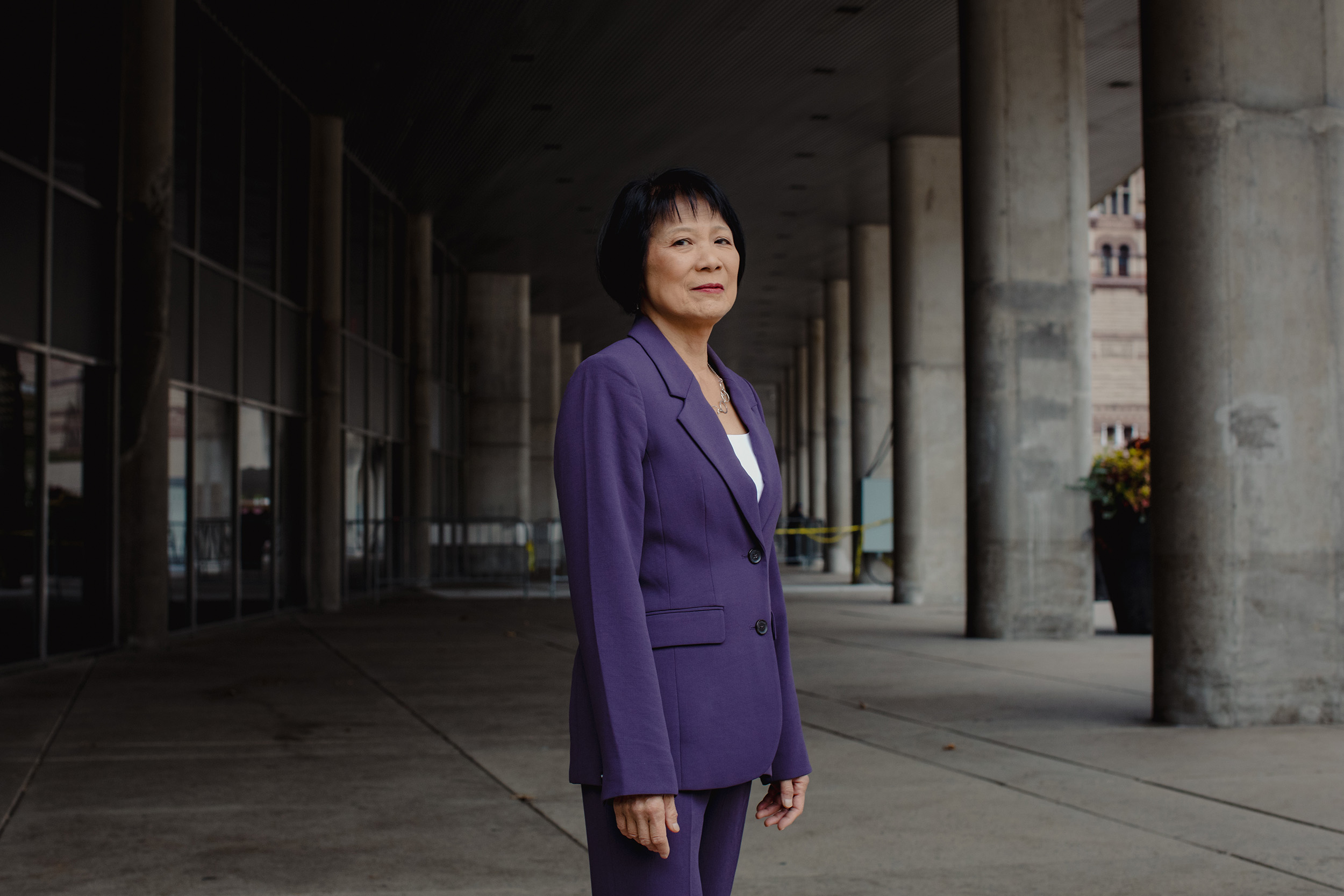
Has Olivia Chow Been an Effective Mayor?
I followed Olivia Chow over a summer of announcements and events to try to understand how she's fared as a leader. I came back with a more fundamental question about what it means to be mayor of Toronto when real power lies elsewhere.
In York South-Weston, Old Opponents Face Off for a Third Time
Frances Nunziata, Toronto’s longest serving city councillor, is ready for another term in office. Do her constituents feel the same?
North of the Tracks: The Election From Main and Danforth
With thousands of new units coming, Danforth Village in the corner of Beaches-East York is a microcosm of a changing city. In today’s sprawling wards, can voters make their local issues heard?
Dianne Saxe Needs to Convince Danforth Voters She’s No Outsider
A walk through Toronto-Danforth with the former environmental lawyer, who jumped into the ward race just minutes before registration closed.
Brad Bradford Seems Angry—He’s Betting Torontonians Are Too
Former staffers say he drove them to tears. Colleagues say he’s a bully. The Bradford campaign says his passion is just what this city needs.
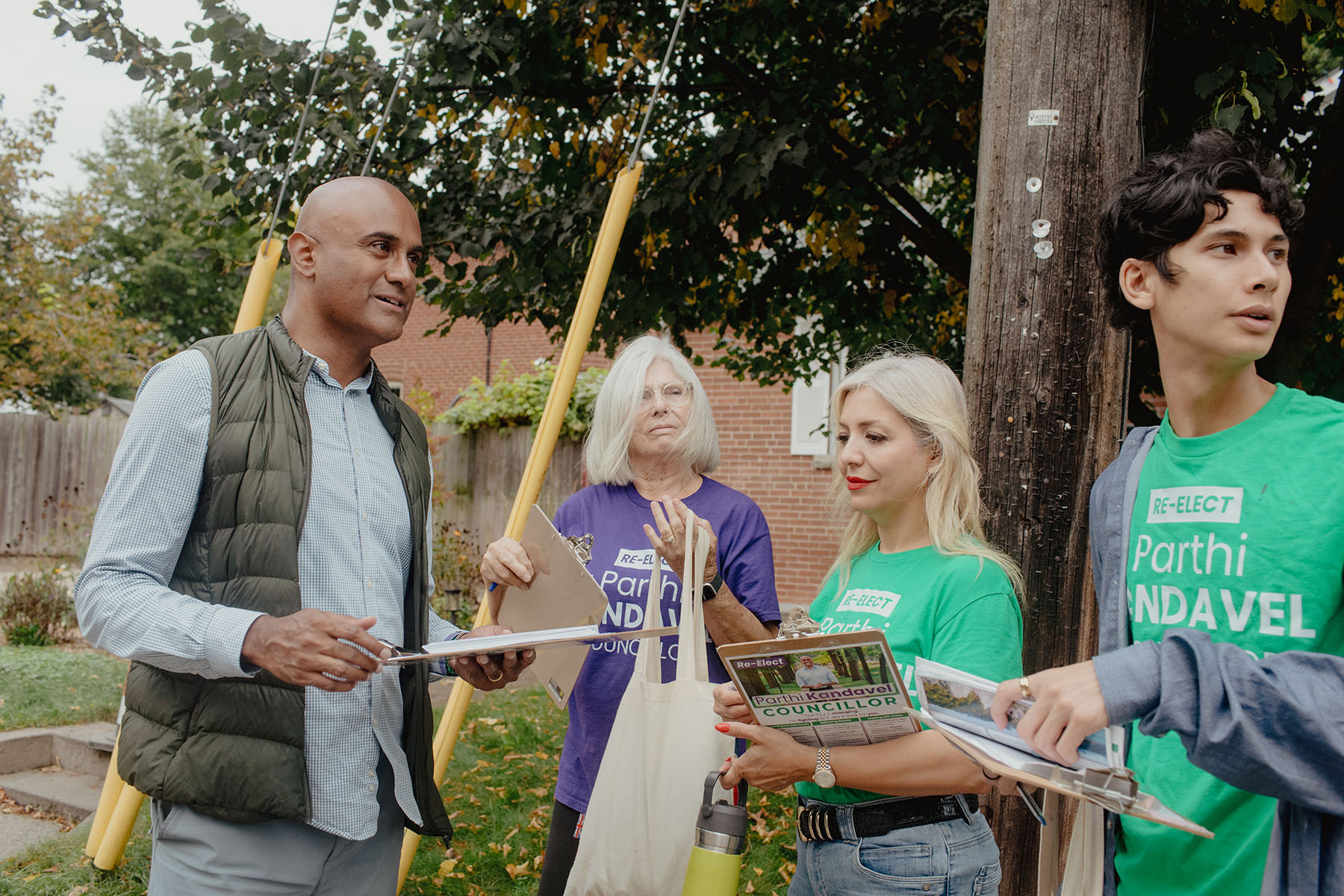
The Incumbent Is Under OPP Investigation. In Scarborough Southwest, Voters Are Focused on Other Issues
In a rematch of a close 2023 by-election, incumbent Parthi Kandavel and Kevin Rupasinghe offer very different visions of a growing suburb.
More from this issue
Has Olivia Chow Been an Effective Mayor?
I followed Olivia Chow over a summer of announcements and events to try to understand how she's fared as a leader. I came back with a more fundamental question about what it means to be mayor of Toronto when real power lies elsewhere.
In York South-Weston, Old Opponents Face Off for a Third Time
Frances Nunziata, Toronto’s longest serving city councillor, is ready for another term in office. Do her constituents feel the same?
North of the Tracks: The Election From Main and Danforth
With thousands of new units coming, Danforth Village in the corner of Beaches-East York is a microcosm of a changing city. In today’s sprawling wards, can voters make their local issues heard?
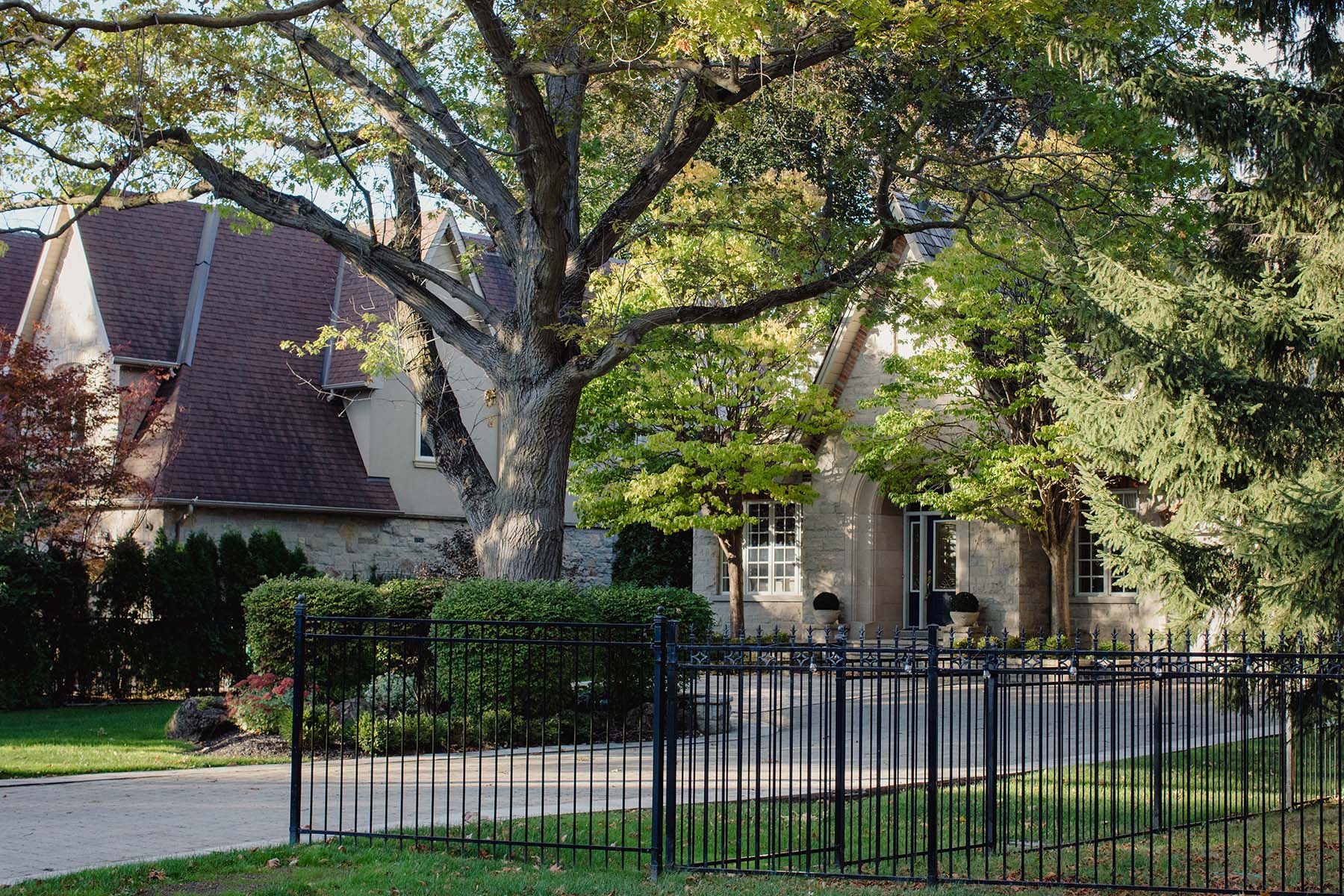
In Mississauga’s Ward 2, Candidates Spar Over Crime, Housing, and Property Taxes
With popular incumbent Alvin Tedjo stepping aside for a mayoral run, 14 candidates present their vision for one of the busiest, and wealthiest, wards in the city.
Dianne Saxe Needs to Convince Danforth Voters She’s No Outsider
A walk through Toronto-Danforth with the former environmental lawyer, who jumped into the ward race just minutes before registration closed.
Brad Bradford Seems Angry—He’s Betting Torontonians Are Too
Former staffers say he drove them to tears. Colleagues say he’s a bully. The Bradford campaign says his passion is just what this city needs.
The Incumbent Is Under OPP Investigation. In Scarborough Southwest, Voters Are Focused on Other Issues
In a rematch of a close 2023 by-election, incumbent Parthi Kandavel and Kevin Rupasinghe offer very different visions of a growing suburb.
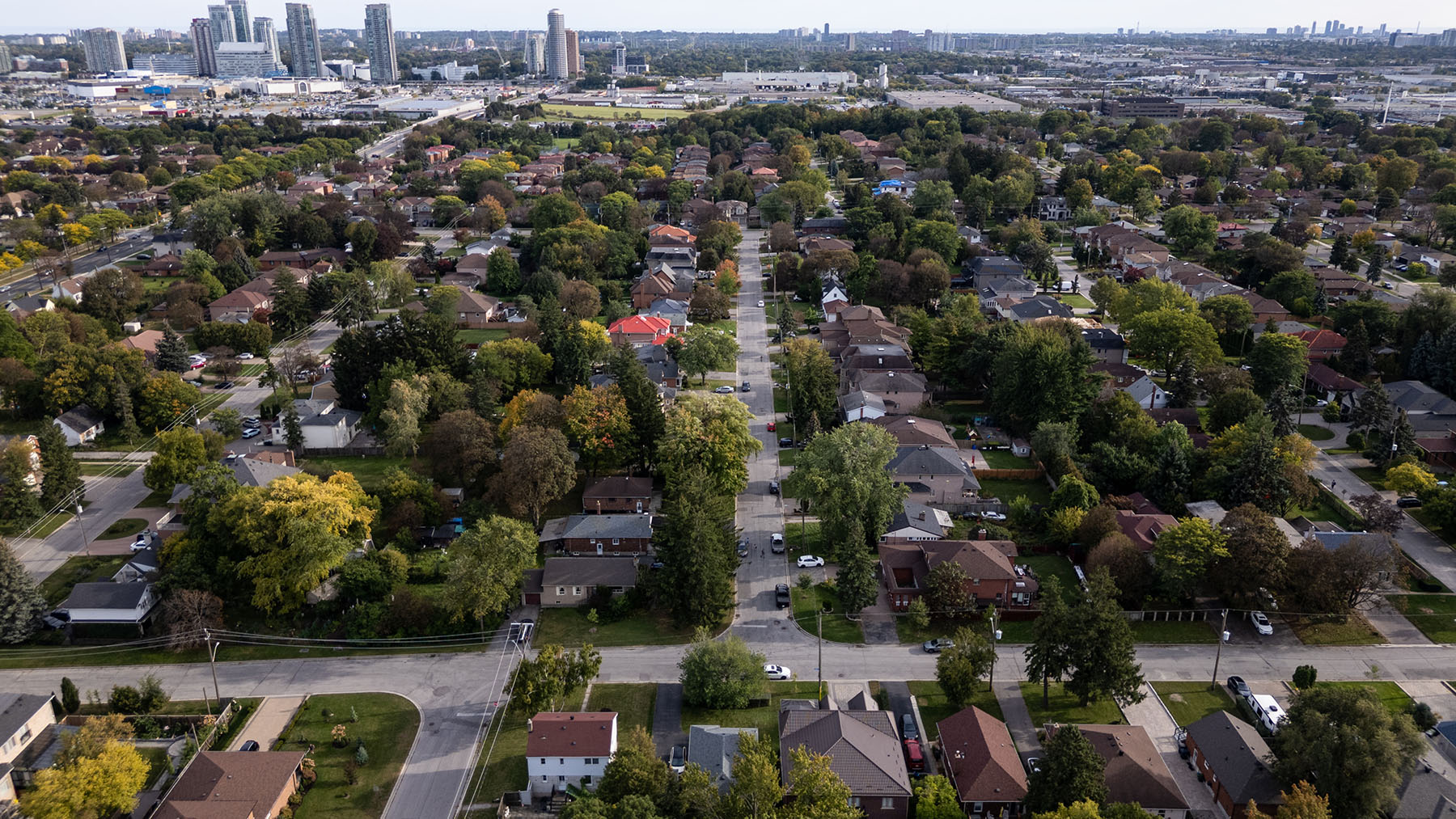
The Battle Over Sixplexes in Scarborough North
Last year, the ward became the first suburban ward to legalize the construction of sixplexes as-of-right. Now, in a race between incumbent Jamaal Myers and former Liberal MPs Shaun Chen and Han Dong, it’s become the defining issue of the election.
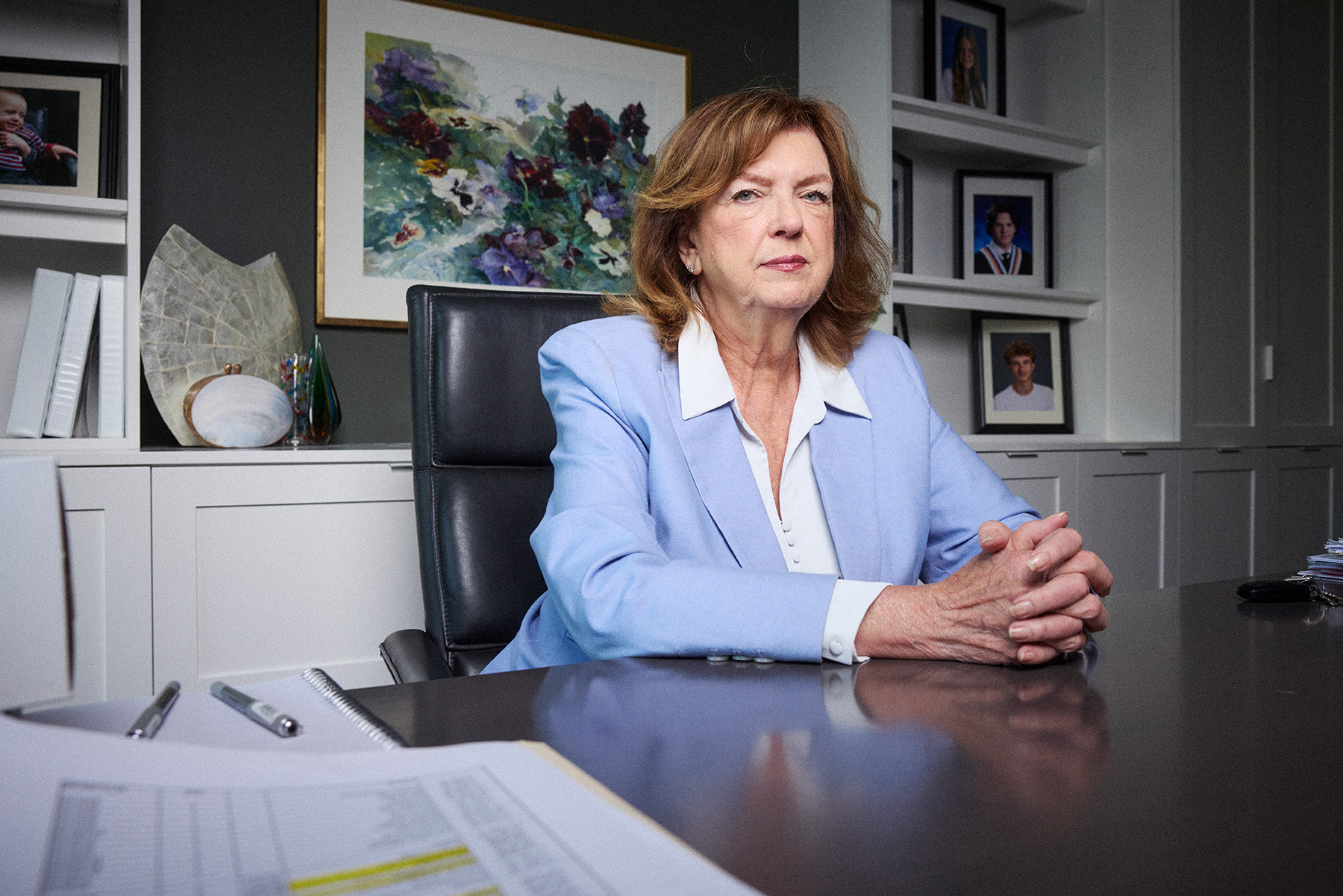
Carolyn Parrish Loves a Fight—Now She’s Up Against Her Fiercest Opponent
The Mississauga mayor has never backed down from a battle—not from Hazel McCallion, George W. Bush, or the Peel police budget. In the heated rematch against Bonnie Crombie, however, some wonder if all the scrapping has become an end in itself.
Candidate Tracker: Mississauga 2026
The only place to find reported, fact-checked biographies and platform summaries for every candidate running in the 2026 Mississauga municipal election. No AI, no campaign talking points, just a team of journalists double-checking candidate records and analyzing policies.