

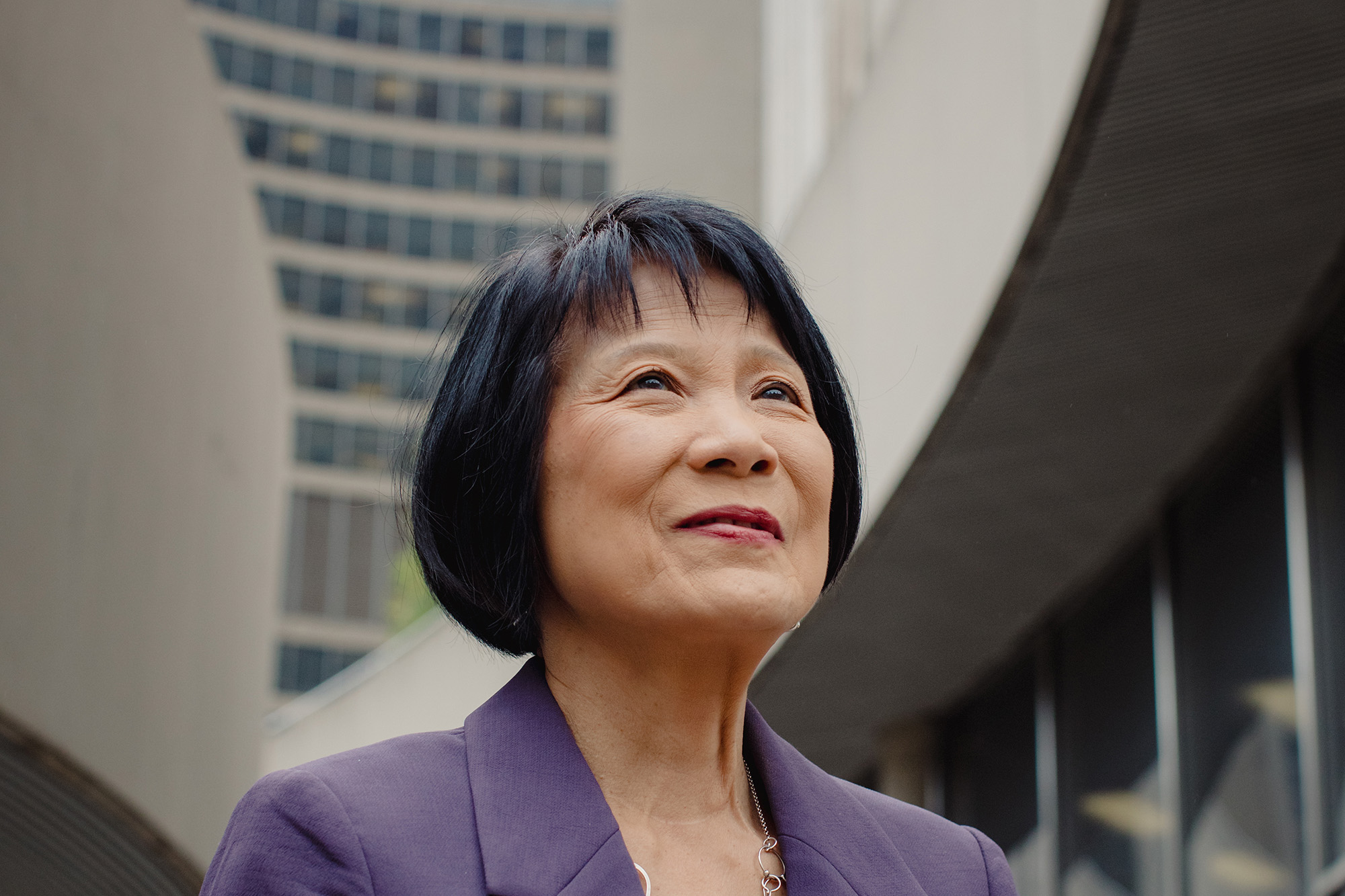
Olivia Chow is projected to be re-elected as mayor of Toronto, securing a comfortable victory against rival Brad Bradford.
Chow won 54.1 percent of the vote, with 1,405 out of 1,431 polls reporting, edging ahead of Bradford’s 41.1 percent.
In the weeks leading up to the election, Bradford had managed to narrow what had started out as a wide gap between himself and Chow. Chow’s win signals continued public support for the more progressive direction she’s taken since she was first elected mayor in 2023.
Although Chow enjoyed a considerable lead early in the campaign period, polls showed she and Bradford were running neck and neck by the final days. Despite a staggering 53 mayoral candidates on the ballot, this year’s election clearly became a two-person race between them after former Conservative MP Chris Alexander dropped out on the first day of advanced voting. The third place candidate, Braeden Chow, earned 0.82 percent of the vote, as the count continued.
Back in 2023, Chow defeated Bradford handily to become the city’s first progressive mayor since David Miller, the first female mayor in post-amalgamation Toronto, and the first non-white mayor in the city’s history. In that mayoral by-election, sparked by John Tory’s resignation after an affair with a staffer became public, Bradford came in eighth place, with just 1.28 percent of the votes.
Since then, highlights of Chow’s mayorship have included negotiating a new deal with the province that delivered a massive injection of financial support to the City. That deal also removed the costs of repairing the Don Valley Parkway and Gardiner Expressway from the City’s books, and in exchange, Chow dropped the City’s opposition to the province’s redevelopment of Ontario Place. She has also raised property taxes, supported increasing the police budget and police hiring, brought forward a bylaw to protect renters from renovictions, extended library hours, expanded a school food program, and introduced a TTC new fare-capping system.
But she’s also received criticism, including from progressive Torontonians, for voting in favour of a “bubble zone” bylaw restricting protests near places of worship, schools and child-care centres.
This year, she’s run on a campaign to “build a more affordable, safe and caring city,” promising to keep property taxes at or around the rate of inflation, building more supportive housing and homeless shelters, and protecting public services.
More to come…
More stories about Toronto Votes 2026
Lessons From Covering Toronto’s First AI Election
I’ve looked at nearly every candidate running for municipal election across three cities. A lot of their campaigns look the same. What does it mean for democracy?
The Young Progressives Hoping to Unseat Vincent Crisanti in Etobicoke North
Policy analyst Chloe Brown made a name for herself challenging some of the biggest names in the city during her 2022 and 2023 mayoral runs. Now, she faces a different challenge—convincing residents of the neighbourhood she grew up in to send her to city hall.
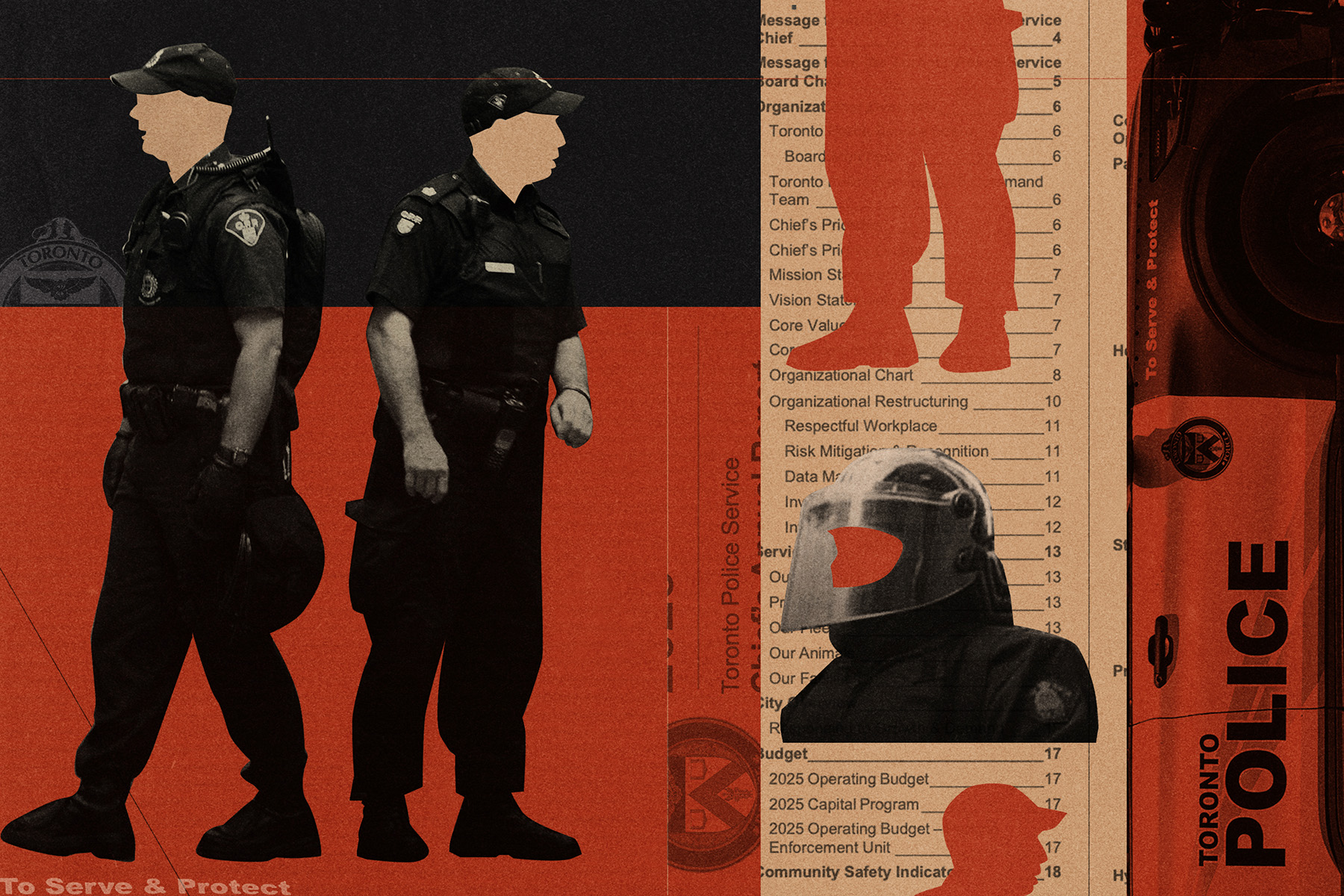
The Biggest Winner of This Election: The Toronto Police
Despite being rocked by one of the biggest scandals in its history, the city’s police force is getting nothing but support from major candidates in the municipal election.
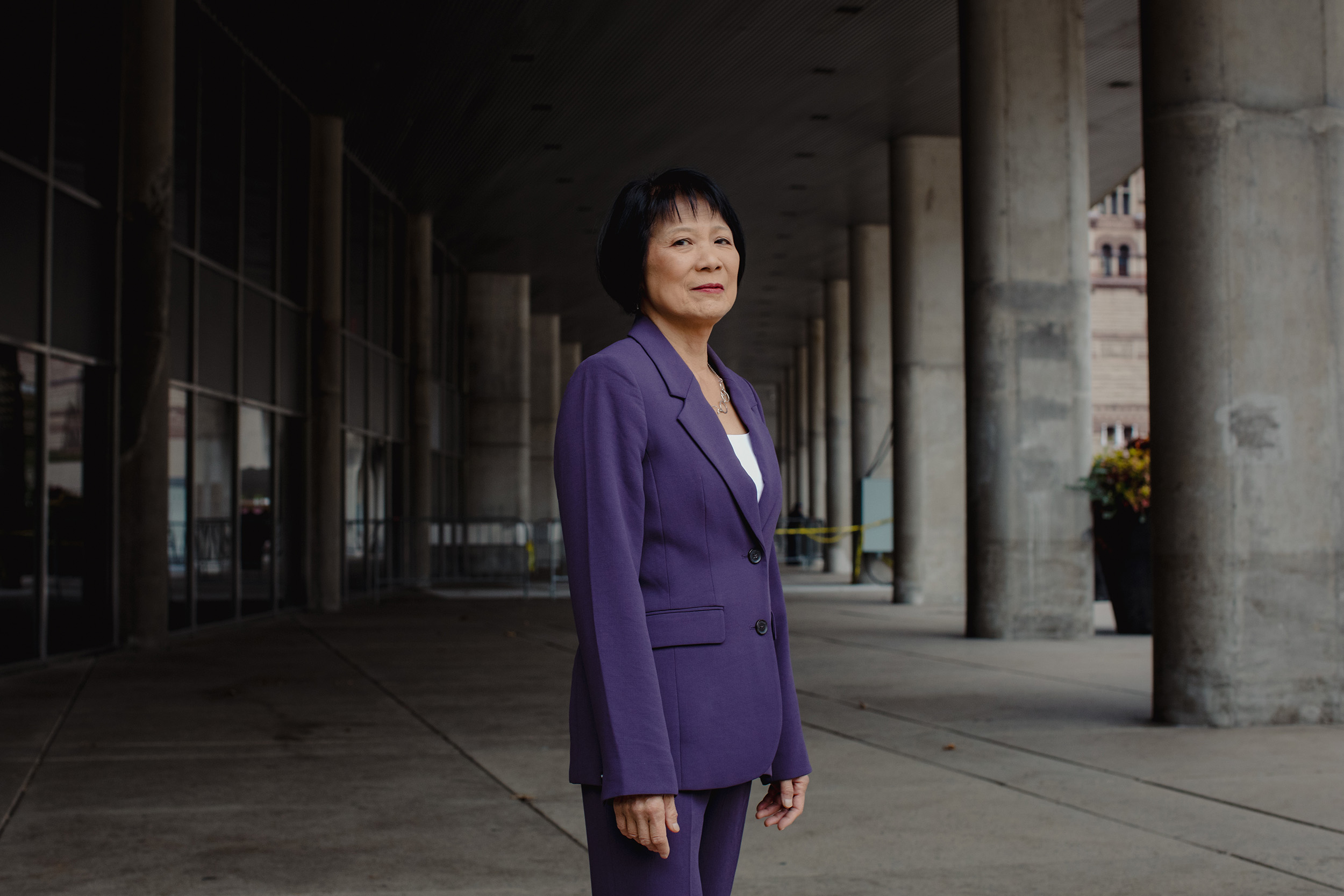
Has Olivia Chow Been an Effective Mayor?
I followed Olivia Chow over a summer of announcements and events to try to understand how she's fared as a leader. I came back with a more fundamental question about what it means to be mayor of Toronto when real power lies elsewhere.
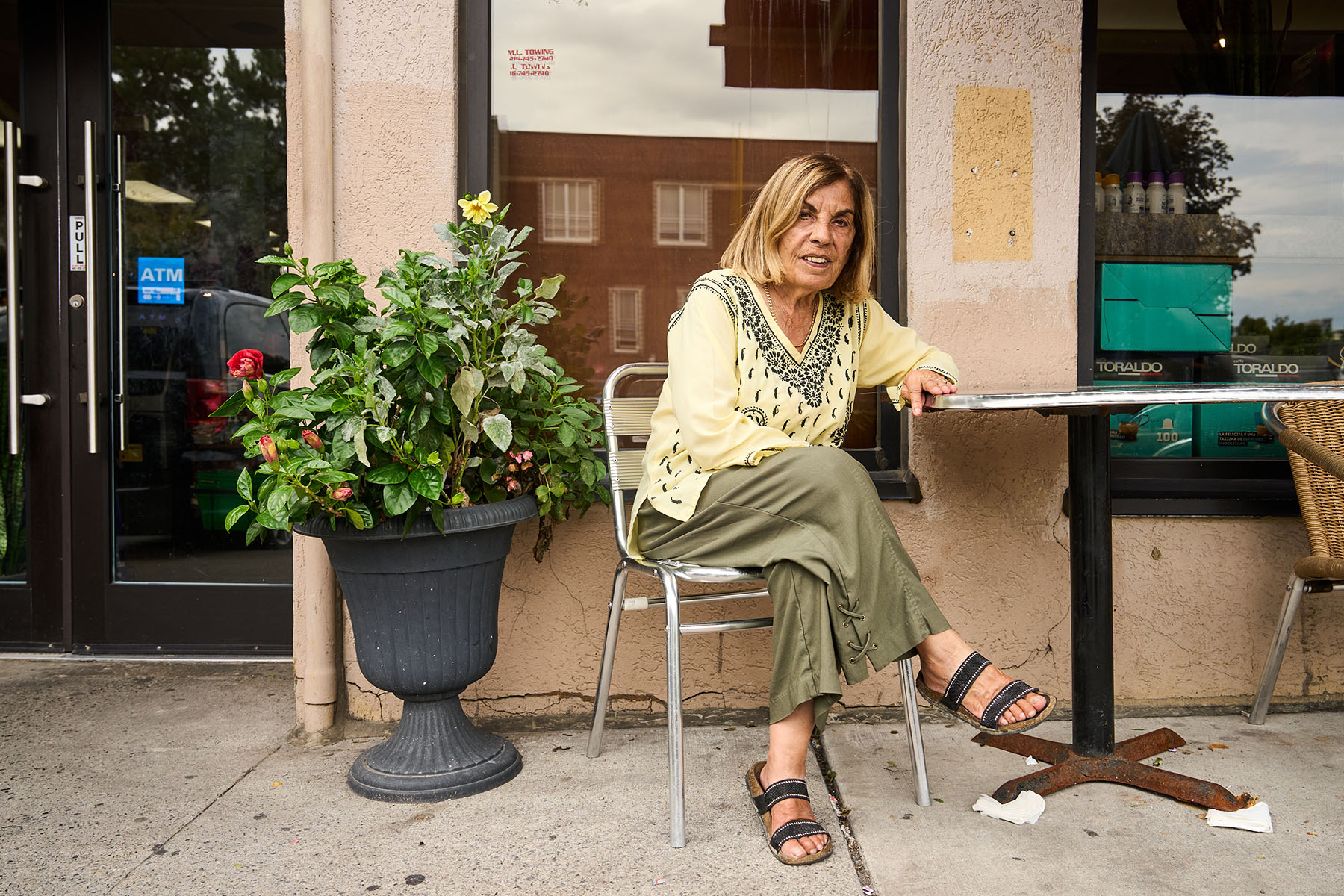
In York South-Weston, Old Opponents Face Off for a Third Time
Frances Nunziata, Toronto’s longest serving city councillor, is ready for another term in office. Do her constituents feel the same?
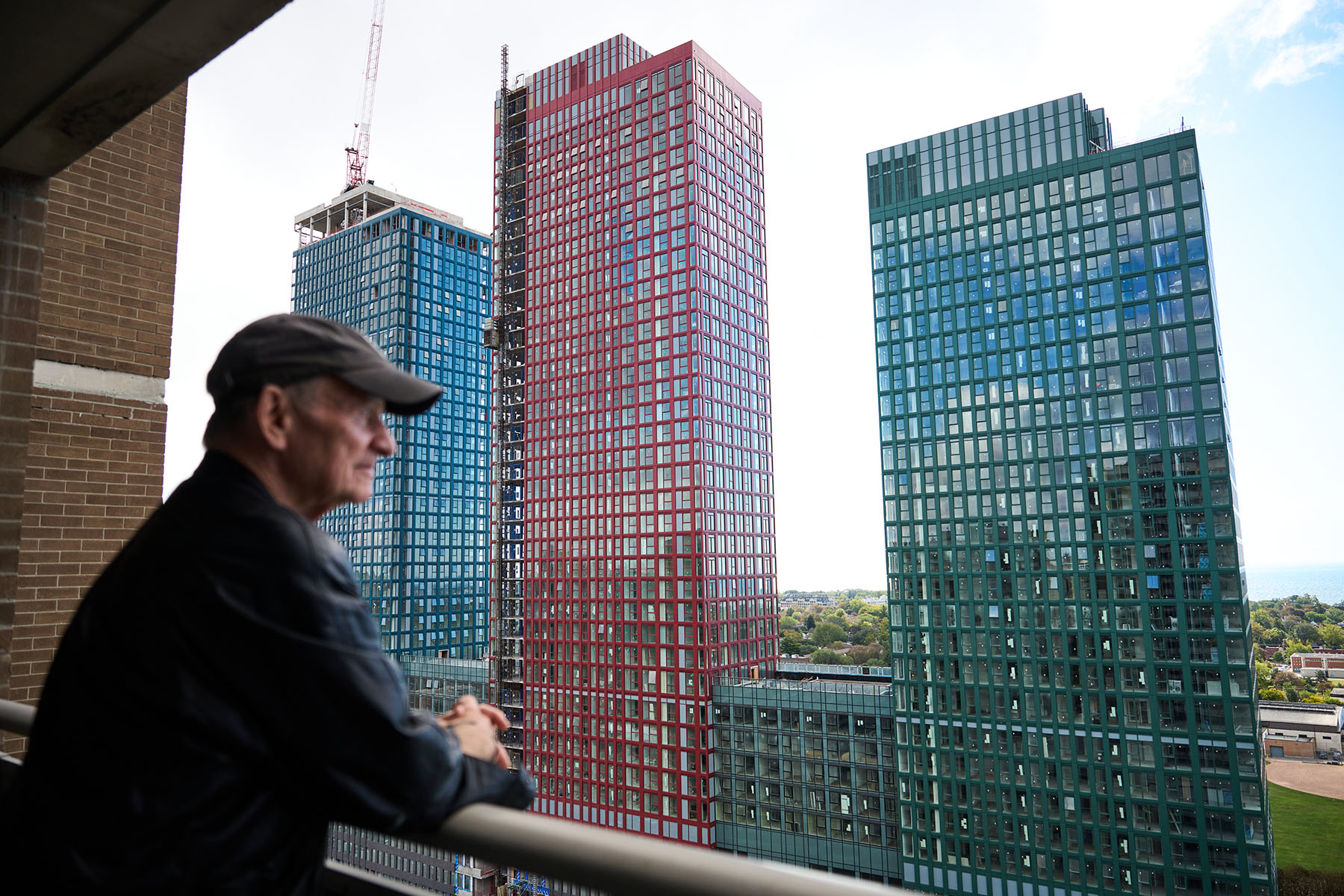
North of the Tracks: The Election From Main and Danforth
With thousands of new units coming, Danforth Village in the corner of Beaches-East York is a microcosm of a changing city. In today’s sprawling wards, can voters make their local issues heard?
More from this issue
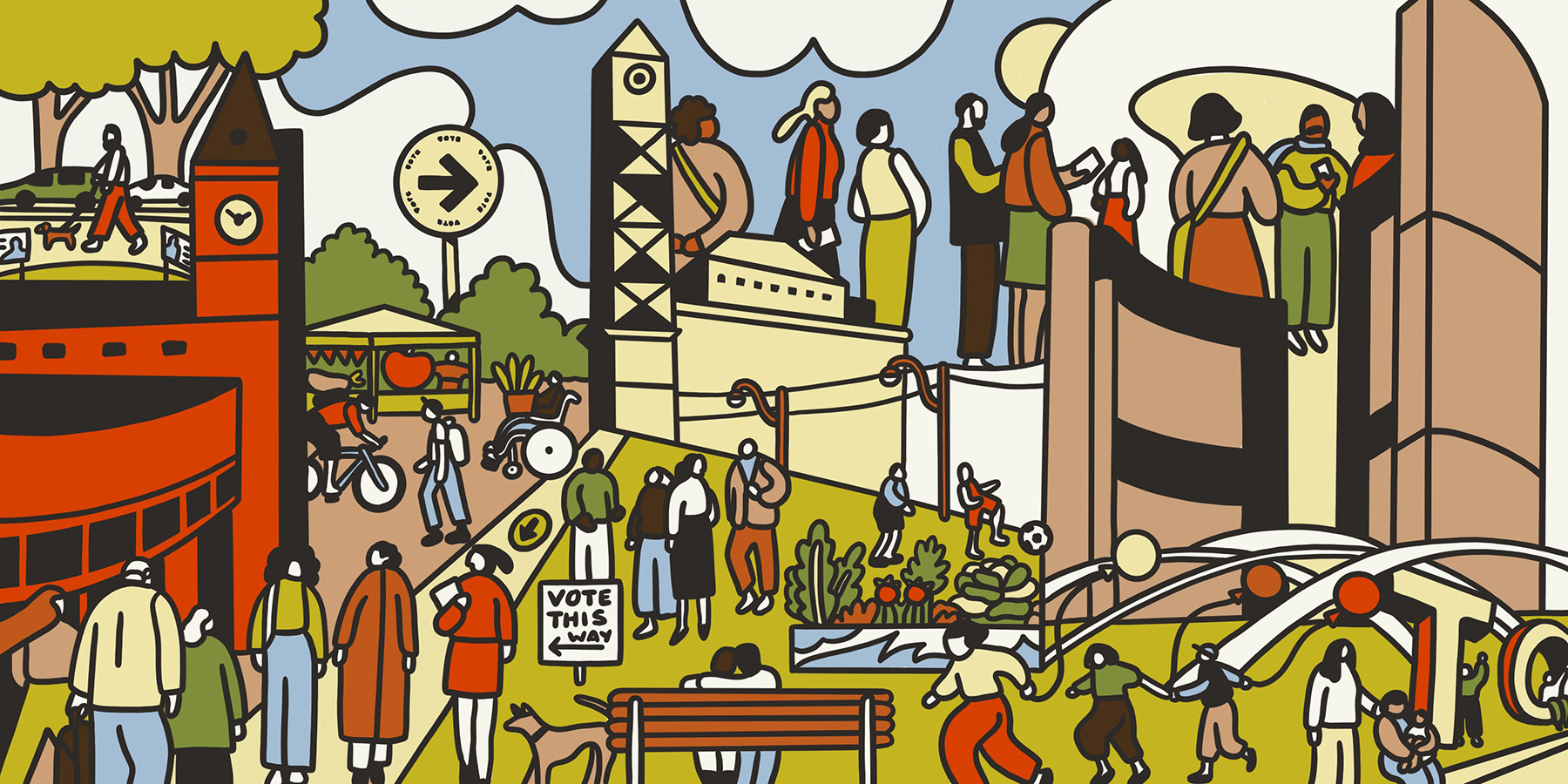
Lessons From Covering Toronto’s First AI Election
I’ve looked at nearly every candidate running for municipal election across three cities. A lot of their campaigns look the same. What does it mean for democracy?
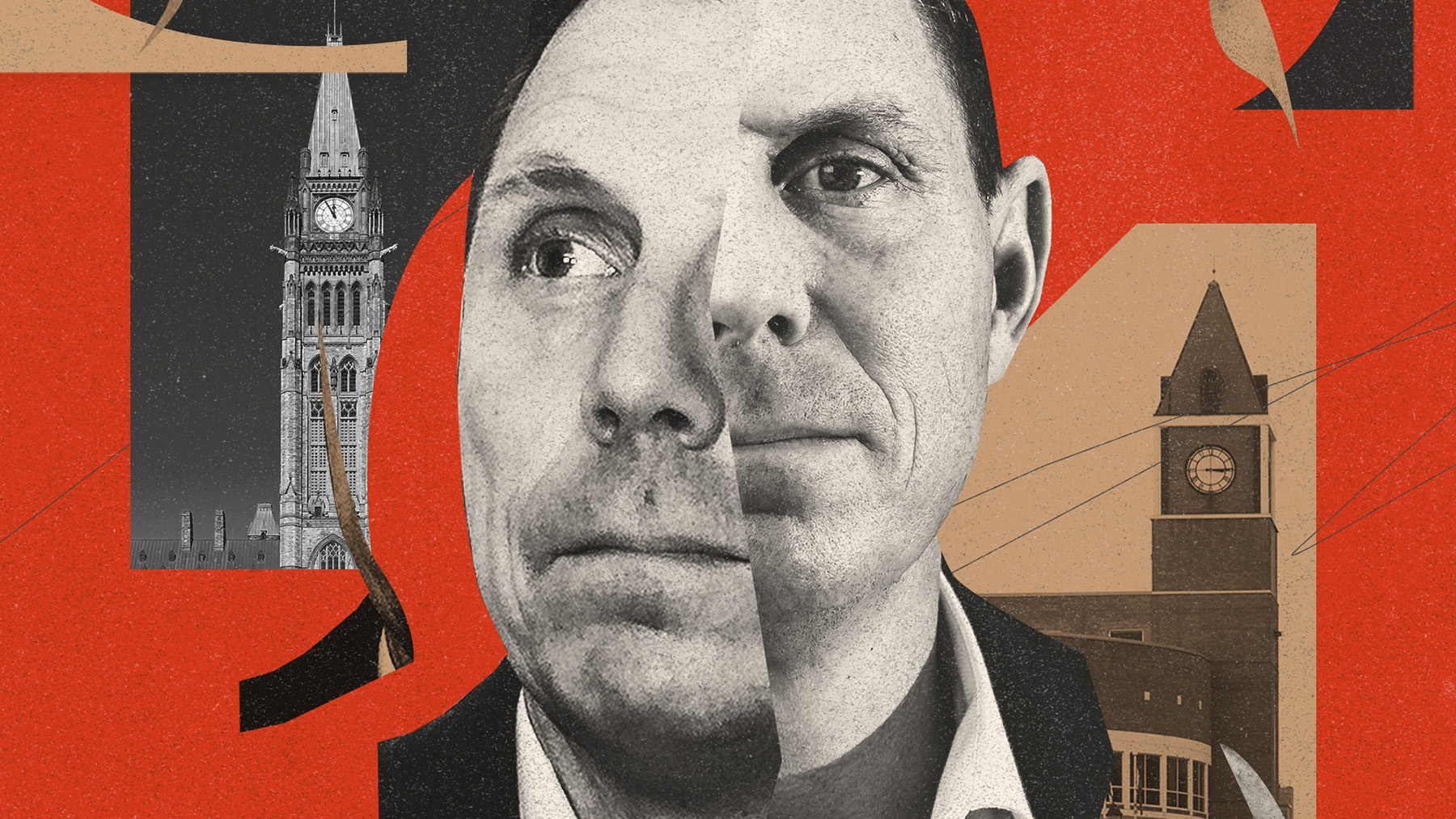
The Two Patrick Browns
Eight years into a scandal-filled tenure as Brampton’s mayor, one version of Patrick Brown is a tireless public servant who transformed a dysfunctional city hall. The other is something else entirely.
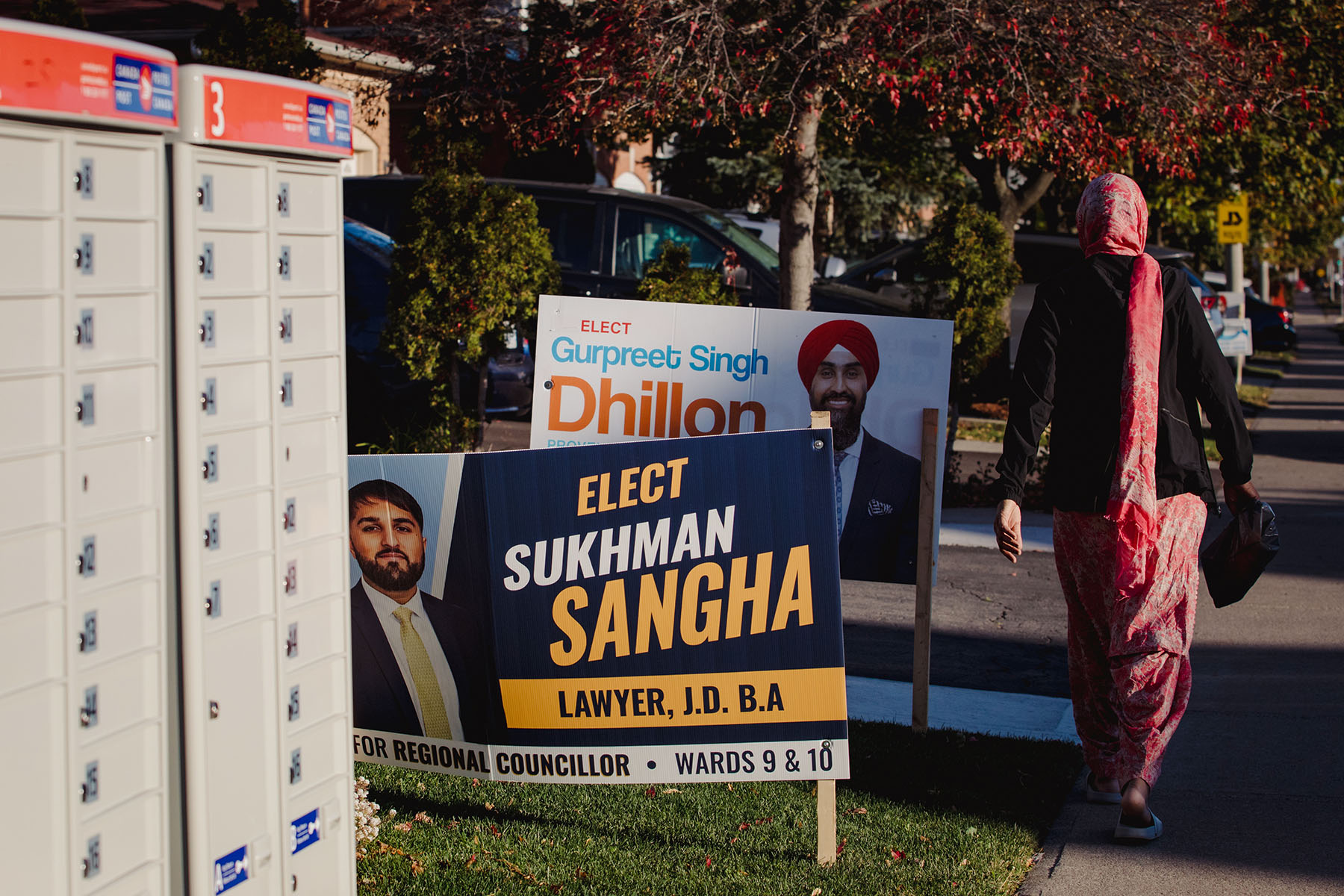
In Brampton’s Northeast, Old Allegations Loom Over the Race for Regional Councillor
The race for regional councillor in Wards 9 and 10 is one of the most crowded in the city. One frontrunner is campaigning in spite of a lingering controversy at city council.
The Young Progressives Hoping to Unseat Vincent Crisanti in Etobicoke North
Policy analyst Chloe Brown made a name for herself challenging some of the biggest names in the city during her 2022 and 2023 mayoral runs. Now, she faces a different challenge—convincing residents of the neighbourhood she grew up in to send her to city hall.
The Biggest Winner of This Election: The Toronto Police
Despite being rocked by one of the biggest scandals in its history, the city’s police force is getting nothing but support from major candidates in the municipal election.
Has Olivia Chow Been an Effective Mayor?
I followed Olivia Chow over a summer of announcements and events to try to understand how she's fared as a leader. I came back with a more fundamental question about what it means to be mayor of Toronto when real power lies elsewhere.
In York South-Weston, Old Opponents Face Off for a Third Time
Frances Nunziata, Toronto’s longest serving city councillor, is ready for another term in office. Do her constituents feel the same?
North of the Tracks: The Election From Main and Danforth
With thousands of new units coming, Danforth Village in the corner of Beaches-East York is a microcosm of a changing city. In today’s sprawling wards, can voters make their local issues heard?
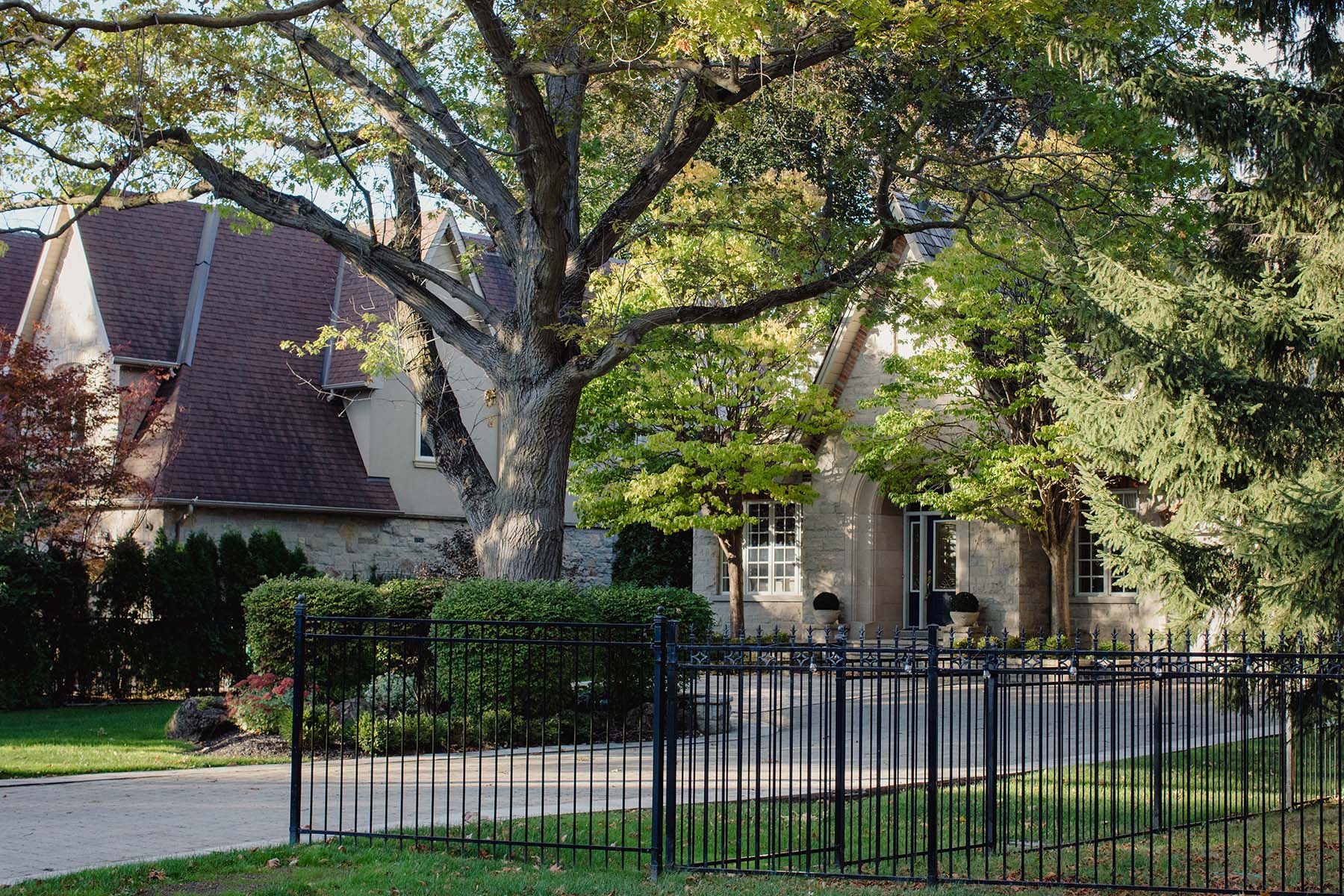
In Mississauga’s Ward 2, Candidates Spar Over Crime, Housing, and Property Taxes
With popular incumbent Alvin Tedjo stepping aside for a mayoral run, 14 candidates present their vision for one of the busiest, and wealthiest, wards in the city.
Dianne Saxe Needs to Convince Danforth Voters She’s No Outsider
A walk through Toronto-Danforth with the former environmental lawyer, who jumped into the ward race just minutes before registration closed.