We’ve never worked so hard.
It’s been almost two weeks since the municipal election. Besides catching up on sleep, personal grooming, and various household duties neglected over the last couple of months, it’s given me and the team time to take a step back to reflect.
In July, I wrote about our plan to cover the municipal elections in Toronto and, for the first time, Mississauga and Brampton. In addition to Candidate Tracker—our collection of fact-checked biographies and platform summaries for all candidates across the three municipalities—I promised long-form profiles and features, deep dives into different wards and key election issues, along with insightful analysis and exquisite photography. To accomplish all of that, I indicated The Local would need to assemble a civic newsroom of roughly 20 staff and freelance journalists.
I was way off the mark. The election team ended up being 33 people in size. As we got into things, it became clear that there were simply too many candidates to fact-check and too many stories to report. Ward races that once looked uncompetitive suddenly shifted, demanding closer scrutiny. Elections for school trustee—a job basically transformed into a volunteer position by the Ford government—were unexpectedly competitive, with close to 200 trustee candidates across the three municipalities. So we did the most responsible thing we could and blew our project budget by some $28,200. Financially, our “Vote 2026” issue was a train wreck. Journalistically, it was our best work yet.
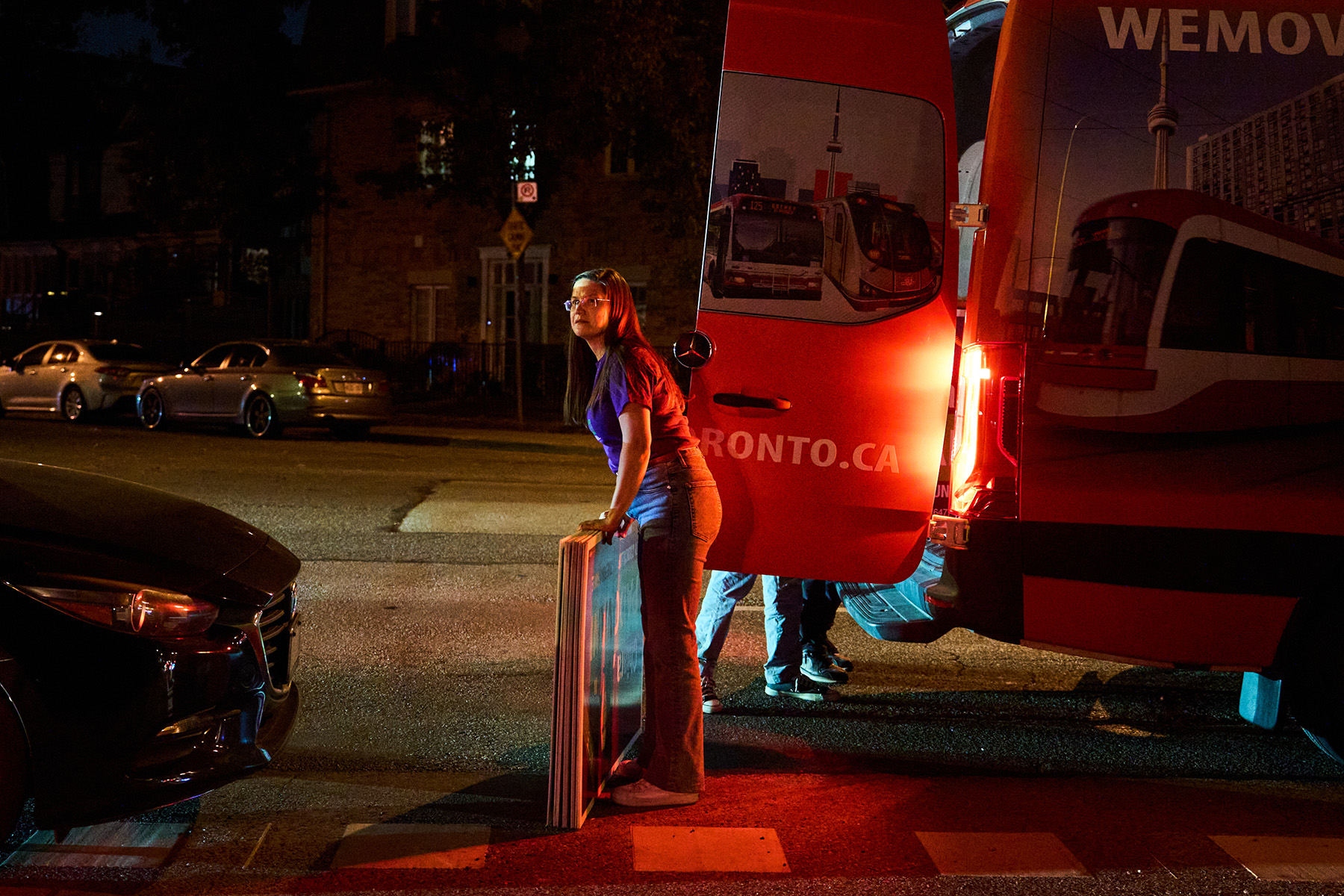
Altogether, The Local published 37 pieces of journalism (our regular quarterly issues typically contain six to ten stories). We published fact-checked biographies of every single person running for mayor, councillor, and school trustee in three of the biggest cities in Canada—close to 600 candidates in all. Our journalists fanned out across the region to cover ward races other outlets neglected. The Local was the only place to find information about every election debate, big and small. Our features—like Inori Roy’s profile of Brad Bradford, Wency Leung’s deep dive into the politics of policing, and Ali Amad’s profile of Patrick Brown—were revelatory and eye-opening.
It was work that we felt was important and necessary. Unfortunately, it has also put us in a financial hole. It’s a tradeoff that is difficult to accept, but it’s a reality many newsrooms face these days, where budgets rarely match the ambitions of journalists and where doing quality work might actually be hazardous to your financial health. In a shrinking industry, where resources are scarcer now than ever before, we often make choices based on what we can afford, rather than what is necessary. In this particular case, we prioritized the latter.
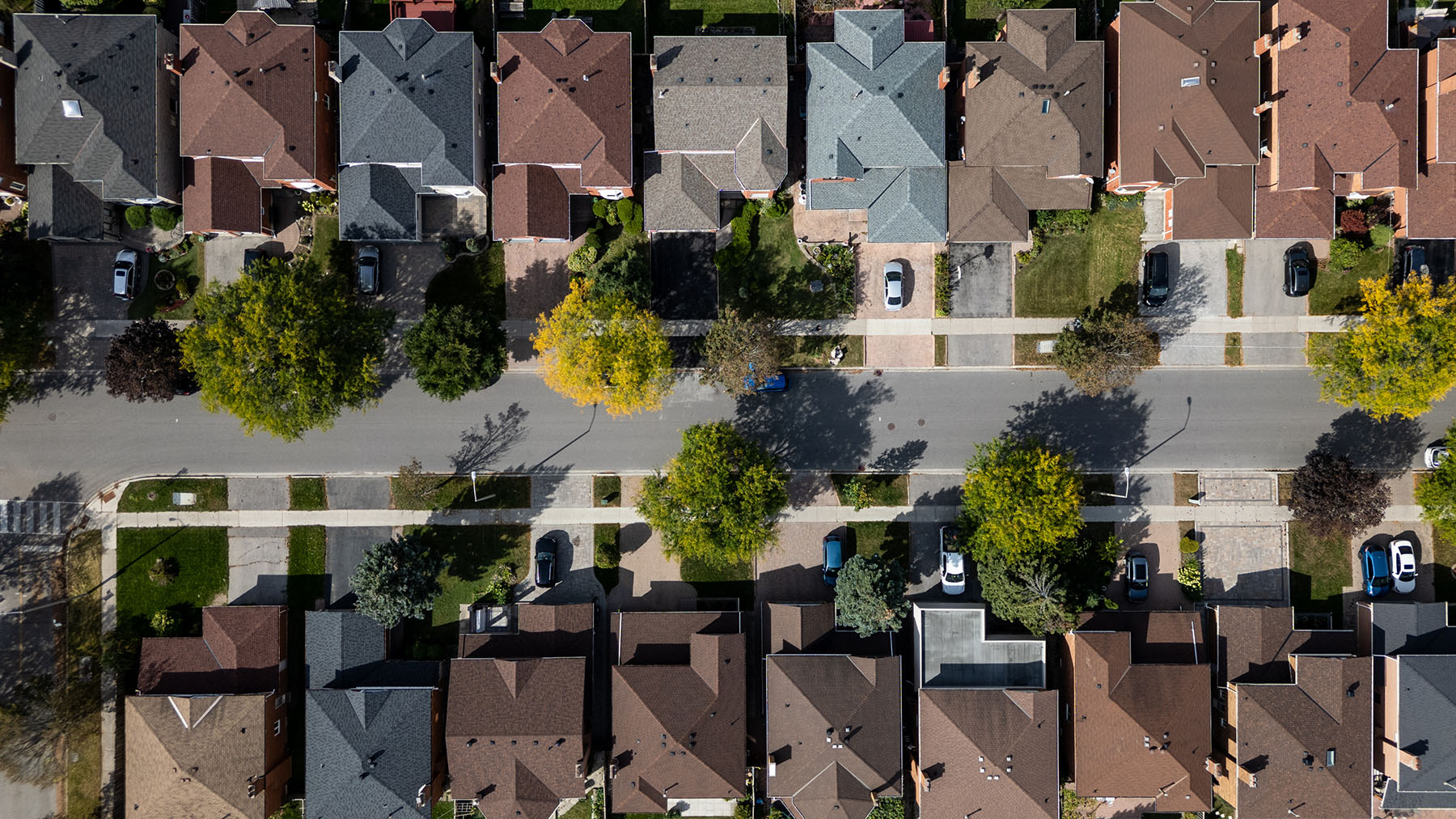
By election day, with the budget already blown, Visuals Editor Chloë Ellingson and I debated what to do with election night photography. With the tight mayoral races in Toronto and Mississauga, do we send photographers to multiple camps there, in addition to Patrick Brown’s event in Brampton? Or do we purchase photos from a wire service, at a fraction of the cost?
It was a tough call. And to be perfectly honest, at that point, I just wanted to get across the finish line in the simplest way possible. Coordinating a bunch of photographers across three cities on an already hectic night seemed like a lot of work.
“I think sending photographers would help demonstrate our commitment to the region,” Chloë texted me on Slack.
The message was a jolt to the system. It made me pause and think about our purpose in Peel. We’d made the decision to expand into Brampton and Mississauga because they are among the most news deprived cities in Canada. Bramptonians and Mississaugans deserved better.
Looking back at all the exquisite photos from election night, I don’t regret the decision one bit.
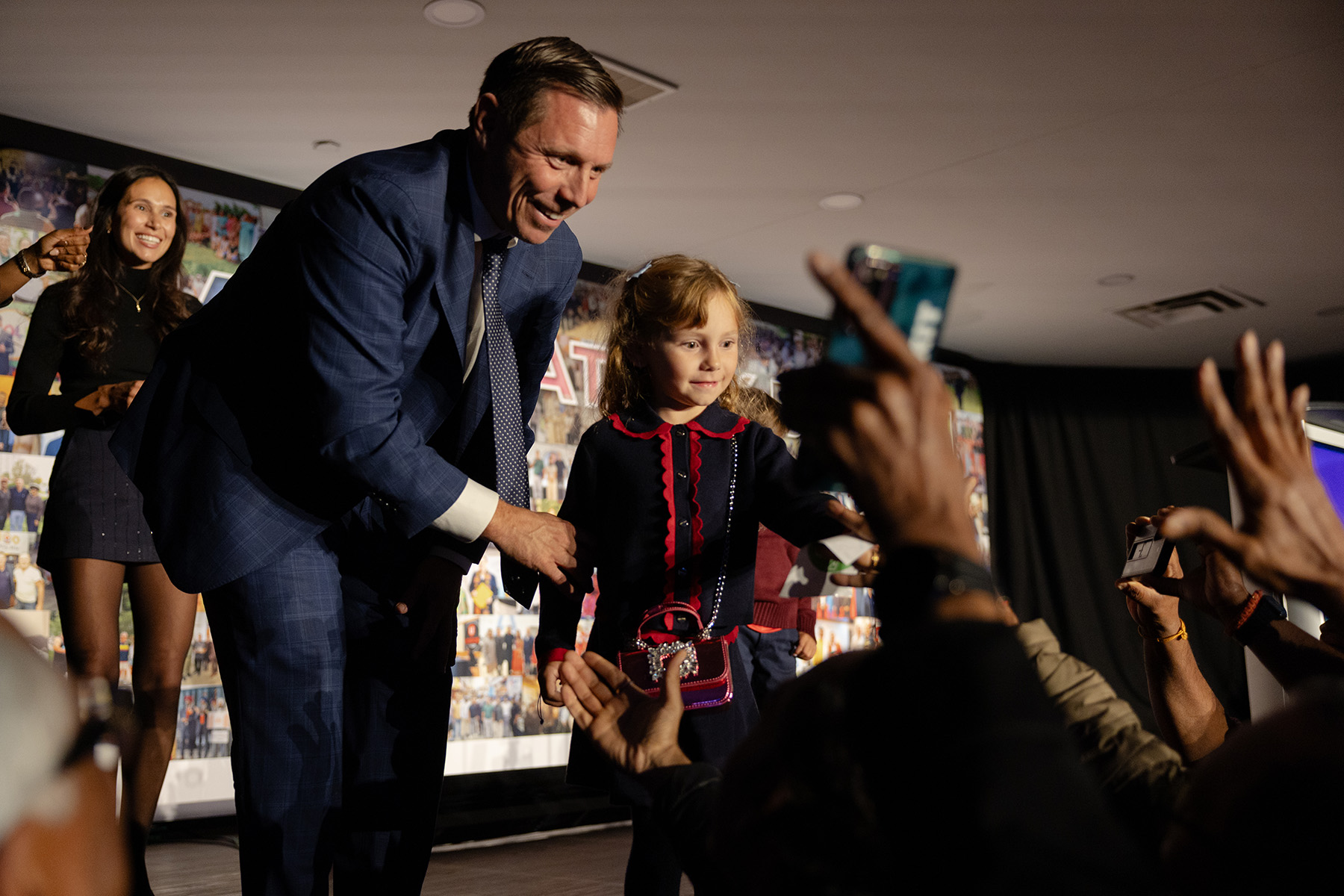
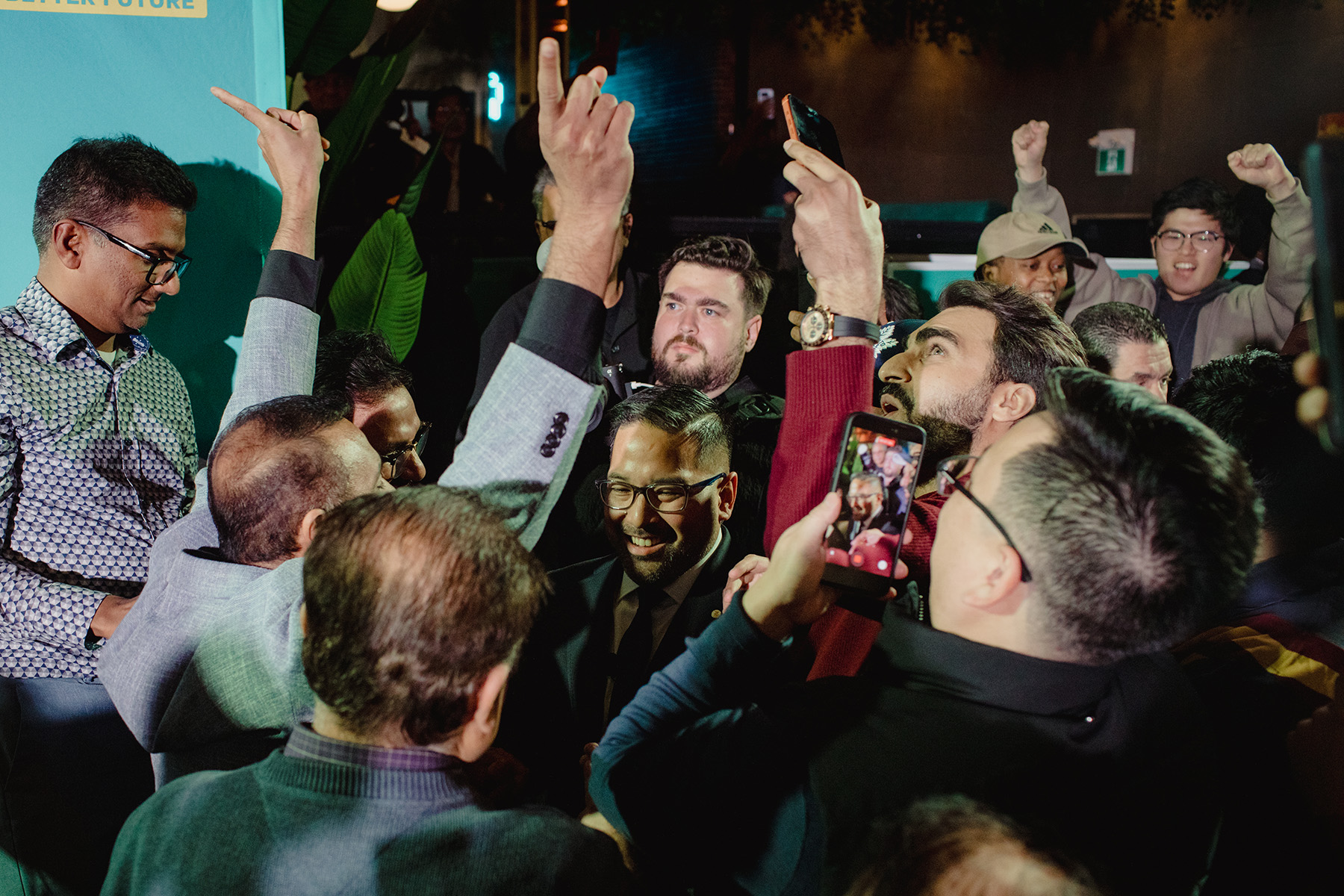
Those photos—from Alvin Tedjo’s surprise win in Mississauga to Brad Bradford’s bad night at the Royal York ballroom—are now part of public record. And they’re part of sustained coverage that readers, it turns out, are hungry for.
We’ve had a commitment to photojournalism all through our election issue at @thelocal.to, and last night may show most acutely what the medium brings to a story. As each city awaited election results, our photographers were there.
— Chloë Ellingson (@chloeellingson.bsky.social) October 27, 2026 at 1:36 PM
Looking back at our coverage, it’s clear that those stories found an eager audience. Our election work was read 805,000 times, by 340,000 people. On election day, when voters were looking to understand who should earn their vote, our website was lit up with thousands upon thousands of readers. We estimate that 1 in 5 Toronto voters read our work. It was 1 in 6 in Mississauga and 1 in 8 in Brampton. Newsletter subscribers grew a whopping 24 percent and countless people have contacted us to express how much they’ve enjoyed reading our work or how helpful our journalism was to their voting decisions.
Some of those people, discovering The Local for the first time, will become regular readers. Some small percentage of those readers—maybe that’s you?—will decide that they like what we’re doing enough to support us. That, at least, is the bet we’re continuing to make here at The Local—that smart, public interest journalism is always worth the investment.
More from this issue
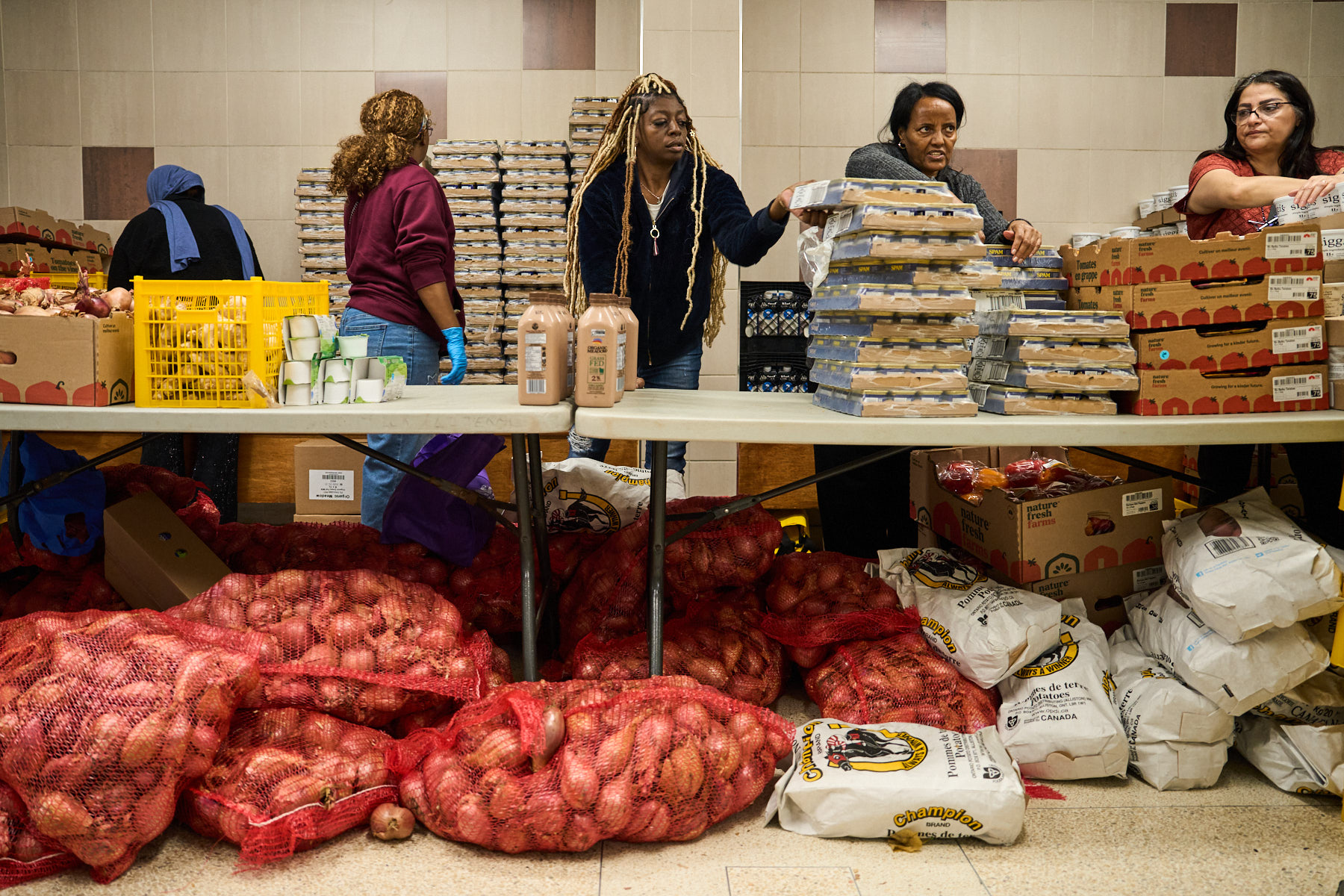
Tired of Waiting, Social Housing Tenants Find Help Amongst Themselves
Residents of community housing are tired of promises, waiting, and being hungry. So they decided to do something about it.
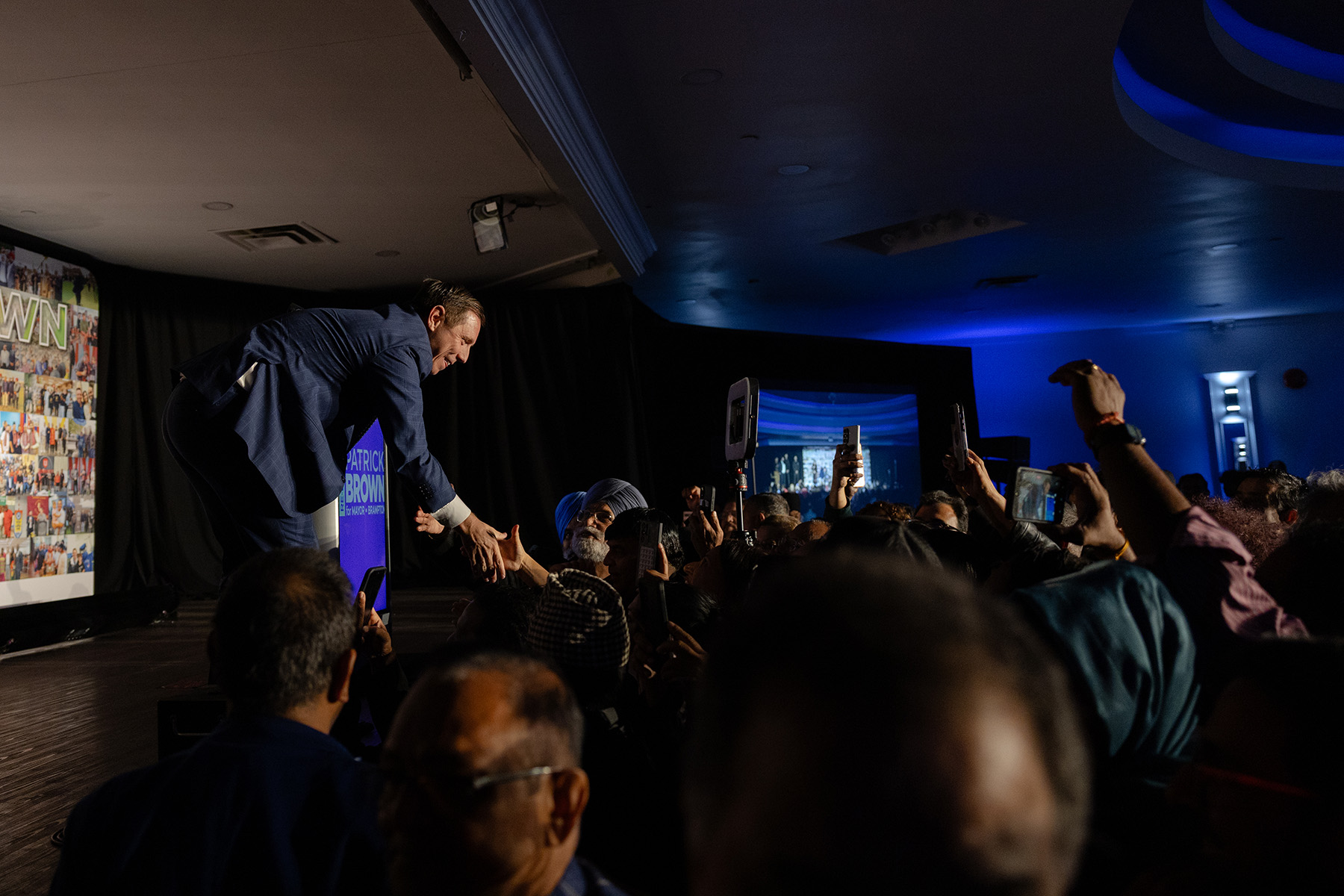
Patrick Brown Is Re-Elected as Mayor of Brampton
With an easy 35 percent lead over the runner up, Brown has secured a third term in office. Incumbents won the night on Brampton council, but the trustee races held some surprises.
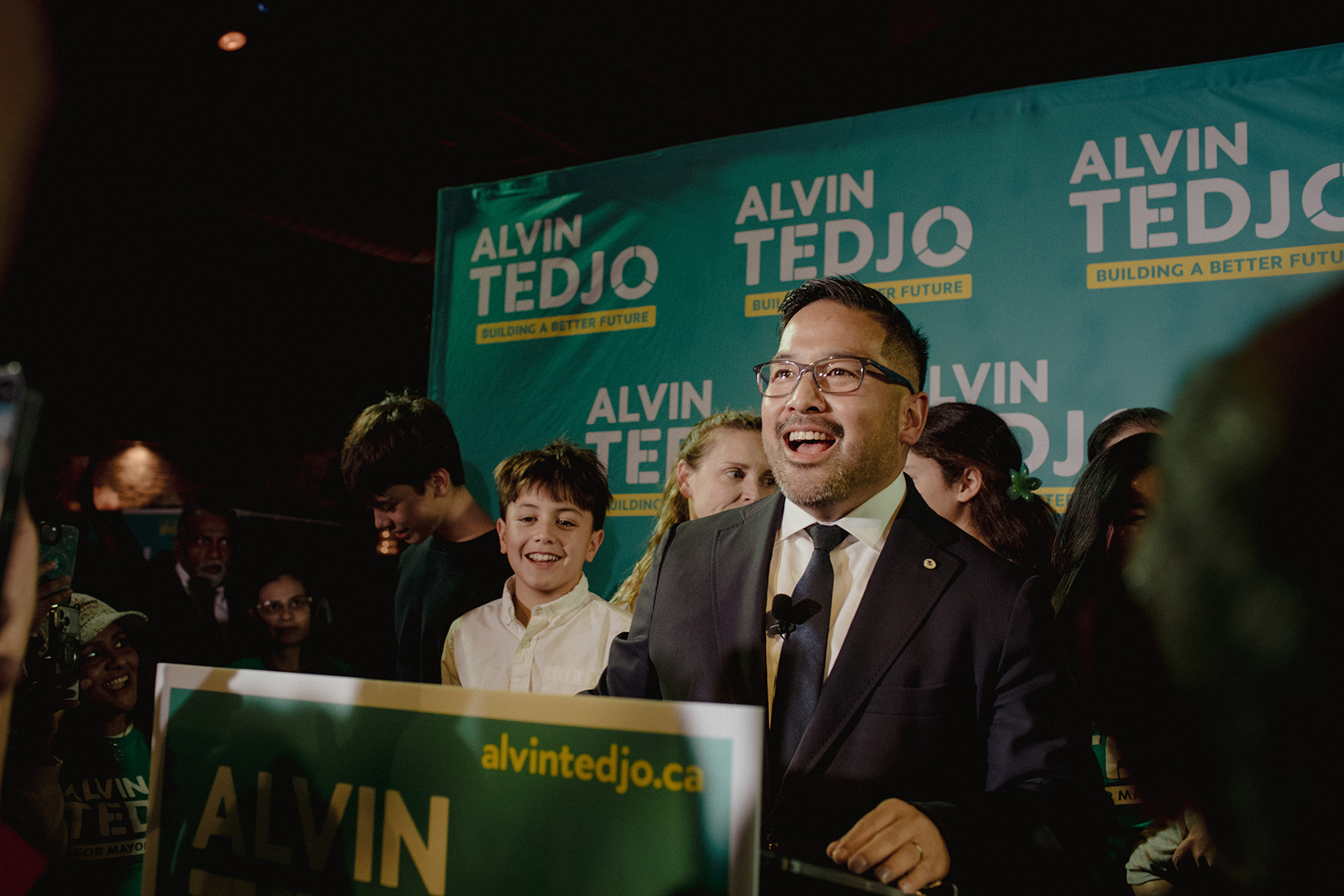
Alvin Tedjo Is Elected as Mayor of Mississauga
The 43-year-old former Ward 2 councillor prevailed against Carolyn Parrish and Bonnie Crombie, an incumbent mayor and a former mayor.
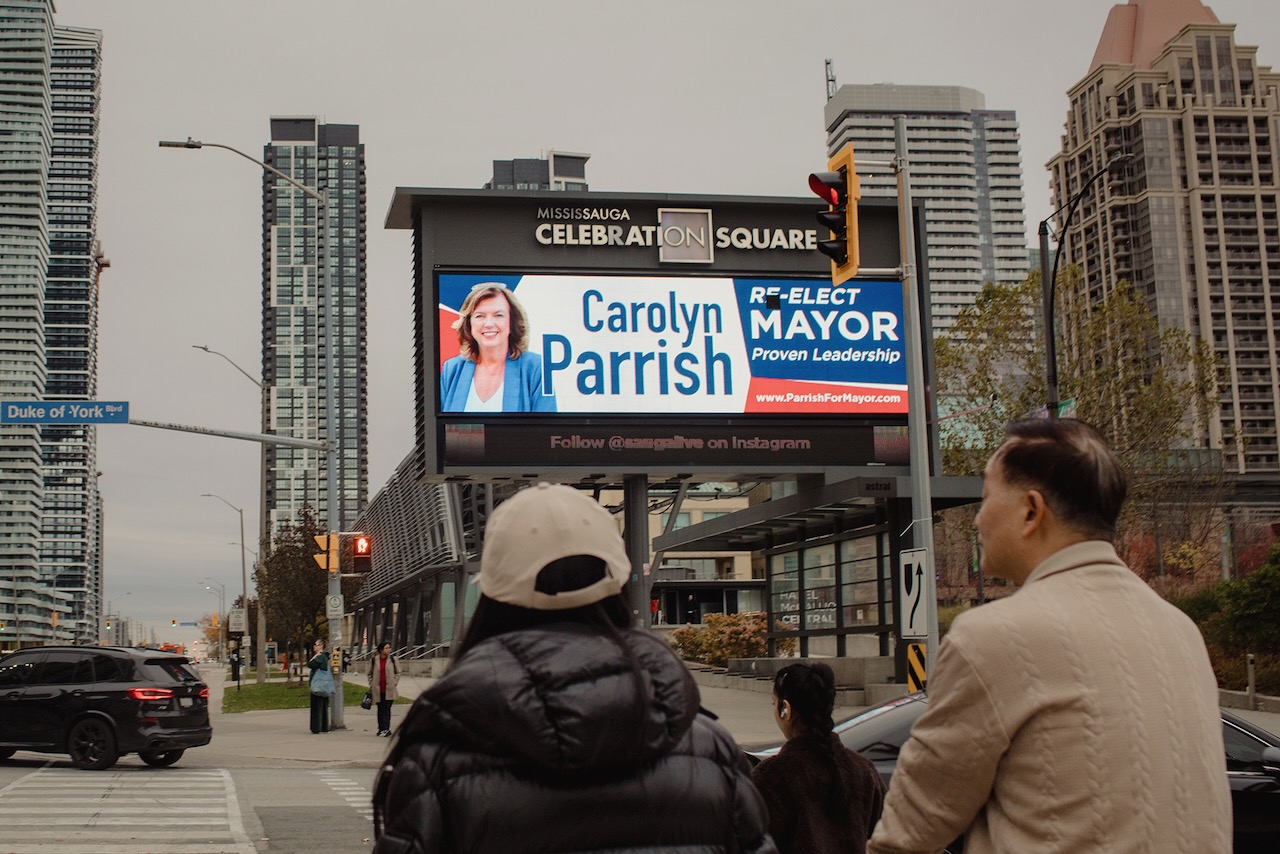
Live Results: Mississauga Municipal Election 2026
Real-time results from election night, starting at 8 p.m. on October 26, 2026.
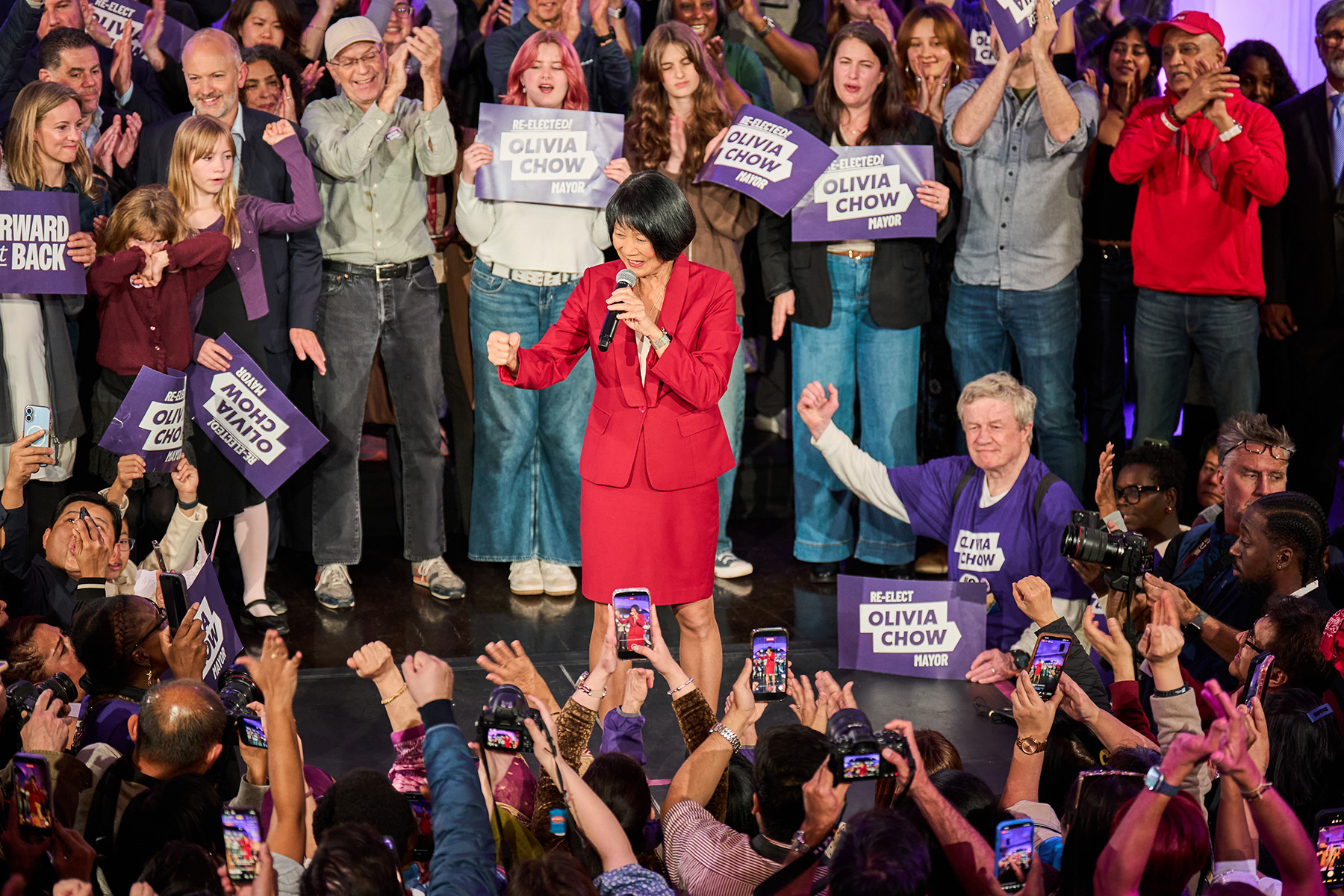
Olivia Chow Is Re-Elected as Toronto Mayor
In a decisive victory, Chow defeated rival Brad Bradford to win a second term as mayor.
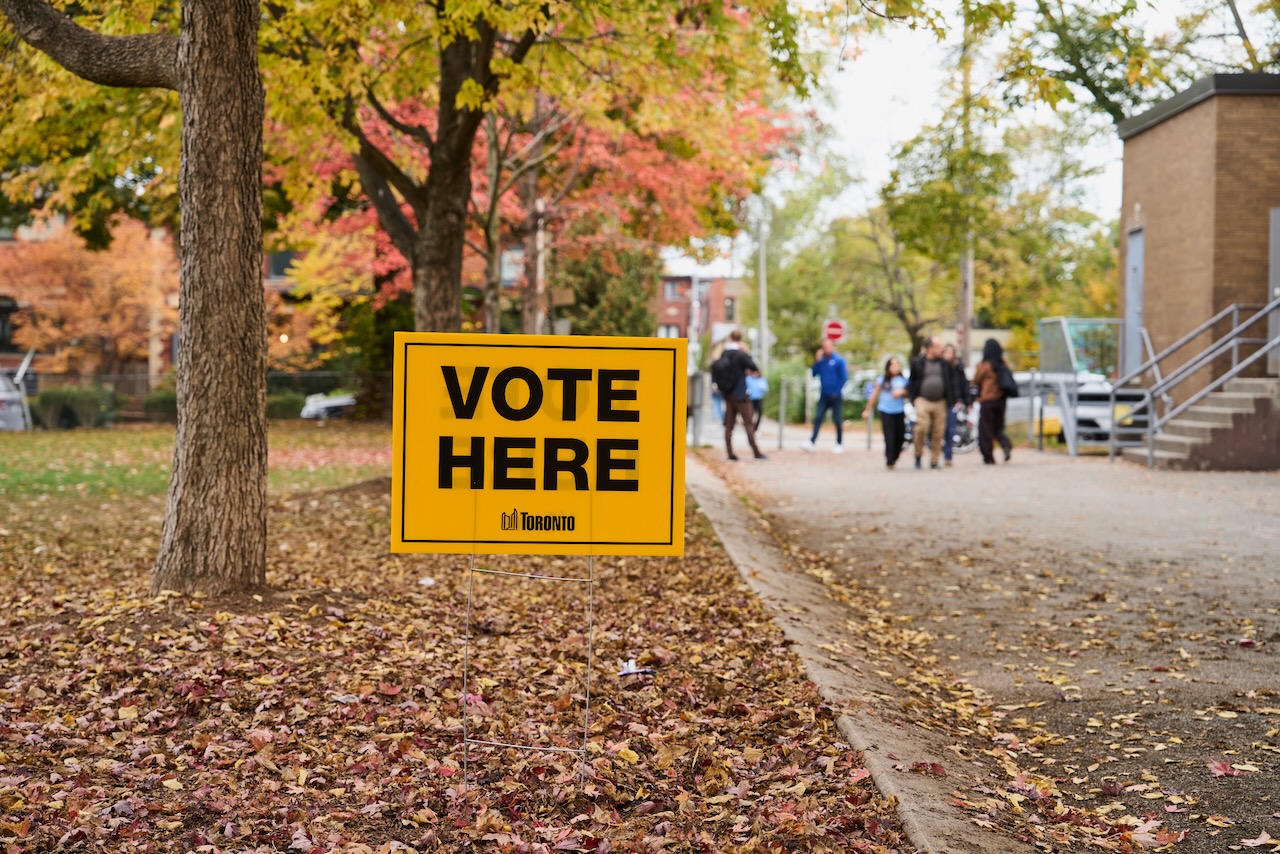
Live Results: Toronto Municipal Election 2026
Real-time results from election night, starting at 8 p.m. on October 26, 2026.
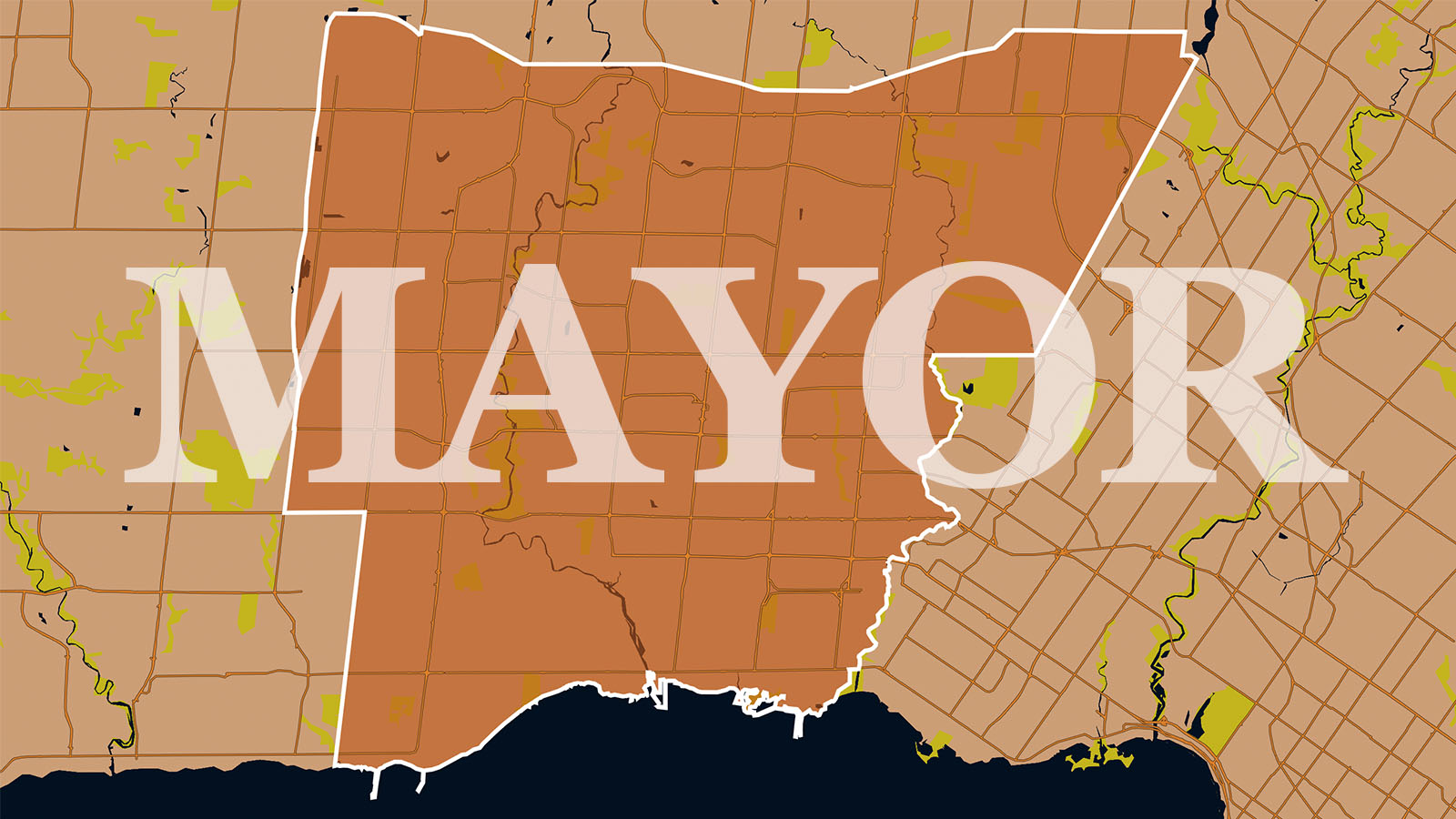
Mississauga Mayoral 2026 Candidates
Fact-checked biographies and platform summaries for all the candidates for mayor of Mississauga.
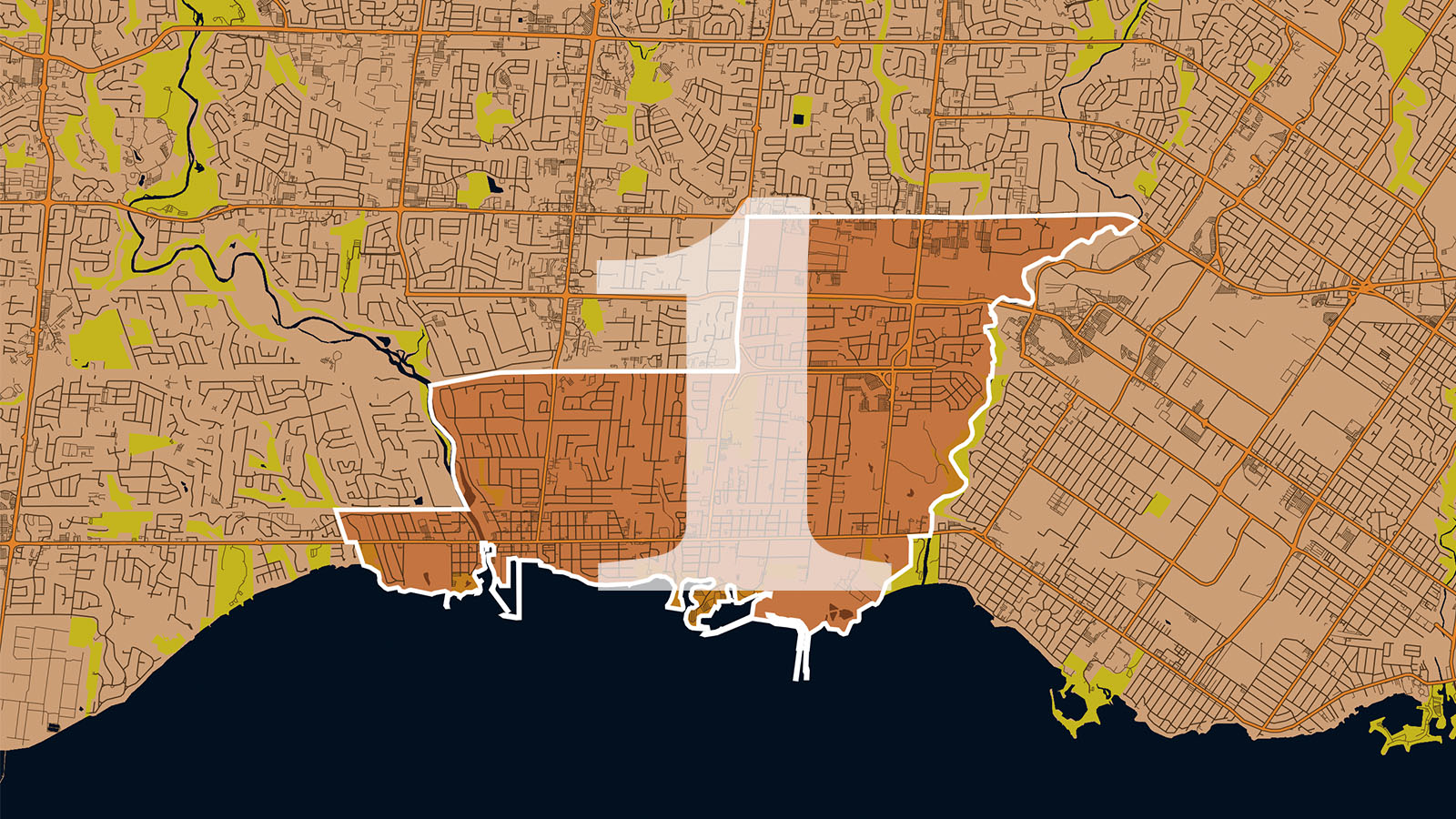
Mississauga Ward 1
Fact-checked biographies and platform summaries for every municipal election candidate in Mississauga Ward 1.
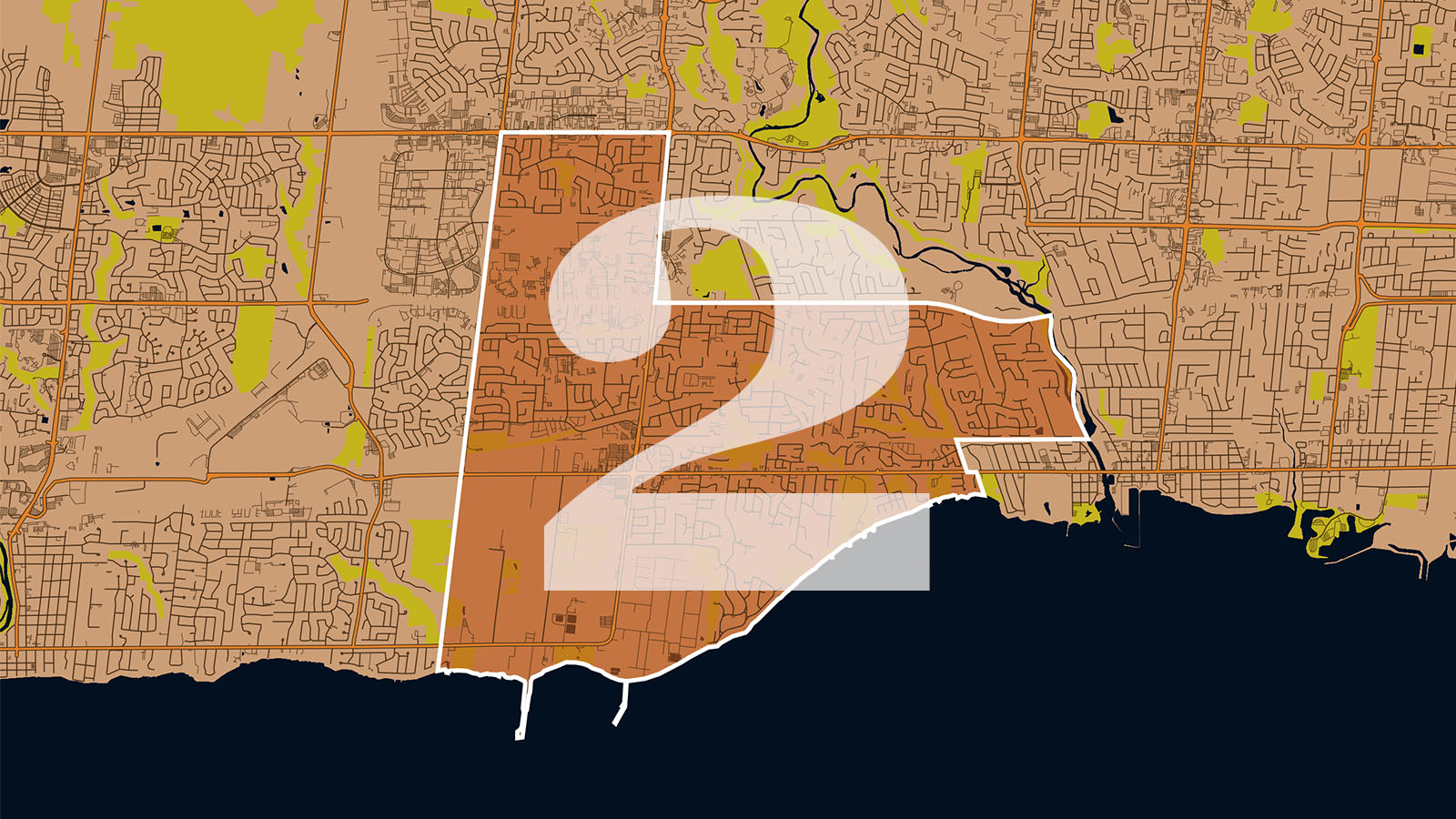
Mississauga Ward 2
Fact-checked biographies and platform summaries for every municipal election candidate in Mississauga Ward 2.
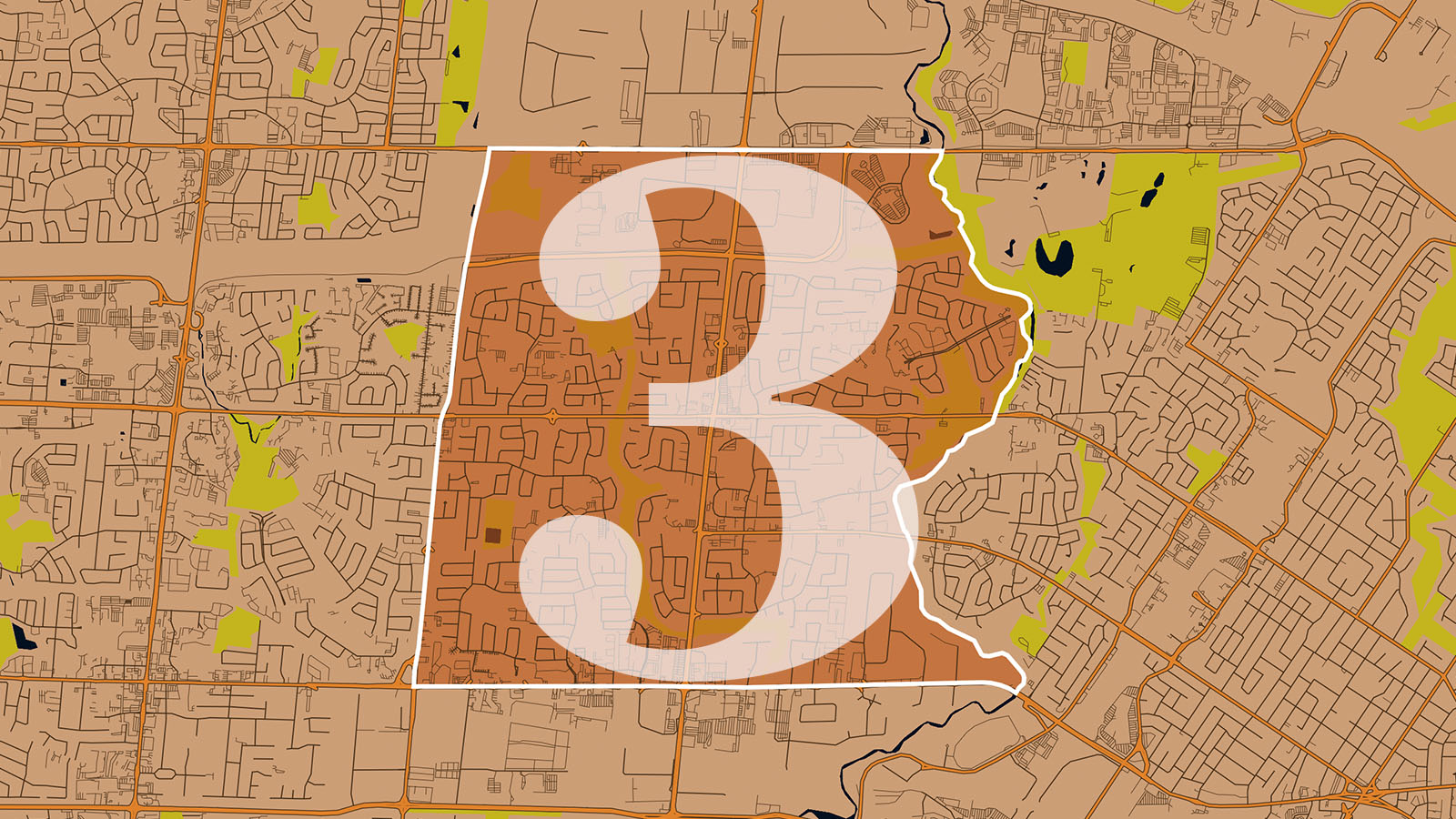
Mississauga Ward 3
Fact-checked biographies and platform summaries for every municipal election candidate in Mississauga Ward 3.