
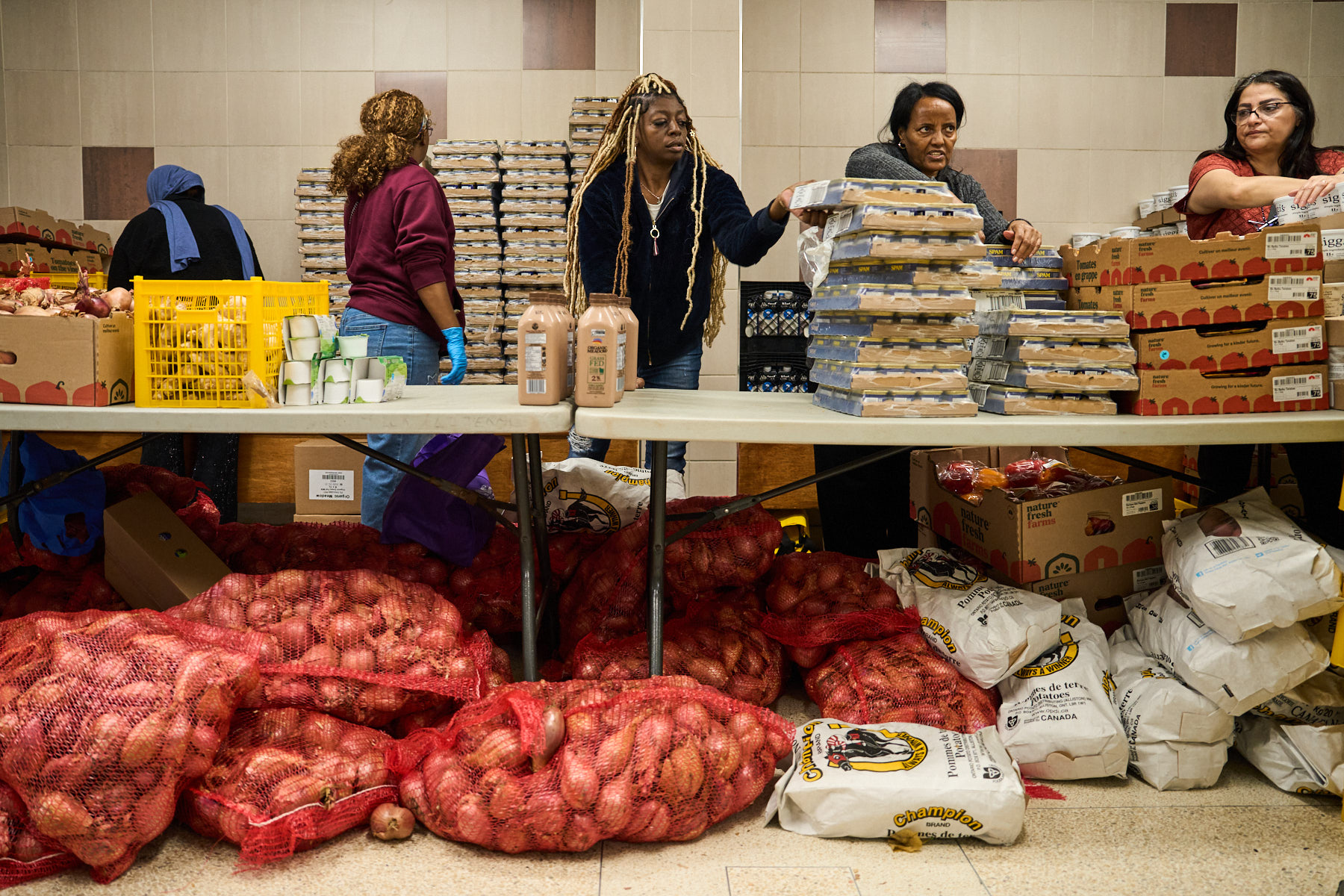
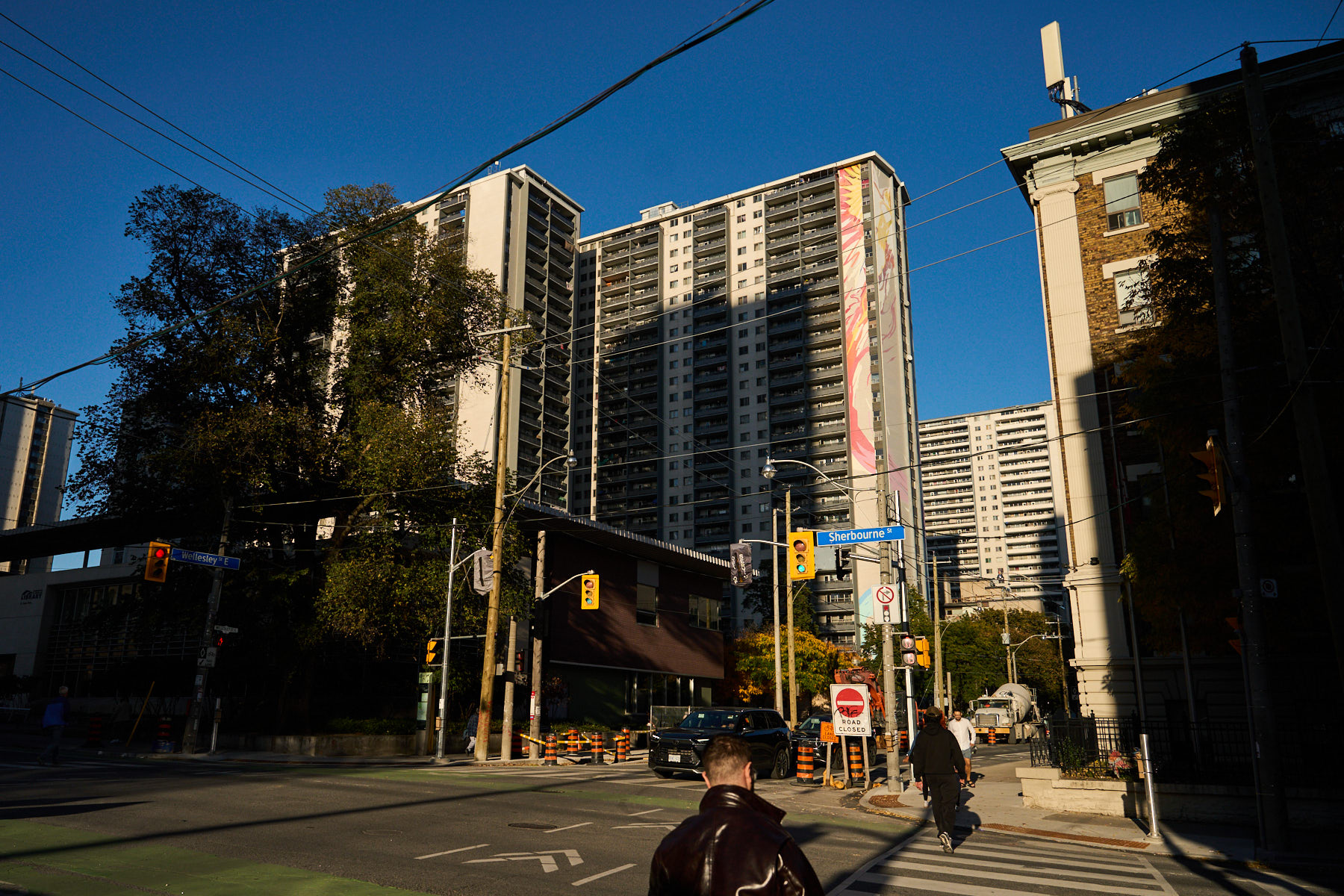
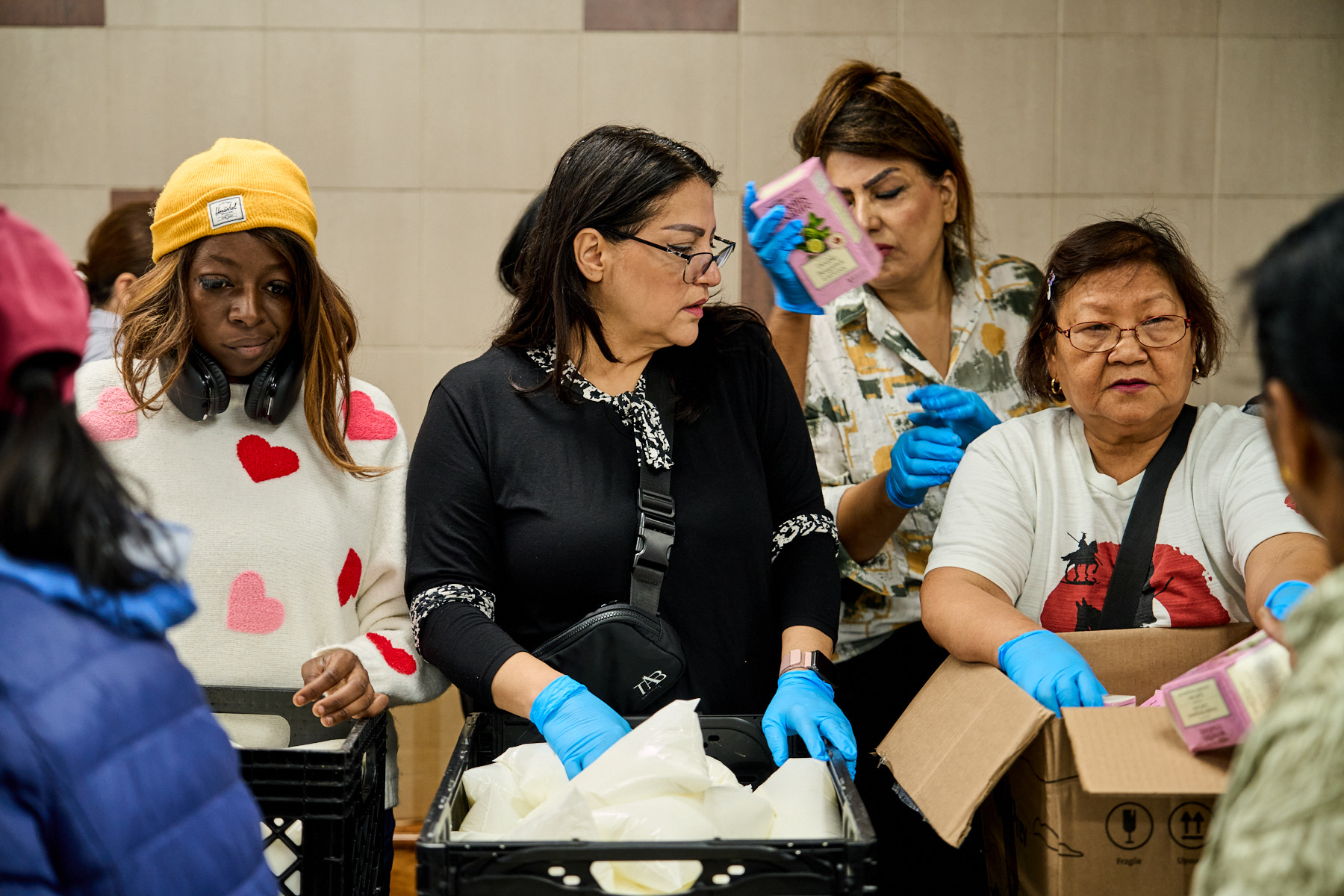
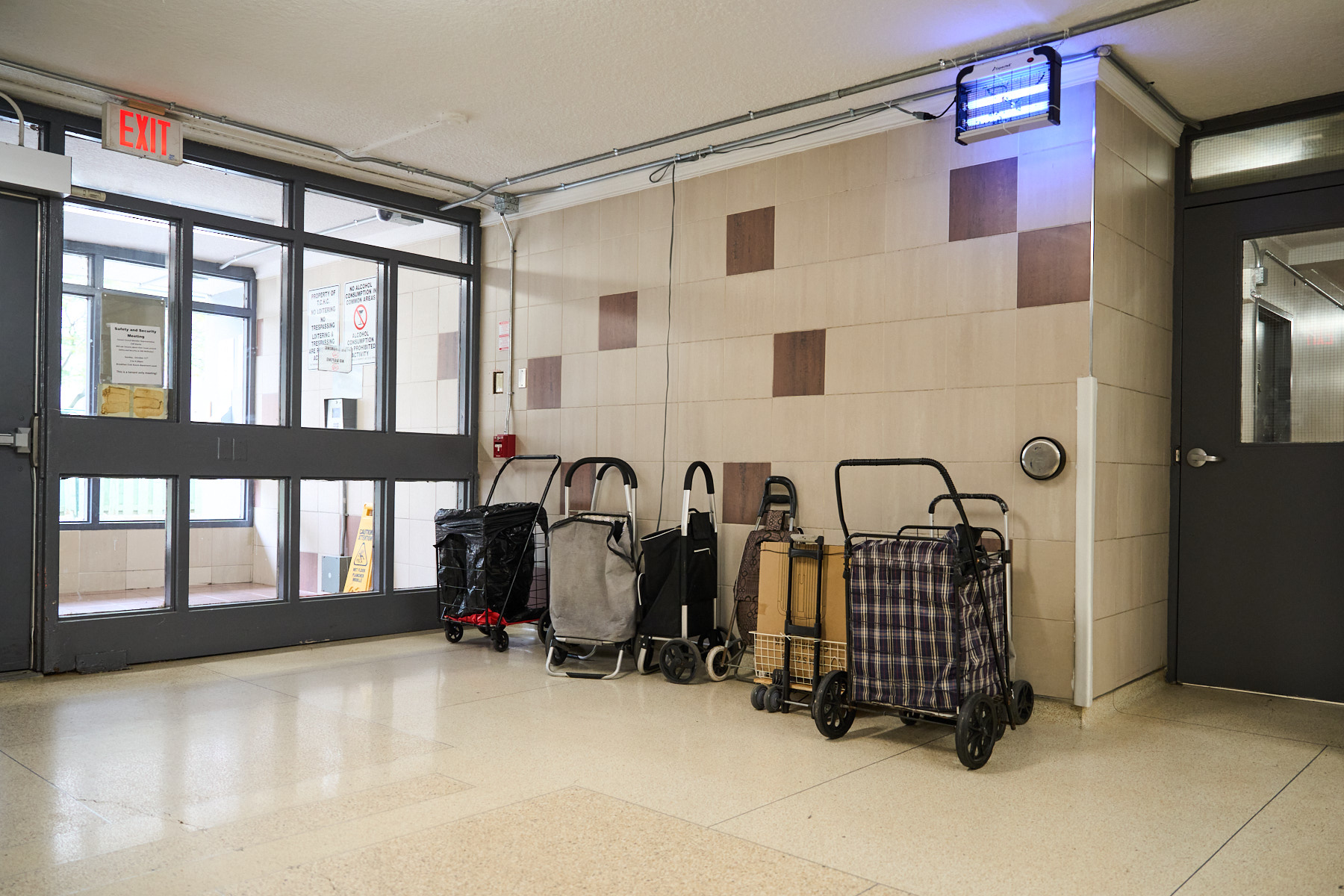
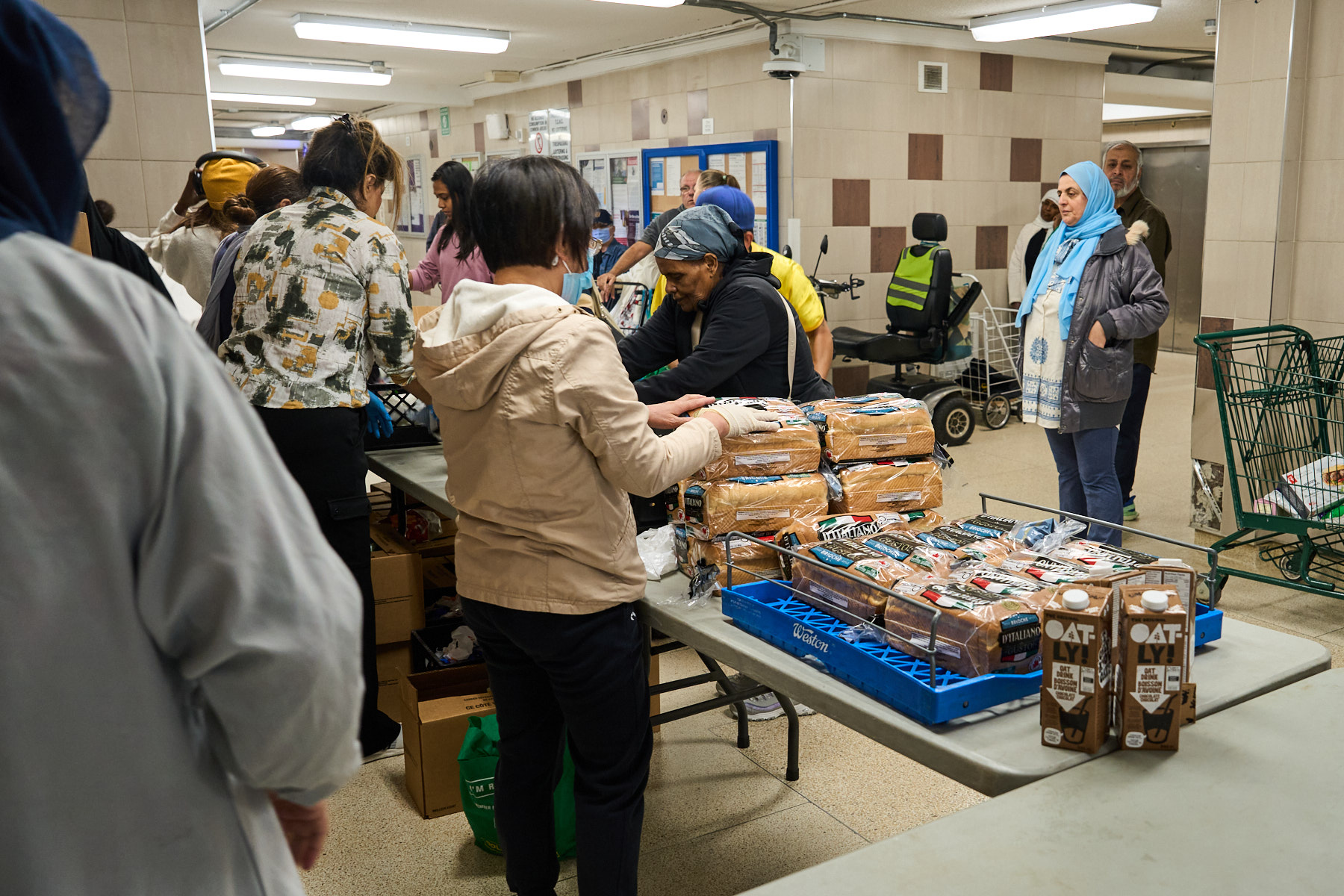
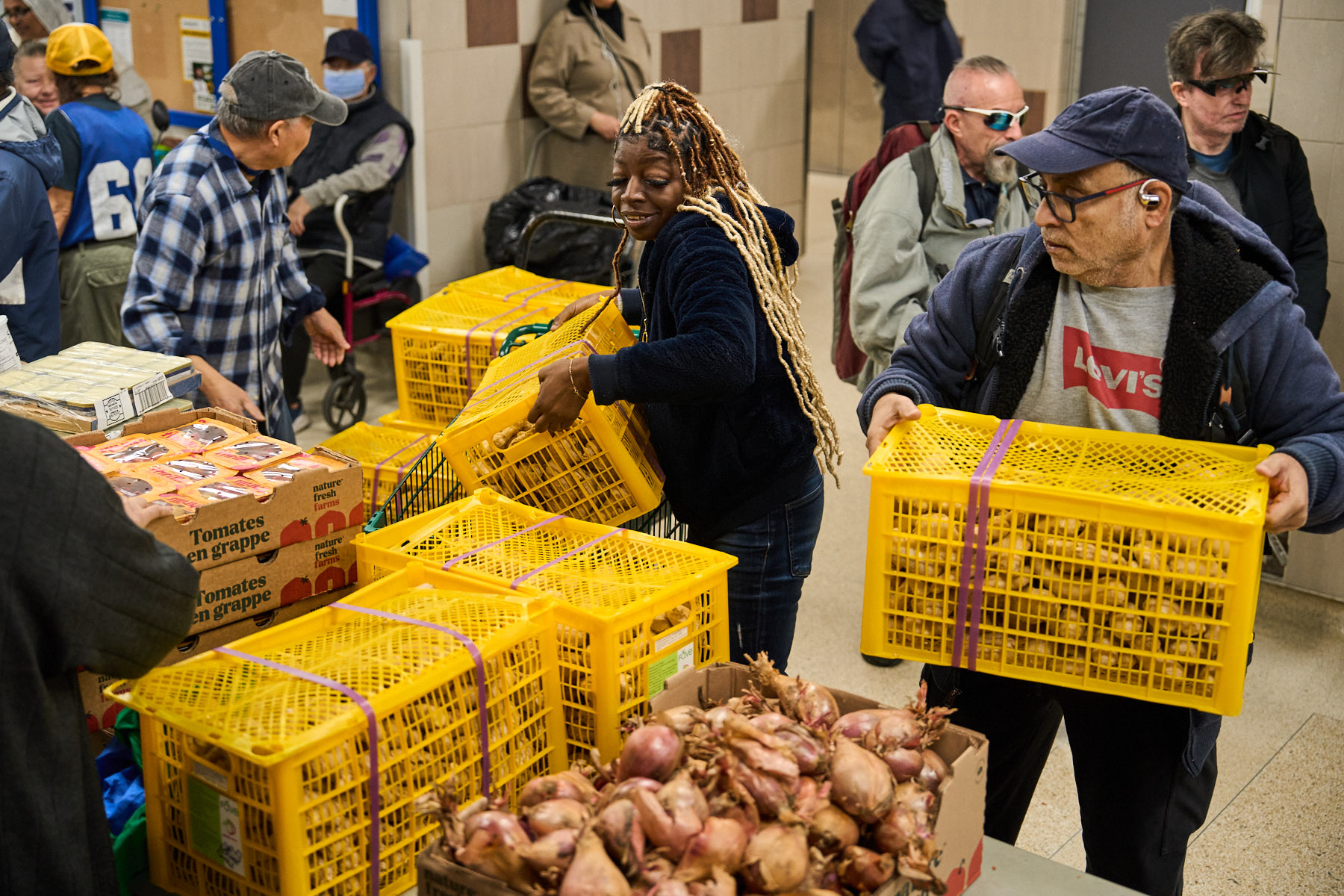
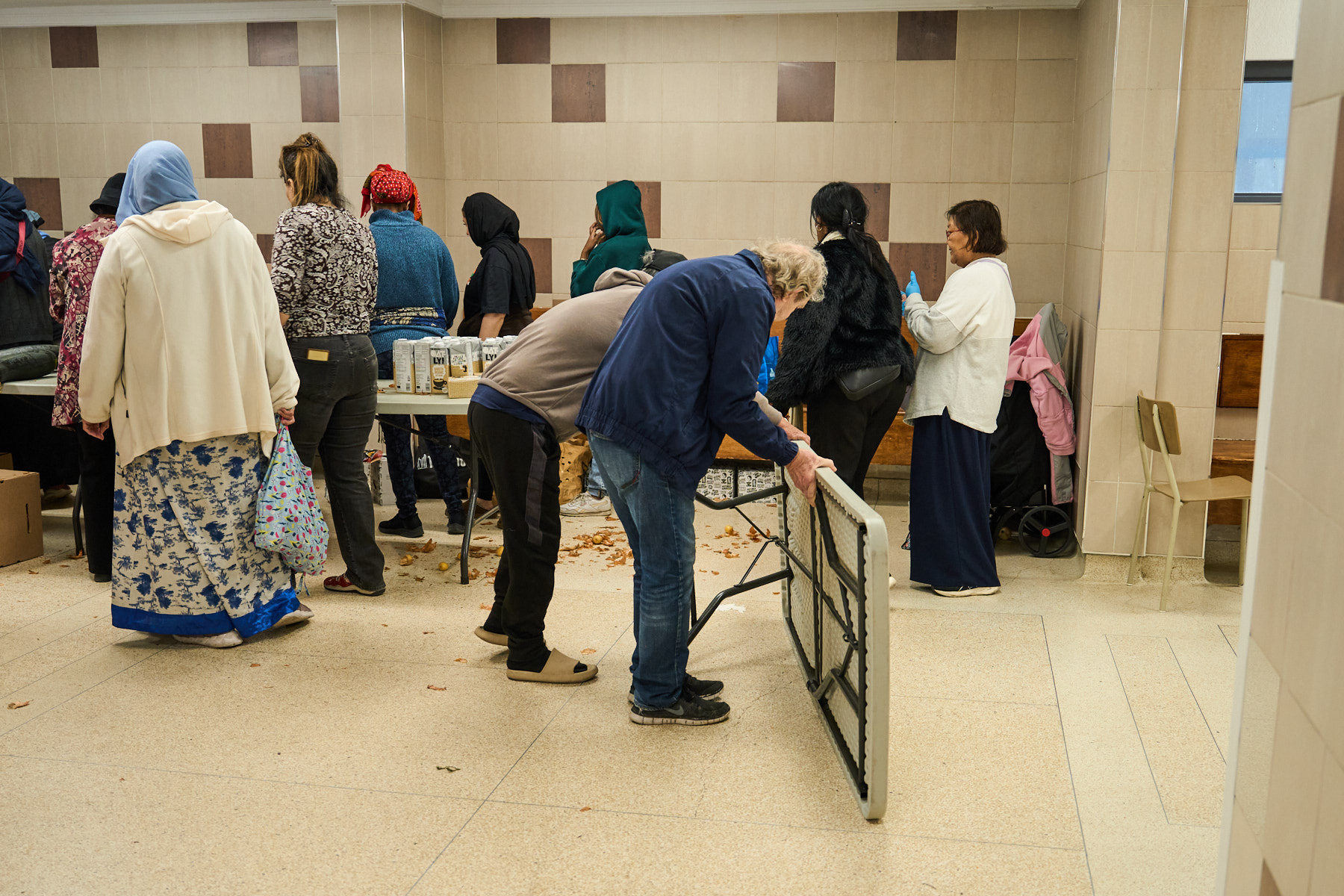
On a Wednesday morning in St. James Town, people crowd in the lobby of 200 Wellesley Street East. The corridor is filled with carts, strollers, mobility chairs, and dozens of residents from the building and surrounding neighbourhood. Amidst the chaos, a volunteer shepherds the group into an orderly line for the day’s food bank. This is Ronnata Cobham, better known by this crowd as Sasha.
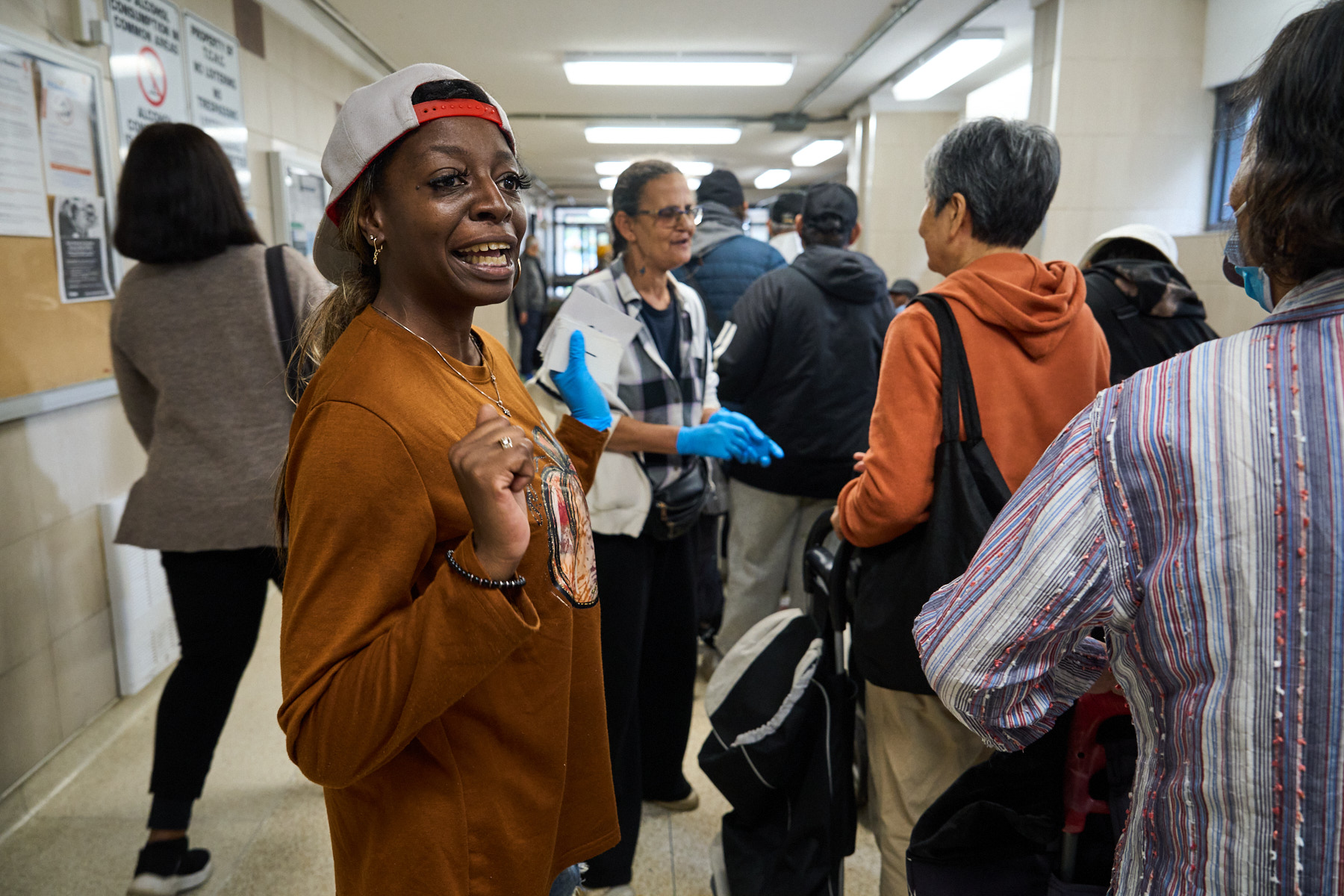
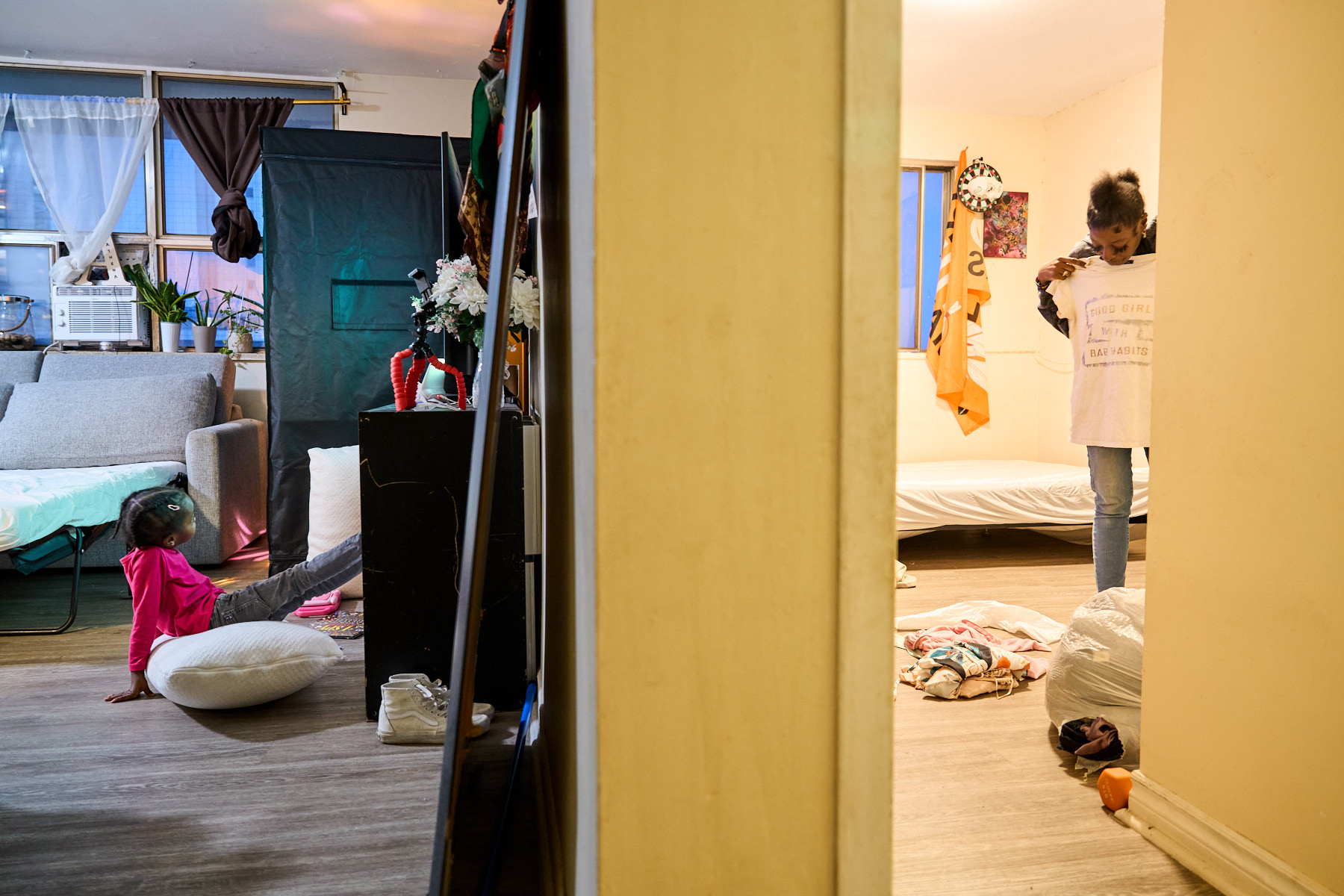
Sasha is a single mother living in Toronto Community Housing with her four-year-old daughter, Summer. Every weekday, they get ready together in their one-bedroom apartment before making the short journey to school drop-off. On Mondays and Wednesdays, Sasha returns home to join a familiar group of volunteers organizing the building’s community food bank.
Sasha has been volunteering here since 2022, a year after she moved to 200 Wellesley. The journey that brought her to live at the building has been a tumultuous one. She emigrated from Guyana to Canada as a child, moved between several cities and towns, then entered the foster care system in 1999. When she became pregnant with her first child at 18, she was transferred to a support centre for young expectant mothers. Since 2014, she’s been living in apartments owned by the Toronto Community Housing Corporation (TCHC)—Canada’s largest social housing provider, run by the city.

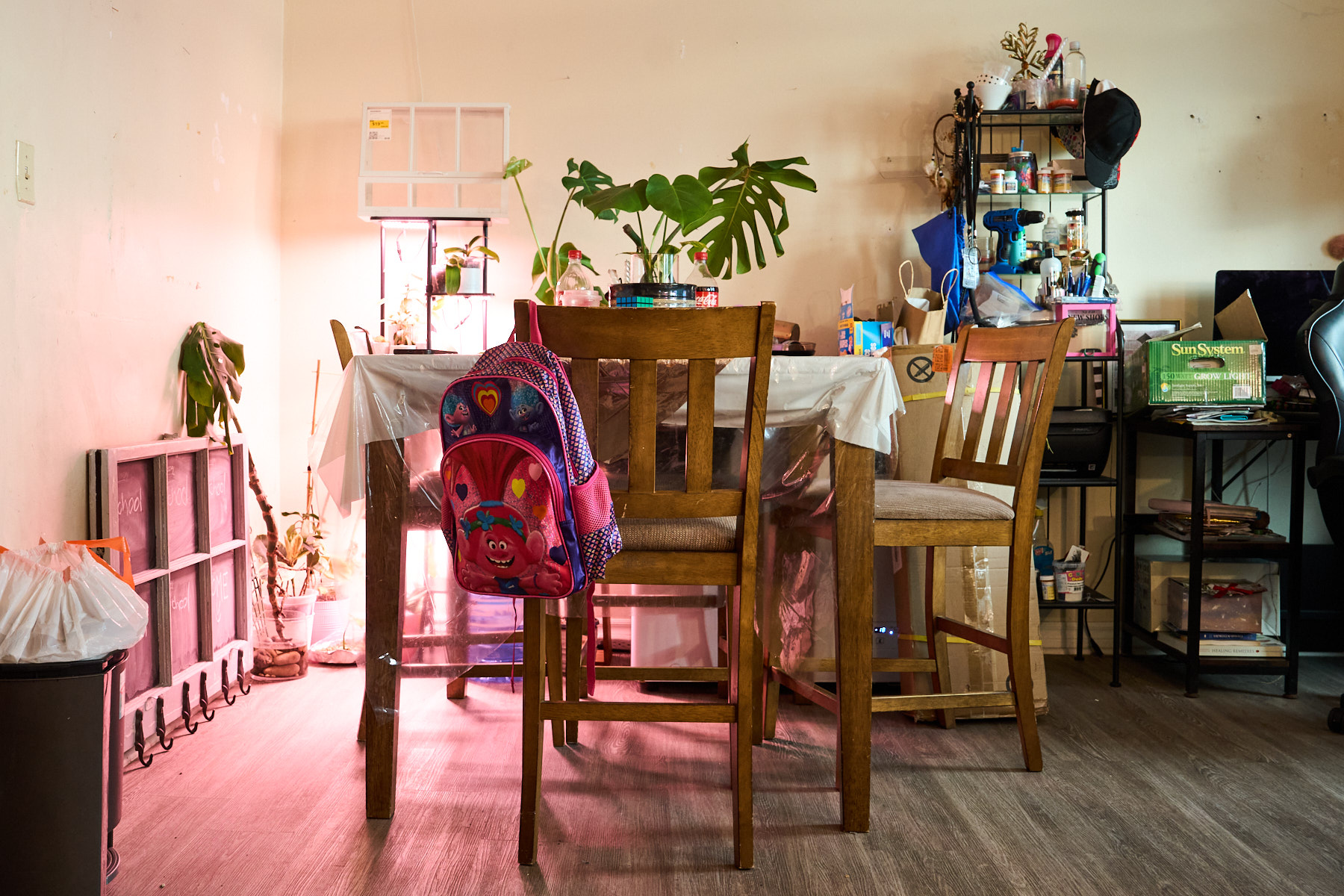
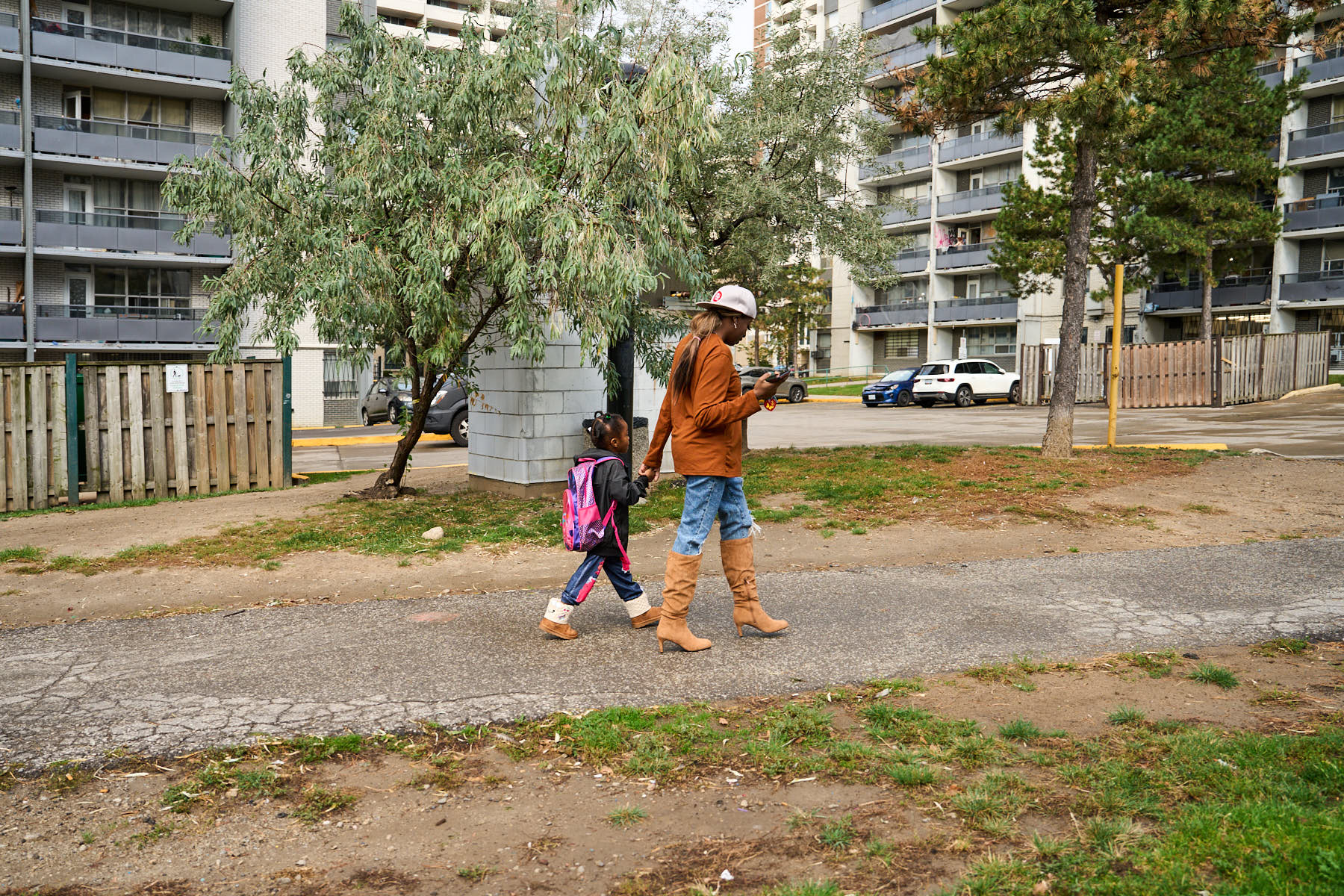
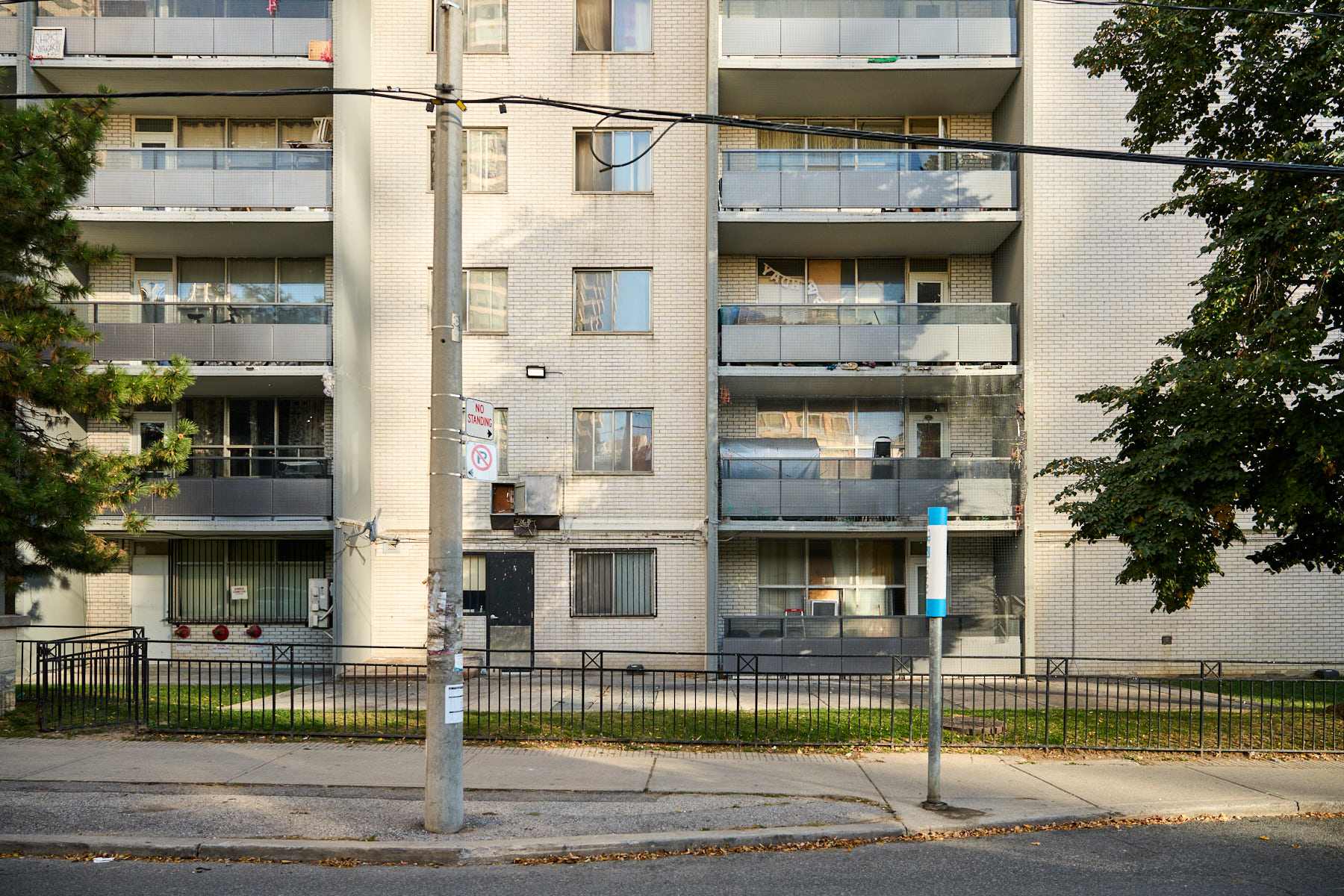
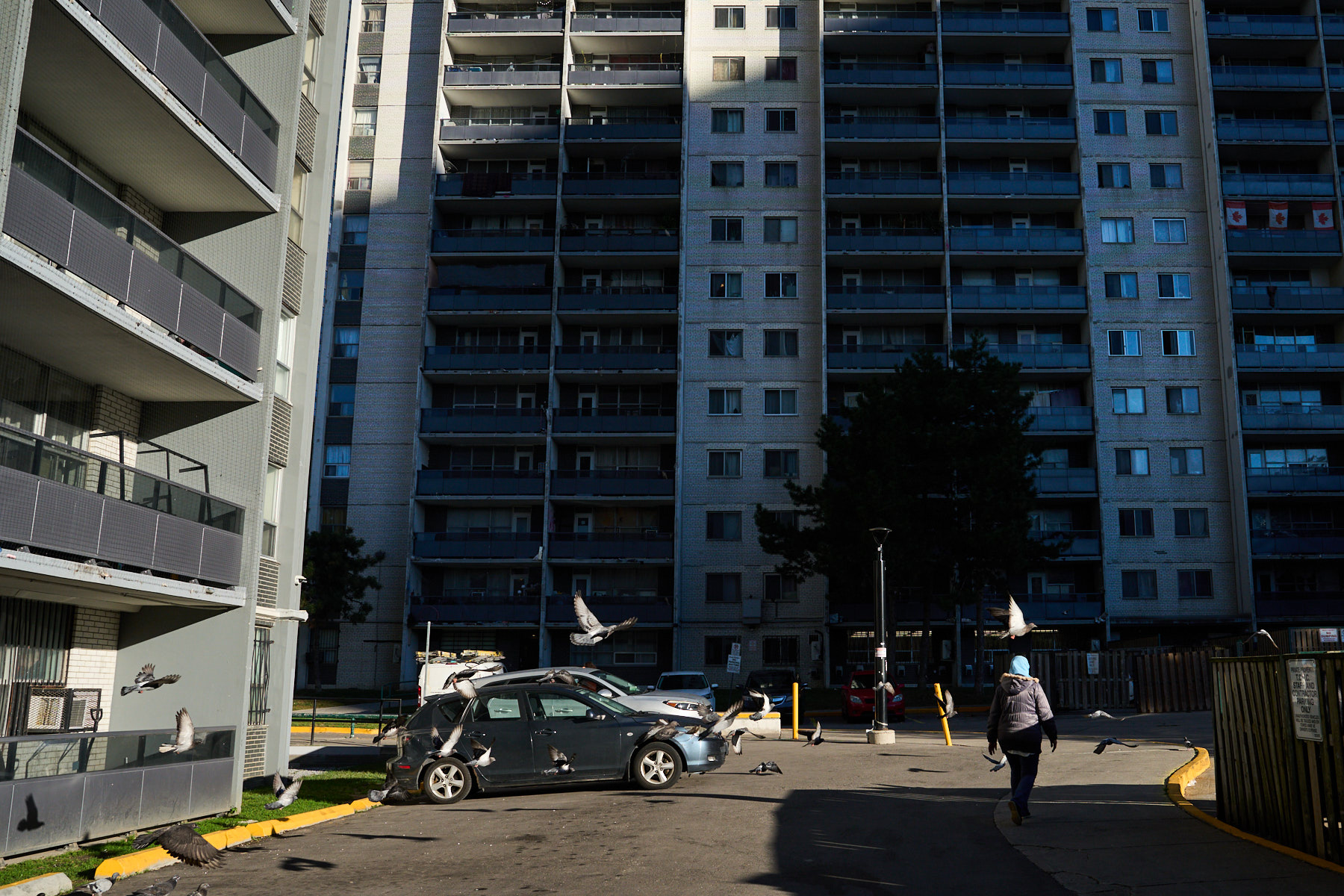
On top of the challenges of life as a single mother, Sasha—like all the building’s other residents—struggles with life at 200 Wellesley. Many residents are outspoken about their concerns with the building, like dissatisfaction with the security enforced by the building’s special constables, and regular fire alarms when people smoke in the stairwells. They say the building also lacks central air conditioning, which makes the summer heat waves a challenge. The only air-conditioned room at 200 Wellesley is in the basement, and capacity and access hours are limited. The building is constantly undergoing repairs, from balconies to plumbing systems to elevators and unit-level accessibility improvements. Currently, an entire section of the basement floor is closed as TCHC works on the building, with signage warning workers of asbestos. (In response to questions about these concerns, a TCHC spokesperson said they’re not able to talk about individual tenancies. Regarding security, they wrote that their Community Safety Unit has a “significant presence at 200 Wellesley.” They added that they’d “like to see every tenant have in-suite air conditioning, but many of our buildings were constructed decades ago, before this was standard in residential design. With limited funding, TCHC is not currently able to retrofit these buildings.”)
200 Wellesley is one of 1,247 rental buildings operated by TCHC. By TCHC’s own measure, its condition is “poor.” The housing provider’s Facility Condition Index (FCI)—which puts a number to the state of each building by measuring the cost of necessary repairs and maintenance against its current value—puts 200 Wellesley 11.81 percent (an FCI of 0 percent is the best score a building can receive, and anything over 30 percent is critical). As of 2025, almost half of TCHC’s units were in similar condition to 200 Wellesley.
In 2019, to help address TCHC’s backlog of capital repairs and maintenance work, the federal government announced it would be providing the corporation $1.34 billion in loans and grants over the course of nine years. Capital repairs include larger projects like accessibility upgrades and HVAC system improvements, but exclude on-demand work like sink repairs, lock changes, and pest management.
In an email, a TCHC spokesperson told The Local that 200 Wellesley has received a minimum of over $12 million in repairs since 2021. They also shared a selective list of planned projects for the building spanning the next seven years, which amount to a hefty price tag of over $38 million.
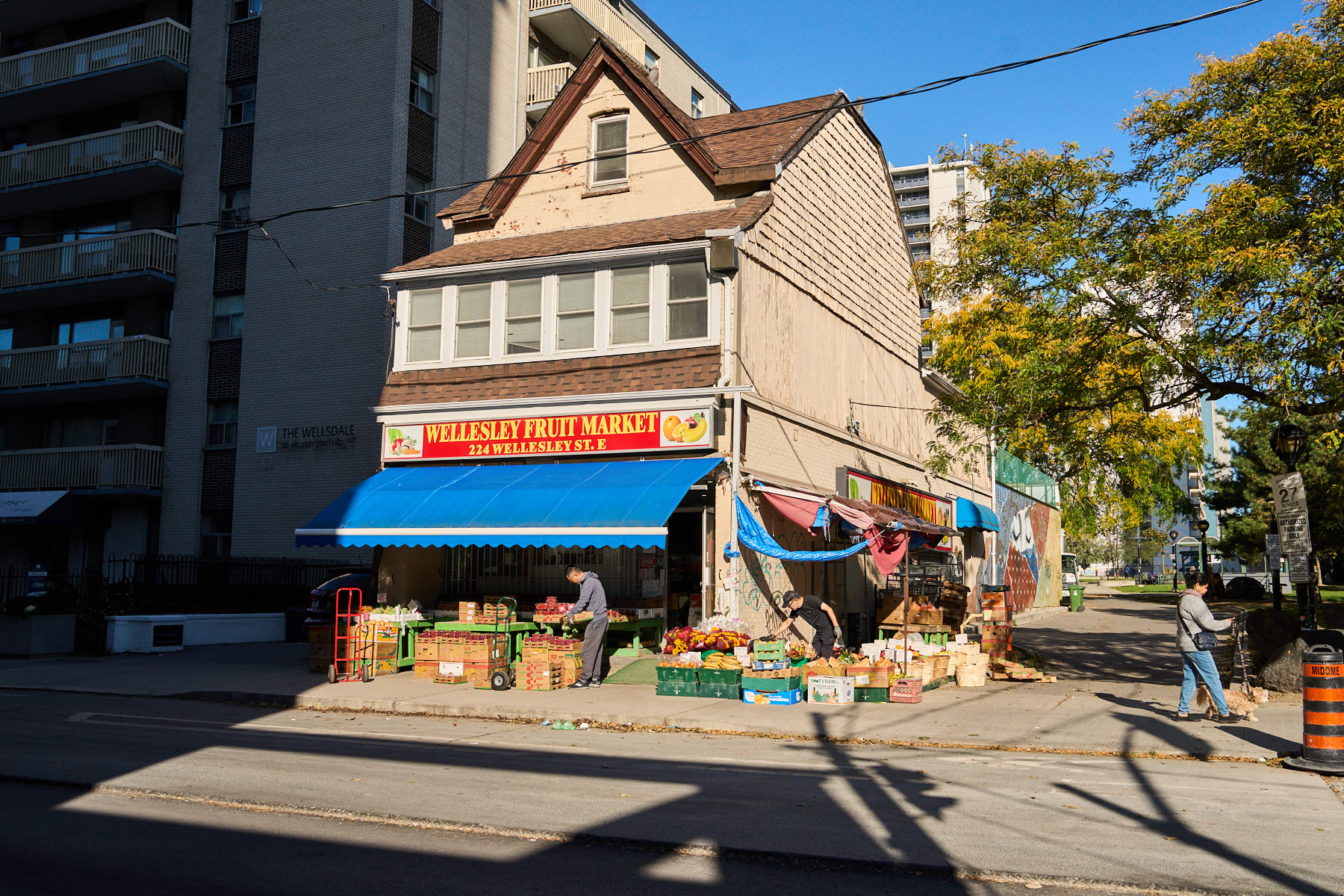
But the federal funding is slated to end next year. After that, TCHC’s revenues will again depend exclusively on tenant rent, commercial space rentals, and municipal subsidies. Almost 40 percent of its operational funding comes from the municipal government. Soon, re-elected mayor Olivia Chow, alongside city council, will decide on the city’s contribution to TCHC’s 2027 budget.
Currently, only 4 percent of TCHC’s property portfolio is in critical condition. By the end of Chow’s coming term, TCHC predicts that number will skyrocket to 35 percent. If no additional funding is secured, current capital repair problems will remain unsolved, new problems will continue to arise, and projects to improve tenants’ well-being will not materialize.
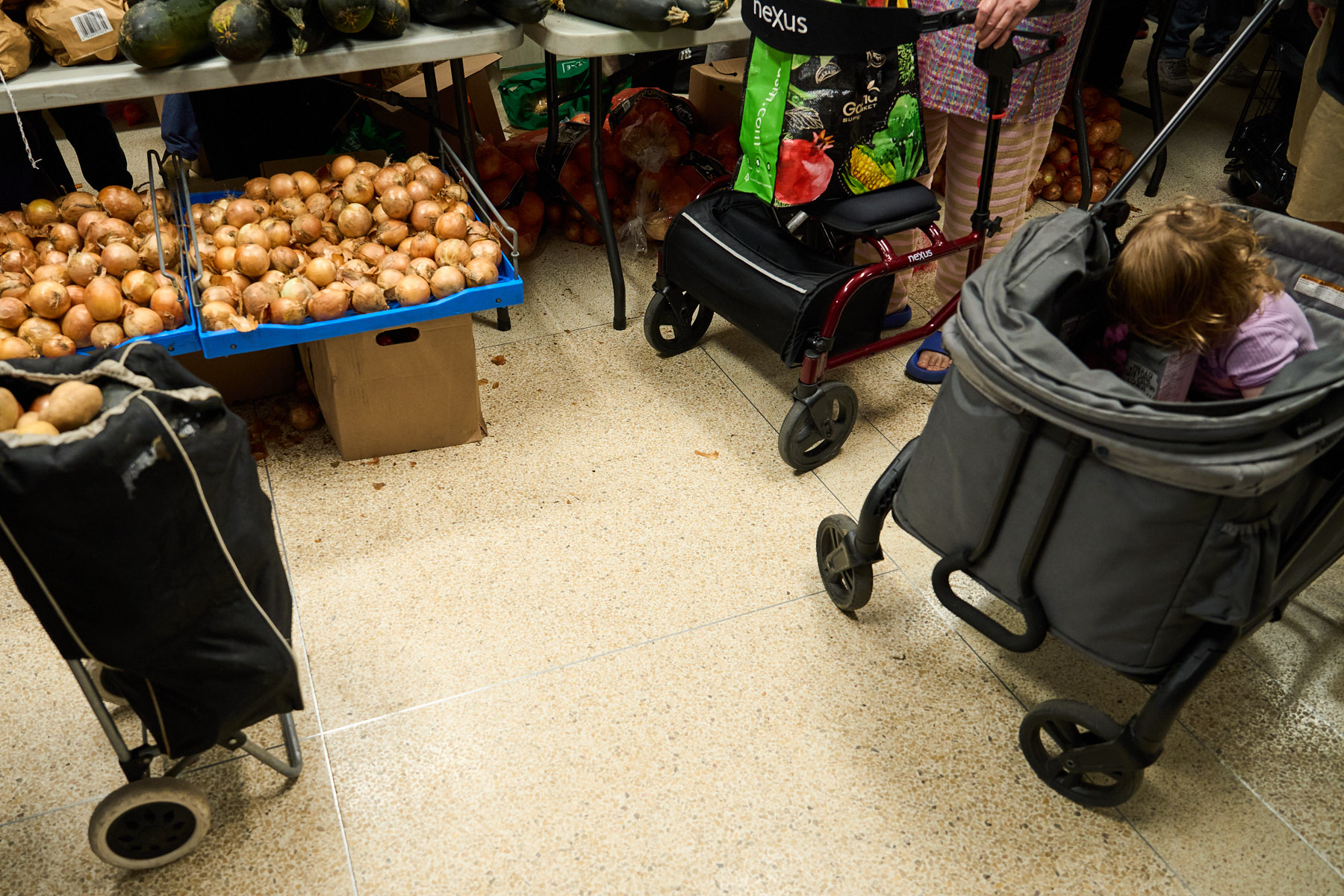
One of those projects is a new food hub at 200 Wellesley, meant to address food security in the St. James Town neighbourhood. The idea was originally discussed in a city council meeting in 2020, but is only slated to begin construction in 2027, if at all.
But for years—before the food hub proposal was even discussed at city council, in fact—one resident has been working to address her community’s needs.
Amal Kanafani came to Canada in 2013 to help take care of her mother, who lived at 200 Wellesley. One of the first things Amal did upon arriving in Toronto was acquiring her Ontario driver’s license to help transport her mother to and from the hospital. Word of someone with access to a vehicle spread, and before long, neighbours were asking for rides, too. Soon, she was driving people around the neighbourhood, cooking large meals with her mother to share with neighbours, and hosting gatherings in the basement common room. After her mother passed, Amal stayed in the building to continue supporting her newfound community.
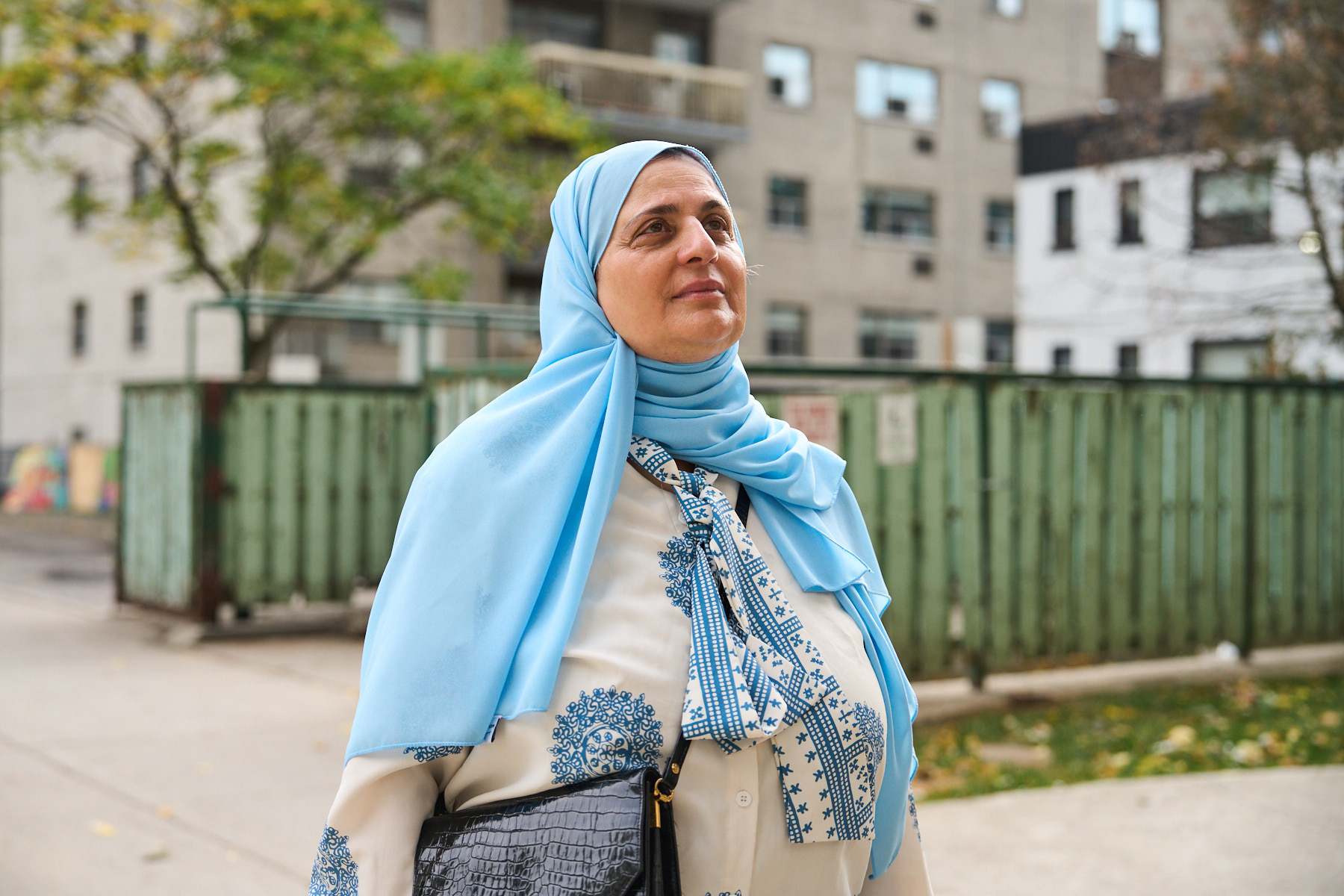
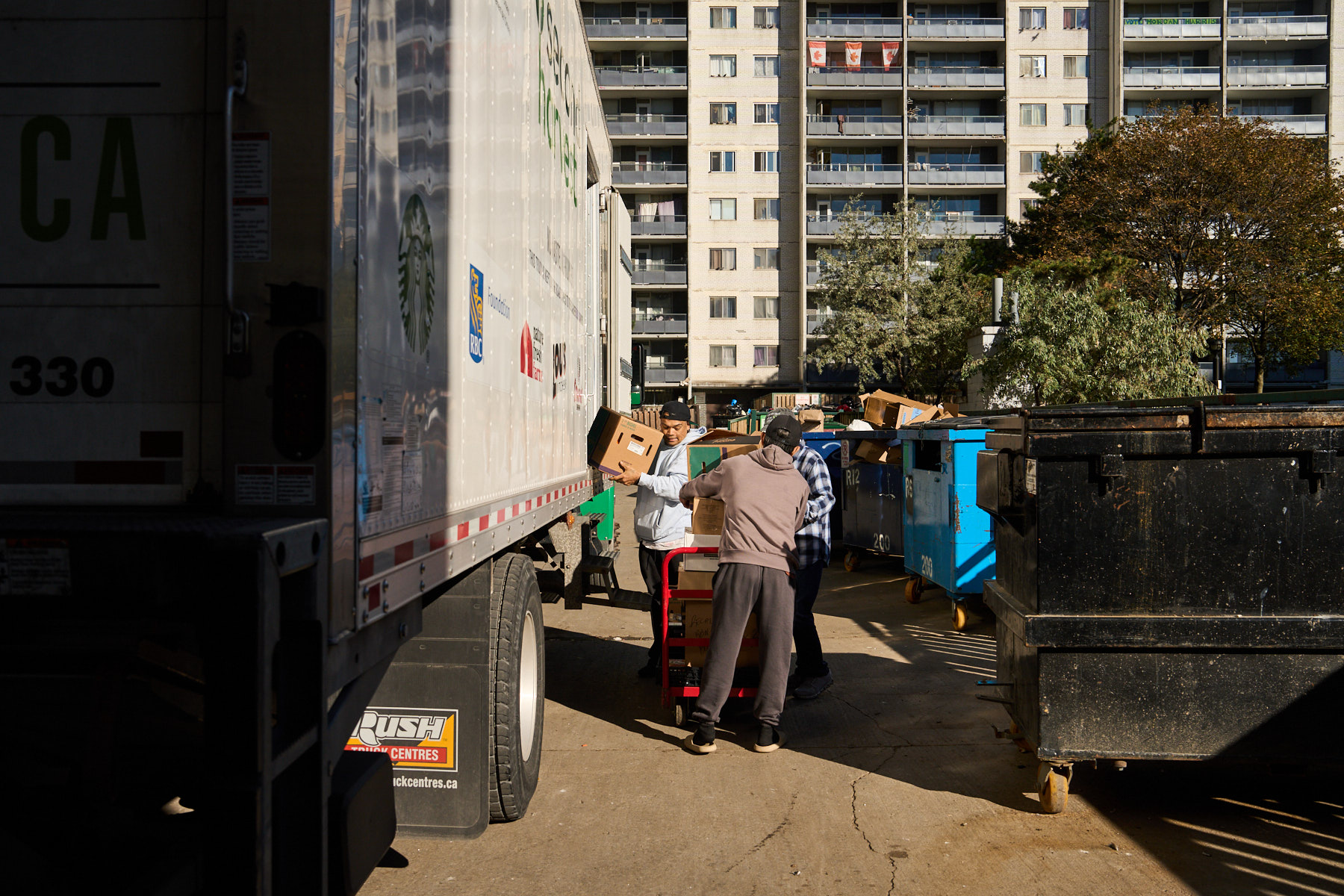
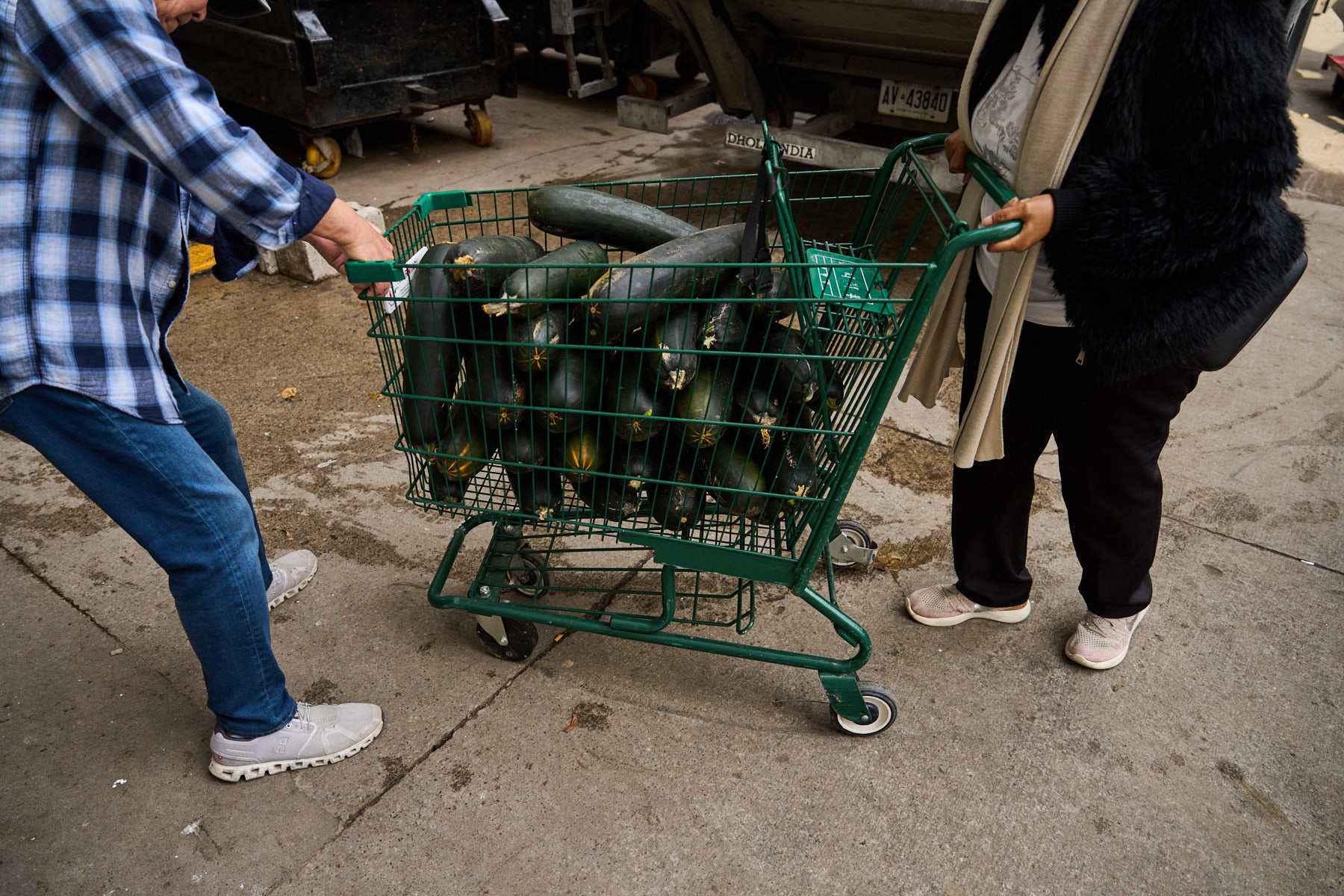
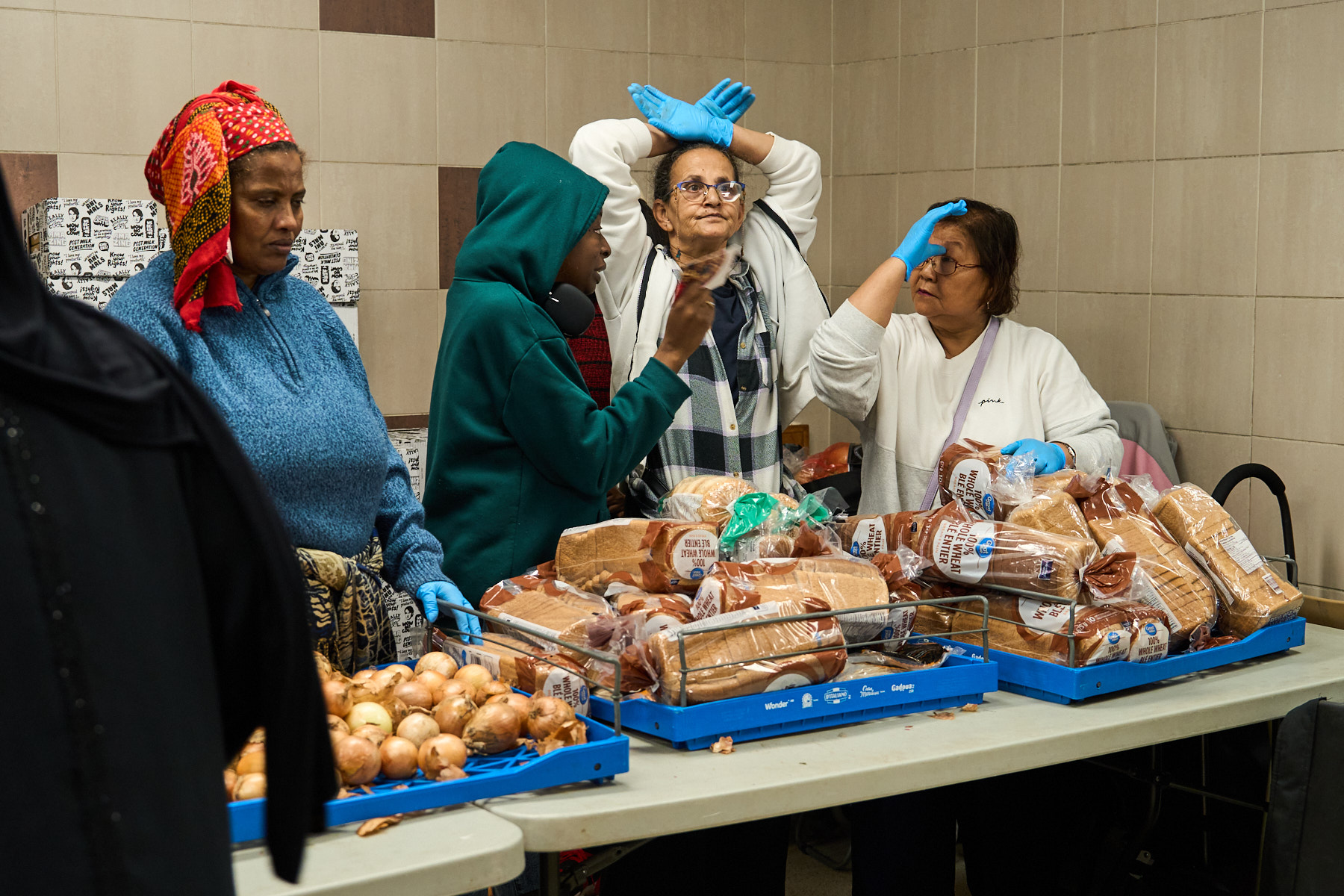
“I started to do social work without [intending to],” Amal tells me. In 2015, she incorporated a non-profit named Auntie Amal Community Centre, inspired by the term of endearment the community has bestowed upon her. That same year, she began operating the food bank out of 200 Wellesley through a mix of personal financing, donations from family and friends, and support from local food banks and community organizations.
Sasha first met Amal when she came to use the food bank herself. She was then invited to one of Amal’s common room gatherings, became friends with the group of volunteers behind the operation, and decided to join to help give back to her community. After years of volunteering, Sasha says, “I feel more connected with my food bank community than my own family.”
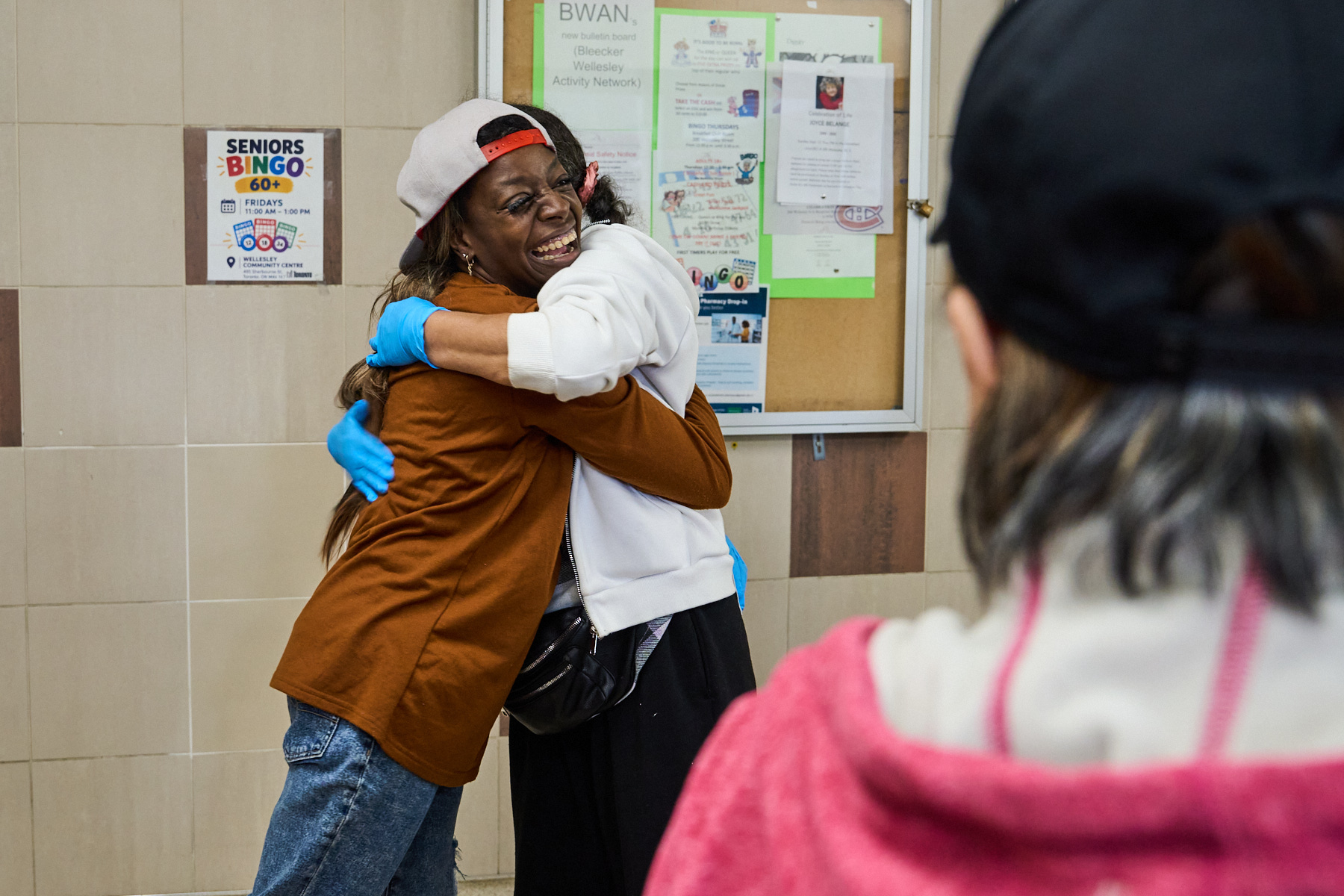
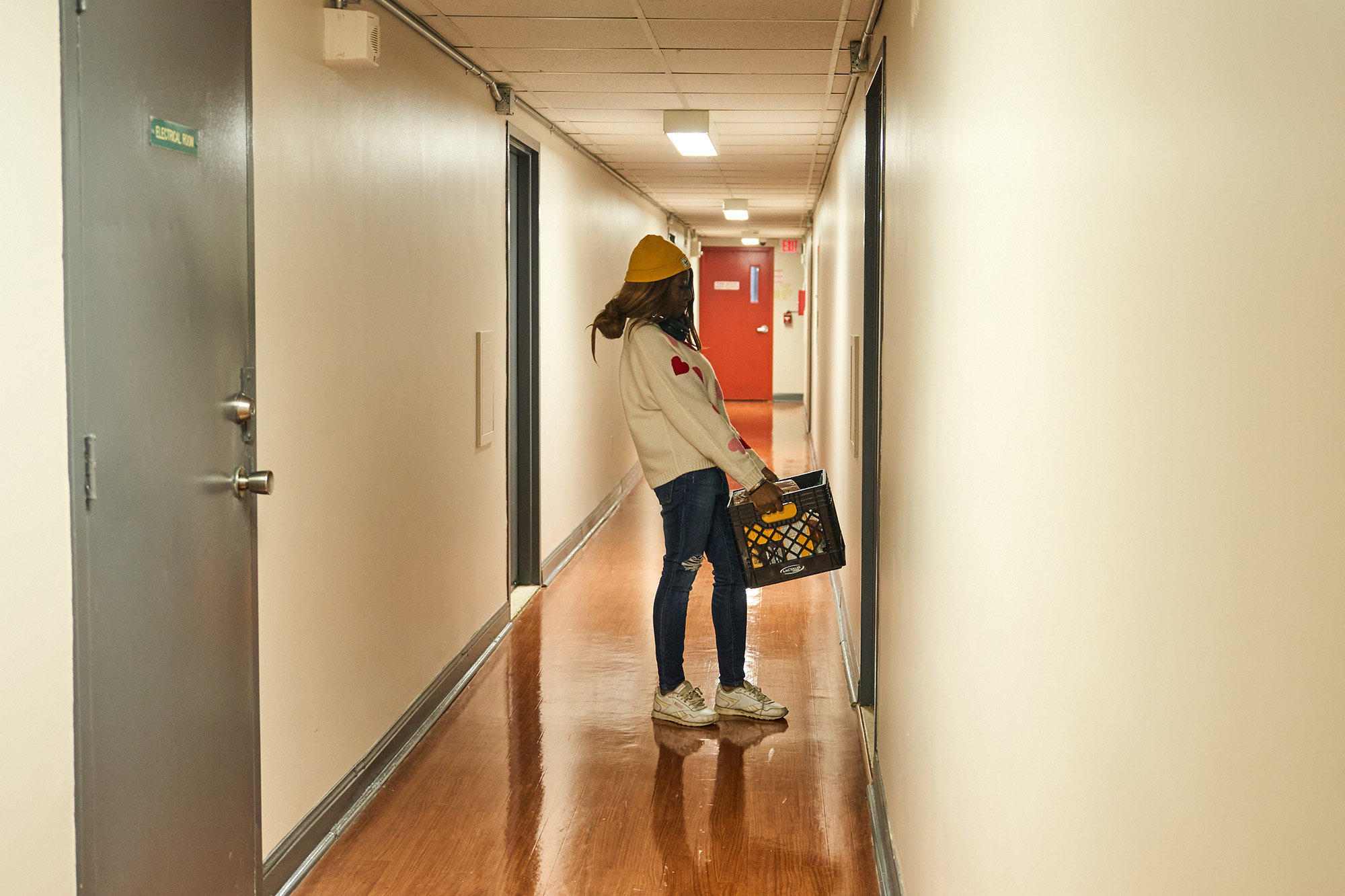
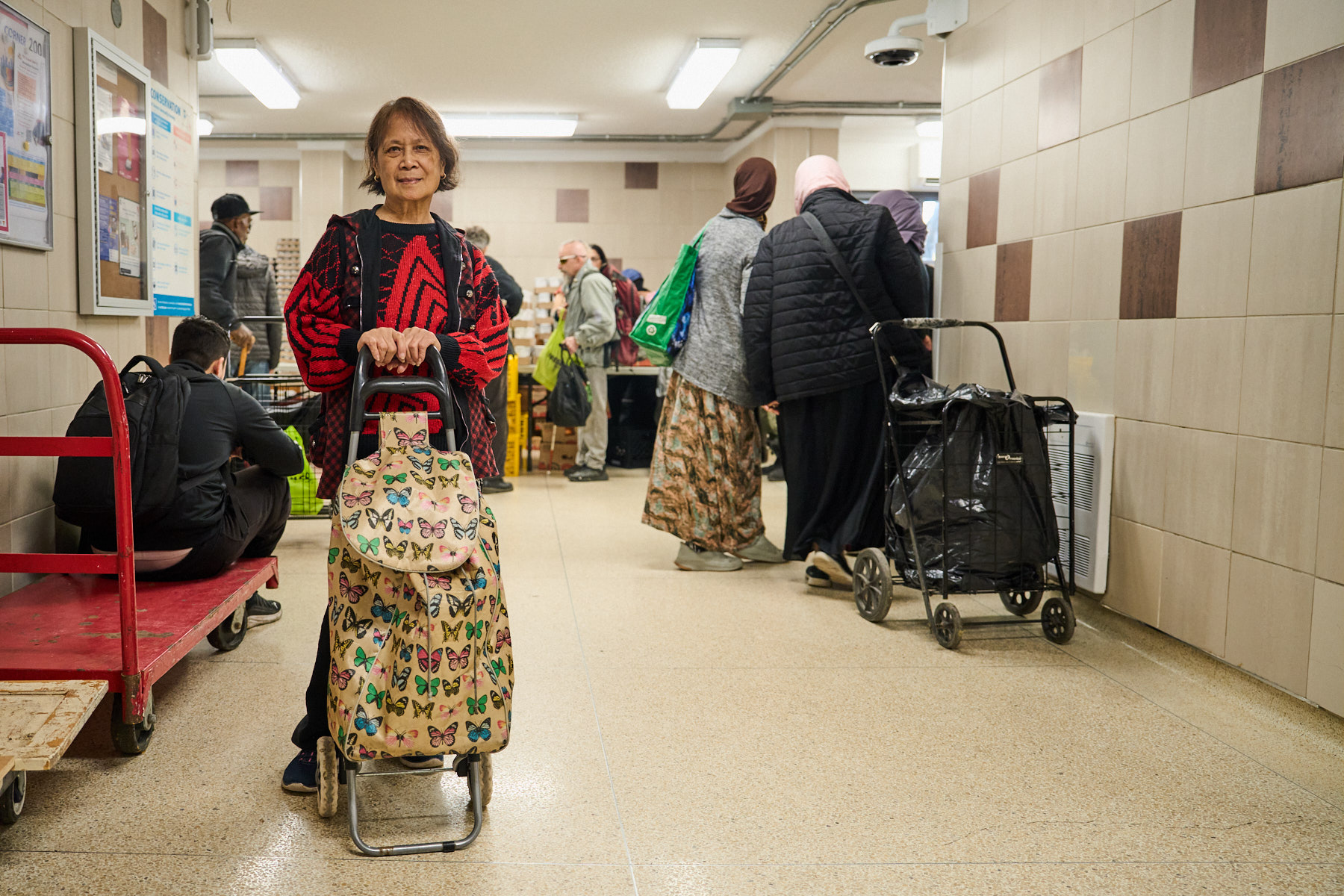
Juanita Barawid is new to the building—and to TCHC. After retiring, the 81-year-old could no longer afford her one-bedroom in Don Mills. She needed an affordable housing option, and particularly liked 200 Wellesley for the large Filipino community in the building: “I feel at home,” she says.
Juanita is quickly becoming a regular at the food bank. “Right now groceries are—they’re too expensive,” she says. “So it’s really a great help, you know?”
Affordability, both in terms of housing and groceries, was a key issue in this recent municipal election. When I spoke to Sasha and Amal before the election, they told me they weren’t planning to vote, having lost faith in politicians.
“I think people in TCHC are just being mistreated, and I don’t think voting is gonna fix that,” Sasha said. She feels little has changed over the course of her years in TCHC, through multiple mayors and city councillors.
Amal agrees. “I will be honest, a lot of people are not satisfied about TCHC and the city,” she said.
Tenants complain about a lack of responsiveness and care from TCHC staff concerning on-demand unit repairs. Once, accidental water damage created a hole in Sasha’s living room floor—she says it was only after she ceased rent payments for five months that any action was taken toward fixing it.


A large part of the mayor’s second-term platform is centred on building new affordable housing, including 15,000 city-supported units currently under construction, and 10,000 more lined up to start next year. While this investment will help provide Torontonians with new homes, it doesn’t help those living in existing social housing stock as their units fall into further disrepair. And tenants are tired of waiting for their buildings—and their lives— to get better.
They’ve already been waiting six years for 200 Wellesley’s proposed food hub; all the while, people are still hungry in St. James Town. In the absence of anyone else implementing the kind of change tenants need, Amal, Sasha, and the other volunteers will be at 200 Wellesley every Monday and Wednesday morning, doing what they can to help their community.
More from this issue

Patrick Brown Is Re-Elected as Mayor of Brampton
With an easy 35 percent lead over the runner up, Brown has secured a third term in office. Incumbents won the night on Brampton council, but the trustee races held some surprises.

Alvin Tedjo Is Elected as Mayor of Mississauga
The 43-year-old former Ward 2 councillor prevailed against Carolyn Parrish and Bonnie Crombie, an incumbent mayor and a former mayor.
Live Results: Mississauga Municipal Election 2026
Real-time results from election night, starting at 8 p.m. on October 26, 2026.

Olivia Chow Is Re-Elected as Toronto Mayor
In a decisive victory, Chow defeated rival Brad Bradford to win a second term as mayor.
Live Results: Toronto Municipal Election 2026
Real-time results from election night, starting at 8 p.m. on October 26, 2026.
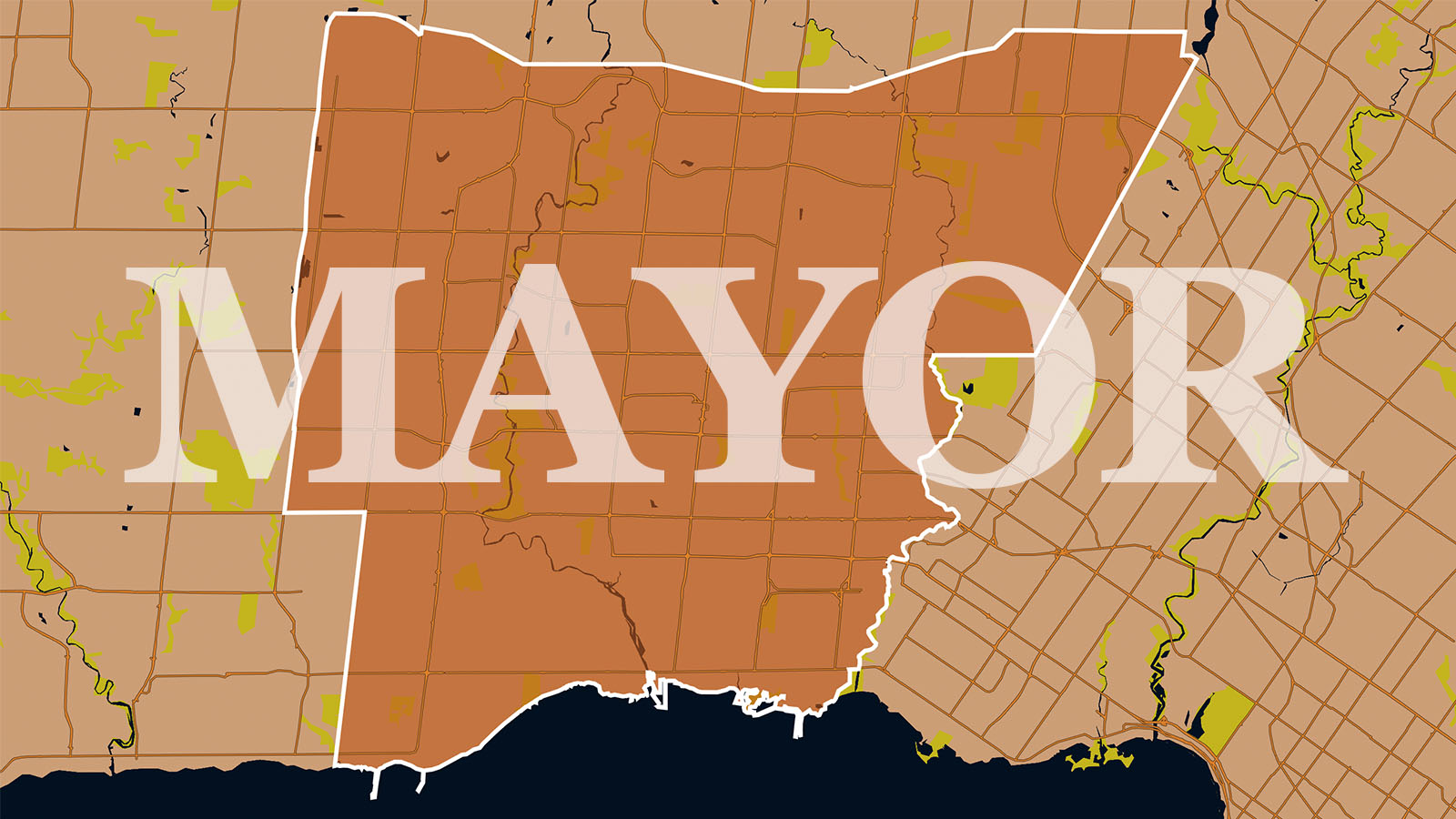
Mississauga Mayoral 2026 Candidates
Fact-checked biographies and platform summaries for all the candidates for mayor of Mississauga.
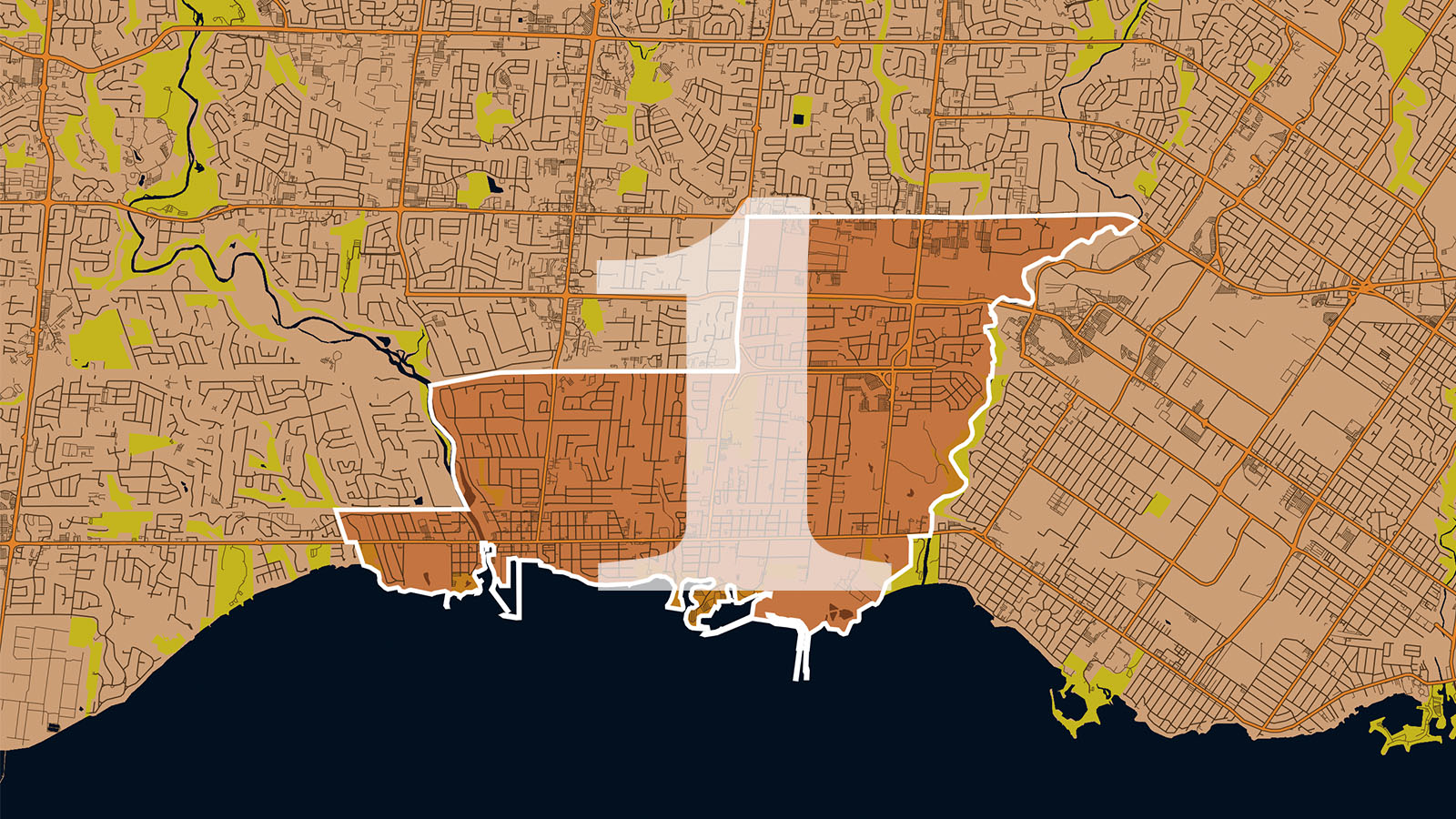
Mississauga Ward 1
Fact-checked biographies and platform summaries for every municipal election candidate in Mississauga Ward 1.
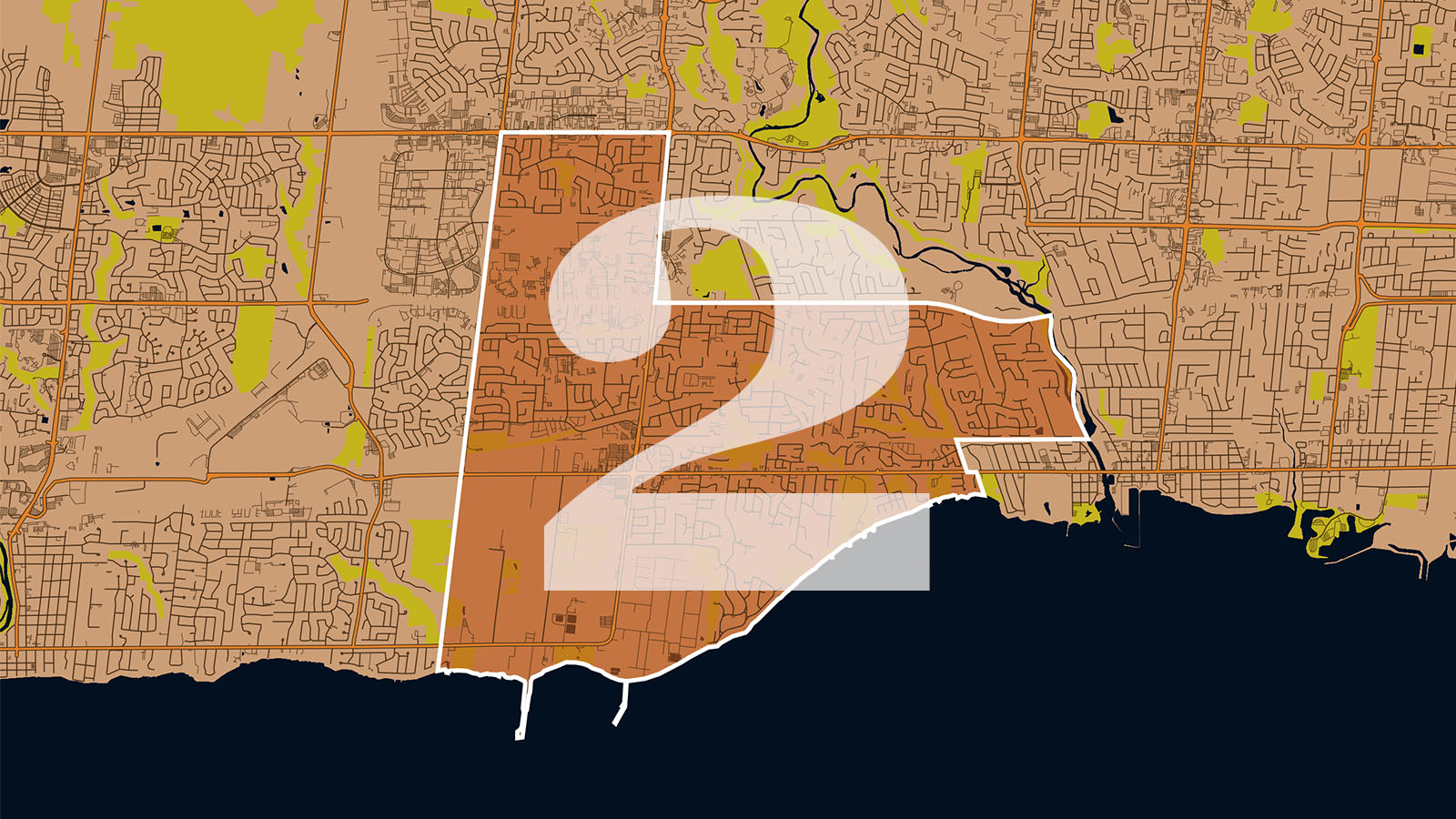
Mississauga Ward 2
Fact-checked biographies and platform summaries for every municipal election candidate in Mississauga Ward 2.
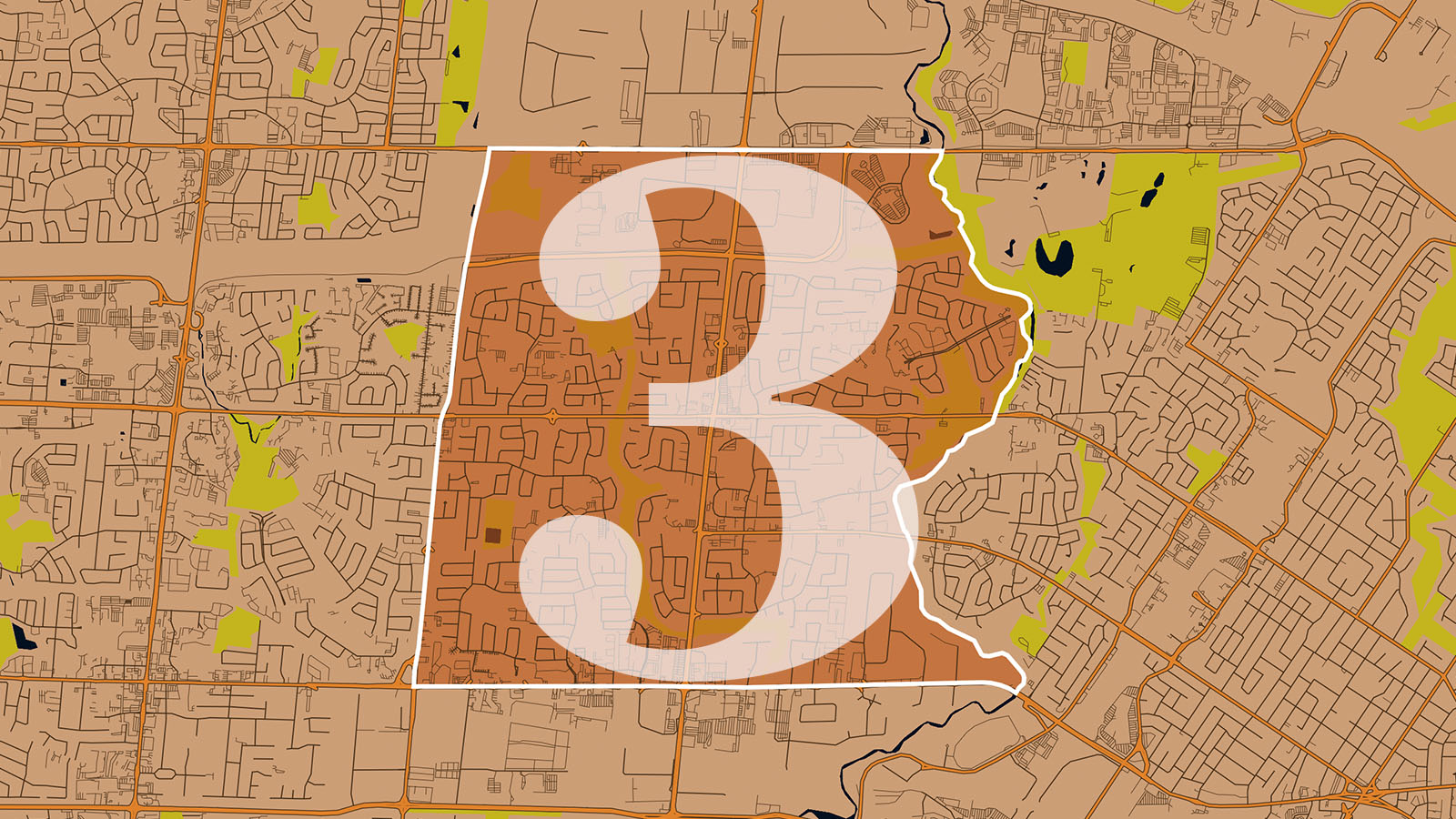
Mississauga Ward 3
Fact-checked biographies and platform summaries for every municipal election candidate in Mississauga Ward 3.
Mississauga Ward 4
Fact-checked biographies and platform summaries for every municipal election candidate in Mississauga Ward 4.