


When you research every candidate running for office in Toronto, Mississauga, and Brampton, after a while, they can start to all blend together in your head. It’s not just that there are more than 600 candidates across the three cities. It’s that many of their campaigns do, in fact, look identical.
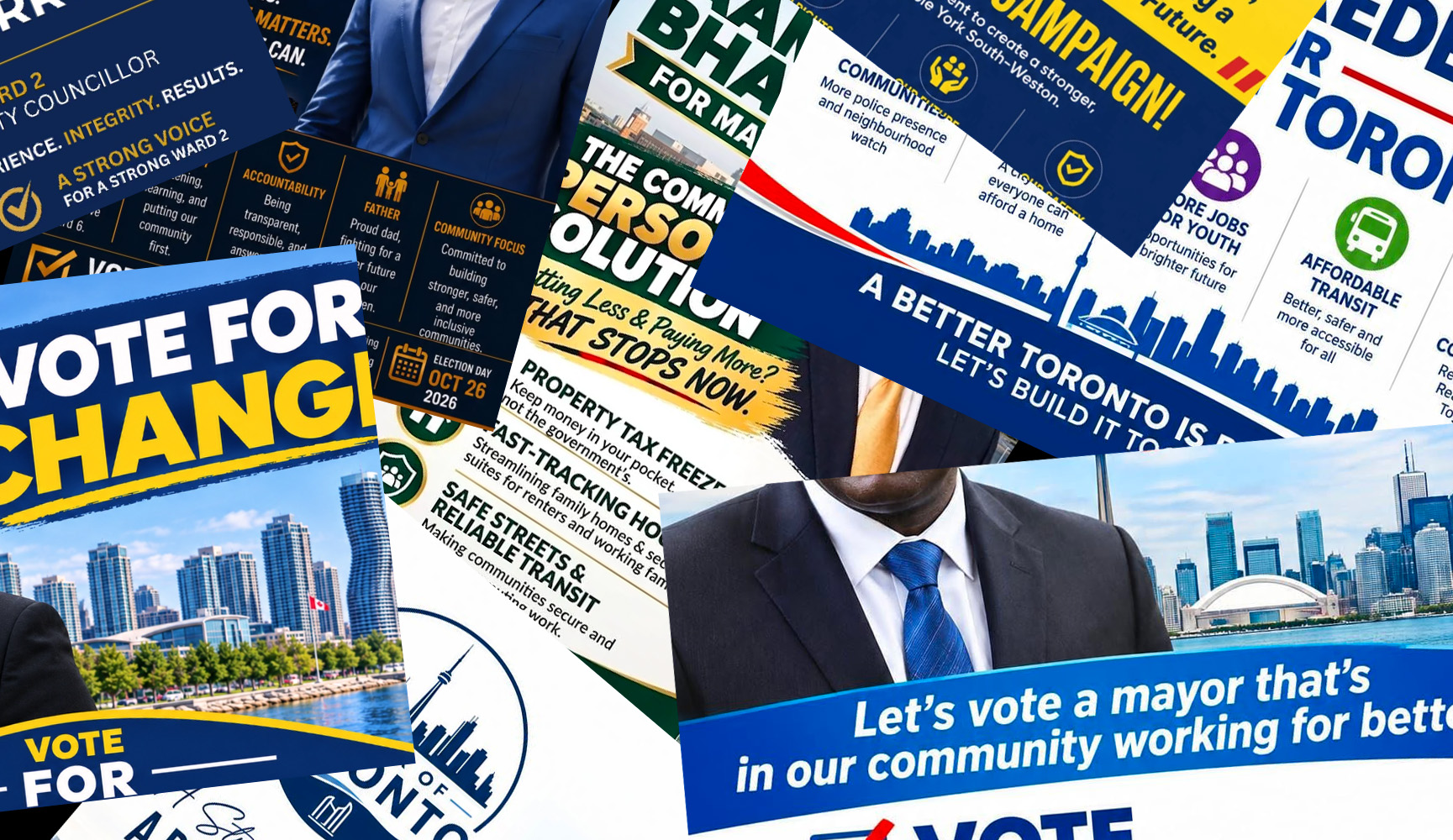
In their flyers, their headshots are in the same place. The fonts and colours match, right down to the slight tilt of the text on the page. In the background, a fuzzy, not-quite-illustrated image of a nondescript suburban park in bloom, or of Toronto’s waterfront skyline. The same five vague talking points. If you’ve checked the social media pages of even a handful of candidates running for mayor or to be your councillor, you’ve probably seen a version of this poster. A person didn’t design this, not in any meaningful way—generative AI did.
For the past two months, I’ve had the responsibility of overseeing The Local’s election service journalism tool, Candidate Tracker, for three of the biggest cities in Ontario. That has meant either personally looking at or editing someone else’s reporting on every single candidate running for mayor, councillor, or school trustee. I’ve done this twice before for Toronto, during the 2022 general election and 2023 mayoral by-election, and each time, it’s allowed me a bird’s-eye view of the election. And this time, it looks a lot different than it has before.
The 2026 municipal election is the city’s first AI election: the first campaign period during which generative AI is available for mass uptake and delivers results that can land somewhere on the spectrum from passable to good. The natural fear, in this technological paradigm, is of misinformation. And while that concern is more than fair, what I’ve observed instead is a more oblique threat: noise.
It is extraordinarily easy to run for a municipal election in Toronto. Just 25 people need to endorse your nomination, a number set by the province’s Municipal Elections Act and applicable anywhere from Toronto to Latchford, Ontario’s smallest town. As a result, every time there’s an election in this city, I’ve noticed perennial candidates who sign up and shell out the $100 it takes to run, only to not meaningfully campaign at all. No websites, no social media presence, no endorsements.
I always figured these folks just get a thrill out of seeing their name on the ballot on election day. But this year, we’re seeing a lot fewer nonexistent campaigns and a lot more hyper-generic, AI-generated ones instead. It’s turned deciding who to vote for into picking a radio signal out of static—and voters today will have to work harder to tell the serious candidates from the others.
Once we first spotted the AI, it was impossible not to notice more and more. One candidate published a generated video of himself next to likenesses of mayoral incumbent Olivia Chow, and frontrunners Brad Bradford and Chris Alexander (this was early in the race) competing for the job of mayor on a gameshow. Others ran their headshots through ChatGPT, apparent to us because it was in the very file names on their websites. Candidates have sent me lengthy platforms copied whole cloth out of their chats with Gemini and ChatGPT. In a move that is baffling but almost endearingly sincere, one candidate with a background in music therapy centred her entire campaign around AI-generated videos of her singing uplifting songs about fixing Toronto (most of the fixes were also generic; not much rhymes with “mixed-use zoning”).
I even found I was able to recreate a version of the AI campaign flyer I’ve been seeing everywhere by asking ChatGPT—reluctantly, I must preface, and for the first time ever—to “generate me a campaign flyer for the 2026 Toronto municipal election,” and then asking for the resulting flyer to be “a little more fun.” Without my prompting, the flyer included perfunctory platform points I recognized from other campaigns: “more affordable housing, better transit, a cleaner, greener city, safer neighbourhoods, a more inclusive Toronto.” Above that, “A city that works for everyone,” underlined. Even the little graphics accompanying each point, meant to look like hand-drawn doodles, were identical to those I’d seen elsewhere.
To a lay person, these goals make sense, and likely reflect at least some, if not all, of their values. And we live at a time when news consumption rates, trust in media, and voter turnout are flagging. Everyone is competing against social media algorithms for attention, and there’s little glamour in drilled-down policy proposals—like installing crosswalks, negotiating waste management contracts, or arguing for a commercial parking levy—on the campaign trail. Amid all this, I’ve been asking myself: will enough voters look past the buzzwords and know to push, to ask candidates, “How would you achieve this?”
There’s an argument to be made that in some sense, AI has democratized the election process by eliminating the need for expensive marketing teams. I spoke to one candidate, Ketan Purohit, who is running for Toronto District School Board (TDSB) in the board’s new Ward 12. His AI use was easy to spot if you know what to look for: in a generated campaign video, he’s walking through a school hallway, but the locker doors in the background phase in and out of existence; in another scene, an incongruously complex mathematical equation on a whiteboard changes with every shot. But to the untrained eye, this might not be as evident as AI—we’ve come a long way from the early videos of a warped, otherworldly Will Smith eating spaghetti.
Purohit tells me he wanted to use the videos to reach the people he was speaking to about the issues that mattered to them the most. “Going door to door campaigning, I came across many common questions,” he says. Seniors would share particular perspectives with him, as would parents and young people. Making AI videos catered to each demographic’s concerns felt like a way to connect with those voter bases.
To Purohit, AI feels like an inevitability, and he argues the TDSB needs to adapt its approach to teaching about it, or risk the “new world” leaving kids behind. “We all know that the new generation has already started using it,” he says. It’s a tool. “The next question is how well we use it.”
One of the things that struck me about Purohit’s videos is that his AI-generated self didn’t have the same accent he has in real life (when I ask him about this, he tells me this wasn’t intentional, but a byproduct of the limitations of Google’s AI, Gemini). I’ve seen similar changes with other candidates too: airbrushed people with fuller heads of hair, their dark circles erased, putting themselves in officious suits and against grand backdrops in an endeavour to make themselves more beautiful, more electable. It’s a reminder that generative AI is a product of the society around it.
Toronto Catholic District School Board trustee Maria Rizzo, who is running for re-election and has been in office since 2003, tells me bluntly that ChatGPT tried to make her appear younger the first time she used it. “I would give [it] a picture of me, and then it would generate me like a supermodel,” she laughs. “And I’d go, ‘No, I’m fatter than that!’”
Another time, she says, she asked ChatGPT to generate a short description of her. It described her as good at listening to people. “Not really,” she tells me. “You know, I’m deaf.”
Rizzo’s Instagram features AI-generated posters and videos of her smiling, laying a hand over her heart, made through ChatGPT and TikTok. She has no graphics or communications team for her re-election campaign, she says. This summer has been her first foray into AI use, and she’s not sure she’ll continue: she feels that there’s room for responsible AI use, but she also noticed mistakes in it when she asked ChatGPT for school addresses and bell times. And of course, she recognizes the danger it poses in an educational setting, for students and for teachers. “There’s no accuracy unless there’s a human factor in it,” she says. (When I ask her how she squares her use with the Pope’s cautious teachings about AI, she first says she’s not too certain. After our call, she texts me to say she asked ChatGPT what the Pope said. It’s quite a moving encyclical, I respond, finding myself quoting the Pope: “Ours is the pressing duty to remain profoundly human.” As it turns out, she agrees with him.)
This election isn’t the first time AI has helped shape municipal politics in Toronto, and it’s certainly not the worst. Last spring, an organization representing critics of the Bathurst Street bus lanes created videos of AI-generated “residents” arguing against the RapidTO transit development. “Anti-woke” advocacy group IntegrityTO and right-wing two-time election candidate Anthony Furey have also used generative AI to fabricate photos of homelessness and drug use in the city. (Furey’s team, memorably, got dinged at the time for letting a generated image of a woman with three arms make it to their platform document.) This May, after the start of the election period, IntegrityTO posted a deepfake video of Toronto mayor Olivia Chow announcing the weekend closure of the Don Valley Parkway for an absurd set of reasons, including sports games and Mothers Day (the DVP was in fact closed for maintenance). Some who posted comments on the video appeared to believe it was real.
Fact-checked biographies of every candidate running in the Toronto municipal election.
No AI, just good journalism.
Read More
This paradigm shift in politics is, of course, happening everywhere. Last year, Canada’s National Observer (CNO) investigated a wave of activism against net-zero climate policies on a municipal level, and found that the group responsible for it relied on AI to systemically share misinformation with thousands of councillors across hundreds of municipalities across the country.
The only thing that comes anywhere close in Toronto’s election is mayoral candidate Brad Bradford’s use of the Victory app, as first reported by the CNO. It’s a campaign tool that prompts supporters to publicly post comments and messages in support of Bradford, some of which can be generated by AI—raising questions about how well supporters’ messages reflected their genuine views, and how much what we see on social media regarding the Bradford campaign was prompted by the candidate’s team itself. (The campaign has varied in its public response to this, saying at some points that the suggested AI posts are reviewed by people, and at other times that no AI is employed at all).
News of the app was troubling to Dan Seljak, a Toronto documentarian and urbanist who has been tracking the use of AI in municipal politics, particularly in the past year. “What you’re doing with something like the Victory app is effectively allowing your voice and likeness to be leased by a candidate for a short period,” he says. “I think that’s kind of frightening.”
In June, he launched a petition asking the City to consider proactive measures to prevent the misuse of AI during campaign season. It didn’t get much traction. But overall, Seljak’s worst fears for the election season never materialized. His main concerns were deep fakes, AI avatars, false likenesses. “Those three things didn’t happen as much,” he says. Even Daniel Tate, who founded the aforementioned IntegrityTO and is now running for city councillor in Ward 13 — Toronto Centre, hasn’t used AI in his public-facing communications much. To Seljak, “that shows a public that has made its opinions about AI known, and people have realized there’s risk in doing it, that it would backfire.”
Right now, social appetite is really the only mitigating factor. Regulation of AI use in elections is sparse, and only exists at a federal level, through the Fair and Free Elections Act 2026, which mandates that AI content be disclosed and bans misleading content about elections or eligibility. There’s been no movement at a provincial or municipal level.
“One of the problems with studying technology, or planning for technological change, is that the technology changes while you’re implementing those planning strategies,” says Michelle Bartleman, PhD candidate at the University of Ottawa and co-author of The Political Uses of AI in Canada, a report that in part tracked the early adoption of AI during election times.
As it is, beyond misinformation, there’s no way to legislate around this more complicated question of parsing the serious candidates from the noise. Nor can there be, necessarily, in the interest of a robust democracy. This new era of elections will instead require a more discerning voter base, one that is willing to dig deeper to get at the issues that matter to them. Bartleman suggests that public response to a landscape of AI-generated election materials may be to instead seek out the grassroots; voters may spend time talking to candidates at the door, and rely more on what they’ve tangibly experienced than just what they read online. Whichever direction we go, as an electorate, this election feels less like the natural conclusion of what AI can do and more like the start of a long path.
More stories about Toronto Votes 2026
The Young Progressives Hoping to Unseat Vincent Crisanti in Etobicoke North
Policy analyst Chloe Brown made a name for herself challenging some of the biggest names in the city during her 2022 and 2023 mayoral runs. Now, she faces a different challenge—convincing residents of the neighbourhood she grew up in to send her to city hall.
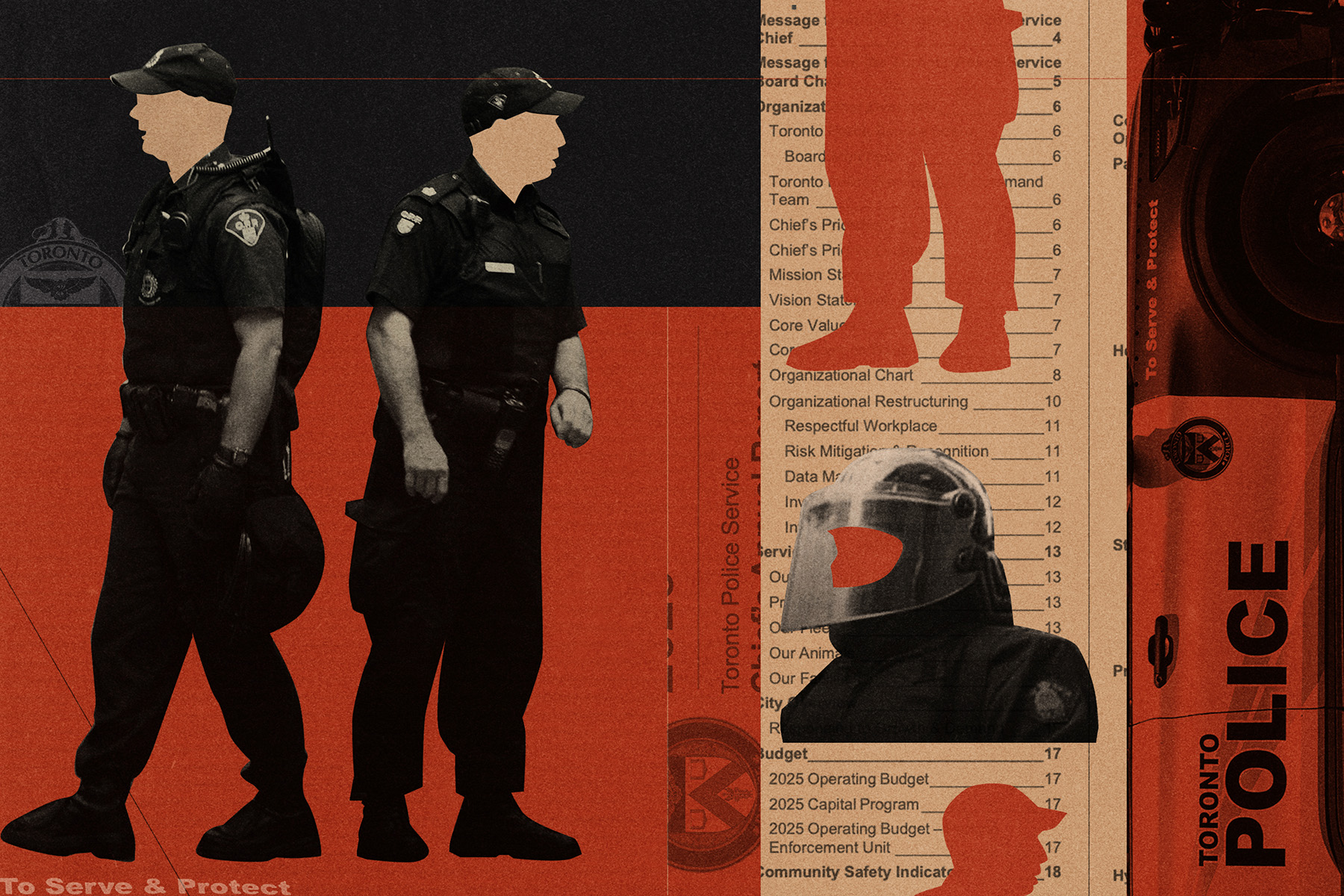
The Biggest Winner of This Election: The Toronto Police
Despite being rocked by one of the biggest scandals in its history, the city’s police force is getting nothing but support from major candidates in the municipal election.
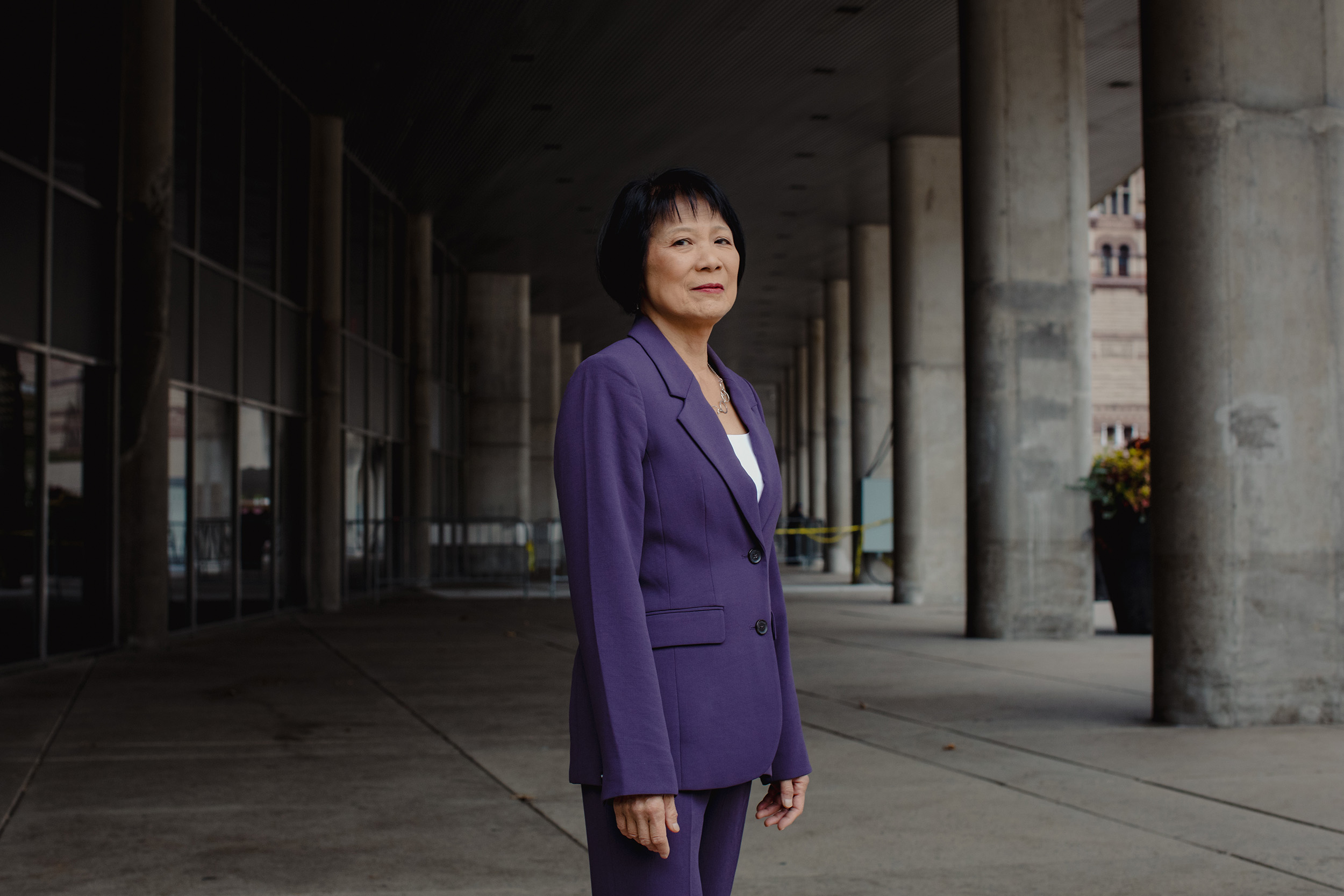
Has Olivia Chow Been an Effective Mayor?
I followed Olivia Chow over a summer of announcements and events to try to understand how she's fared as a leader. I came back with a more fundamental question about what it means to be mayor of Toronto when real power lies elsewhere.
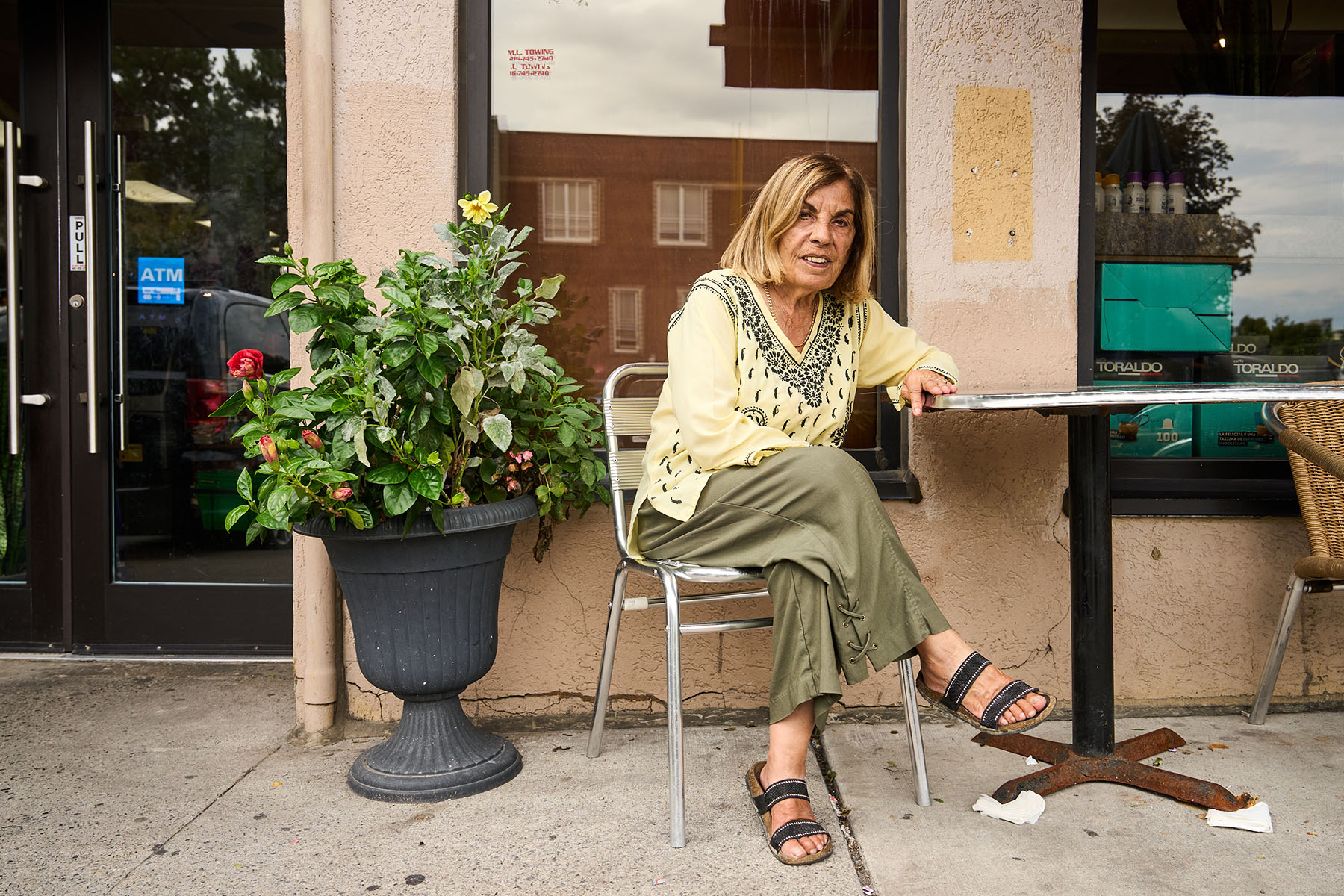
In York South-Weston, Old Opponents Face Off for a Third Time
Frances Nunziata, Toronto’s longest serving city councillor, is ready for another term in office. Do her constituents feel the same?
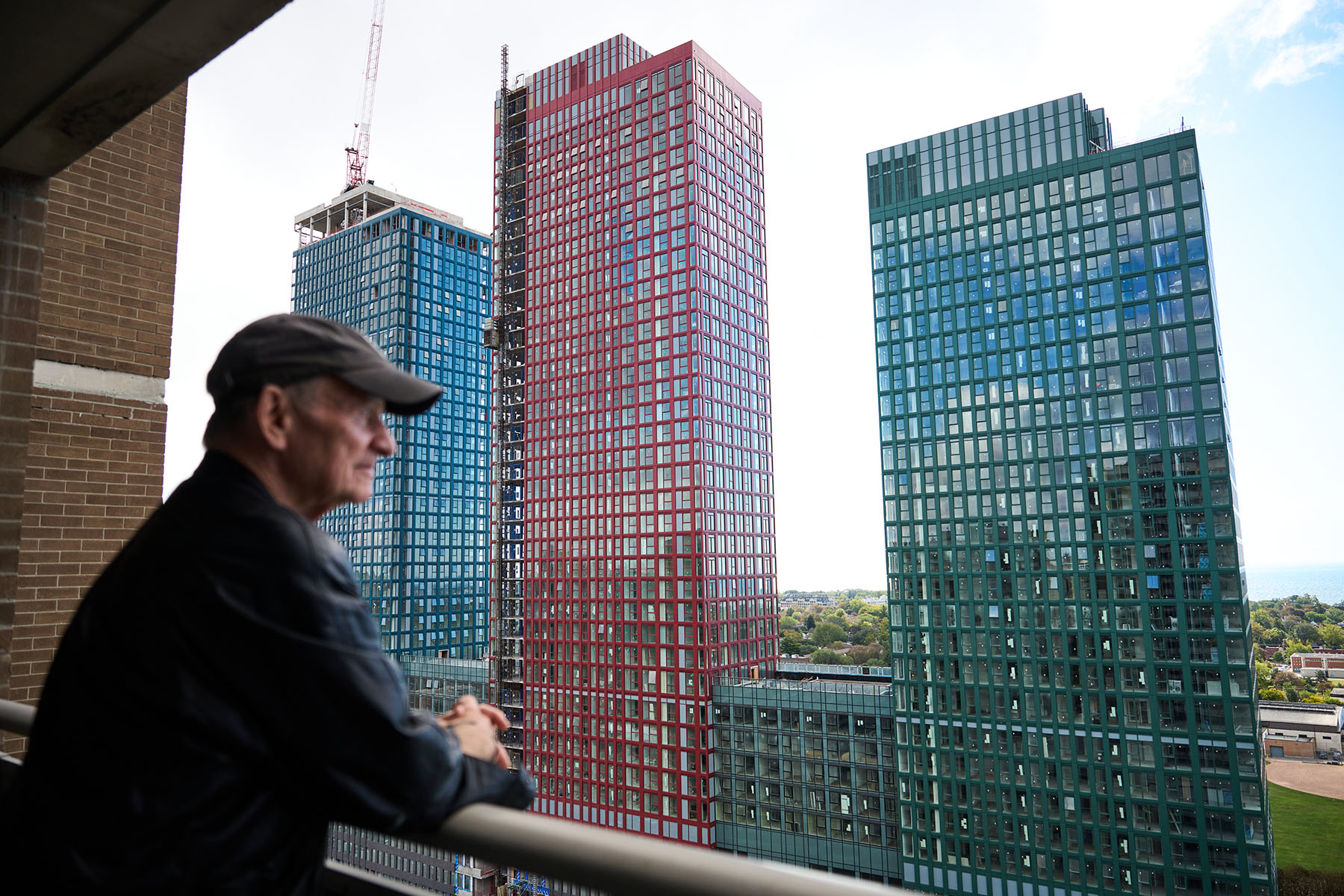
North of the Tracks: The Election From Main and Danforth
With thousands of new units coming, Danforth Village in the corner of Beaches-East York is a microcosm of a changing city. In today’s sprawling wards, can voters make their local issues heard?
Dianne Saxe Needs to Convince Danforth Voters She’s No Outsider
A walk through Toronto-Danforth with the former environmental lawyer, who jumped into the ward race just minutes before registration closed.
More from this issue
The Two Patrick Browns
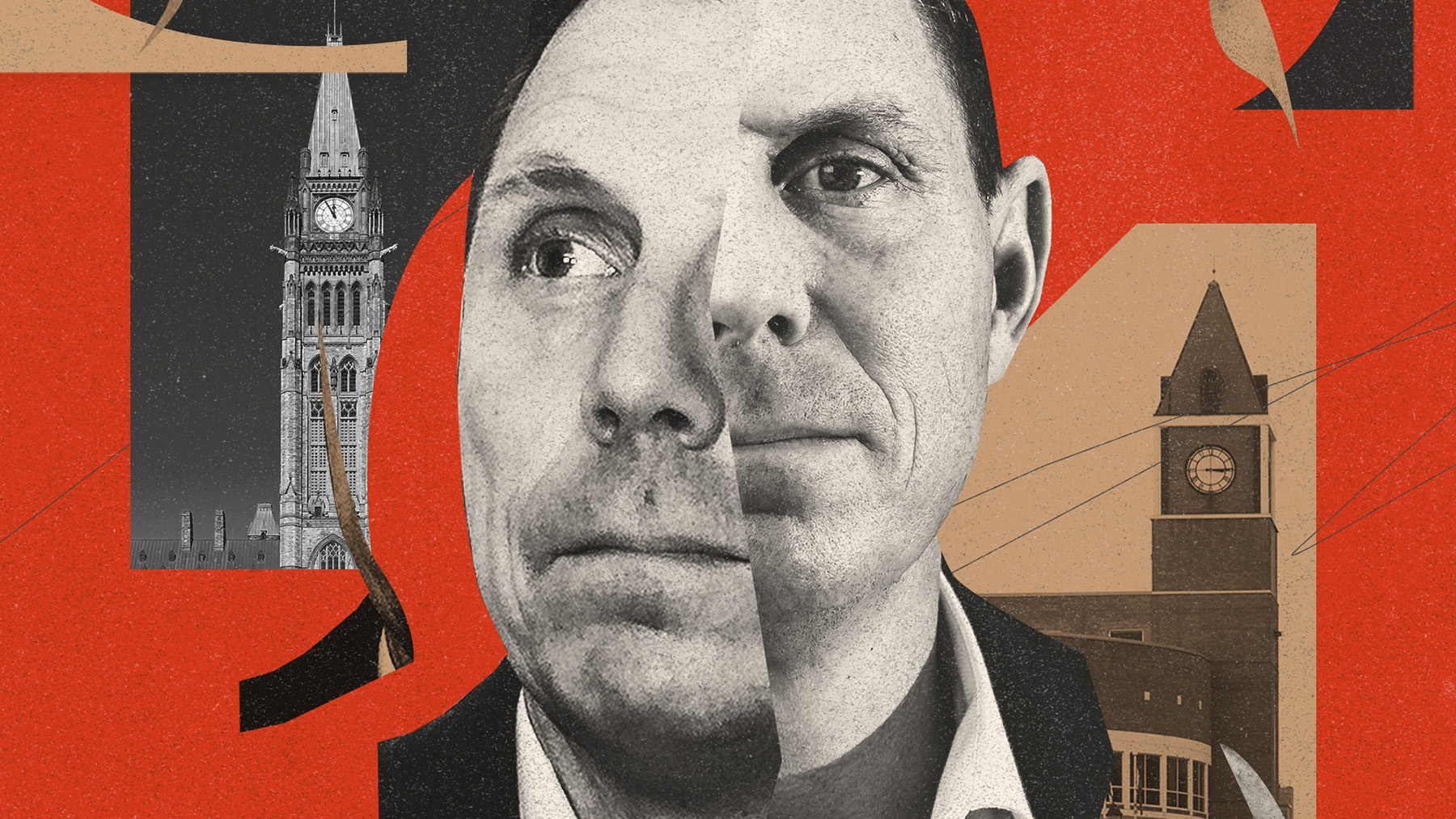
Eight years into a scandal-filled tenure as Brampton’s mayor, one version of Patrick Brown is a tireless public servant who transformed a dysfunctional city hall. The other is something else entirely.
In Brampton’s Northeast, Old Allegations Loom Over the Race for Regional Councillor
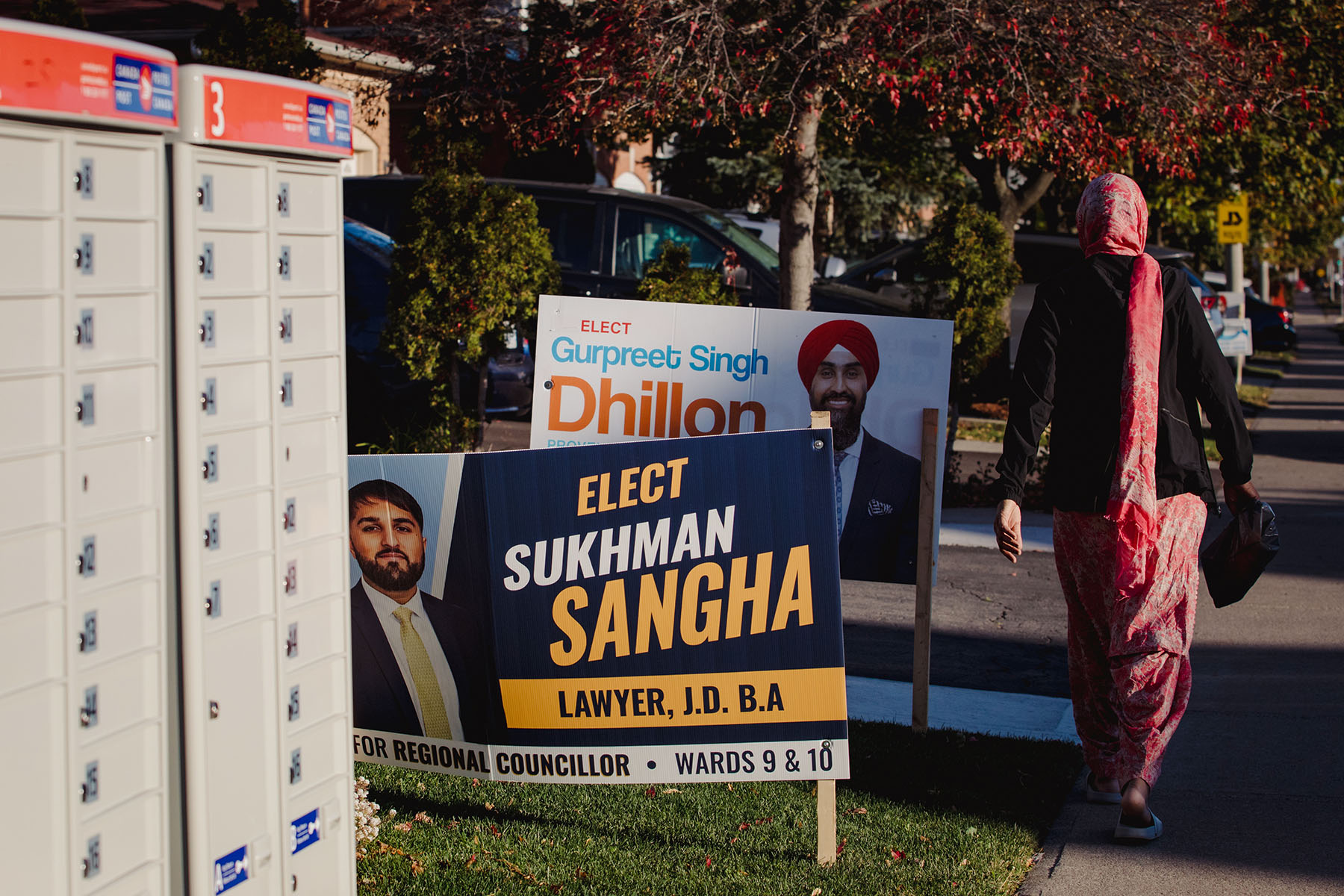
The race for regional councillor in Wards 9 and 10 is one of the most crowded in the city. One frontrunner is campaigning in spite of a lingering controversy at city council.
The Young Progressives Hoping to Unseat Vincent Crisanti in Etobicoke North
Policy analyst Chloe Brown made a name for herself challenging some of the biggest names in the city during her 2022 and 2023 mayoral runs. Now, she faces a different challenge—convincing residents of the neighbourhood she grew up in to send her to city hall.
The Biggest Winner of This Election: The Toronto Police
Despite being rocked by one of the biggest scandals in its history, the city’s police force is getting nothing but support from major candidates in the municipal election.
Has Olivia Chow Been an Effective Mayor?
I followed Olivia Chow over a summer of announcements and events to try to understand how she's fared as a leader. I came back with a more fundamental question about what it means to be mayor of Toronto when real power lies elsewhere.
In York South-Weston, Old Opponents Face Off for a Third Time
Frances Nunziata, Toronto’s longest serving city councillor, is ready for another term in office. Do her constituents feel the same?
North of the Tracks: The Election From Main and Danforth
With thousands of new units coming, Danforth Village in the corner of Beaches-East York is a microcosm of a changing city. In today’s sprawling wards, can voters make their local issues heard?
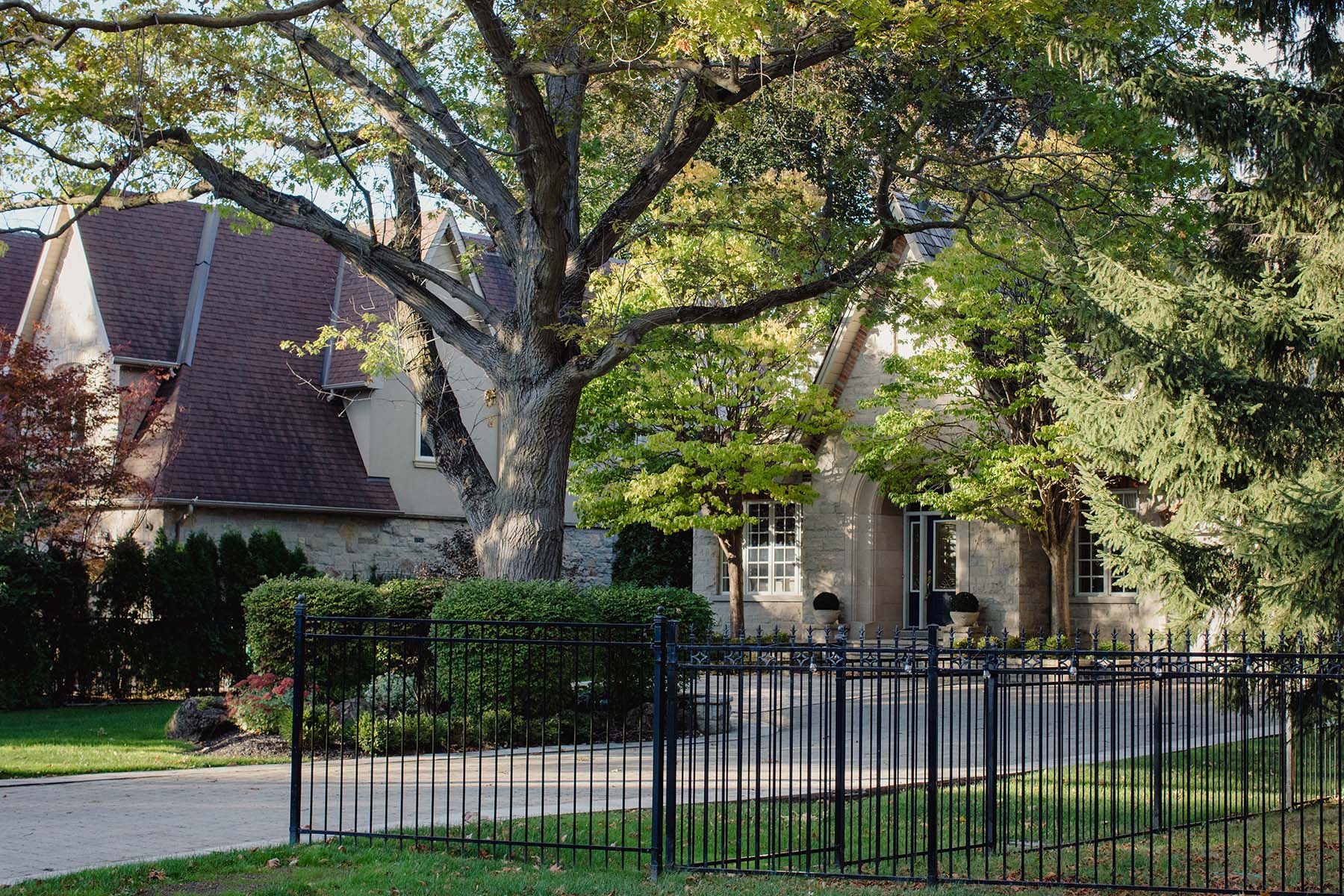
In Mississauga’s Ward 2, Candidates Spar Over Crime, Housing, and Property Taxes
With popular incumbent Alvin Tedjo stepping aside for a mayoral run, 14 candidates present their vision for one of the busiest, and wealthiest, wards in the city. Photos by Chloë Ellingson / The Local
Dianne Saxe Needs to Convince Danforth Voters She’s No Outsider
A walk through Toronto-Danforth with the former environmental lawyer, who jumped into the ward race just minutes before registration closed.
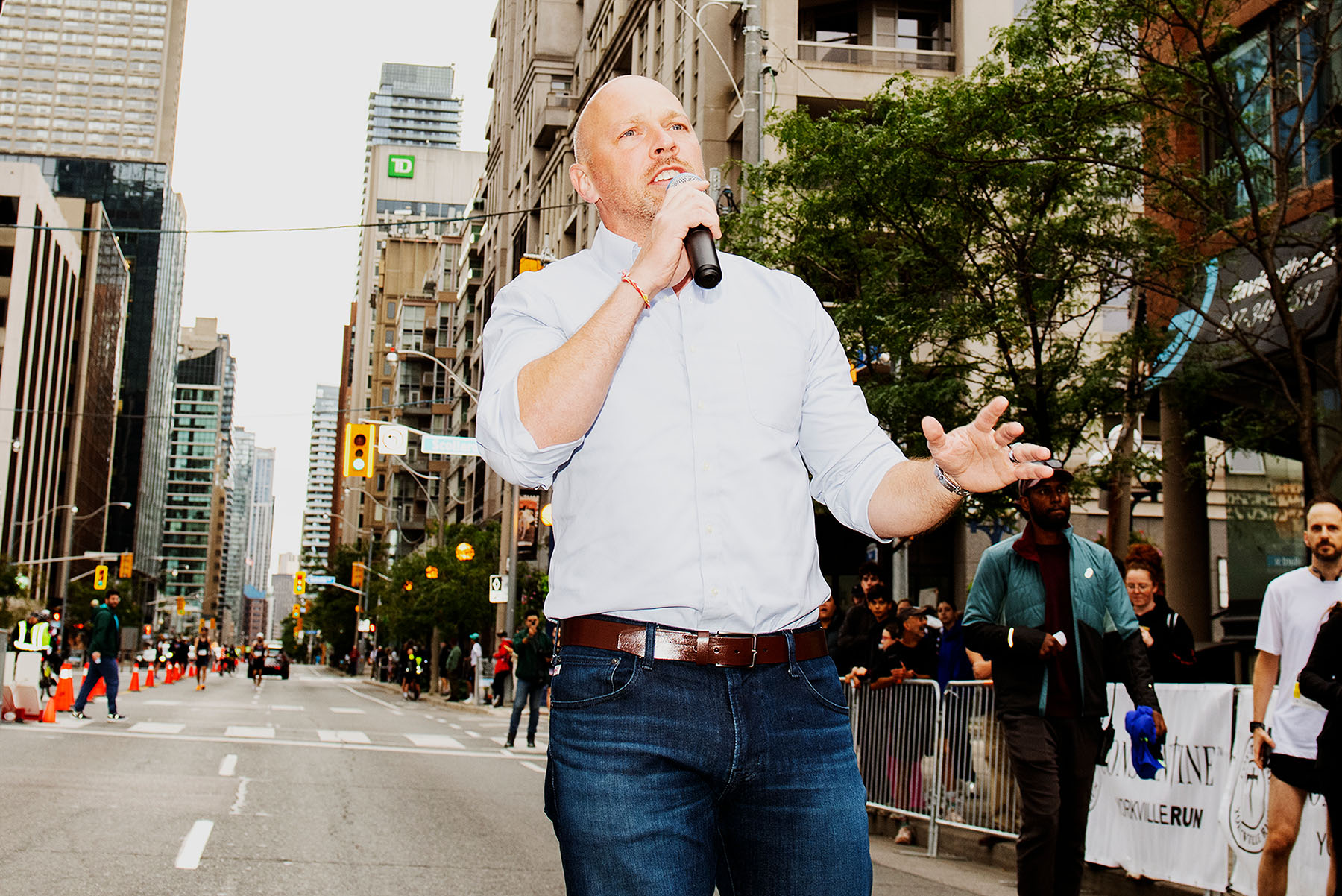
Brad Bradford Seems Angry—He’s Betting Torontonians Are Too
Former staffers say he drove them to tears. Colleagues say he’s a bully. The Bradford campaign says his passion is just what this city needs.