


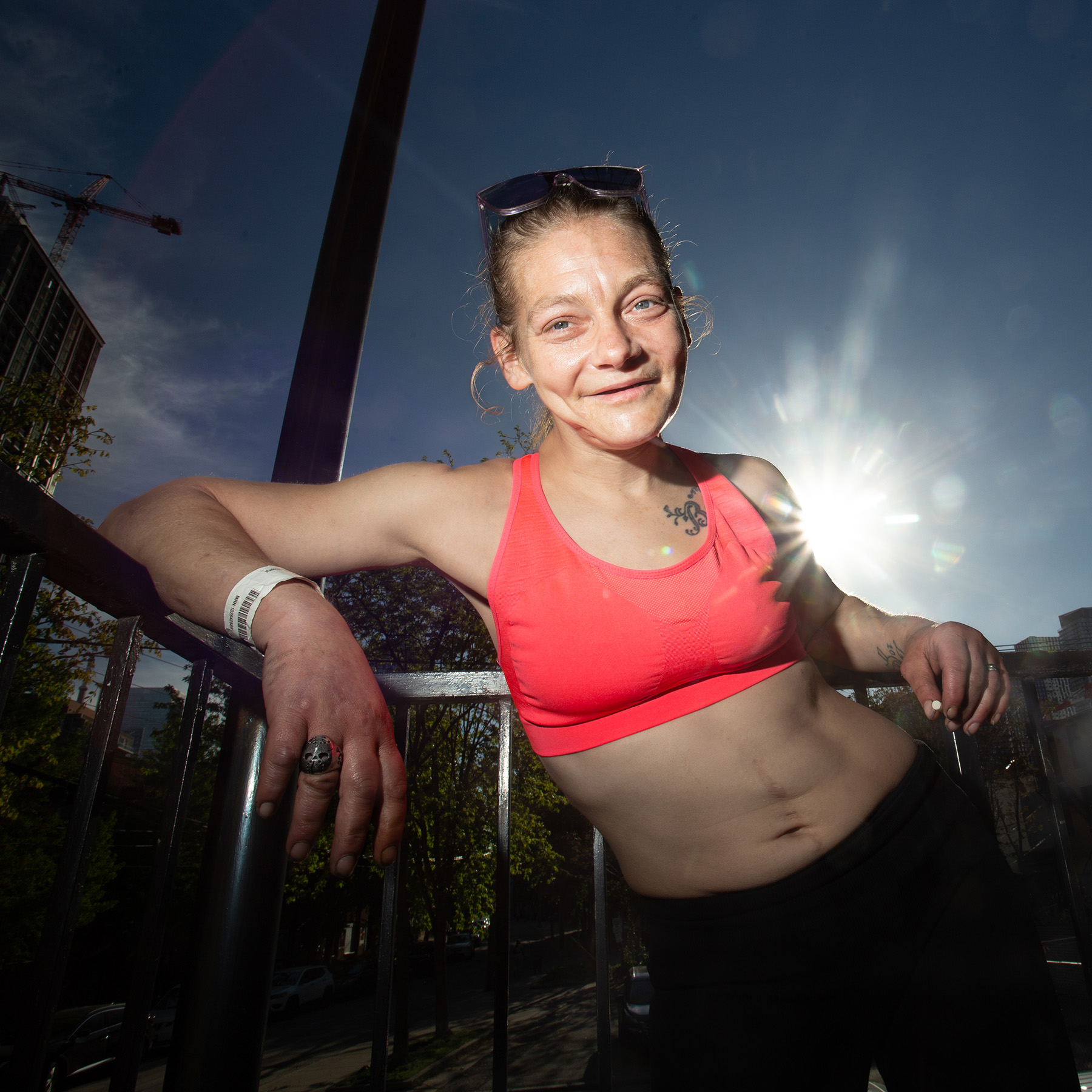
He’s just gonna burn one, then he’ll come talk to me. This is always how it is with Nick. I sit at the site for hours, having told him I’ll be there every Thursday and Friday night in March and April. Then, when I finally start packing up to leave, Nick bursts through the front door. He doesn’t sit down or stop to talk, but he makes one sly comment on his way through, like, “You look like you’re in need of an intelligent conversation,” and strolls through to the back door. He’s just gonna burn one, or do a quick shot, then he’ll come talk to me.
It never takes less than two hours.
“Somehow,” Nick tells me in a text message, “time seems to slow down” in that room.
Nick is 36, Ojibwe, and wears his long, black hair pulled back under a backwards snapback. The room in question is the injection room or I.R., the place with oxygen tanks where staff reverse overdoses at Moss Park Consumption and Treatment Service. That room is where thousands of people have injected fentanyl, meth, and crack-cocaine (but mostly fentanyl) since the site opened its indoor location in 2018.
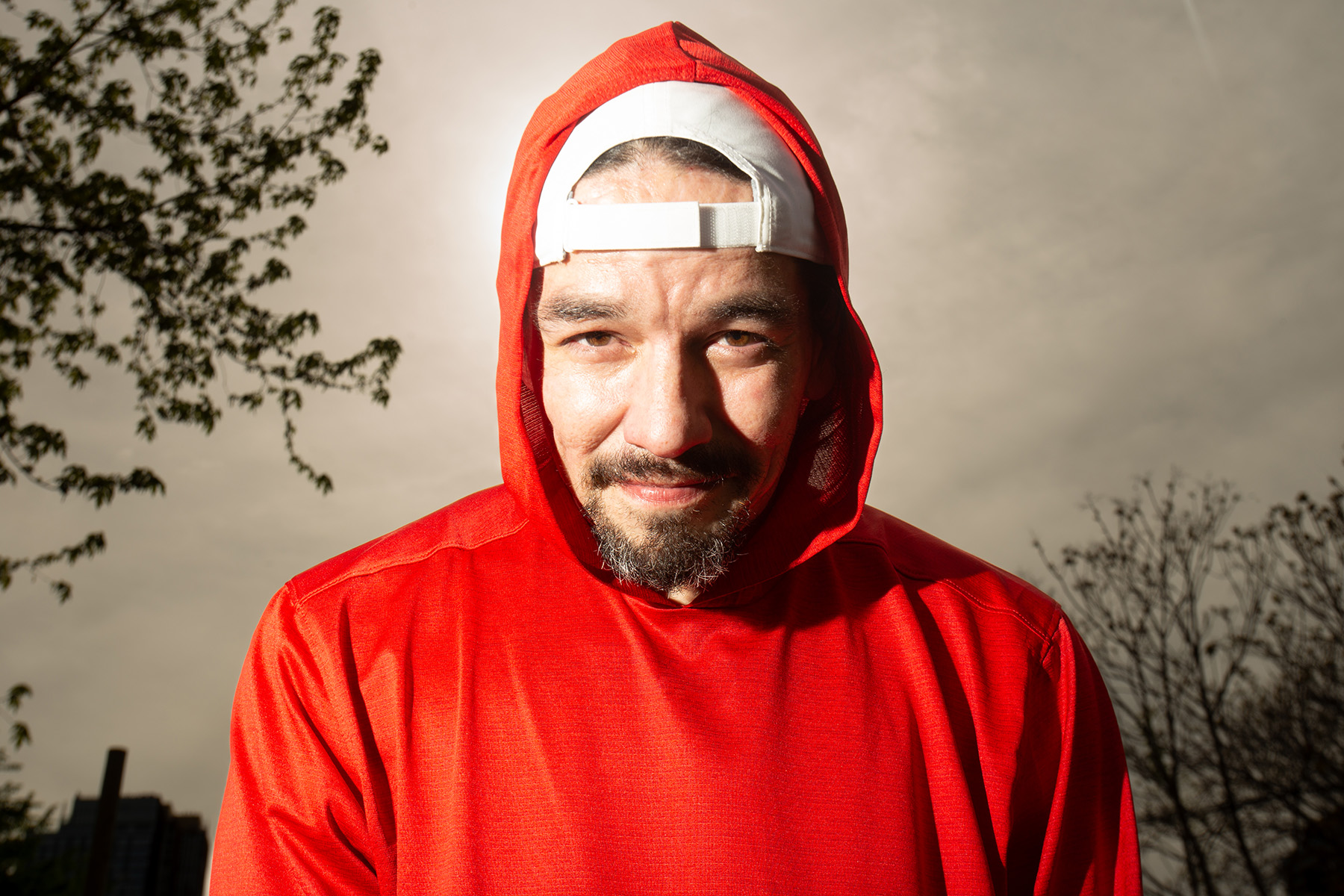
Outside, in the neighbourhood, many of the same people smoke the same drugs out of glass pipes and off little squares of tin foil. On the site’s back patio, the community gathers to smoke cigarettes and hang out. At nighttime, one bright fluorescent light illuminates the narrow patio, which is filled with graffiti: “Moss Park is FAMILY! Saving & Changing Lives on the DAILY! Thank You!”
The site is scheduled to close on June 13, having been defunded by Premier Doug Ford’s government. Ford has been opposed to the sites since his very first campaign for premier in 2018, when he told reporters he was “dead against” them. Now, he’s pulling funding for all seven publicly funded sites in Ontario, including Moss Park. Three sites with private funding will remain open. But it’s the end of a nine-year era of broad access to safe consumption in Toronto, an era that began when harm reduction activists pitched a tent in Moss Park in 2017 and started reversing overdoses on their own.
Since then, a lot has changed. Moss Park the park has been closed off for construction of a new subway station. Moss Park the neighbourhood has become a hot-spot for new condo developments. And the public health catastrophe that sparked the creation of the site, when fentanyl took over the heroin supply, has been eclipsed by a series of newer catastrophes—COVID-19, surging homelessness, and a drug supply that becomes more dangerous by the month. In May, Toronto’s Drug Checking Service found that 80 percent of drugs expected to be fentanyl contained the animal tranquilizer medetomidine, which is associated with intensive care unit (ICU) admissions upon withdrawal.
Moss Park’s staff is still “exploring options to keep services in the neighbourhood,” says Sarah Greig, manager of the site and director of substance use and mental health at the site’s parent organization South Riverdale Community Health Centre.
The defunding announcement, she says, came as a shock. “It’s been an uncertain environment in the sector, but the speed at which it came, that part was a surprise.”
The government gave Greig and her team three months’ notice and less than one month to submit a “wind-down plan” for their hundreds of monthly clients.
It’s a short timeline for people addicted to a drug that makes you lethargic and slows down time. At Moss Park, a friend can go out with your house keys to grab coffee and come back three days later.
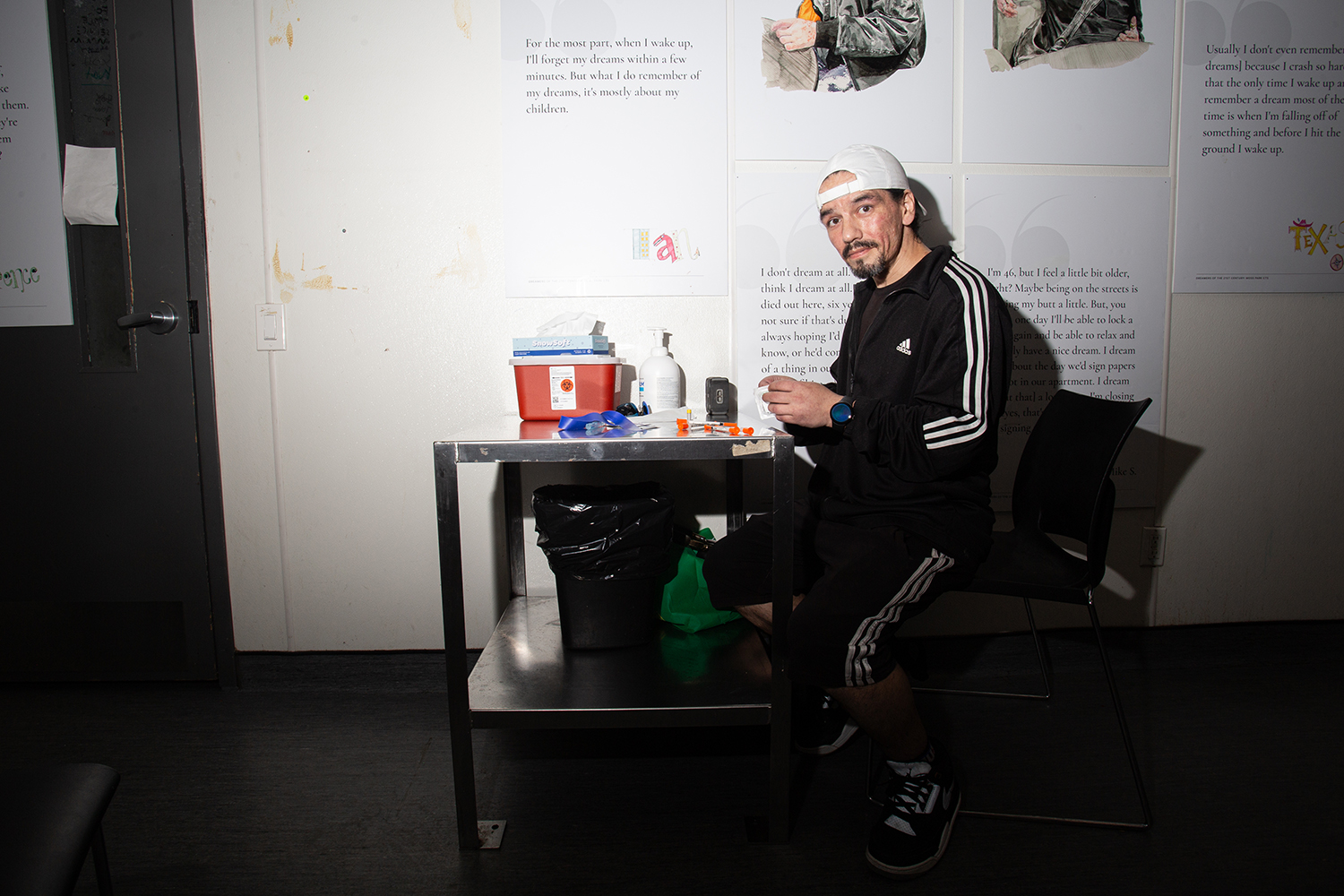
The day the defunding was announced in March was Friday the 13th. Paulie, a regular, said he had a feeling something bad was going to happen that day, but he thought that bad thing would be him getting picked up by cops.
Shannon Wiens, the chief executive officer of South Riverdale Community Health Centre, came to break the news. Staff gathered their clients around the big table, which is normally used for eating, art work, and taking naps, and Wiens told them what had happened.
Vinny, a longtime opioid user and landlord, was spitting mad. “It’s a disregard for statistics. It’s a disregard for human life,” he said.
Moss Park’s staff say they’ve reversed more than 4,000 overdoses, including 63 this past March. In total, since Health Canada began recording data in 2016, opioids have killed at least 55,032 people in Canada. The country’s safe consumption sites have reversed more overdoses than that, 68,580 and counting, all of which could have been fatal in another setting.
“The message is, ‘You don’t vote for me, so why do I care what happens to you?’” Vinny said.
Shane went to the dollar store so he could cheer everybody up. He came back with two cases of pop, three bags of chips, and a deck of cards. “What’s 23 bucks?” he said. “I could spend it on dope or I could spend it on people.”
Many others grasped for a solution. Maybe the site could get alternative funding. Maybe it could stay open as a drop-in centre. Or we could start a petition, they said, and get the decision reversed.
But the decision is part of a backlash to harm reduction policies that is sweeping the entire country. A week after the Ford government’s announcement, the government of Alberta, too, said it would close sites in Lethbridge and Calgary at the end of June. In Saskatoon, a safe consumption site closed in April. Less than one month later, firefighters there said the number of overdoses they responded to per month had surged from 165 to 680. “It’s clear that the service that was lost is still needed by the community,” one firefighter told CBC News.
What will happen when Moss Park closes is not a mystery to people familiar with its services and the neighbourhood. Sarah Greig doesn’t really want to talk about it. “I don’t want to add into the catastrophizing. The catastrophe will unfold itself. I don’t need to put words towards that.”
Staff at Moss Park are making “go bags”—backpacks packed with naloxone, first-aid supplies, and in some cases, bag valve masks—to bring with them in the hope they will still work in the area, or just to carry while they walk around. They’ve increased the frequency of their overdose response trainings for the community from once a month to once a week. That’s as much a communications strategy as it is about technical instruction, Greig admits. “Most people that use drugs know how to use naloxone better than most service providers,” she tells me. The trainings are to send a message: “This responsibility for reversing overdoses will once again be on you. It will no longer be the responsibility of a health care provider.”
Mike Dunn, the owner of a cannabis shop directly south of the site, says that whenever the site is closed for even one day, the same thing happens. On Good Friday, for example, he showed up to work at 9 a.m. and found a man face-down in the middle of the street, whom Dunn believes had overdosed. He sounds exasperated: not with the people who overdose, but with the government. It shouldn’t be left to him, he says, to make the judgement call of whether someone is just high or needs paramedics when there are professionals being let go from their jobs. “It feels hyperbolic, it feels morbid, but I’m very concerned that my day-to-day life is gonna require stepping over dead bodies,” Dunn tells me outside his shop one sunny day in late April.
At the big table on March 13, a regular user of the site spoke up. “Is there no appeals process in a democratic society?” he asked, looking expectant.
A staff member leaned towards him and answered, quietly. “Not with this government. No.”
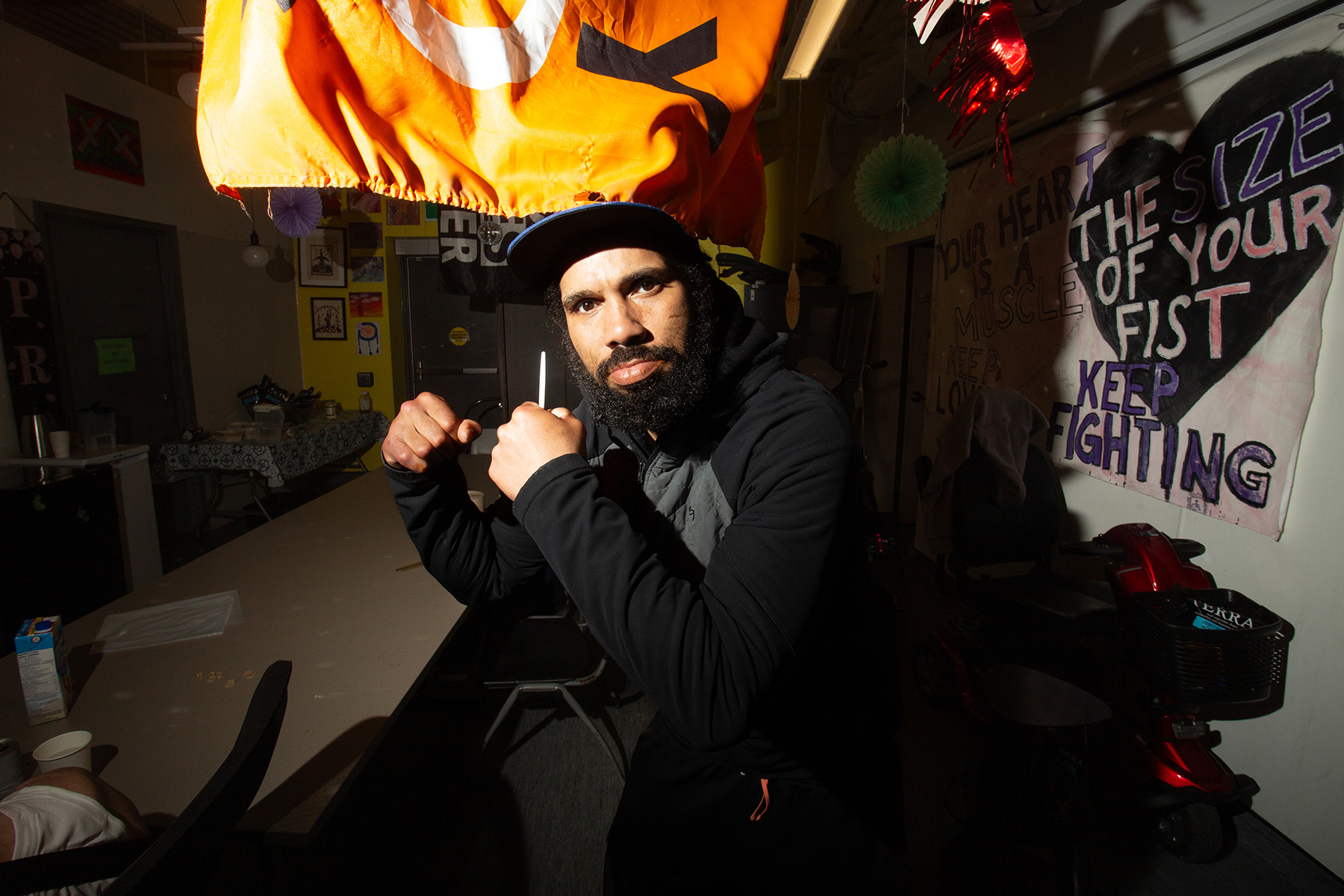
I catch up with Nick one evening at the end of the March, when I go into the I.R. looking for someone else and he waves me over to his table. He’s thinking of going home, he says, and I know that means his rez on Manitoulin Island, the place he first left when he was only 14, and hasn’t been back to in years.
Since the announcement, some people, like Nick, are talking more often about sobriety. But others have no such plans. Texas says she can’t even think about the closure. “I don’t know how I’m gonna cope with it.” Her day-to-day life is consumed by more immediate concerns, like finding somewhere to sleep and getting medical care for her infected hand, which a few weeks ago was swollen to an alarming size. Kyle, who says he’s been using drugs since he was “pretty much in the womb,” doesn’t intend to stop now. Others say they’ll cope by smoking their fent instead of injecting, which they say allows them to control their dosage more easily, and by using at Toronto’s three remaining safe consumption sites, on the subway, and in the bathrooms of public libraries.
Over the course of the spring, Nick tells me more about his plans over text message, while we’re on walks to the subway stop at the Eaton Centre, or while smoking cigarettes on Moss Park’s back patio.
His reservation has a rehab program that’s based on cultivating connections to the land. Nick wants to go, and hopes it’ll be like a class he did in his third year at Laurentian University that was called “Living with the Land.”
The class gave him the chance to meet people outside of his usual crew, and to live outside—basically, go camping—for a month straight. “Man, that was really fun, and that is what they’re trying to do with the rehab program,” Nick says.
The most important ingredient to getting sober, he believes, is to get out of your usual environment.
“I know that if I stay around here, it’s impossible,” he says. “I’ll get 99 percent sober. I’ll slow down, and I won’t do it as much, probably stop shooting, but yeah, I just know I won’t be able to, because everyone I know in this area, right? It’s not exactly the best area.”
One of his buddies went to rehab recently, but was in the same neighbourhood as before, and was given an hour of free time every day. “When you walk out down the street, there’s three or four dealers, and they don’t even ask for money, they’ll say, ‘Hey, just pay me on cheque day,’” he says, referring to the day that welfare and disability cheques go out.
Nick first tells me about this during a walk outside the Eaton Centre. “If I knew I could get dope on the third floor of that building,” he says, pointing at one of the skyscrapers behind me, “we wouldn’t be having this conversation right now.”
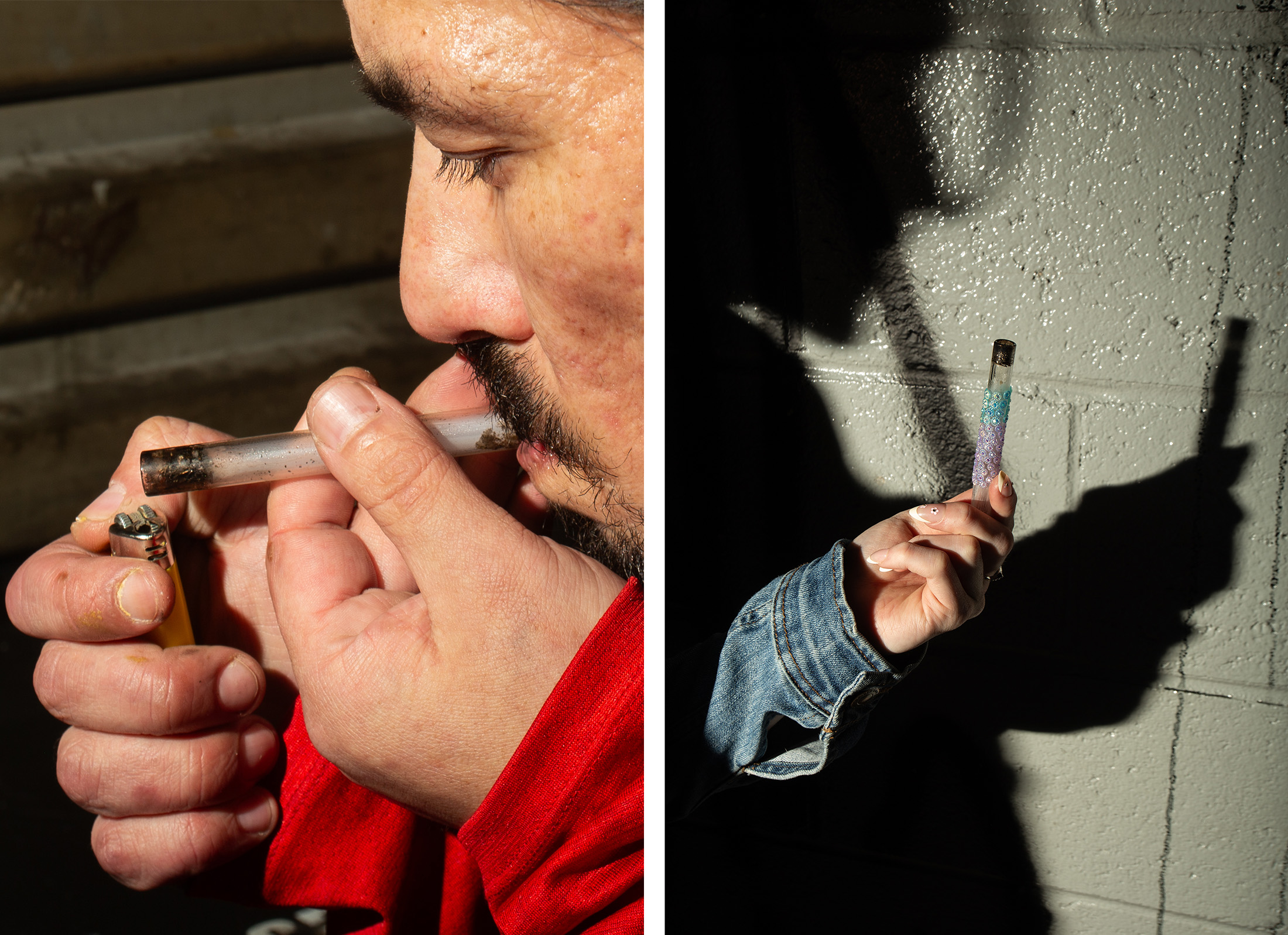
Unlike Nick, Kate has no plans to quit fentanyl. And it’s not because she can’t—Kate has kicked other addictions in the past, she tells me, including alcohol and crank, which are home-pressed speed pills that were big in New Brunswick when she was growing up there.
Kate and I first bonded at Moss Park’s front desk earlier this year. She had put down a book she was reading about the assassination of J.F.K. We’re close in age. I’m 33 and Kate is 31—a tall trans woman with dyed pink hair. Despite the fent, which causes many other people to nod off mid-conversation, Kate loves to talk. Her favourite poem from the TTC’s “Poems in Passage” series is He Saw the Lightning. It goes hard, Kate says: chasing lightning as a metaphor for chasing life itself. We talk about the drug war, celebrities, the moment she knew Justin Trudeau wasn’t fit to be a world leader (when she saw that one pic of him crossing his arms to shake hands with Barack Obama and Enrique Peña Nieto at the same time).
The first week of May, Kate agrees to a formal interview. We sit in Allan Gardens, surrounded by hundreds of daffodils. Cigarette butts bloom in a circle around Kate’s feet.
She tells me if the fictional avatar for a drinker is Dr. Jekyll and Mr. Hyde, the fictional avatar for an opioid user is that guy who sleeps under a tree for 40 years. She likes that feeling, and wants to change other things about her life without giving it up. “I’d love to be off the streets. I’d love to exist in a more stable version of this lifestyle,” she says. “So, like, I’m not incapable of quitting dope. I don’t want to.”
Kate has visited at least five safe consumption sites in Toronto, three of which have already closed and two that are closing on June 13. She goes to the Moss Park site once or twice a week. “I have OD’d a handful of times at safe consumption sites,” she says.
One thing she likes about the site is that they have a mandate not to call 911 unless it’s absolutely medically necessary. In the vast majority of cases at Moss Park, staff respond to overdoses without involving other emergency responders.
When she’s overdosed elsewhere, Kate has ended up in the hospital and even in jail. In late 2025, Kate did five days in jail because someone thought she was overdosing (she wasn’t) and called 911. It wasn’t paramedics who showed up—it was police. “It’s fucked up that there’s no option to call 911 where there’s a guarantee that cops won’t come,” Kate says. “What if you need to save the life of someone who has warrants?”
But that happened early in the morning, Kate points out, when none of the safe consumption sites in Toronto were open. “Even at the height of safe consumption and overdose prevention sites, there has never been one that’s 24 hours, which is what’s actually necessary,” she says.
Kate tells me about a book she read about safe consumption sites in Australia, which included a quote about why sites need to be open 24 hours, seven days a week. “The author was very good at juxtaposing quotes from users with quotes from political officials,” Kate says of Judy Ryan, the author of You Talk, We Die.
The book also discusses a plain fact about drug addiction that is widely understood among people who use drugs, harm reduction activists, and people who work in the sector—but that rarely appears in media stories. A majority of people who are addicted to drugs have survived traumatic experiences, particularly as children, and the more traumatic experiences a child goes through, the more likely they are to become addicted to drugs and to start using drugs at a young age.
Kate recites a quote from the book about this phenomenon. “‘We don’t have a drug abuse problem in Australia, we have a child abuse problem.’”
“Incredible quote,” she says.
“I’ve never heard of any politician admitting that,” I say.
“Yeah,” says Kate. “That’s incredible.”
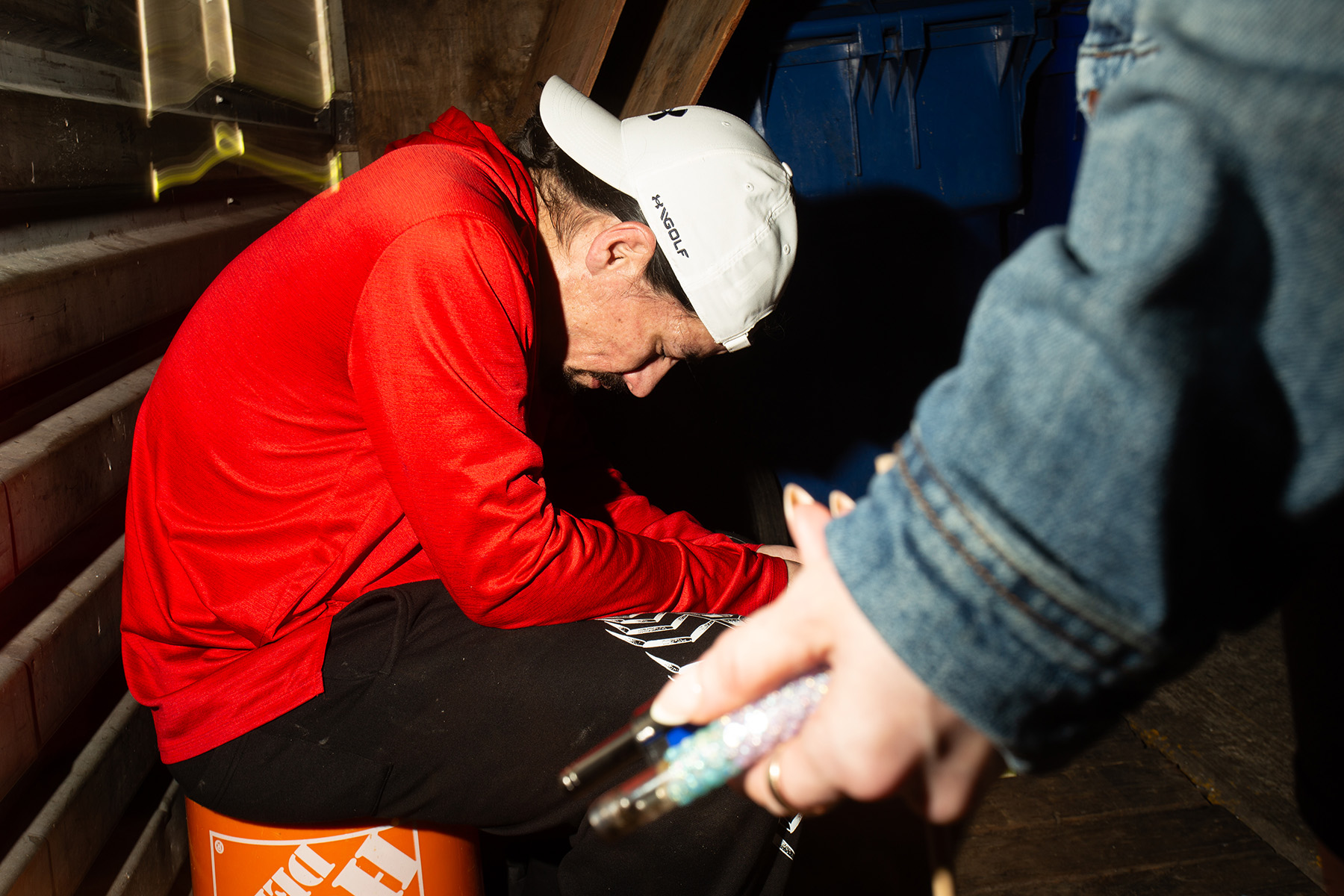
By the time Nick and I have a full, on-the-record conversation about his plans for after the closure, it’s late May. The site is shutting down in four weeks. He’d planned to leave for the rez on Mother’s Day weekend, but he slept too late and missed his bus. Now, there are only four weekends, four Saturdays, just one short month before the place he relies on disappears. I get the feeling, though, that I’m more worried than he is.
“How did you feel when Sarah told you?” I ask Nick.
“‘Like, personally?” he asks me.
“Yeah.”
“I think I was… thinking more about the people other than myself because I knew that with or without the site I would be okay,” Nick says. “But even before we knew it was closing, I always tell people, like you guys don’t fucking realize how much you rely on this site, man. You guys come in for food, to crash out, to fucking get clothes, to get a tent, to get a sleeping bag, and you don’t realize it.”
It’s a decently warm afternoon, and we’re standing outside near a dumpster about two blocks south of the site.
I ask Nick to elaborate on what he told me before, about time slowing down in the injection room.
“That was just my way of trying to explain how the last 10 years have flown by,” he says. “It’s not that when I’m high on fentanyl, I’m in this dream world.”
Later that night, I’ll tell Texas that I interviewed Nick that day, and she’ll say she already knows: he said he was going out for 20 minutes, and was gone for seven hours.
“The site is closing in four weeks,” I tell Nick. “Four weeks is so short.”
But Nick says the exact opposite of what I’m expecting. “It’s a long time.” It’s no problem, he says. He’ll be ready to leave before then. There’s just one thing he has to do.
Recent Stories
Is Toronto Ready for Its First Openly Trans Councillor?
Toronto has a history of dismissing trans politicians as fringe candidates. In Toronto Centre, Nicki Ward is fighting for a fair shot.
The Data Centre Backlash Has Come to Mississauga—and It’s Swallowing the Municipal Election
Ahead of this week’s vote on whether to freeze data-centre development for a year, city councillors seeking re-election are suddenly taking a firm stance in response to public outcry

Toronto’s Most Well-Known Defender of the Unhoused Runs for Council
As a teenager, Diana Chan McNally was briefly homeless. She’s since worked in drop-in centres and become a prominent advocate for unhoused Torontonians. In the race for Parkdale-High Park, she’s going to need to win over homeowners too.
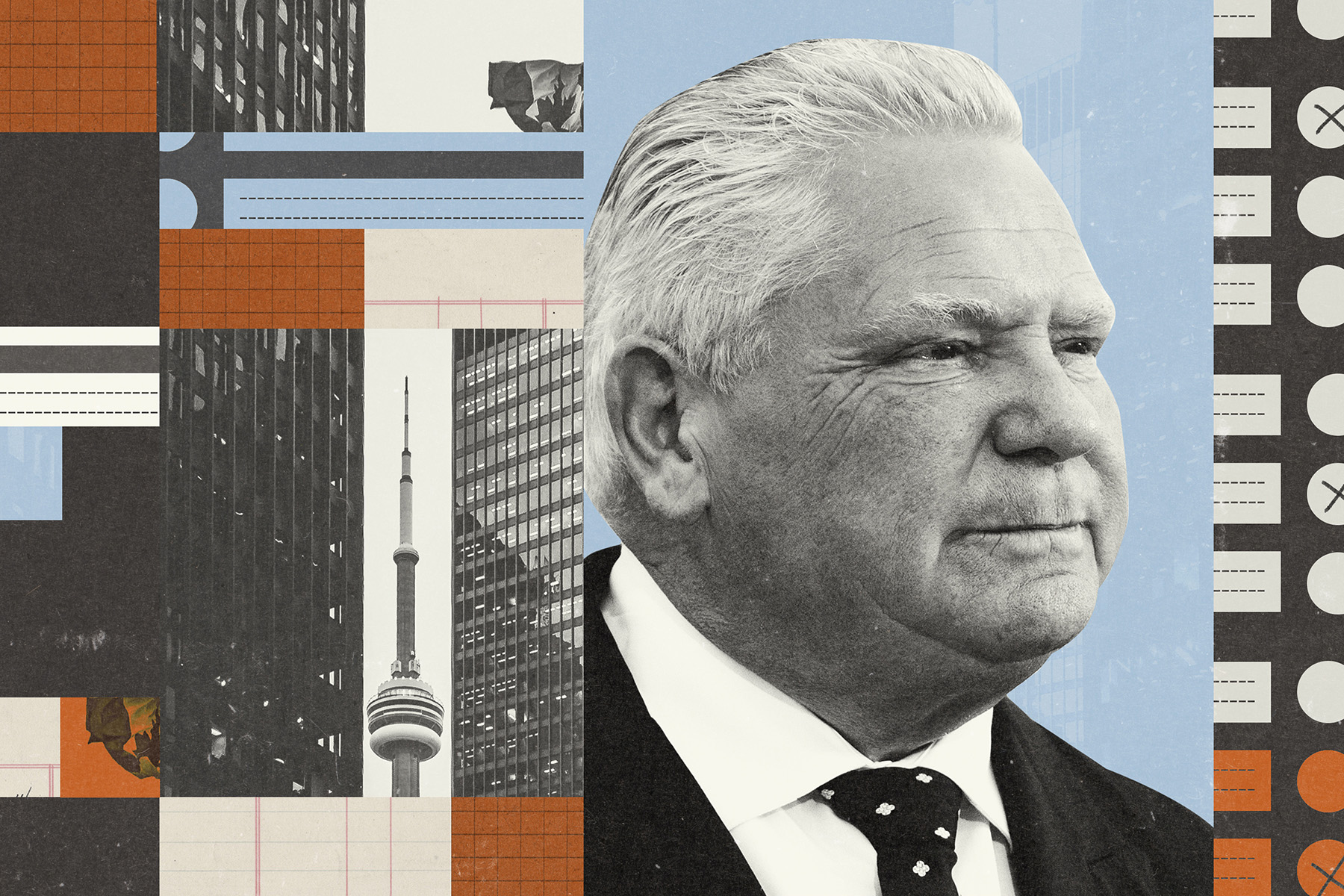
Doug Ford vs. Toronto
Good news: your community elected a councillor and even a mayor who share your vision for the city. Then the province steps in.
How to Vote in the 2026 Toronto Election
Everything you need to know about voting for mayor, councillor, and trustee in October’s municipal election
How to Vote in the 2026 Mississauga Election
Everything you need to know about voting for mayor, councillor, and trustee in October’s municipal election
More from this issue
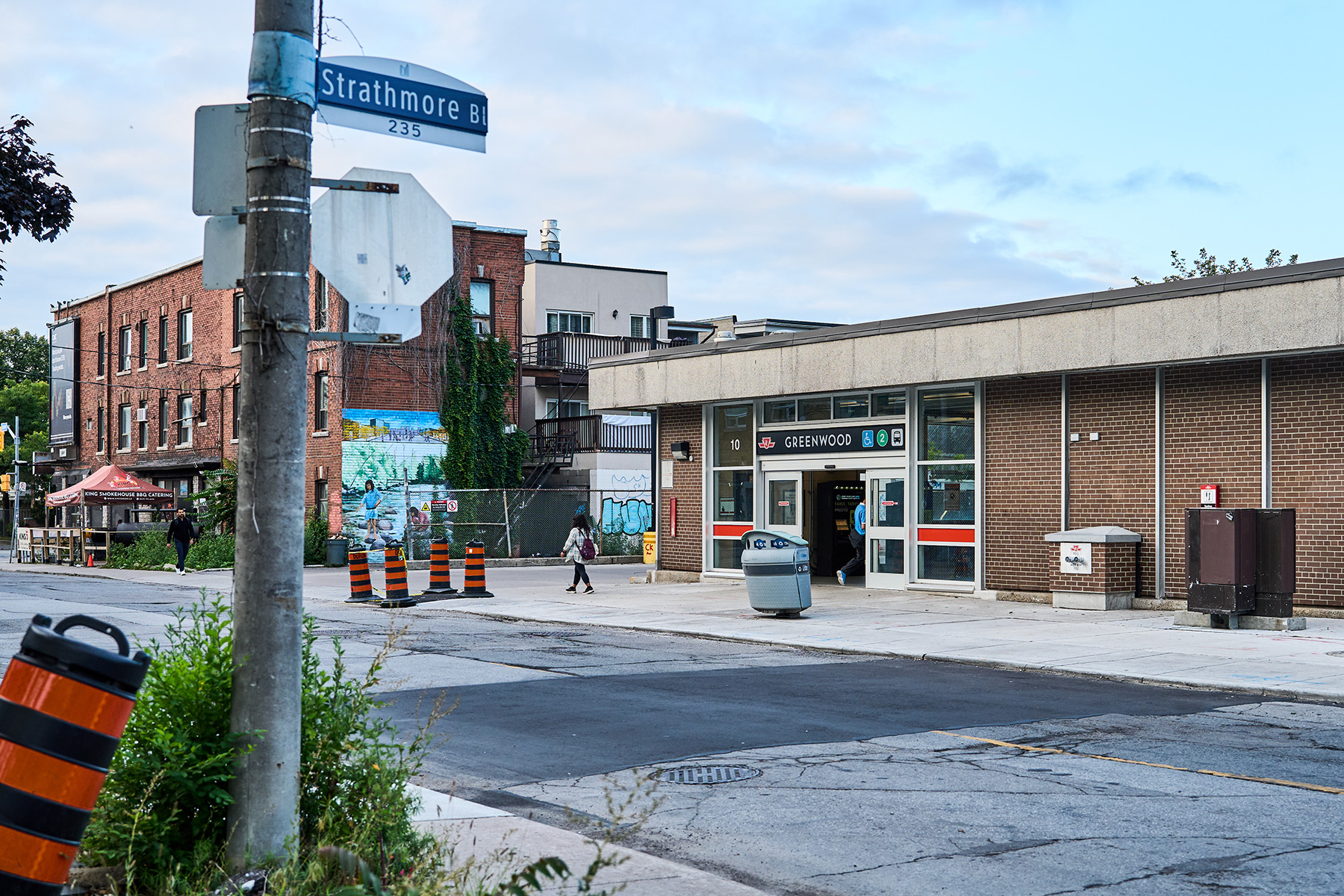
What the Unfinished Saga of a Still-Not-Built Subway Exit Taught Me About Public Consultation
One community volunteer traces 20 years of botched communication, unanswered questions, and delays—and asks what public consultation is actually worth.
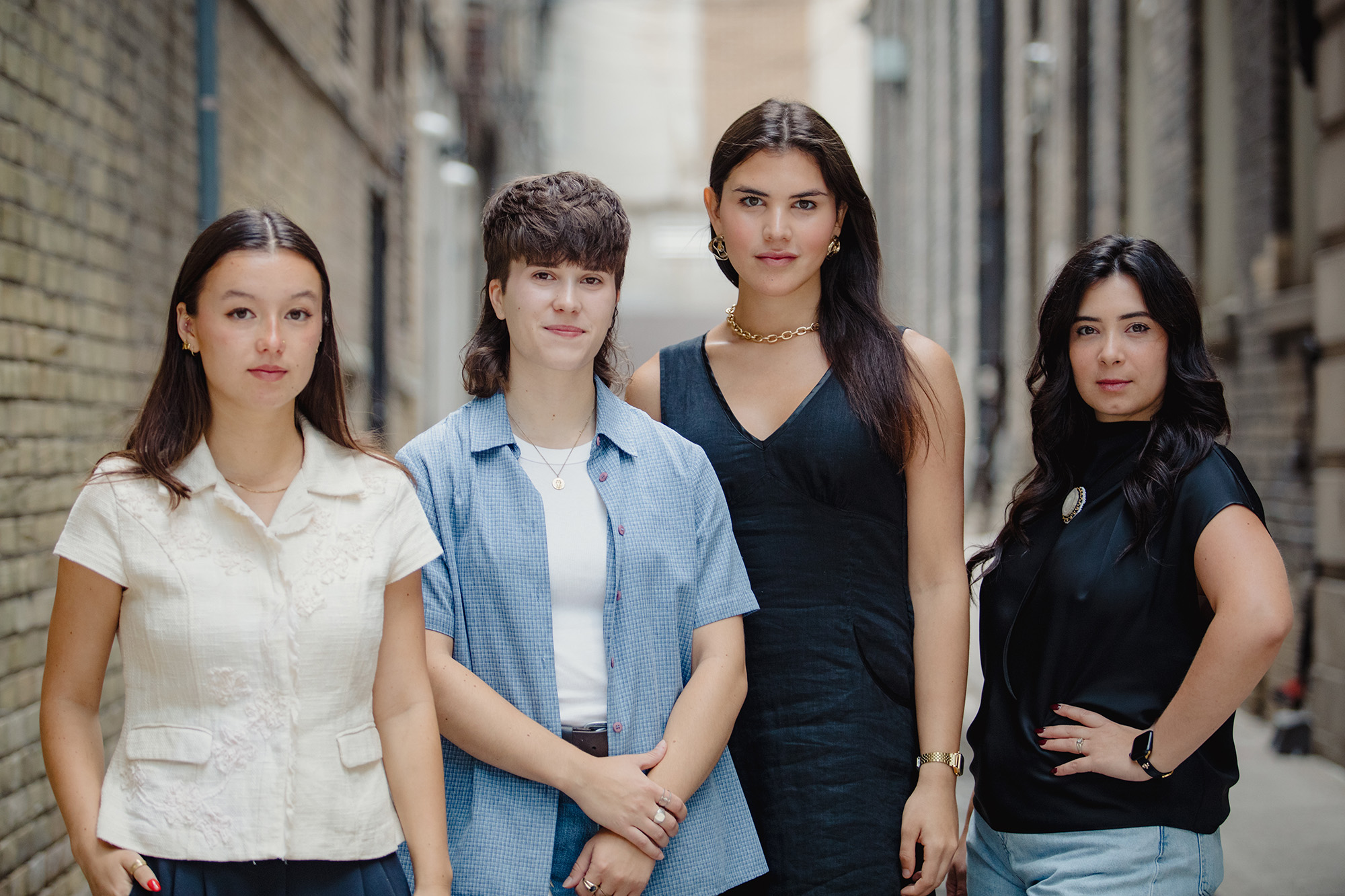
Introducing the 2026 Local Fellows
We’re excited to welcome Victoria Hincapie Gomez, Nic Hotchkiss, Jessica Kim, and Gabrielle McMann.
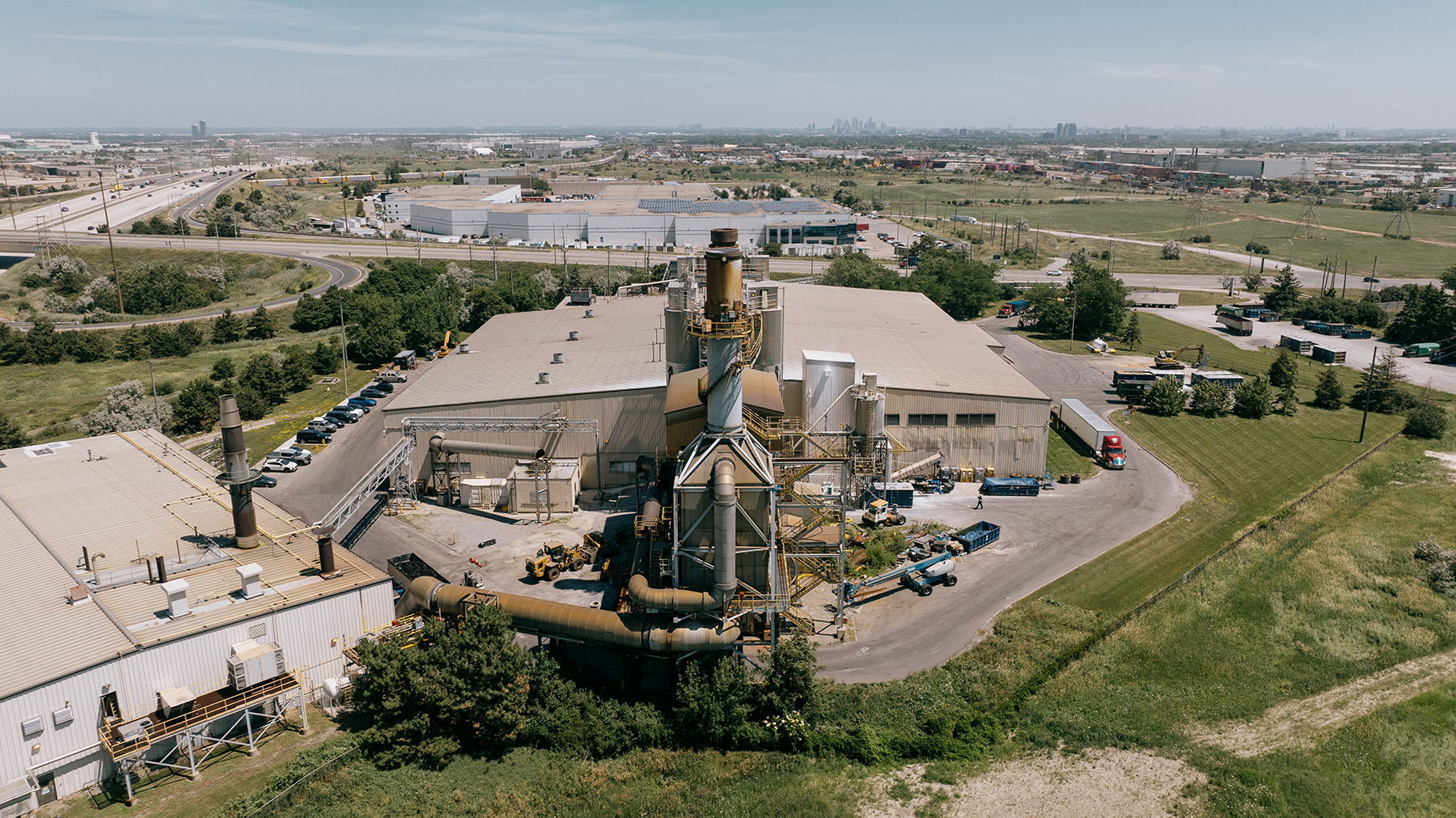
The Biggest Incinerator in Canada
As the Emerald Energy from Waste incinerator moves towards a major expansion, locals are worried about their health, and asking if their working-class, immigrant community is seen as a “sacrifice zone.”

For Kids With Special Needs, Summer Camp Is Out of Reach
Few camps in the GTA serve children with developmental disorders or disabilities, forcing parents to take time off work to stay home and depriving kids of the chance to explore, play, and interact with their peers.
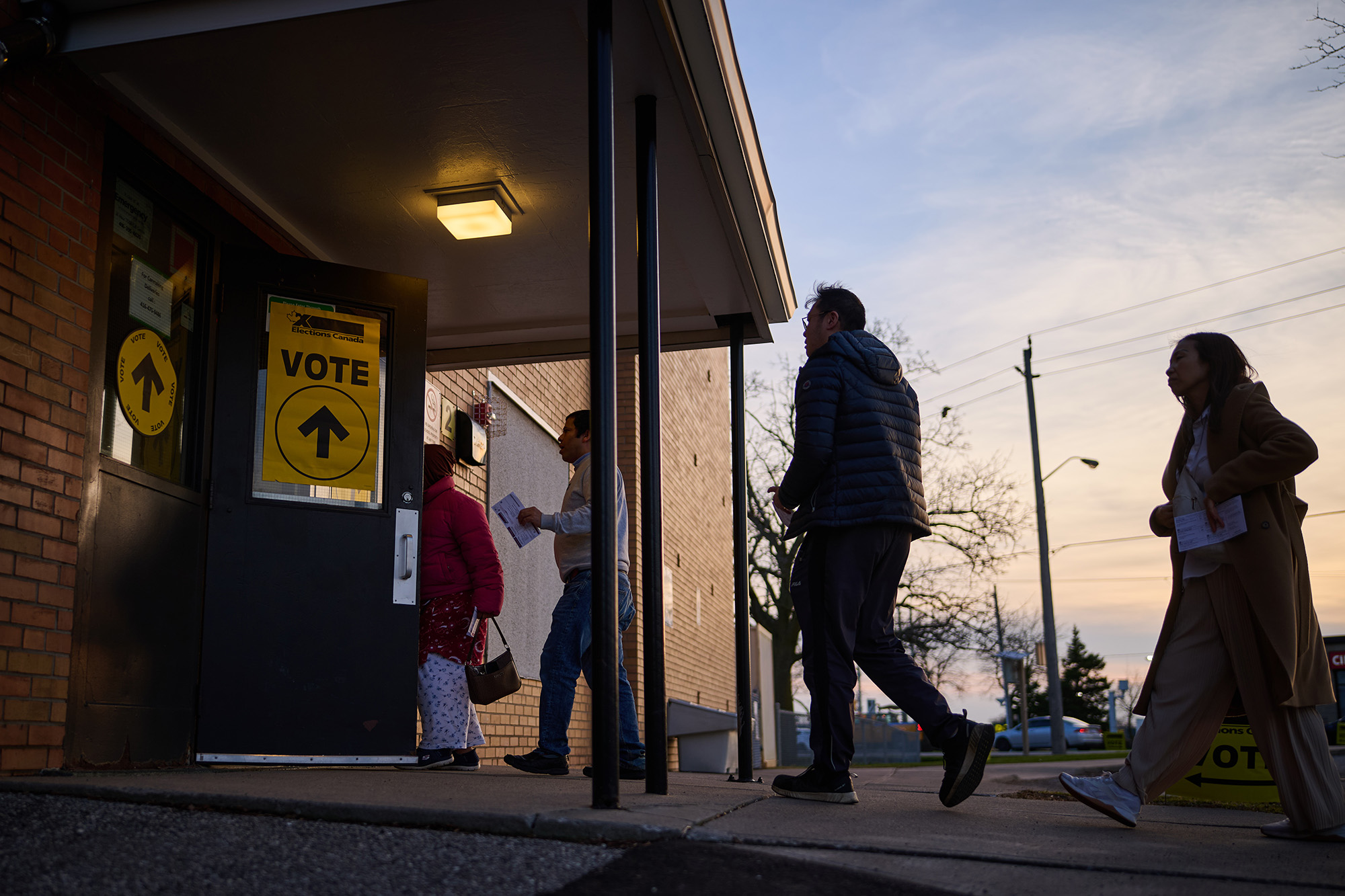
Gearing Up for October’s Municipal Elections
We are building a civic newsroom unlike any other, with an expanded scope to serve residents of not just Toronto, but also Mississauga and Brampton.
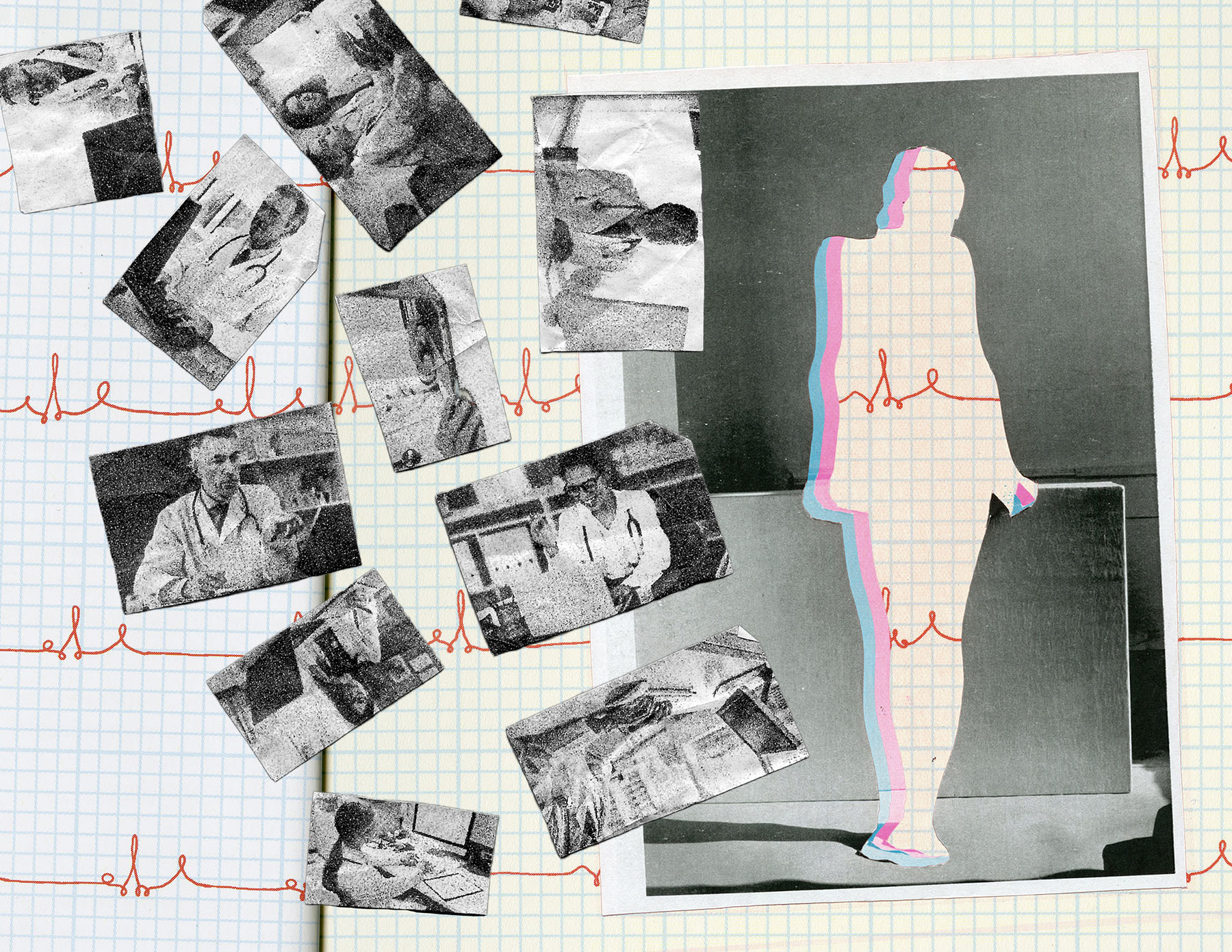
The New Chill Facing Trans Health Care
As anti-trans rhetoric intensifies at home and abroad, the organizations providing training in trans-inclusive healthcare say they’re seeing less uptake from physicians across Ontario.
The Local Wins Six National Awards
Our journalism took home top prizes at the National Magazine Awards and Canadian Association of Journalists Awards.
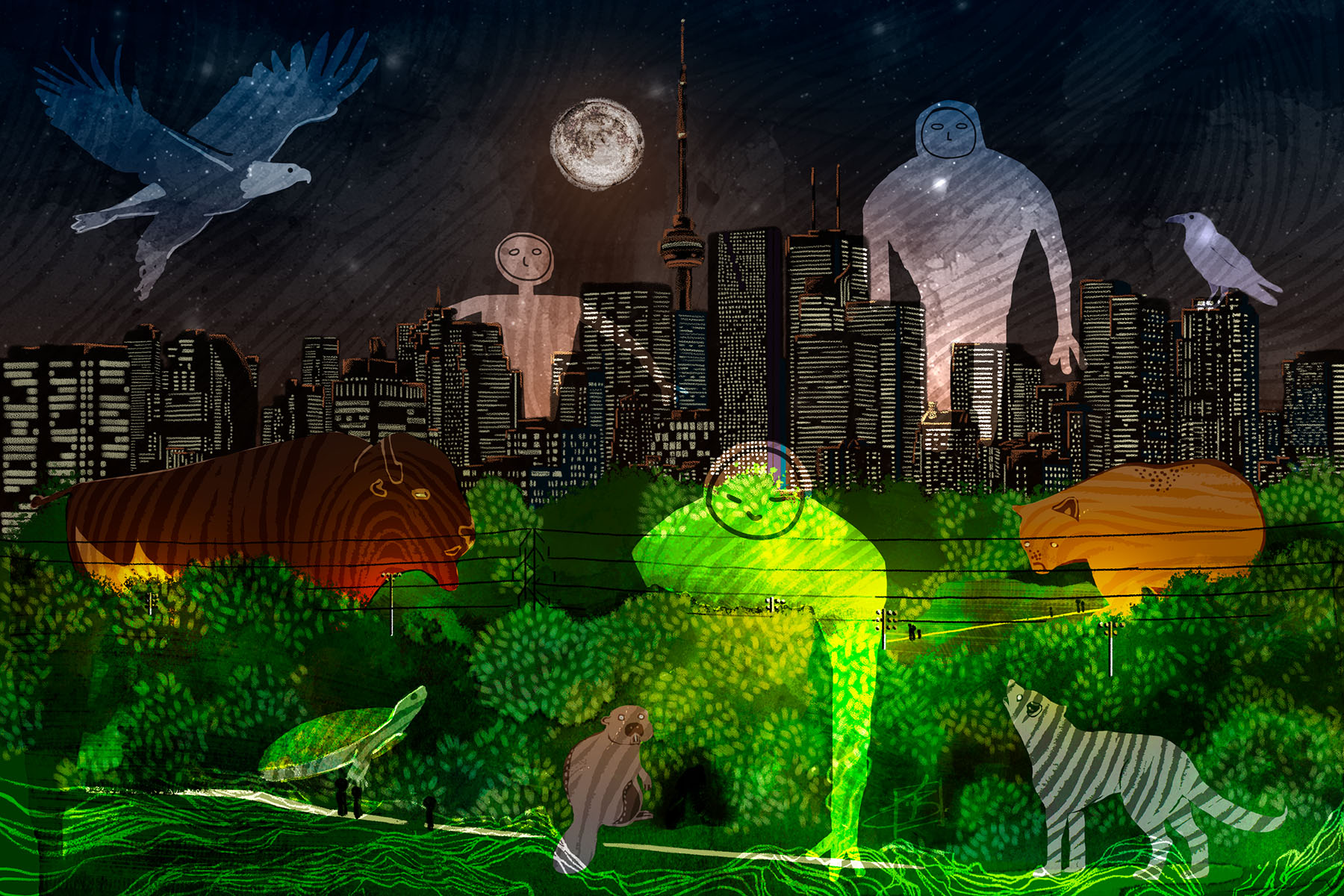
An Ancient Past Unearthed by Urban Construction
In 2024, an Indigenous burial site was found during construction on Withrow Avenue, near Riverdale Park East. Where others see a “hole” in the ground awaiting investigation, journalist Gabrielle McMann sees a window into Toronto’s complex pre-colonial history—and a deeper sense of belonging.
The Local Expands Into Peel
Introducing Prarthana Pathak, our new Peel Reporter
The Local is Nominated For Ten More Journalism Awards
The nominations at the Digital Publishing Awards and National Magazine Awards recognize our journalism in 2025.