

Imagine having a city councillor who actually represents your views. On all the important questions of urban life—housing, public space, transit, bikes, cars, pedestrians, schools, addiction care, you name it—you align.
Others in your ward clearly feel the same, because together you reelected the councillor with nearly three-quarters of the ballot. The mayor you voted for is also rather like-minded. Even city council as a whole seems more in tune these days. For the first time in a long time, it feels like your city government gets you, respects you, acts for you.
Then comes the awful truth: your municipality doesn’t in fact have the authority to do these things all of you want. Or rather, a higher power has the authority to undo them. Any of them. Not only did you not vote for the politician now meddling in city decisions, but he didn’t run to be your councillor. He didn’t run for any city position at all. Nevertheless, he threatens to dismantle much of what your elected officials did—and were elected to do—and it’s all perfectly legal.
You didn’t know. You feel like an idiot. You believed all this time that your municipal vote mattered.
Smart Election Coverage in Your Inbox
Sign up for our free newsletter to get the latest election news, profiles, and analysis.
"*" indicates required fields
Here’s the reality: Canadian cities are powerless. The only powers they have are the ones the province gives them. And as we’ve seen in Ontario over and over these past few years, just as the province can giveth, the province can taketh away.
Take protected bike lanes. The City decided to create some. But in October 2024, the Ontario government passed the Reducing Gridlock, Saving You Time Act, which decreed that cities could not build bike lanes that reduced lanes of motor vehicle traffic unless the Minister of Transportation said it was okay. And it wasn’t just future lanes that would be a no-no—the premier said he wanted to tear out 19 kilometres of existing Toronto bike lanes, city infrastructure that had been debated and approved by the city’s elected city council, and paid for and built by the city. (An Ontario court ruling has confirmed he has this right).
It was the same with safe injection sites. The City decided to create some. But in December 2024, the Ontario government passed the Community Care and Recovery Act, which directed Toronto Public Health to close all city-run facilities of this kind.
In November 2025, in a piece of legislation called Building a More Competitive Economy Act, the province took away a city’s right even to operate speed cameras.
We are the grown child helping to support the family, who is not allowed out past curfew or even to decorate their own room.
The province hasn’t just been reversing specific policy decisions, either—it has been altering how decisions will be made. In June 2025, for instance, the Ford government placed Toronto’s English-language school boards under provincial supervision, meaning that the school board trustees, who we had gone to the polls to democratically elect, suddenly no longer had the power we had given them. Ford followed up in May this year with the Putting Student Achievement First Act. That gave even more power to the province—over budgets, communications, property and collective bargaining, and, just for good measure, reduced the number of English Toronto trustees.
In retrospect, we should not have been surprised by any of this. The school board coup brought back dark memories of the early months of the Ford government. In the midst of the 2018 municipal election—in the midst!—the province slashed the number of municipal councillors that would represent the city of Toronto.
It wasn’t an across-the-province cut either, it was a bespoke reduction in representation, just for us. The province was allowed to do that. It was not lost on me that the man orchestrating this was Steve Clark, MPP for Brockville, my own hometown (and erstwhile head boy at my high school.) Brockville is a city about a fifth the size of my Toronto ward. And with its population of just 24,000, it has no fewer than eight city councillors—one for every 3,000 constituents. In Toronto, we get about one per 134,400.
If there was ever any doubt about what the Supreme Court meant when it wrote in 1993 that “municipalities are entirely creatures of provincial statutes,” we now understand. If the province doesn’t like what a city is doing, it just drafts a law to make it go away. Cities are truly at the whim of the province. We are its playthings.
It doesn’t feel right.
The population of Toronto—3.36 million people—is greater than all but four provinces. Almost a tenth of the country’s population lives here, many of them immigrants starting their new lives. Almost a fifth of the country’s wealth—and half of the province’s—is generated here.
Yet we have little autonomy. We are the grown child helping to support the family, who is not allowed out past curfew or even to decorate their own room.
Any initiative our city may choose to pursue—on poverty reduction, parks, high rises, childcare, greenhouse gas emissions, shelters, walkability, food security—can be easily second-guessed and reversed by a provincial government that thinks it knows better. It’s all just one bill away from obliteration.
“Just as Torontonians may not understand the needs of a small city like Brockville, or a northern city like Sault Ste. Marie, people living elsewhere in the province, even on the fringes of the city, can’t always understand ours.”
It’s no surprise that people like me are looking with fresh eyes at the idea of making Toronto a “charter city.” This would constitutionally protect the right of Toronto to make certain decisions about our city. According to Charter City Toronto, doing so would require an amendment to the constitution agreed to by the province and the federal government. There have been eight such single-province amendments since 1982, they say, including one that secularized schools in Quebec and another that allowed for the building of PEI’s Confederation Bridge. The Toronto charter city amendment would seek for our city more autonomy, new sources of revenue and protection from provincial interference in local matters.
Another idea is outright secession—that we become our own province. This seems to come up every decade or two. But it too would require a constitutional amendment, and in this case, the House of Commons, the Senate, and at least seven provinces representing at least half the Canadian population would have to agree.
Sadly, neither scenario is likely, even in a post-Ford world. No one gives up power without a fight.
I get that not everyone wants to live in a big city. Even the best of them, by definition, involve huge numbers of people packed together into small spaces. Homes are puny and pricey. Driving is slow and demanding. Transit is crowded and unreliable. There’s noise. The air’s not sweet. Everywhere, you bump elbows with people you don’t know and may not like.
But some of us choose this. Some of us feel more comfortable having neighbours close by—through the dining room window or across the wall. Some of us get a buzz meeting unexpected strangers from faraway places or different lifestyles. Some of us love knowing that every imaginable community has a foothold of some kind right here. And we feel set free by the thought that we can get to it, or anywhere, by foot, by subway, by bus, by bike, by car. Today. Some of us just happen to love urban life.
There are shockingly few places in Canada for people like us. In this province, there’s really just the one, Toronto. And to make this large, disparate, teeming place livable, functional, safe, and fun, we sometimes need to do things that less urban communities do not. Just as Torontonians may not understand the needs of a small city like Brockville, or a northern city like Sault Ste. Marie, people living elsewhere in the province, even on the fringes of the city, can’t always understand ours. Surely that’s why municipal governments exist in the first place—to respond to local circumstances. The point is, those of us who live here are best placed to decide for ourselves.
I will vote in the October municipal election, even though I hate how little it could end up meaning in practice. More importantly, I will commit more time to trying to win for this city the protected powers it deserves.
More from this issue
Toronto Mayor Olivia Chow: What She’s Done and What She’s Promising in 2026
Olivia Chow’s platform for re-election is all about building on her achievements, like a renovictions bylaw, TTC fare freeze, and new funding deal with the provincial government.
Brad Bradford, Toronto Mayoral Candidate, Campaigns For Change
Mayoral hopeful Brad Bradford’s platform for 2026 revolves around crime, congestion and cost of living.
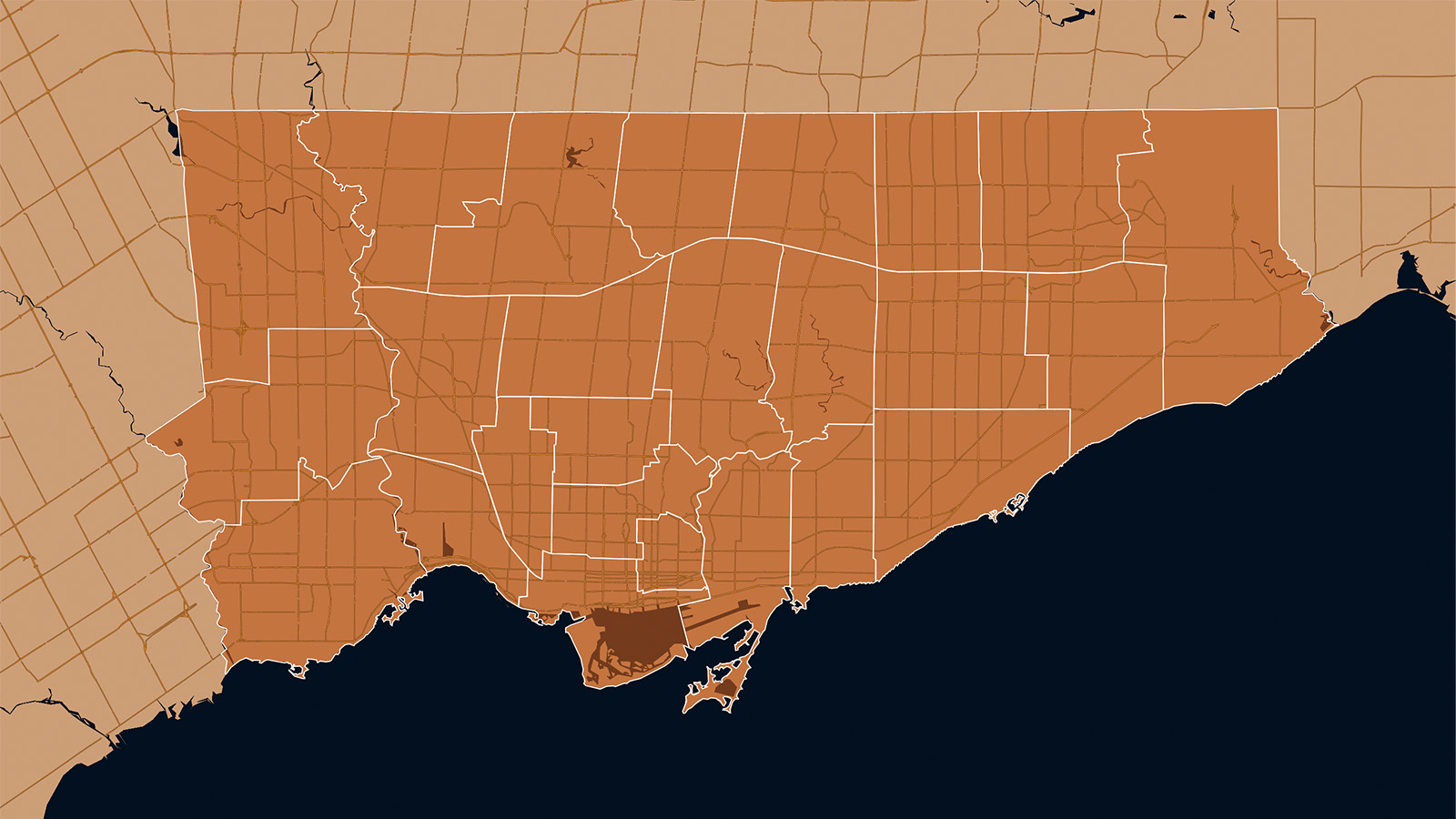
Candidate Tracker: Toronto Election 2026
The only place to find reported, fact-checked biographies and platform summaries for every candidate running in the 2026 Toronto municipal election. No AI, no campaign talking points, just a team of journalists double-checking candidate records and analyzing policies.
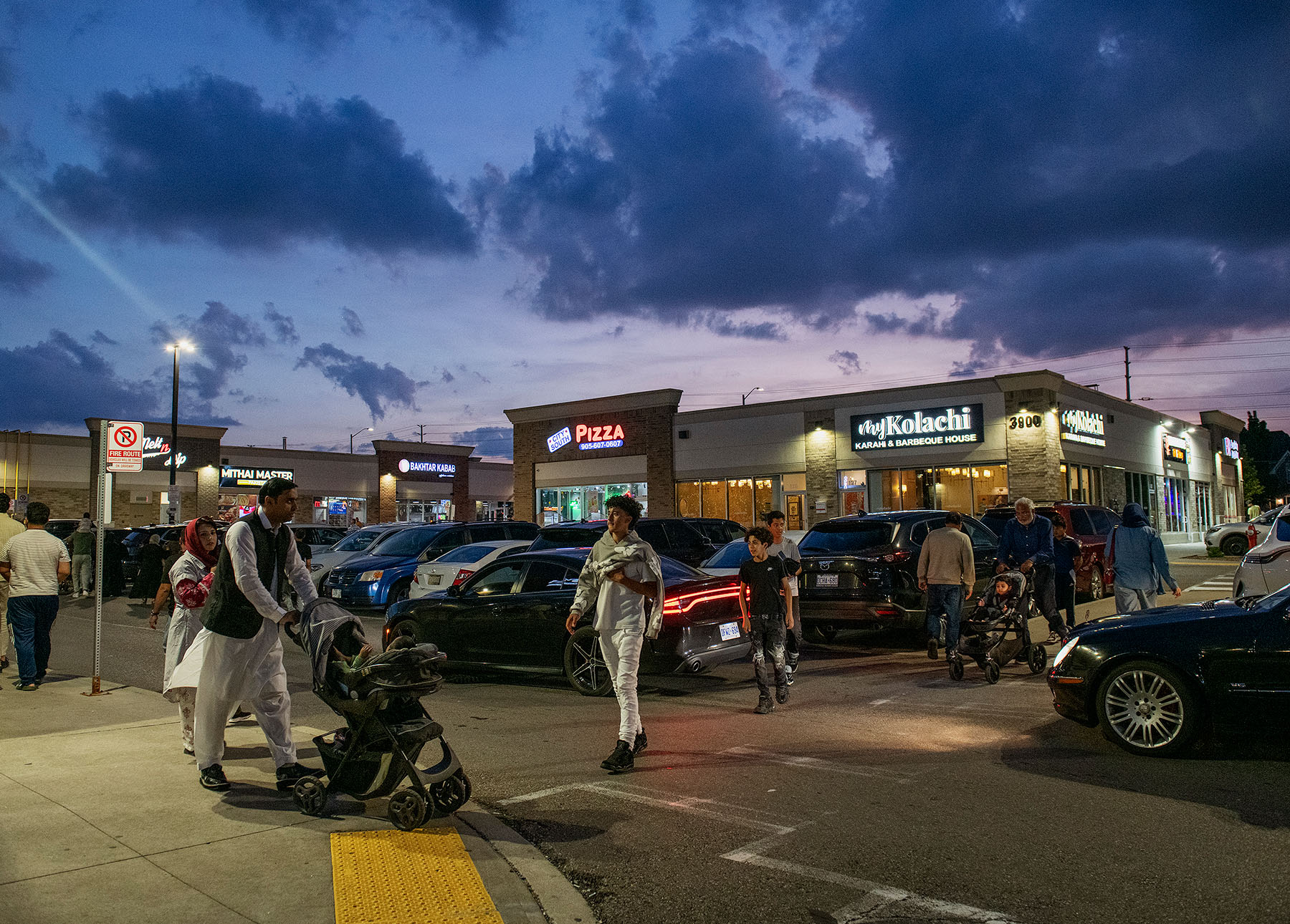
How a Suburban Strip Mall Became a Buzzing Community Hub, and a Political Flashpoint
Mississauga’s immigrant communities made Ridgeway Plaza one of the city’s most vibrant cultural spaces—and also one of its most contested. This municipal election could decide its future.
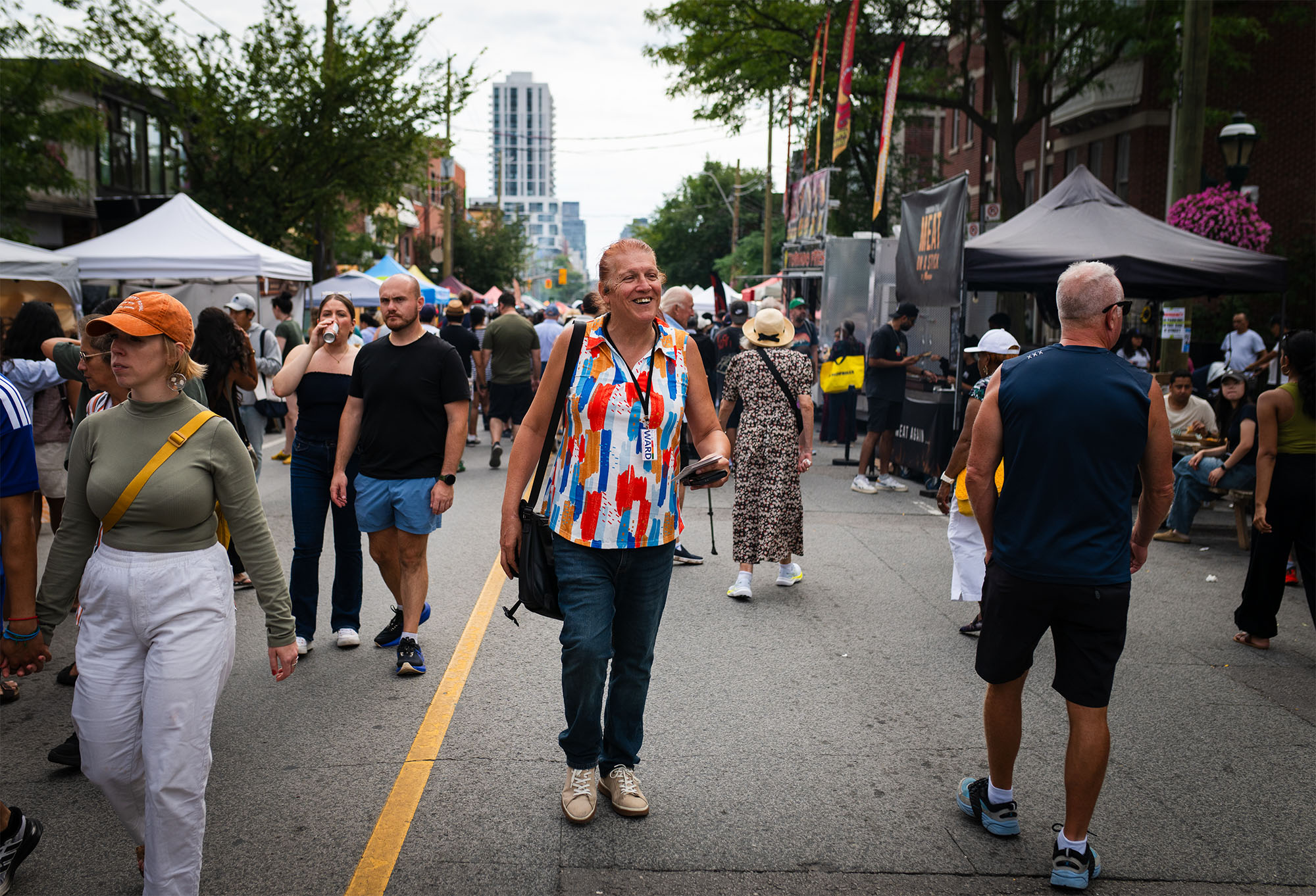
Is Toronto Ready for Its First Openly Trans Councillor?
Toronto has a history of dismissing trans politicians as fringe candidates. In Toronto Centre, Nicki Ward is fighting for a fair shot.
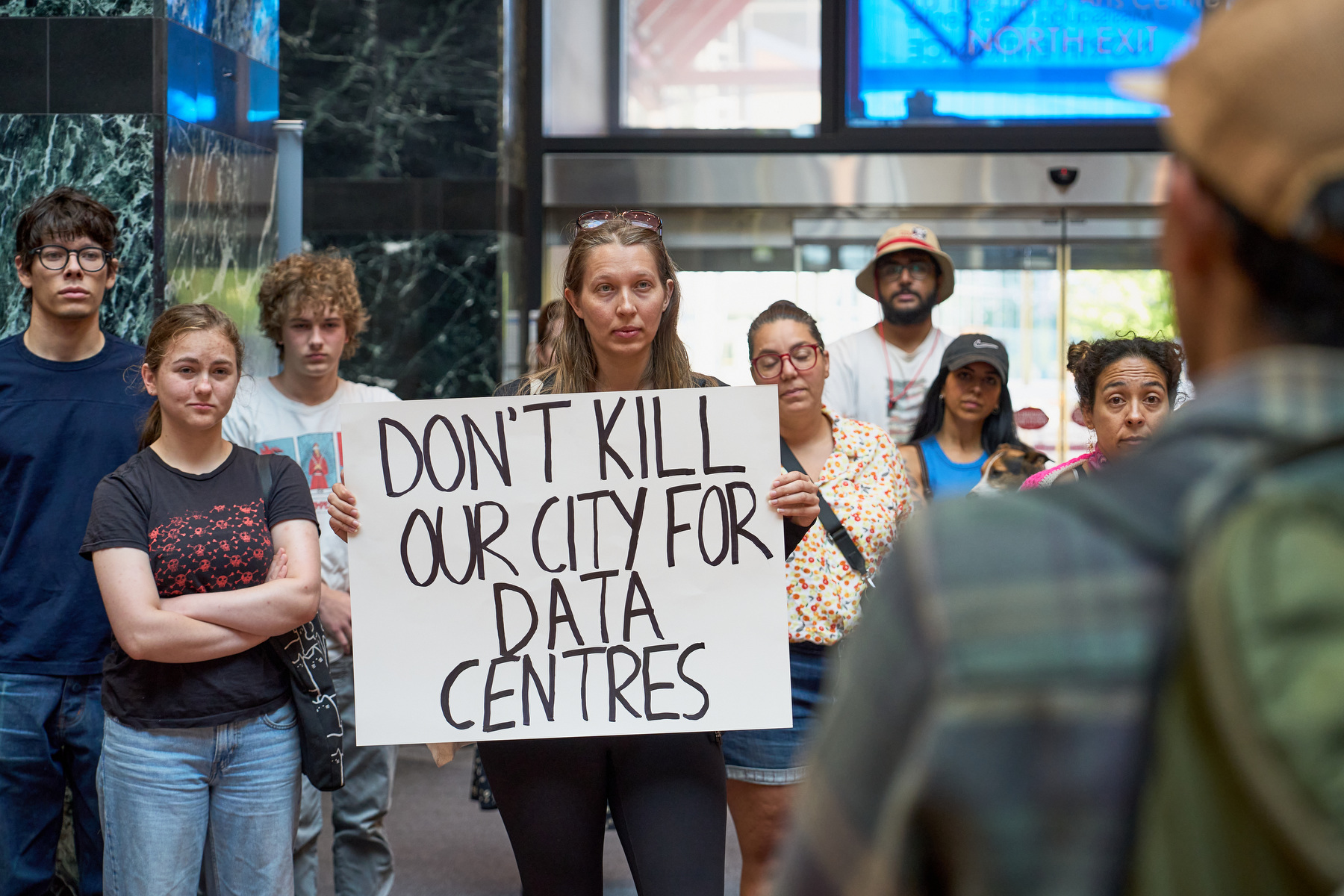
The Data Centre Backlash Has Come to Mississauga—and It’s Swallowing the Municipal Election
Ahead of this week’s vote on whether to freeze data-centre development for a year, city councillors seeking re-election are suddenly taking a firm stance in response to public outcry

Toronto’s Most Well-Known Defender of the Unhoused Runs for Council
As a teenager, Diana Chan McNally was briefly homeless. She’s since worked in drop-in centres and become a prominent advocate for unhoused Torontonians. In the race for Parkdale-High Park, she’s going to need to win over homeowners too.
How to Vote in the 2026 Toronto Election
Everything you need to know about voting for mayor, councillor, and trustee in October’s municipal election
How to Vote in the 2026 Mississauga Election
Everything you need to know about voting for mayor, councillor, and trustee in October’s municipal election
How to Vote in the 2026 Brampton Election
Everything you need to know about voting for mayor, councillor, and trustee in October’s municipal election