

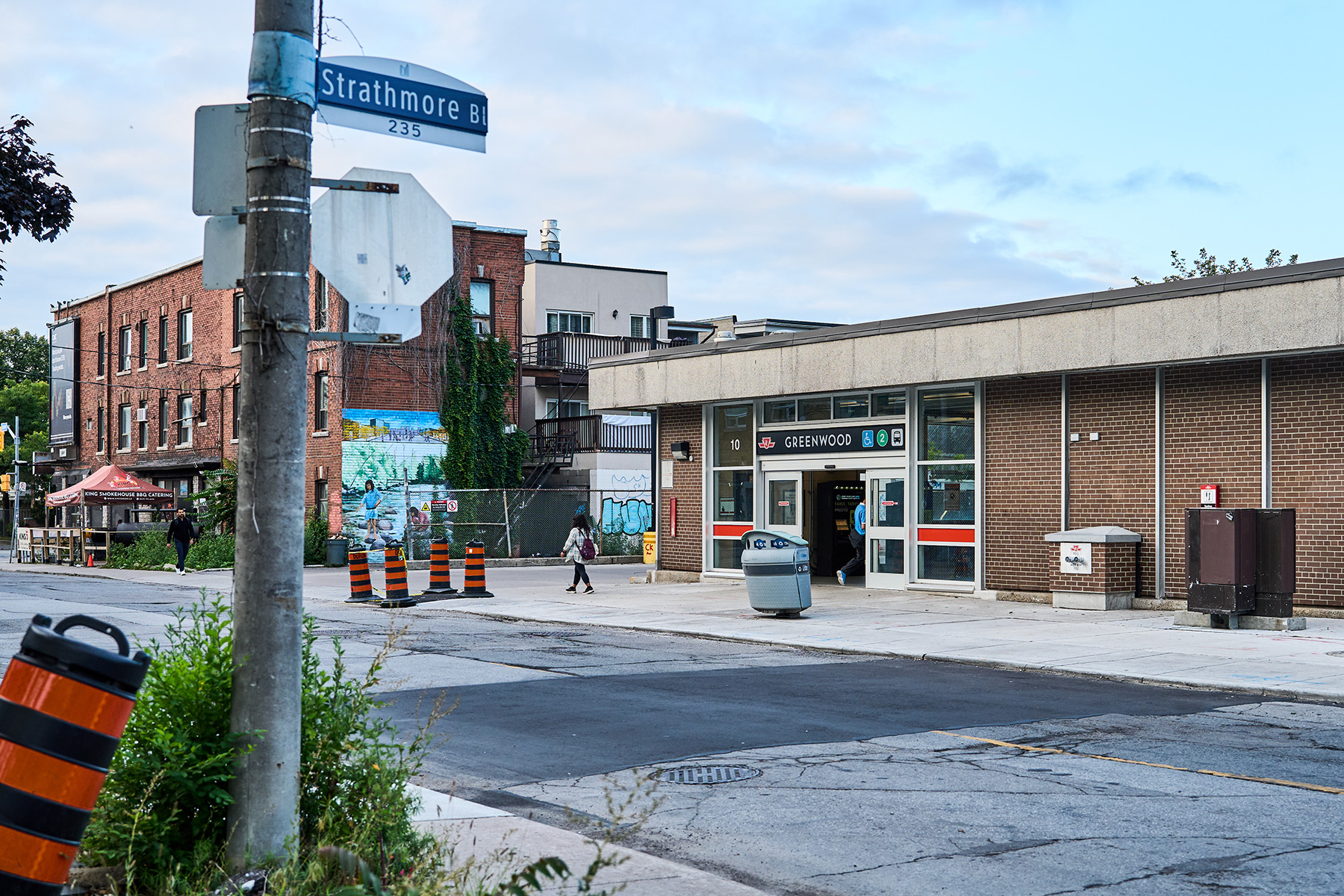
When the TTC asked for volunteers in spring 2017 to contemplate a “second exit” for my local subway station, Greenwood, I put up my hand. Having only one way out of an underground station, we were told, was unsafe; two ways would be better. A small hand-picked group of neighbours and businesspeople was charged with helping decide where that additional exit should go. As part of the same construction project, the TTC said, the station would get accessibility features, like sliding doors and an elevator.
At the time of the first meeting, my eldest daughter was in grade 10 and my youngest in middle school; John Tory was mayor, Kathleen Wynne was premier, and Patrick Brown leader of the Conservatives; I had short hair.
Our group met eight times over the course of a year. We asked questions, got instructions, sat through presentations, argued with each other, and were challenged by angry community members. Our last act was to submit rankings on various second exit options.
Then we waited. And waited.
Both my daughters have now graduated from university—one has a graduate degree and is going for another, the other has left the country—and my hair has gone from short to long to short again. We had a pandemic. Doug Ford has been elected premier three times.
And all these years later, there is still no second exit. We never even heard back from the TTC on our recommendation.
What’s going on?
The push for second exits started right here near Greenwood, with an underground fire.
Just south of Danforth, between Greenwood and Donlands stations, is the Greenwood Yard, where Line Two subway cars go to be cleaned and repaired, and where they sleep at night. Trains from either direction get to the yard via special tracks that veer south. In August 1997, some rubber pads that were being stored there caught fire. Black smoke poured north through the main tunnel, and some 2,000 passengers had to be evacuated.
Mercifully, no one died. But 50 people were taken to hospital, and the event prompted a rethink about underground safety. From that, the Fire Ventilation Upgrade Project, which spawned the Second Exit Project, came to be.
The idea behind the second exit was that subway passengers need more than one way out of an underground tunnel in the event of an emergency. Newer TTC stations were all built with multiple exits, but 14 older stations had only one, and needed an “alternate egress.” Greenwood, built in 1966, was among them.
Where should these second exits go? Subways run beneath established communities. In our case, the underground platform for Greenwood station lies directly under Strathmore Boulevard, a sleepy residential street just north of and parallel to the Danforth. The only exit from the platforms is at the western end, through the station.
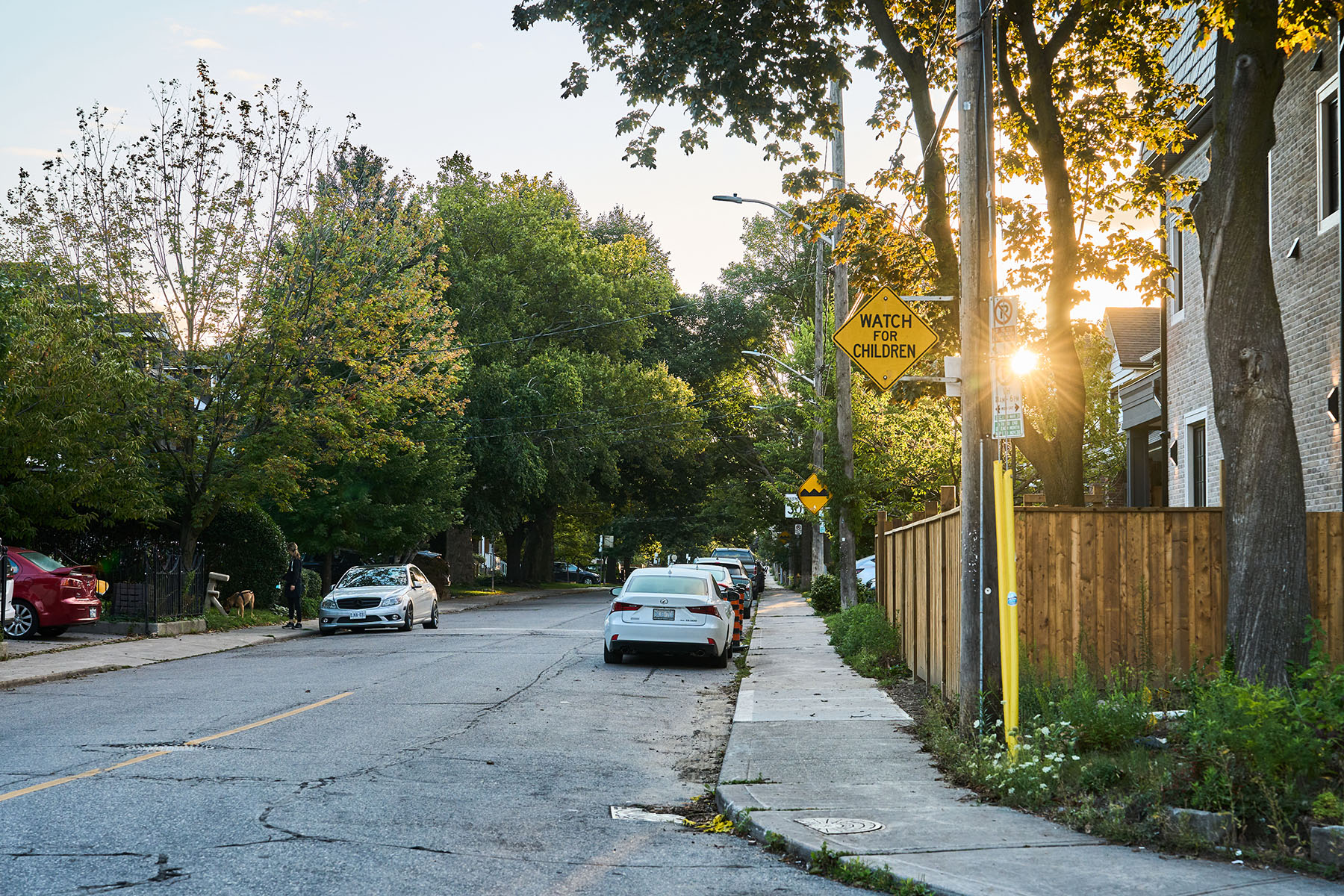
The TTC began contemplating a second exit for Greenwood back in 2002. After some study, TTC experts decided that, from a safety, engineering, and cost point of view, the best spot for the new exit was mid-block on Strathmore, above the opposite end of the platform. In December 2009, the TTC quietly approved the idea. And in June the following year, they got ready to announce it at a community meeting.
It bears remembering that what looks good to an engineer perusing technical drawings of a subterranean space can look very different to the folks who actually live up top. The TTC was proposing a subway exit right in the middle of a row of houses on a quiet street.
To make things worse, although the plan involved the full expropriation of two houses and the partial expropriation of others, the TTC didn’t even bother to contact the homeowners directly but instead just dropped “To Occupant” form letters into their mailboxes. Around the same time, they also dropped a few dozen flyers around the neighbourhood with red boxes over the targeted properties.
The proposal landed like a grenade.
One house in the crosshairs was owned by an elderly couple who’d lived there for more than 50 years. The husband—who, ironically, had spent more than three decades as a TTC employee—was terminally ill. The couple only heard about the plan when a neighbour asked their daughter, who lived a few doors down, if they’d sold the house to the TTC. Another homeowner only found out from their tenants, who saw it in the news.
There was an uproar. The city’s Ombudsman investigated what happened both at Greenwood and at neighbouring Donlands, where another second exit fiasco played out. The Ombudsman concluded that the TTC had “failed to meaningfully engage in a public consultation.”
Join the thousands of Toronto area readers who've signed up for our free newsletter and get award-winning local journalism delivered to your inbox.
"*" indicates required fields
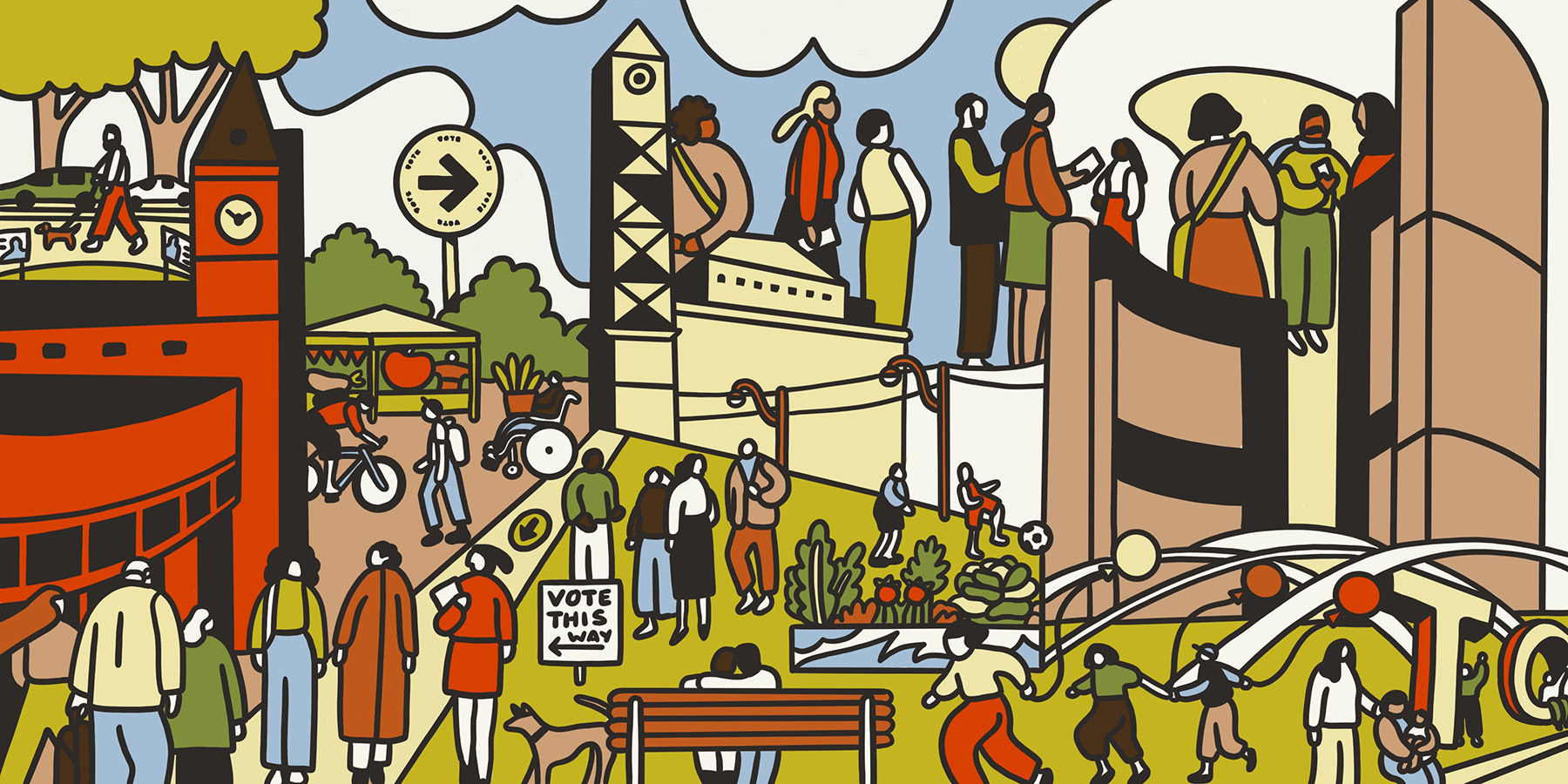
In the old days public consultation wasn’t even a thing. Planning was done behind closed doors by City Hall and its private consultants. “Until the 1950s and ’60s, planning was really top down,” says Matti Siemiatycki, director of the Infrastructure Institute at the University of Toronto’s School of Cities.
The upside was that things got built quickly. Experts could just do what they felt was best. And, by and large, they believed they were acting in the public interest. That kind of thinking brought us the entire Bloor Street viaduct in just four years and a significant portion of the Yonge Street subway line in under five. But it also brought us urban highways such as the Gardiner. Communities can be forever changed by big builds, and by the time trenches were being dug for the now-infamous Spadina expressway, the political tide had started to turn. People got vocal, government listened, and the zeitgeist shifted.
It wasn’t just a recognition that affected people should have a say. There was also a growing belief that community consultation would yield better results. “There was a huge movement in planning academia and planning practice to try to find ways to bring more people into the process,” says Siemiatycki. “The planning establishment started to really see an engaged process as something that would lead to better outcomes.”
And maybe it has. But over the years, there has been a growing mistrust of the process. The pro-build side argues that consultation has gone too far. Change and innovation are being stifled, they say, and costs and delays are being driven up. There is some truth to the idea that not all consultation is good, says Siemiatycki: “There’s a cost to the time that this takes.” On the other side, communities often feel they’re being used to lend faux legitimacy. Consultation has become industrialized, rote, without substance, they say. “It’s become more of a pro-forma exercise rather than an ethos,” says Siemiatycki.
It was against this backdrop that in spring 2017 the TTC took a second stab at Greenwood. As infrastructure projects go, second exits are small potatoes. Still, the TTC had seen at Greenwood how clumsy management could bite them. In the time since the Ombudsman’s report, a new formula had been developed: a “local working group” (LWG) of people who lived, worked, or represented business interests in the immediate vicinity of the station, and who used public transit, would study the question and provide advice.
There were 15 of us, hand-selected from applications. Professionally we ranged from lawyers to artists to pub owners. Only some—I was not one—had property that could be directly affected.
Our marching orders were to “suggest” and “evaluate” options for a second exit—which would also serve as an alternative entrance—and then “rank” them according to a very circumscribed TTC-designed scale. At the end, we would “recommend” one of them as our collective top choice and “present” it to a TTC expert panel. After that, the idea would be taken to the wider community for feedback, then on to the TTC board, where it could be approved or rejected.
It was harder than it looked. We learned about the complex urban vasculature of water mains, storm sewers, catch basins, gas lines, valves, fire hydrants, maintenance holes, and light standards that might scupper an otherwise workable option. We heard concerns from the public—from small businesses worried they’d be ruined and families who felt their properties had been wrongly put forward for expropriation. We were warned about overlong tunnel lengths and excessive costs.
In the end, on April 11, 2018, the Greenwood LWG proposed that the TTC should build a tunnel out from the east end of the platform that would open onto the Danforth at Monarch Park Avenue. It was our hope that the new exit would restore the rundown but once-ornate columned building there, which at the time housed a Money Mart. The projected cost of this option, we were told, was $21-22 million.
We’d given a lot of thought to what might work for our community. And here’s what I think we locals were trying to say. If you’re going to spend millions of public dollars to build a second exit, if you’re going to stop traffic and tear up our yards and make us walk planks to our own front doors for several years, could you please make it worth our while? Could the second exit do more than just tick a box? Could we please have the exit somewhere prominent and easy to find, somewhere we can use, not hidden on some back street? Could it revitalize a derelict property rather than destroying a beloved one? Could it improve our community rather than sabotage it? Even if it costs a bit more?
I think that’s what we were saying. And I think what the TTC was saying was: No.
According to the timeline set out in the big fat white binder that the TTC gave to each of us at our first meeting, Greenwood’s second exit would start construction on “TBD” and be completed by “End of 2022.”
Only the “TBD” part proved true.
Not long after we made our recommendation, and as we eagerly awaited their response, the TTC announced they were going to go ahead with the elevator construction on its own. During the LWG meetings, they’d been adamant about tackling the two projects simultaneously, with the same contractor, to minimize disruption and cost, but now they abandoned that line. What did it mean?
The TTC would not say. They kept pushing off their response about the second exit. An email notified us there would be a meeting in the fall. Then another promised a meeting in the winter. Then the spring. Then the emails just stopped.
Construction on the elevator started in December 2021. It felt like a modest project, one that would be quick, but, inexplicably, it ended up shutting down the intersection next to the station for more than three years. During that time, pedestrians were routed through a narrow, fenced-in pathway routinely littered with discarded food and broken glass. The elevator finally opened for use only in February 2026. It somehow cost more than $16 million to build.
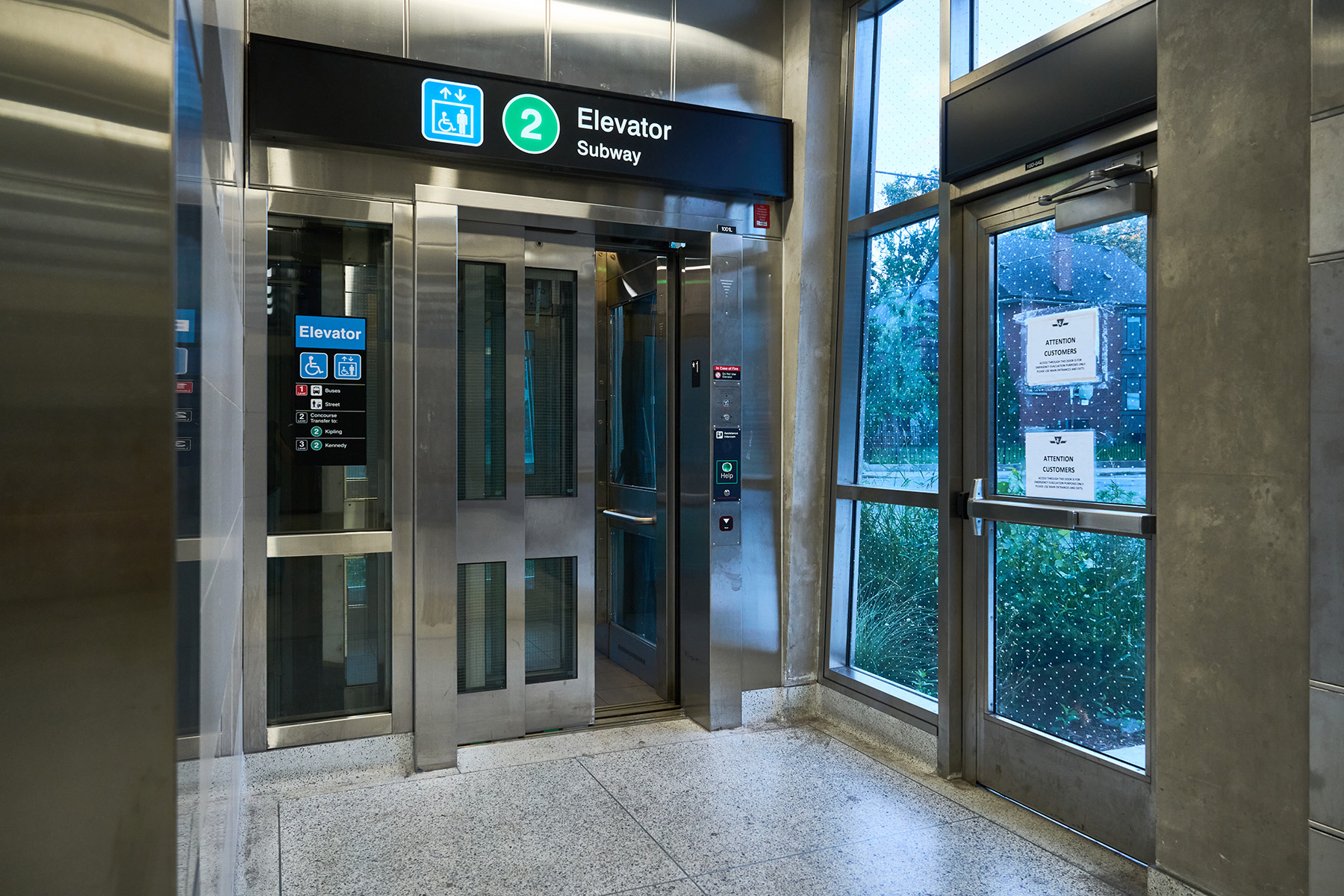
As for the second exit, more than seven years after providing our recommendation, there has still been no word. Should we presume it dead?
According to TTC media relations, nothing had changed: someday there would be a community meeting, and someday after that, a second exit. Paula Fletcher, the local city councillor, who inherited the area after Doug Ford slashed Toronto’s municipal representation, declined to speak with me about it.
Freedom of information requests are not my preferred source of local news, but sometimes they’re all you’ve got. Documents I received from the TTC through the process started to fill in some of the gaps. Fletcher, it seems, had taken an interest in the second exit process. And like us, she wanted the exit to do more than just let people escape in the event of a fire—in her case, she wanted it to provide housing.
It turns out she even took seriously our top option. Many of the documents had redactions, but it’s clear that CreateTO, an agency that manages city property, had been asked to draw up a proposed exit there that would include several storeys of midrise housing on top. To be fair, Fletcher also appears to have reexamined sites we had ranked less favourably, among them a house at 7 Linnsmore Cres. Drawings for that property show three floors sketched above a potential exit.
A letter from the TTC’s chief engineer to Fletcher in 2024 indicates the TTC’s eagerness to get on with things, and a concern that attaching housing to the build would bring increased delays and costs.
It’s all the rage these days to blame public consultations for delays and cost overruns. And there were many times when I wondered whether our recommendation had stymied the second exit. But if my small trove of documents underscores anything, it’s that the delays here were not caused by us.
Local Journalism Matters.
We're able to produce impactful, award-winning journalism thanks to the generous support of readers. By supporting The Local, you're contributing to a new kind of journalism—in-depth, non-profit, from corners of the GTA too often overlooked.
SupportIt felt strange to discover that all this was going on while we had been kept in the dark. It made me wonder, again, what our consultation had been about.
In an iconic paper published in 1969, author Sherry Arnstein describes a hierarchy of citizen participation, which she presents as an eight-rung ladder. If you are involved in any kind of public consultation, you can’t read the article without trying to figure out which rung you are on.
Arnstein, deliberately provocative, labels the bottom two rungs “manipulation” and “therapy” and dismisses them as non-participation. To be fair, my second exit experience was not that. At the very top of the ladder she identifies three kinds of citizen power, the highest of which she calls “citizen control.” Clearly it was not that either. My adventure with the TTC falls somewhere in the middle, probably around rung five, “placation,” which is found on a region of the ladder Arnstein deems “degrees of tokenism.”
“It doesn’t need to be always lip service, just symbolic,” says Louis-Robert Beaulieu-Guay, a political science professor at the University of Moncton, who studies how stakeholder interests and information-gathering shape government policy.
He told me about Montreal’s public consultation board, known as the OCPM. It’s a specialized, arm’s-length body designed to run city infrastructure consultations. He thinks it works well. In some ways, the process resembles ours: it provides high-quality information to members of the public who are interested, then it invites community feedback. A final step is to produce a report synthesizing all of this. What is very different is that the OCPM is an unbiased body that stands between the proponents of a project and the community it will affect. What is also different is that it is transparent.
“When the process is clear, when the deliverables are known, when you know what has been said and what they made of it, you can get more value,” he says. “It’s not just a black box.”
Inside a black box—that’s where our process got stuck.
Ultimately, of course, power remains in the hands of elected officials, as it should, says Beaulieu-Guay. The best we can hope for, as citizens, is to be heard.
And, I will add, to know we’ve been heard. It was somehow gratifying to learn that Fletcher had been considering our proposed option. We did not know. Similarly, it was comforting to see the TTC telling CreateTO in an email that they felt “a need for full transparency with the community”—even though we did not get it.
Beaulieu-Guay urges citizens to keep showing up regardless. Otherwise, alternative views will not be heard. It’s important even if you aren’t very involved or the stakes aren’t that high, he says.
Would it have been a better outcome had the TTC just built what it felt was best? For one thing, we would have had it by now. But when I think of their ill-imagined exit in the middle of Strathmore, I’m reminded: no, they needed community insight. And judging by the sketches from CreateTO, they will continue to need it.
“Just because you’re bringing something up in the consultation process doesn’t mean that it’s going to matter or make a difference,” says Beaulieu-Guay. Most of the time, it won’t, he says. “Just do it.”
Recent Stories
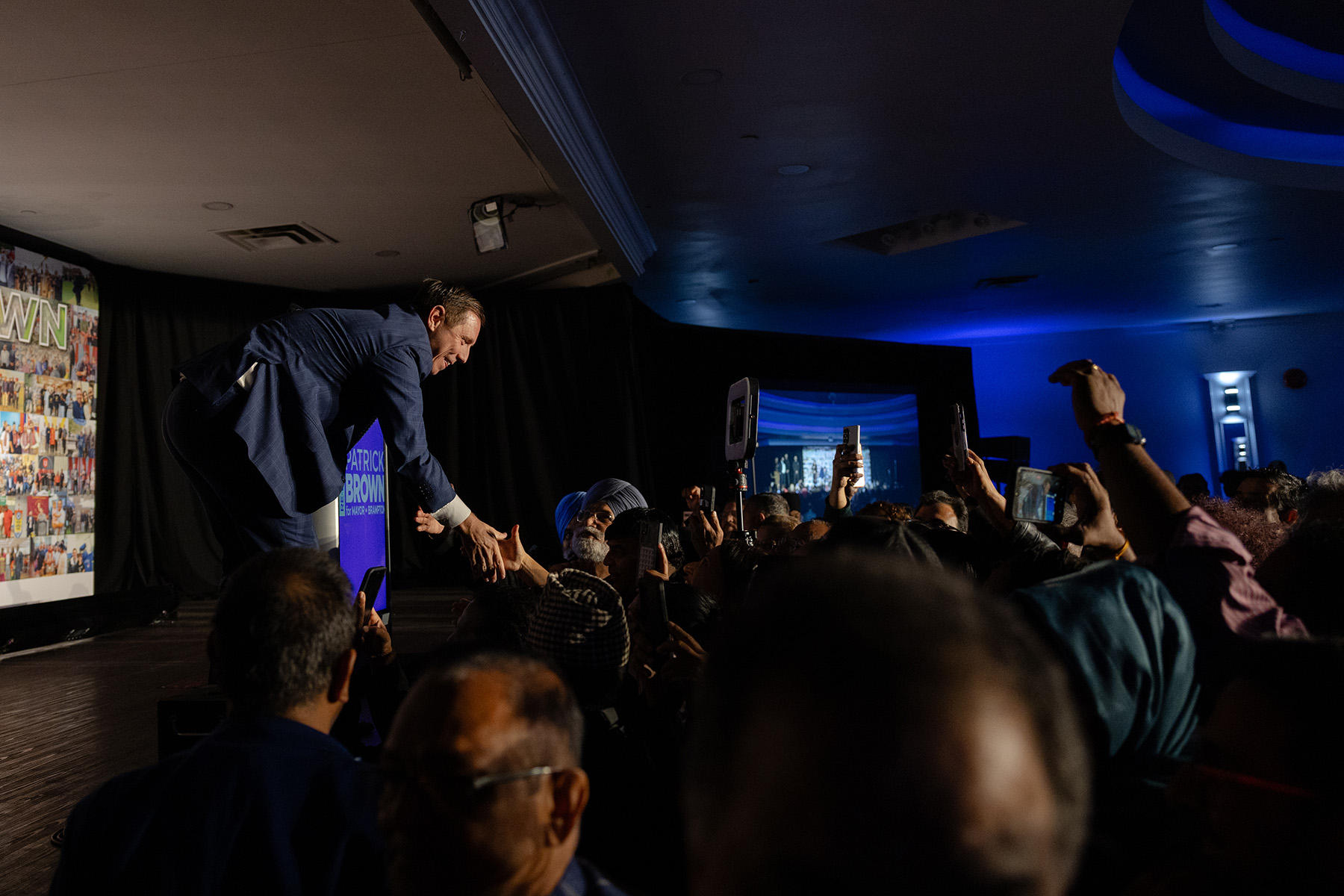
Patrick Brown Is Re-Elected as Mayor of Brampton
With an easy 35 percent lead over the runner up, Brown has secured a third term in office. Incumbents won the night on Brampton council, but the trustee races held some surprises.
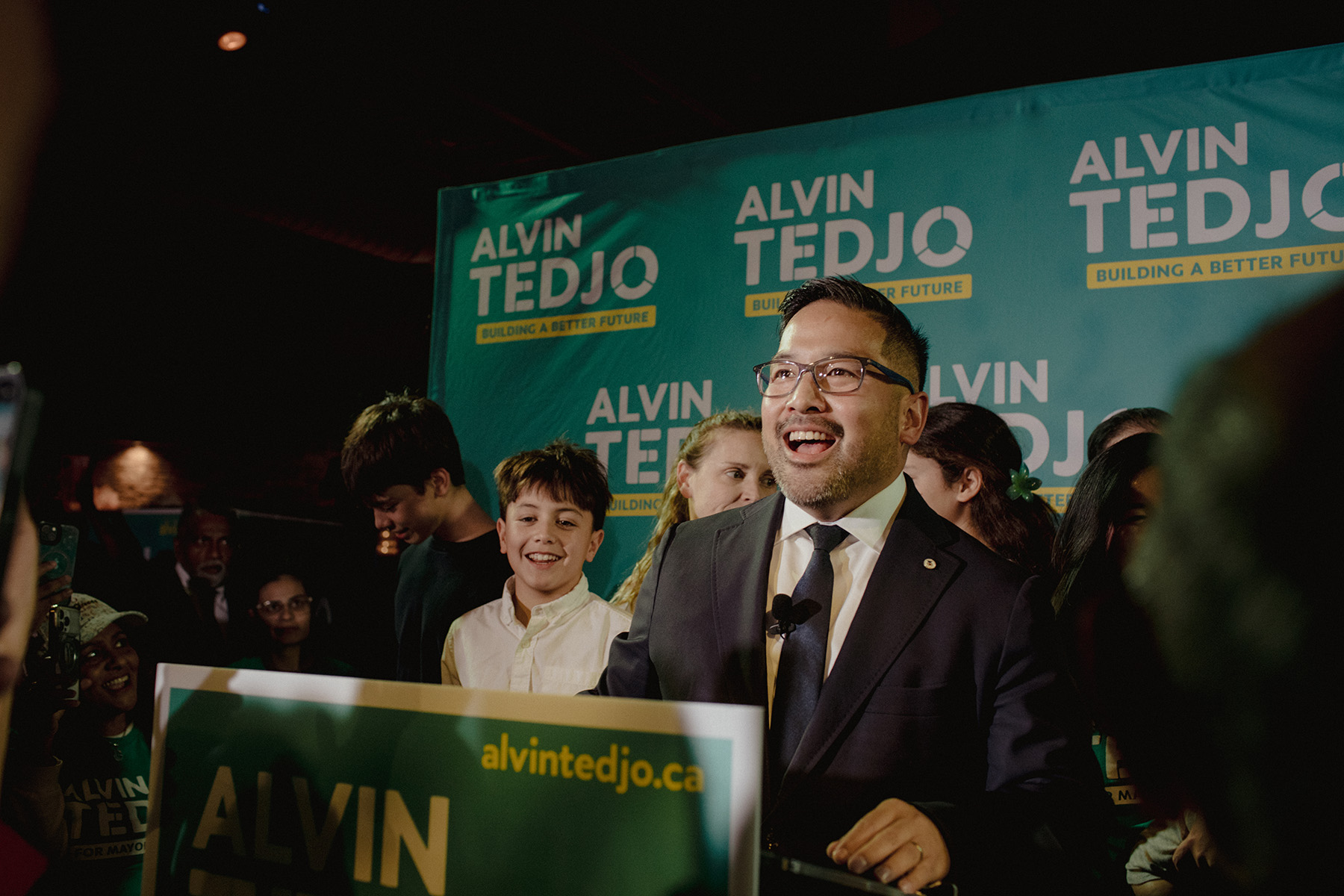
Alvin Tedjo Is Elected as Mayor of Mississauga
The 43-year-old former Ward 2 councillor prevailed against Carolyn Parrish and Bonnie Crombie, an incumbent mayor and a former mayor.
Live Results: Mississauga Municipal Election 2026
Real-time results from election night, starting at 8 p.m. on October 26, 2026.
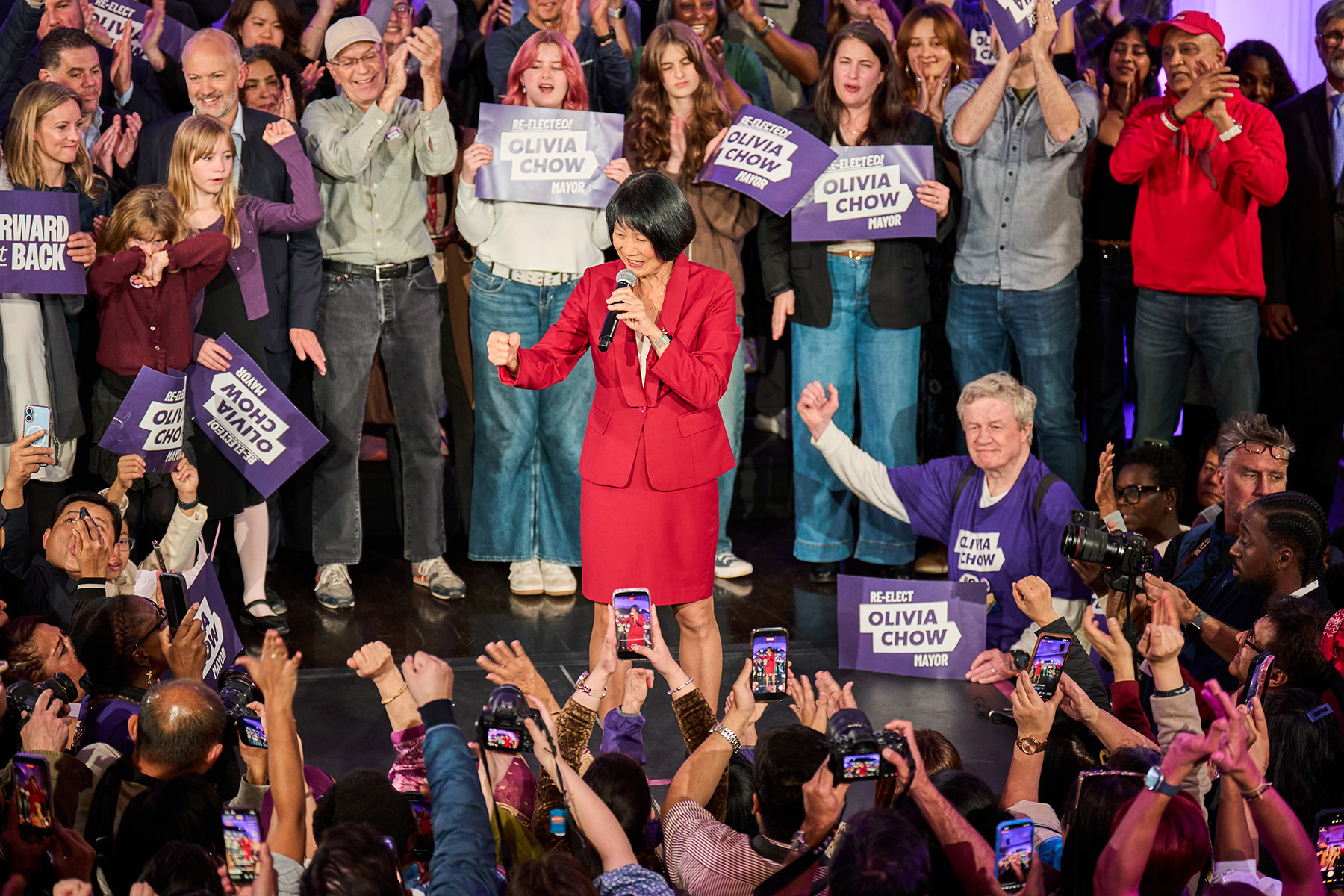
Olivia Chow Is Re-Elected as Toronto Mayor
In a decisive victory, Chow defeated rival Brad Bradford to win a second term as mayor.
Live Results: Toronto Municipal Election 2026
Real-time results from election night, starting at 8 p.m. on October 26, 2026.

Lessons From Covering Toronto’s First AI Election
I’ve looked at nearly every candidate running for municipal election across three cities. A lot of their campaigns look the same. What does it mean for democracy?
More from this issue
Patrick Brown Is Re-Elected as Mayor of Brampton
With an easy 35 percent lead over the runner up, Brown has secured a third term in office. Incumbents won the night on Brampton council, but the trustee races held some surprises.
Alvin Tedjo Is Elected as Mayor of Mississauga
The 43-year-old former Ward 2 councillor prevailed against Carolyn Parrish and Bonnie Crombie, an incumbent mayor and a former mayor.
Live Results: Mississauga Municipal Election 2026
Real-time results from election night, starting at 8 p.m. on October 26, 2026.
Olivia Chow Is Re-Elected as Toronto Mayor
In a decisive victory, Chow defeated rival Brad Bradford to win a second term as mayor.
Live Results: Toronto Municipal Election 2026
Real-time results from election night, starting at 8 p.m. on October 26, 2026.
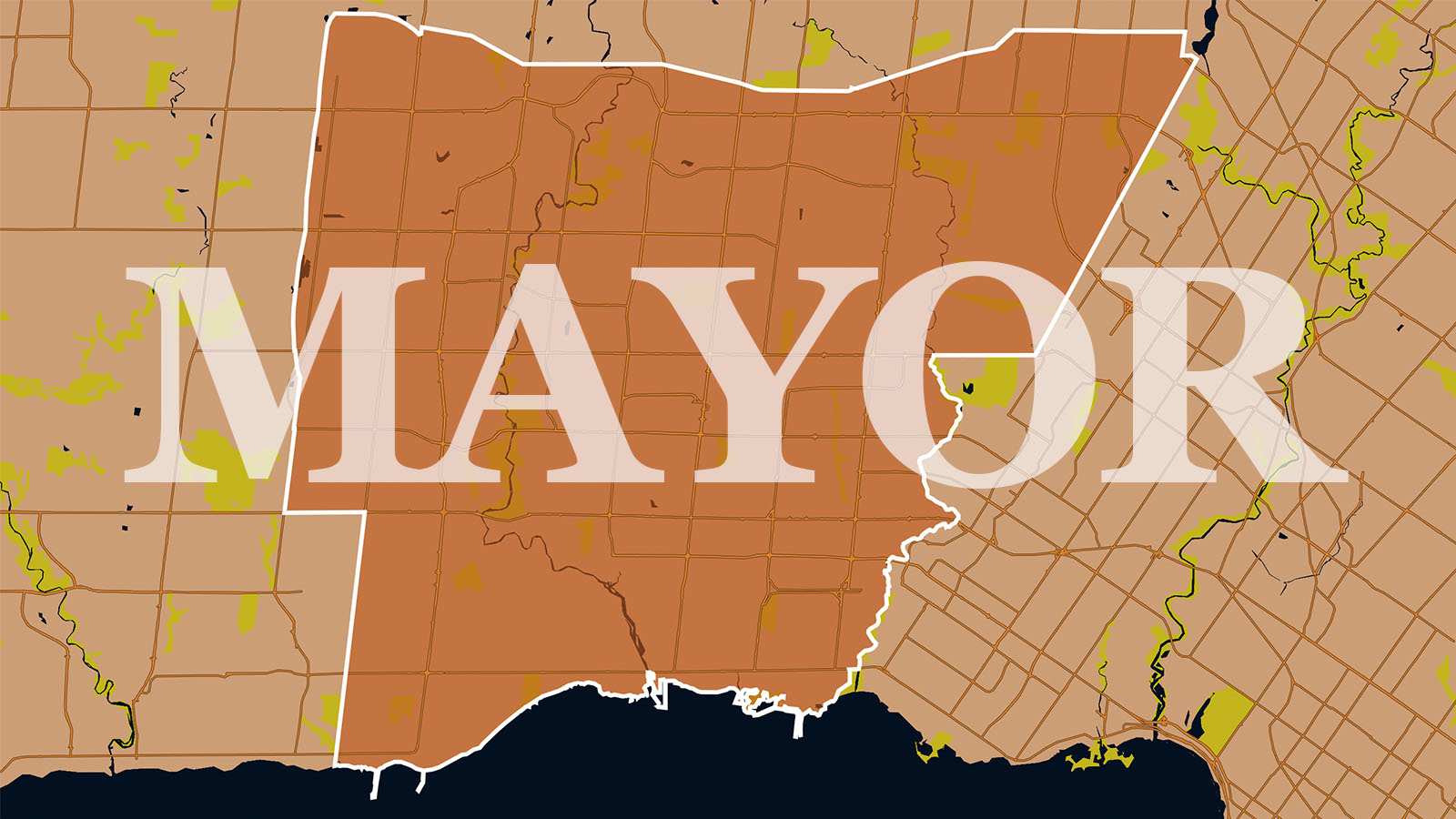
Mississauga Mayoral 2026 Candidates
Fact-checked biographies and platform summaries for all the candidates for mayor of Mississauga.
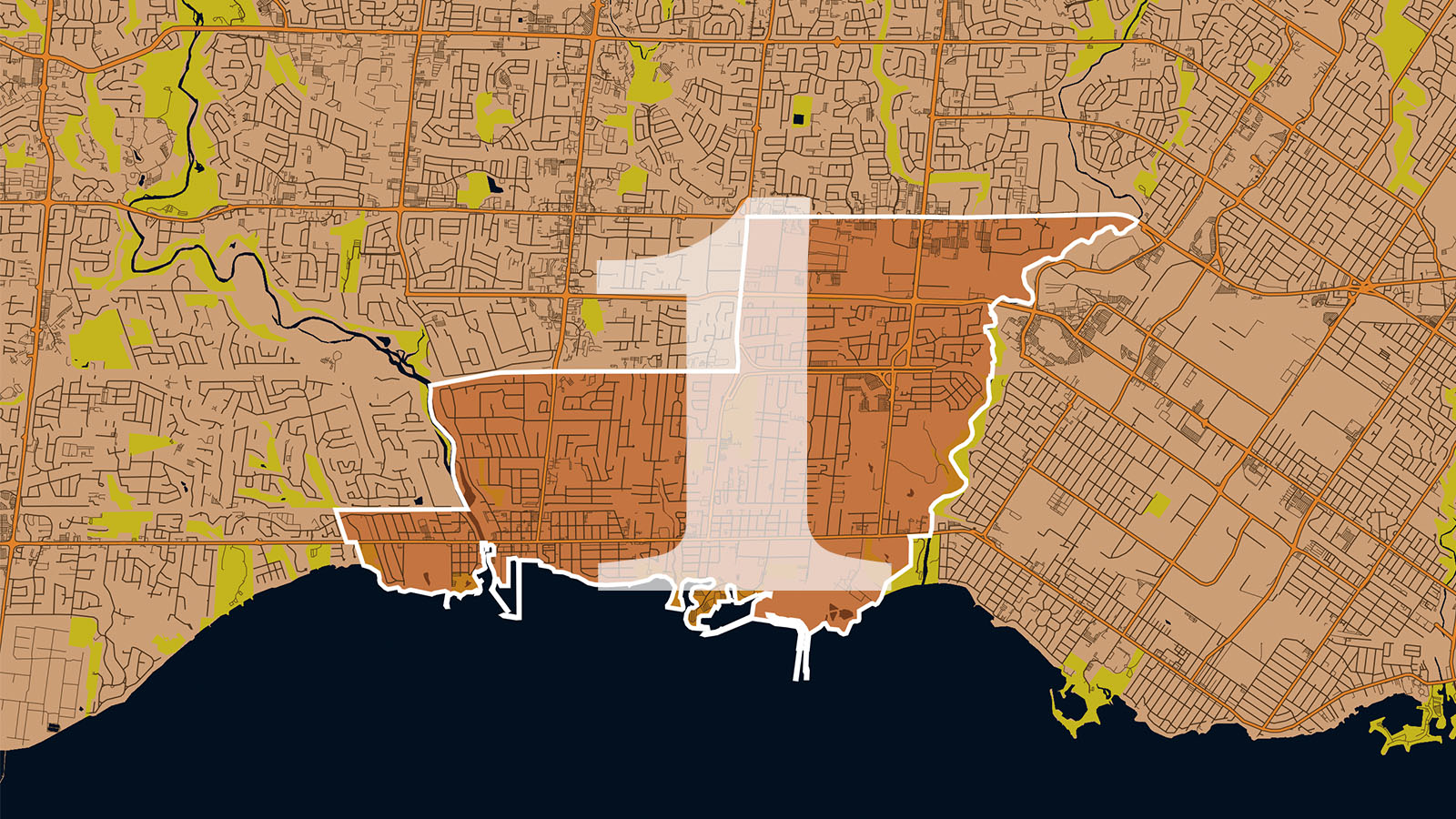
Mississauga Ward 1
Fact-checked biographies and platform summaries for every municipal election candidate in Mississauga Ward 1.
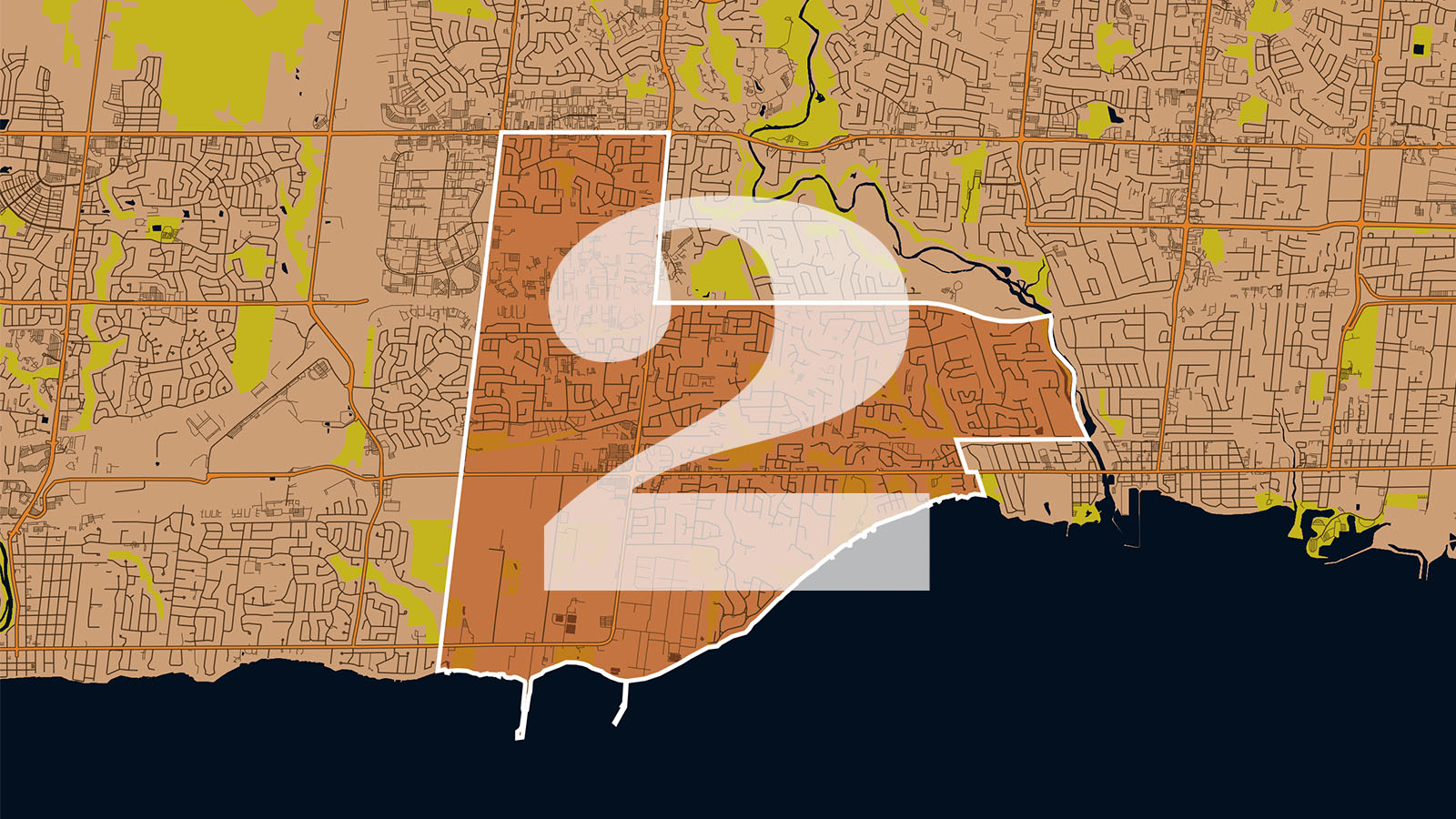
Mississauga Ward 2
Fact-checked biographies and platform summaries for every municipal election candidate in Mississauga Ward 2.
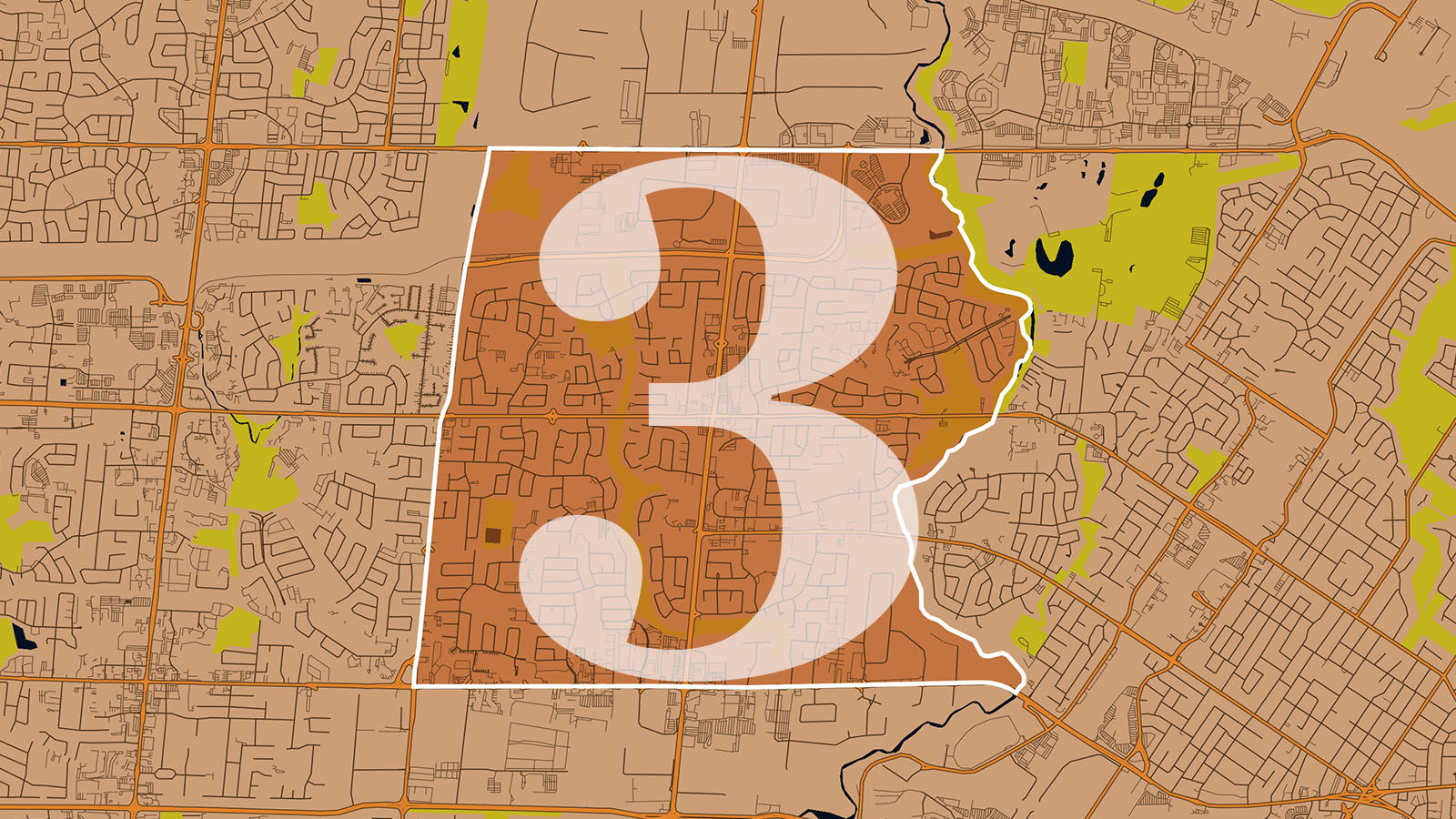
Mississauga Ward 3
Fact-checked biographies and platform summaries for every municipal election candidate in Mississauga Ward 3.
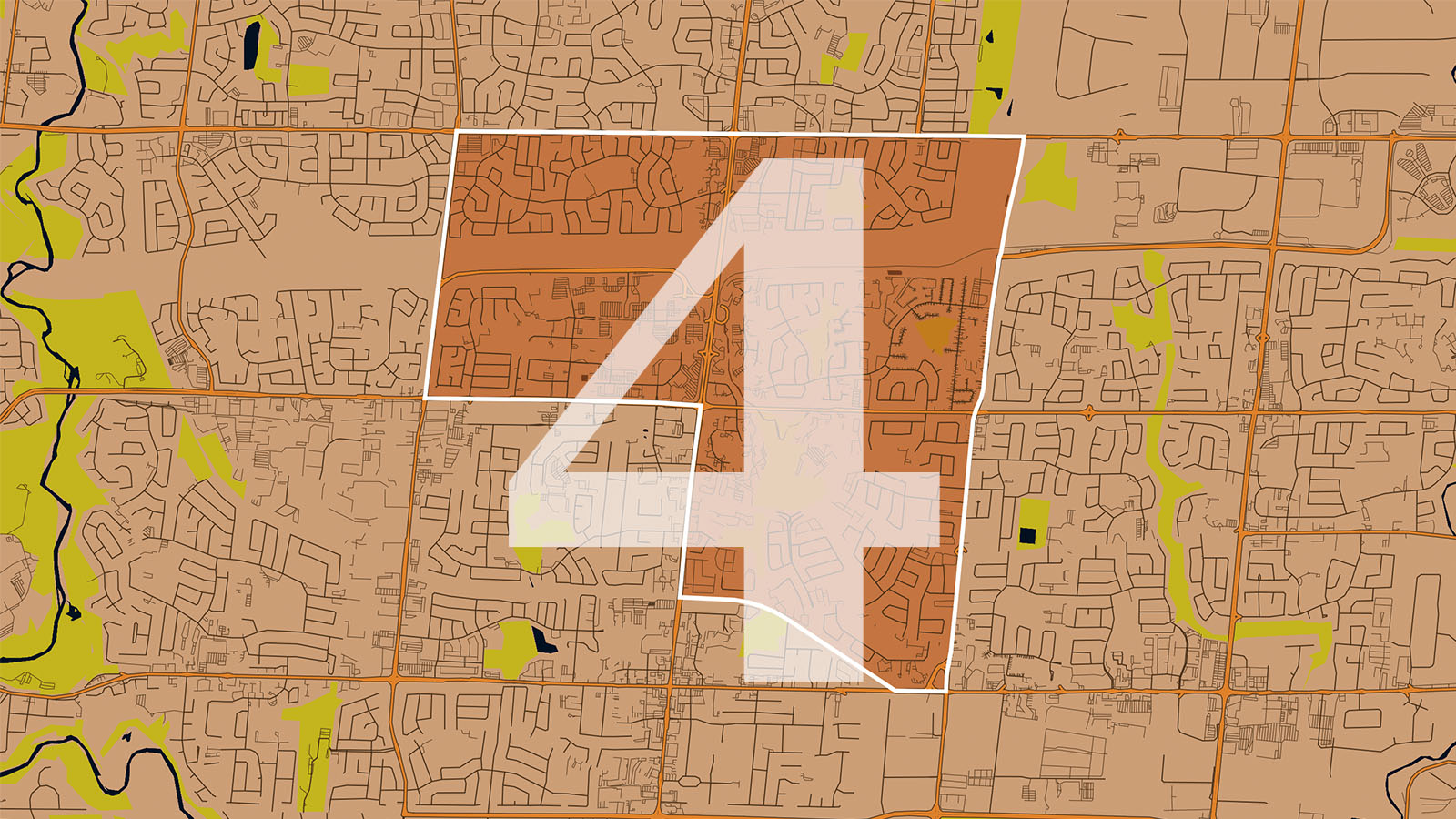
Mississauga Ward 4
Fact-checked biographies and platform summaries for every municipal election candidate in Mississauga Ward 4.